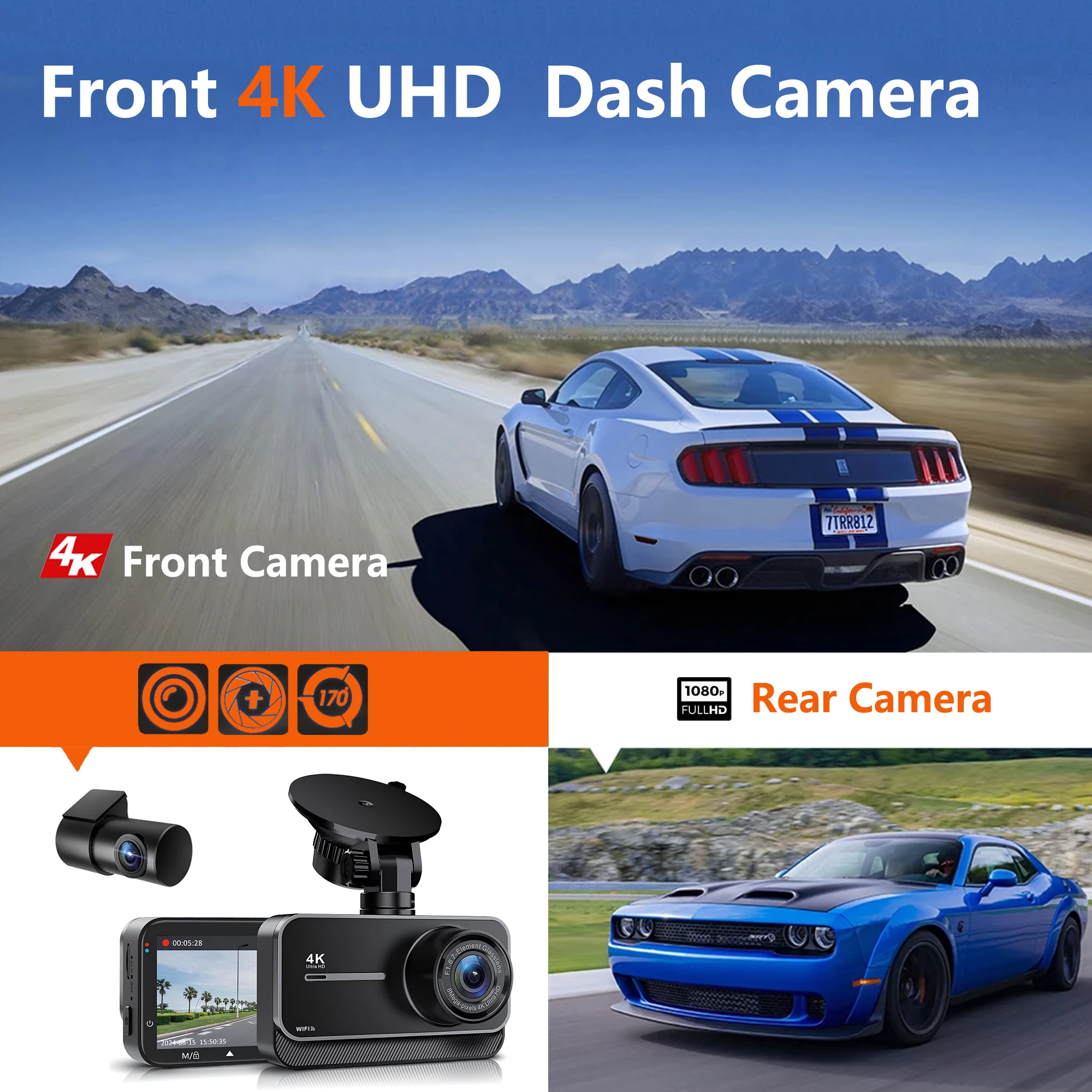
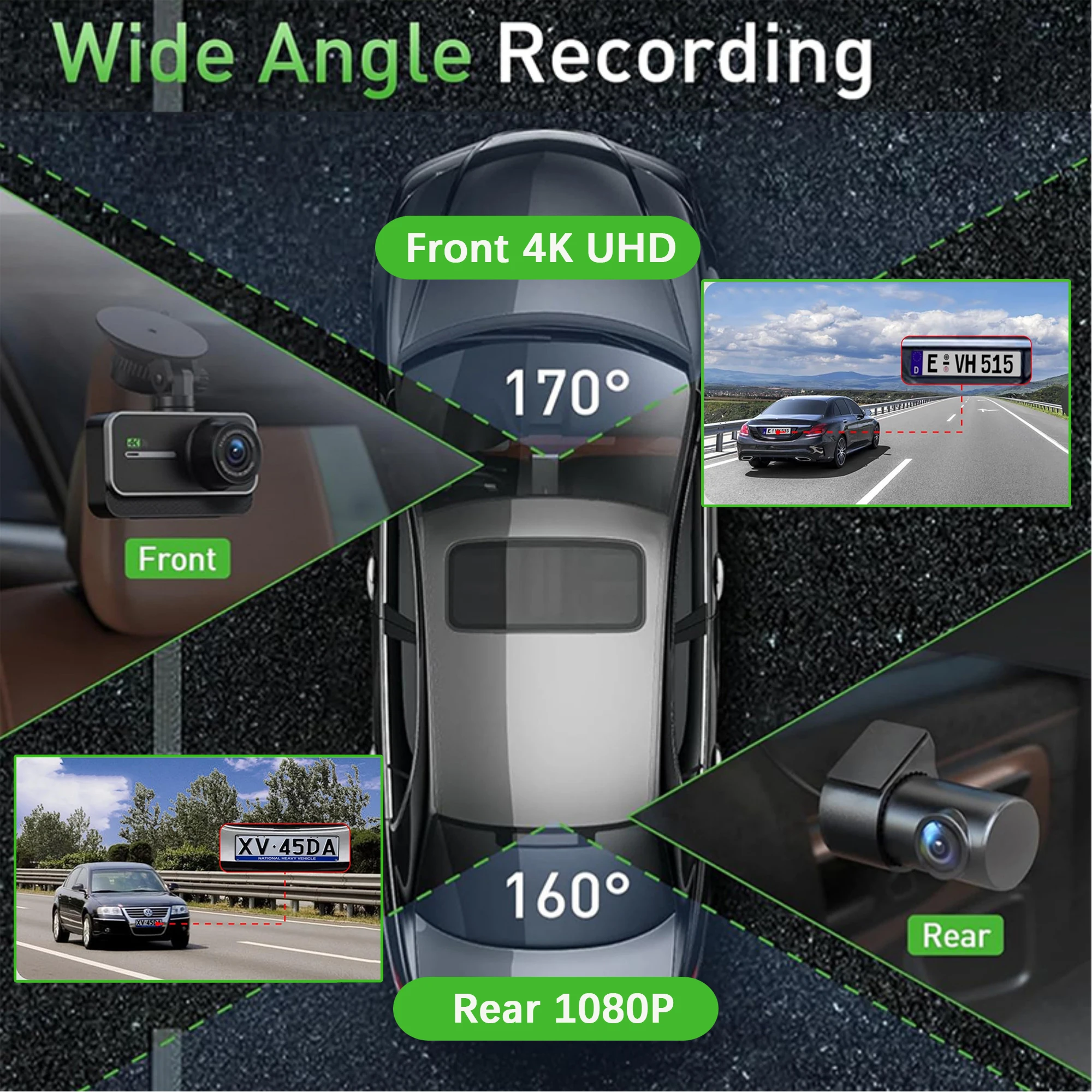
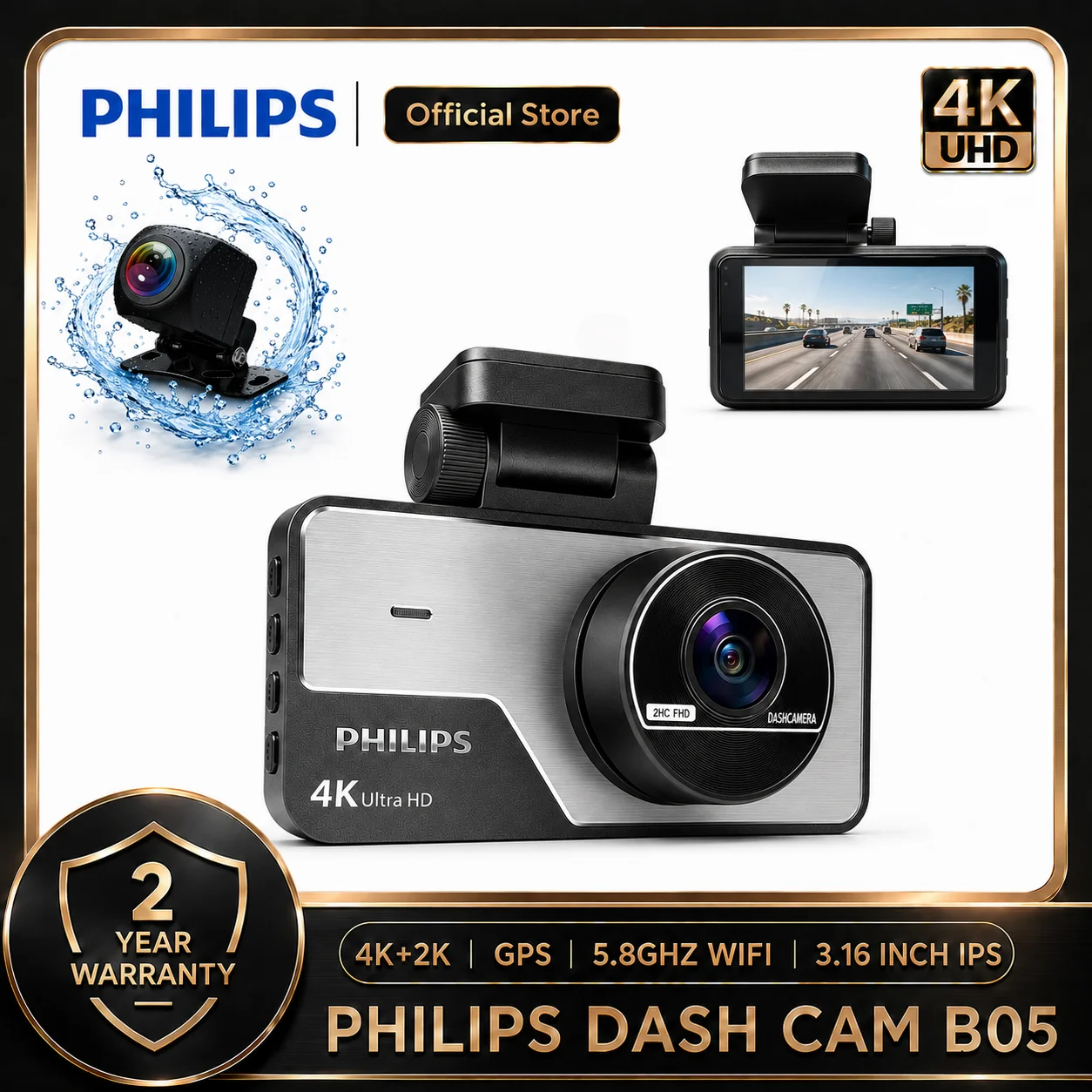
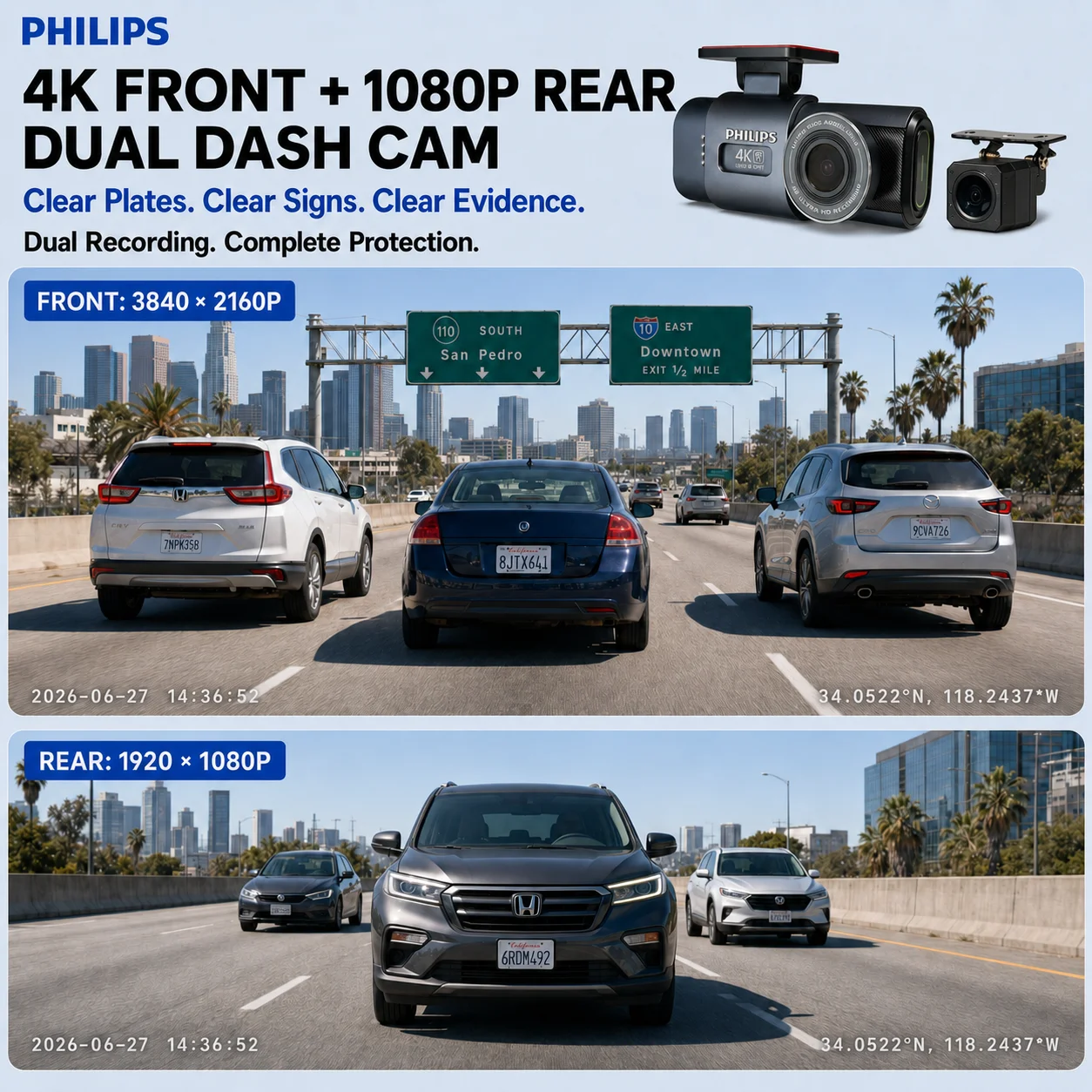
Two cameras, ahead and behind
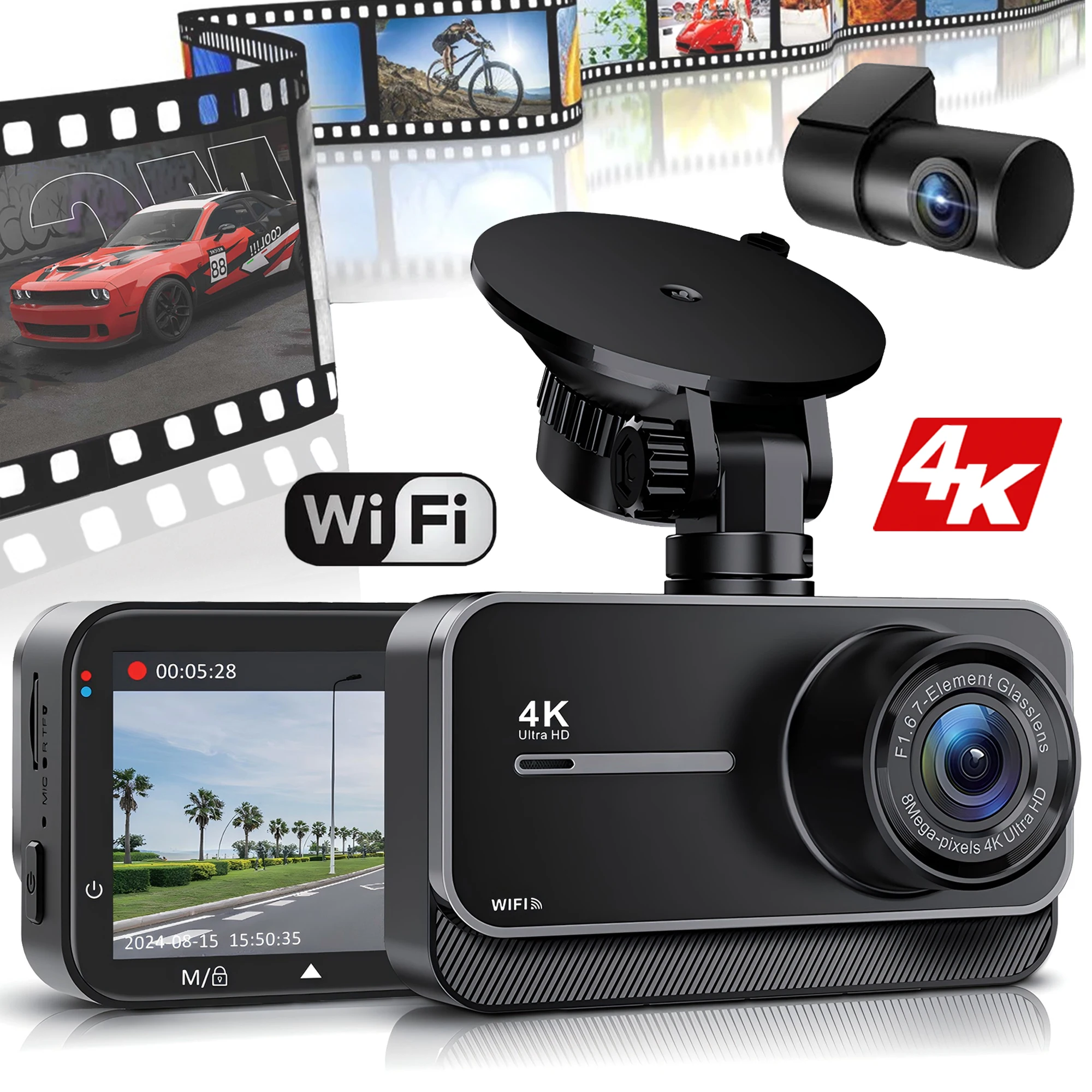
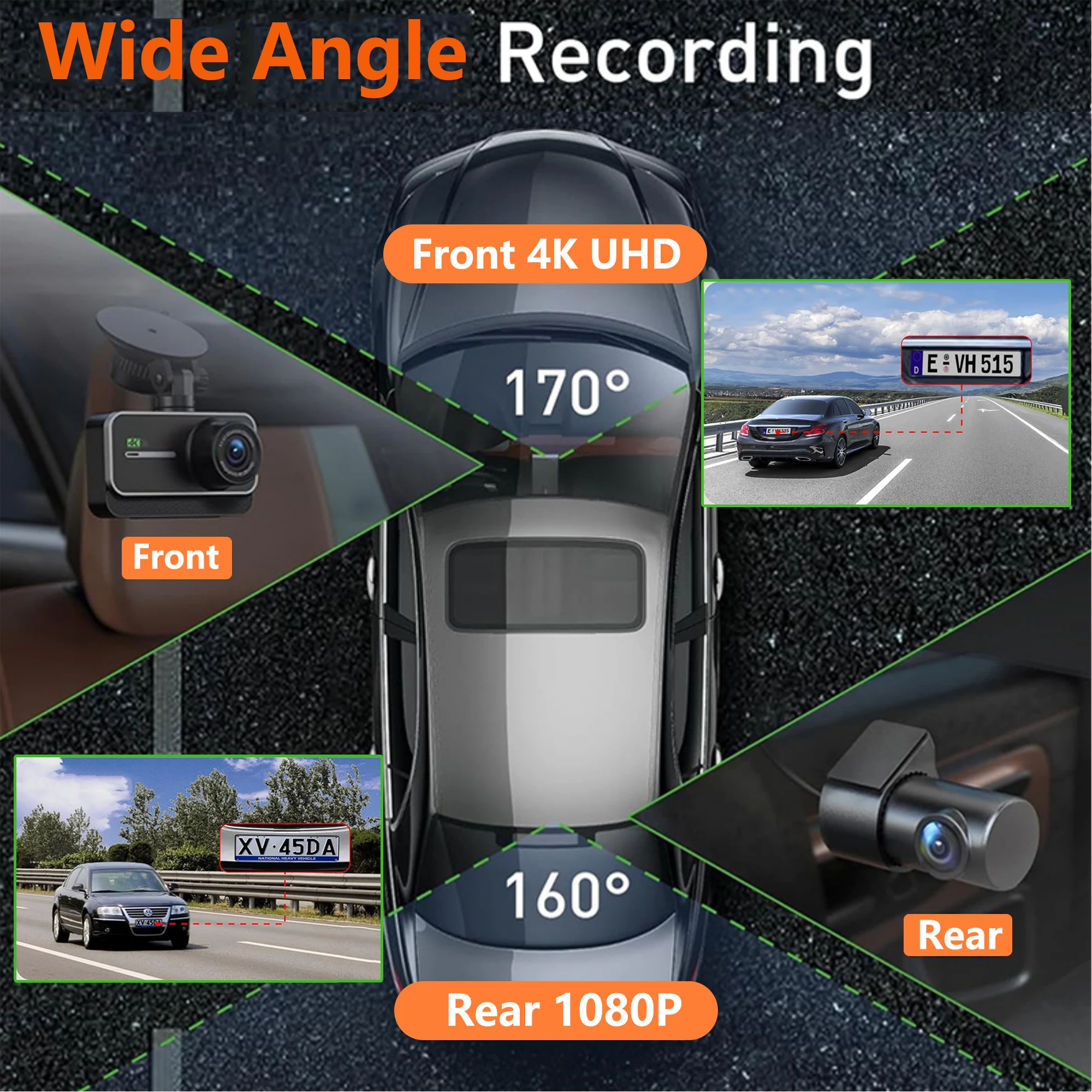
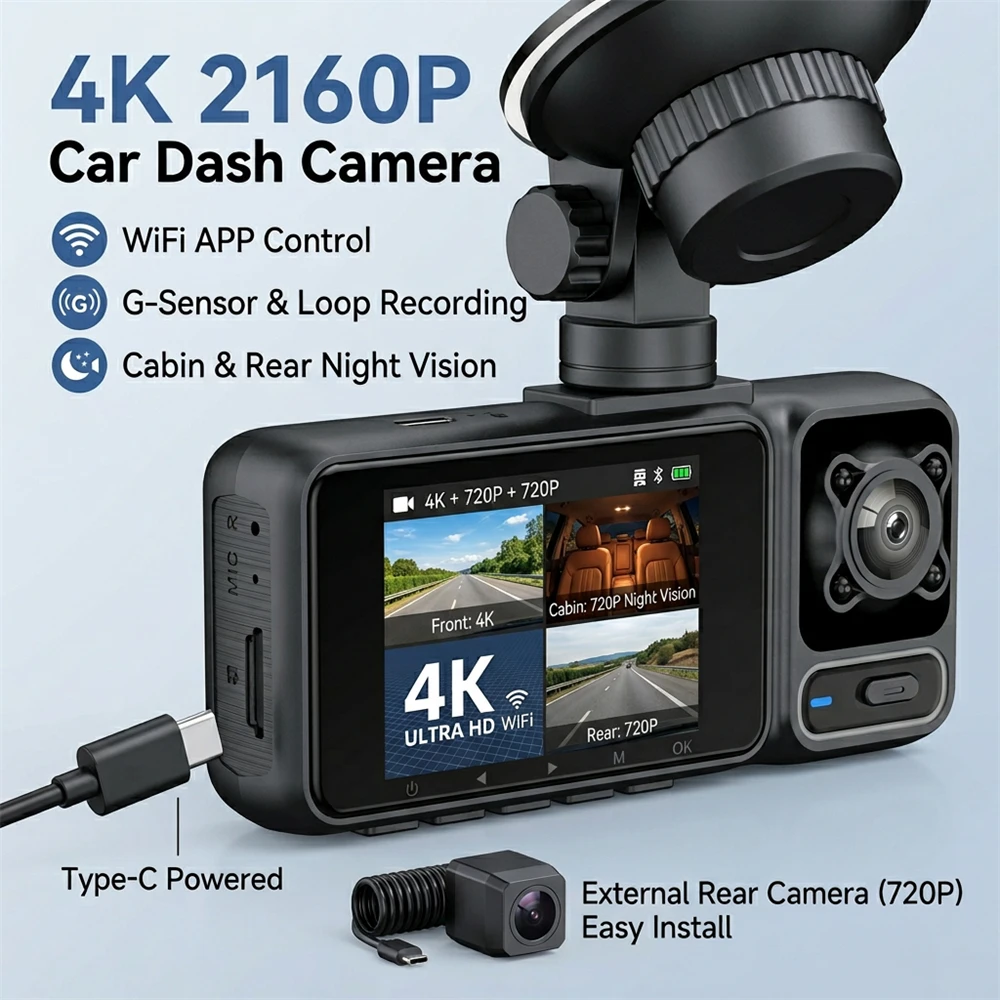
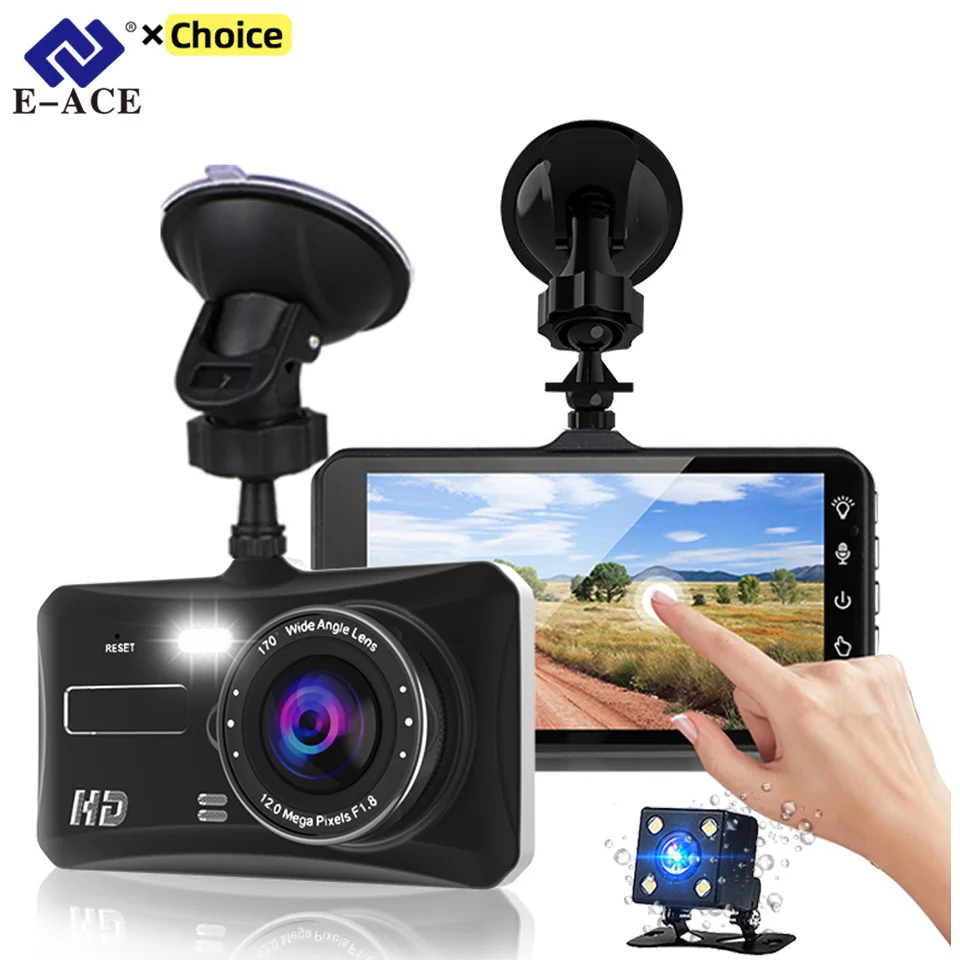
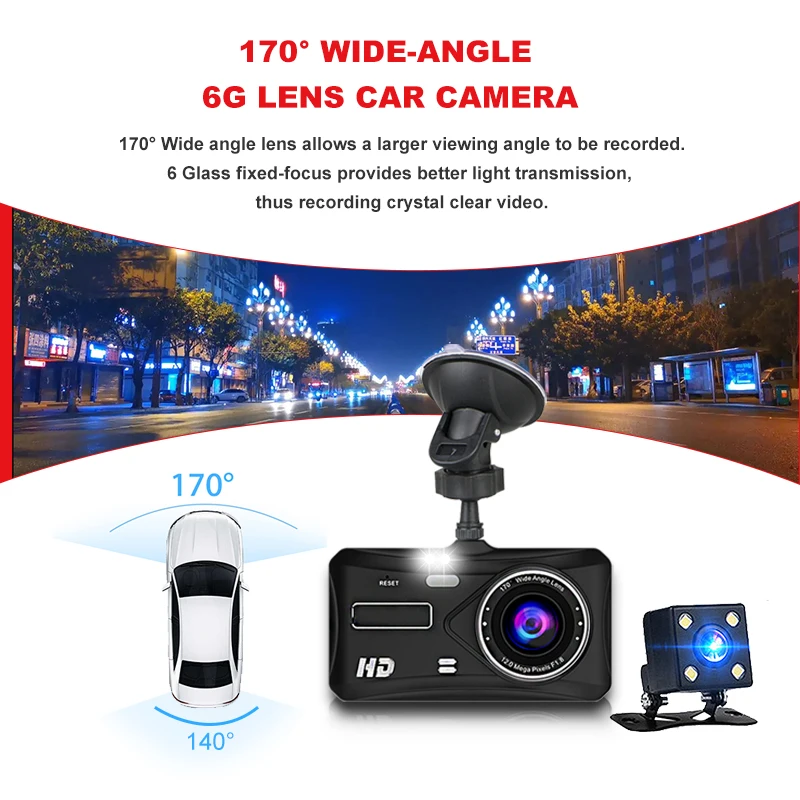
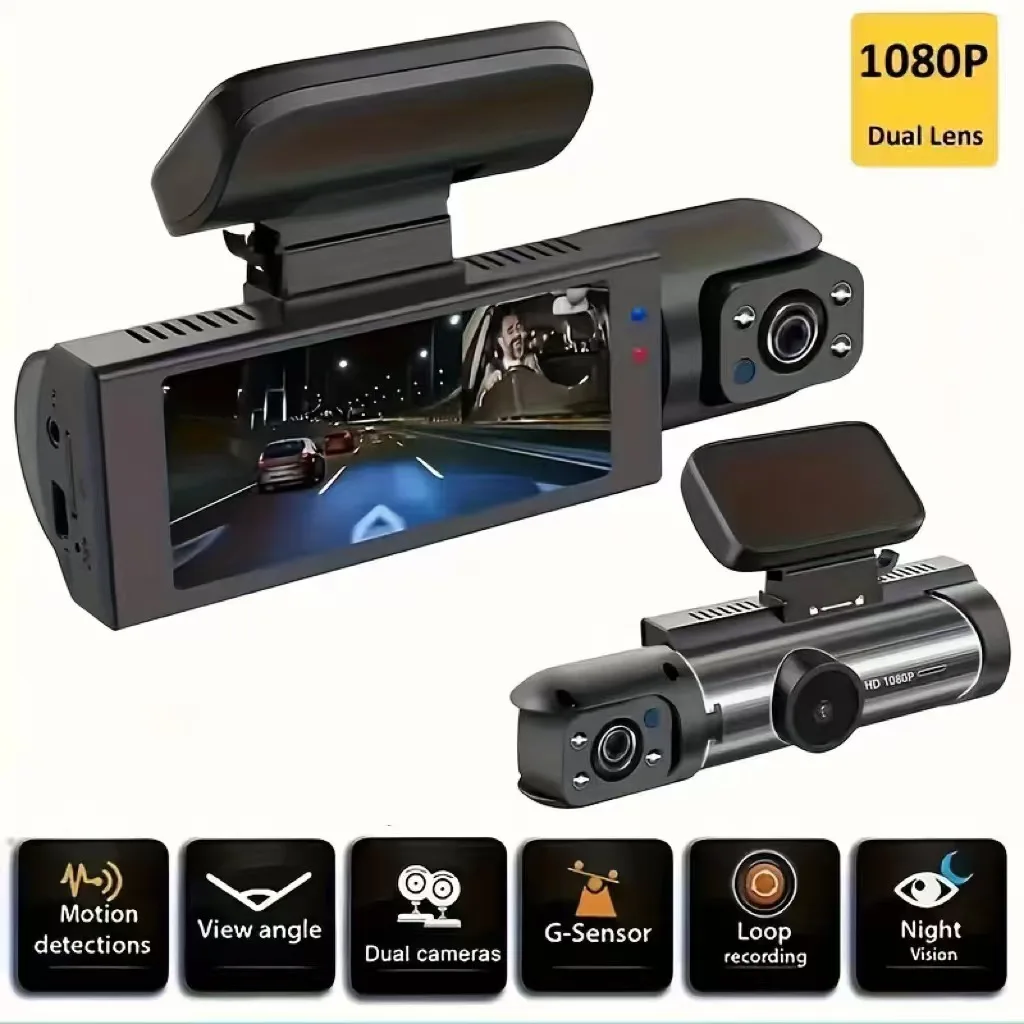
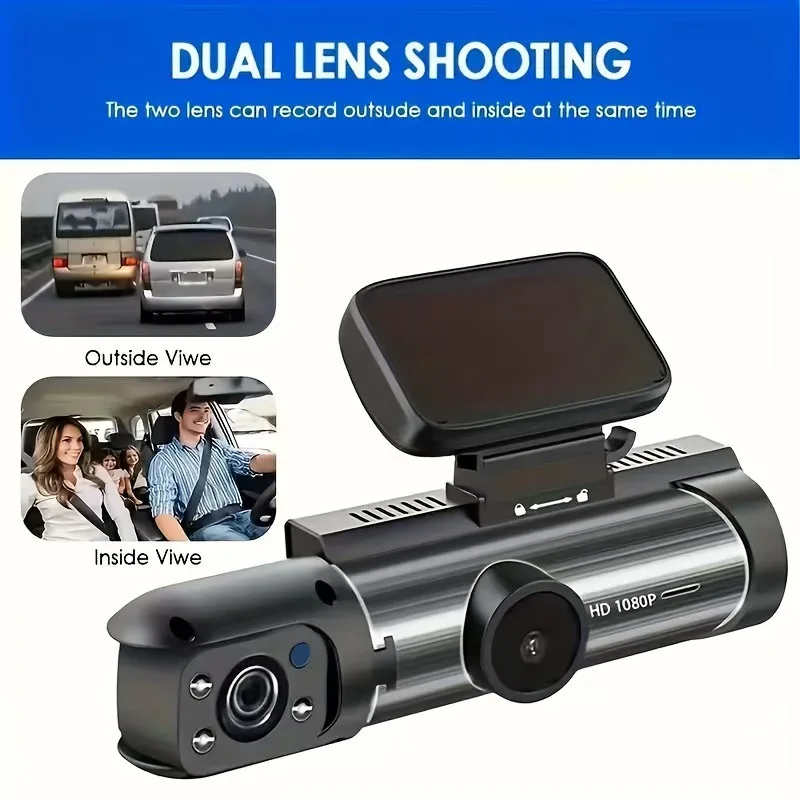
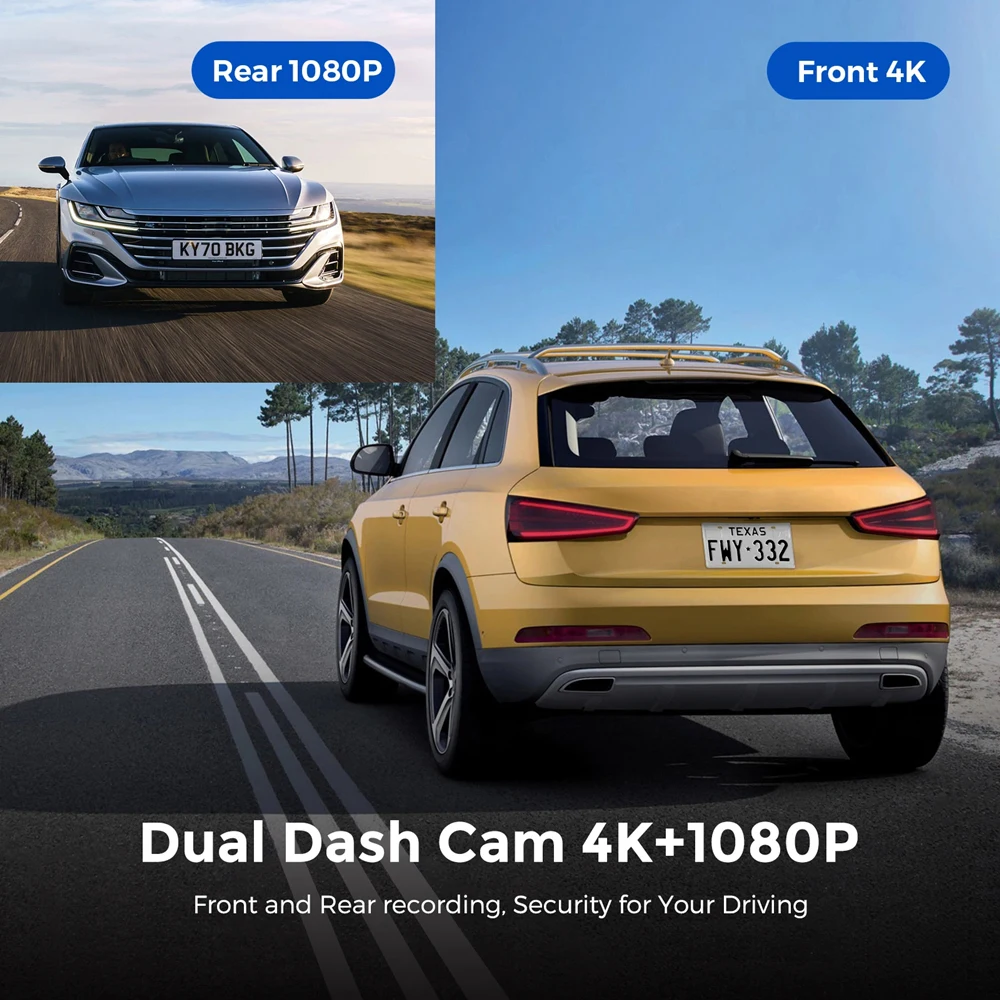
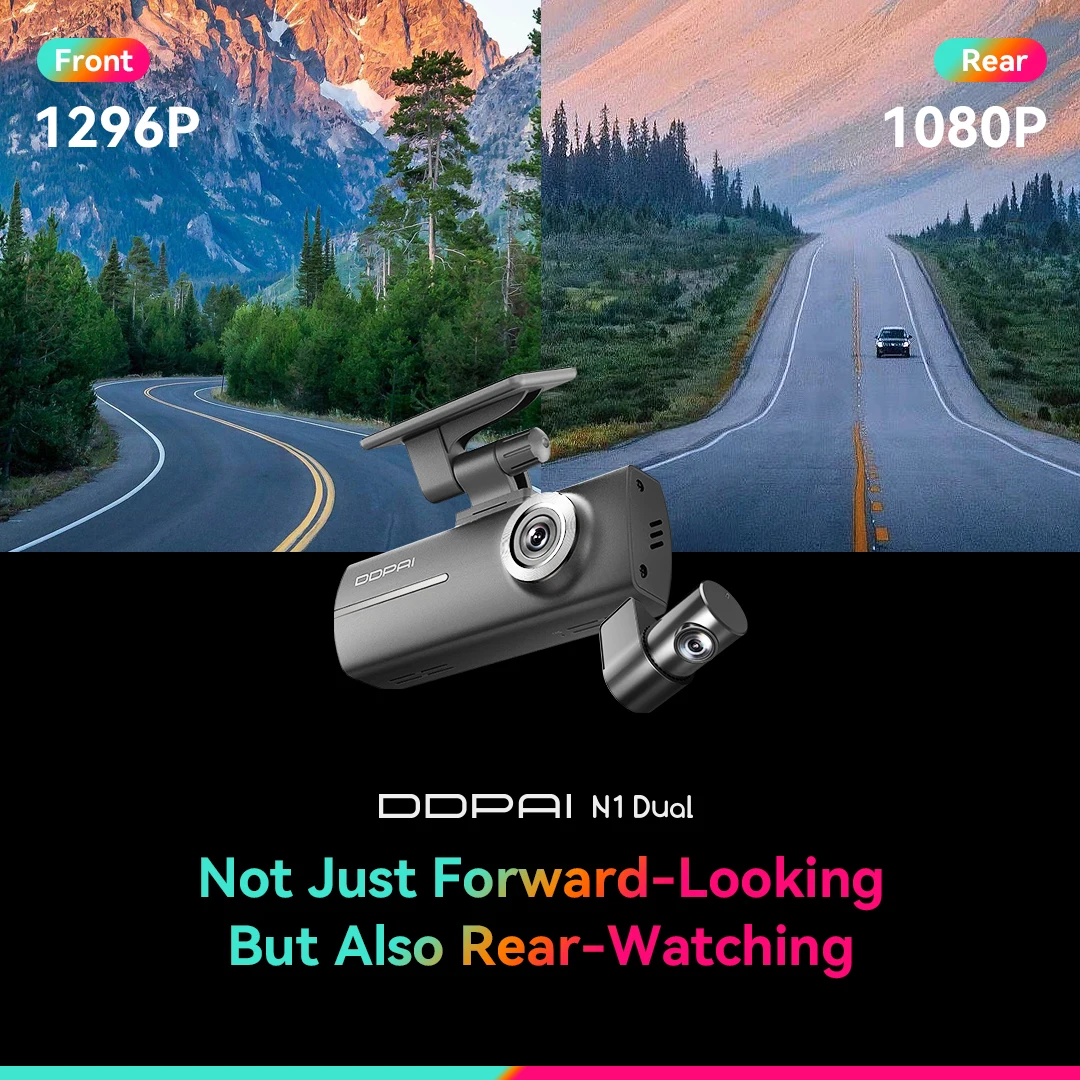
A single dash cam only sees what is in front of you. Being hit from behind in a queue, at the lights or while reversing out of a space is common, and a front camera has nothing to show for it. A front and rear set adds a second, smaller camera on the back window, joined to the front unit by a long cable that runs along the headlining. Most of the cameras here are sets like that, and a few go further.
What you will find here
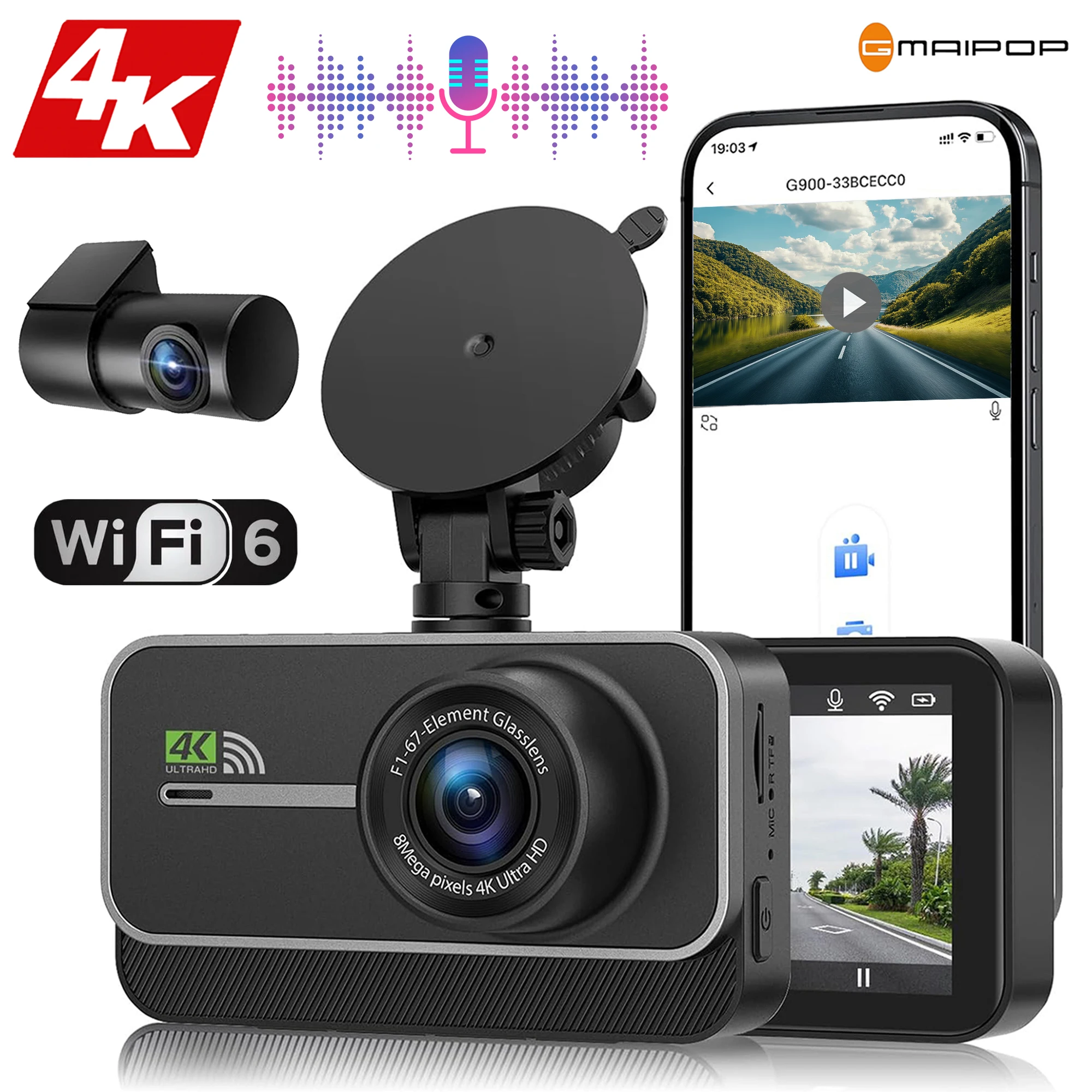
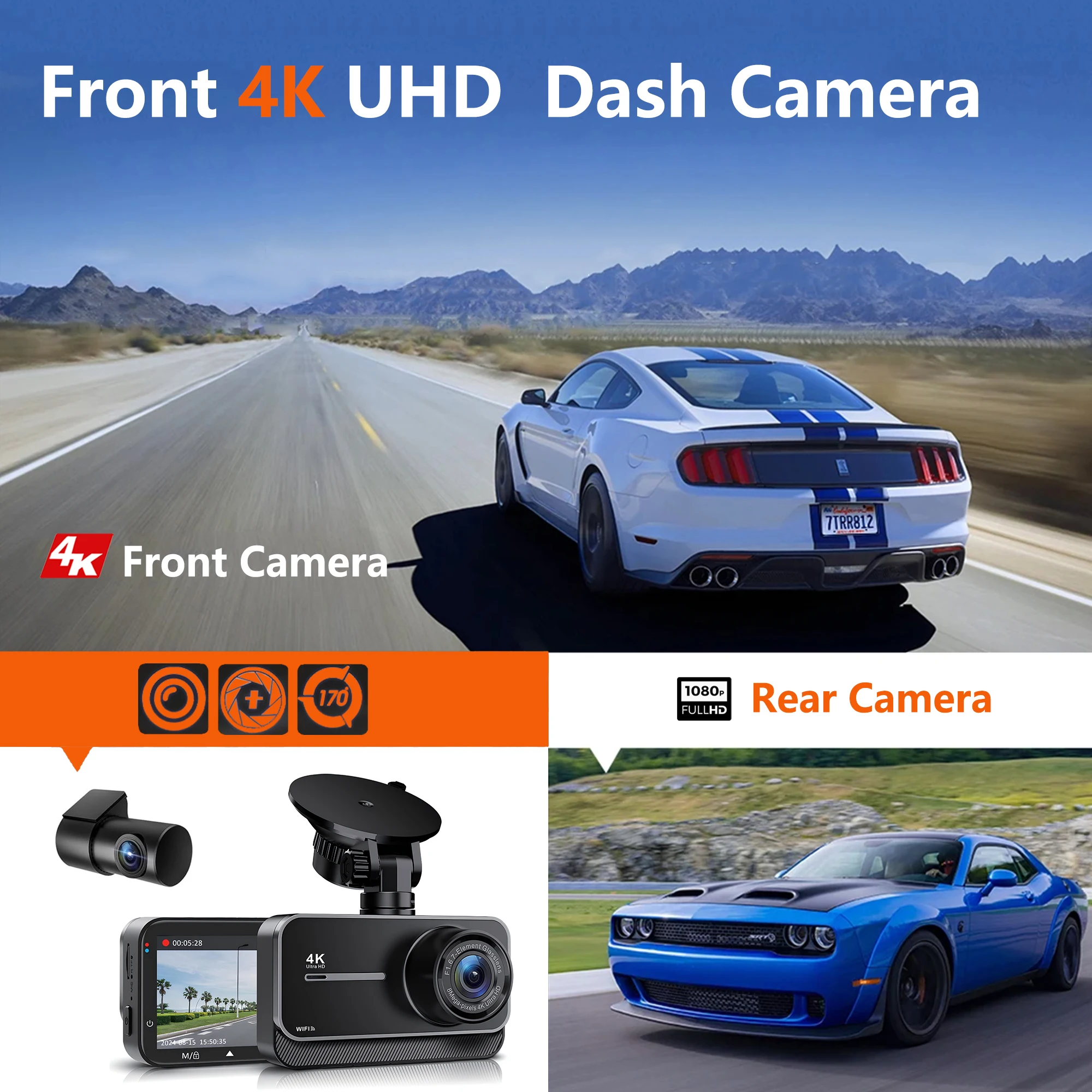
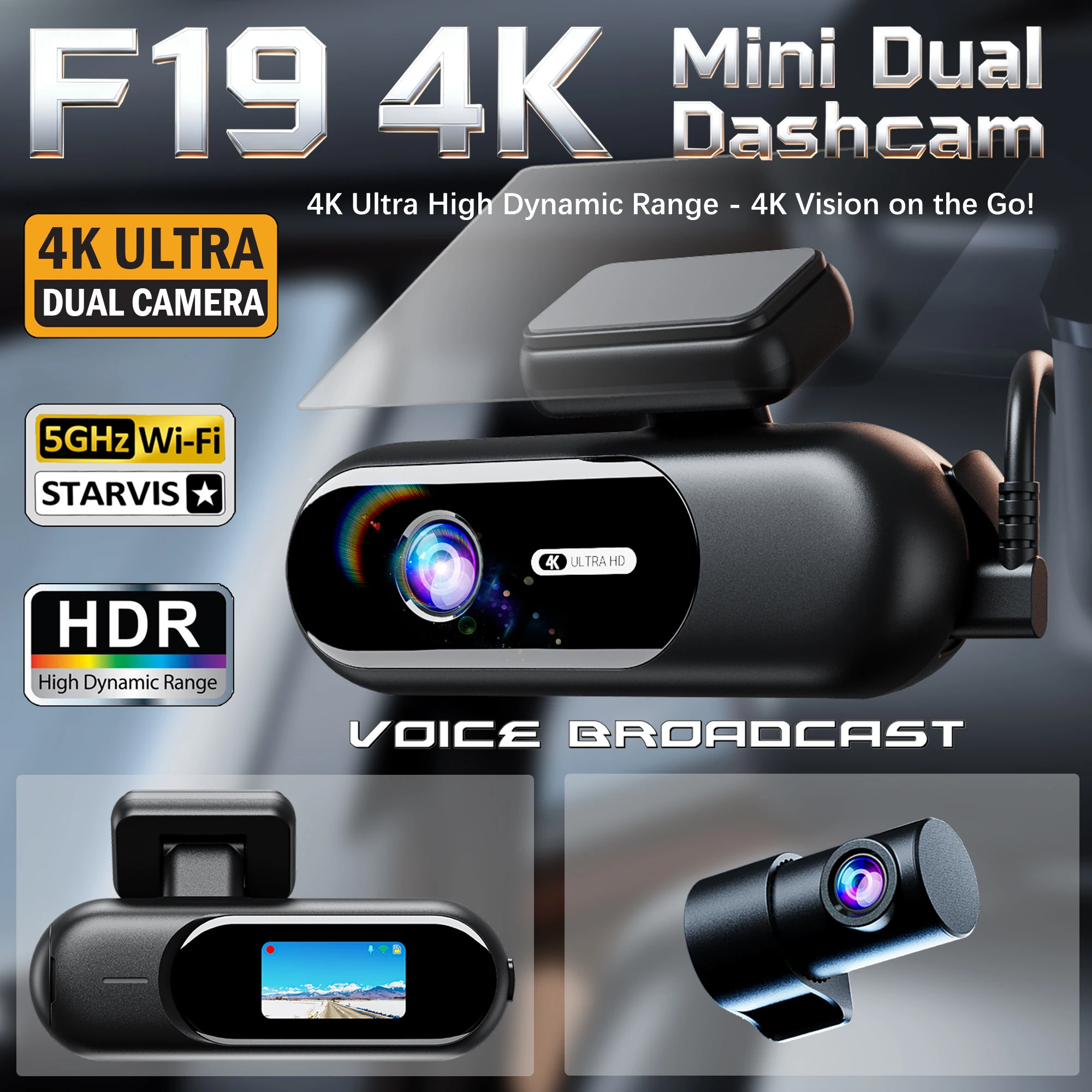
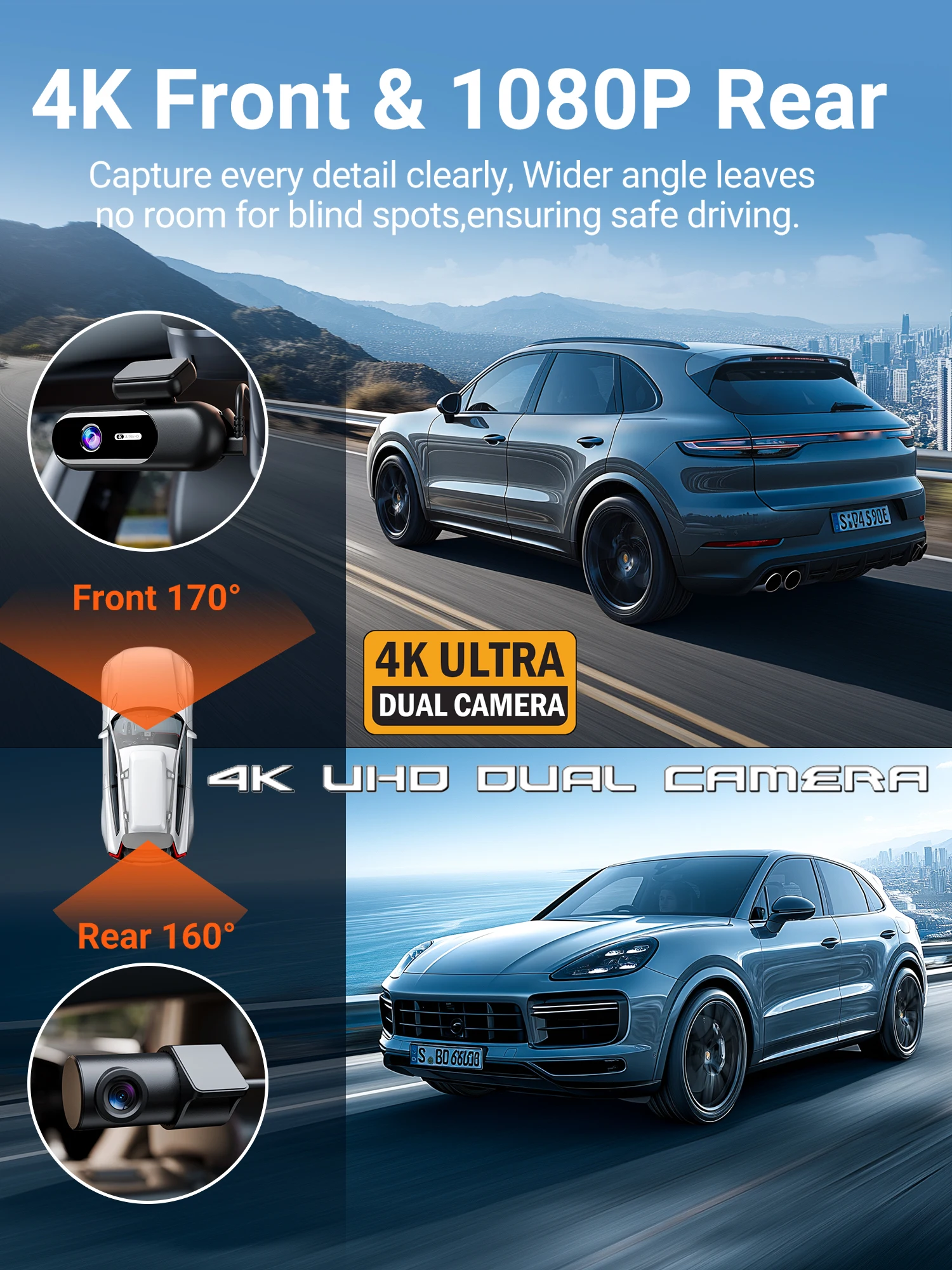
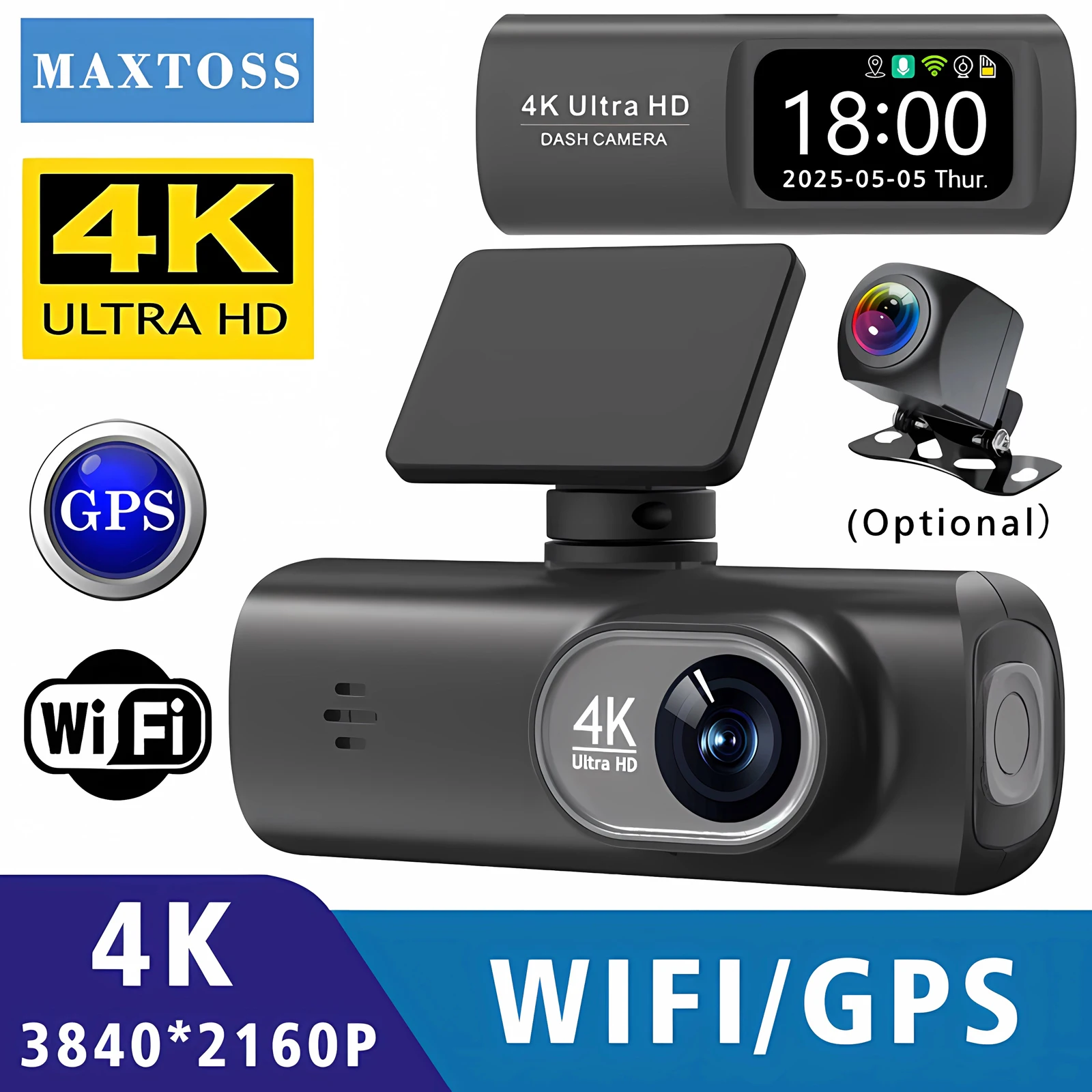
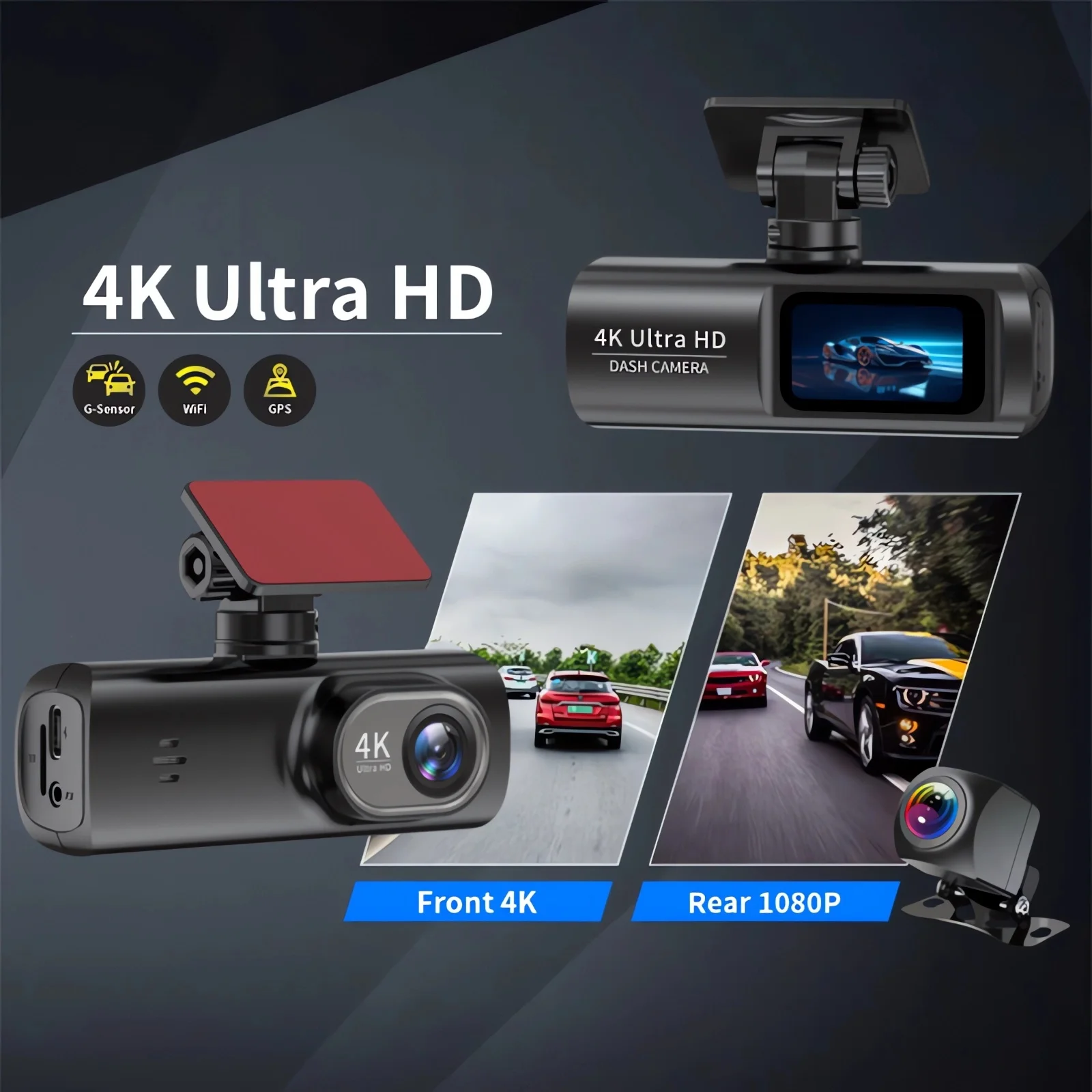
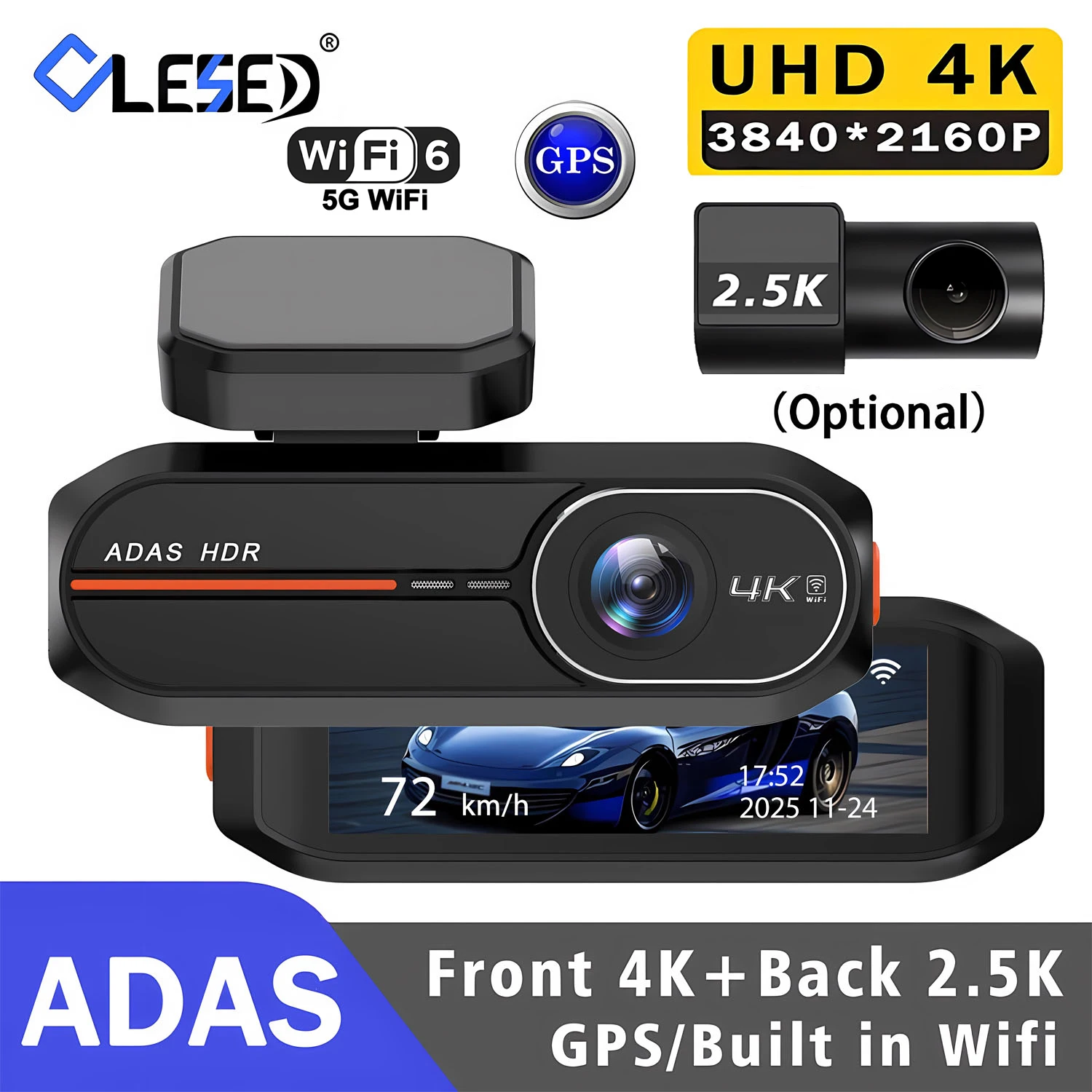
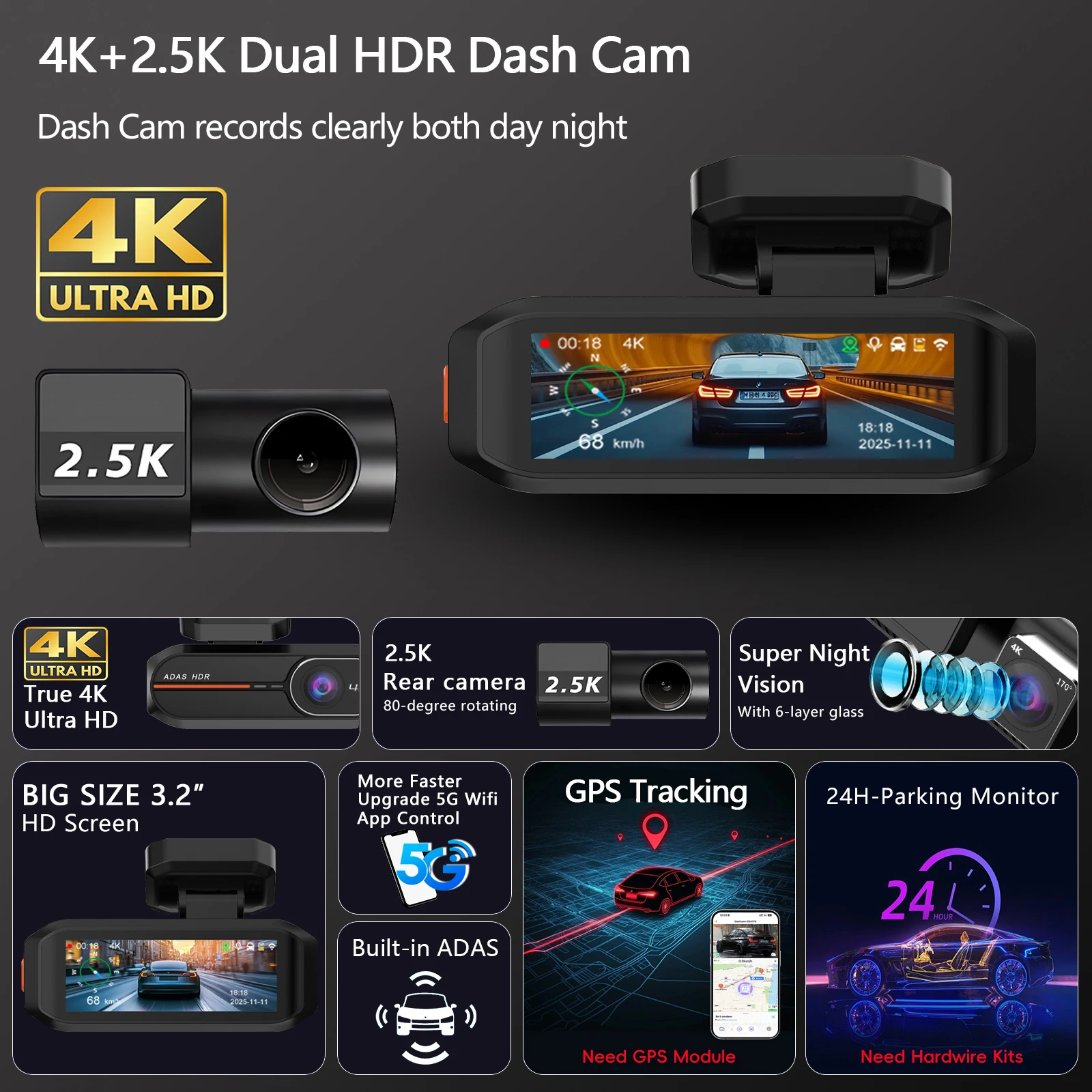
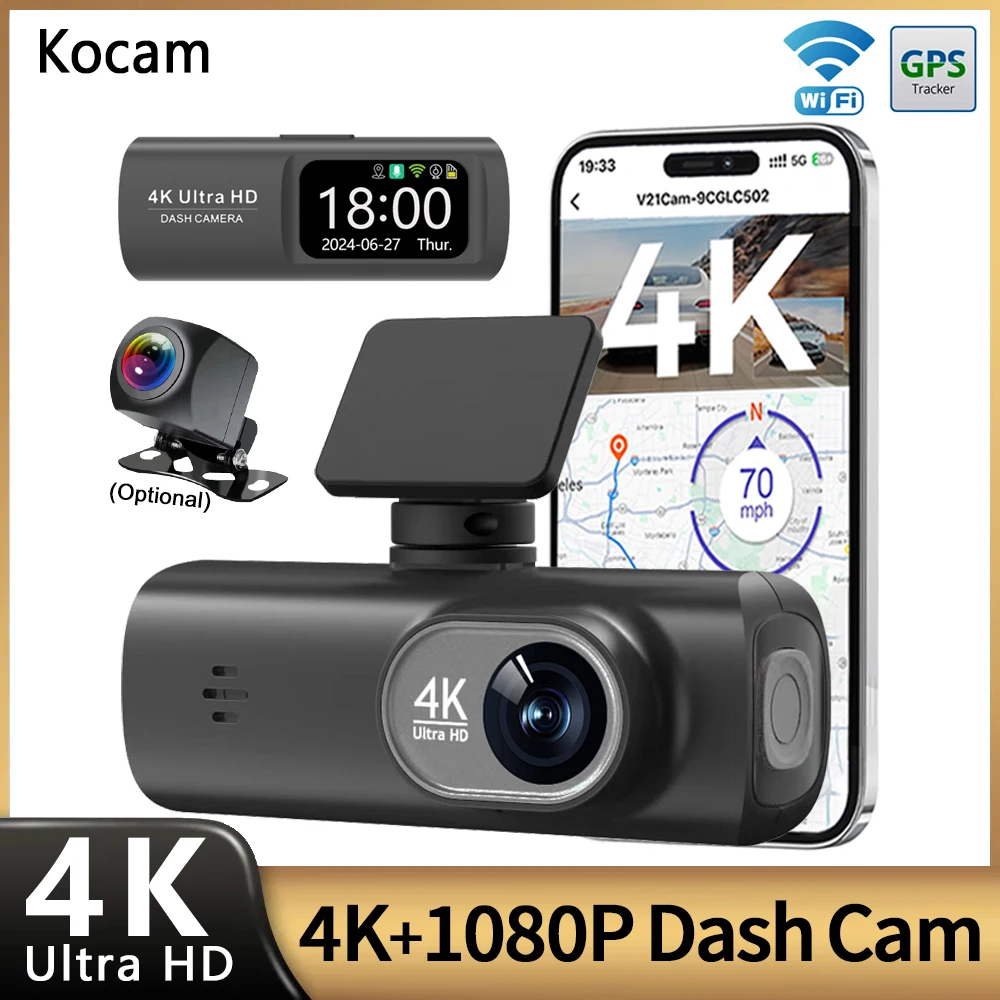
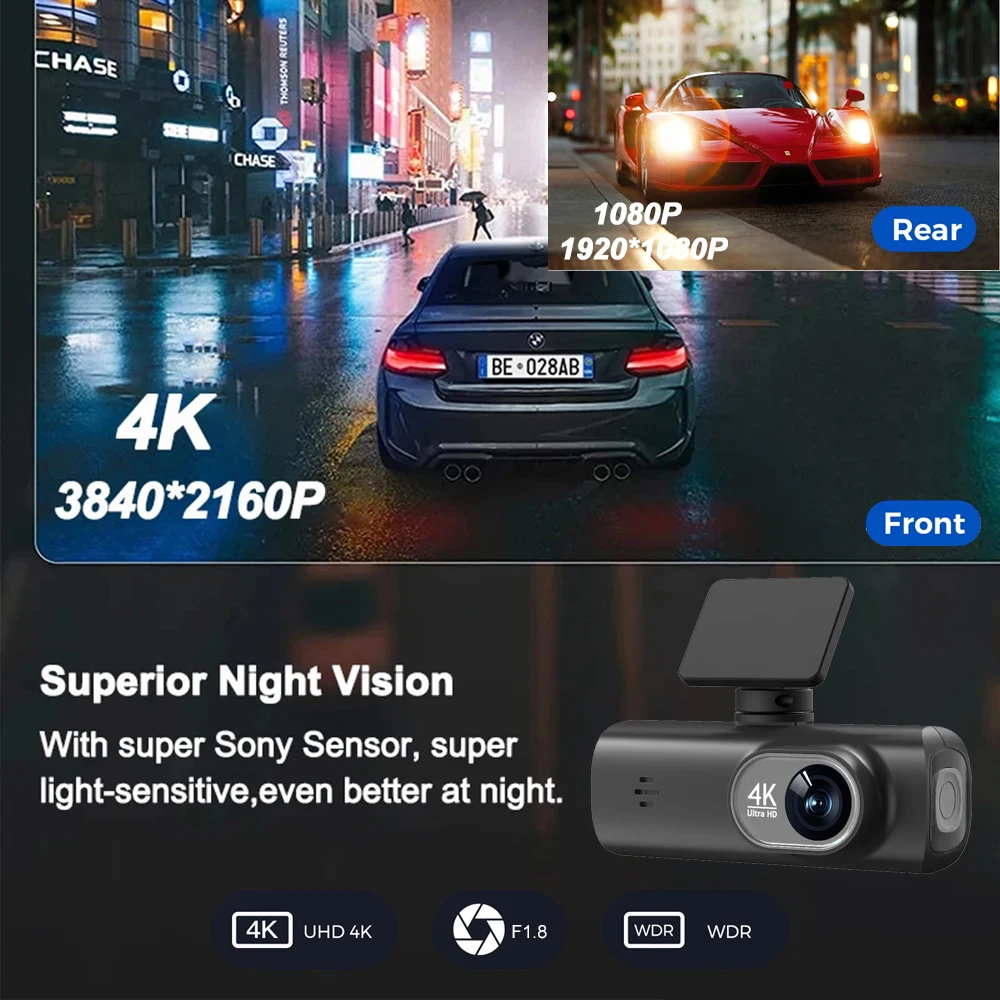
- Dual-lens sets with a 4K or 1080p front camera and a rear camera in 1080p or 2.5K. Several let you choose the set with or without the rear camera, so you can start with one and add the other.
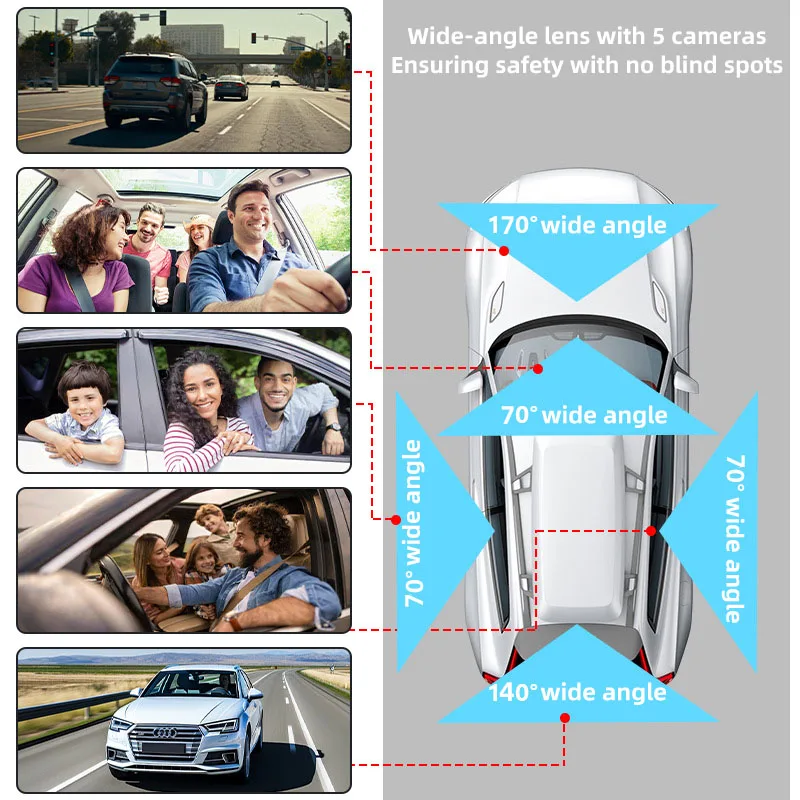
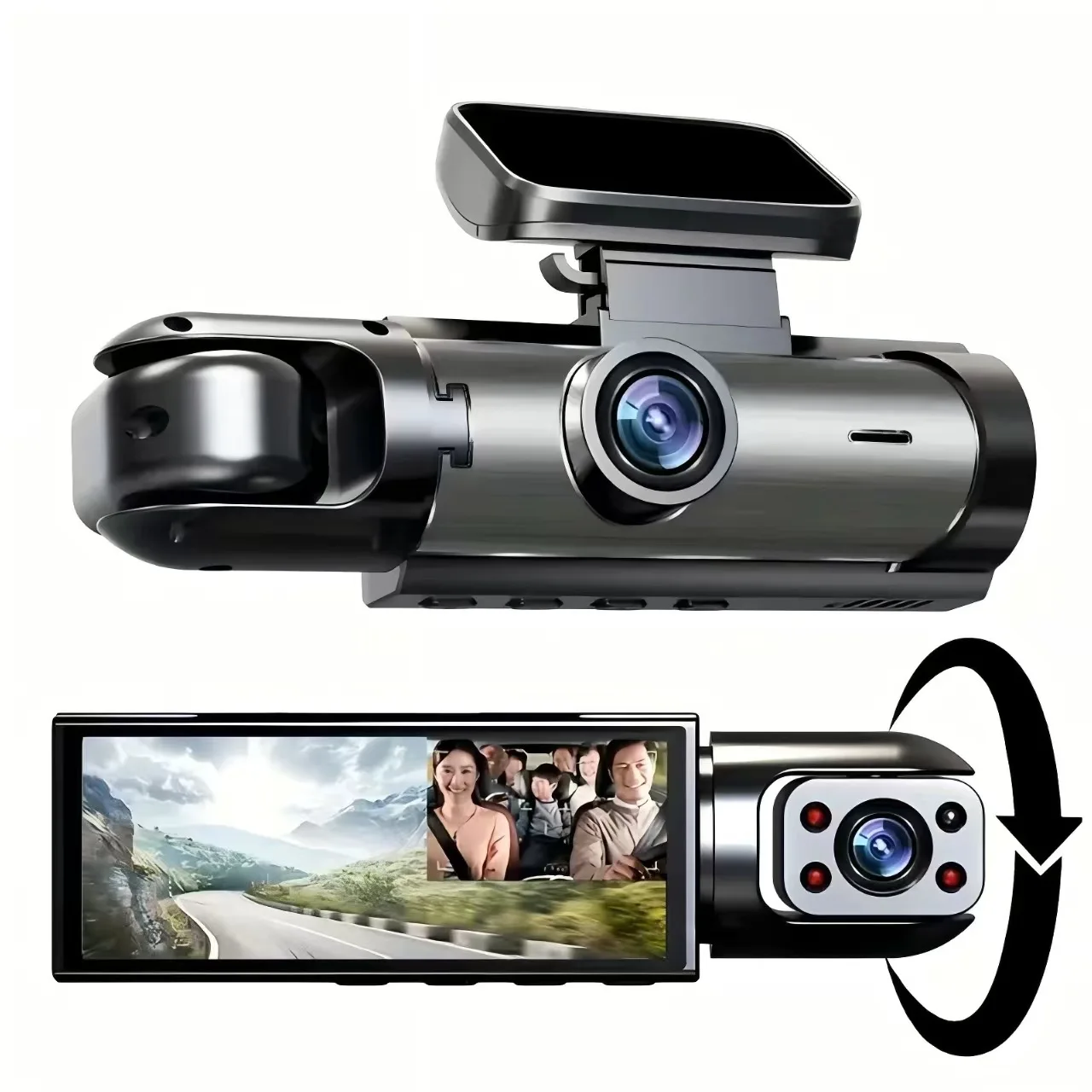
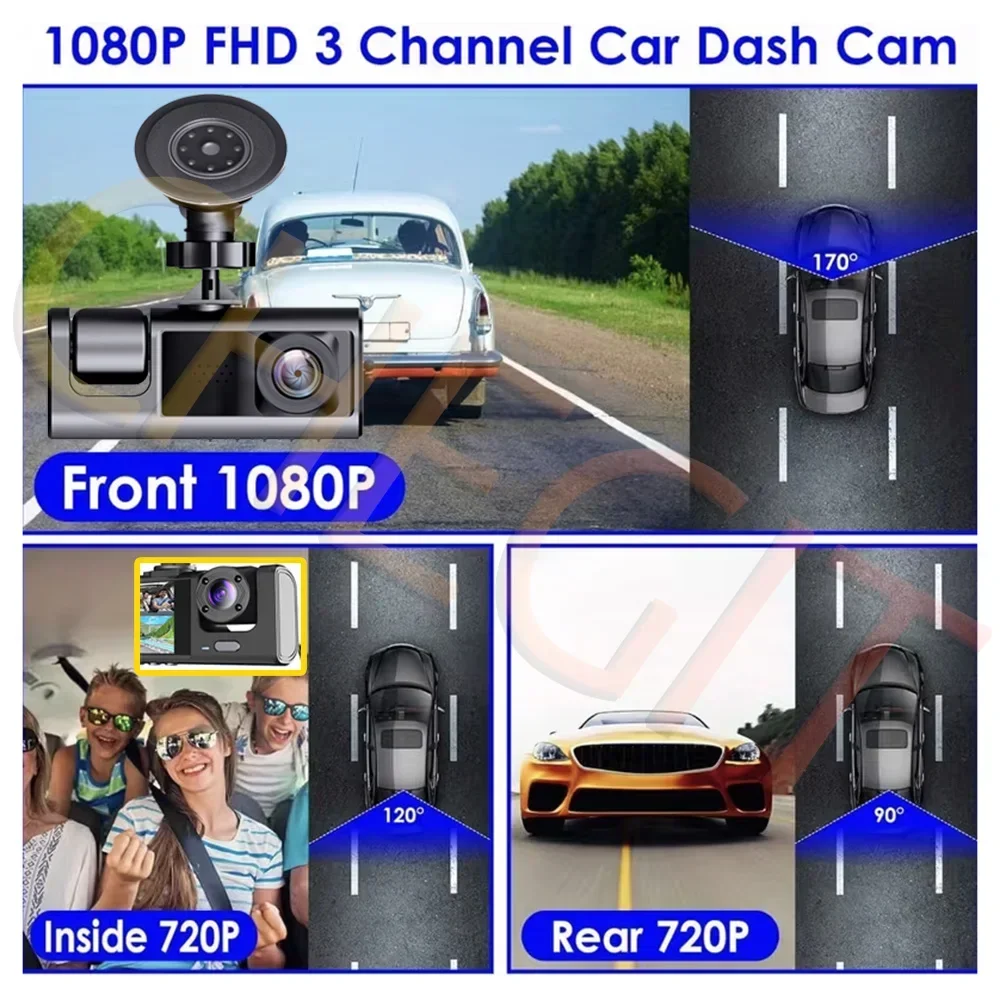
- Rear cameras that turn to film the cabin instead of the road behind, for a van with no back windows or for a taxi.
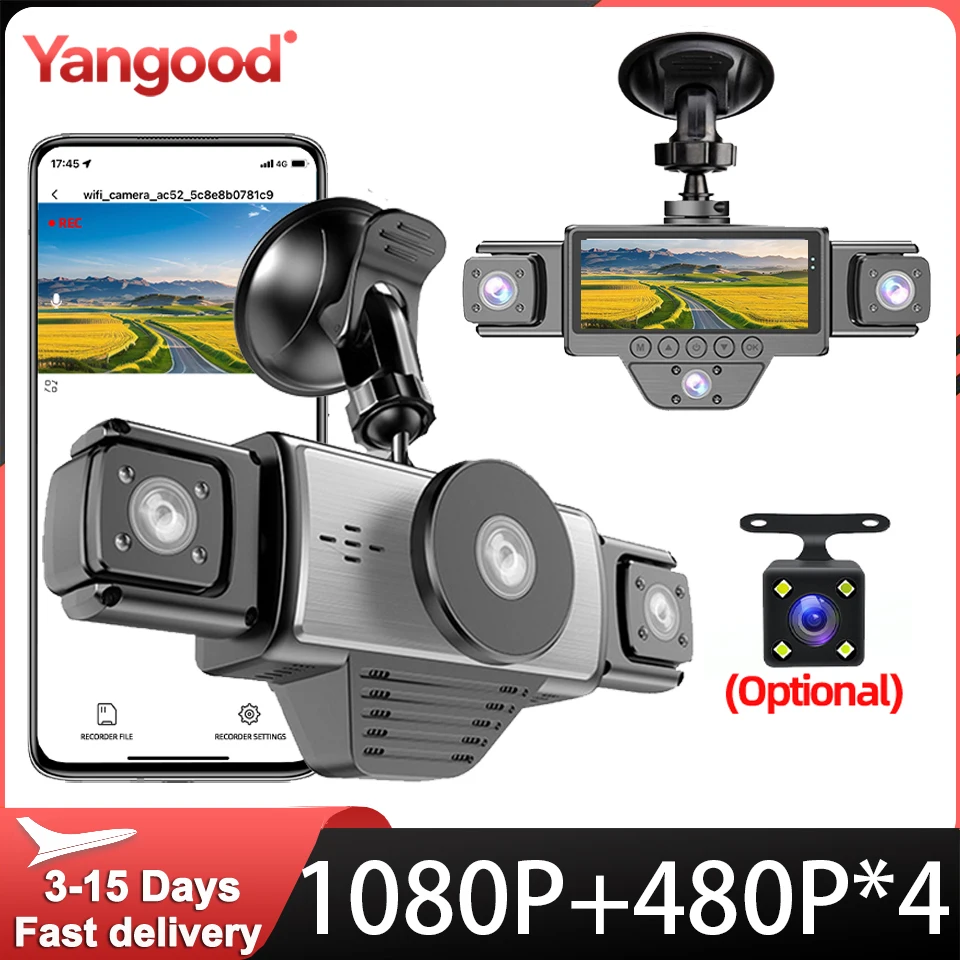
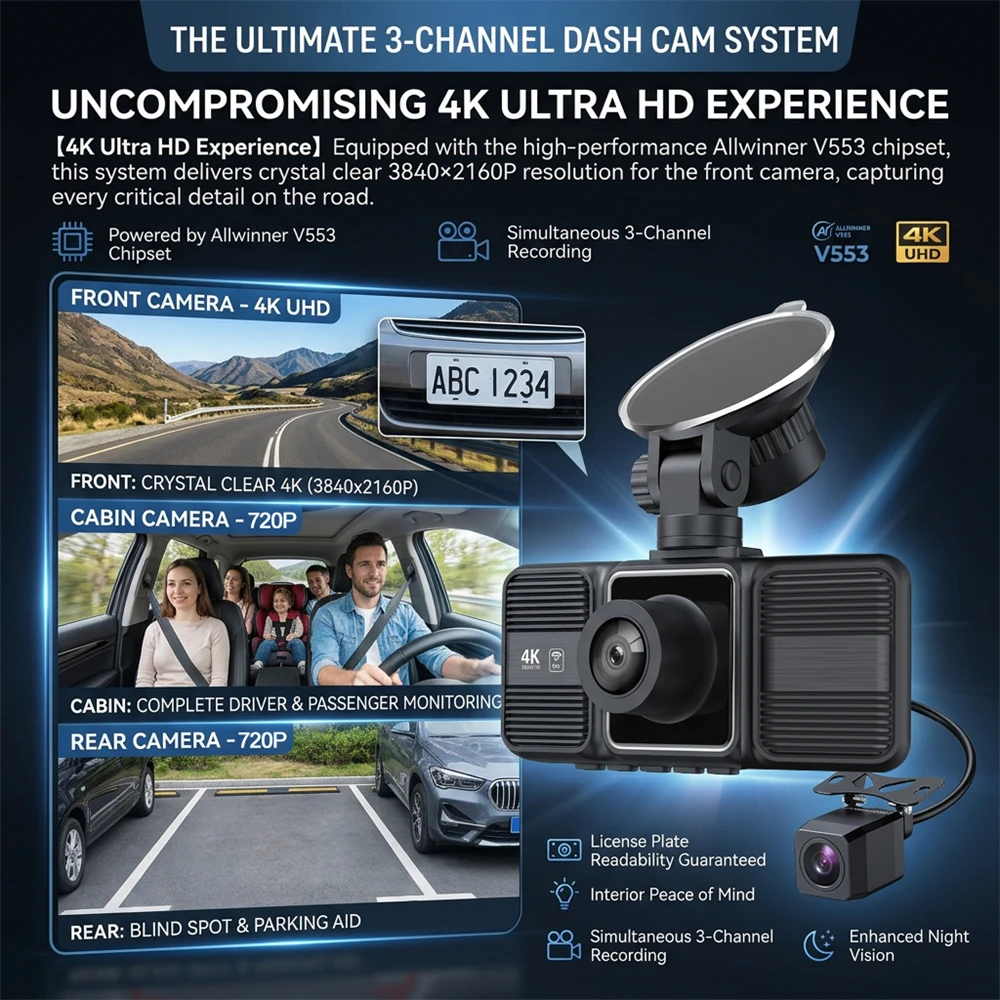
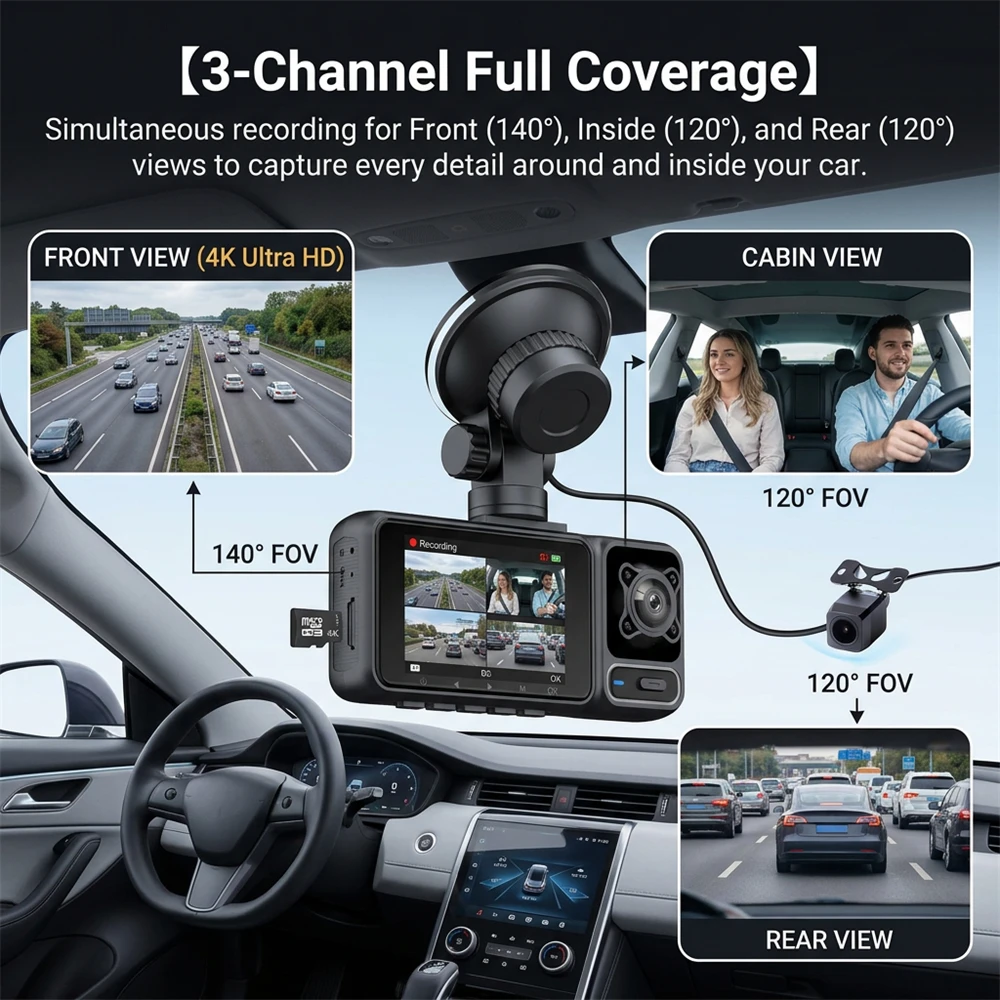
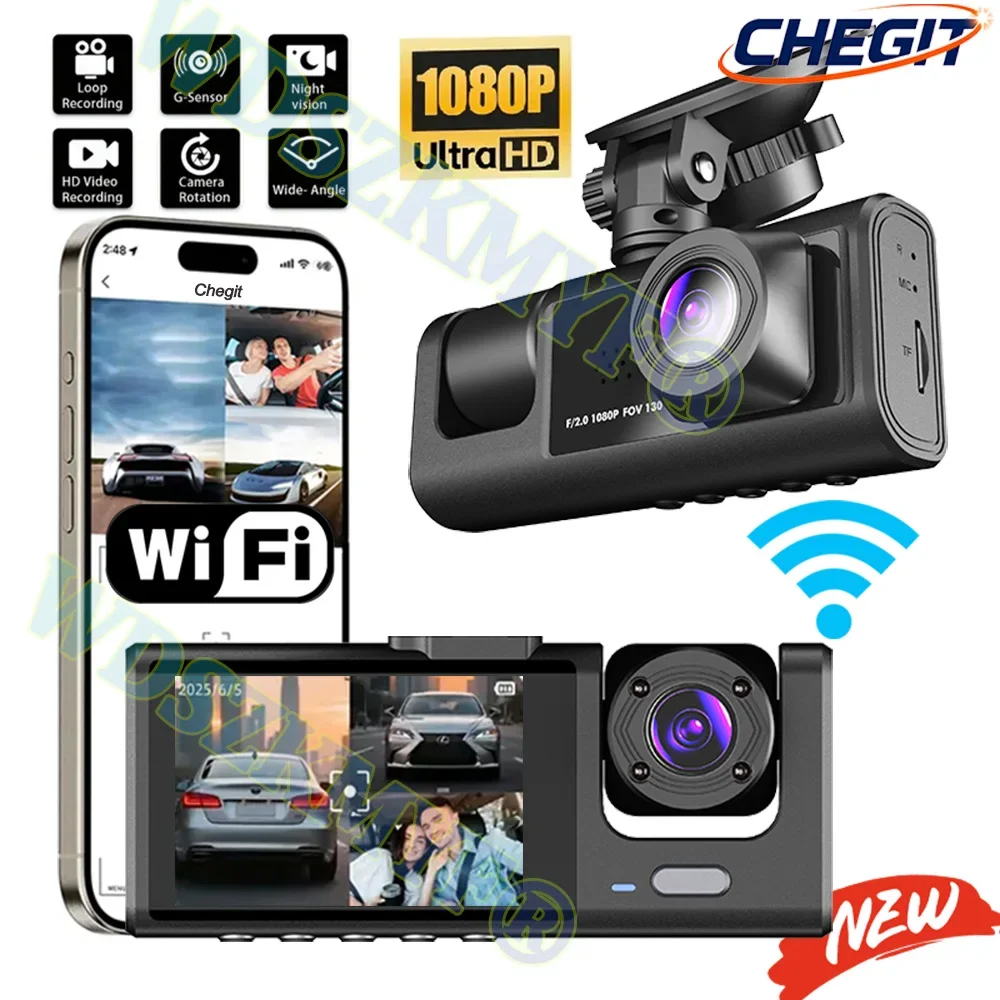
- Three-lens cameras that record the road ahead, the cabin and the road behind together, some sold with two lenses or three, and a multi-channel camera with lenses for the sides as well.
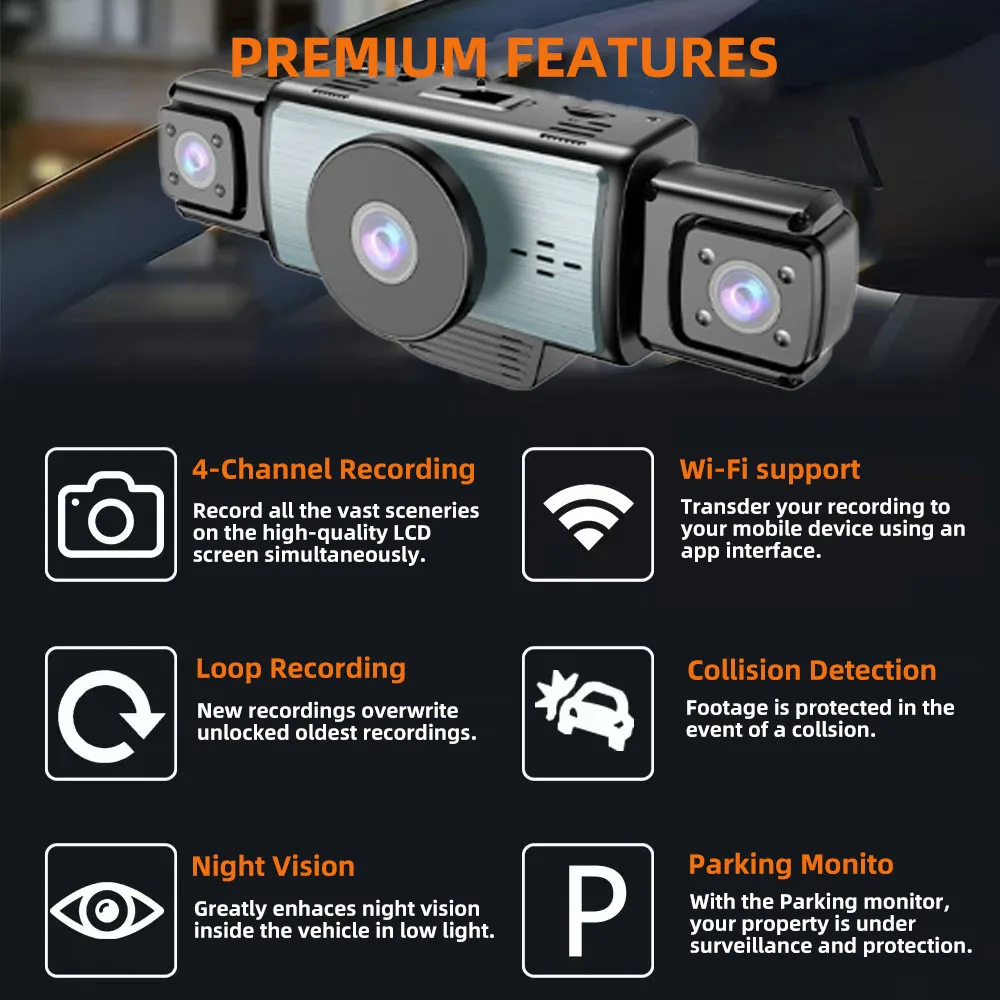
- Wi-Fi and a phone app on many, for watching and saving clips, with GPS as a choice on several to record speed and route.
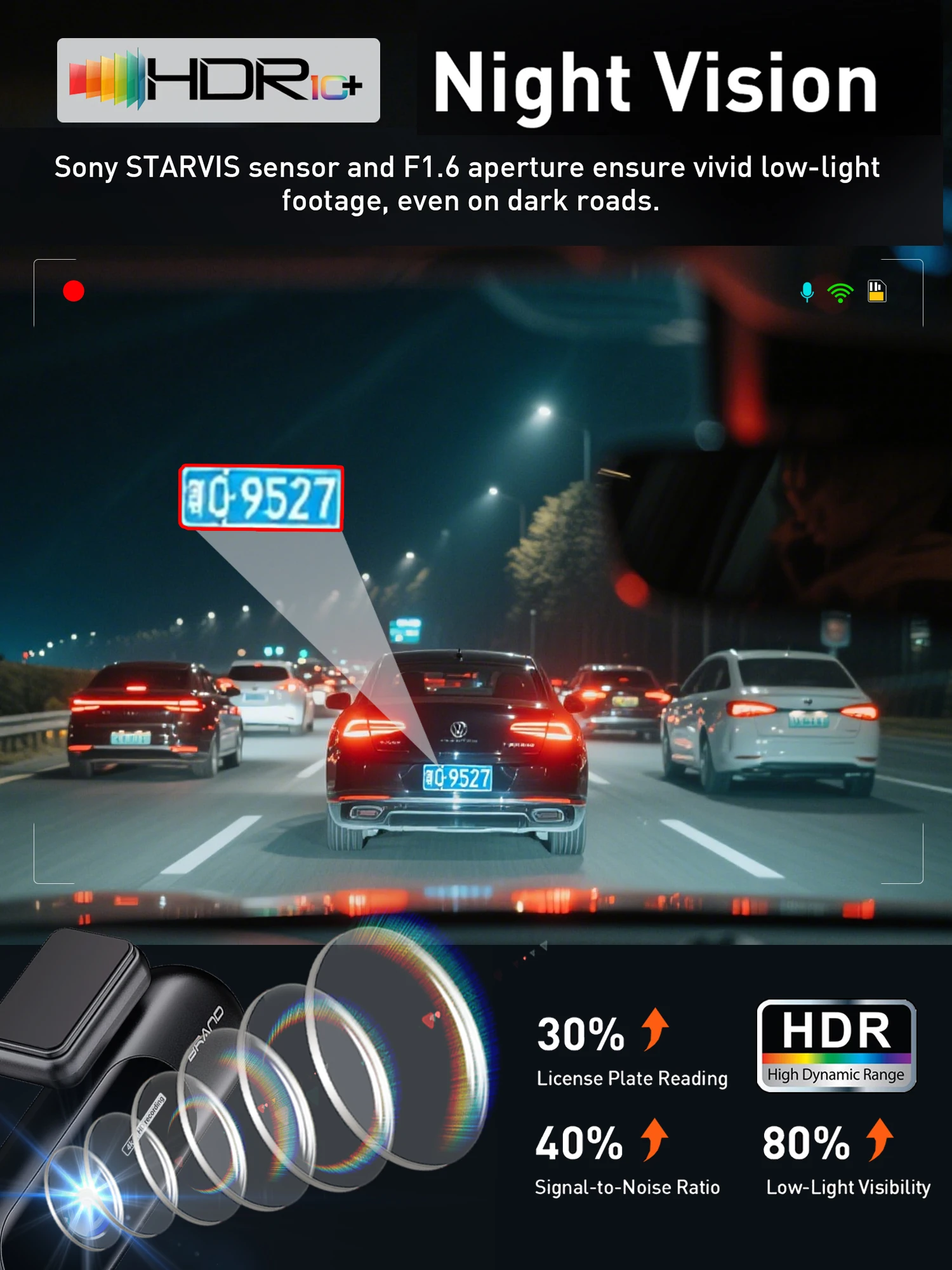
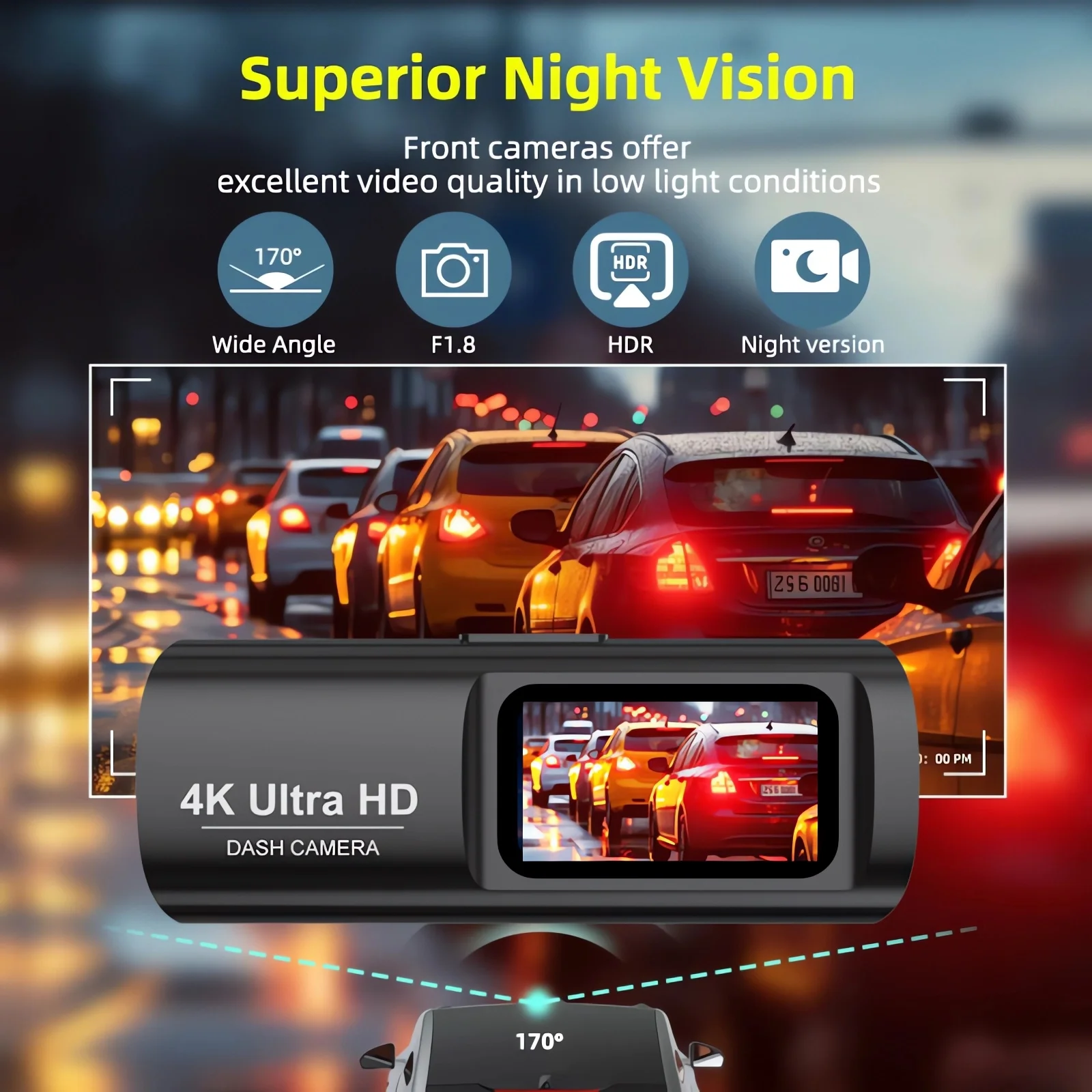
- Screens from a small one for setting up to a touch screen for playback, and night vision on almost all.
How to choose
Start with the back window. The rear camera needs a clear view through the glass, so check that the wiper, the heating lines or a dark tint will not sit in its way. In a van with a solid bulkhead, turn the second camera to face the cabin instead. Then think about the cable: it runs from the windscreen to the back of the car, tucked under the headlining and the trim, so allow time for fitting it neatly.
Recording two cameras at once fills a memory card faster, so a larger card helps. Some sets can show the rear picture with guide lines when you reverse, but only once the rear camera is wired to the reversing light, which the product page explains. If you use the camera for work, the Information Commissioner's Office advises turning sound recording off by default.
Questions people ask about front and rear dash cams
Will it work in a van or a lorry?
They are made for a car's 12V socket. Some larger vehicles have a 24V supply instead, and at least one camera here says it needs a converter for 24V, so check your socket against the product page.
Does it record when the car is parked?
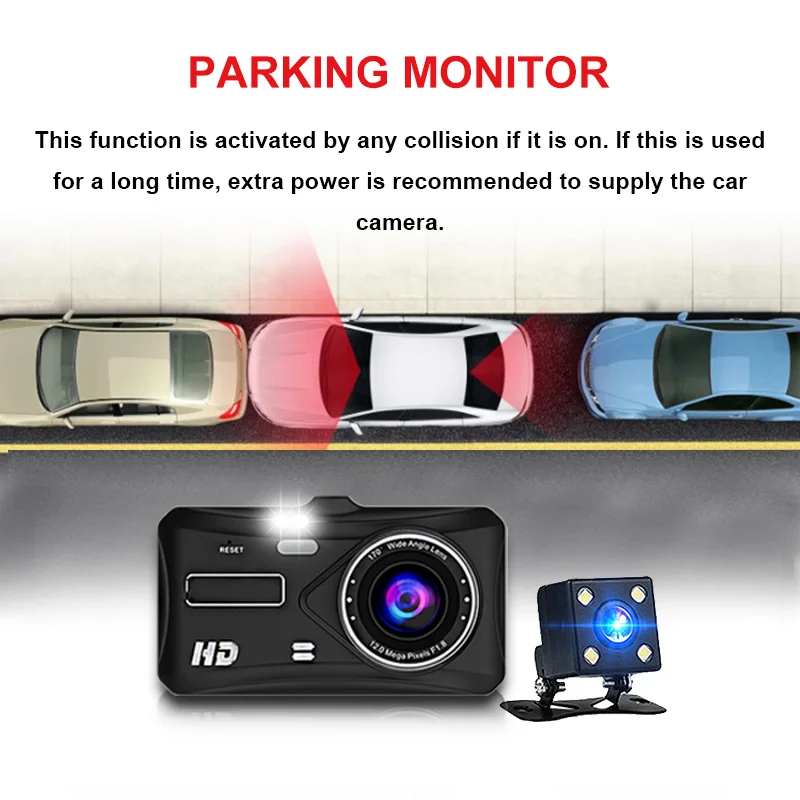
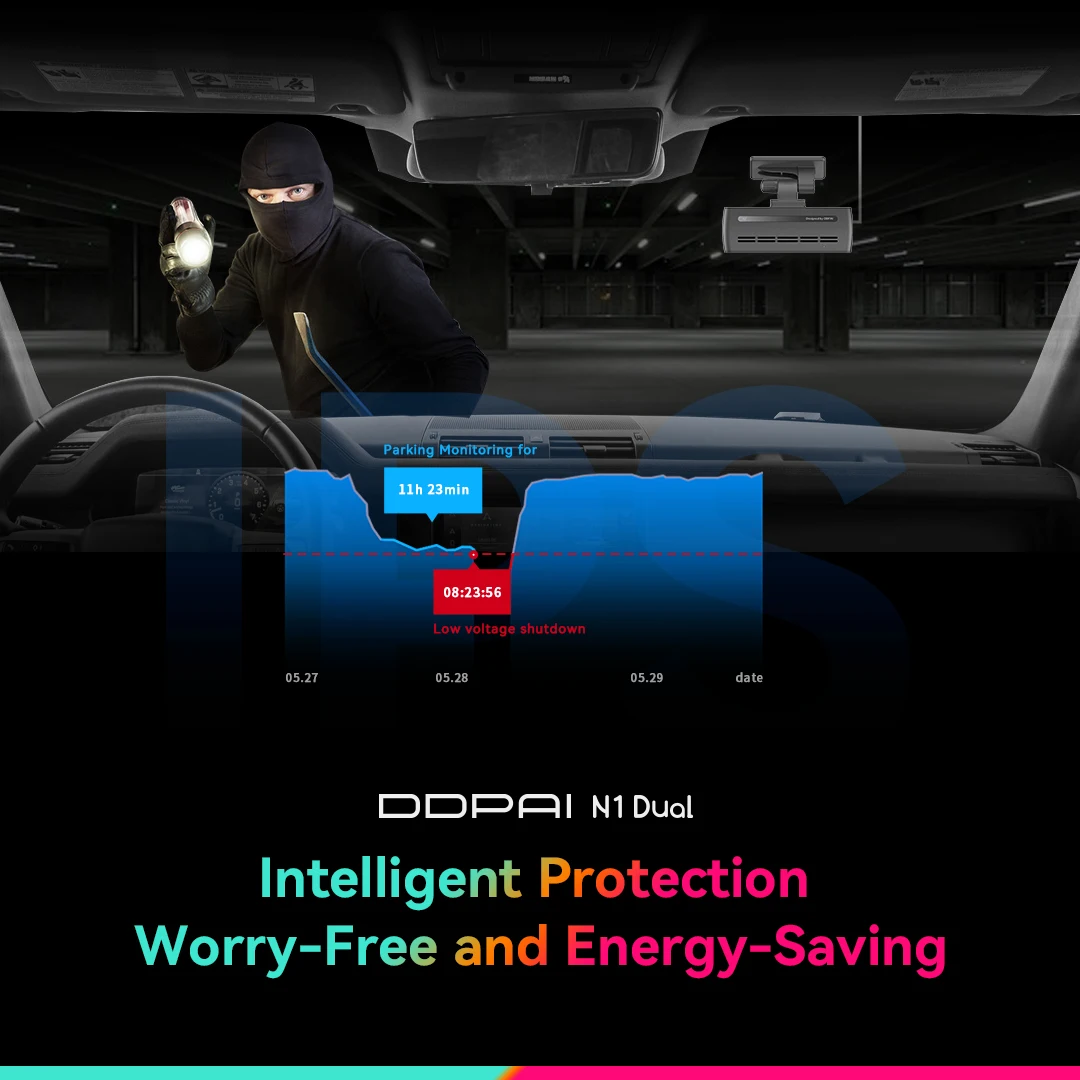
Only if parking mode has power. On most of these that means a hardwire kit connected to the fuse box, normally fitted by an auto electrician. The shop does not sell hardwire kits. Plugged into a socket that switches off with the ignition, the camera stops when you do.
Do I need 4K at both ends?
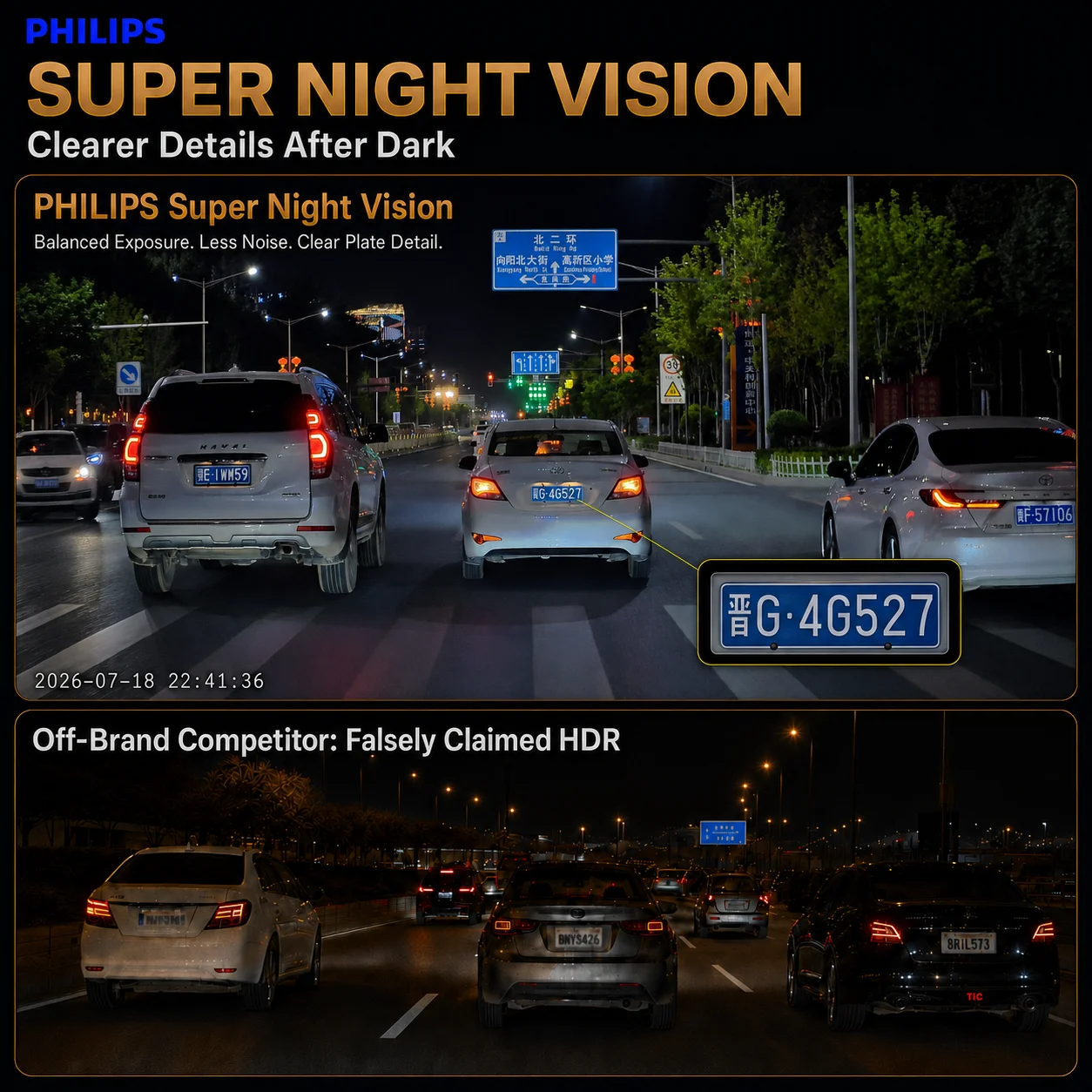
No. The front camera does most of the work reading number plates, so that is where the extra detail counts. A 1080p rear camera is the usual pairing, and night footage matters as much as the pixel count. The guide how to choose a dash cam explains the numbers.
Delivery is included in every price and tracked to your door.
More to look at