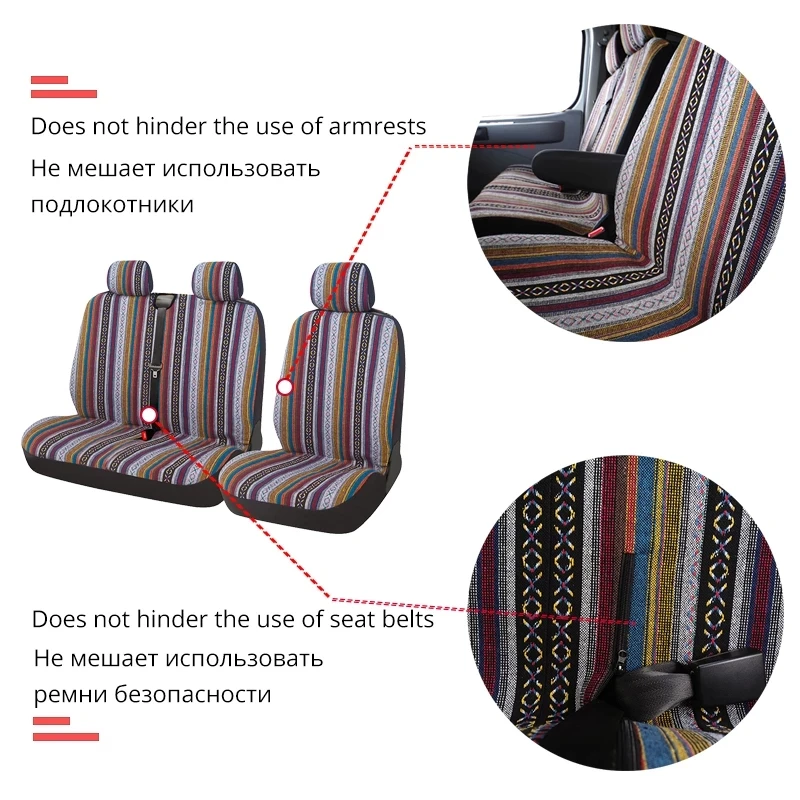
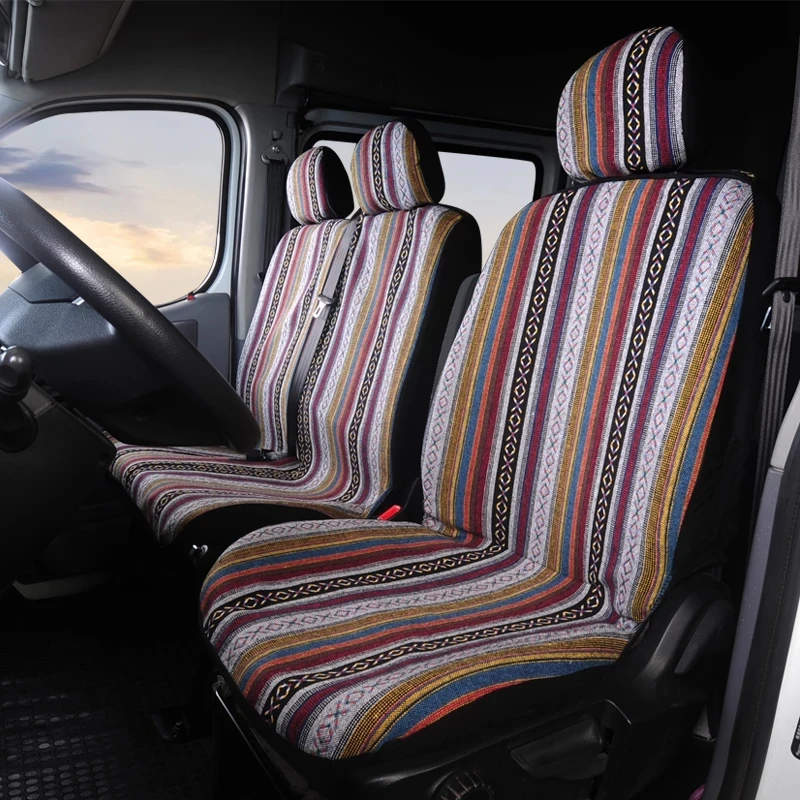
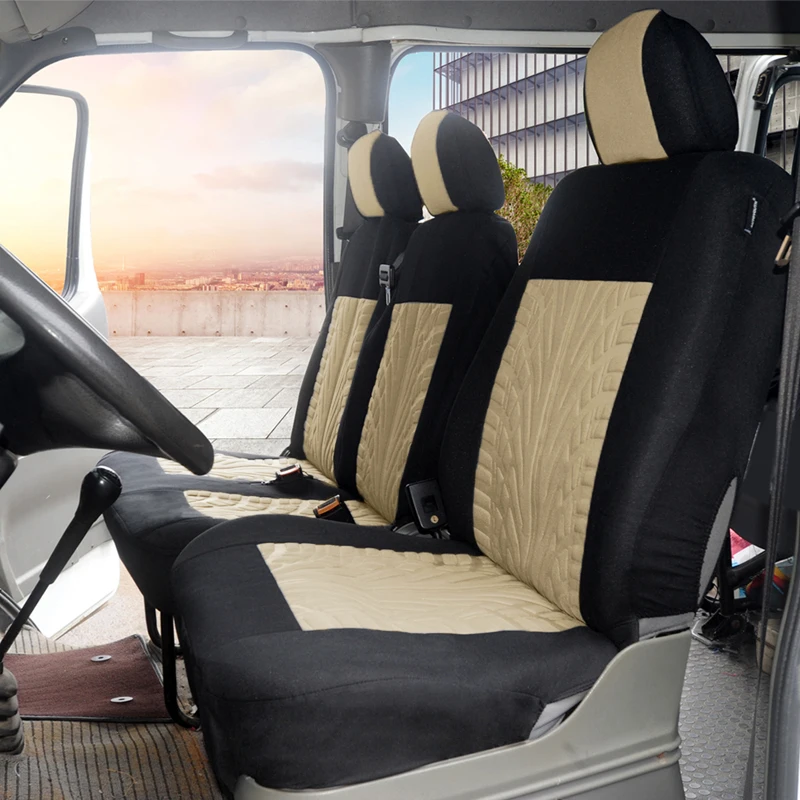
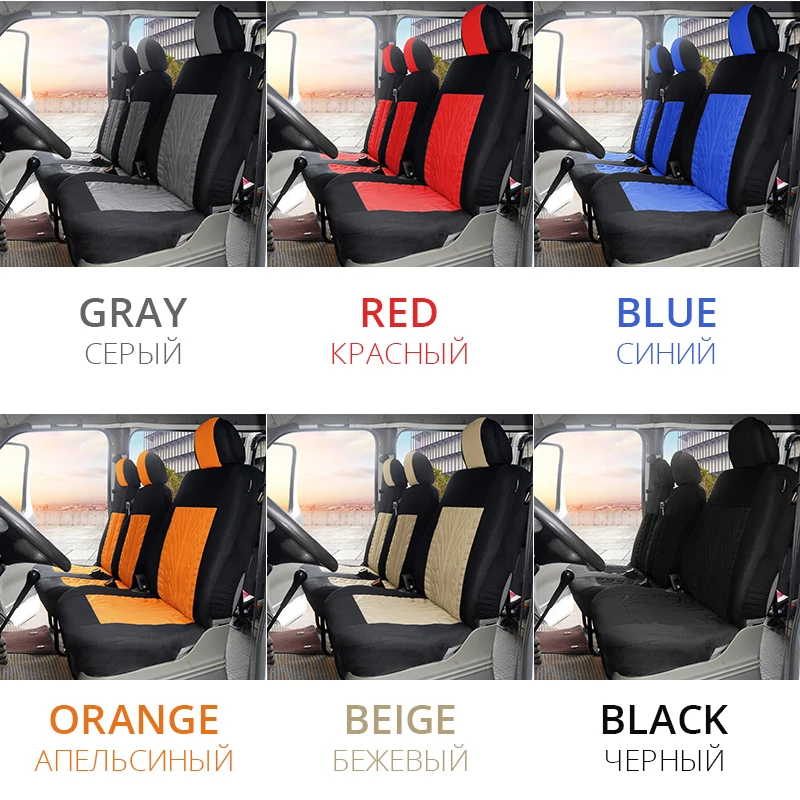
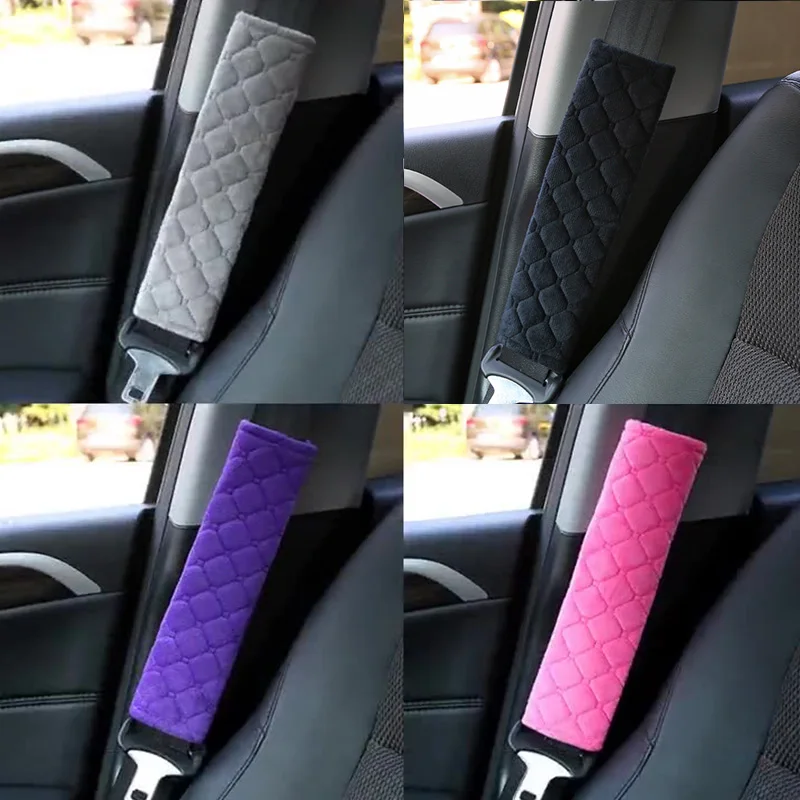
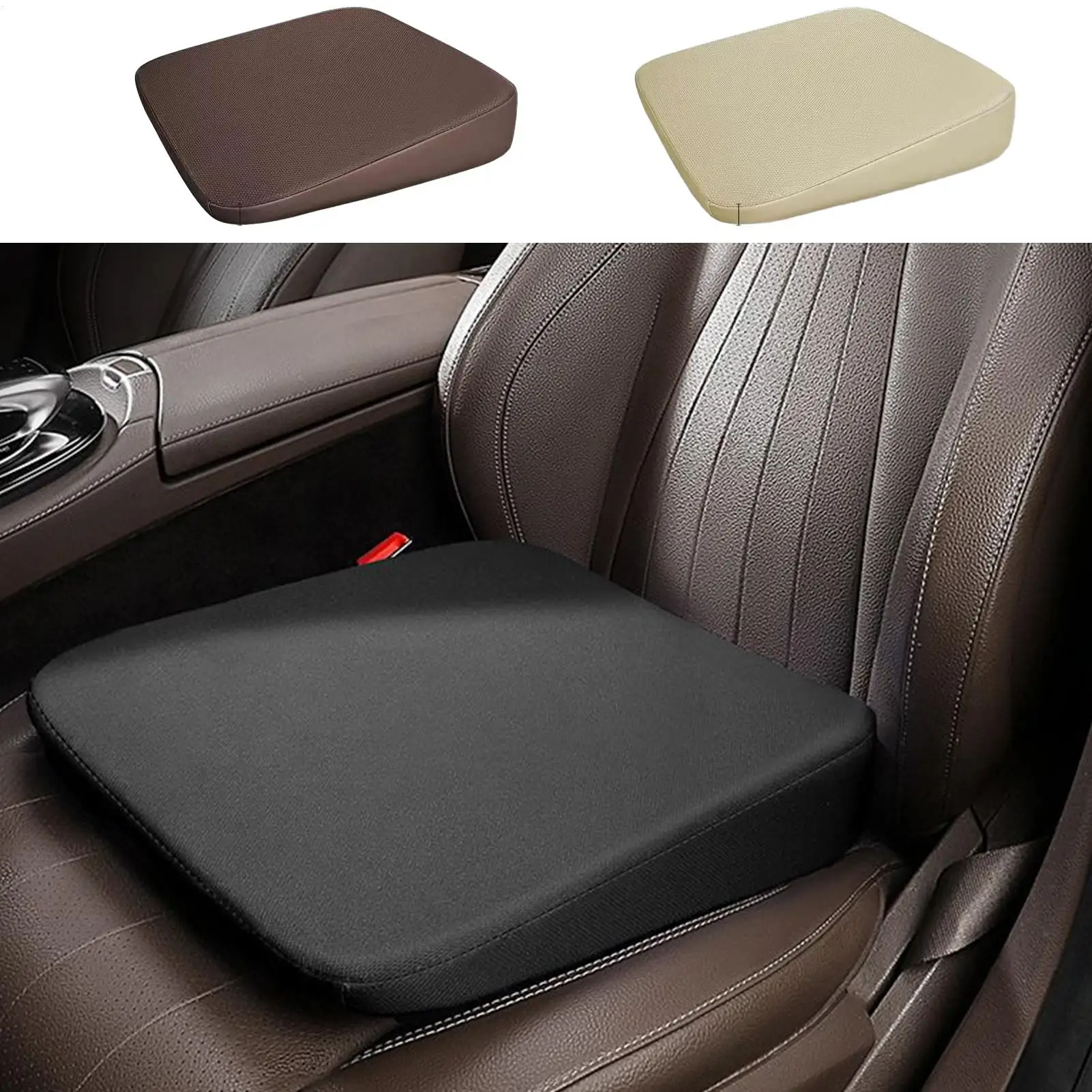
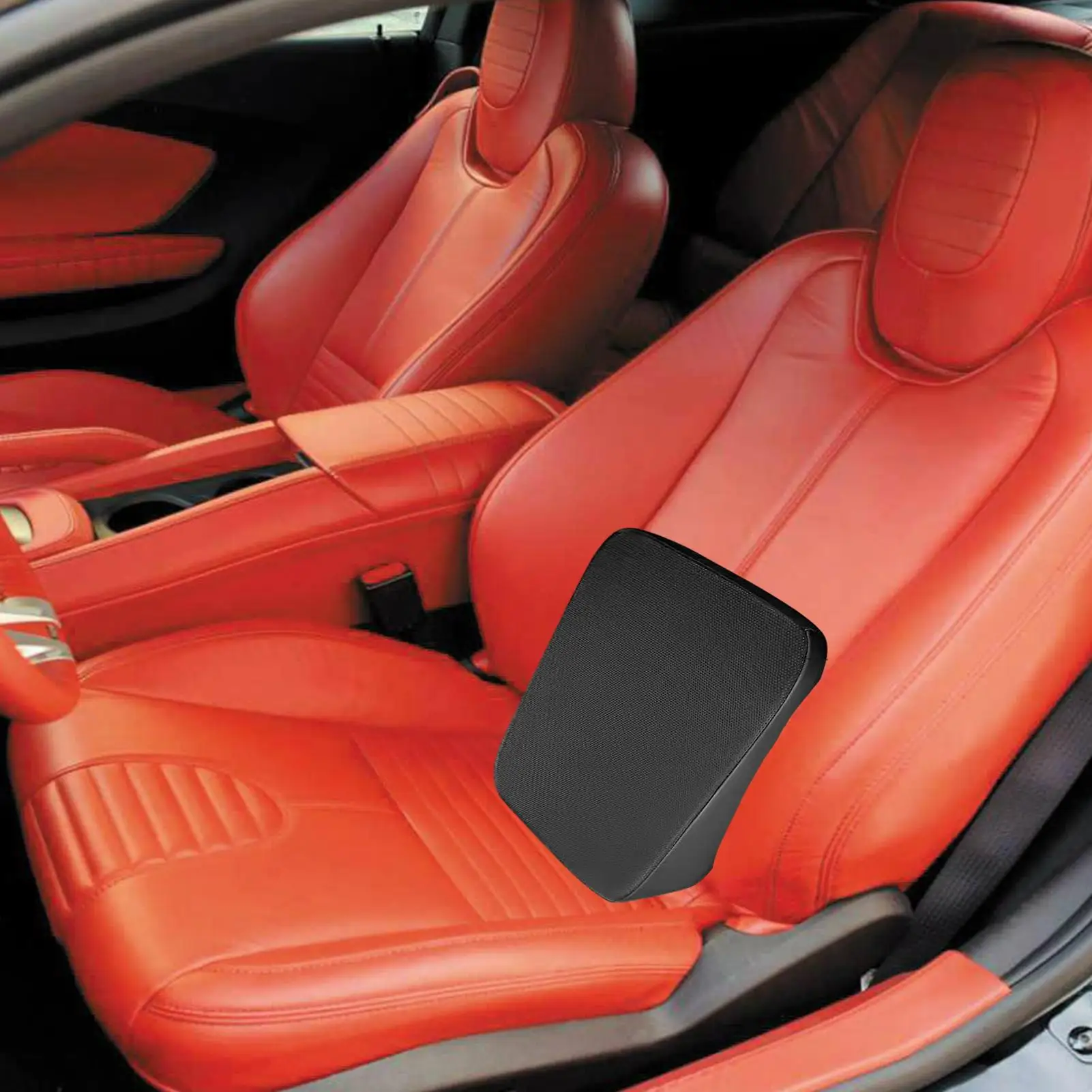
Covers for the seats, comfort for the people in them
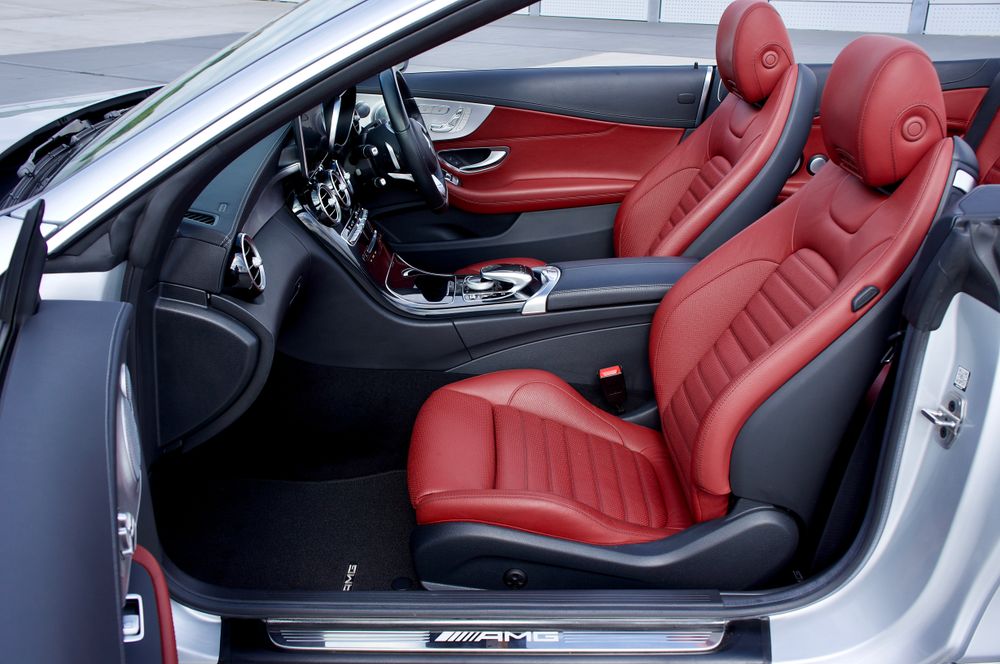
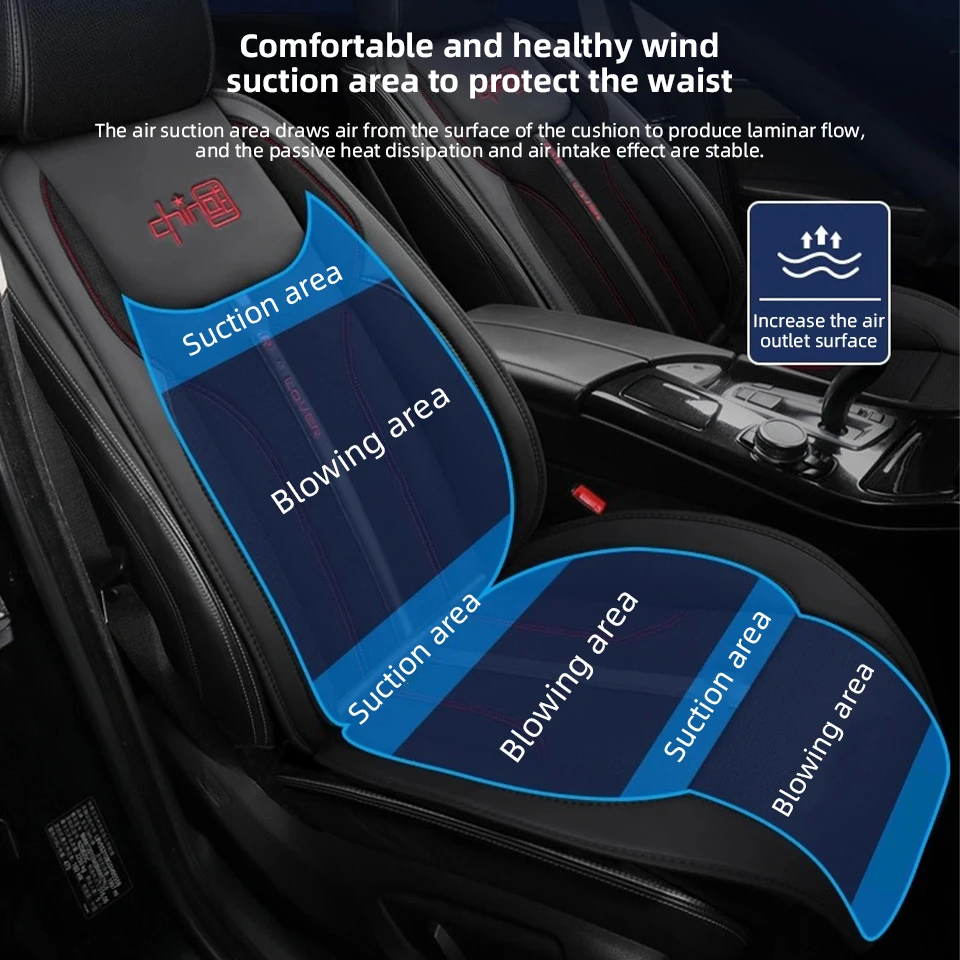
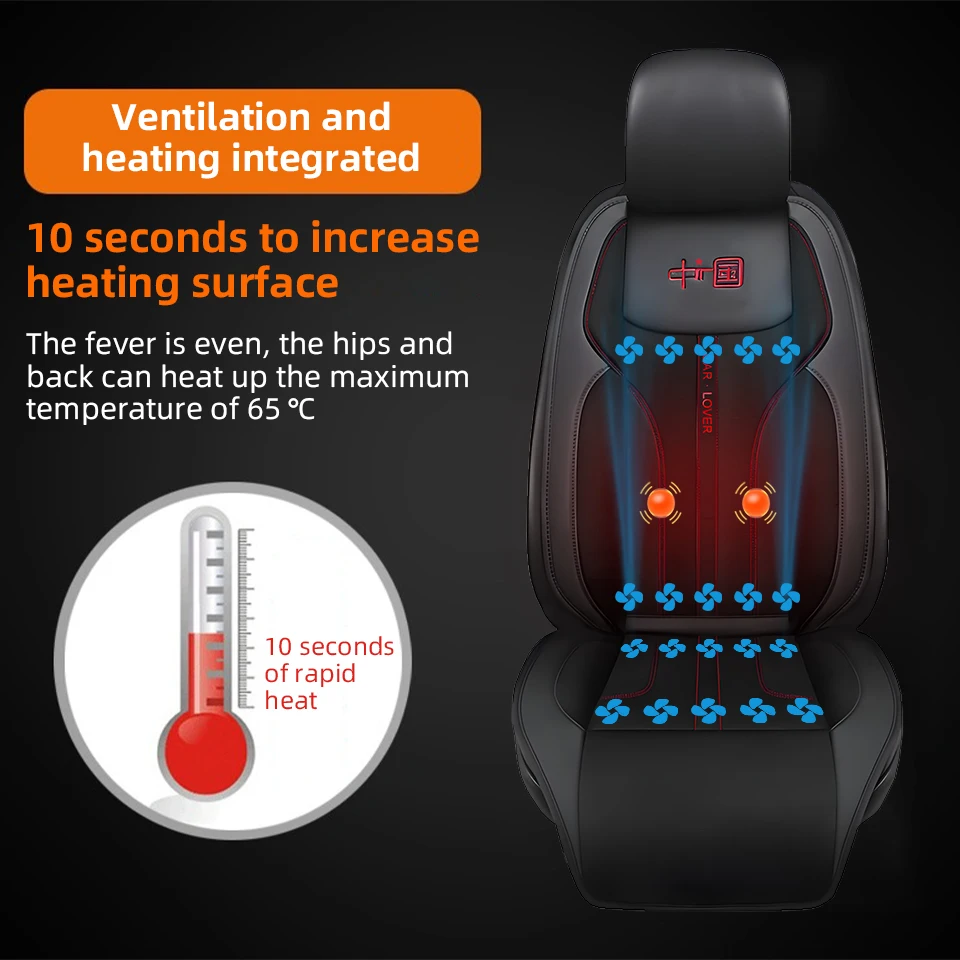
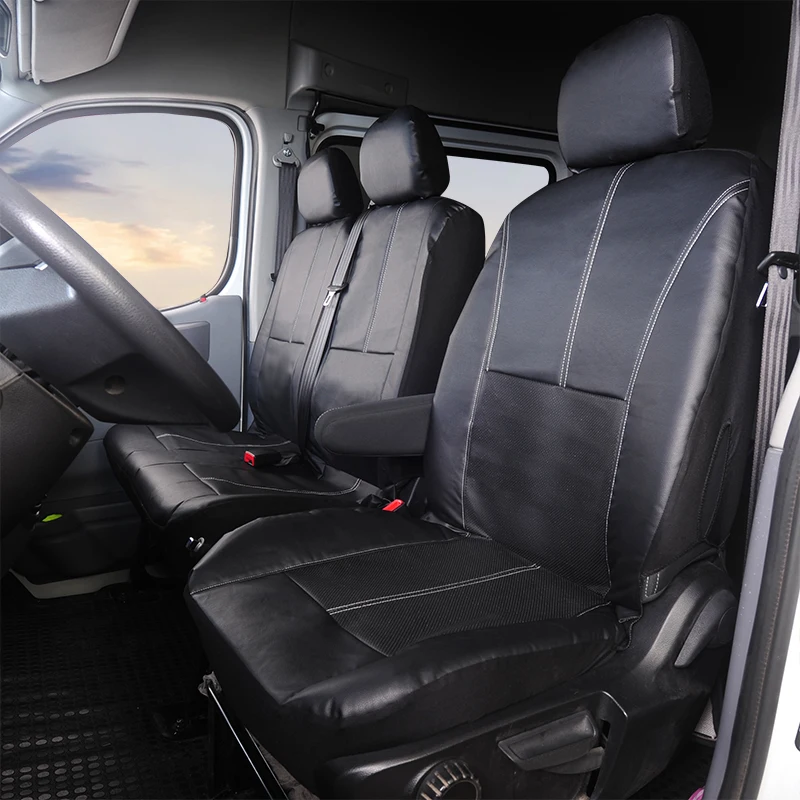
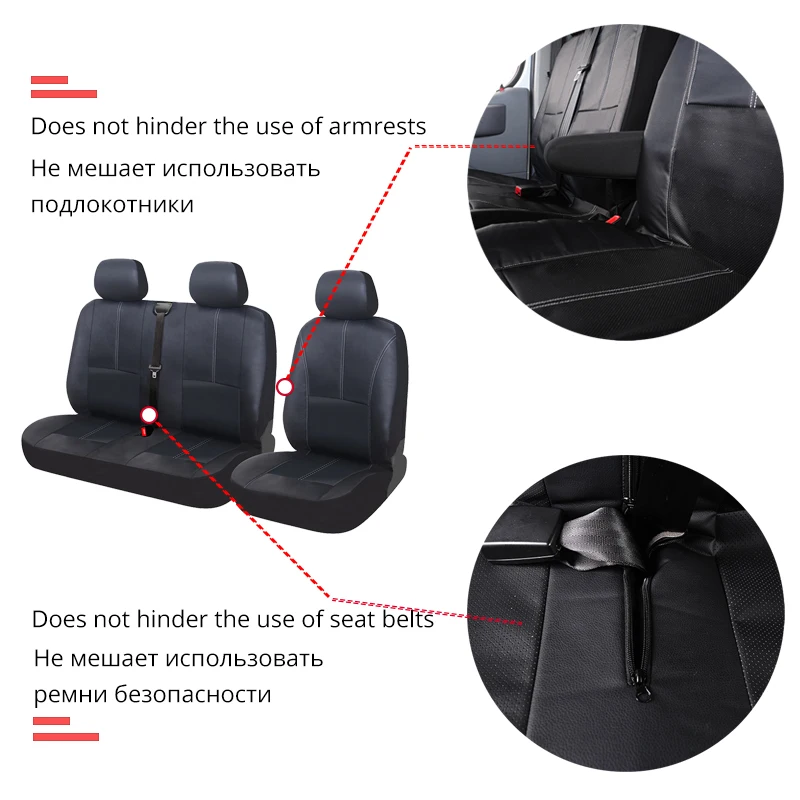
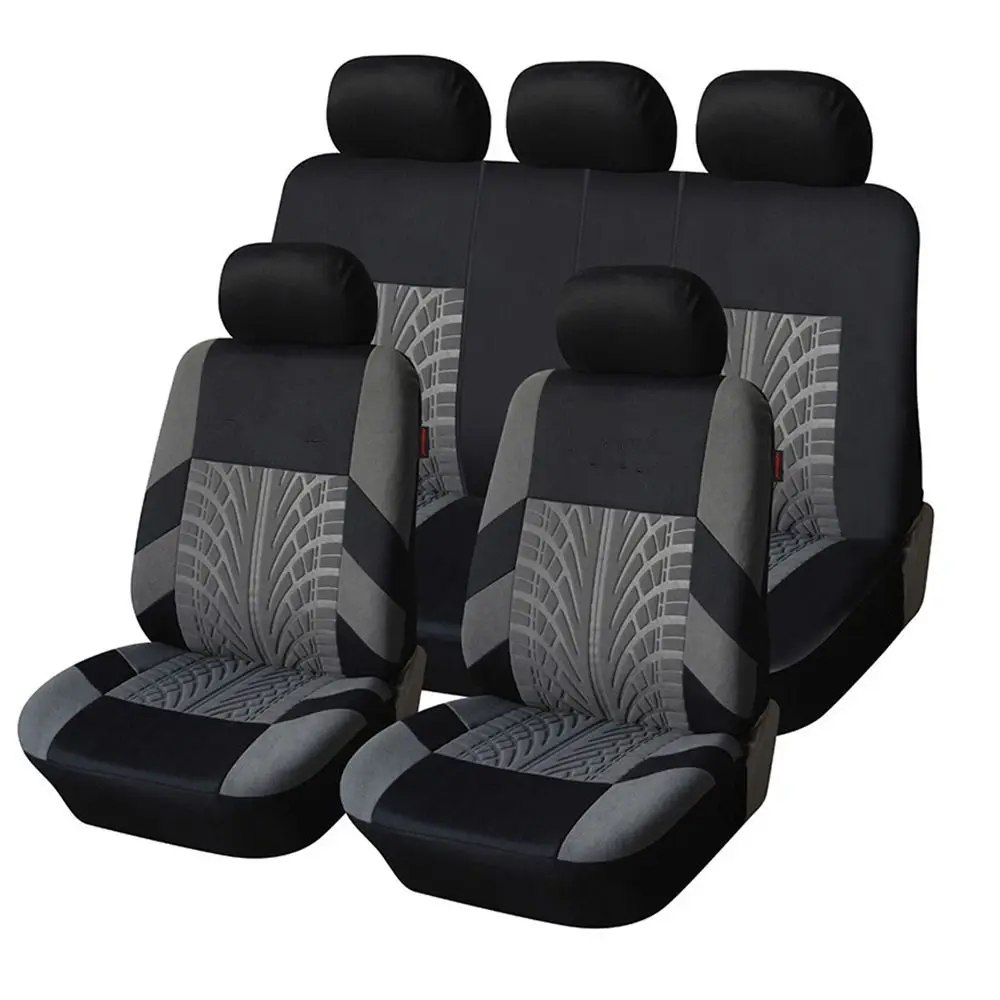
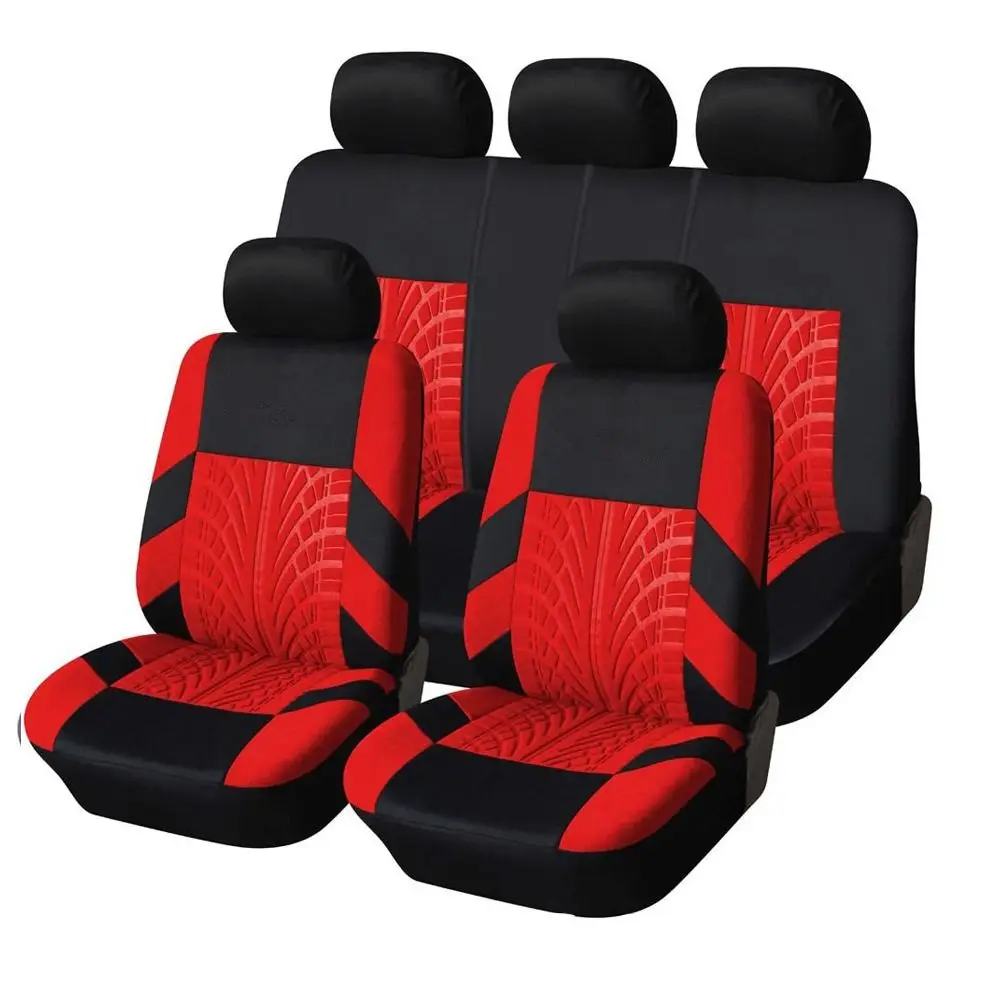
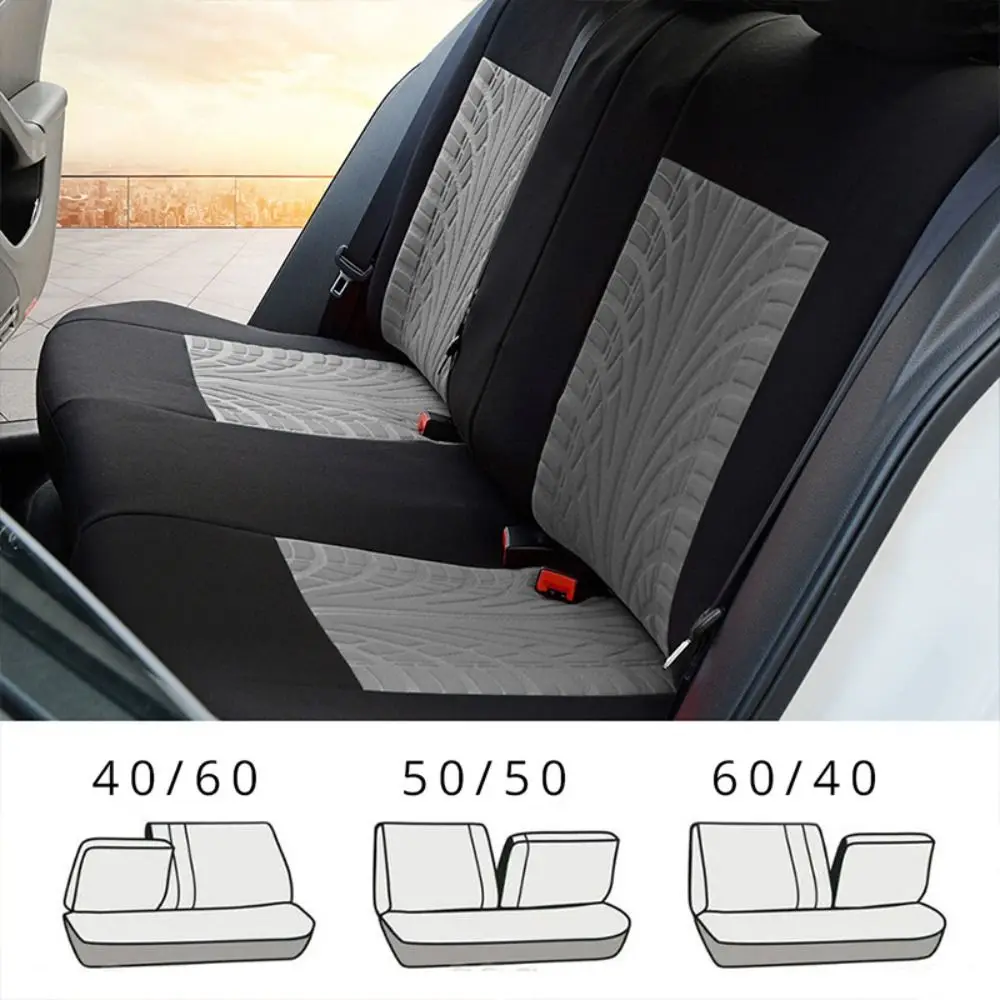
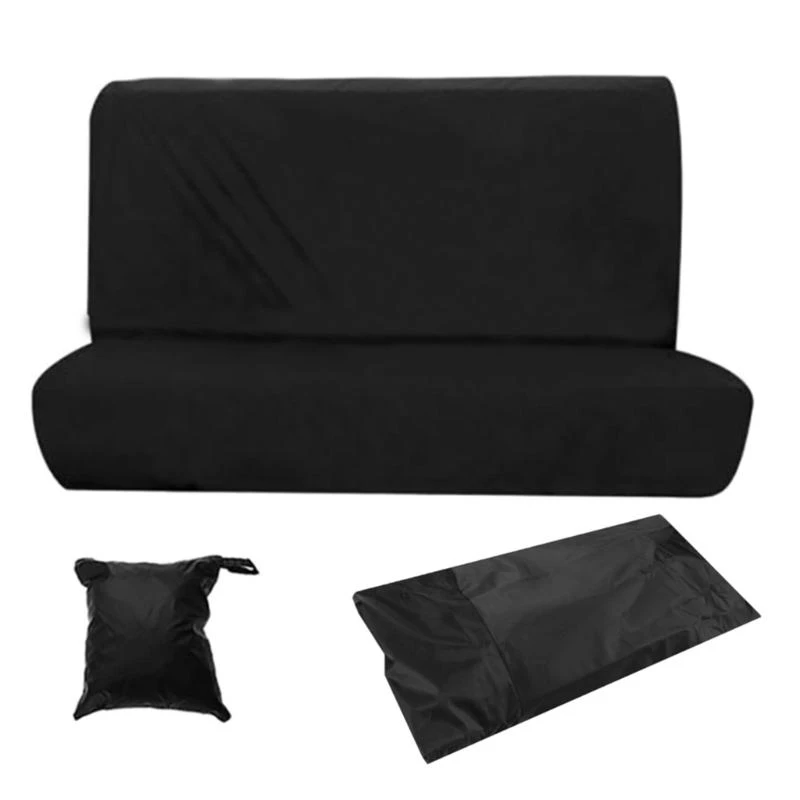
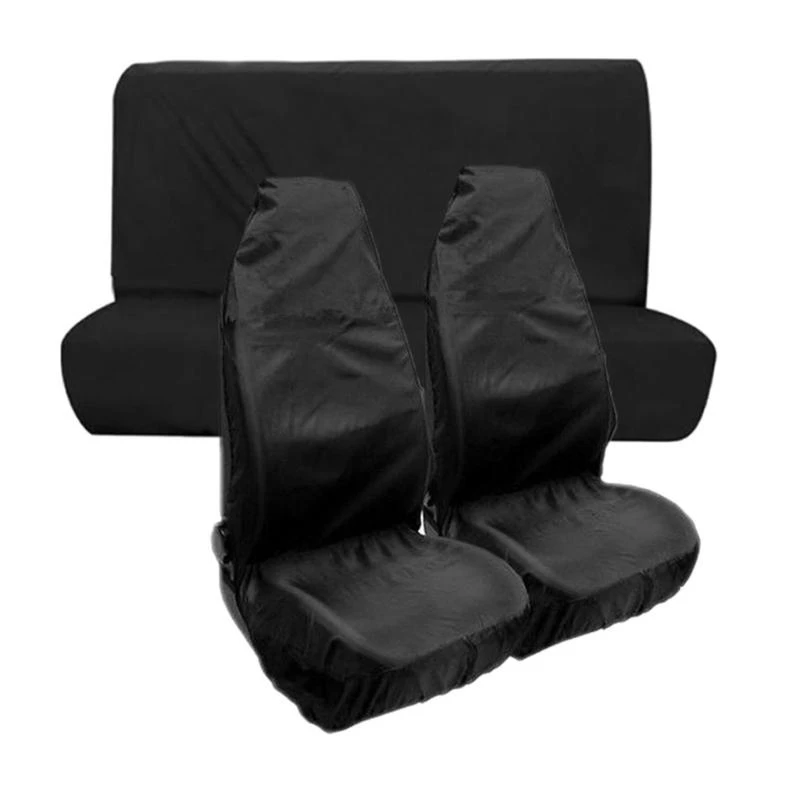
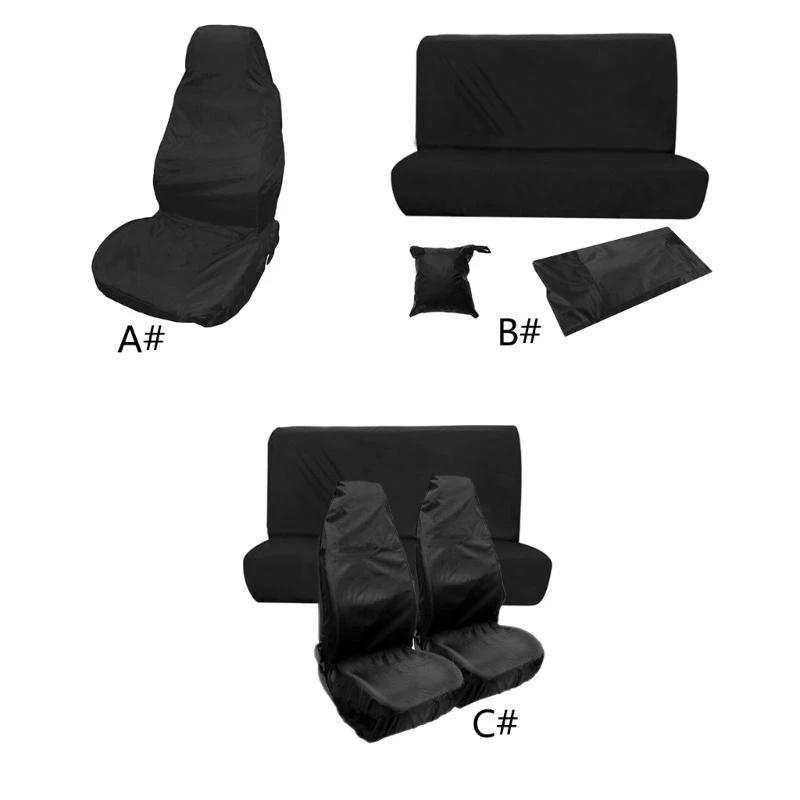
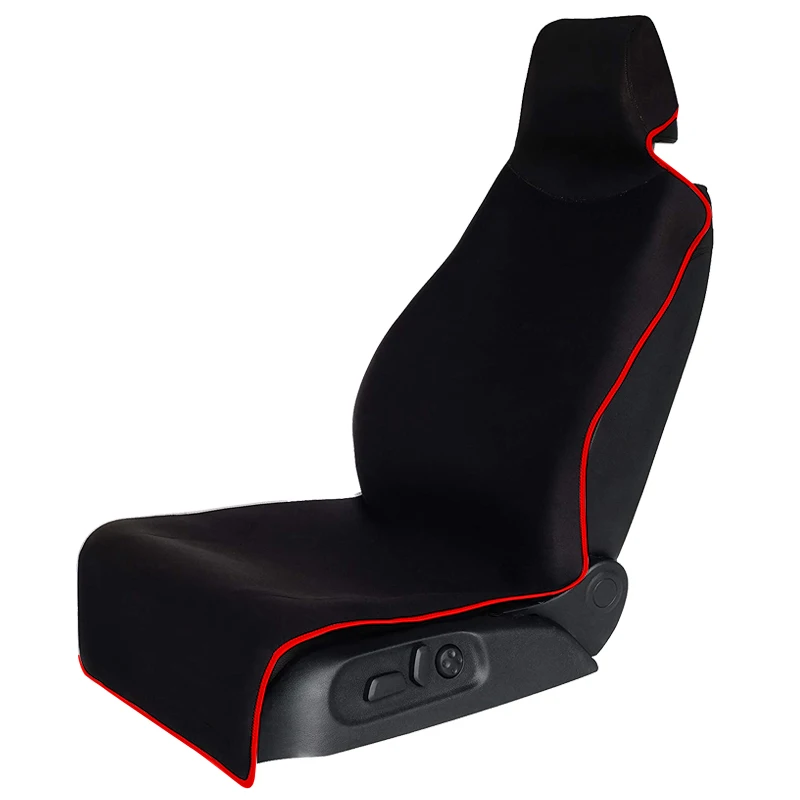
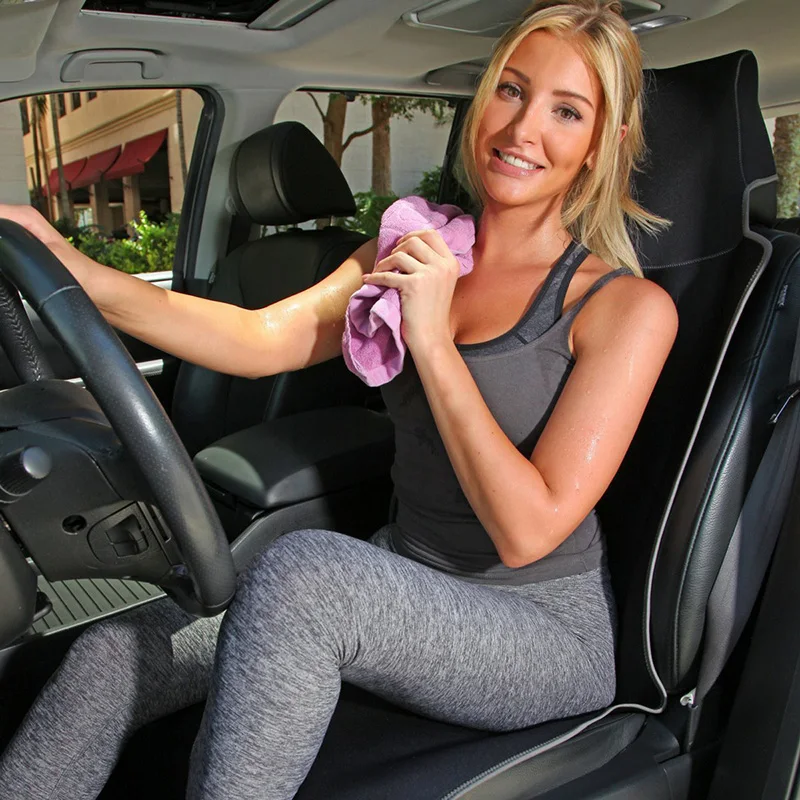
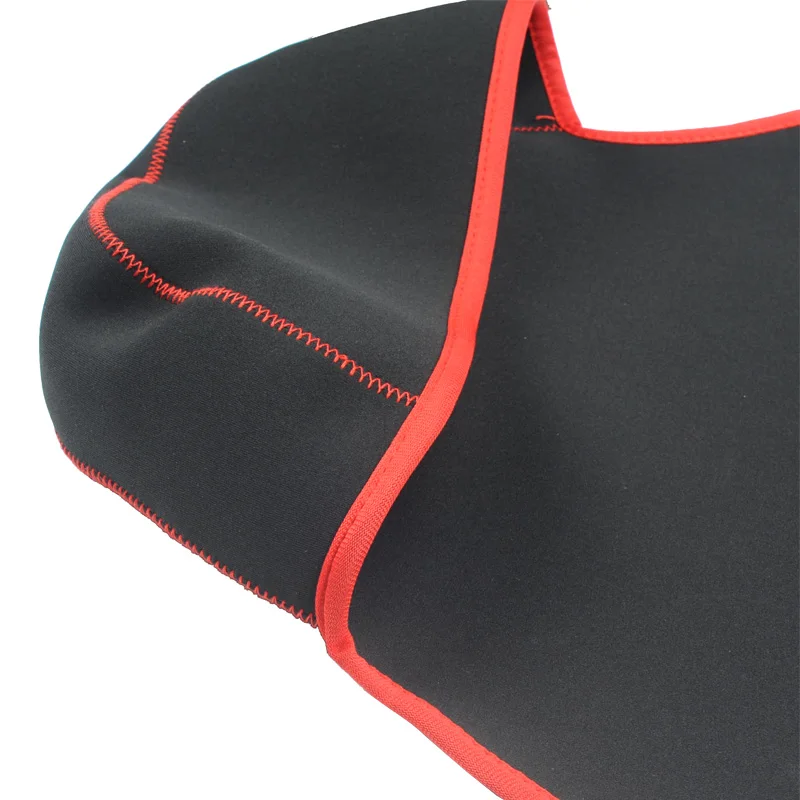
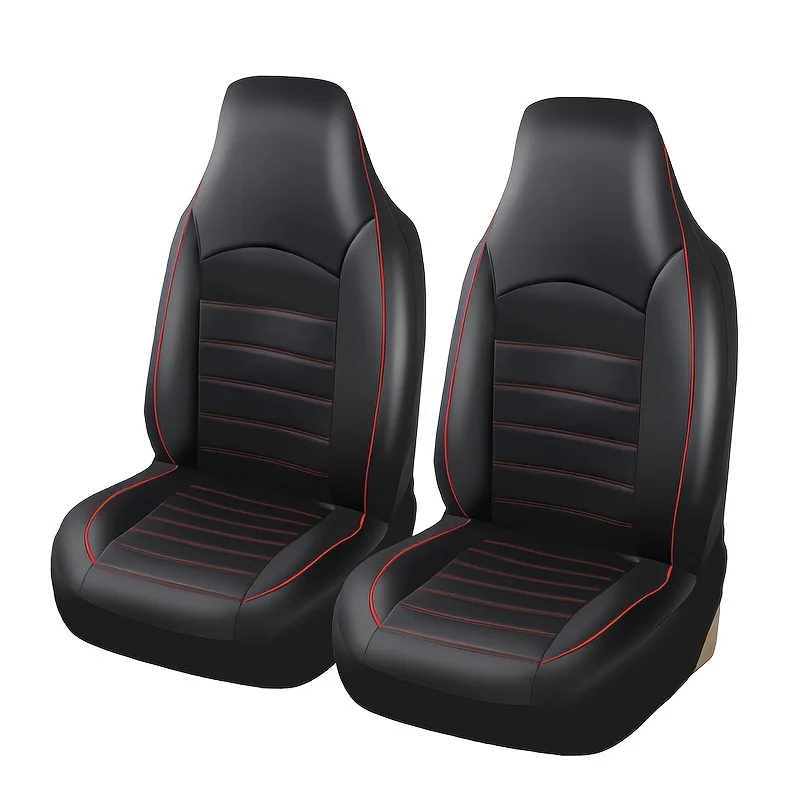
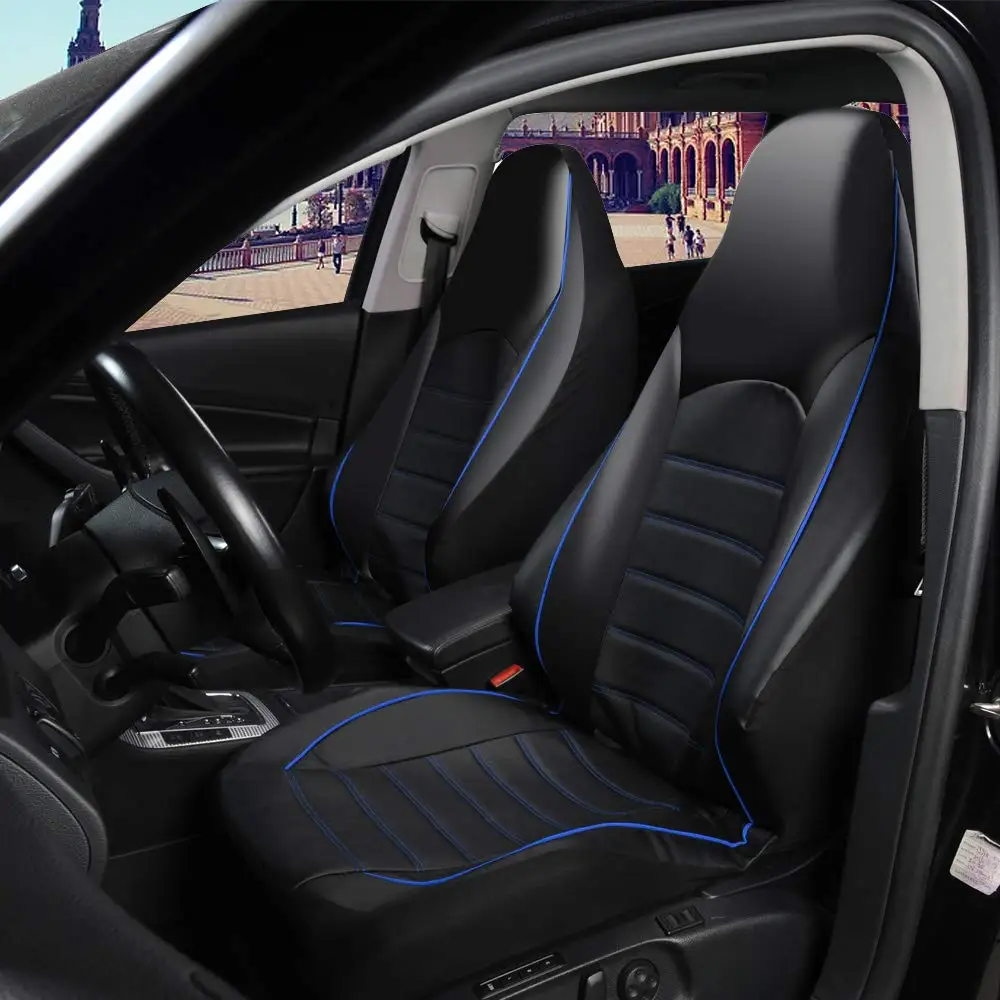
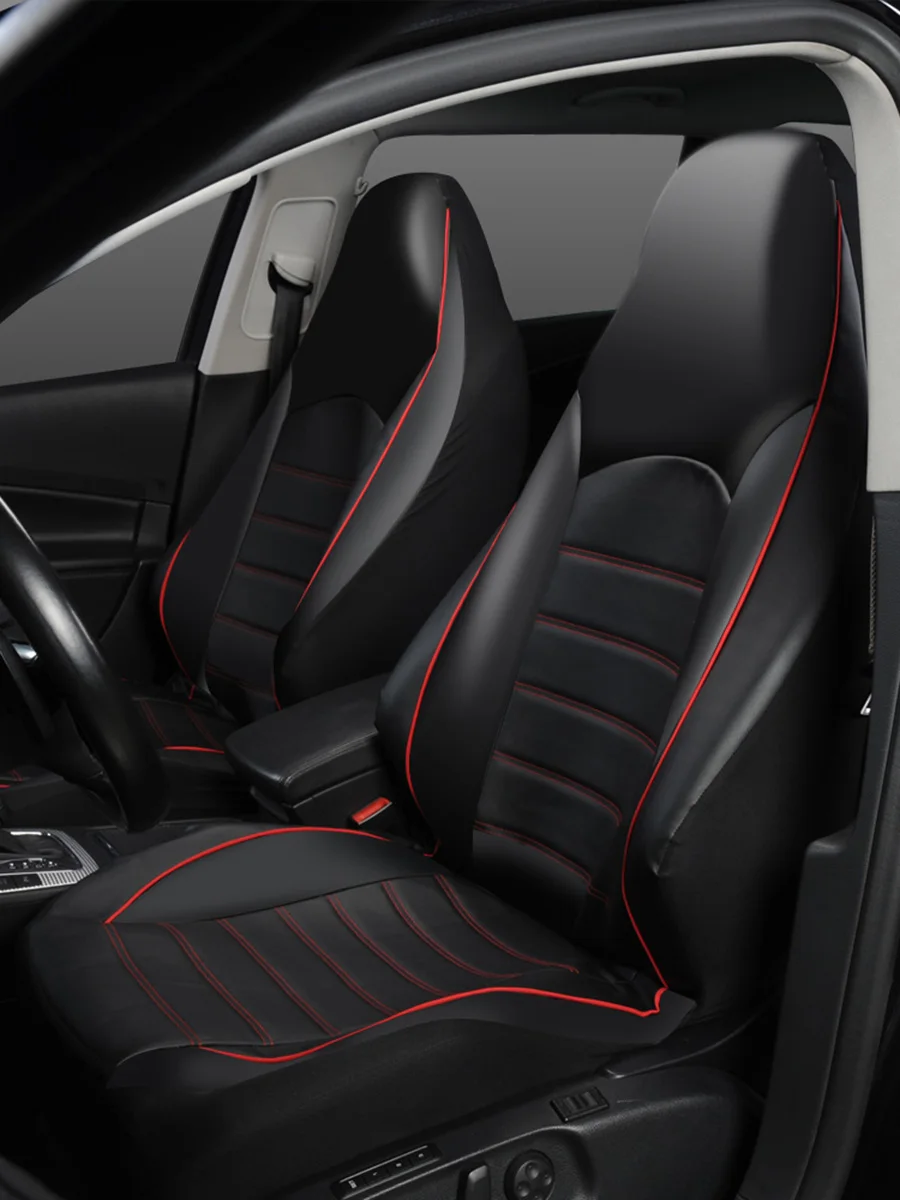
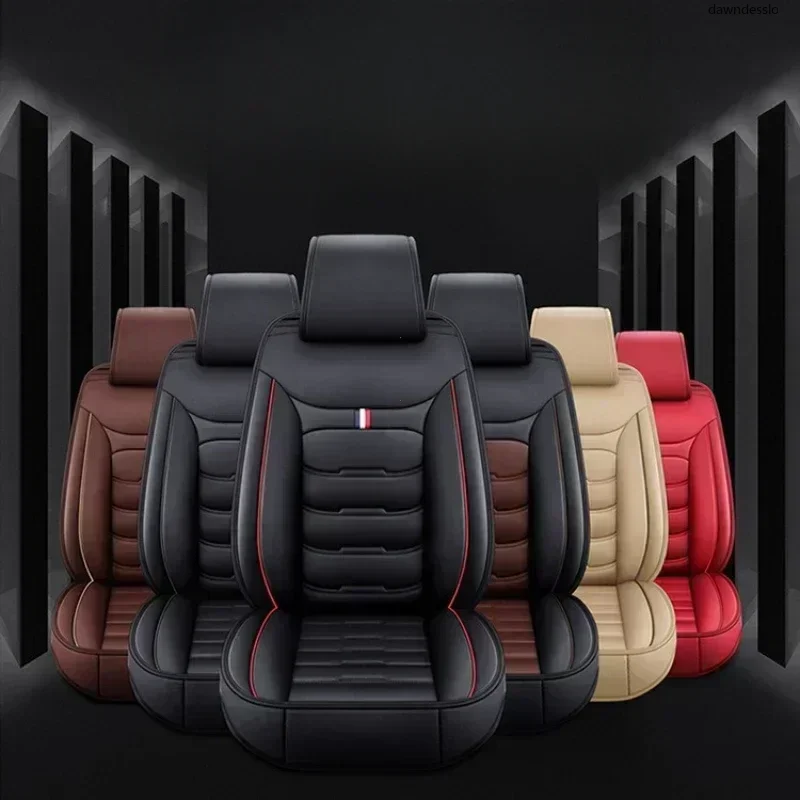
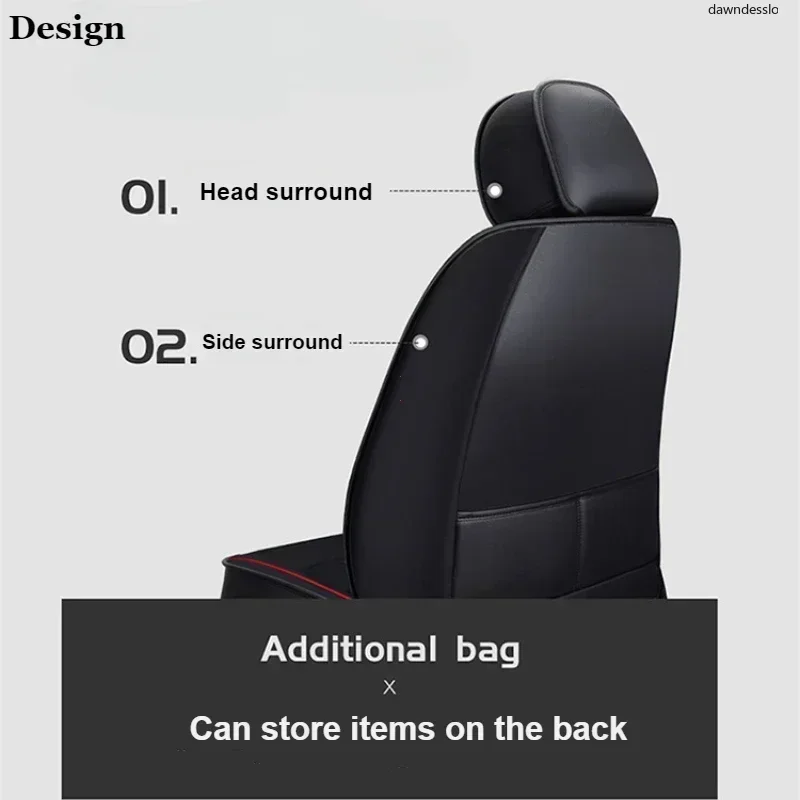
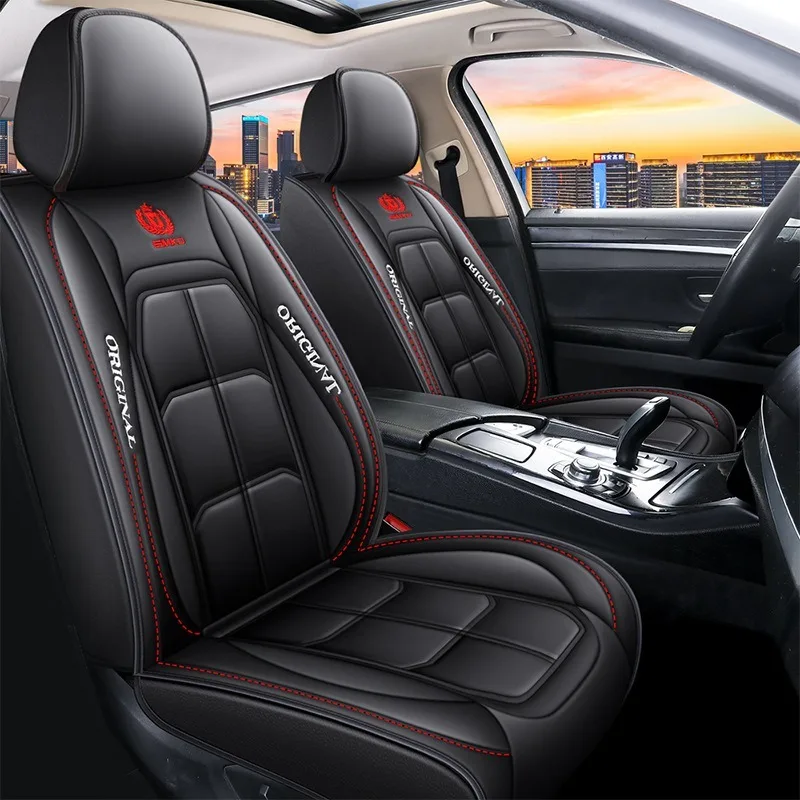
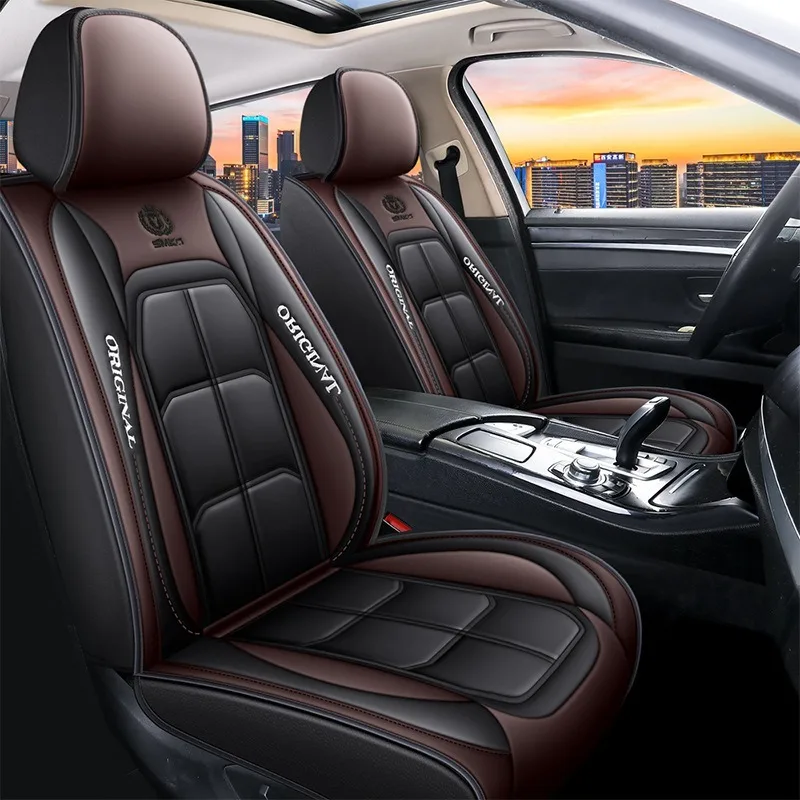
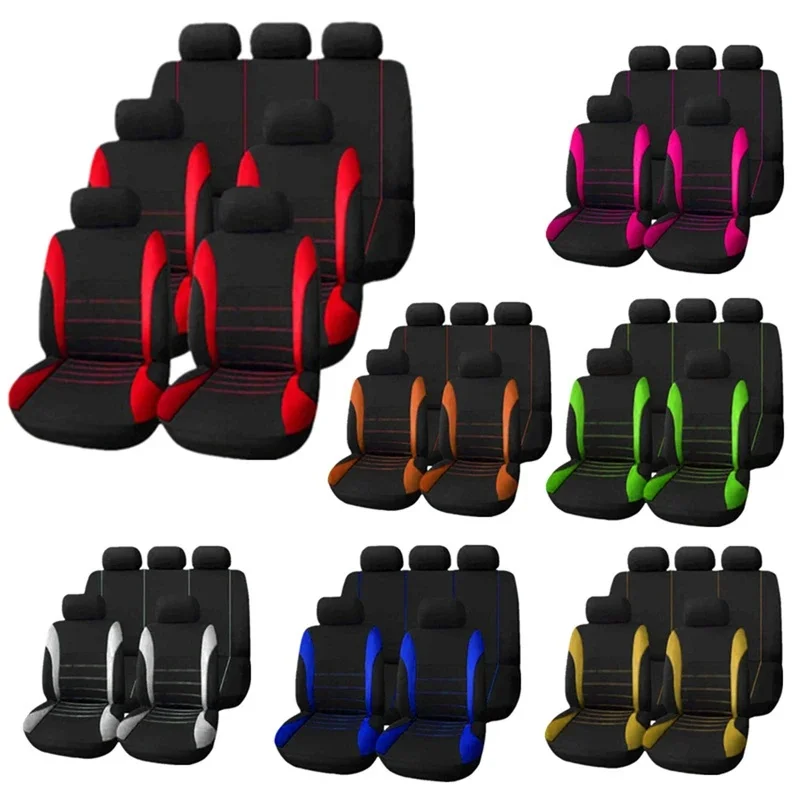
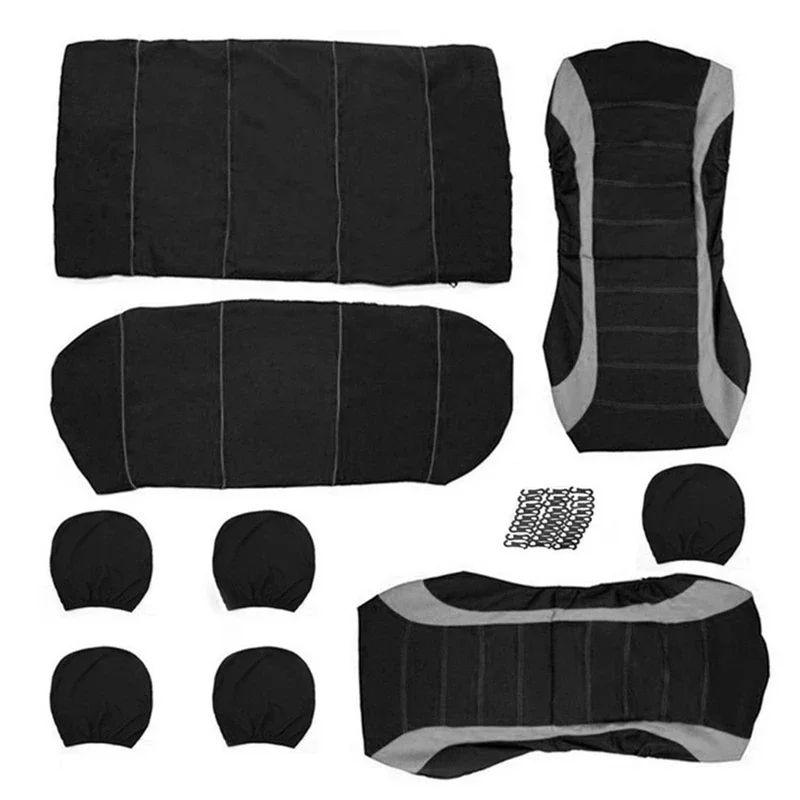
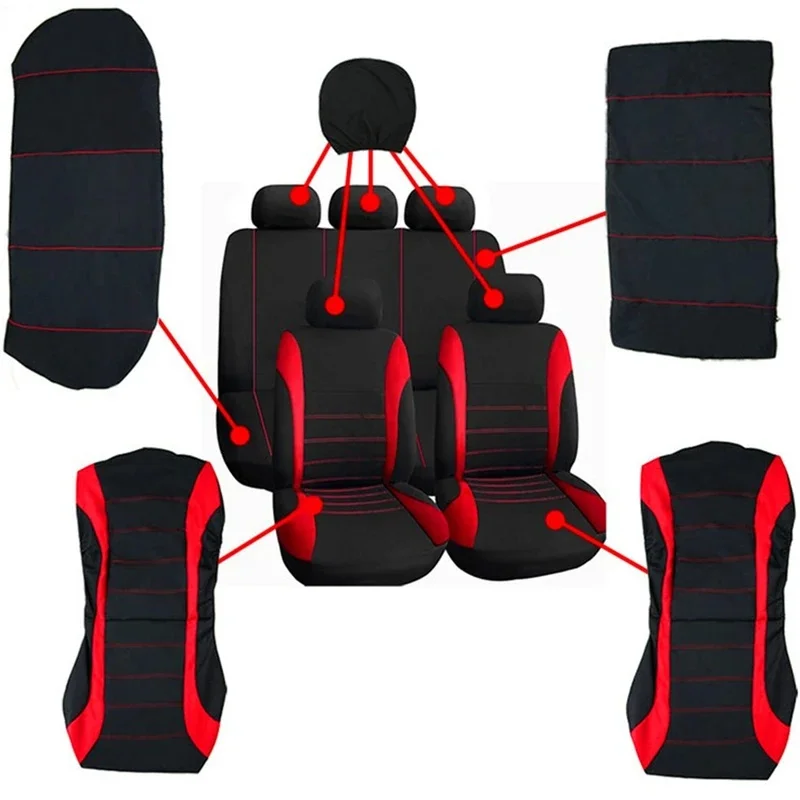
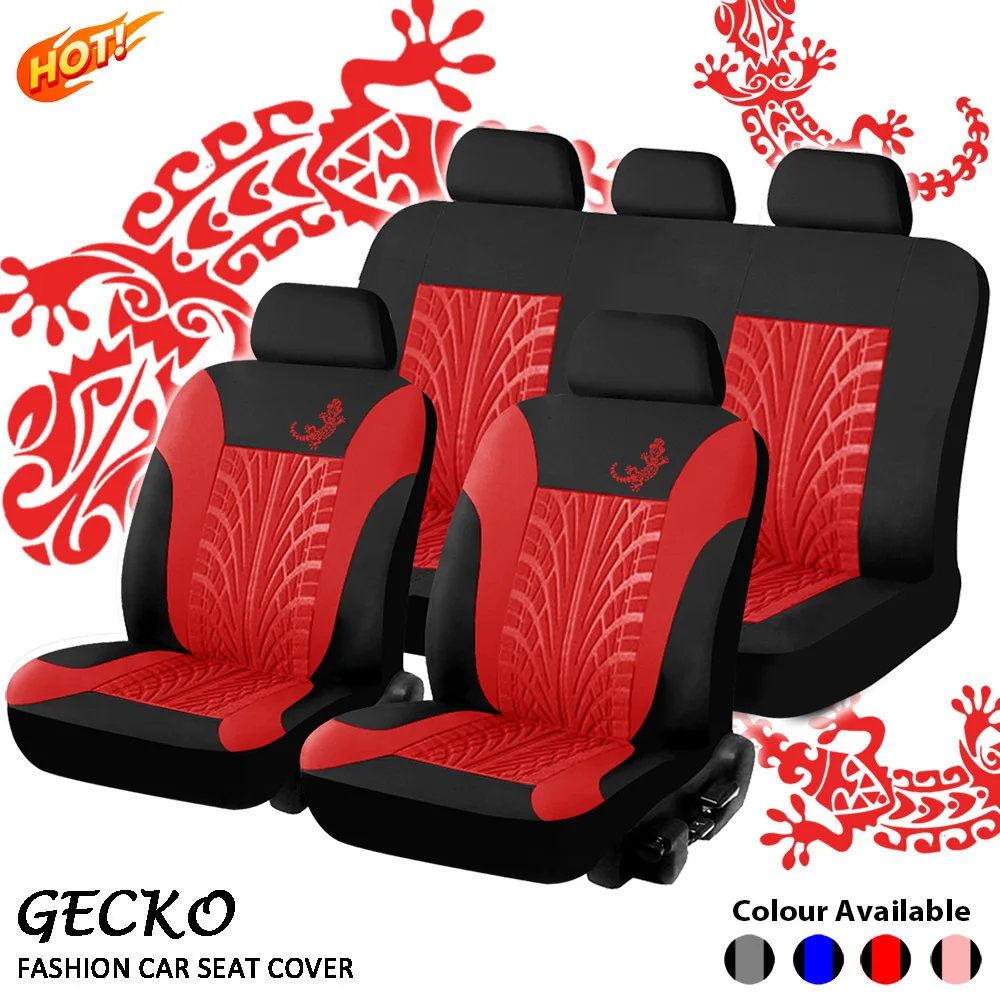
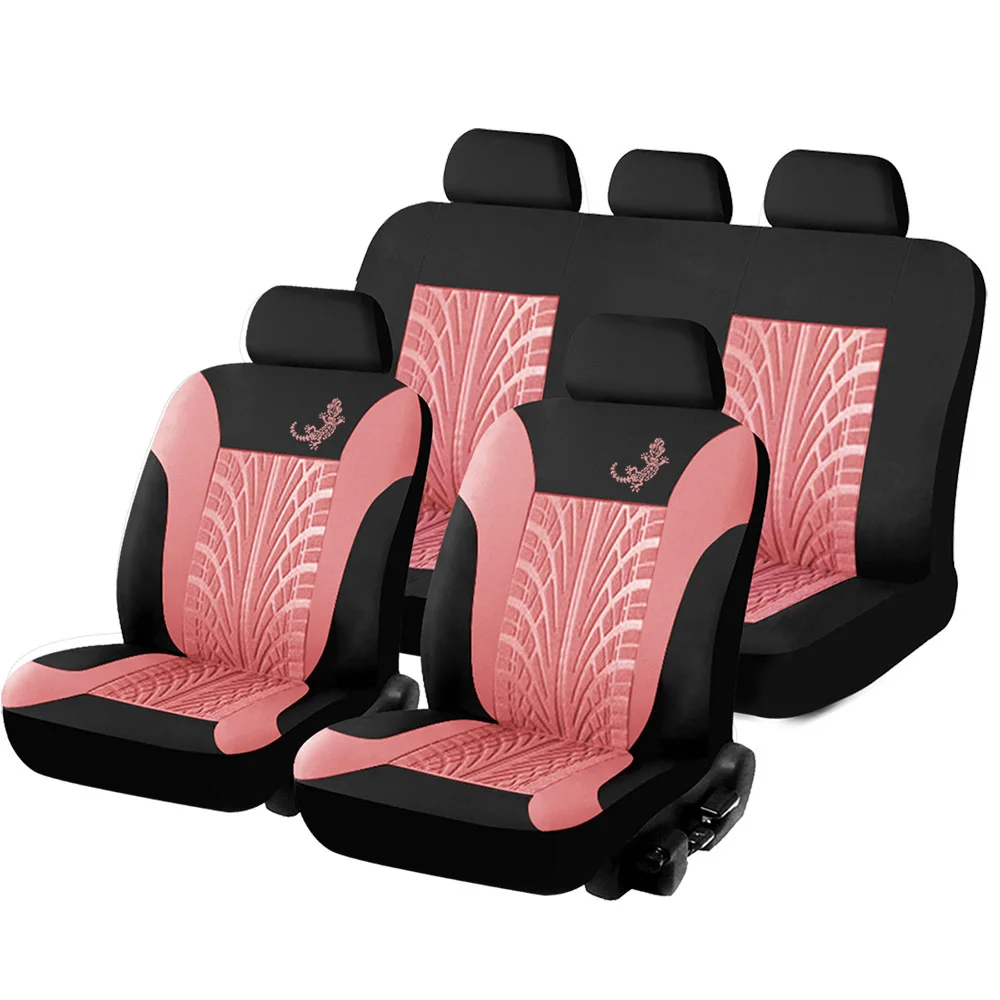
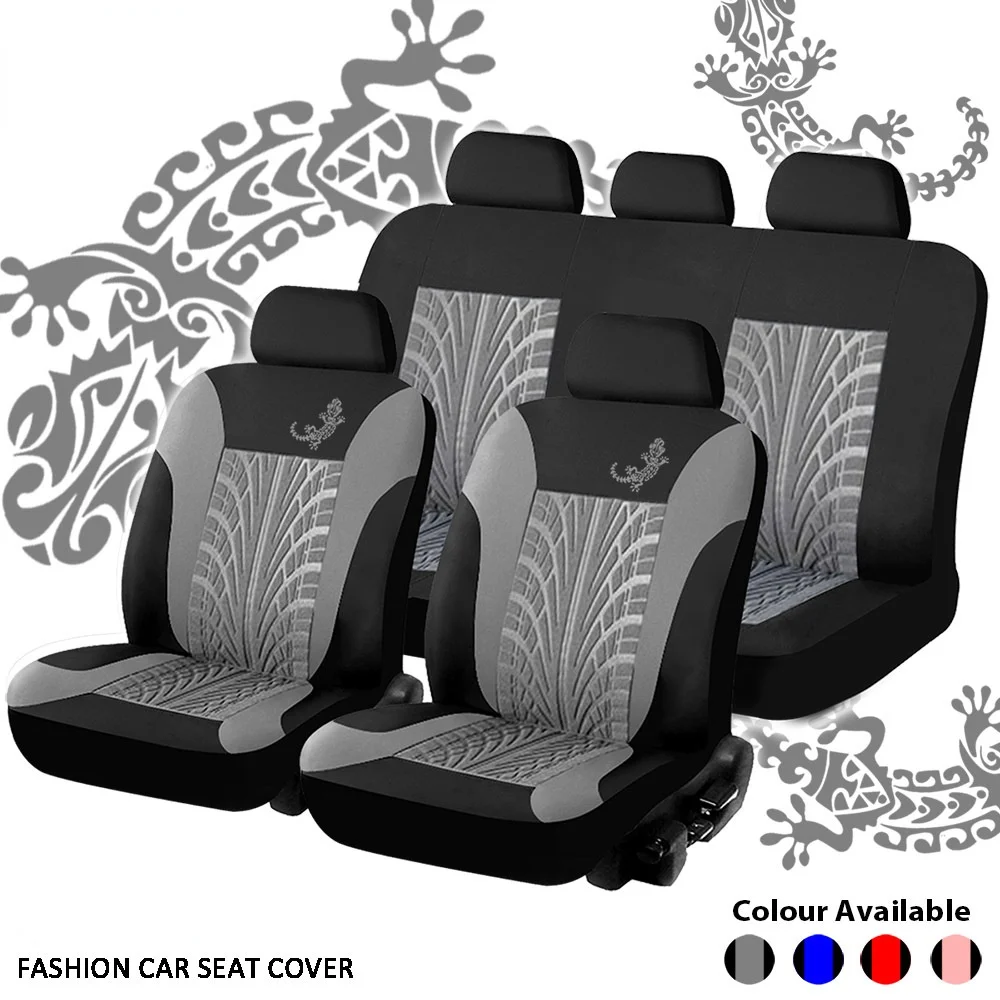
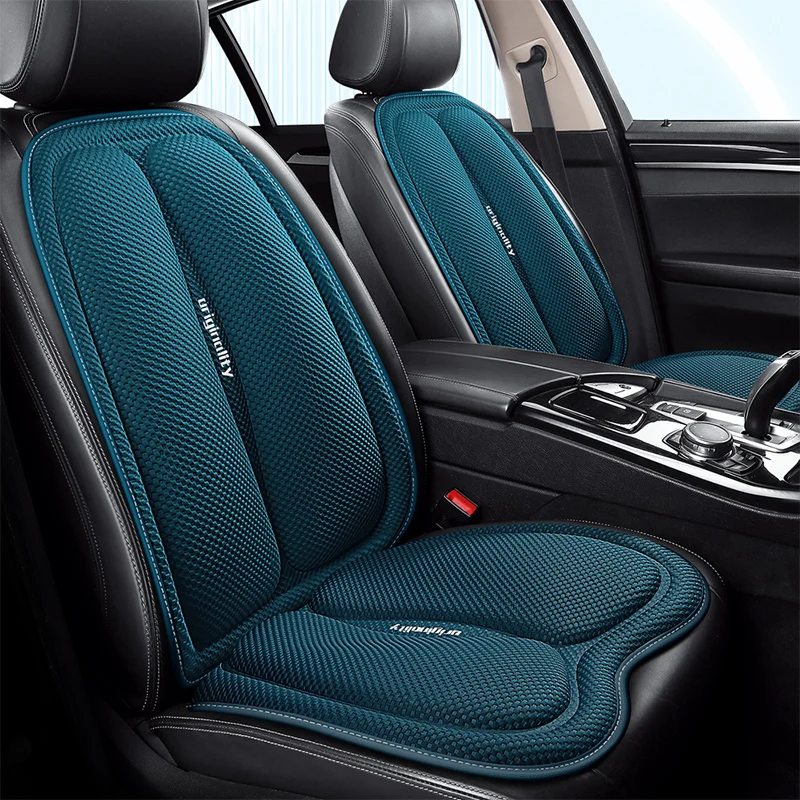
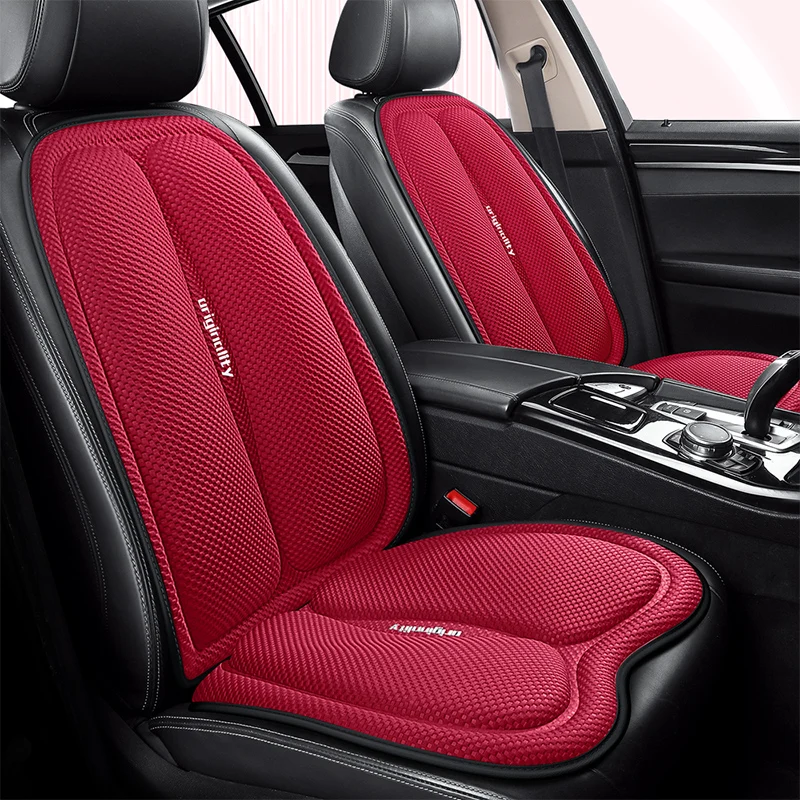
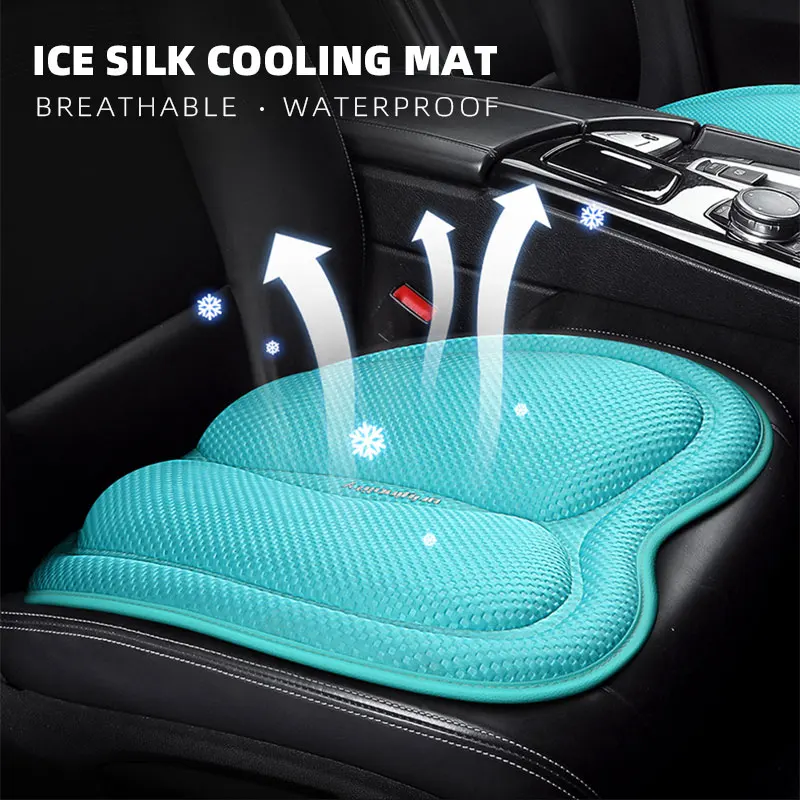
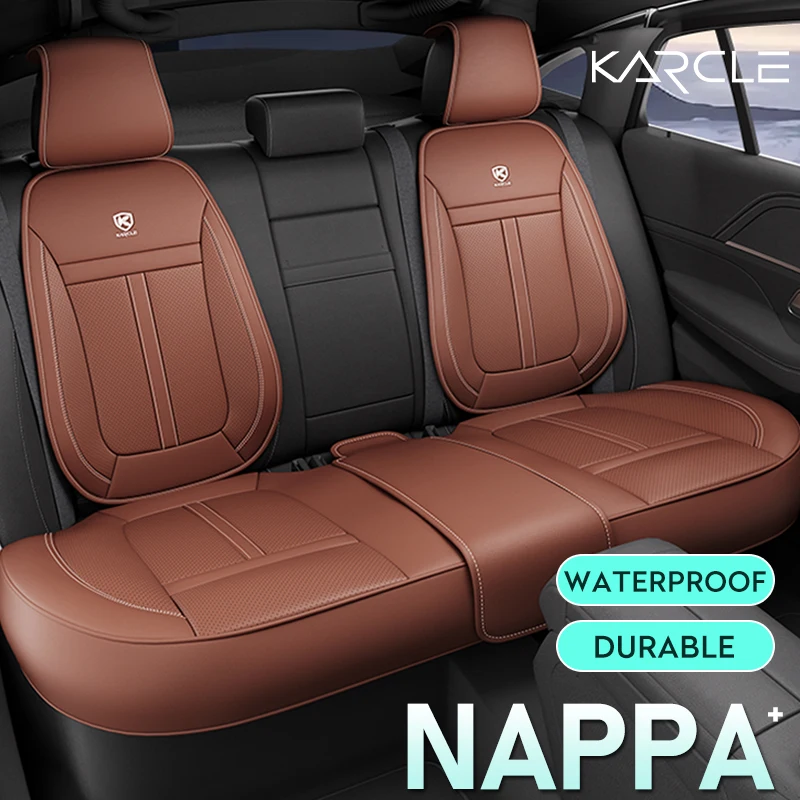
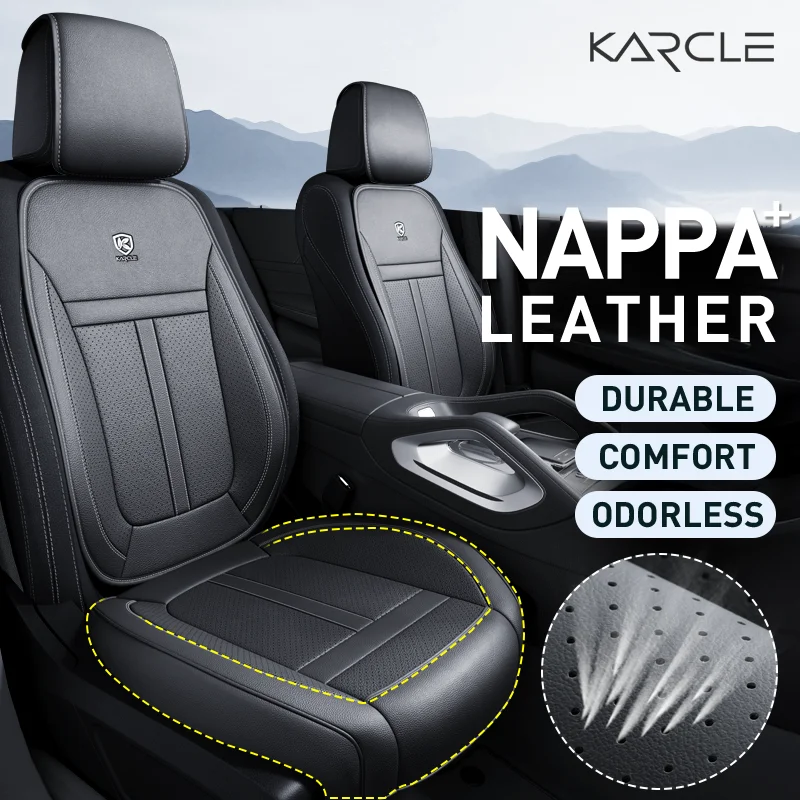
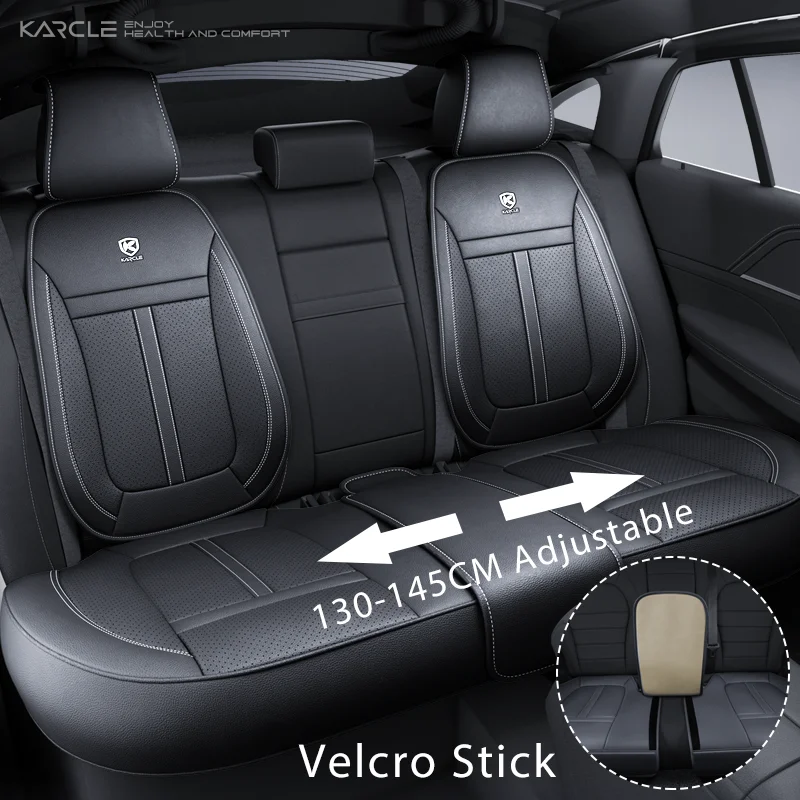
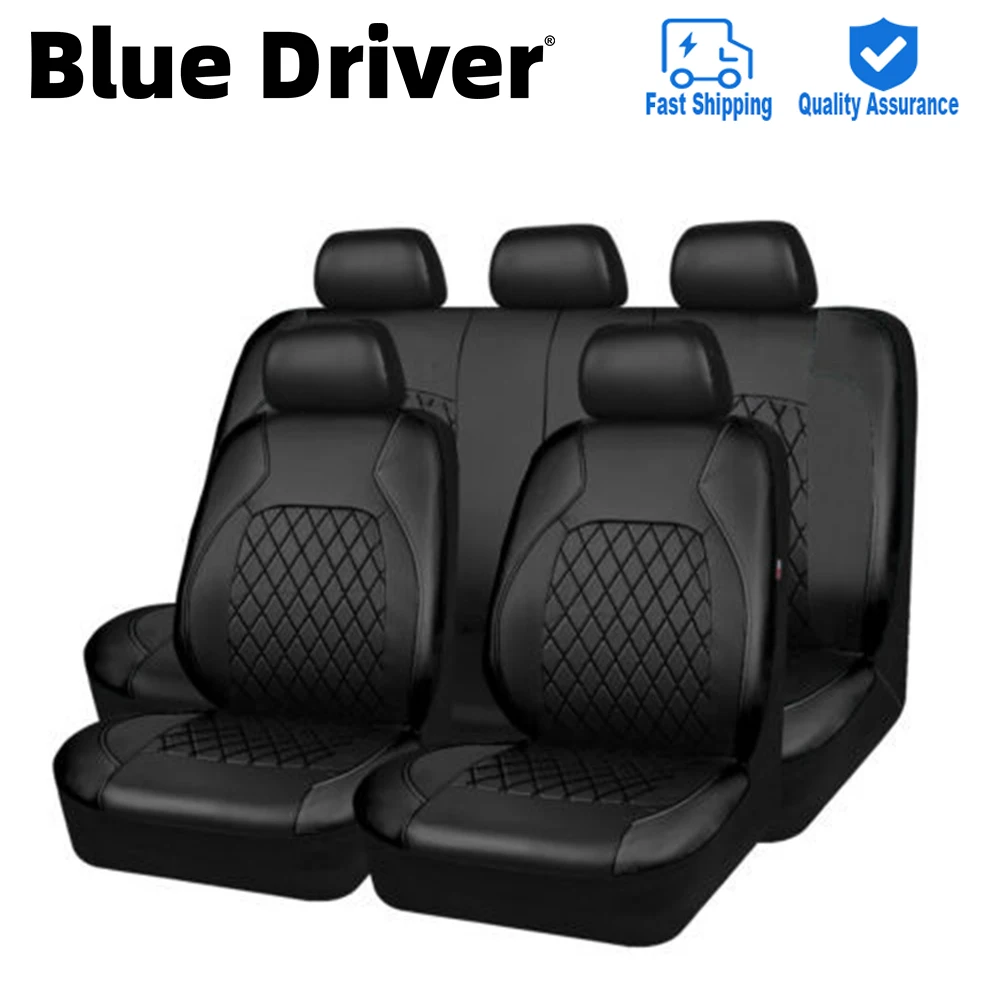
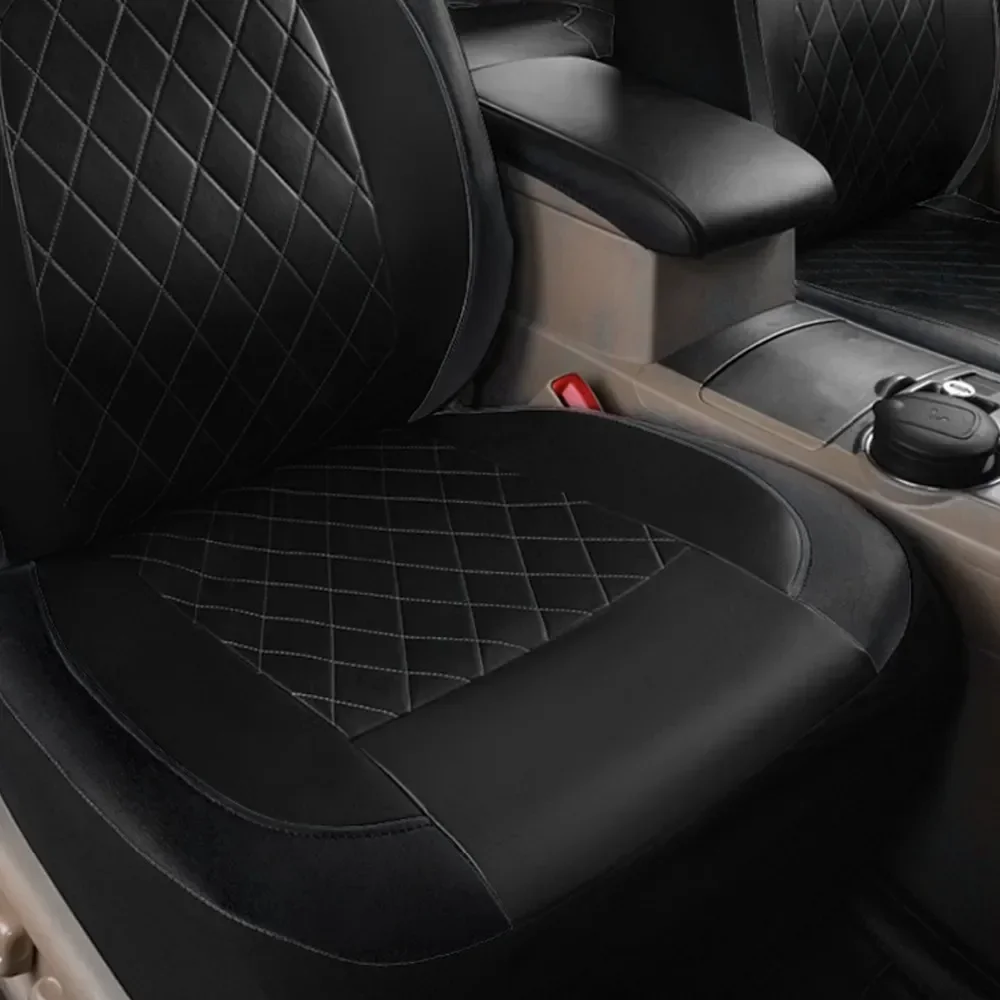
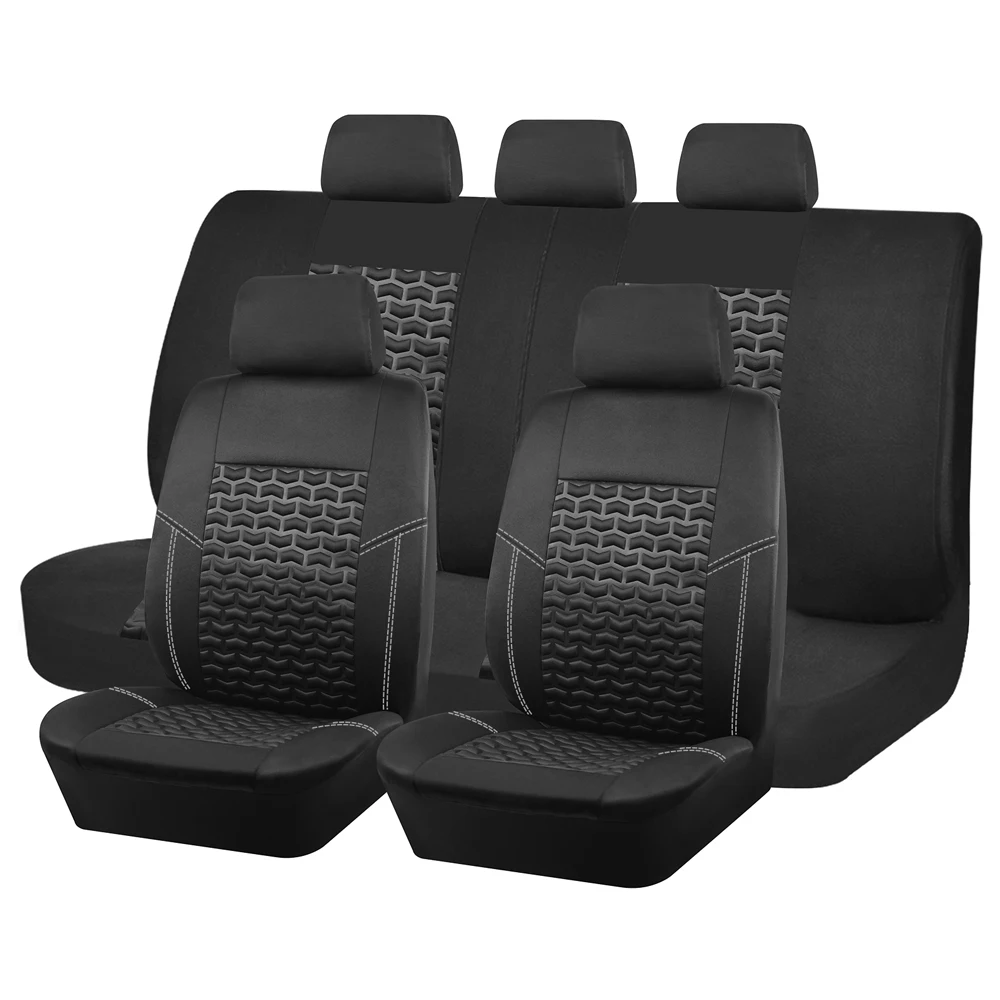
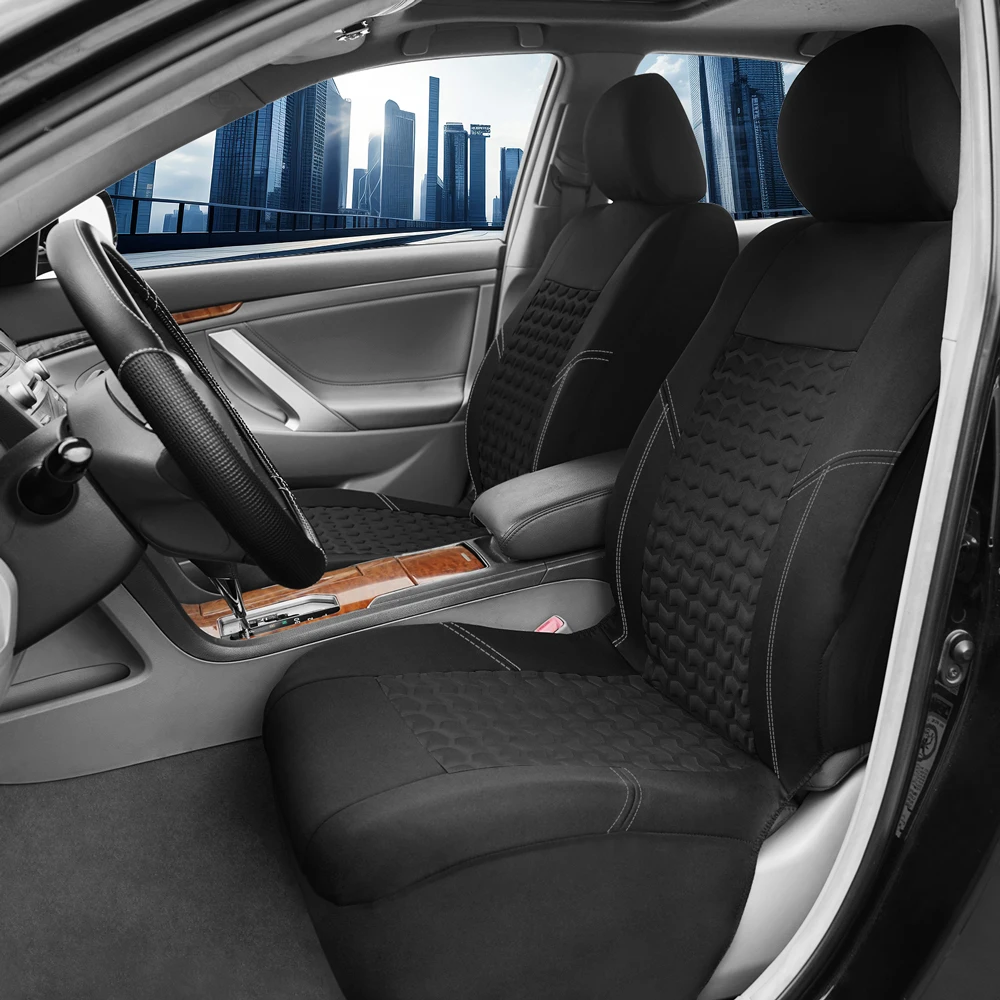
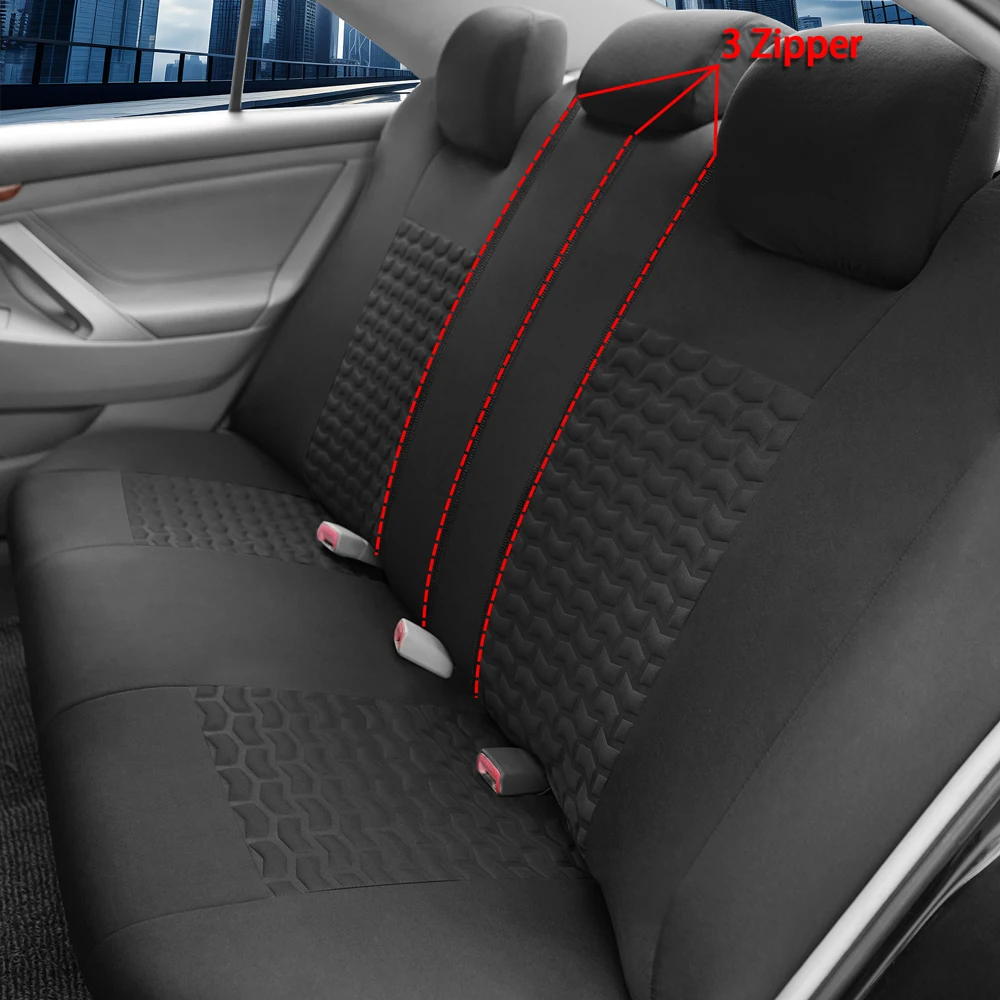
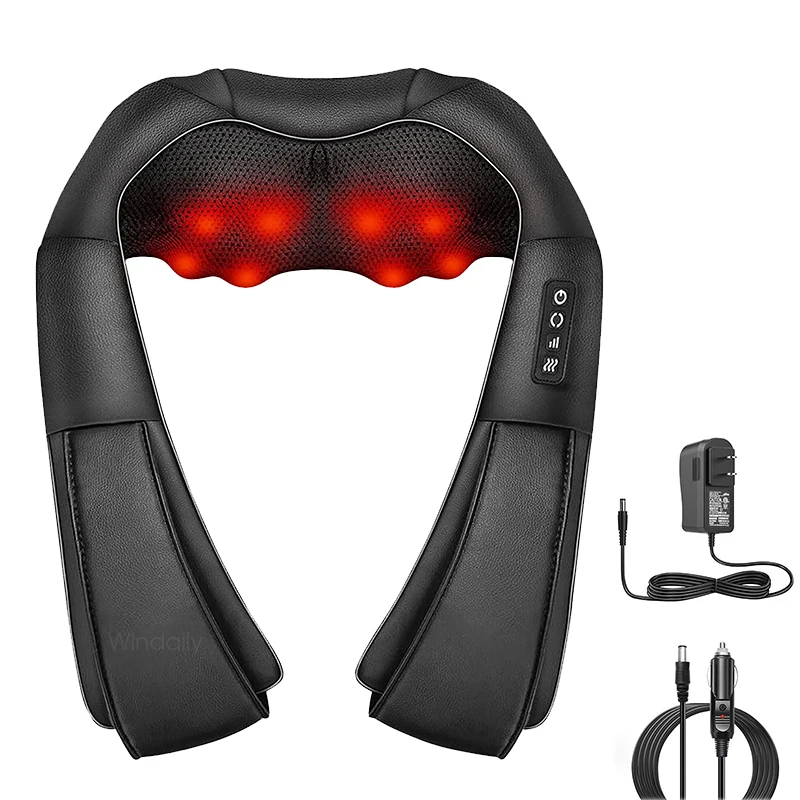
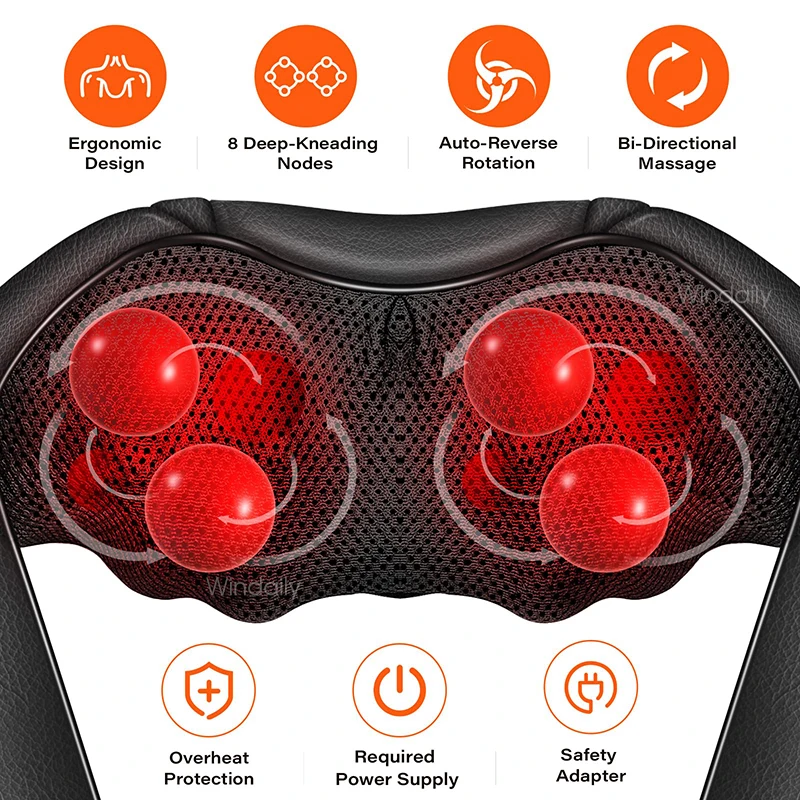
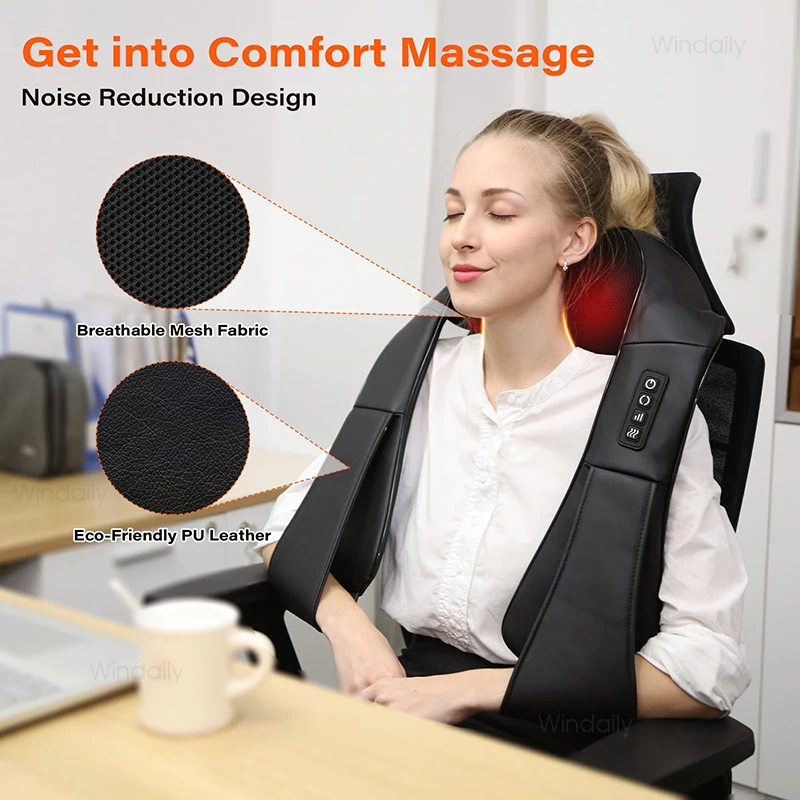
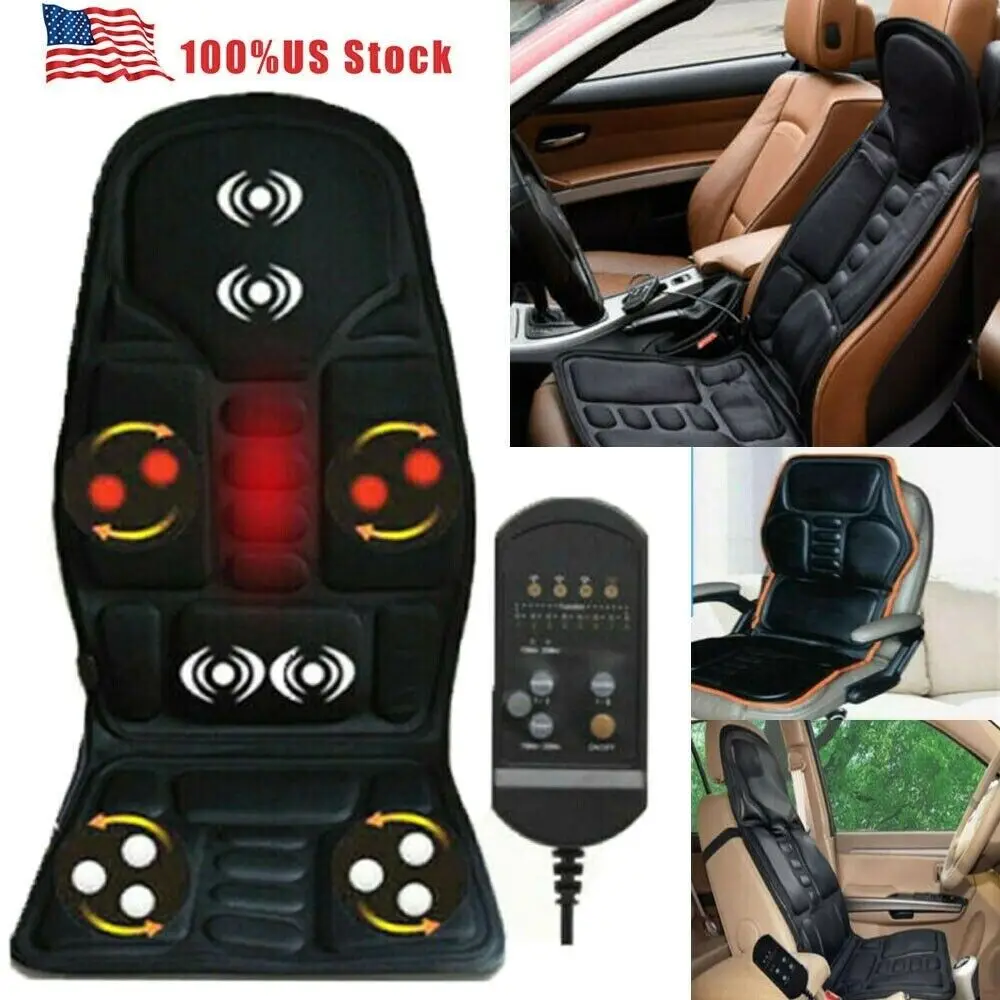
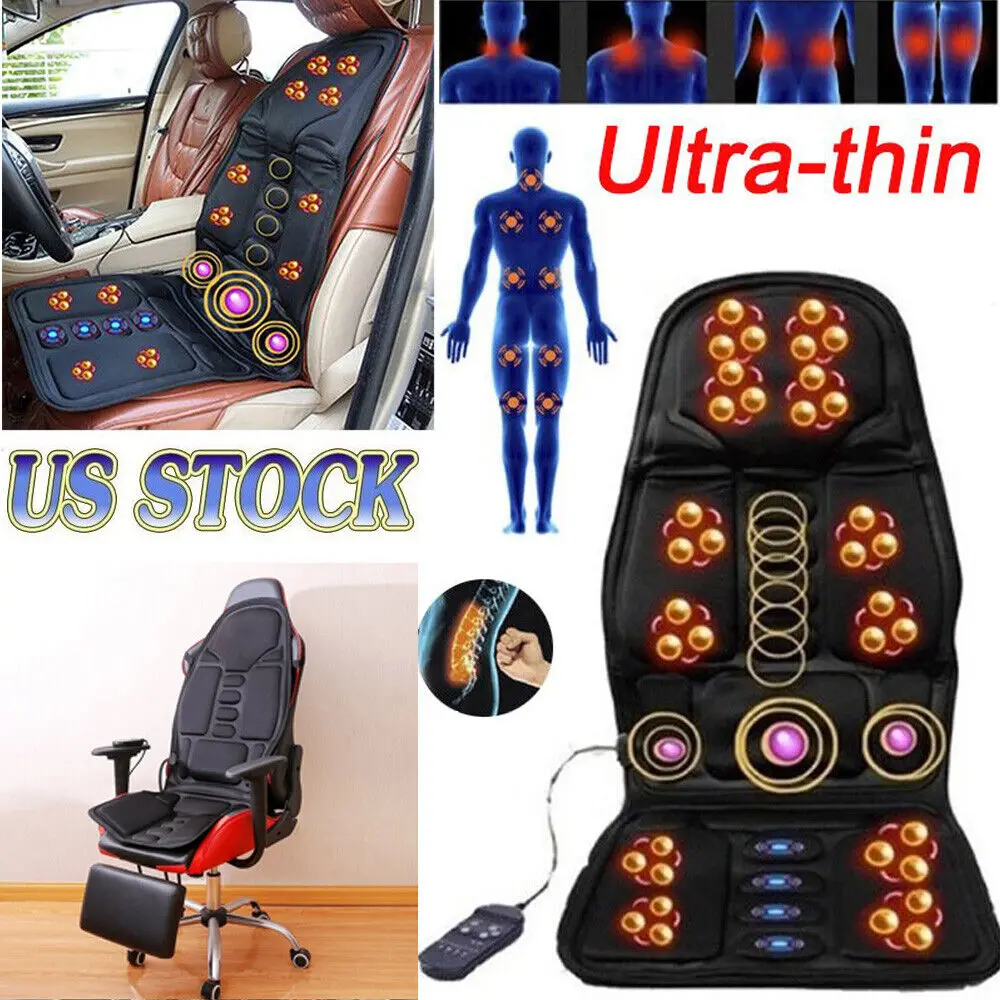
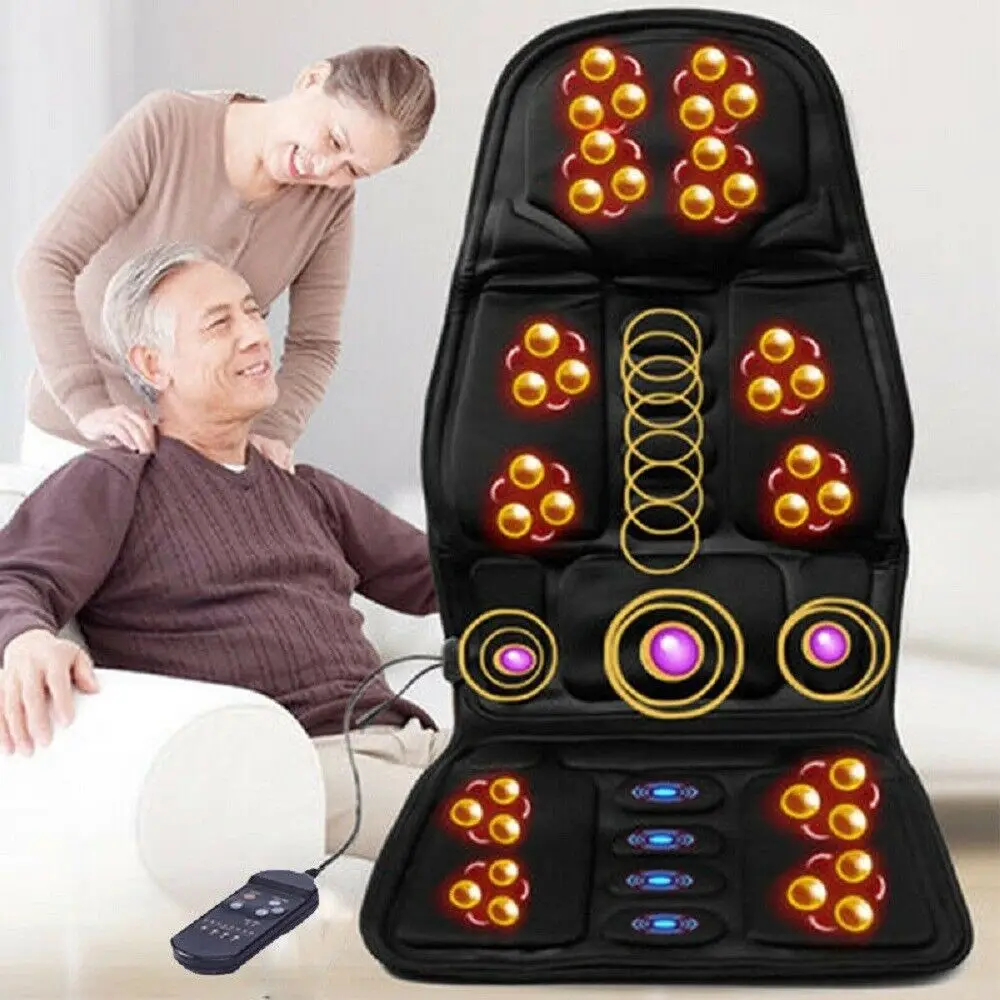
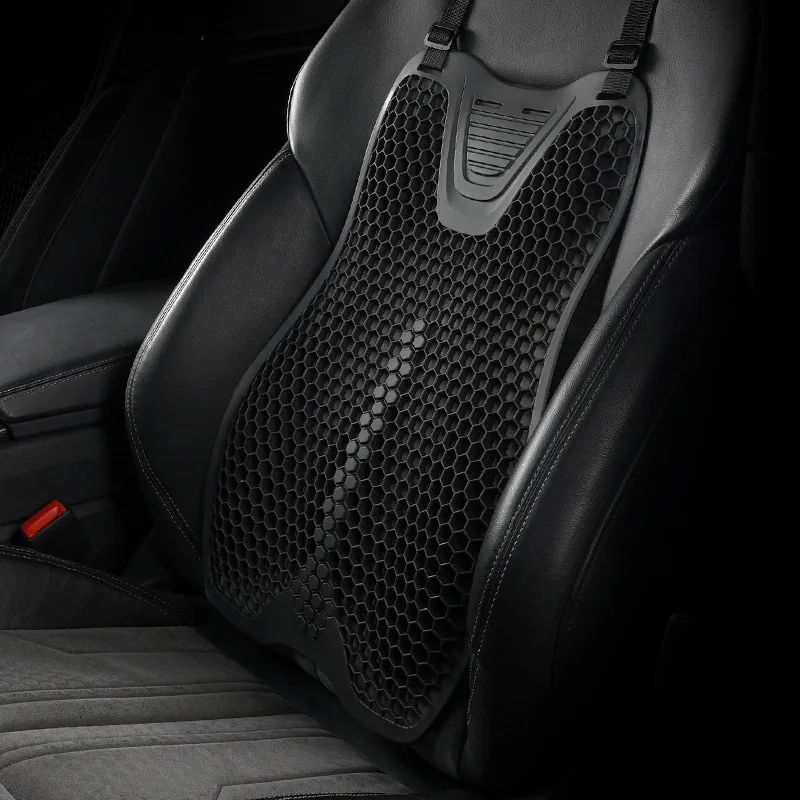
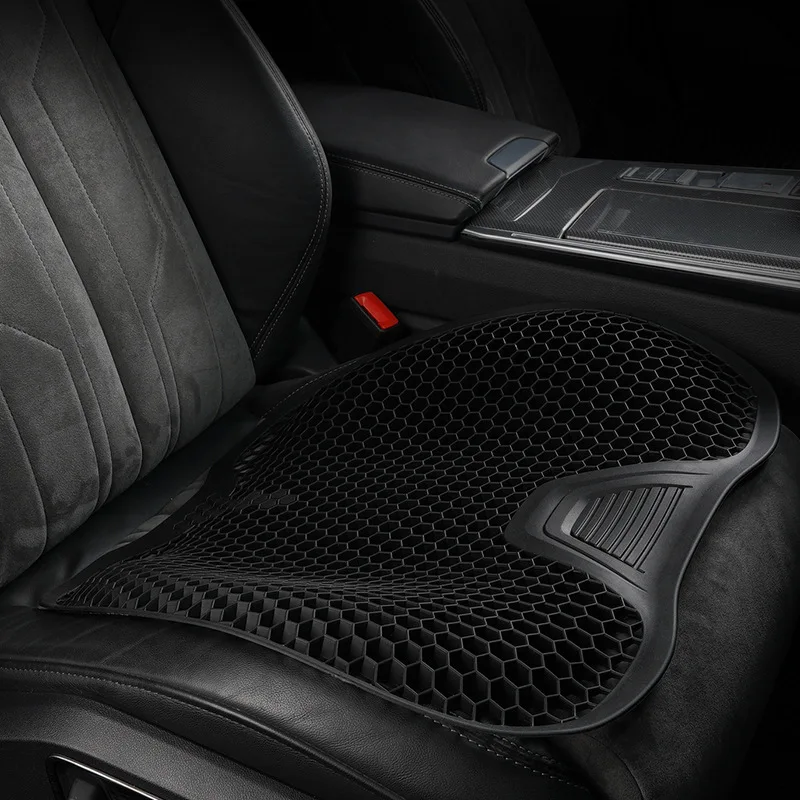
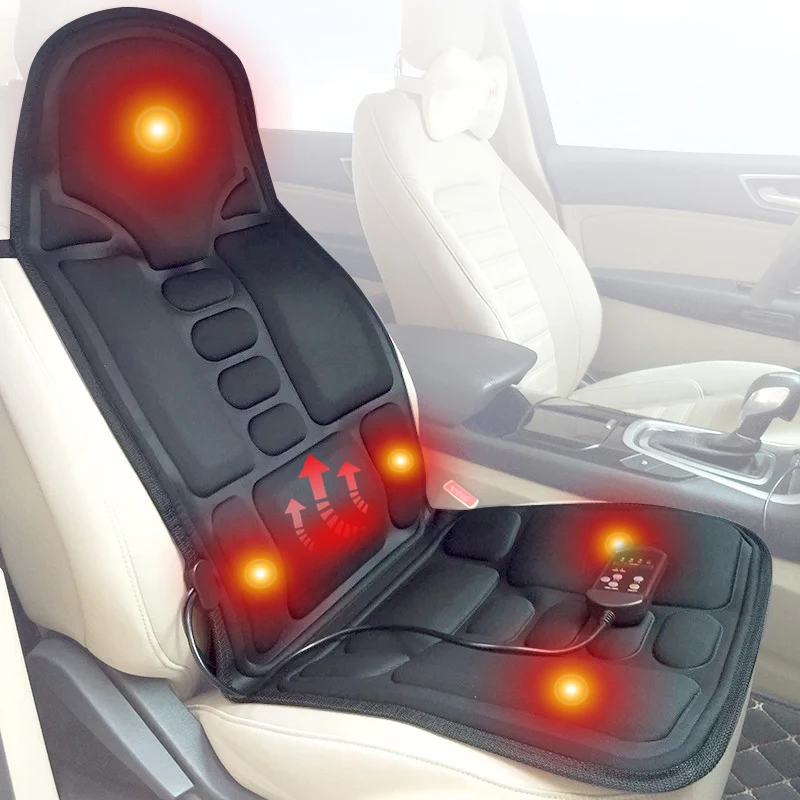
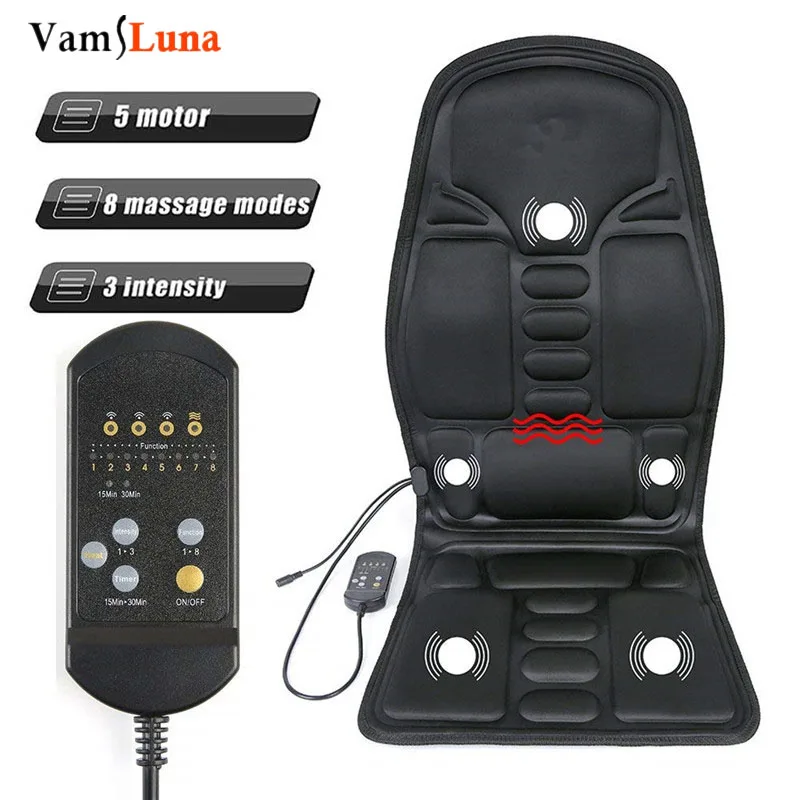
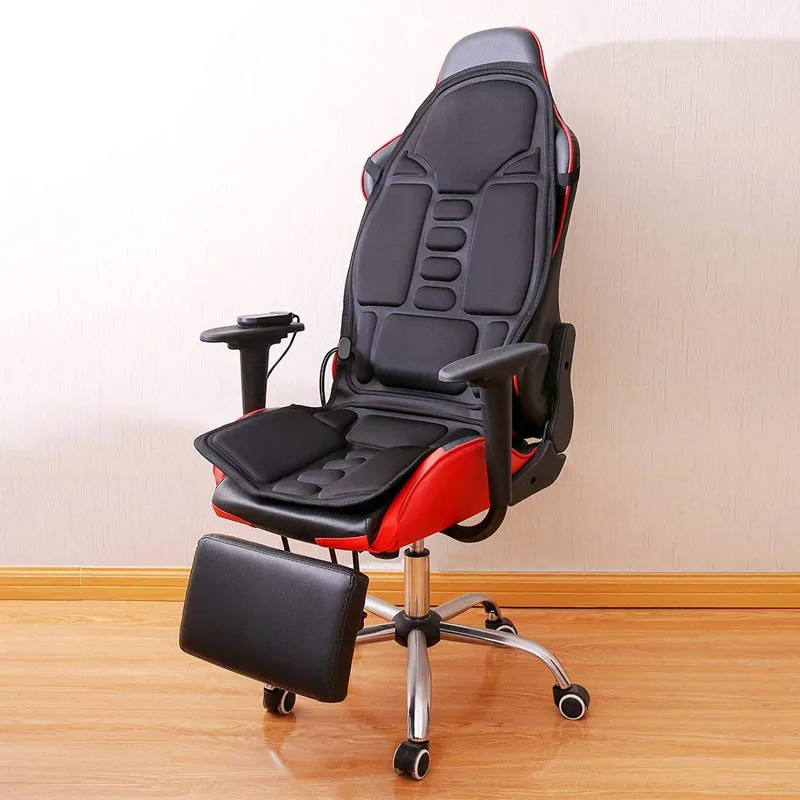
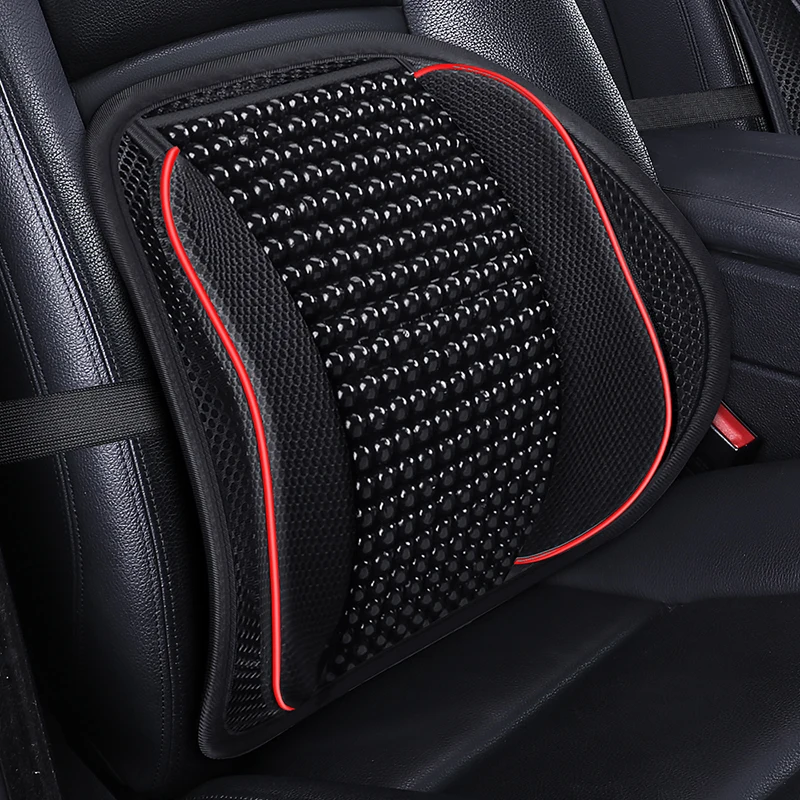
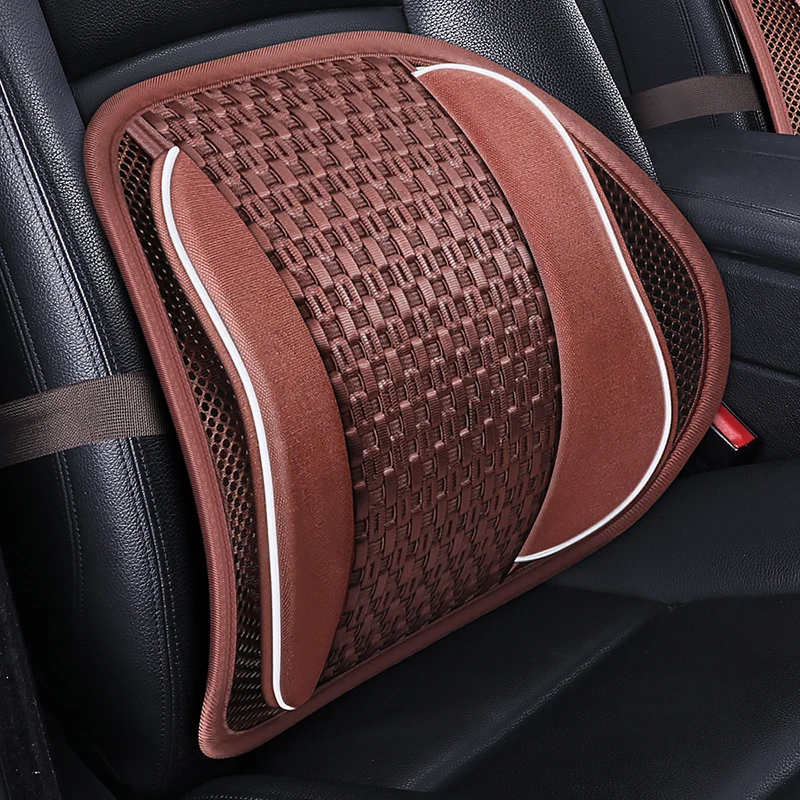
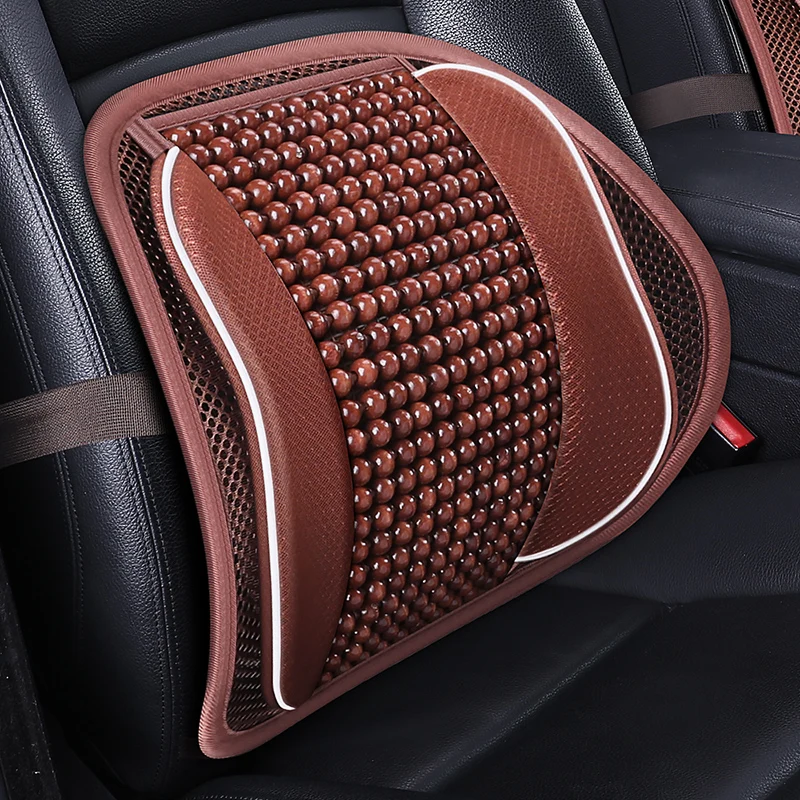
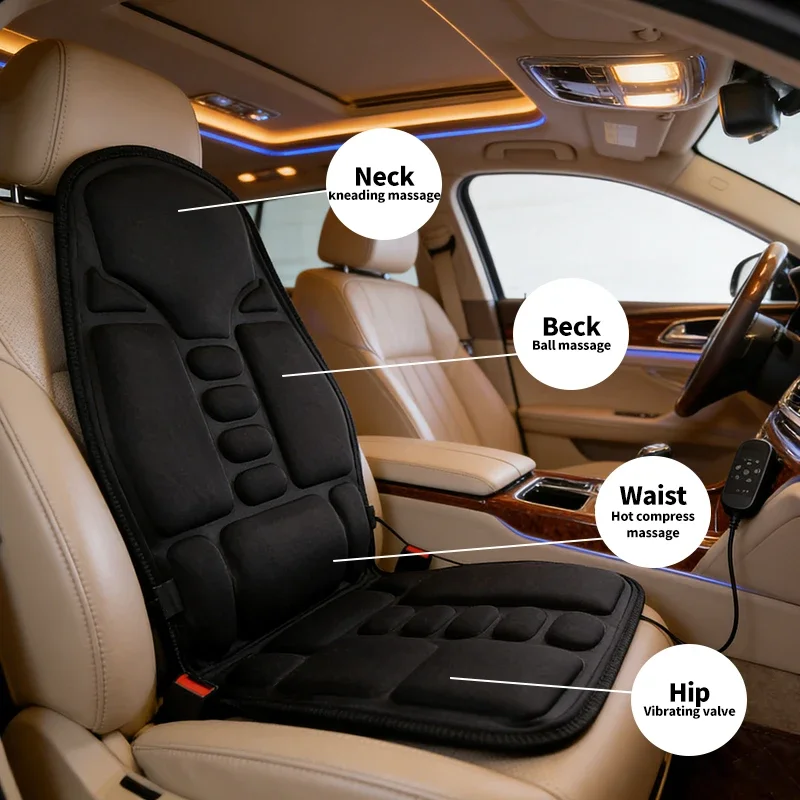
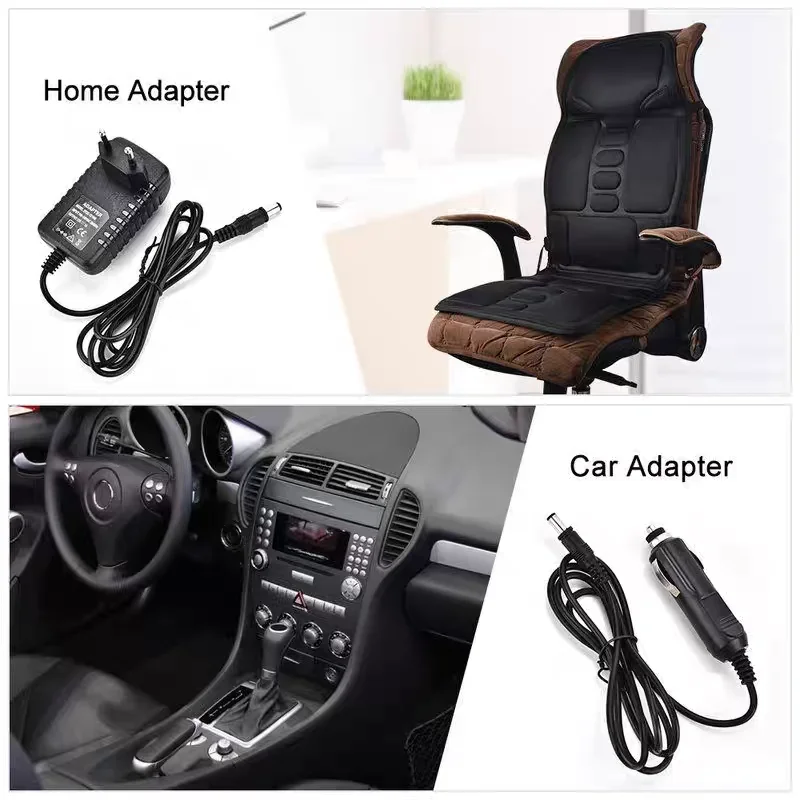
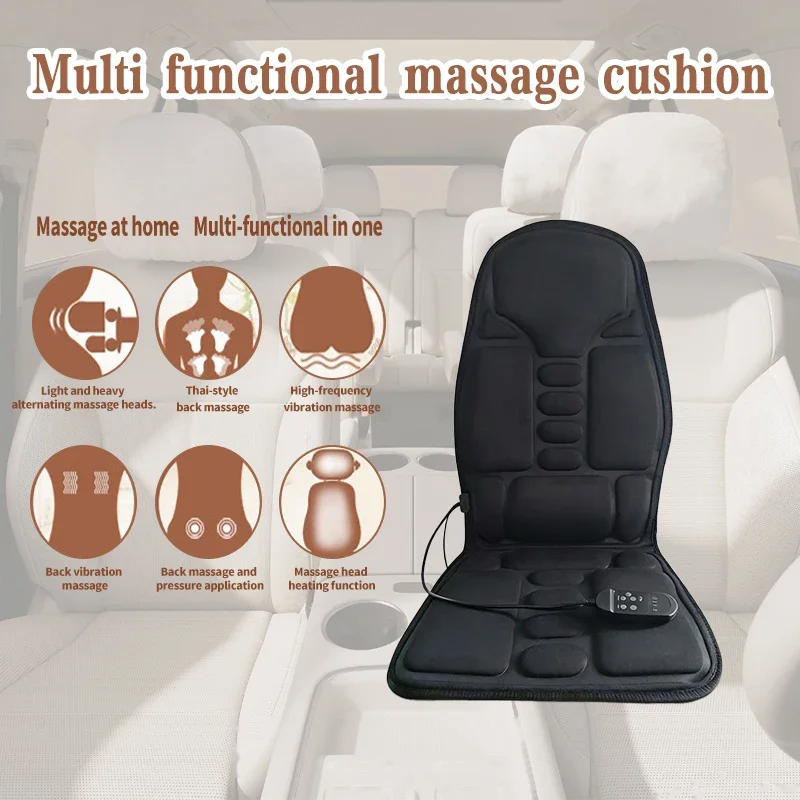
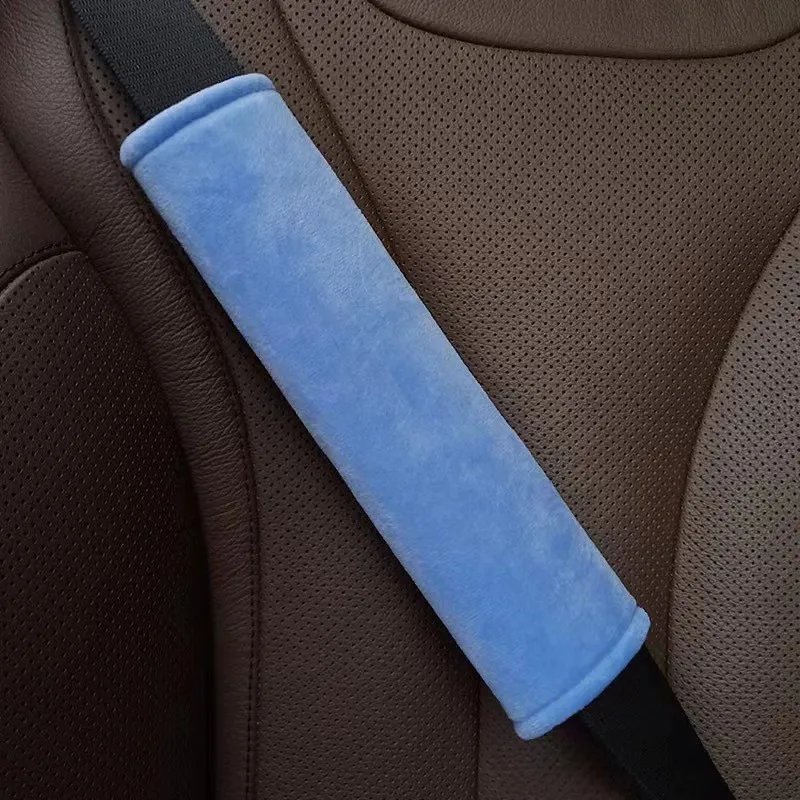
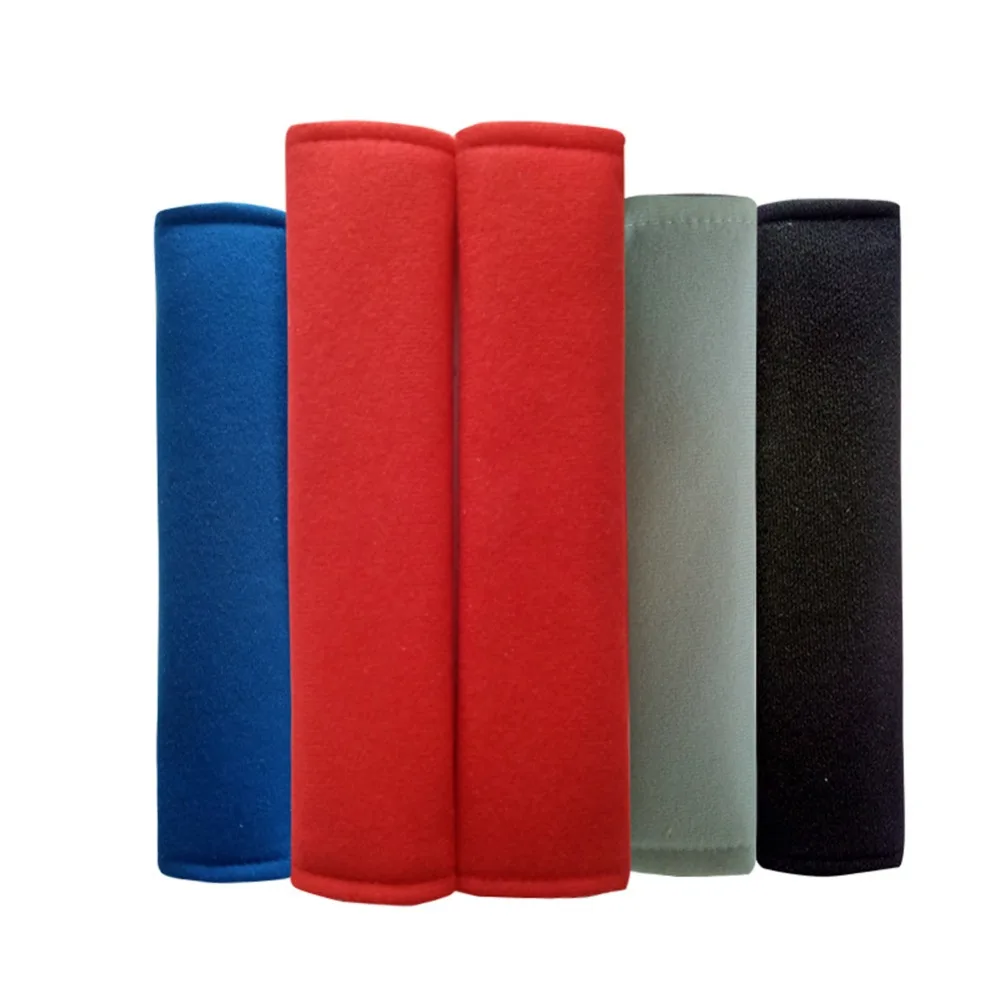
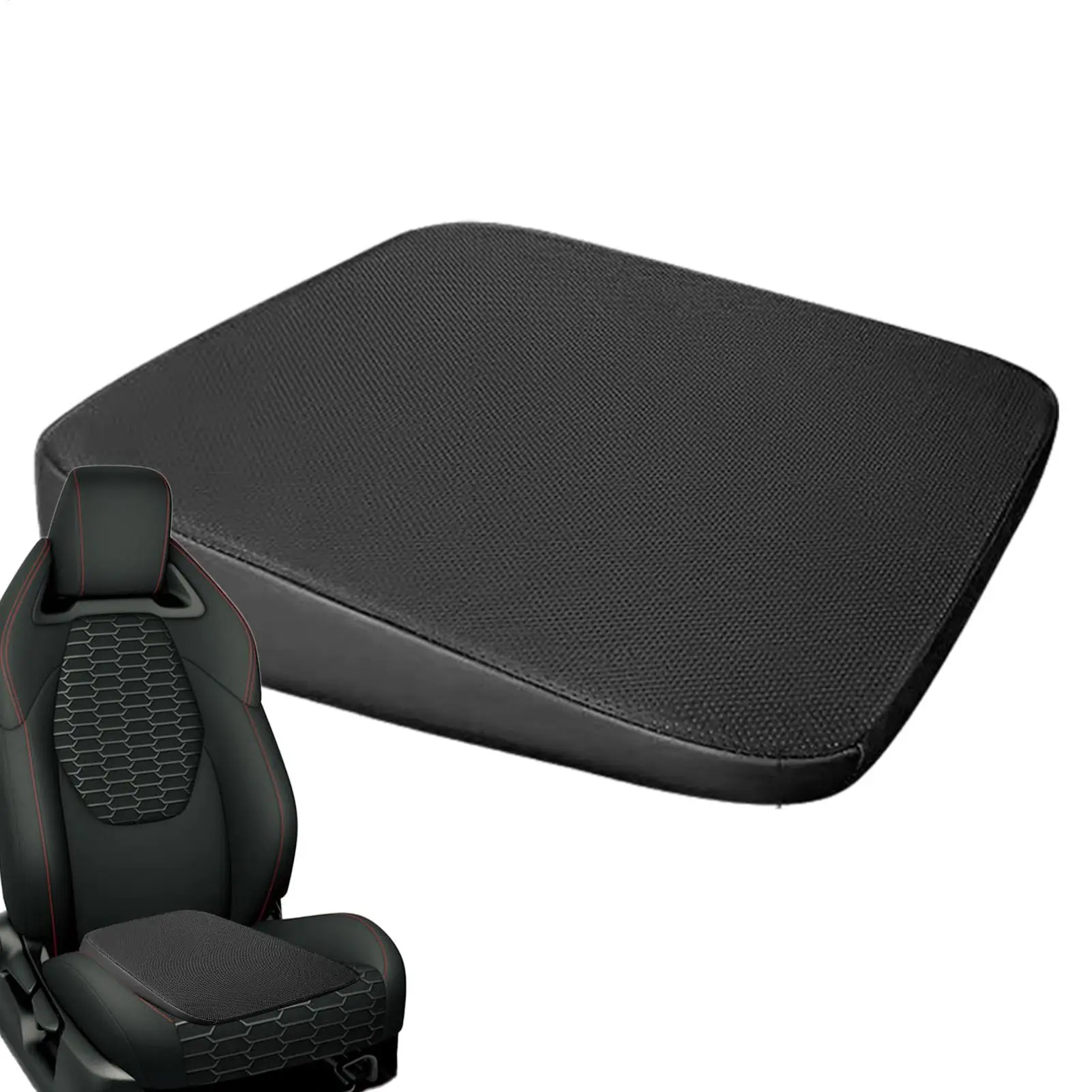
This department does two jobs. Seat covers protect the seats the car came with from wear, spills, mud, sweat and hair, and can make tired or stained seats look smart again. Cushions, supports and pillows change how the seat feels, so a long drive is easier on the back, the neck and the shoulders. Many drivers end up with something from both: covers to keep the seats clean, and a cushion or a lumbar support for the motorway.
The ranges in this department
Set the seat up first
A cushion added to a badly set seat will not fix it. The Highway Code asks you to adjust the seat, mirrors and head restraints before you set off, for comfort, full control and the best view. So set the height, the distance to the pedals, the backrest and the head restraint, then decide what you still need. Anything you sit on or lean against moves you, so after adding a cushion, check your view, your reach to the pedals, where the seat belt crosses you and the height of the head restraint. The guide to seat cushions and back support goes through it step by step.
Questions people ask about seats and comfort
Can I put a cushion on top of a seat cover?
Yes. Put the cushion on top of the cover, not under it, and check that neither slides when you brake.
Can I fit a cover on a seat with a side airbag?
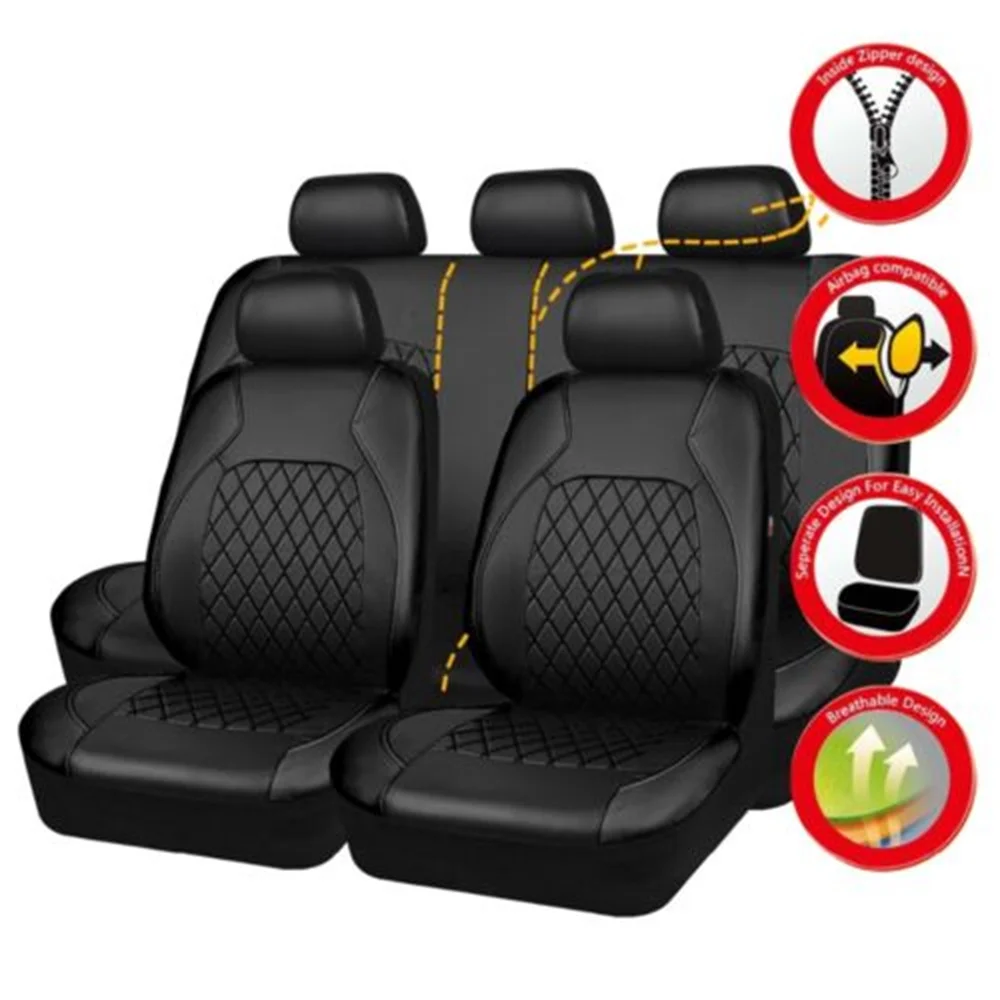
Only a cover made to be airbag compatible, which has a seam or opening that lets the airbag through, fitted so that seam sits on the airbag side. If a product page does not say the cover is made to be airbag compatible, do not use it on that seat. Your car's handbook shows where every airbag is and whether covers may be fitted at all.
How often should I stop on a long drive?
The Highway Code recommends a break of at least 15 minutes after every two hours of driving. No cushion replaces getting out and walking about.
More to look at