A kit for the glovebox or the boot
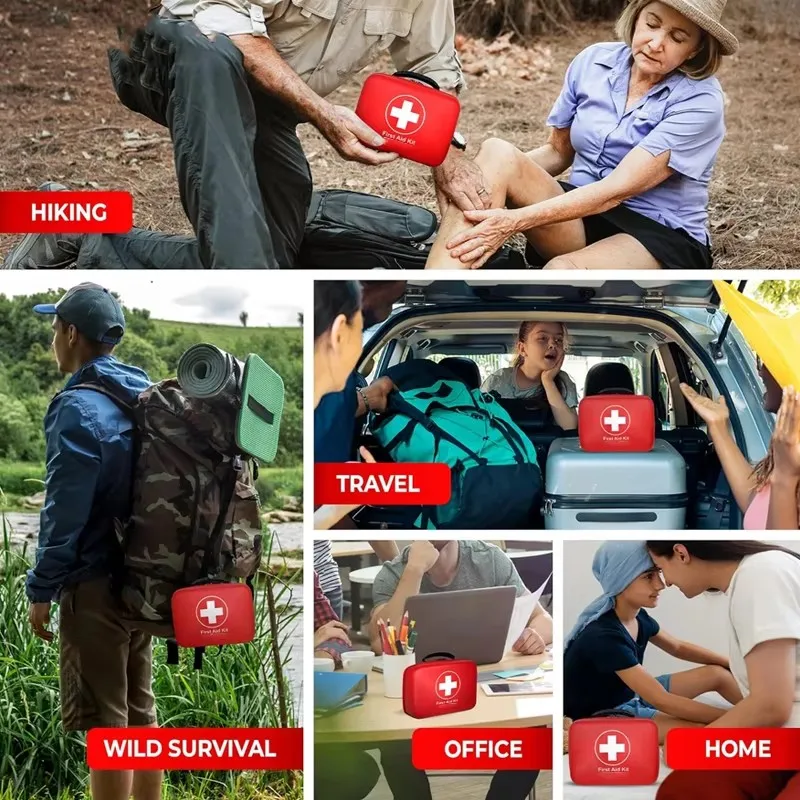
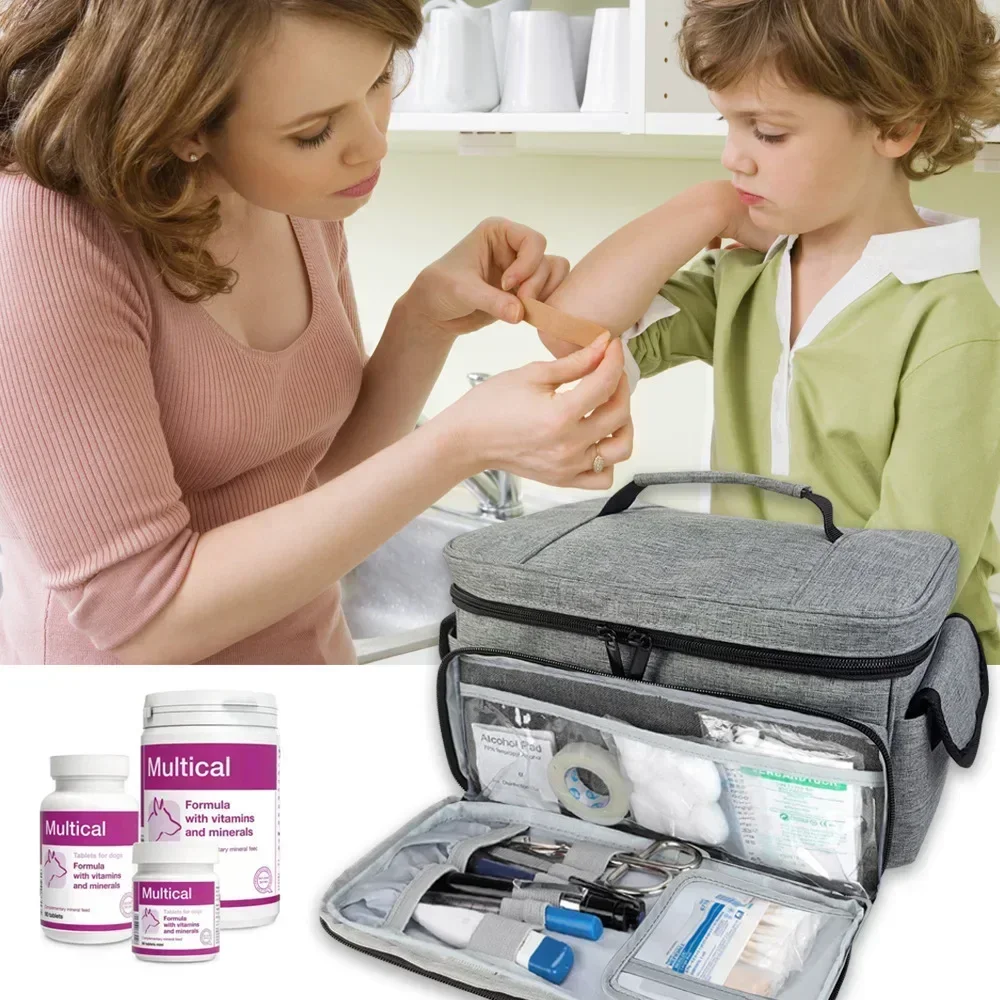
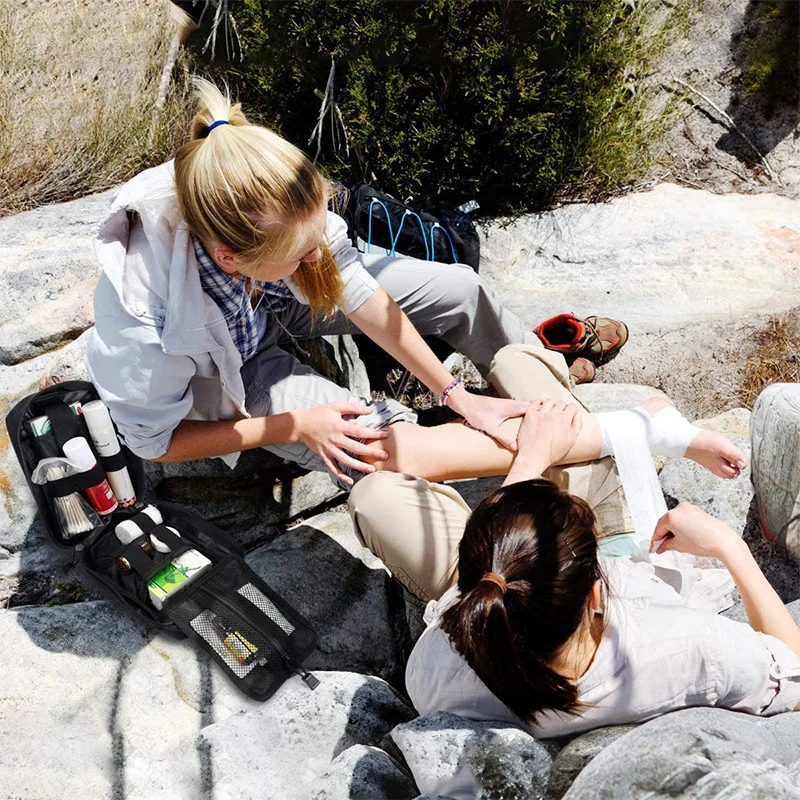
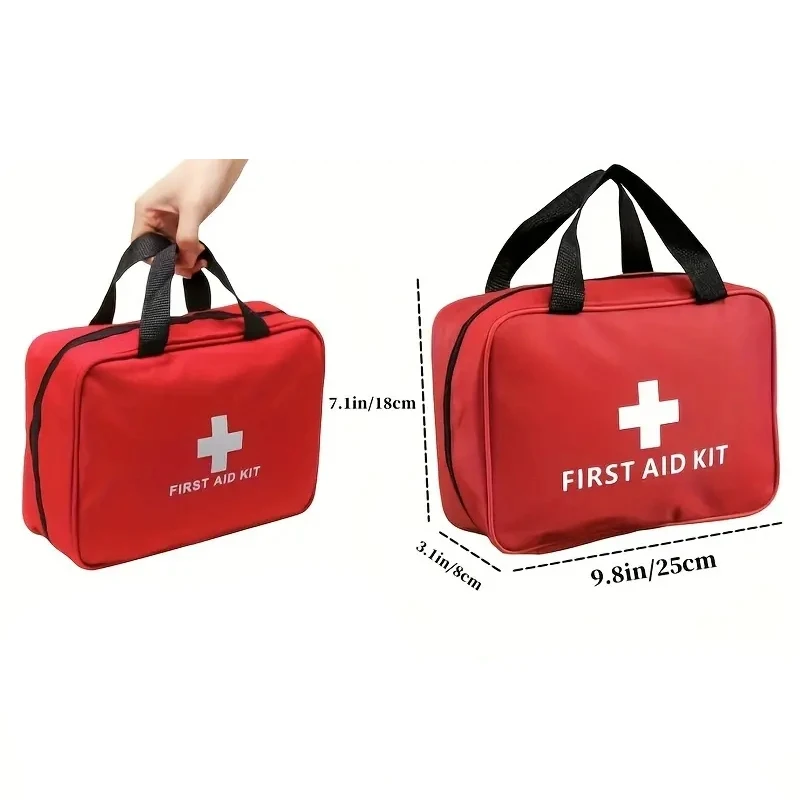
The Highway Code's annex on first aid on the road opens with a plain instruction: always carry a first aid kit. A cut hand changing a wheel or a graze on a day out is far more common than anything serious, and a kit in the car means the plasters are there when wanted. The kits here suit the glovebox, a door pocket or the boot, and most are made to come out of the car too, for a walk, a campsite or the house.
What you will find here
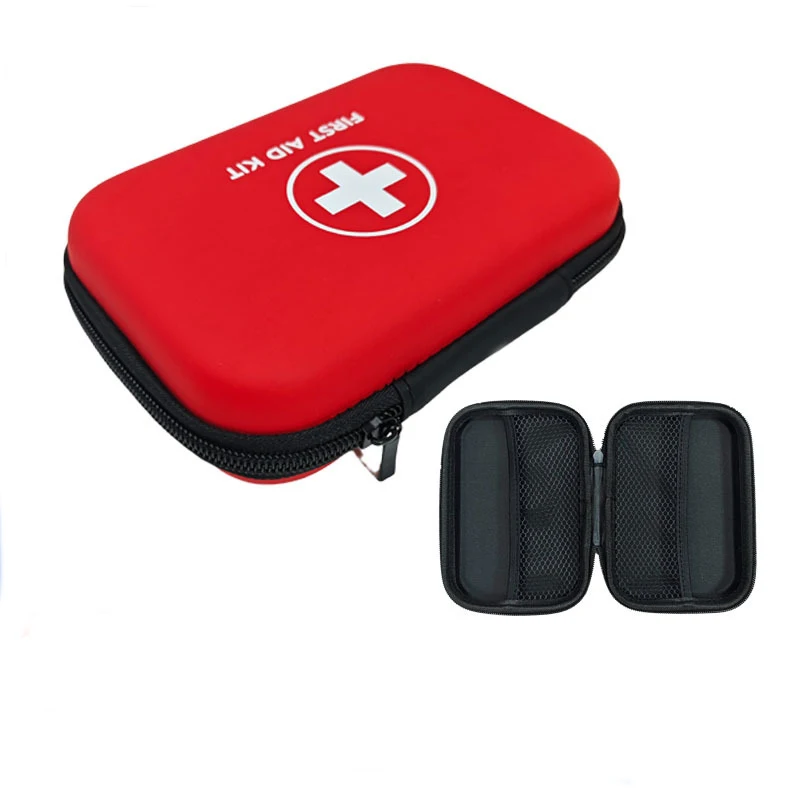
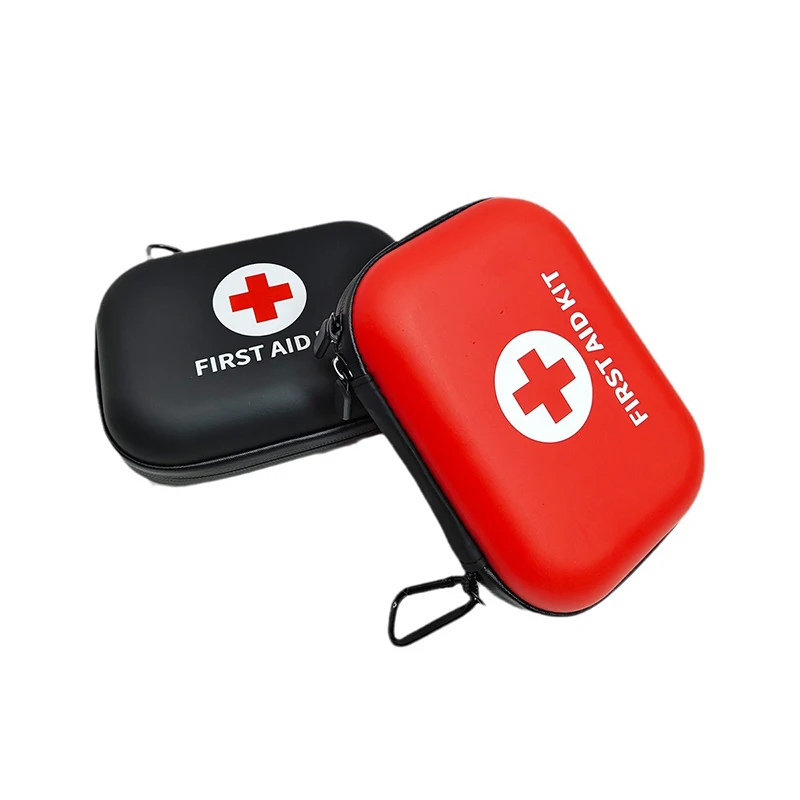
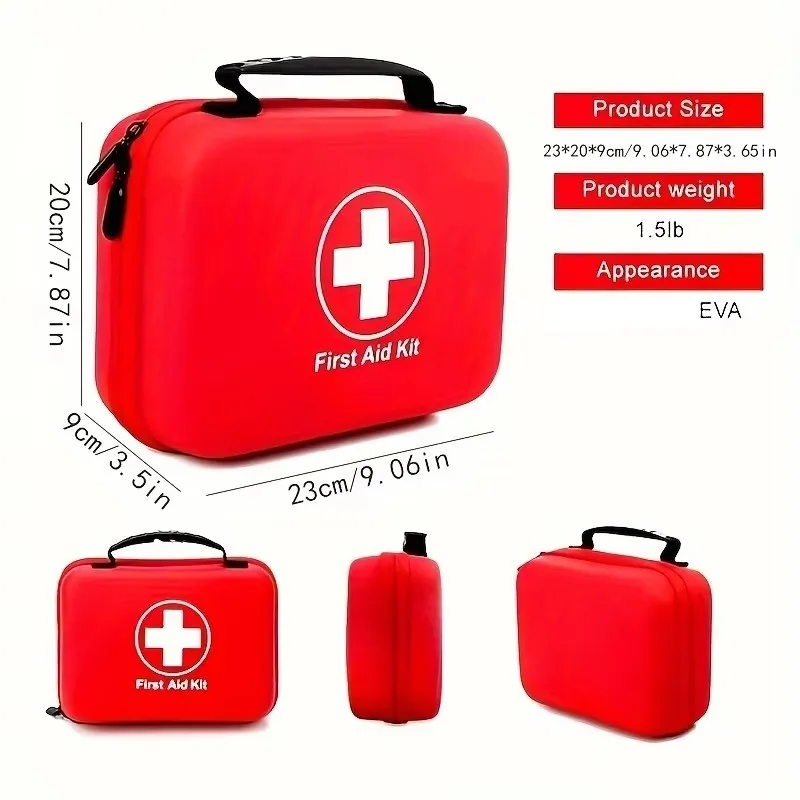
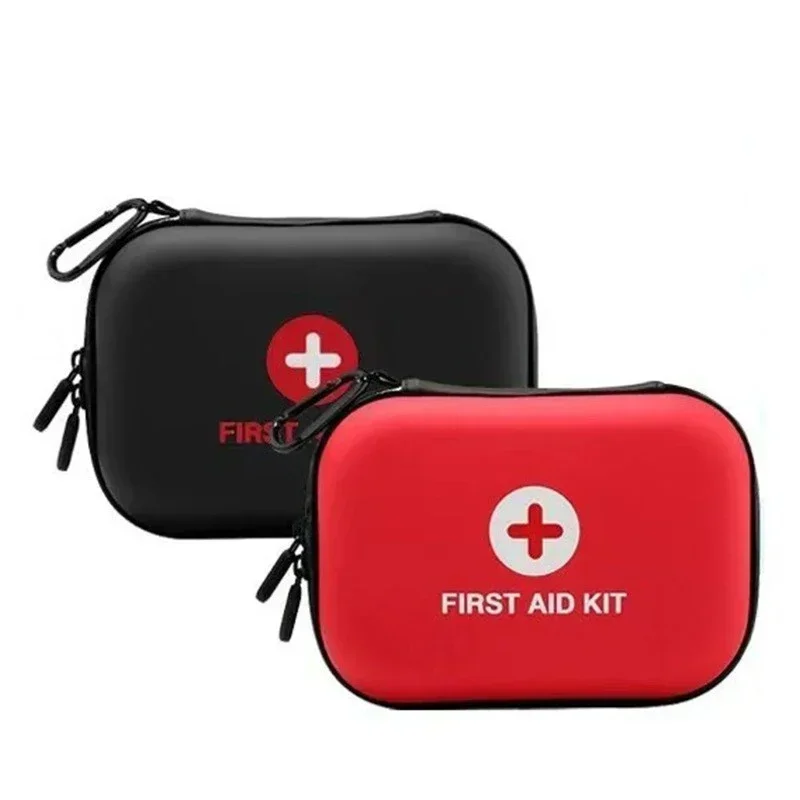
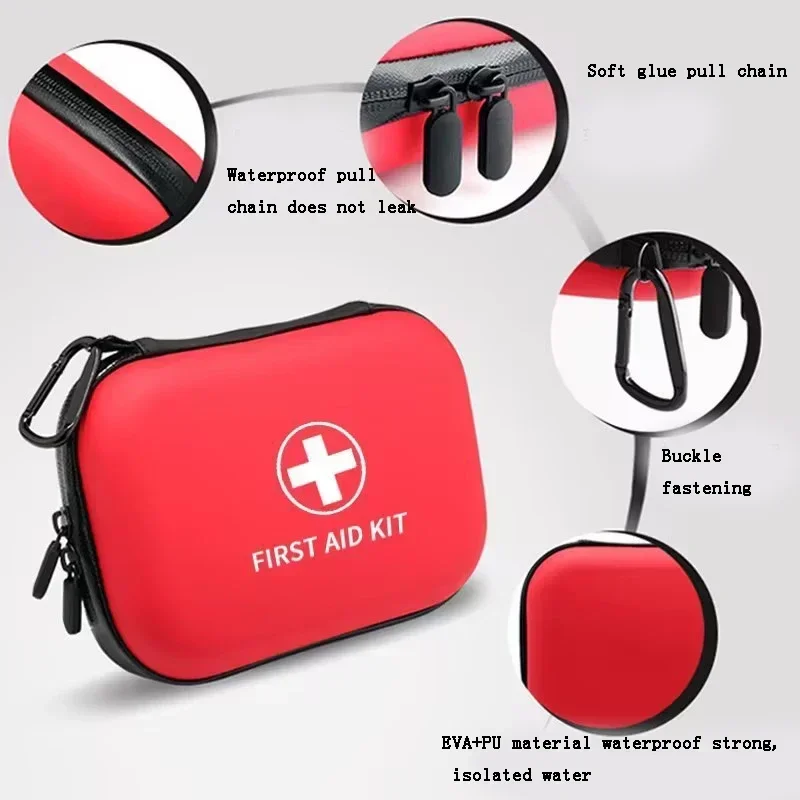
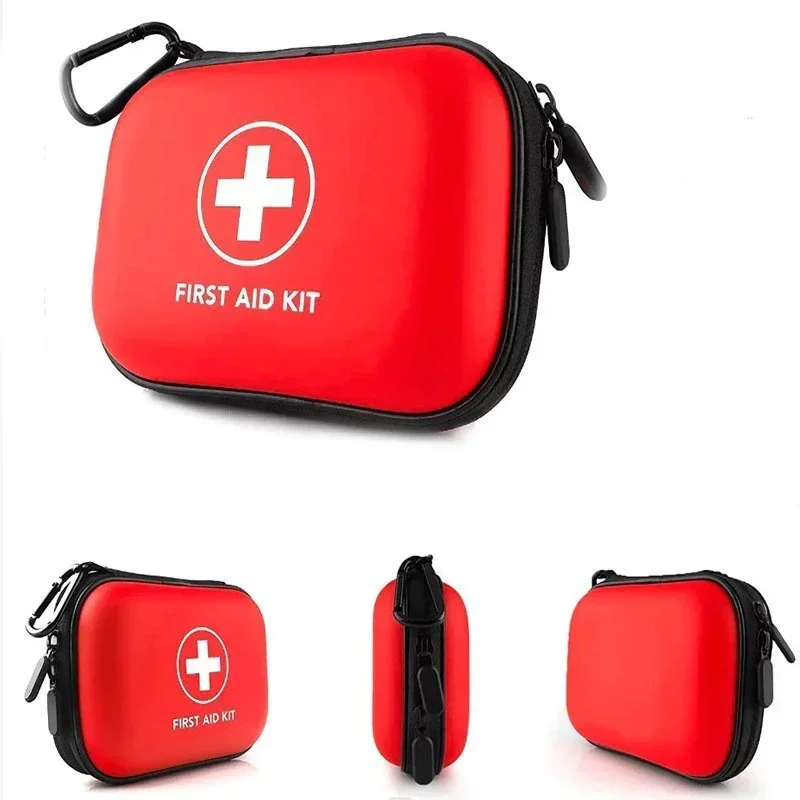
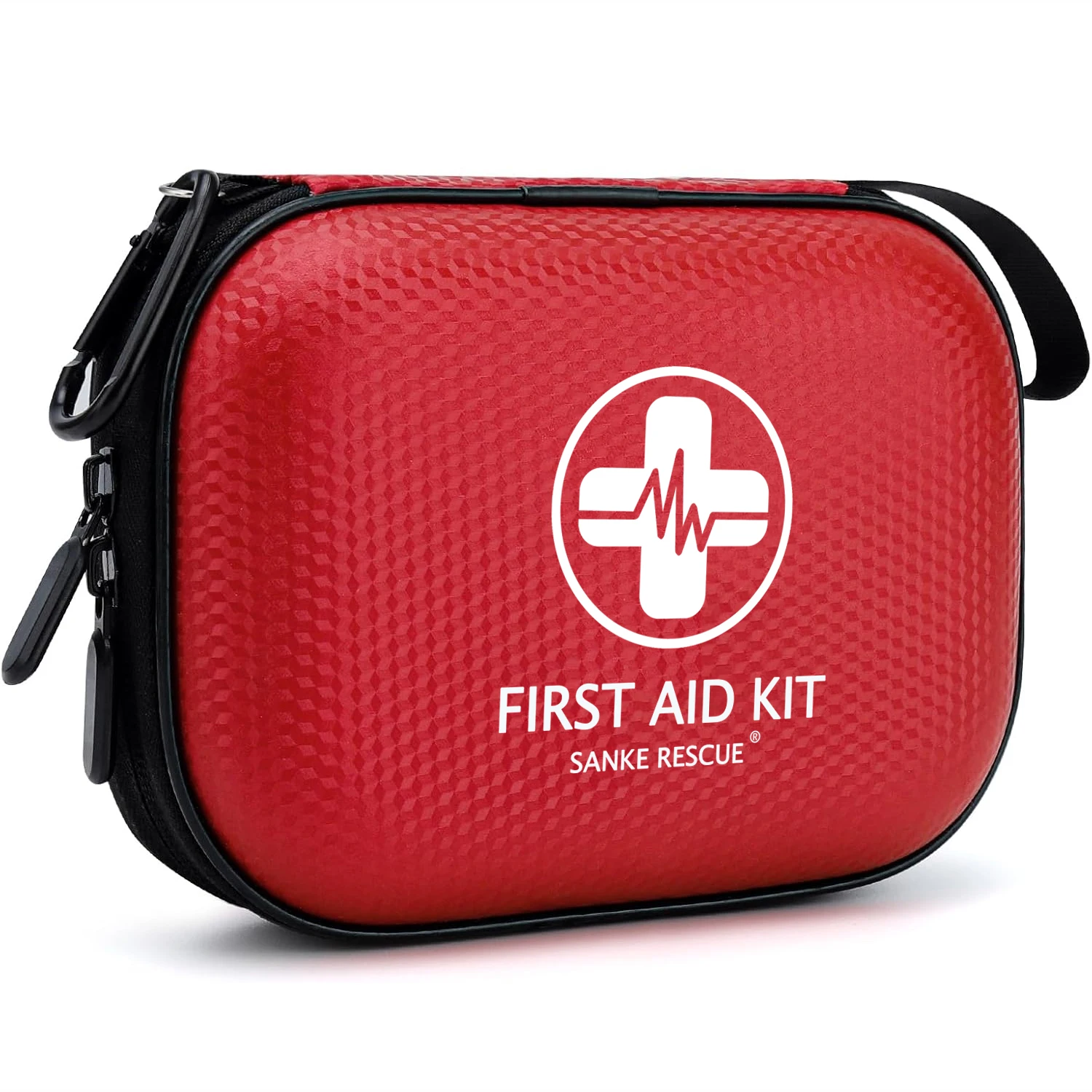
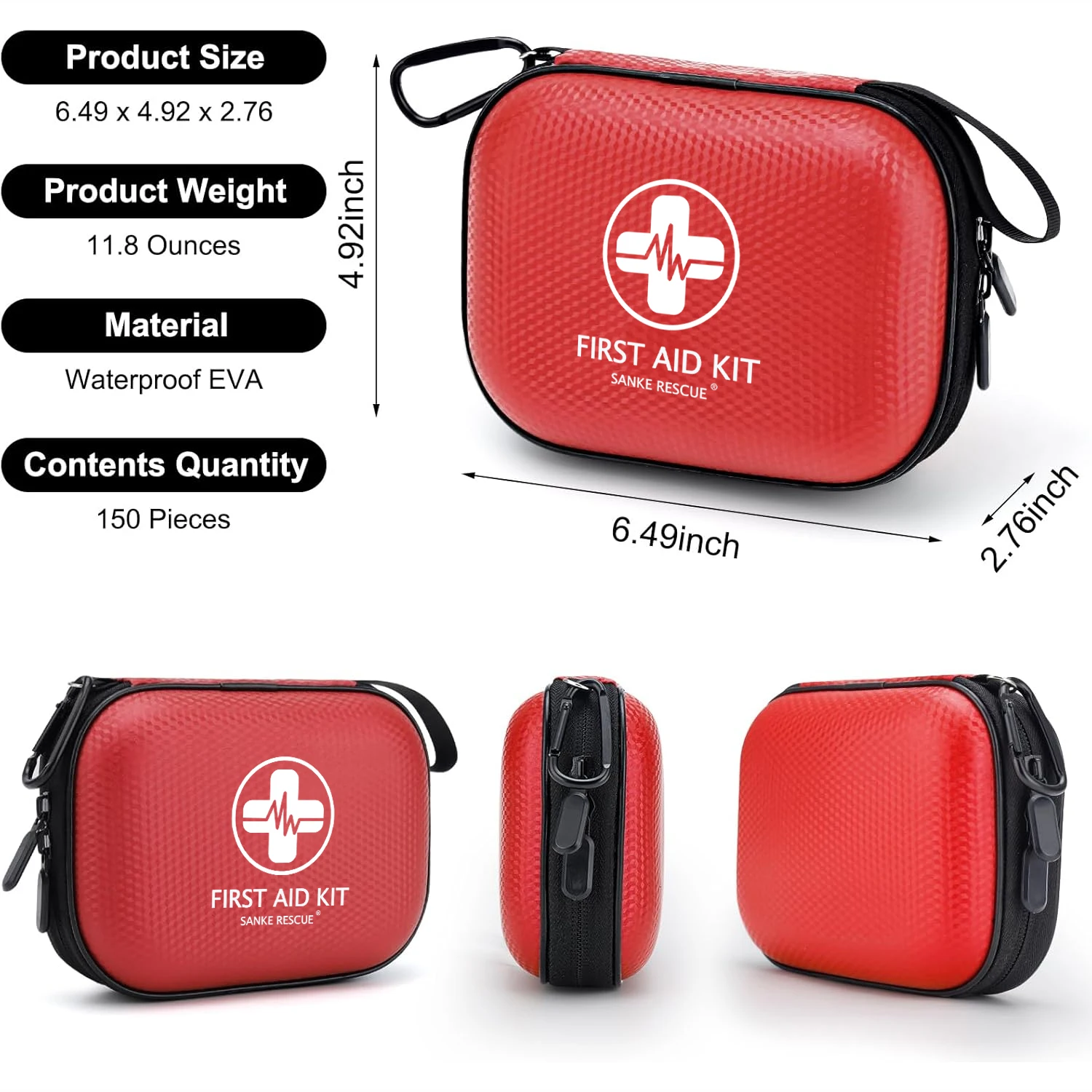
- Kits in hard-shell cases: compact waterproof cases with compartments and sleeves inside, so each thing has its place and can be found quickly. Some have a carabiner to clip to a bag.
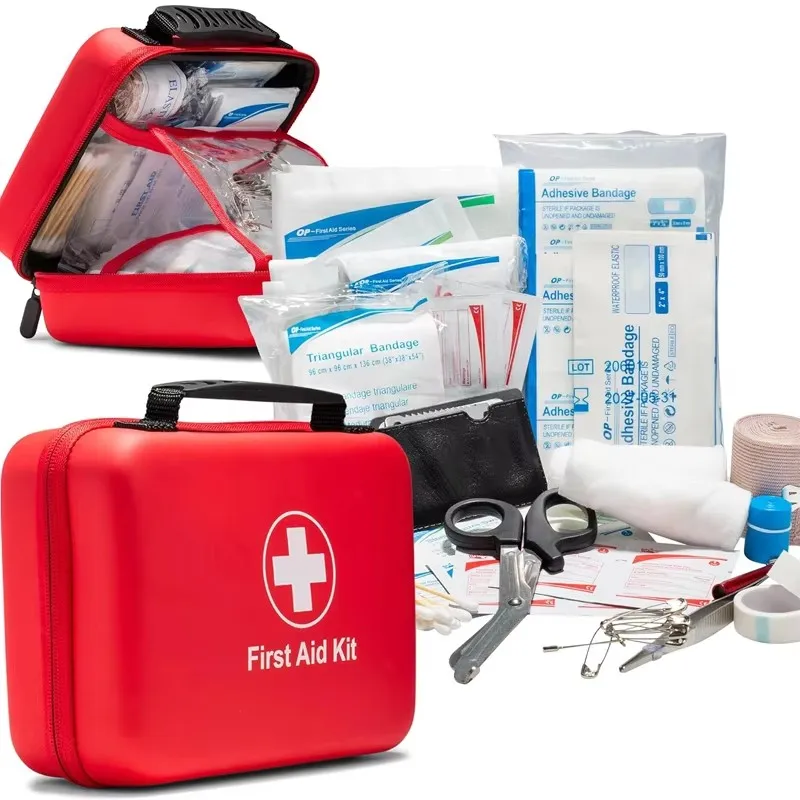
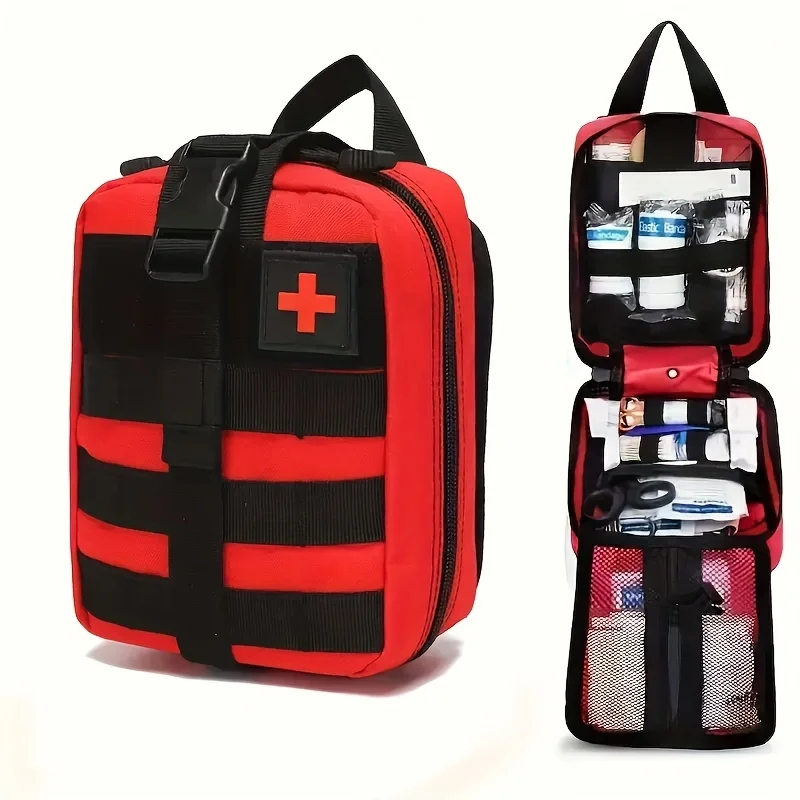
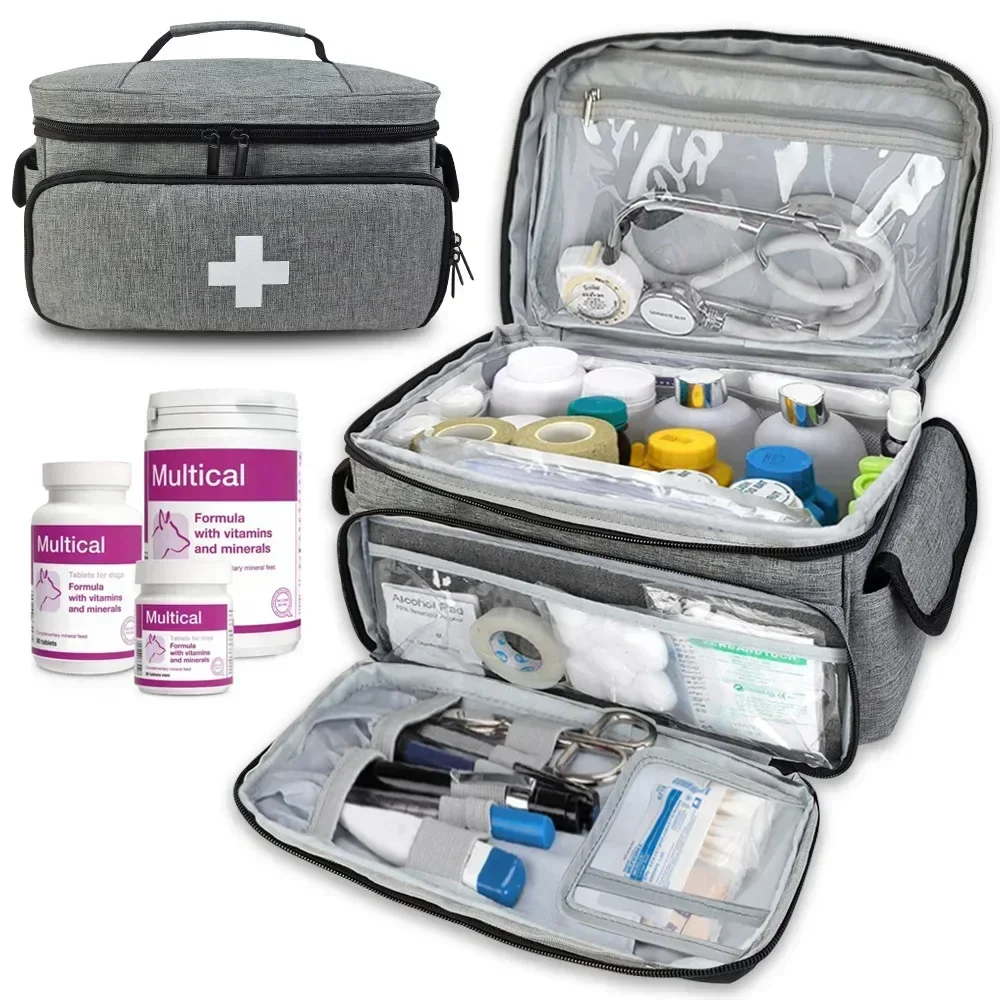
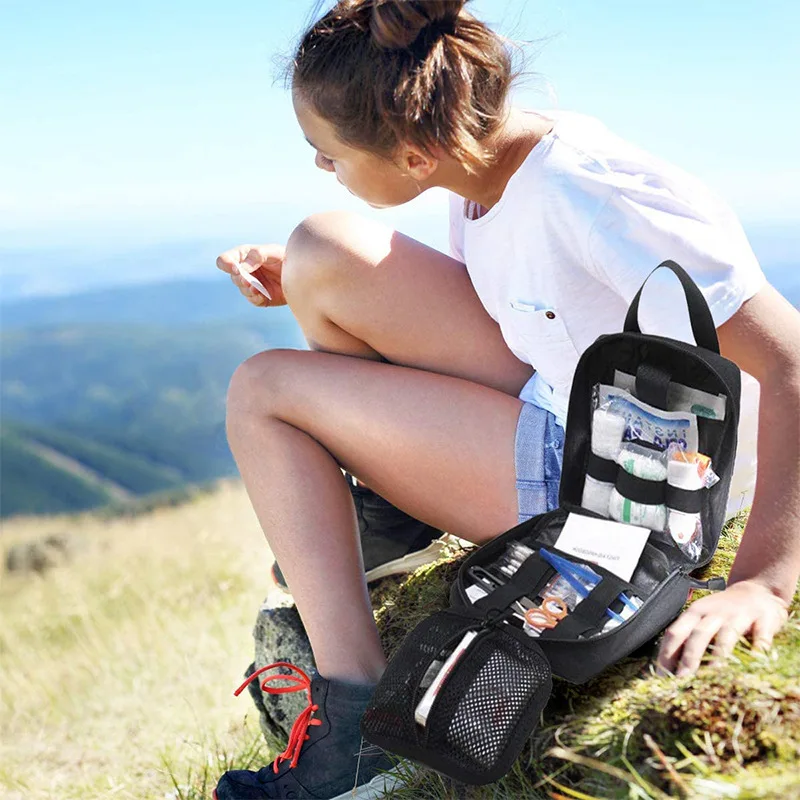
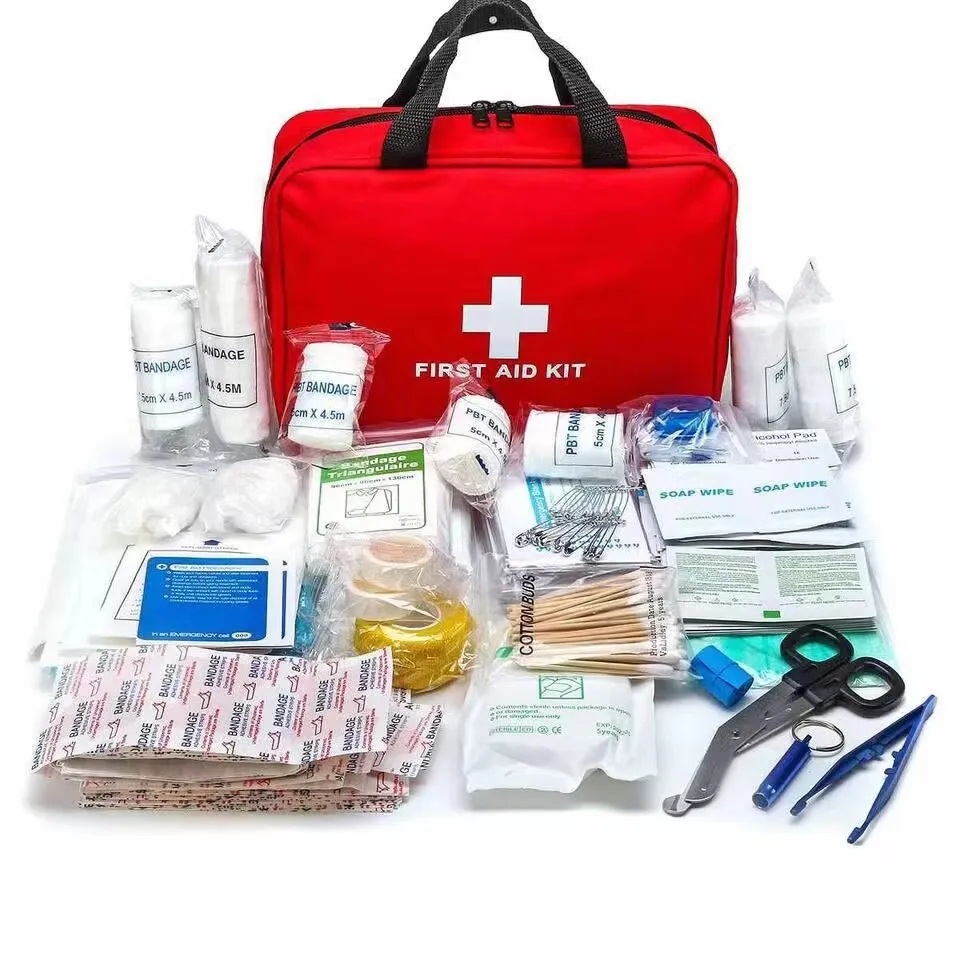
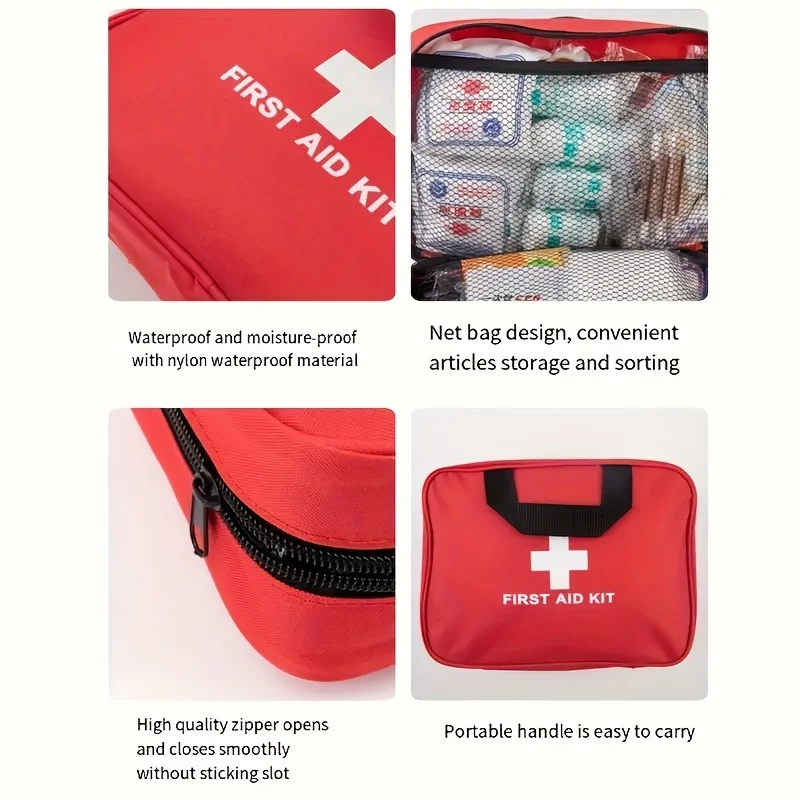
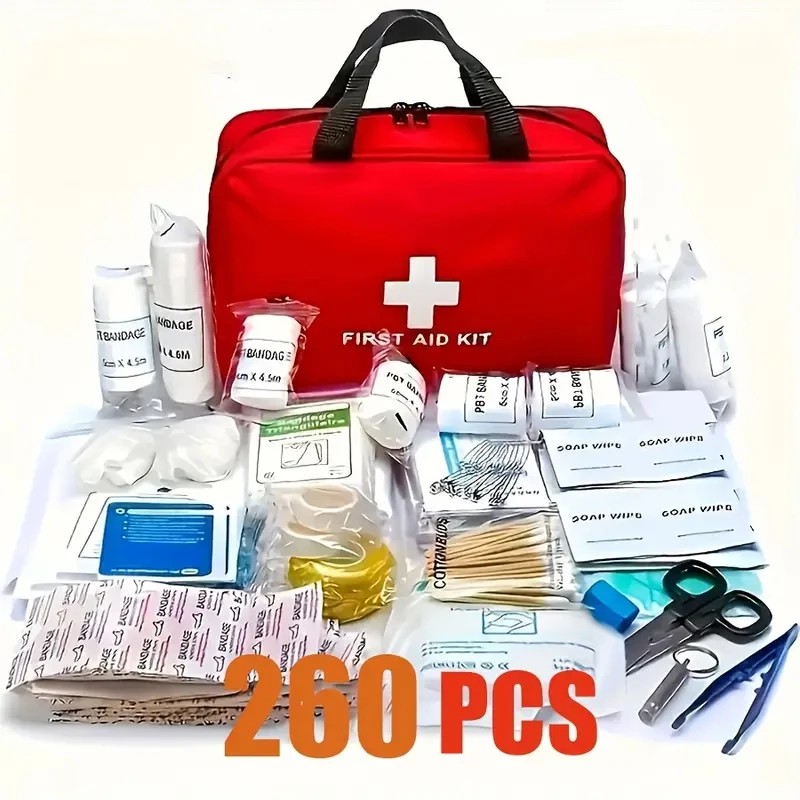
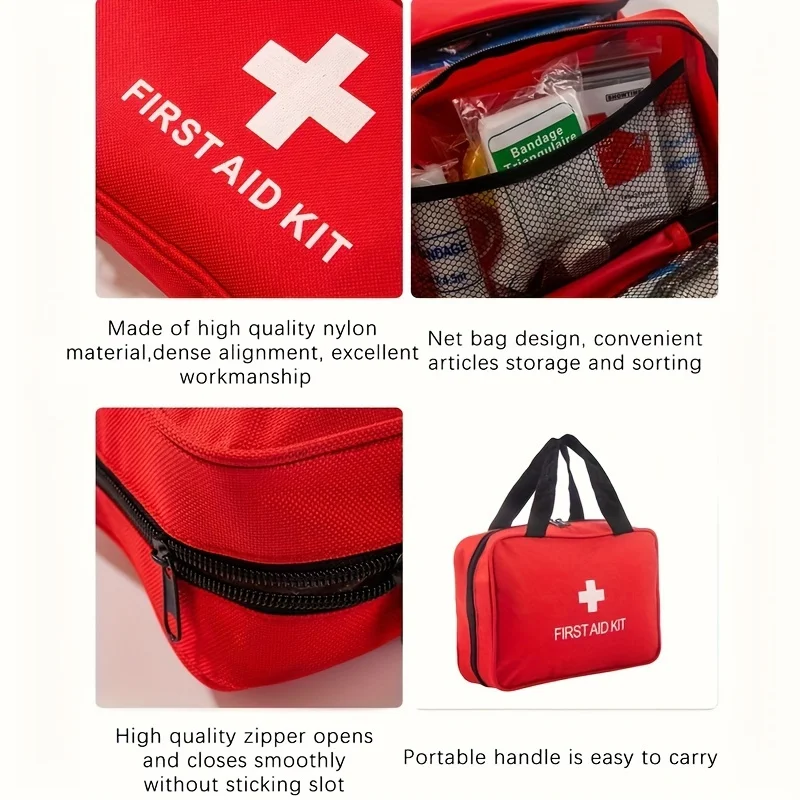
- Kits in soft bags: portable kits for the car, the house and the outdoors, in black, red or green. Read each page for what it holds; one says it carries no medication.
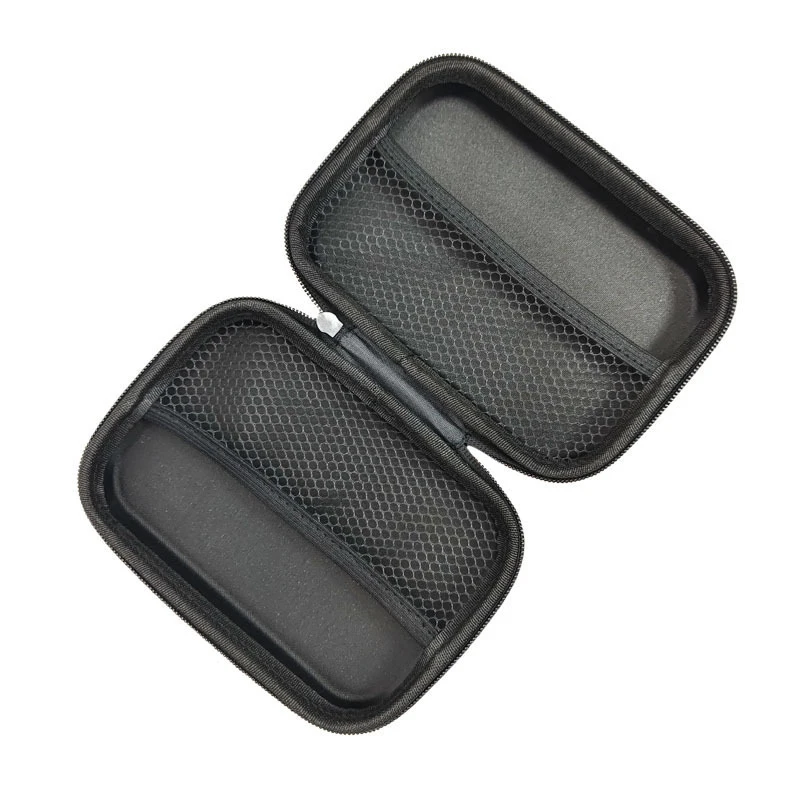
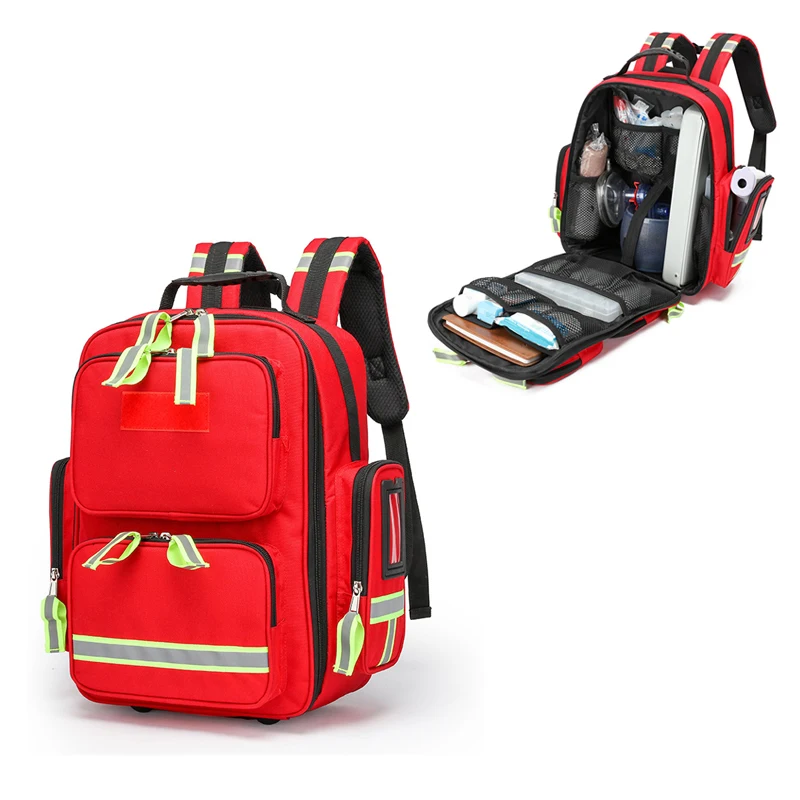
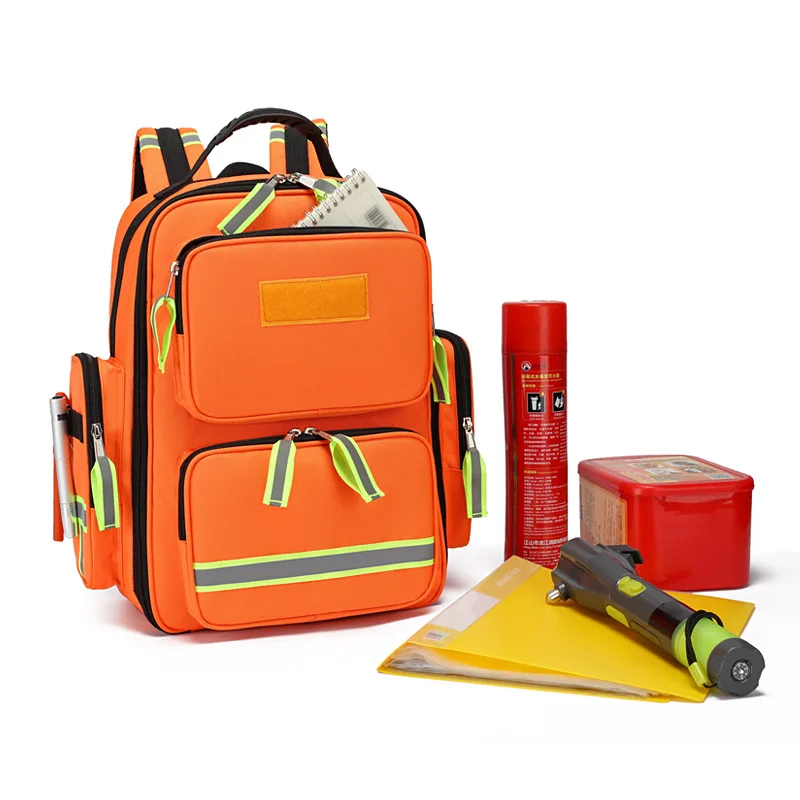
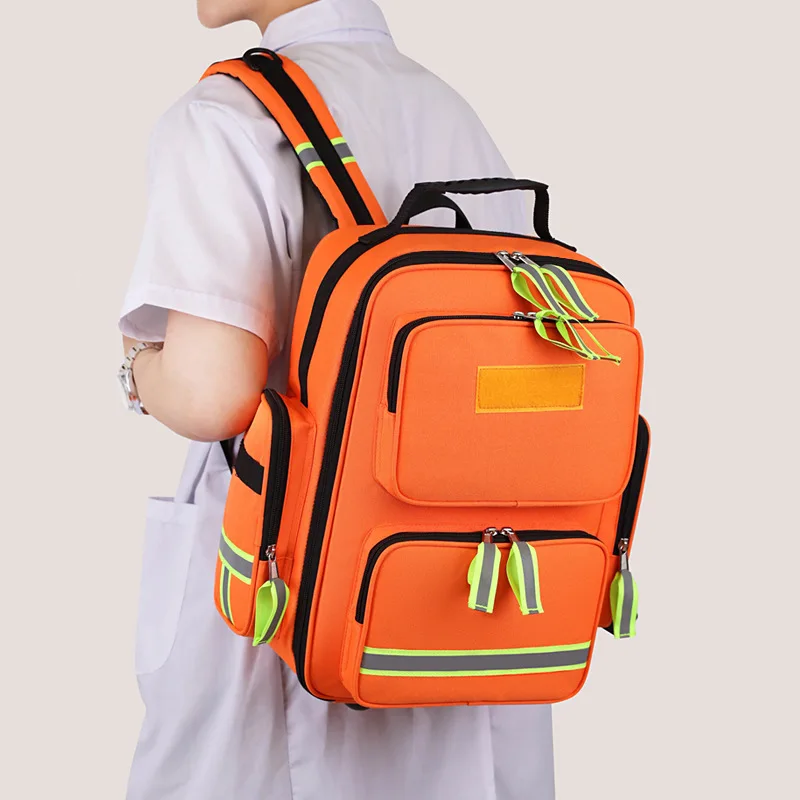
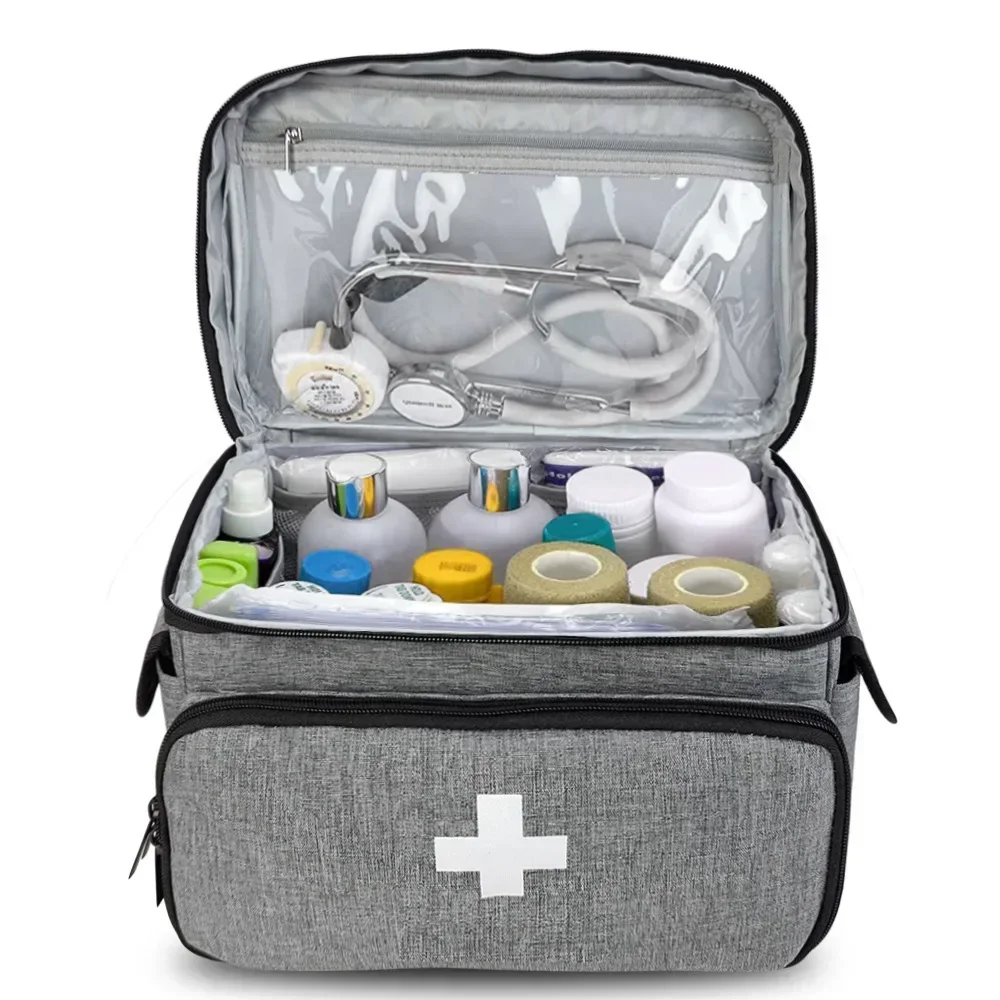
- Empty cases and bags to stock with your own supplies: a hard case, a travel bag with mesh pockets and elastic loops, a small waterproof pouch, and a large waterproof backpack with a reflective strip. These come with no contents.
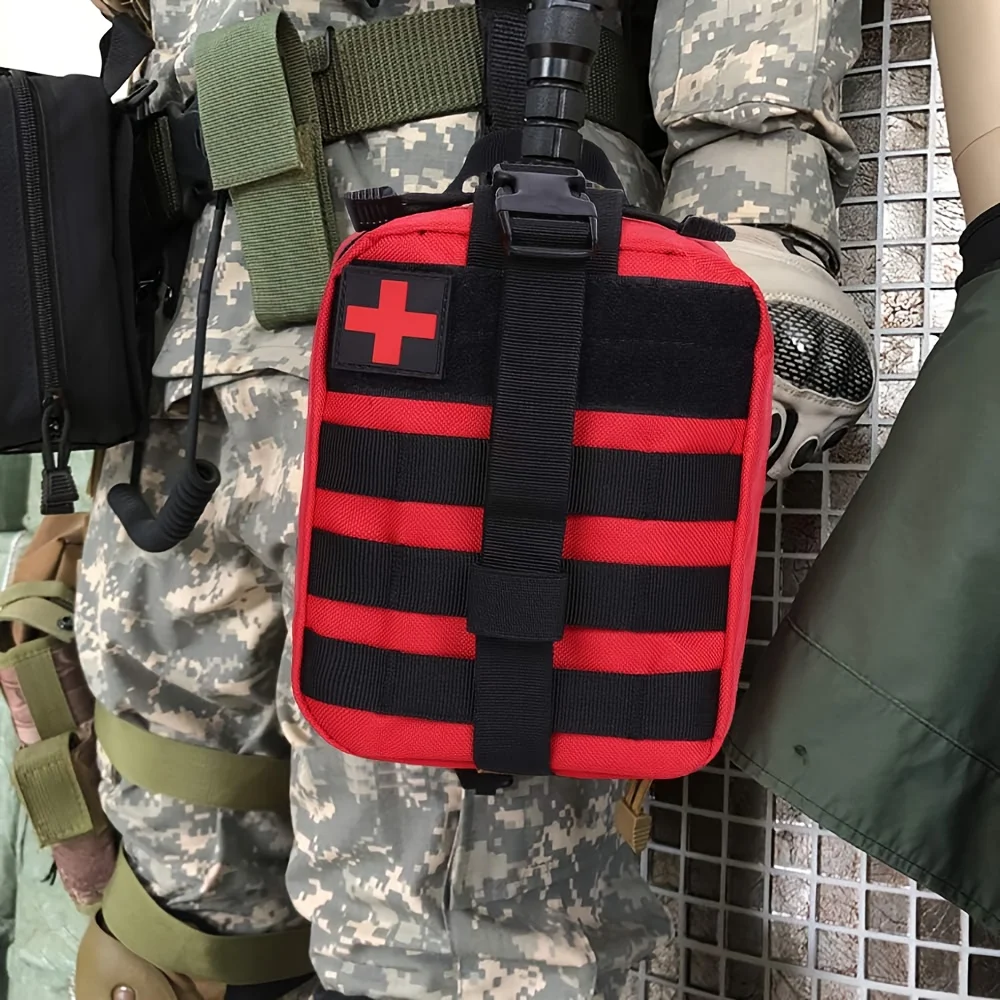
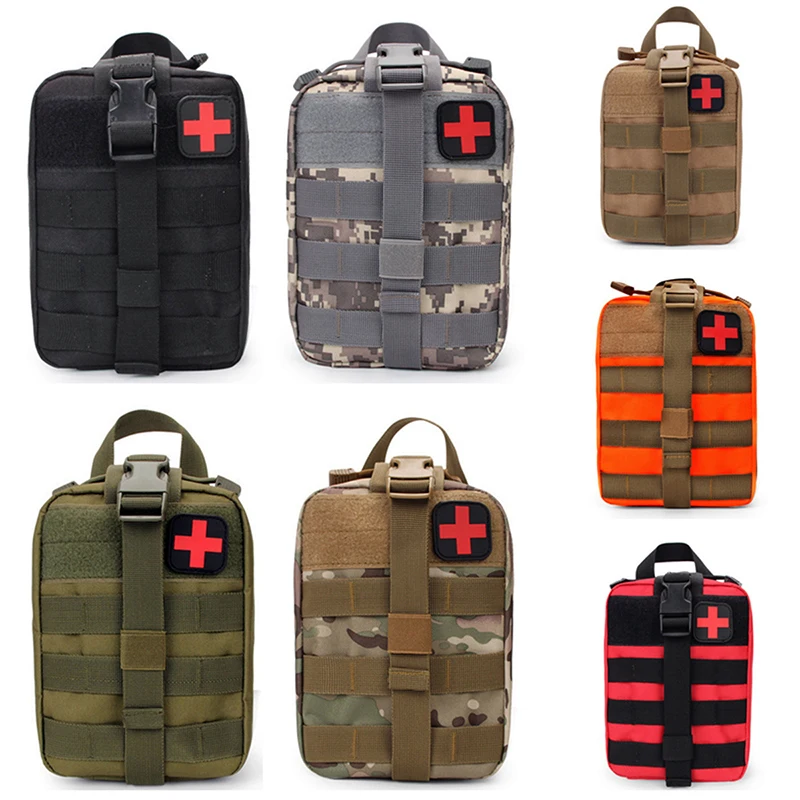
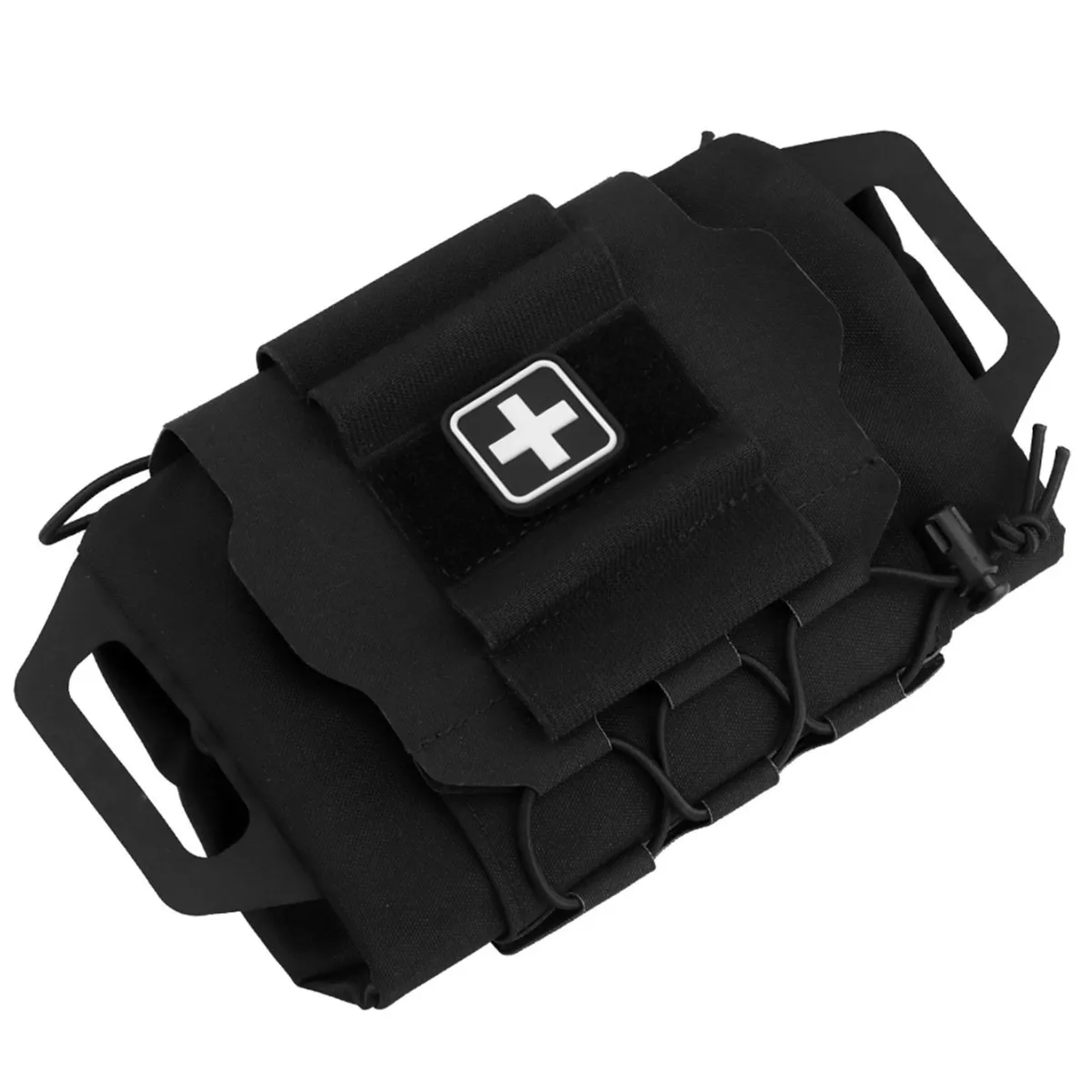
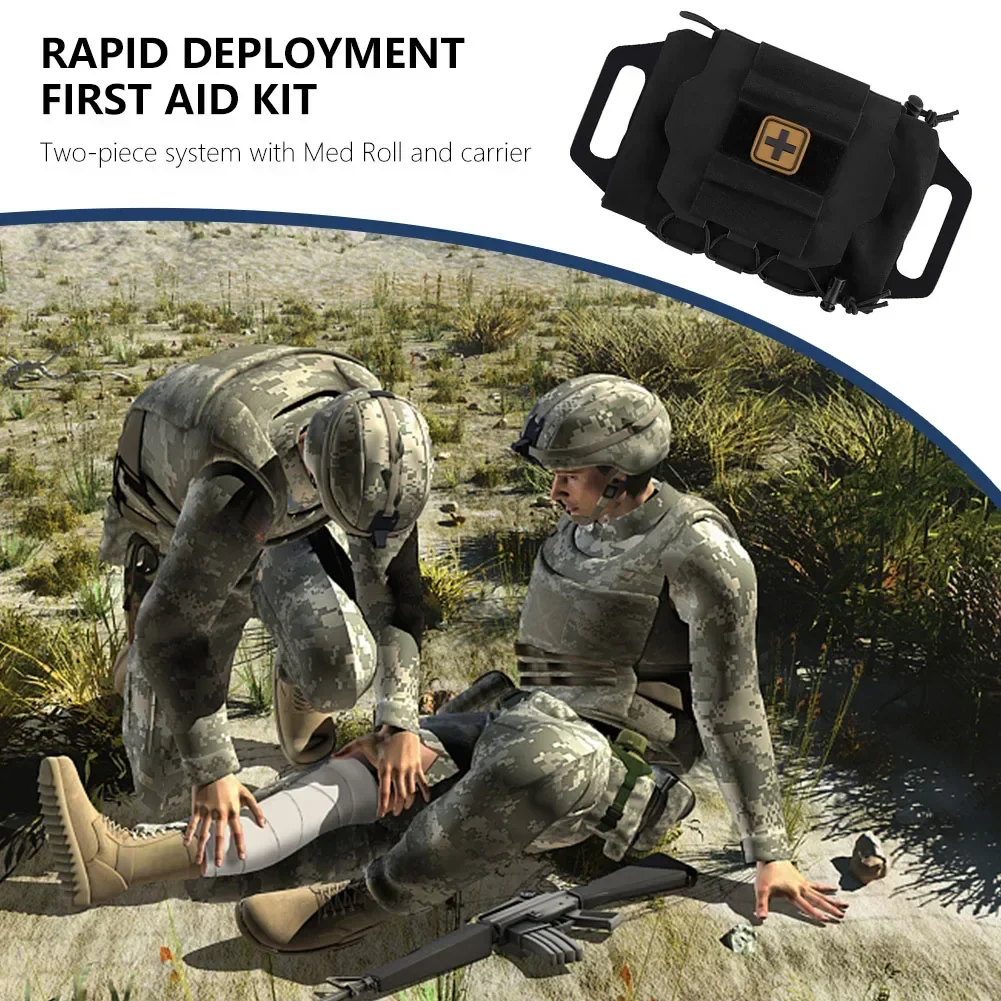
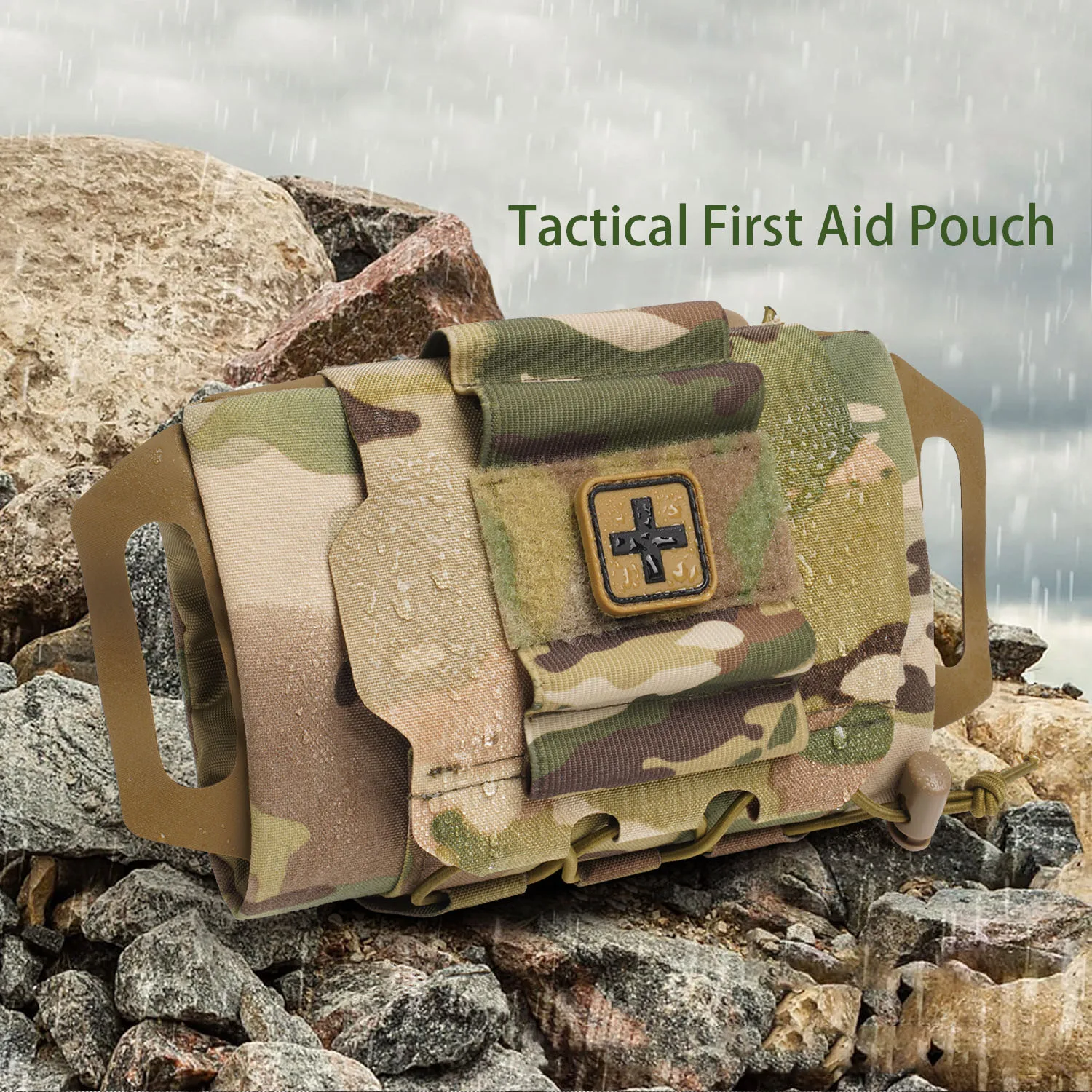
- Pouches that fix on: rugged pouches that strap to a belt, a bag or webbing, one with a roll that pulls out, in plain colours and camouflage.
How to choose
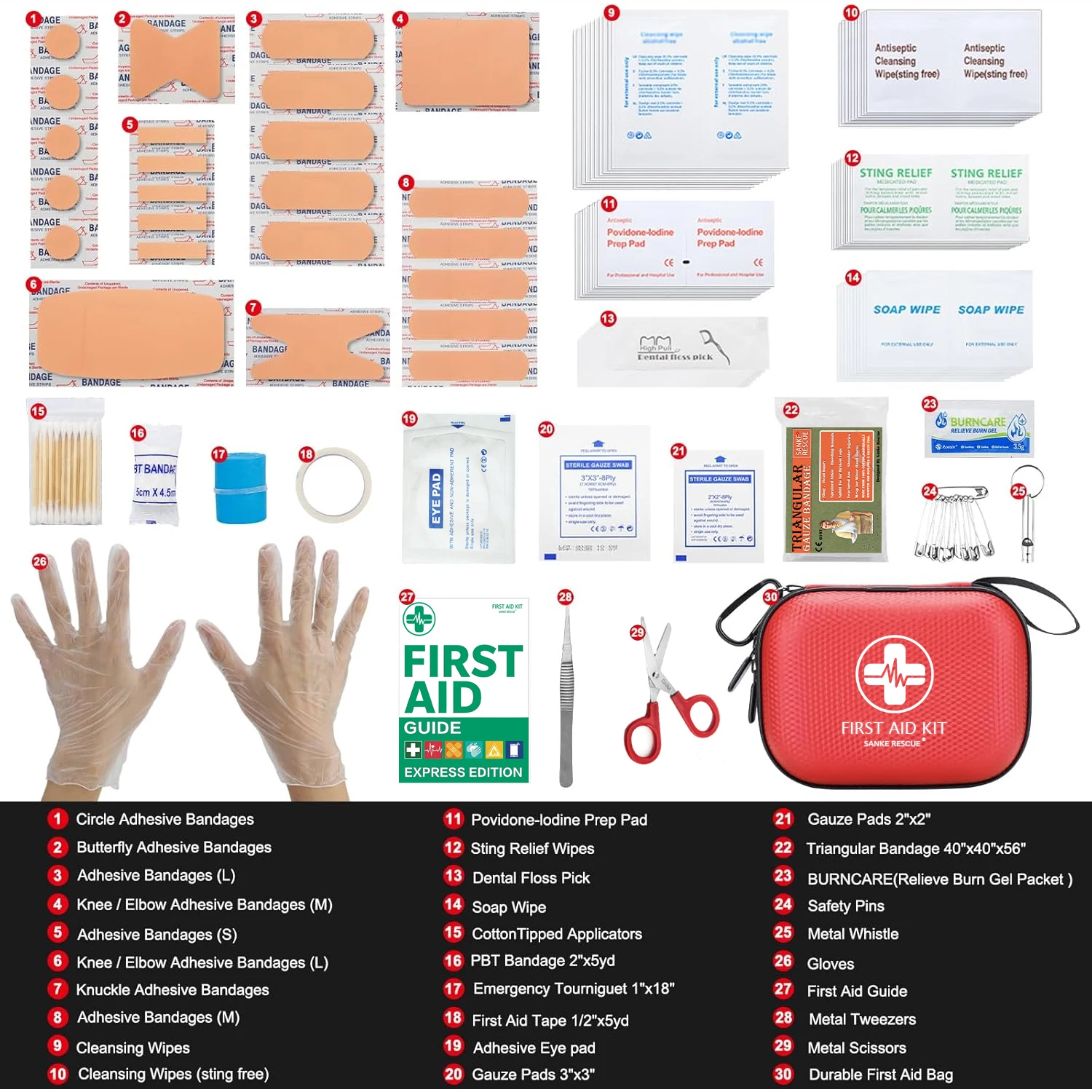
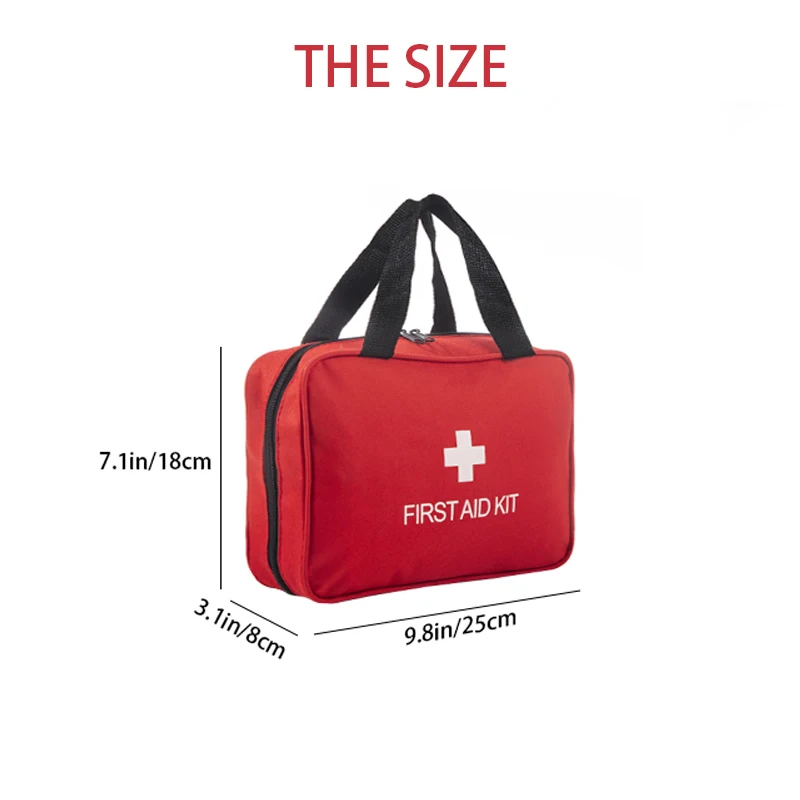
Full or empty. Check the product page before you order: a full kit is ready to go, and an empty case suits someone who already has supplies or wants to choose them. The list. A printed list of contents tells you what you have and what to replace once it is used. The case. A hard case with clear compartments or a soft bag with a wide zip is easier to use in the dark than one packed so tightly everything falls out. The size. A compact kit lives in the glovebox; a bigger one for a van or a car that carries a lot of people goes in the boot, held so it cannot slide about, perhaps in a boot organiser. For more than first aid, the car emergency kits put larger bags and roadside kit together.
Questions people ask about car first aid kits
Is there a standard for car kits?
Yes. BS 8599-2 is the British Standard for the contents of first aid kits for vehicles, in three sizes chosen by the type of vehicle and the number of passengers. A kit made to it will say so on its product page; if a page does not say so, take it that the kit is put together to its own list, and read the list.
Do I need training to use one?
The Highway Code says its first aid annex is no substitute for training, and suggests a course from a qualified body such as St John Ambulance, St Andrew's First Aid or the British Red Cross. If someone is hurt, call 999 and get medical help.
How often should I check it?
Dressings and wipes carry use-by dates, so look through the kit once a year, perhaps at the car's service or MOT, and replace anything used or out of date. The guide what to keep in your car for emergencies says what else belongs with it.
Delivery is included in every price and tracked to your door.
More to look at