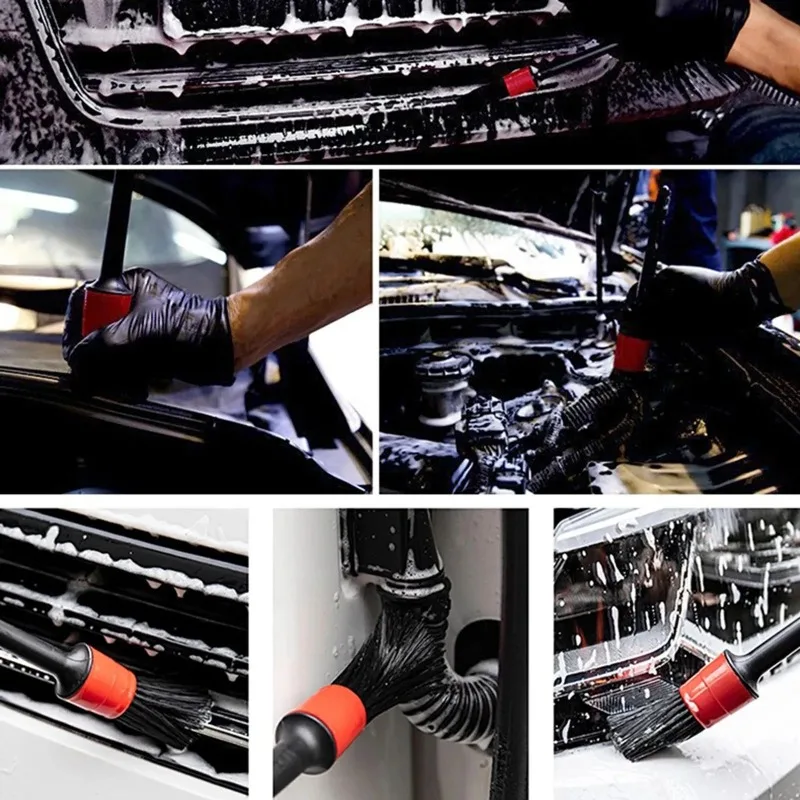
For the parts a vacuum cannot reach
Dust settles in the slats of the air vents, round the edge of every button, in the seams of the dashboard and in the grain of textured plastic, and a vacuum nozzle is too big for most of it. Cleaning gel and detailing brushes are the two tools for those places. Neither needs any liquid, which matters inside a car full of switches and screens.
What you will find here
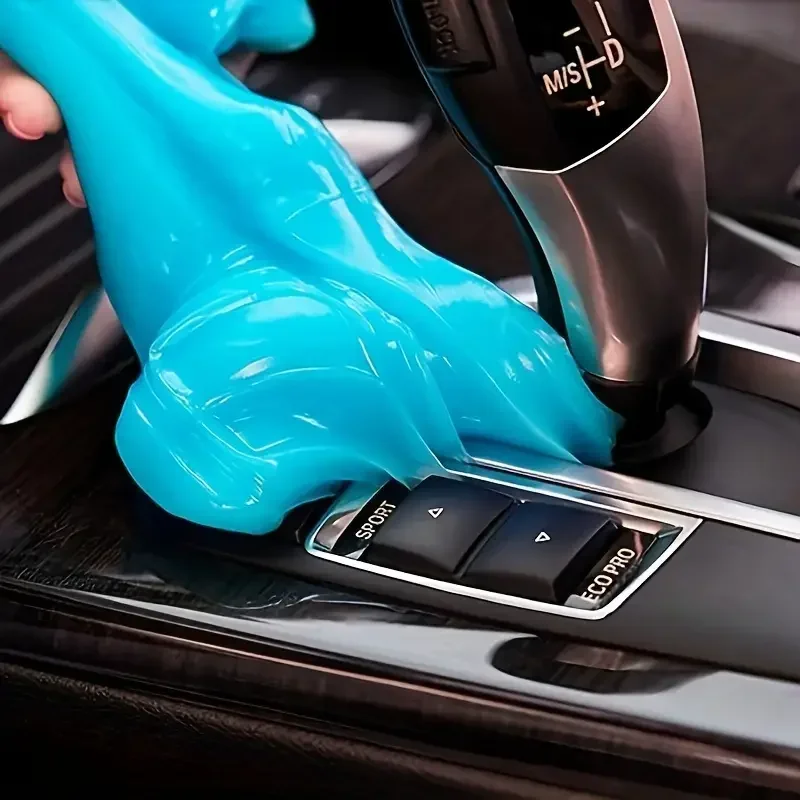
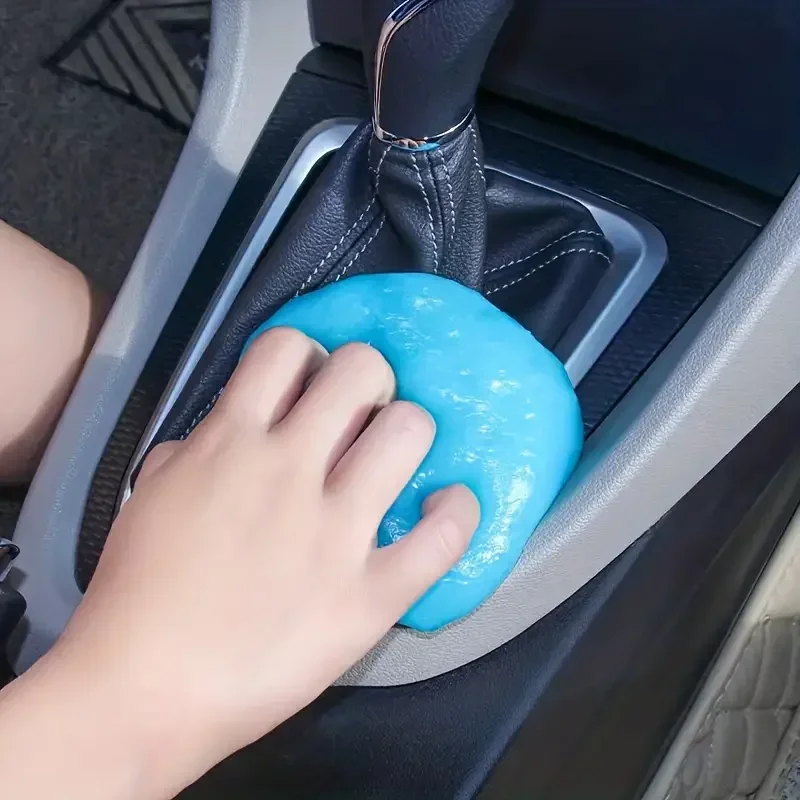
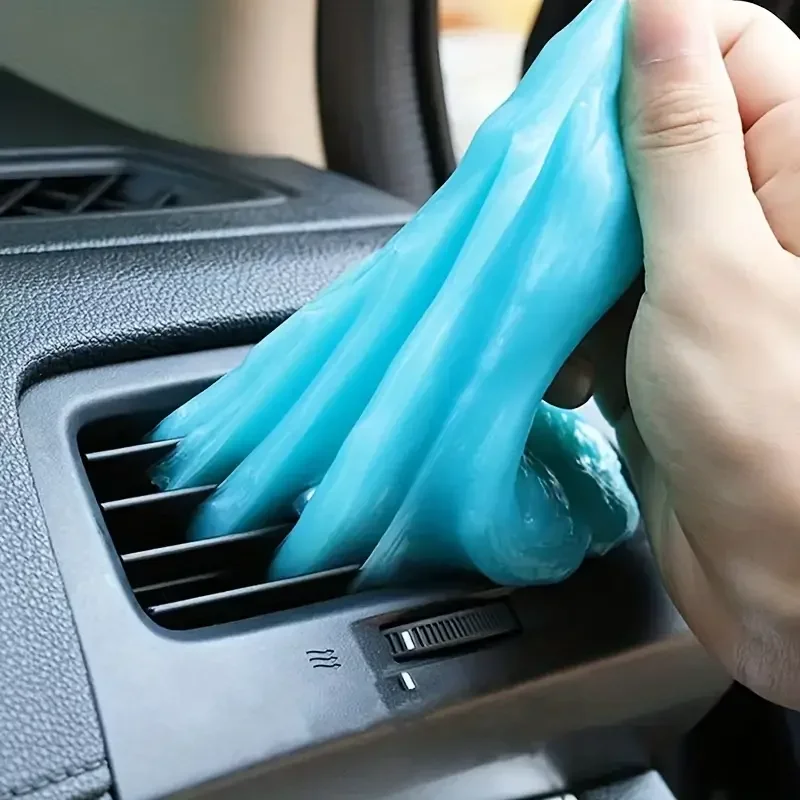
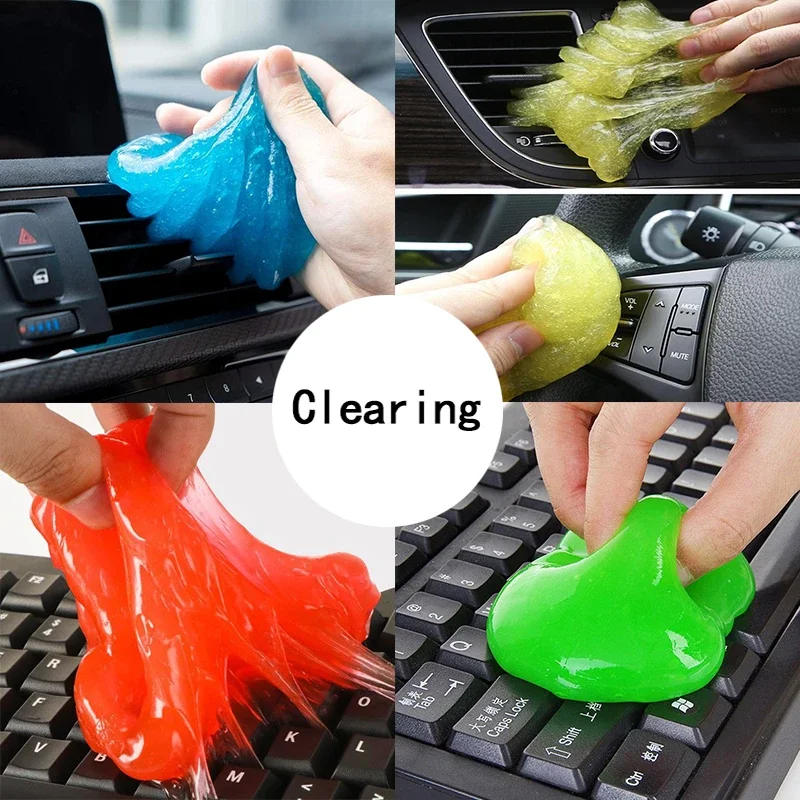
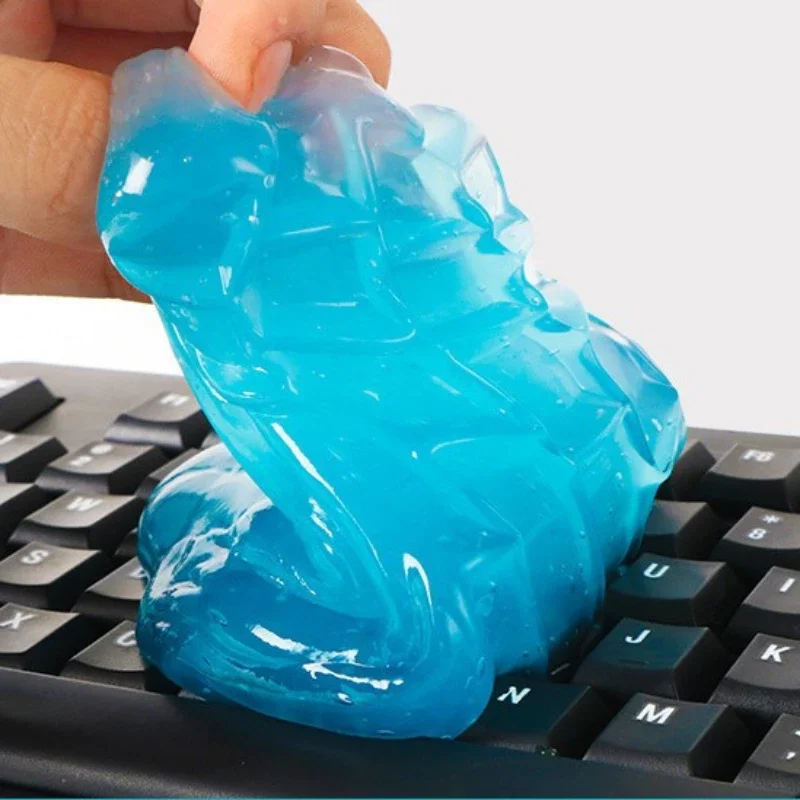
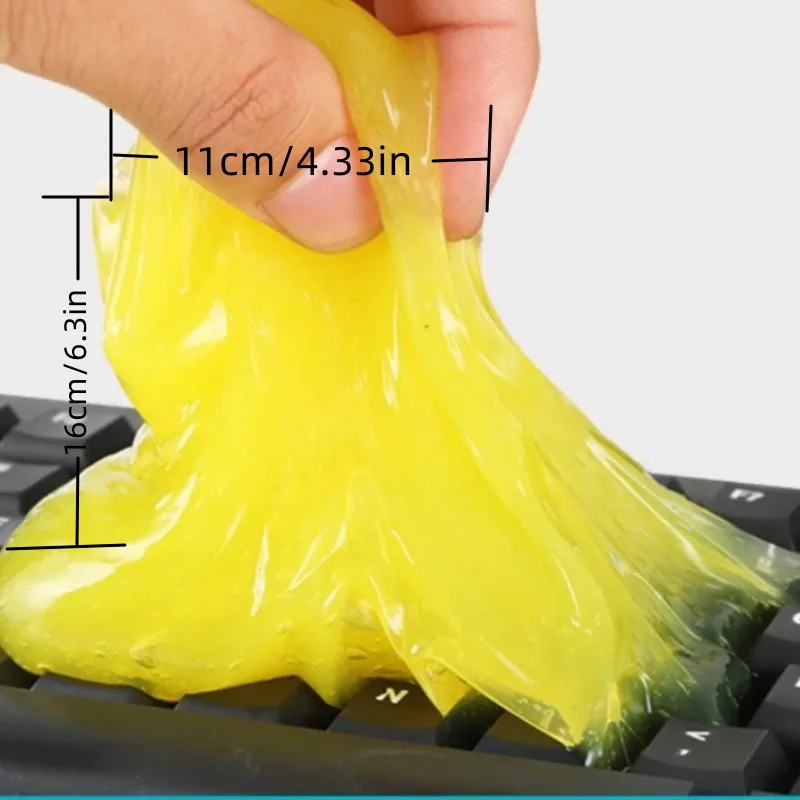
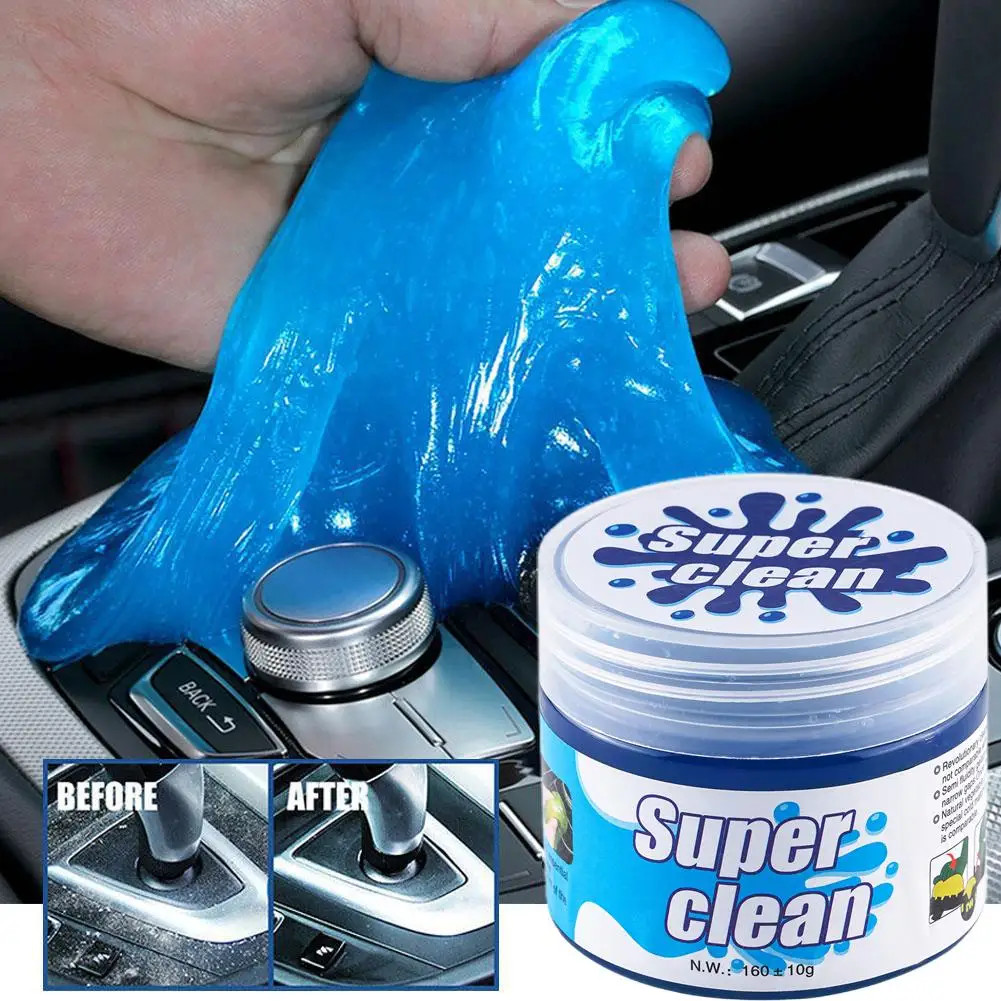
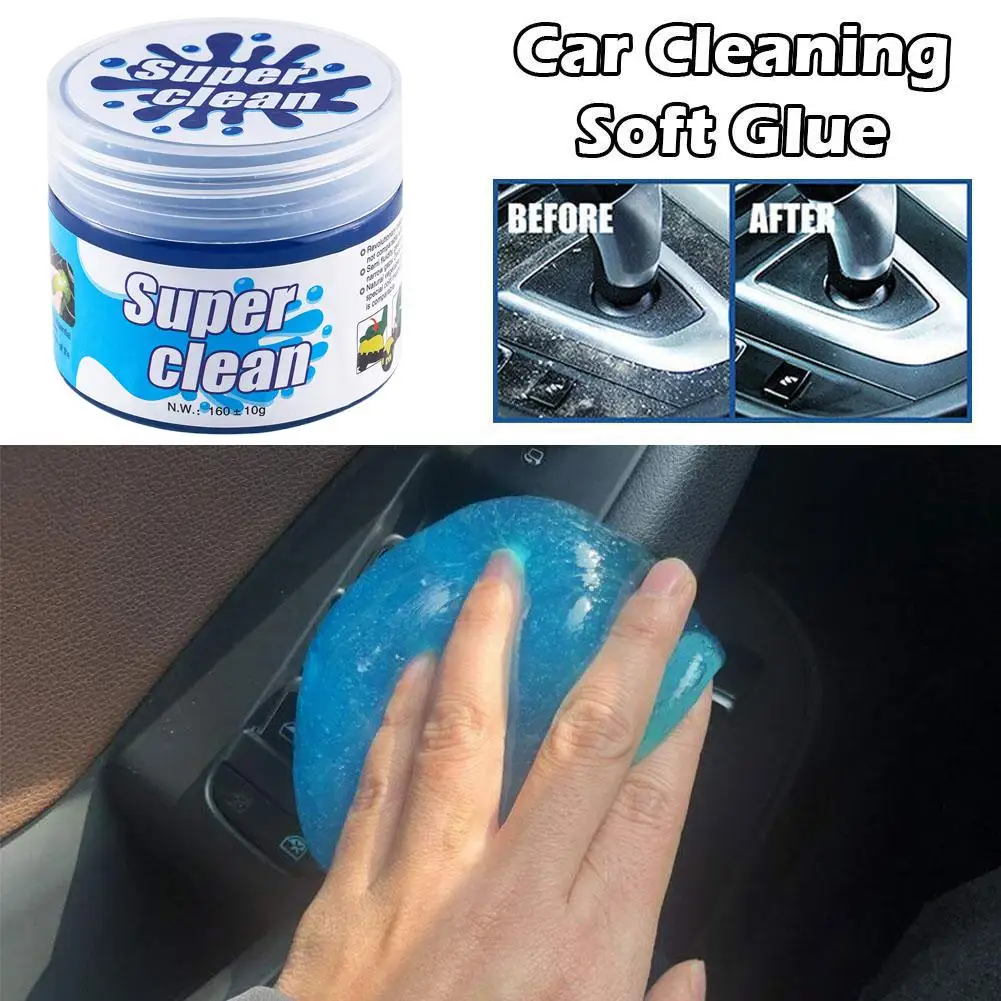
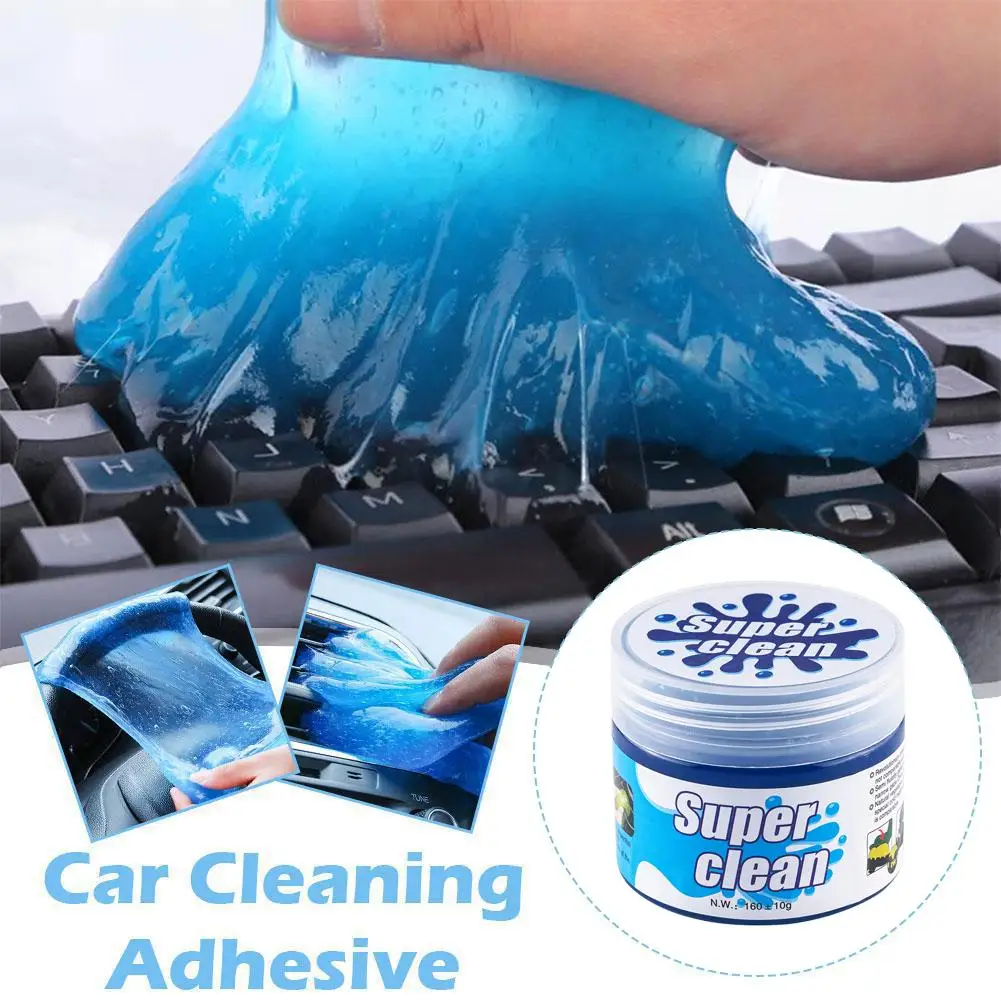
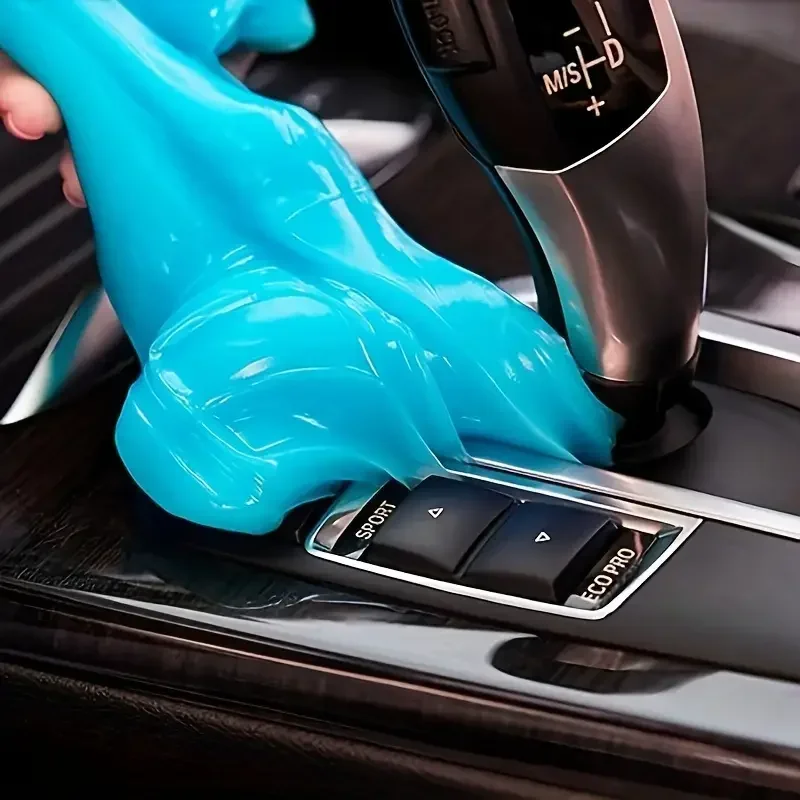
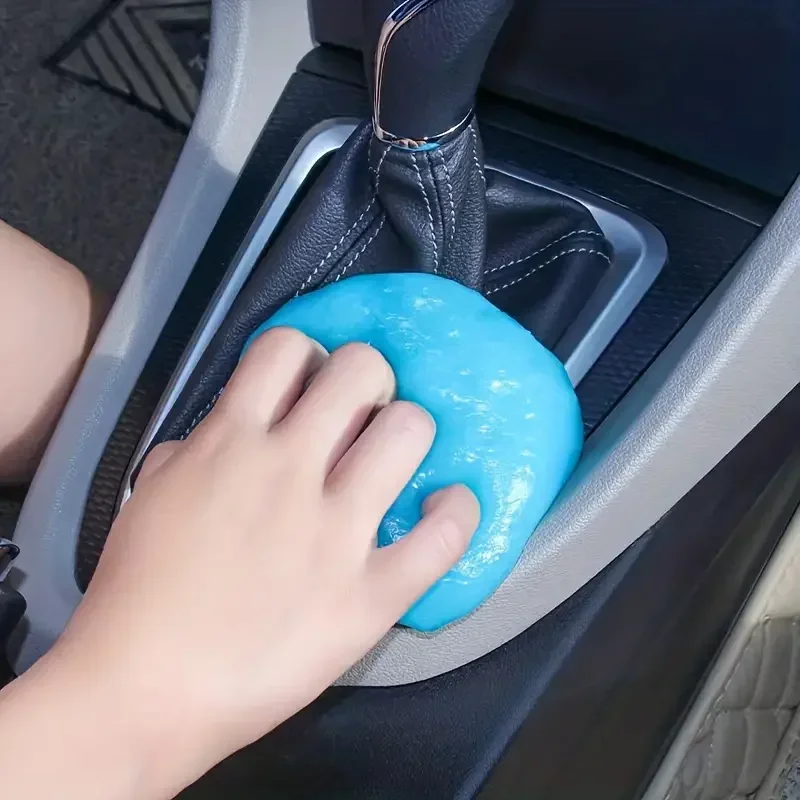
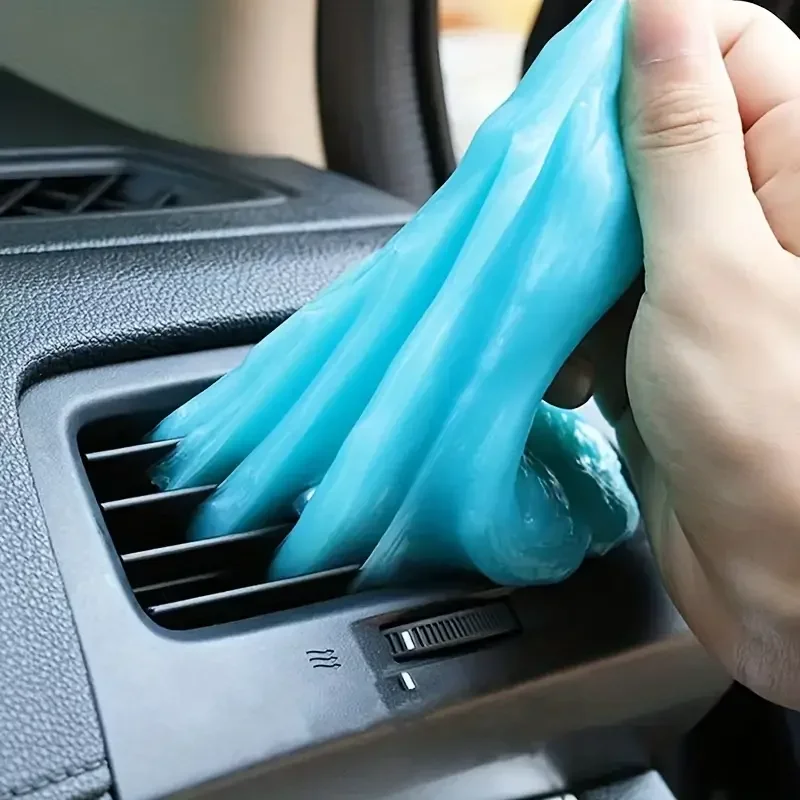
- Cleaning gel: a soft, mouldable putty in a pot, in smaller and larger sizes and as single or twin packs. You press it into a vent or over a row of buttons and peel it away, and the dust comes with it. It can be used again until it turns dark.
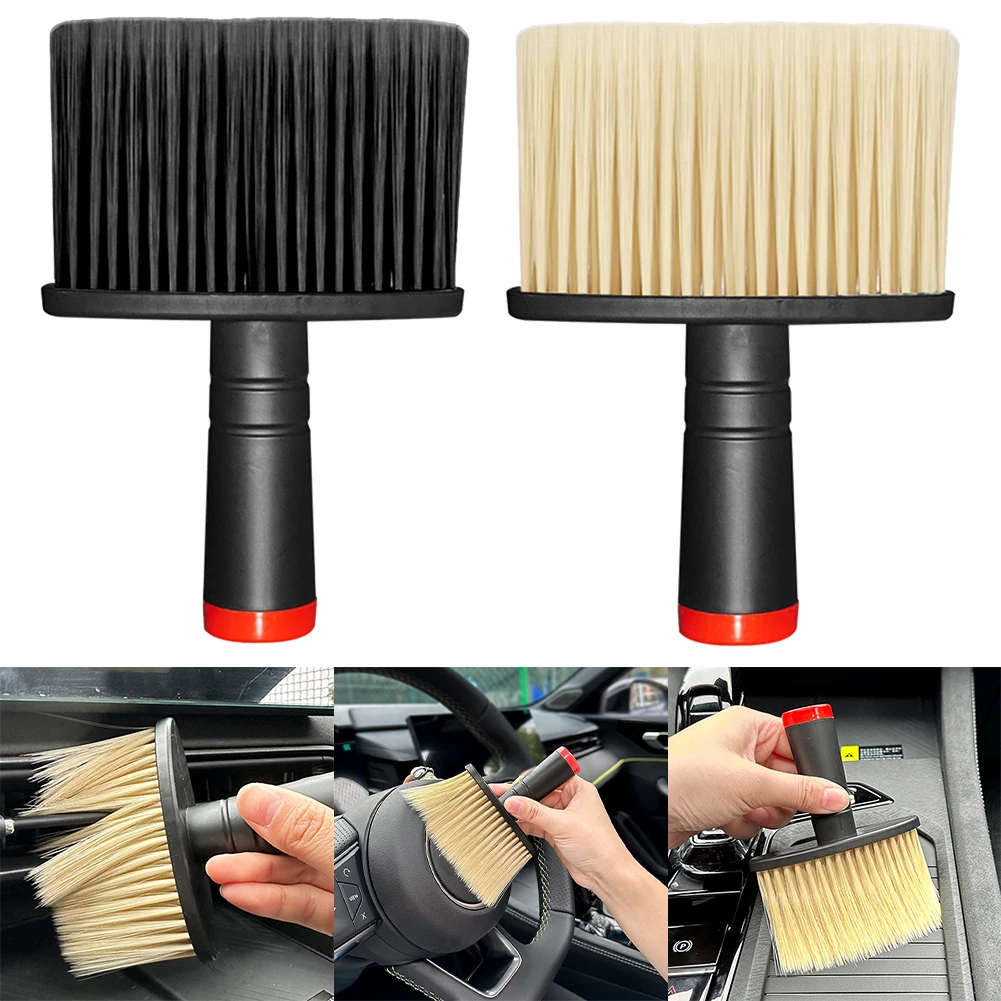
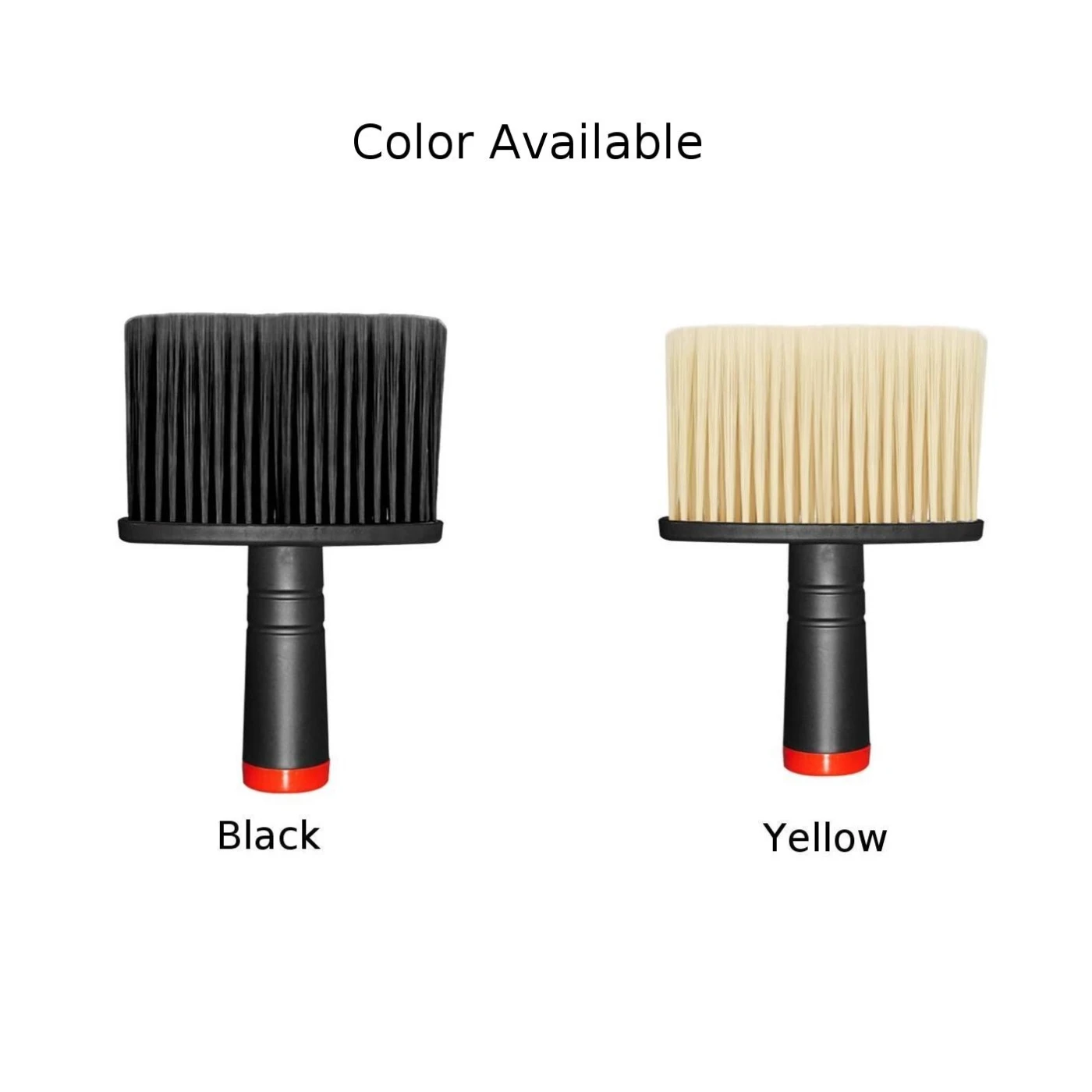
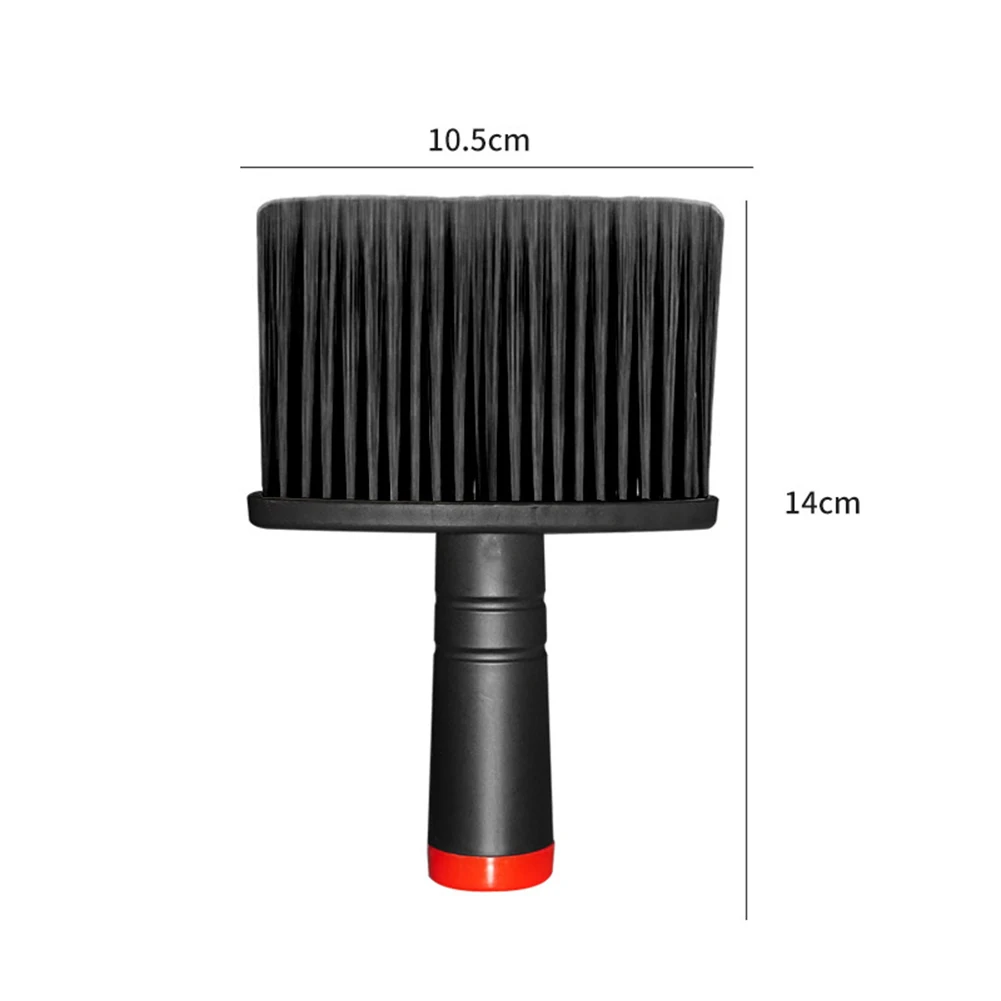
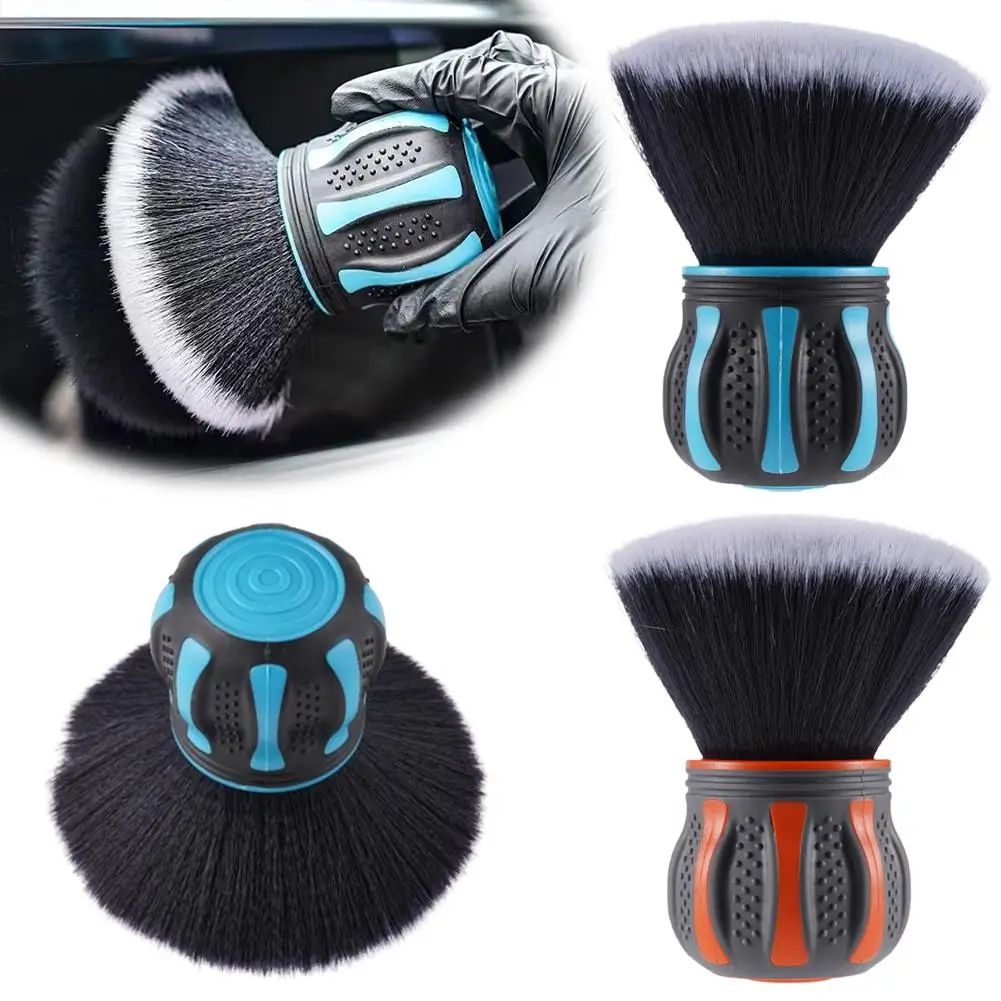
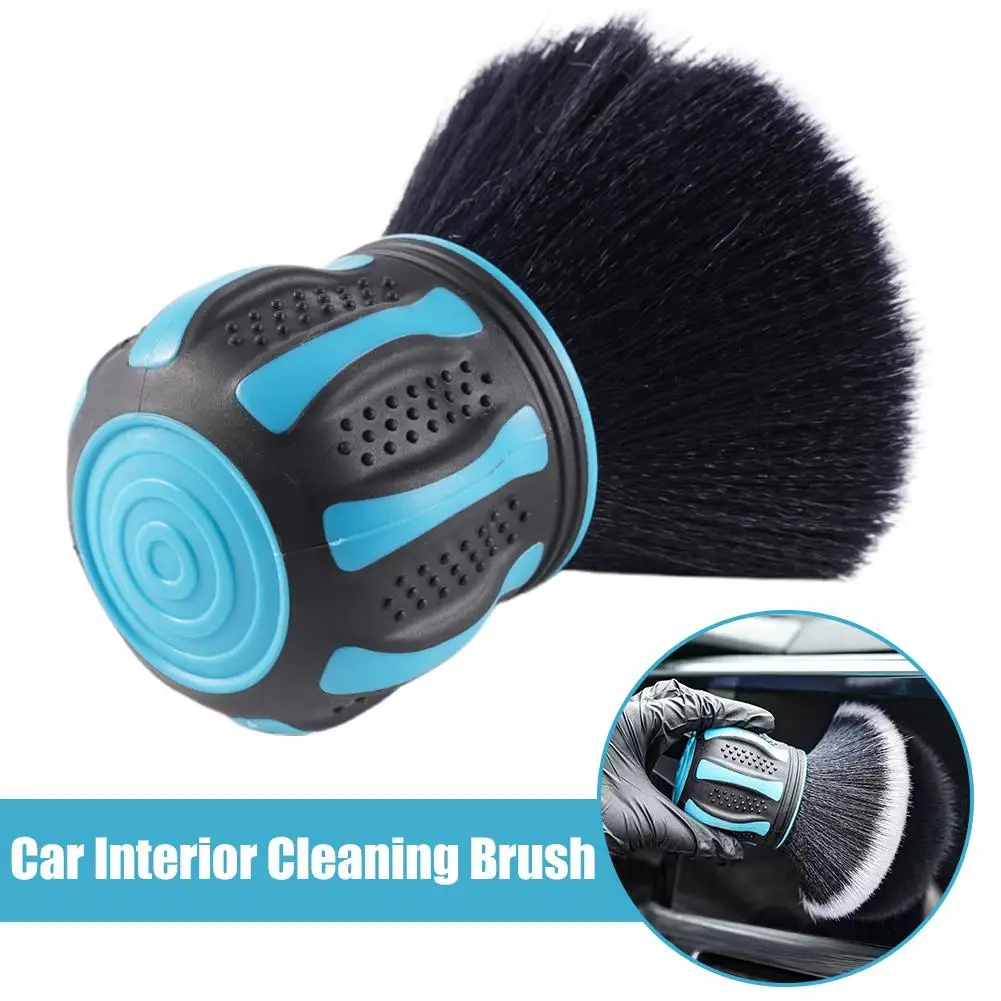
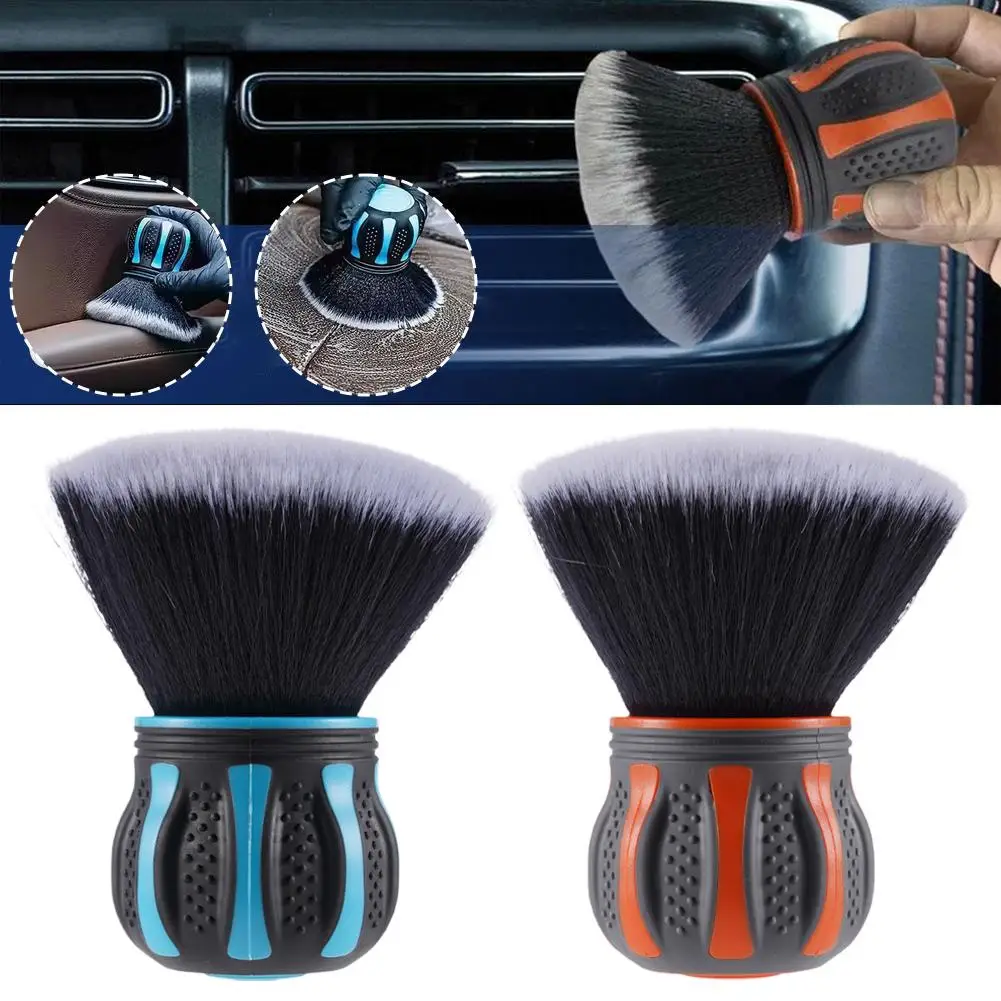
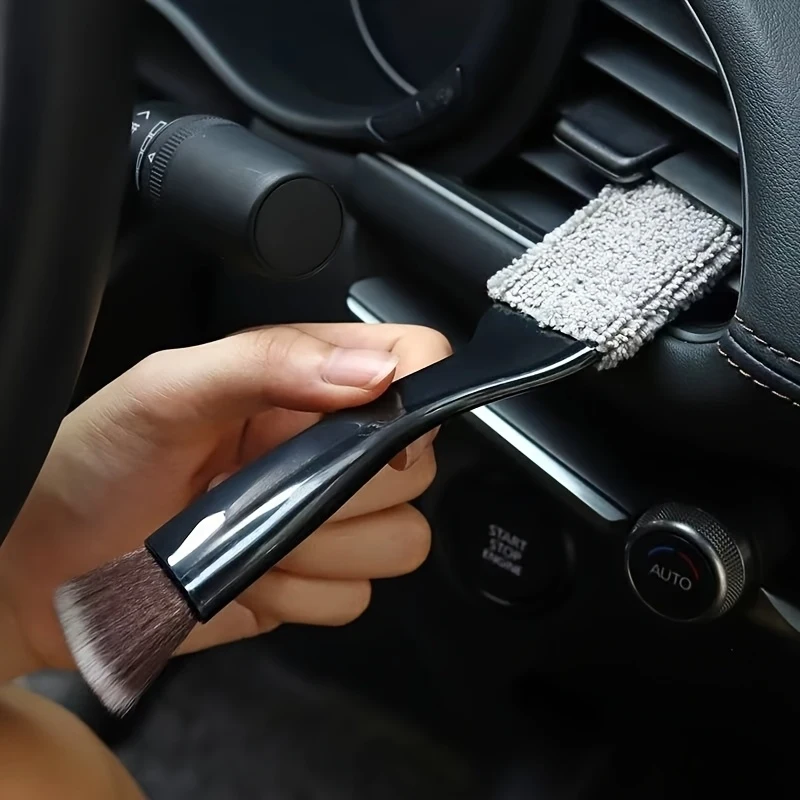
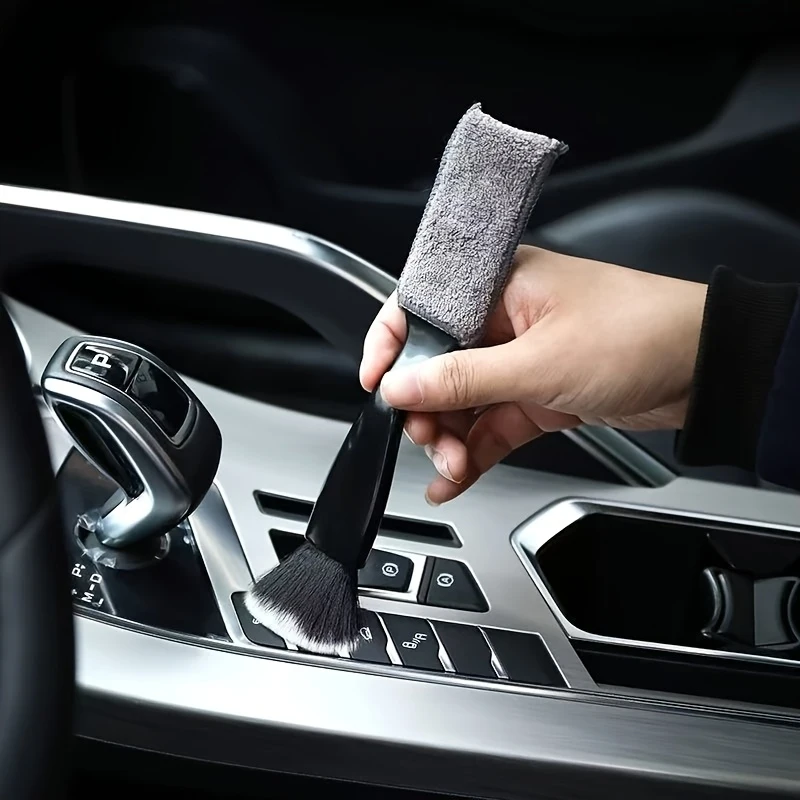
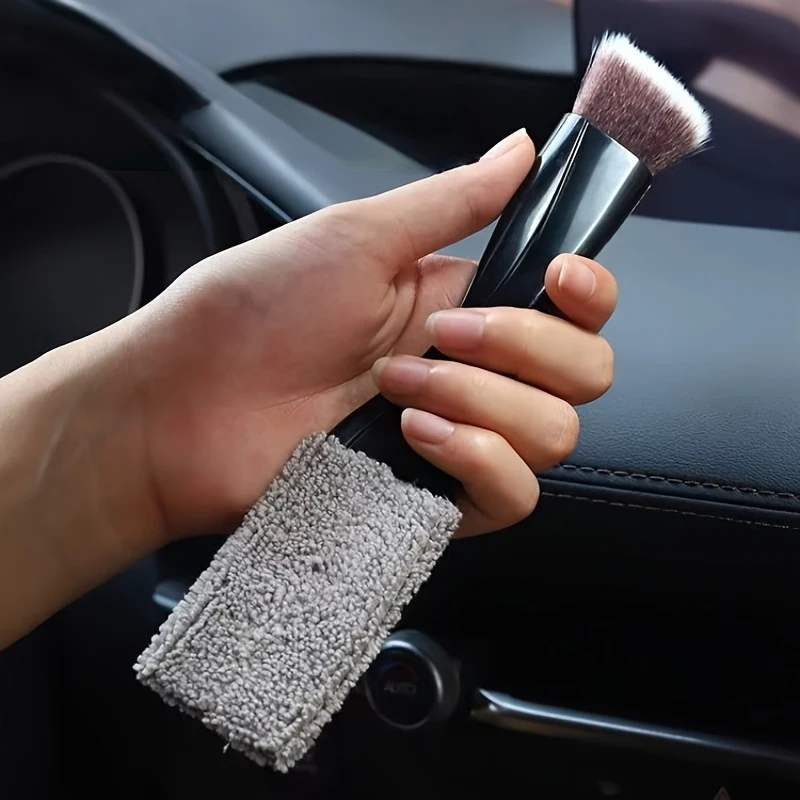
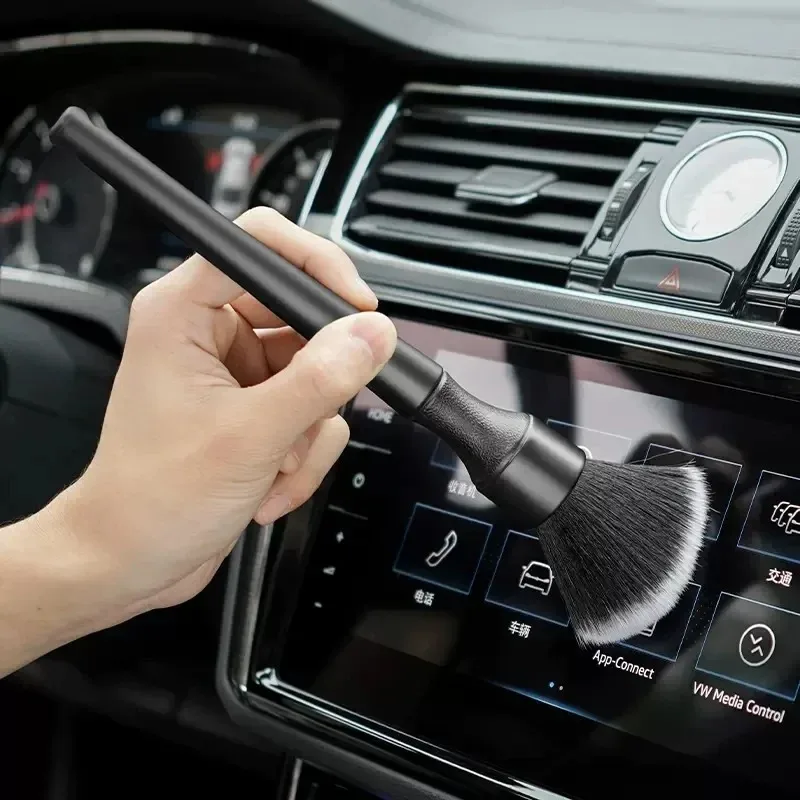
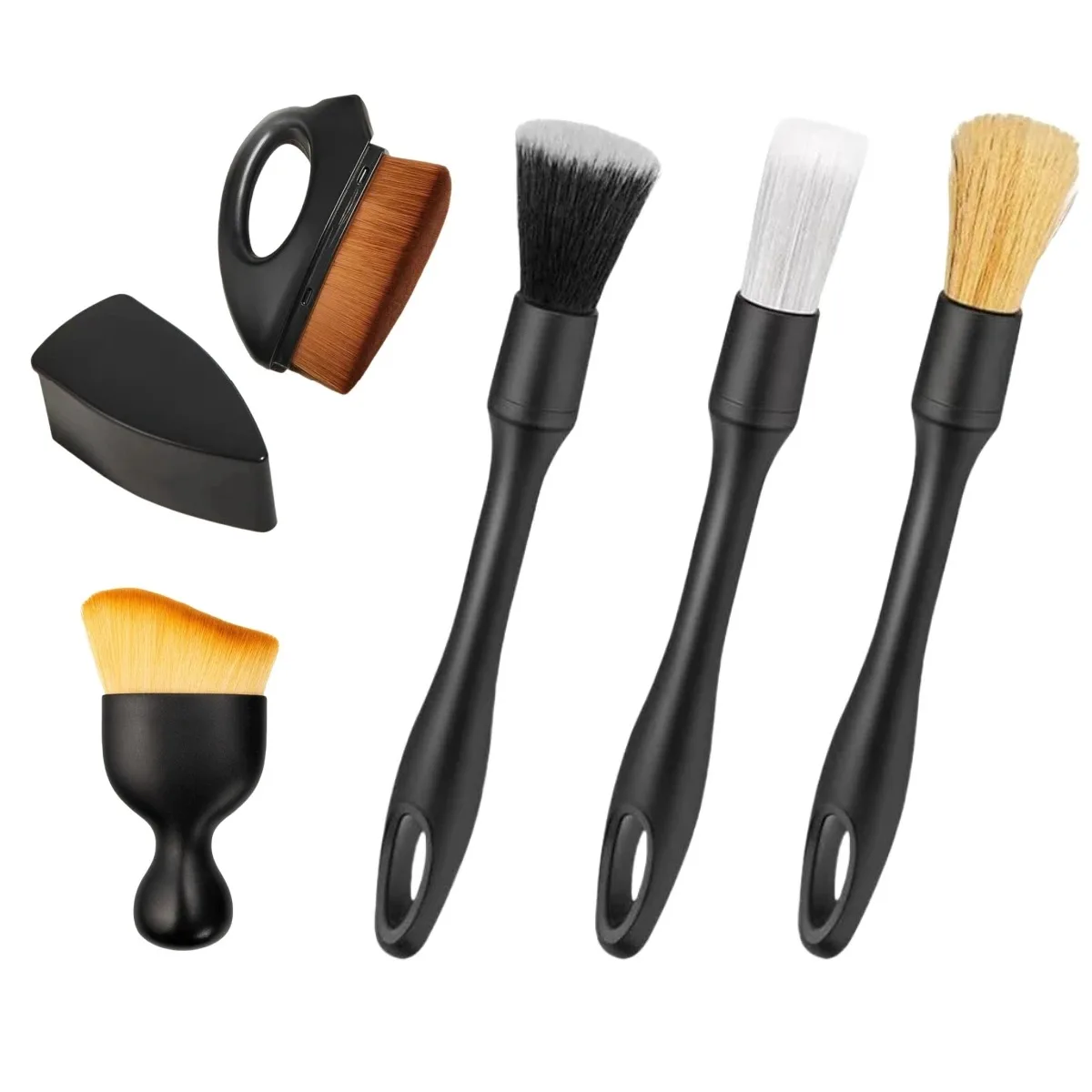
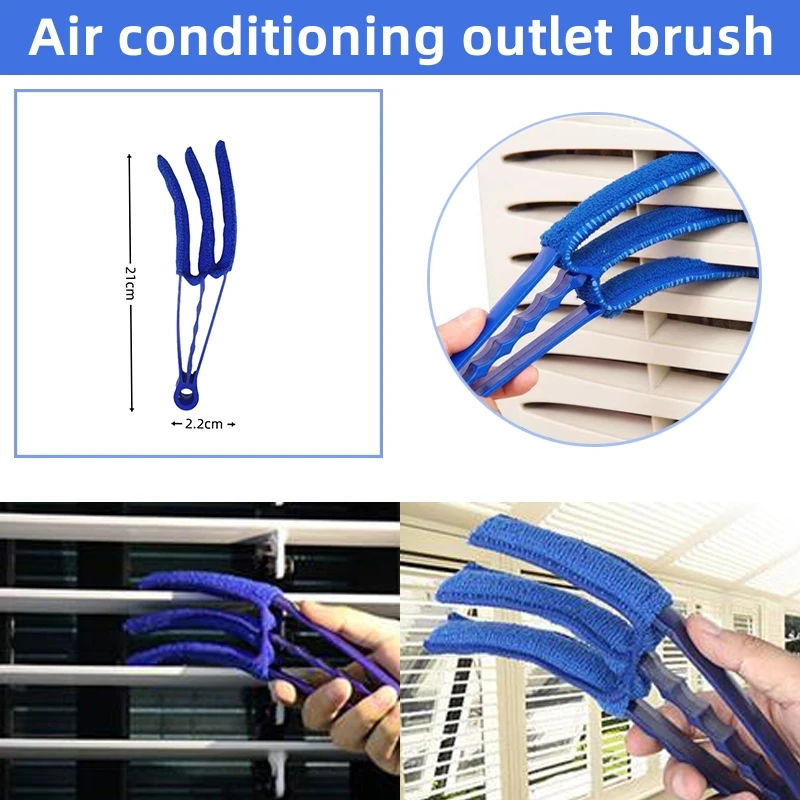
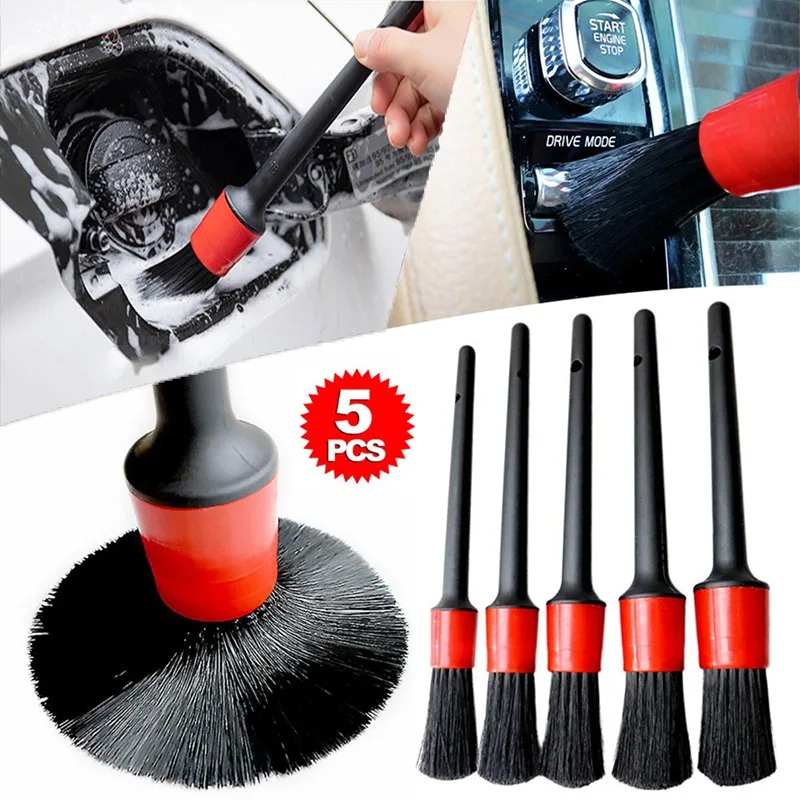
- Single detailing brushes with soft bristles, including a curved one for vent slats and a slim one for the dashboard and crevices.
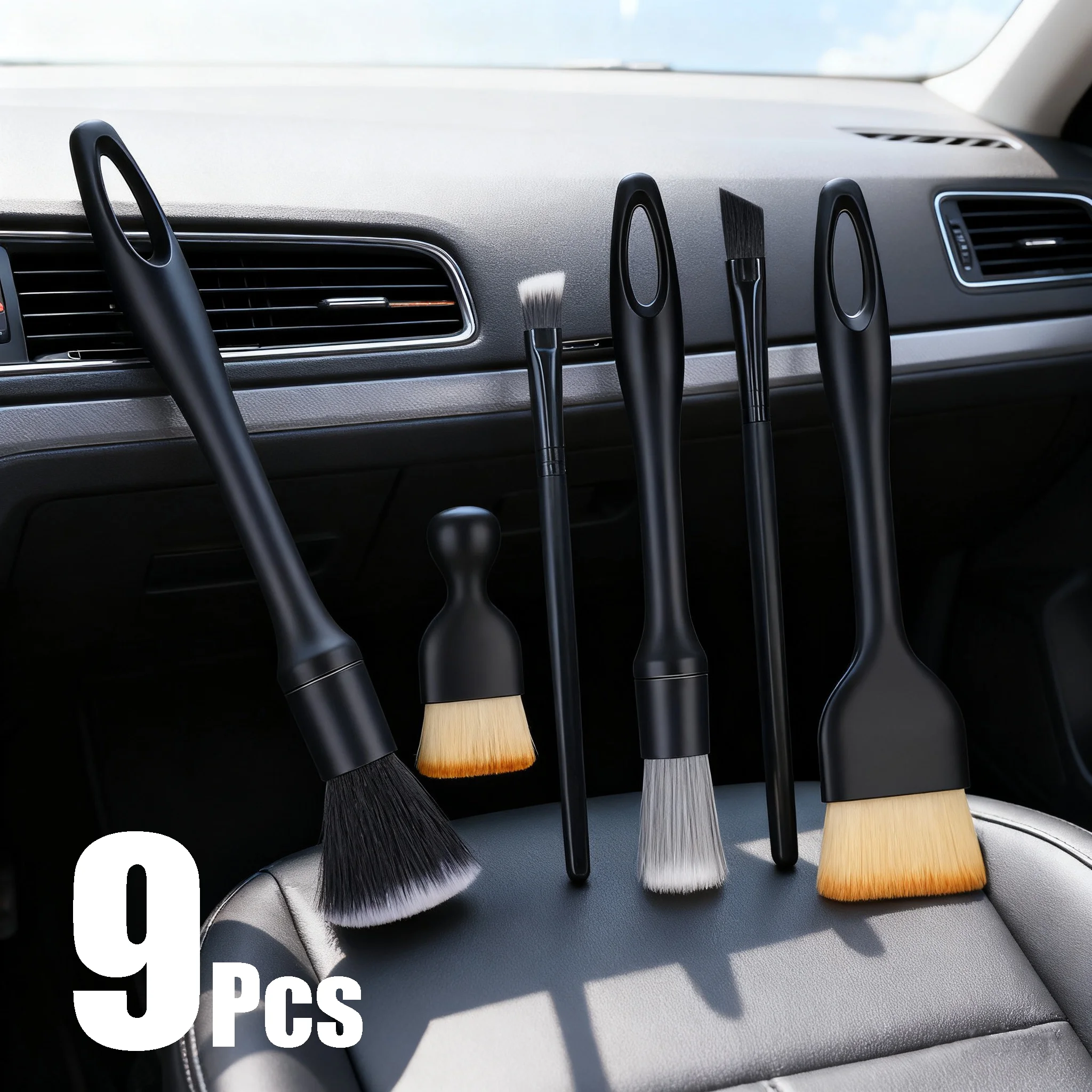
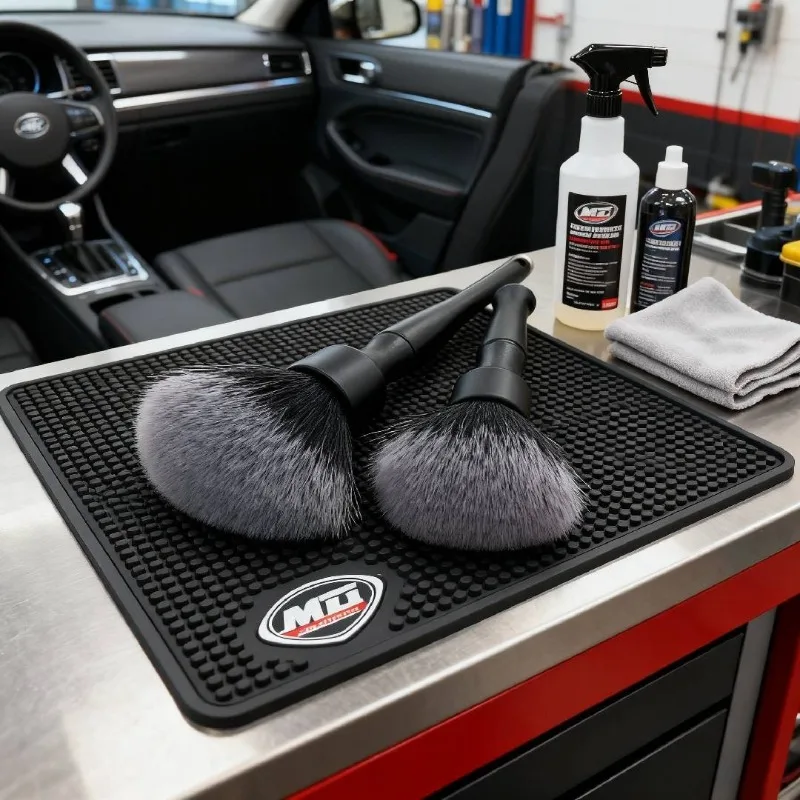
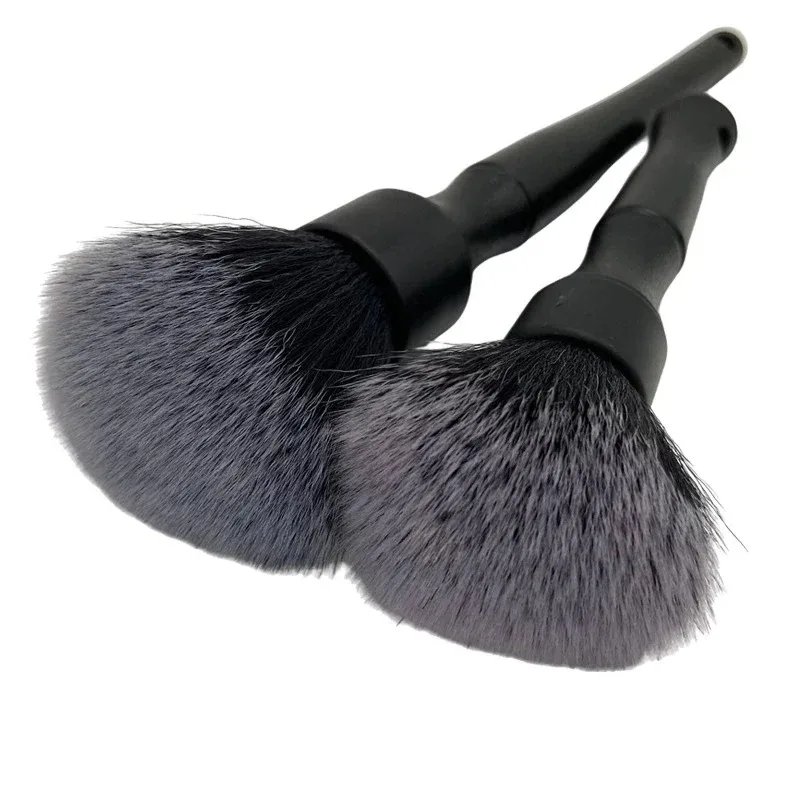
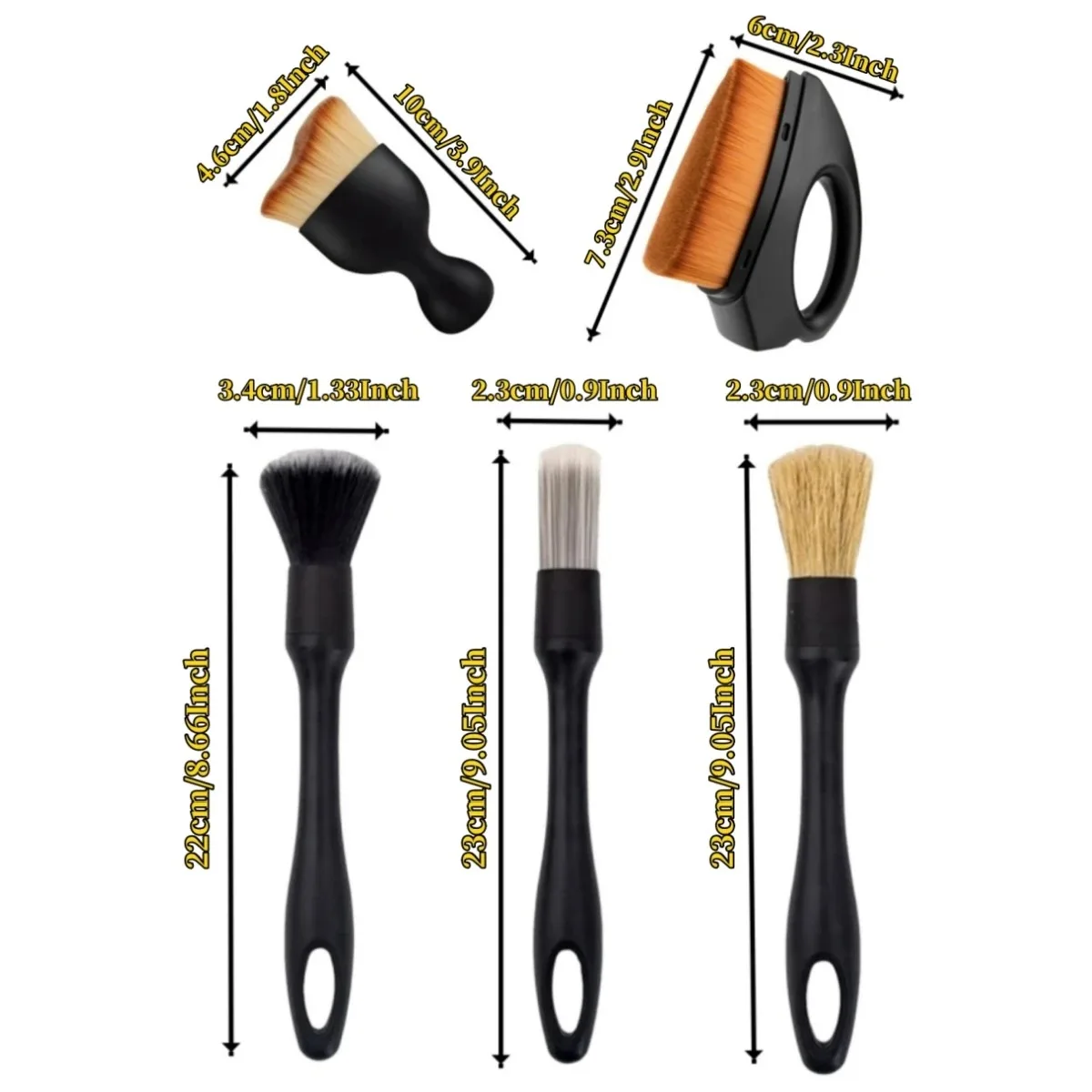
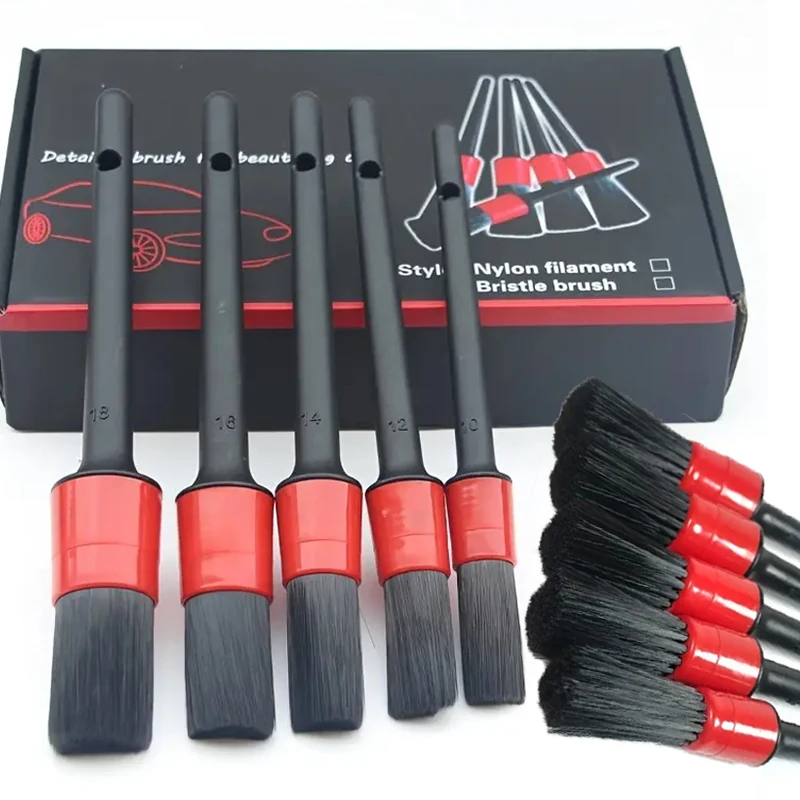
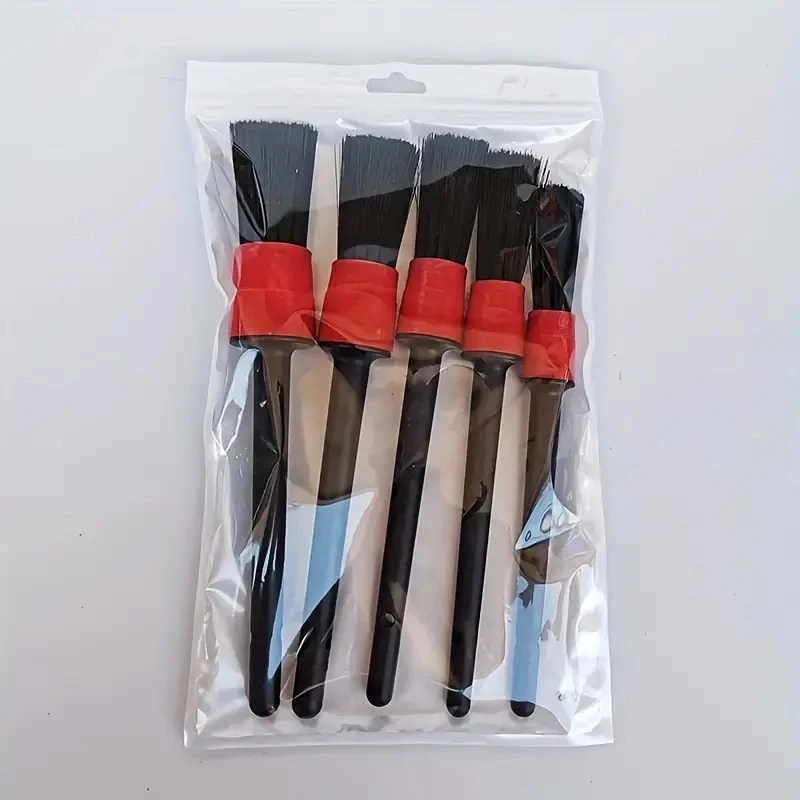
- Brush sets in different widths, from fine to broad, one with a stand to keep them in, and a soft-fibre set described as lifting dust electrostatically.
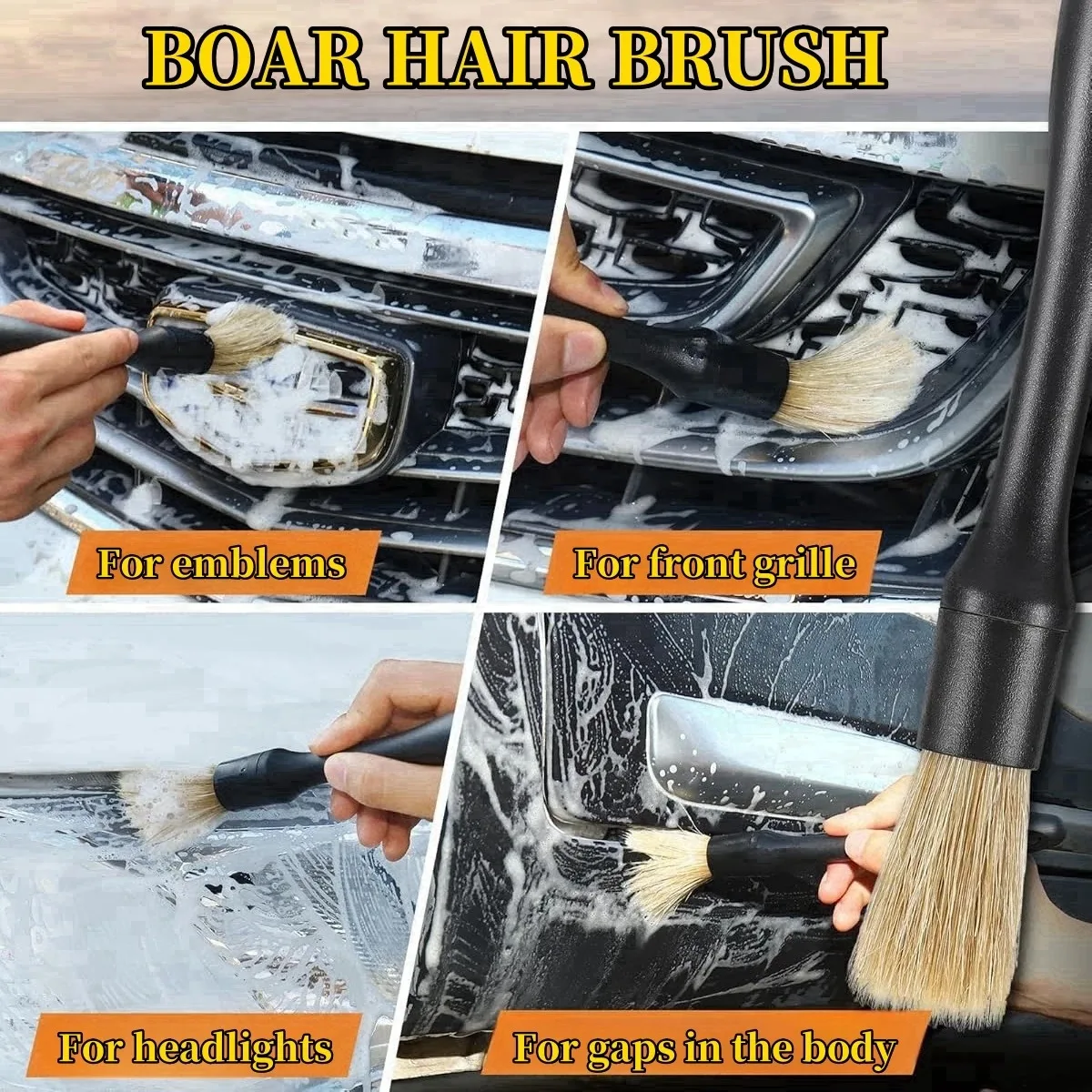
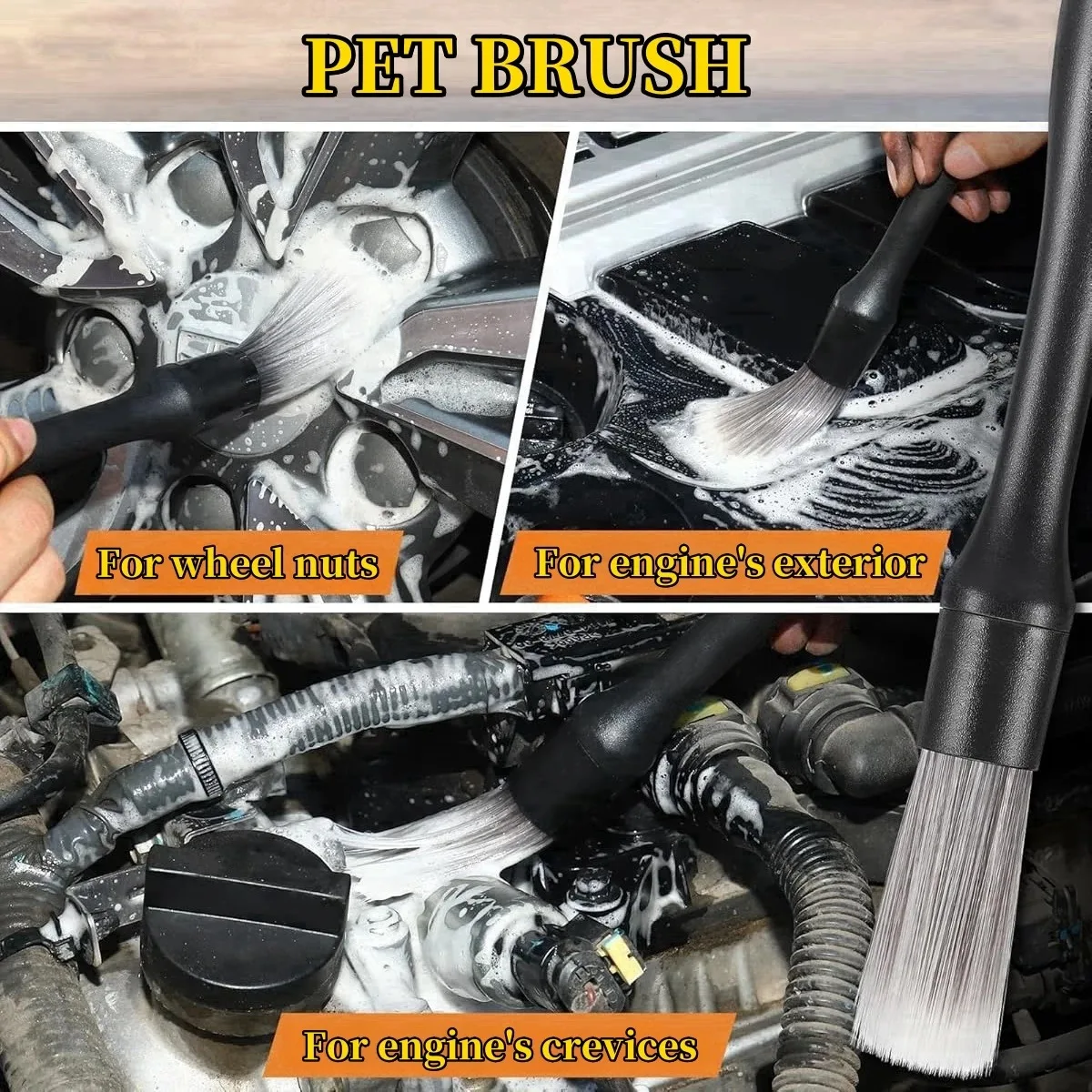
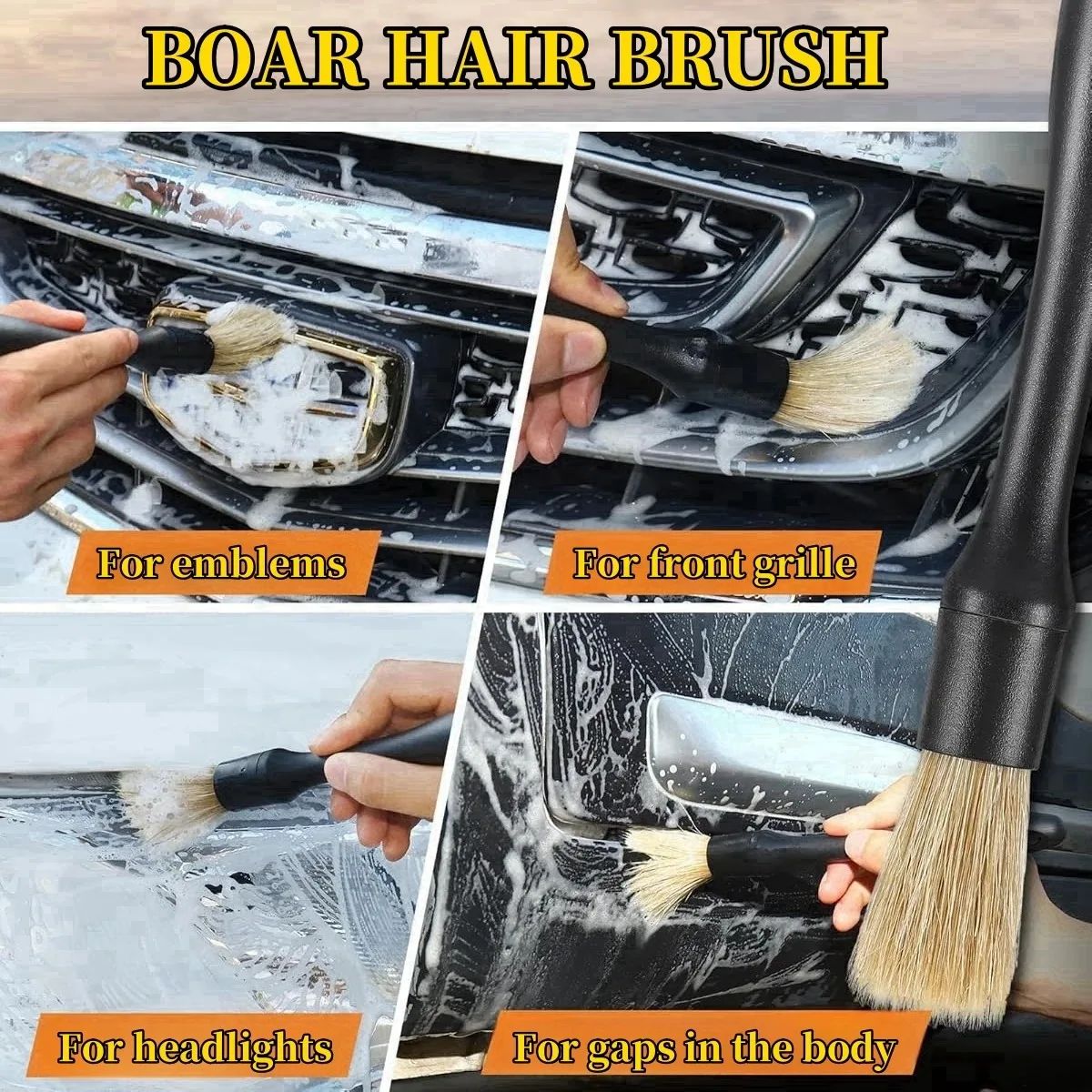
- Inside and outside sets that include larger brushes for the wheels, and a large set that is also suited to motorbikes.
How to use them
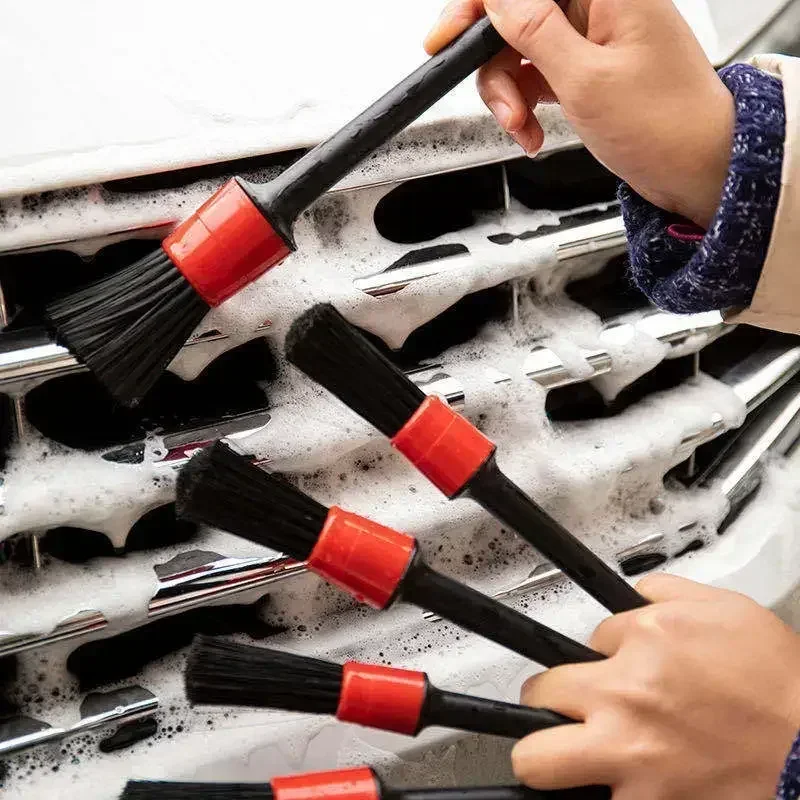
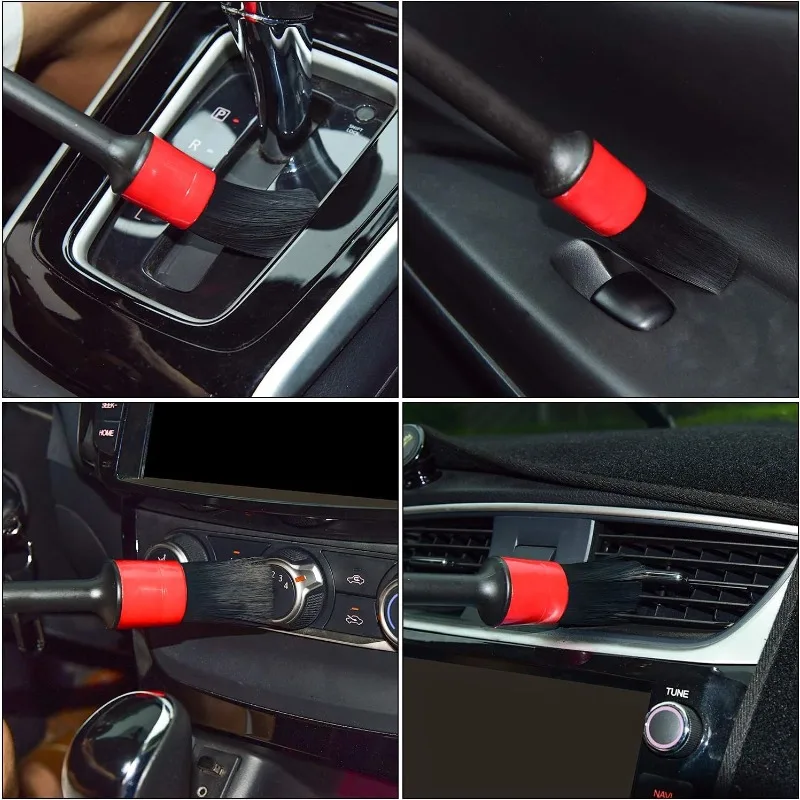
Brushes: work the bristles into the slats of a vent, round each button and along the seams, and hold a vacuum nozzle next to the brush as you go so the dust goes straight into it rather than settling somewhere else. A soft brush is also the gentlest way to clean textured dashboards and door cards. Keep the wheel brushes for the wheels, so grit and brake dust never come inside.
Gel: use a piece at a time and peel it away slowly. It works best on small, awkward places such as the vents, the cup holders, the gap round the gear lever and the speaker grilles. Do not leave it sitting in one place, keep it in its sealed pot between uses, and keep it out of a hot car: warm gel is softer and more likely to leave a residue.
If you do use a cleaner, put it on a cloth or a brush and wipe. Never spray it straight into a vent or onto the switches, where it can run into the electrics behind them.
Questions people ask about cleaning gel and brushes
Will the gel leave a residue?
It should not if it is cool and used a piece at a time. Warm gel left pressed into a vent is the usual cause.
Can the brushes be used wet?
Some, yes, as their pages say. Dip the brush or dampen a cloth rather than wetting the dashboard.
What finishes the job?
A damp then a dry microfibre cloth over the hard surfaces.
Delivery is included in every price and tracked to your door.
More to look at