More than a box of plasters
An emergency kit is for the bigger day: a breakdown on an unlit road, a long wait for help, a collision where several people need looking after, or a trip far from a town. The kits here are larger bags that keep a lot together in one place, plus the pieces of roadside kit that fit alongside them. They suit drivers who cover long distances, families, people who camp or travel to remote places, and anyone setting up a car that has nothing in it yet.
What you will find here
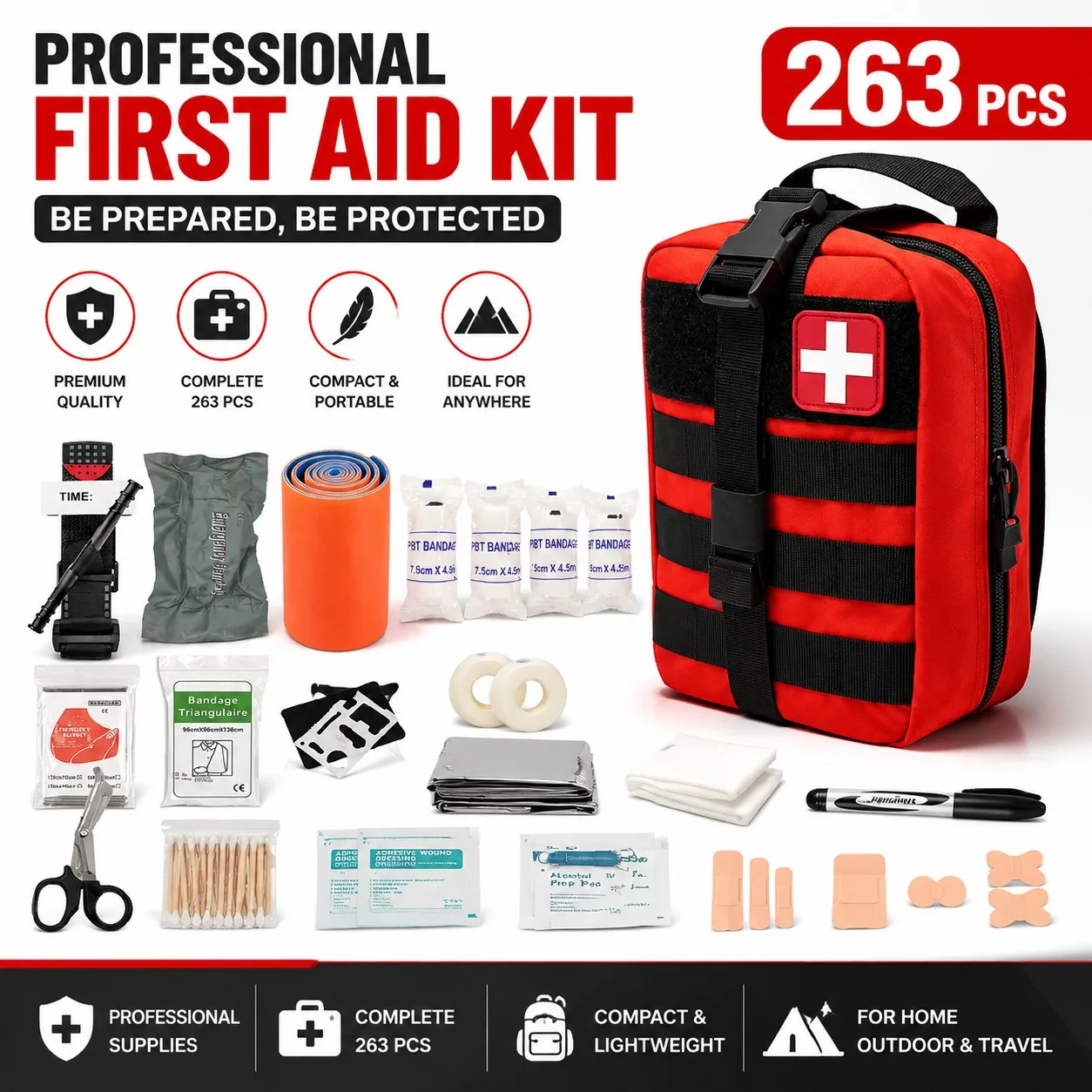
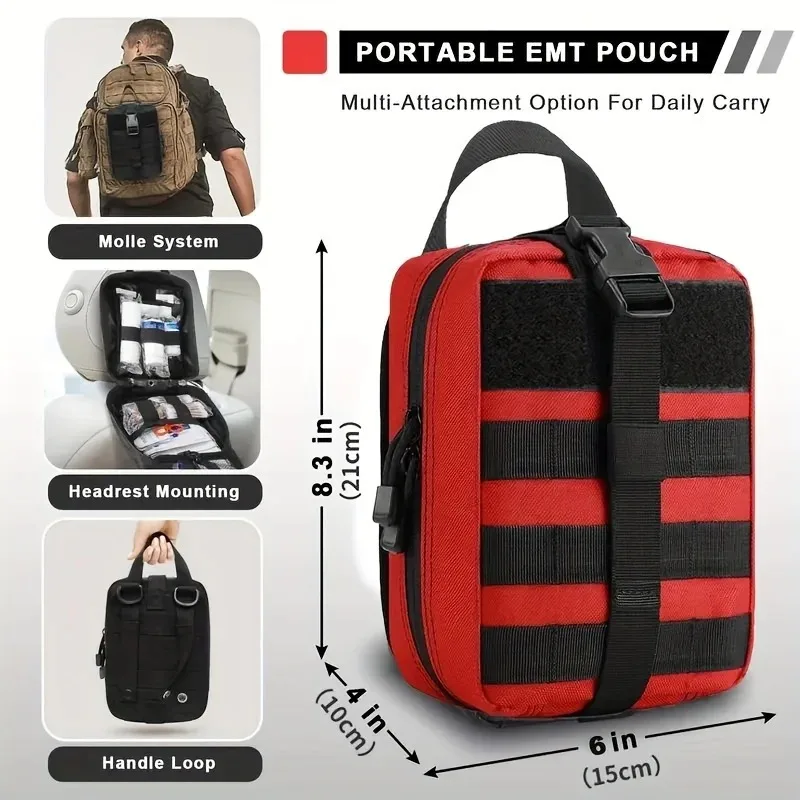
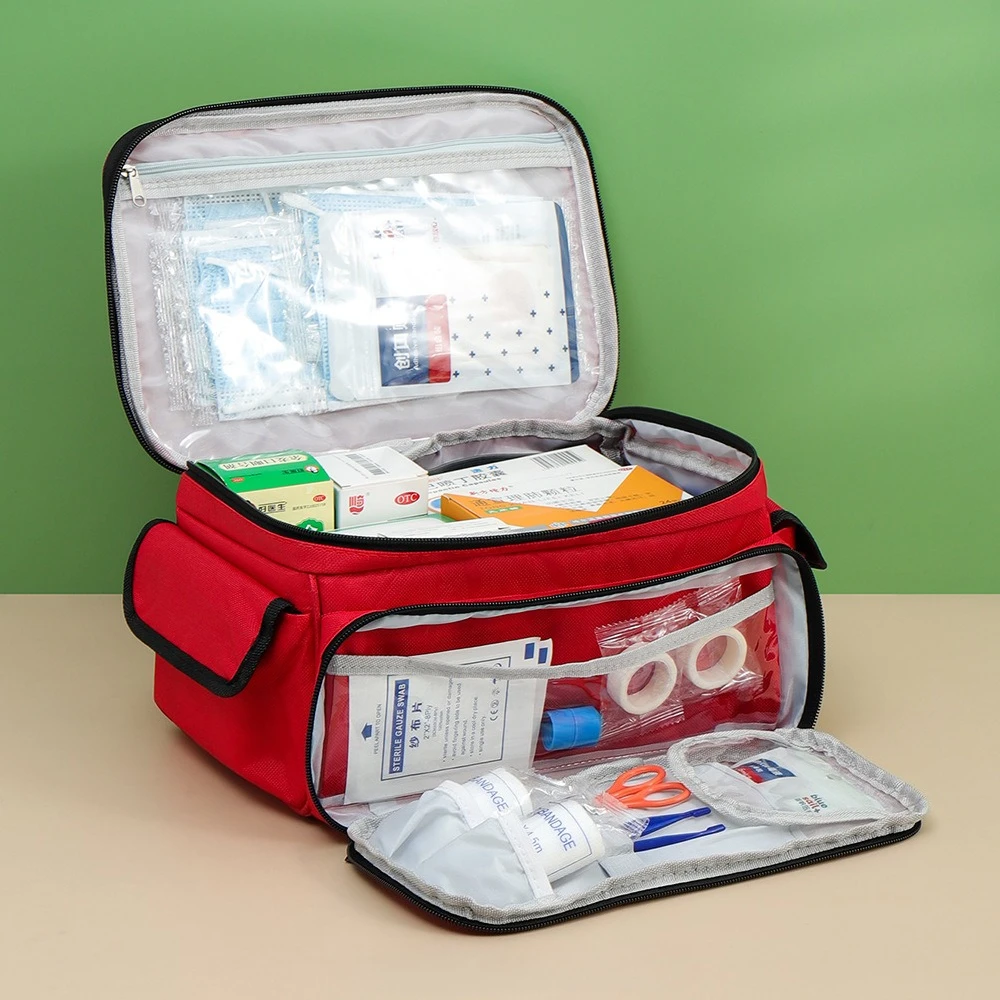
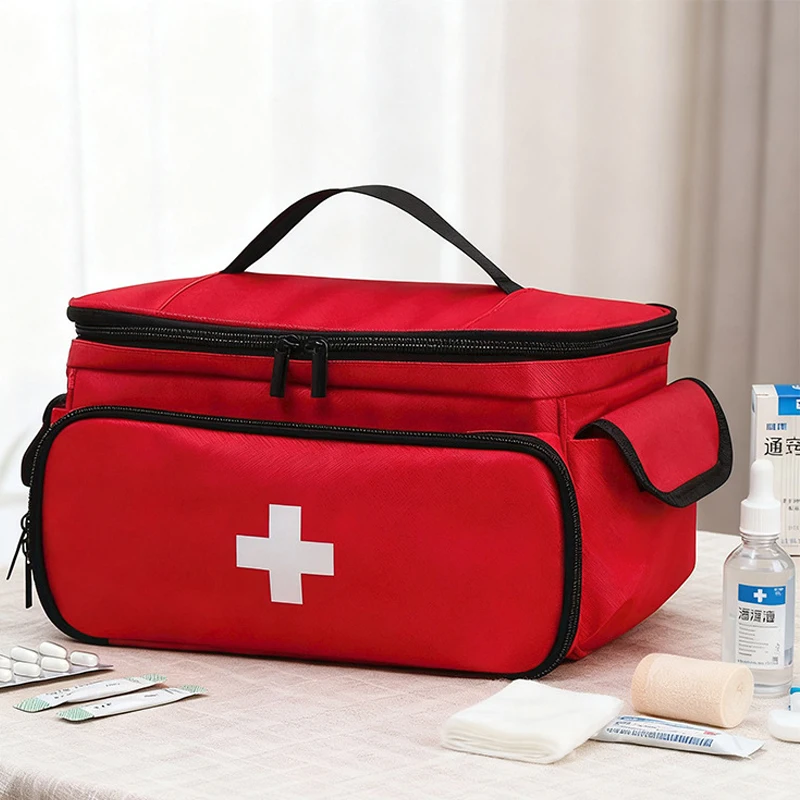
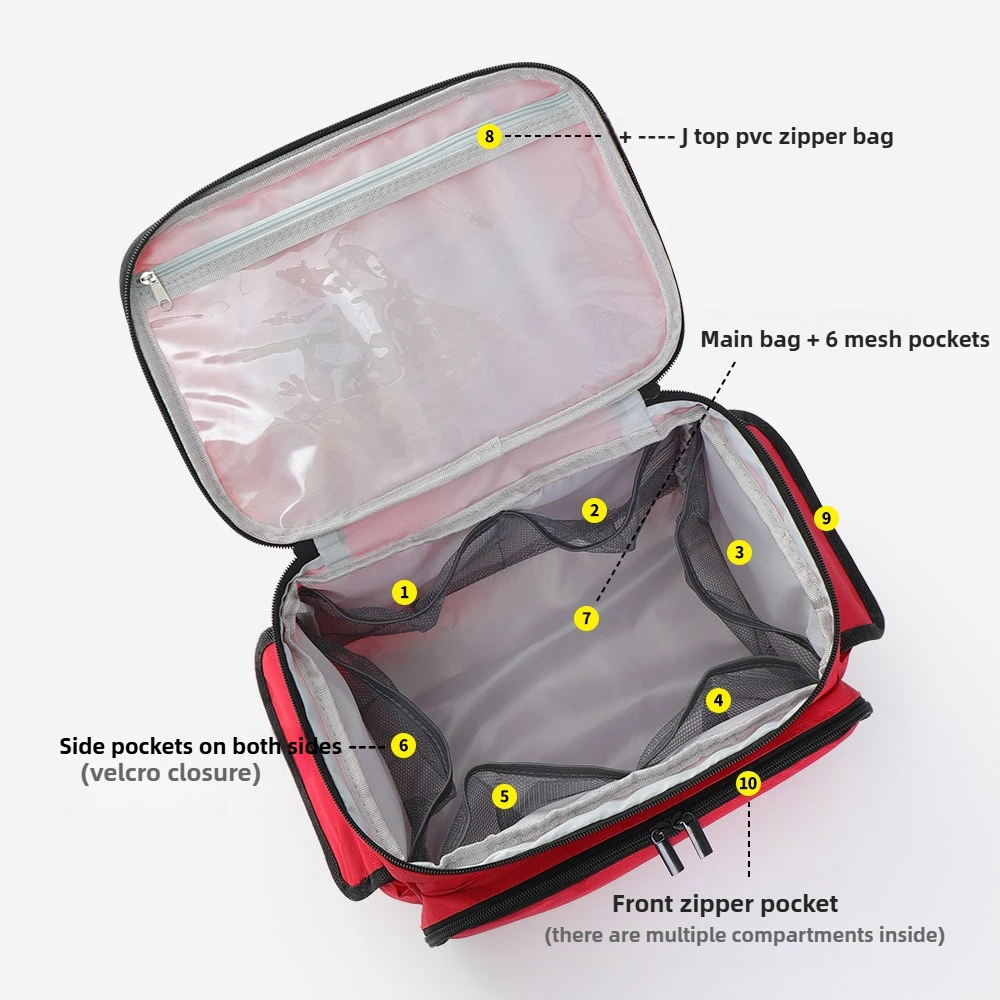
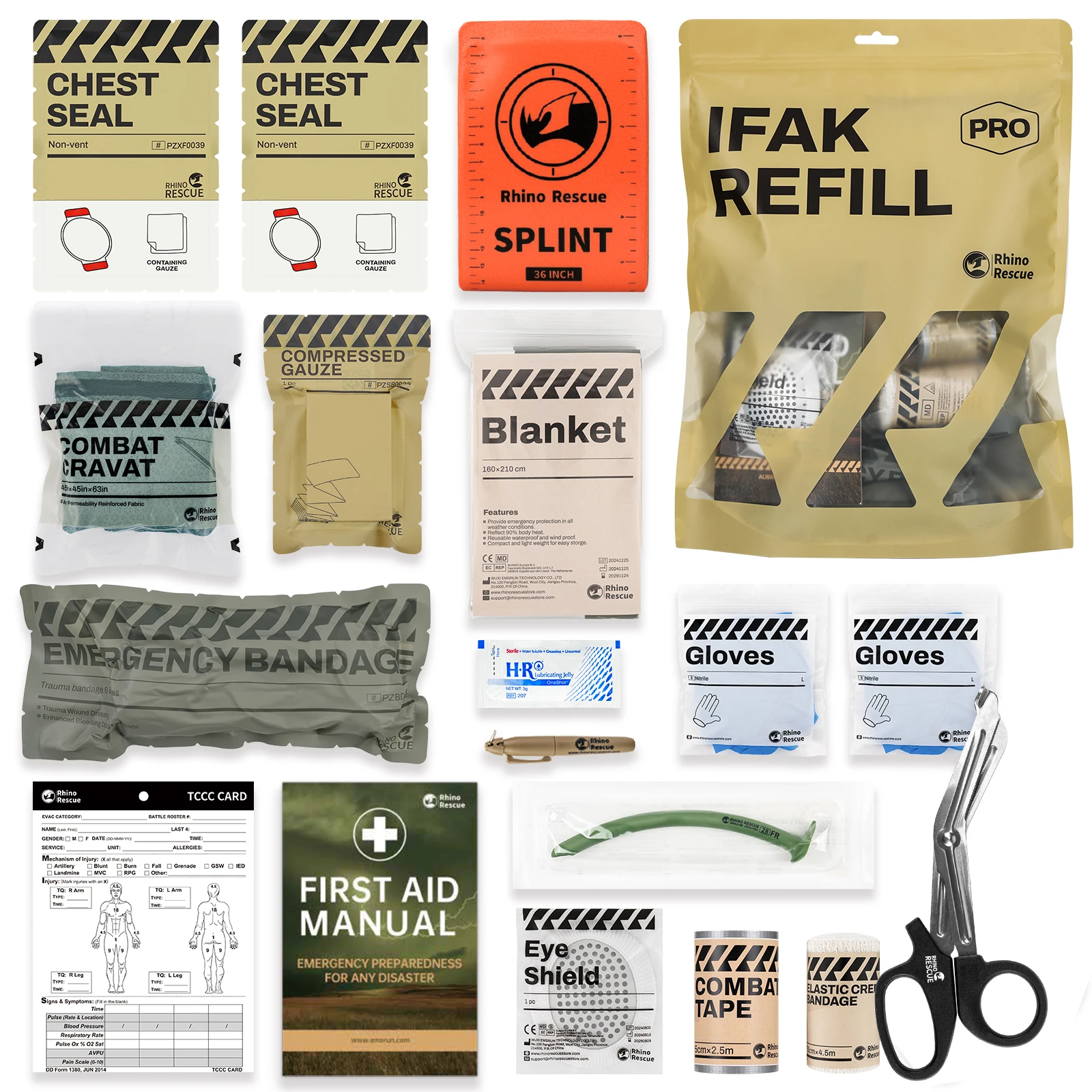
- Large first aid bags in tough nylon with colour-coded sections, carrying among other things an emergency blanket, a face mask, a whistle and a first aid booklet, with room for your own things. Some are sold full or as an empty bag: check the choice before you order.
- First aid and survival kits that put first aid supplies and survival tools in one bag, and a family survival bag described as waterproof and fireproof.
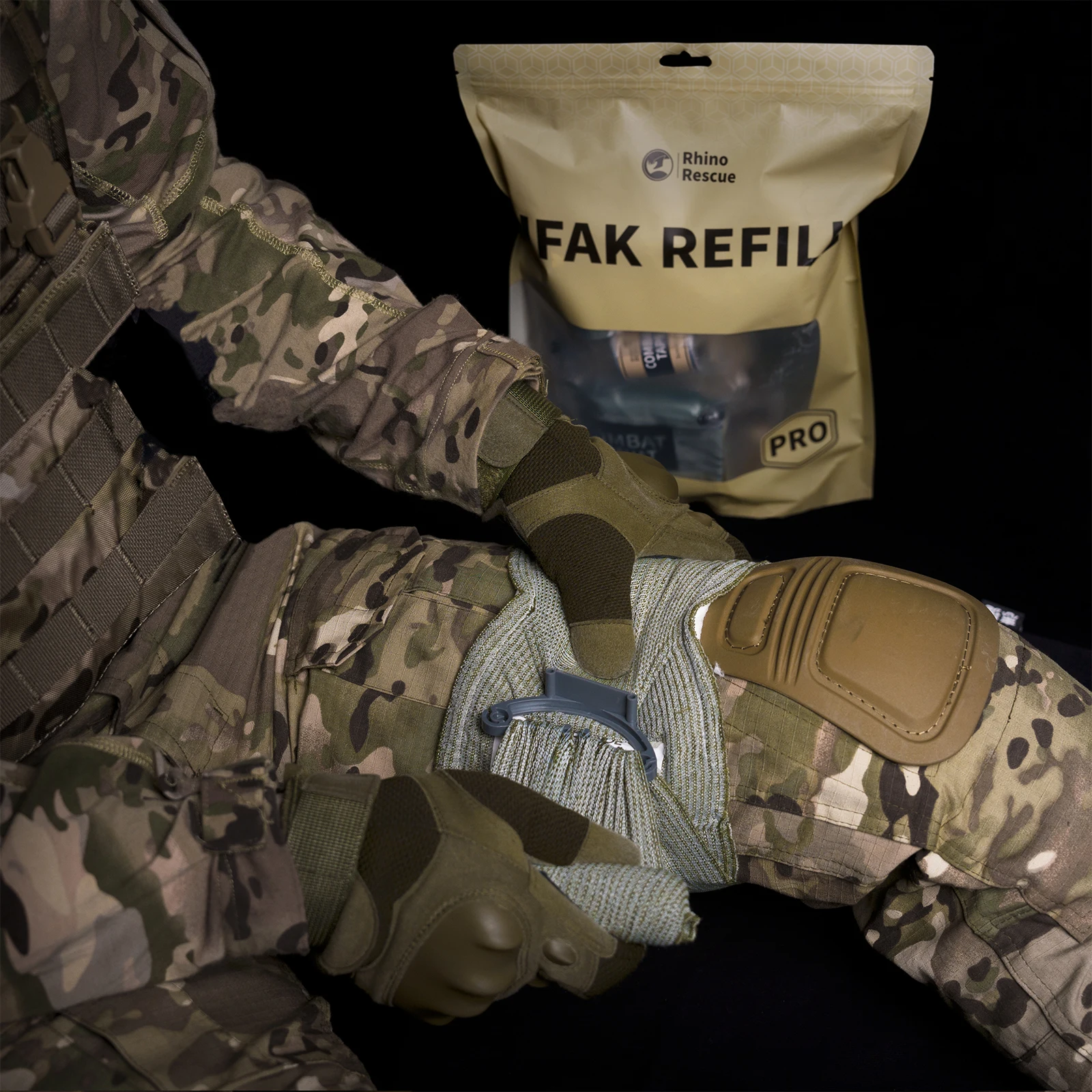
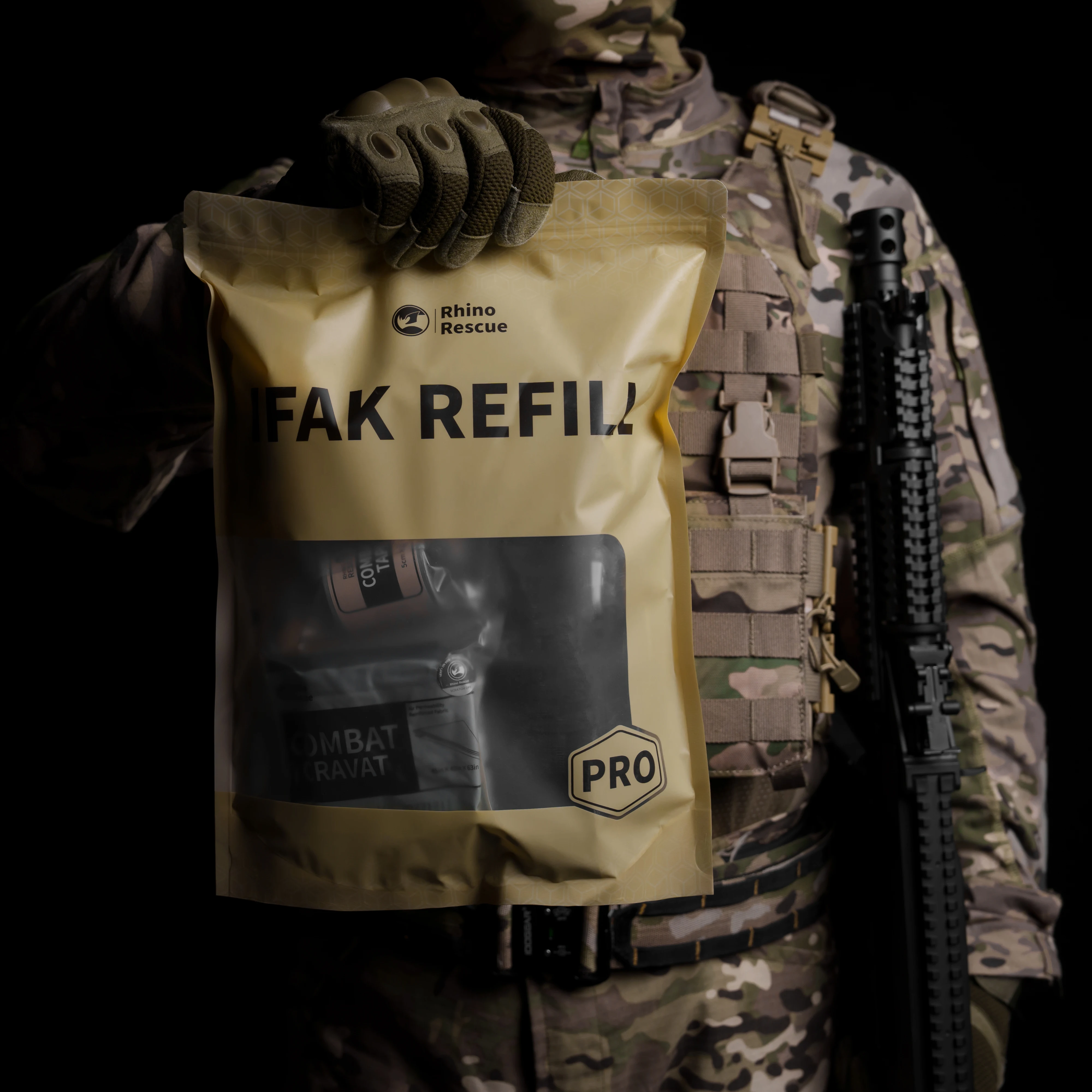
- A refill set to top up a kit you already have, in two sizes, and an empty bag with mesh compartments, clearly marked as a first aid kit, to fill yourself.
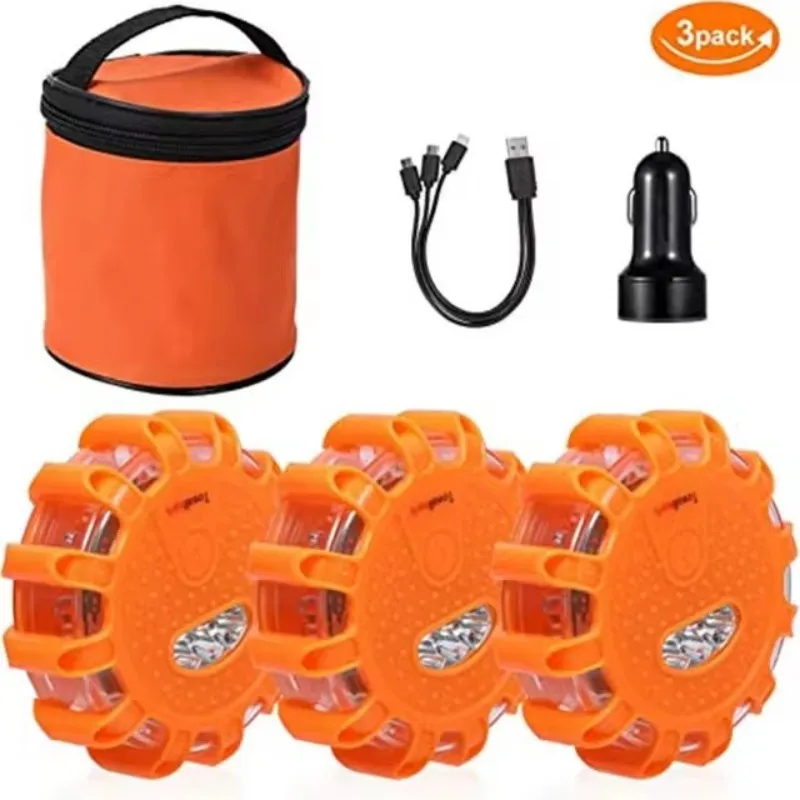
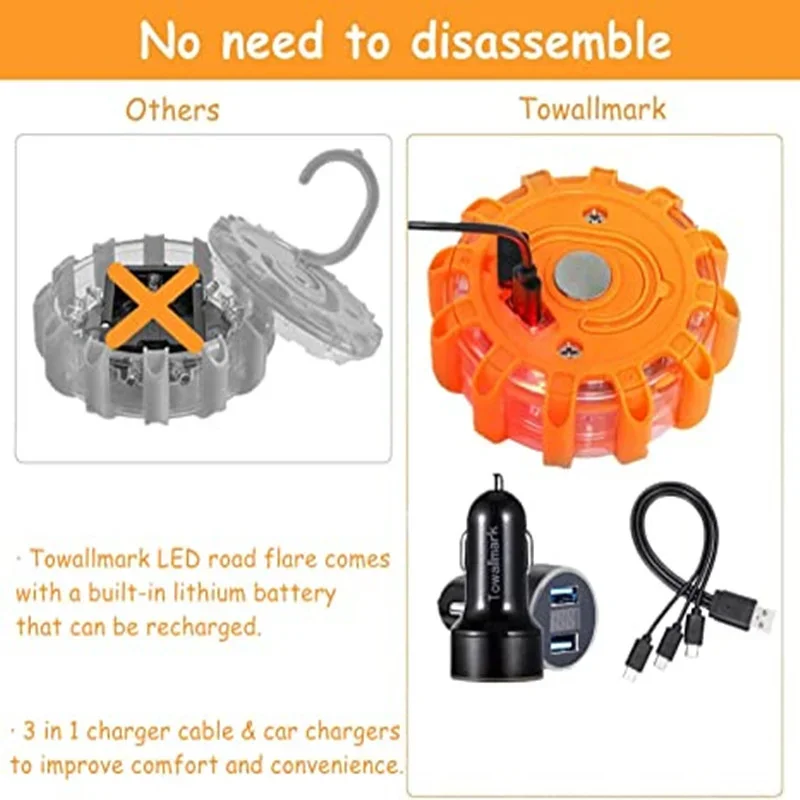
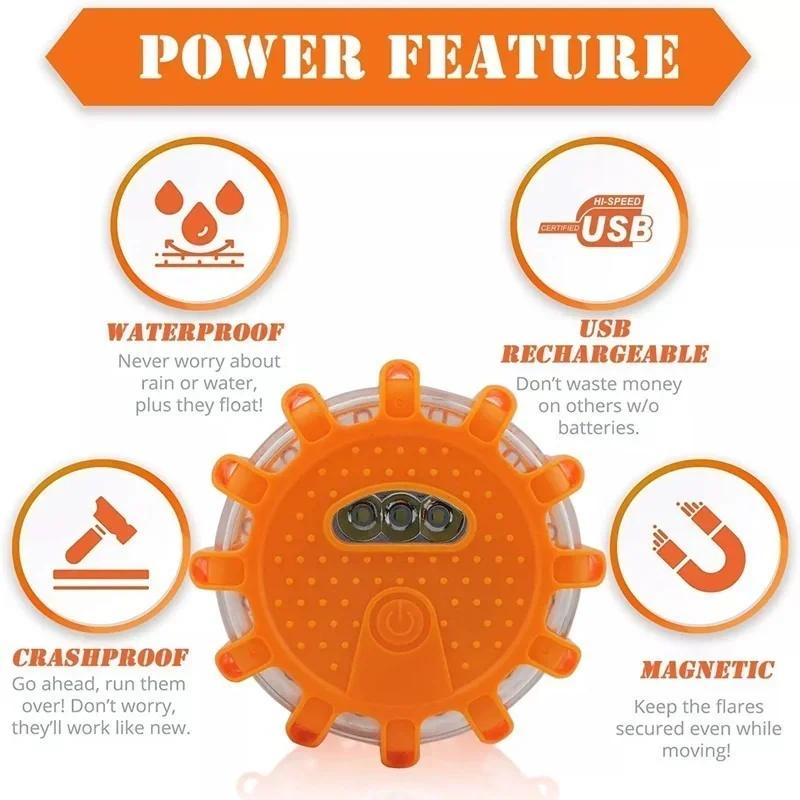
- Rechargeable LED road flares: a pack of flashing lights with a magnetic base to sit on the car and a hook that folds out, in a carry bag, charged by USB.
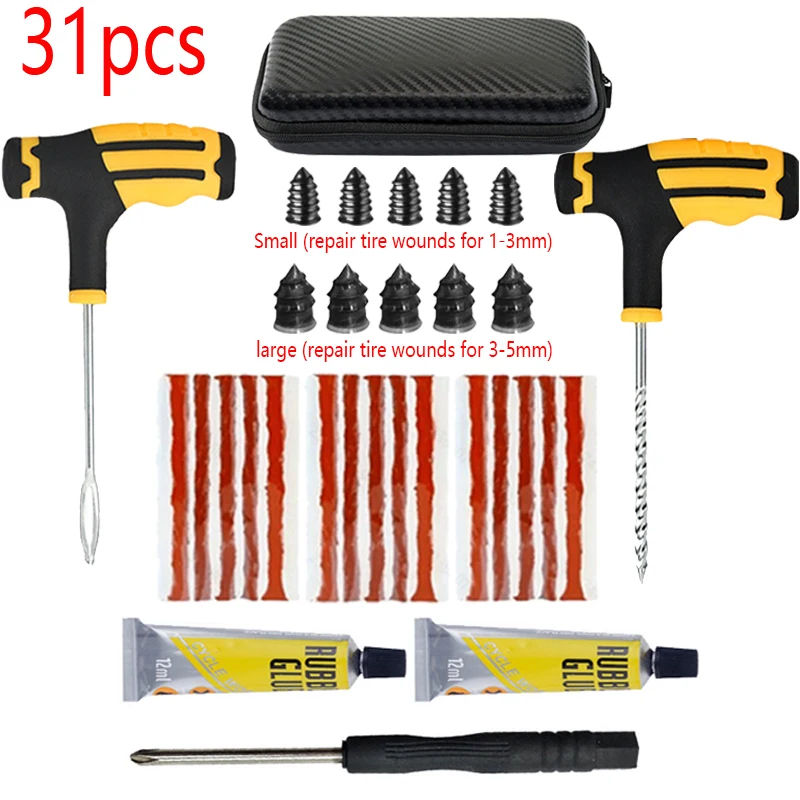
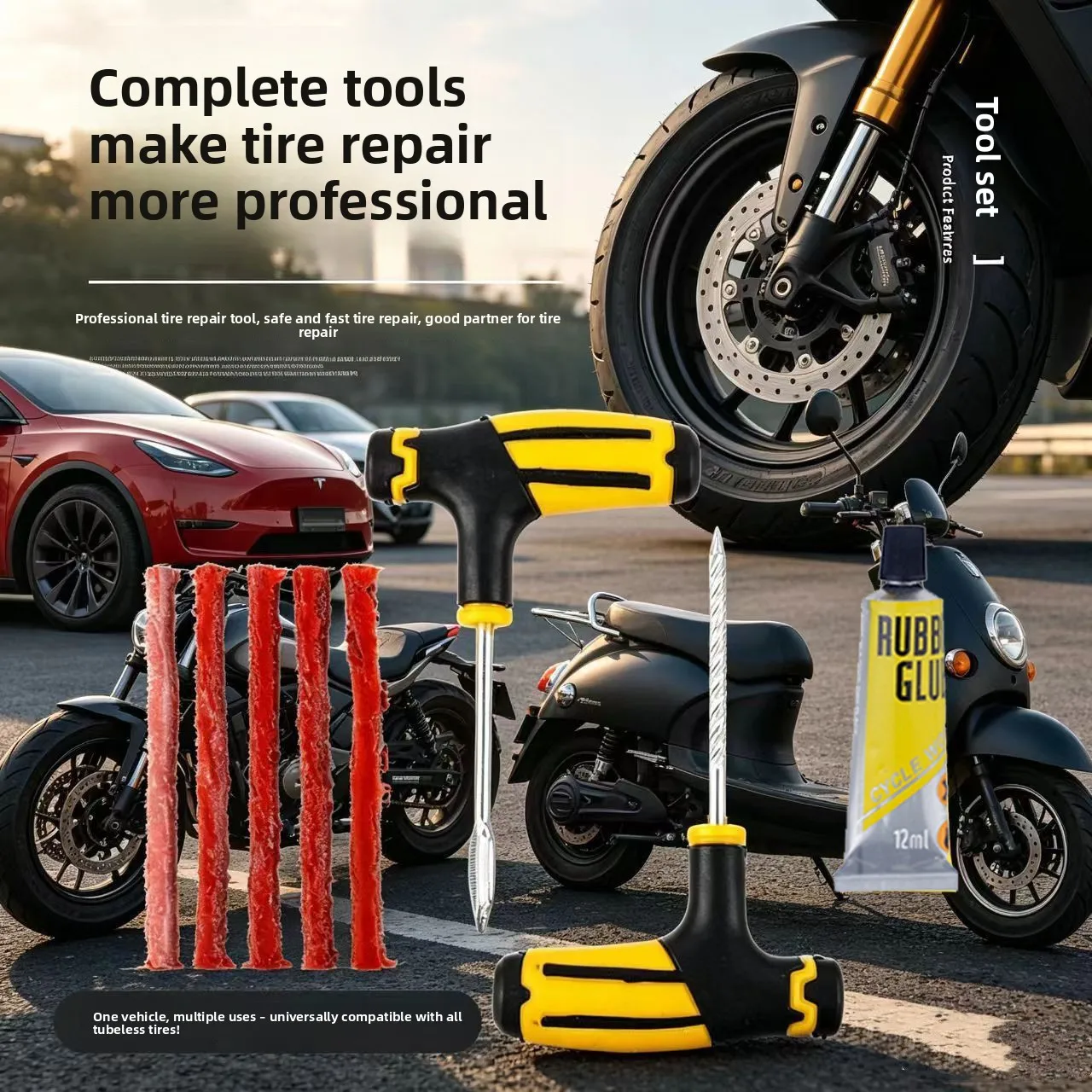
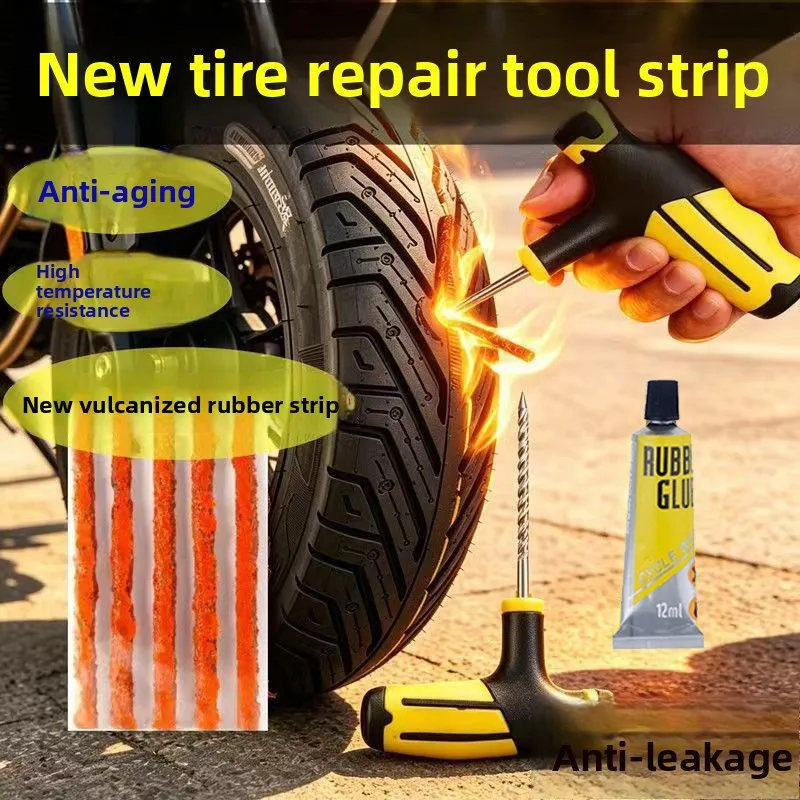
- A puncture repair kit of glue and rubber strips, described as a roadside fix for a puncture.
- A first aid kit for dogs and cats in a waterproof pouch, with a tick remover and an instruction book.
How to choose
Who travels with you. A bigger bag suits a family car, a people carrier or a van; one person who drives to work needs less. What is in it. Read the product page for the contents, and whether a choice is the full kit or the bag alone. Where it goes. A large bag lives in the boot, held so it cannot slide about, because the Highway Code asks you to secure heavy objects. Things you need before you get out, a hi-vis vest and a torch, belong within reach of the driver: see warning triangles and hi-vis vests and car torches.
Questions people ask about car emergency kits
Can I use road flares instead of a triangle?
The Highway Code's advice on a breakdown is written about a warning triangle, placed at least 45 metres behind the car on an ordinary road and never on a motorway. Lights on the car help other drivers see it, but keep the hazard lights on, and never walk along a motorway to place anything.
Can I fix a puncture at the roadside?
The Code says to deal with a flat only if you can do so without putting yourself or anyone else at risk, and never to attempt repairs on a motorway. Follow the kit's instructions, and if in doubt call your breakdown provider. A tyre inflator puts air back into a tyre that is low but holding.
What else should the car carry?
The Code recommends a phone with your emergency contacts saved in it and high-visibility clothing. The guide what to keep in your car for emergencies lists the rest.
Delivery is included in every price and tracked to your door.
More to look at