A load that stays where you put it
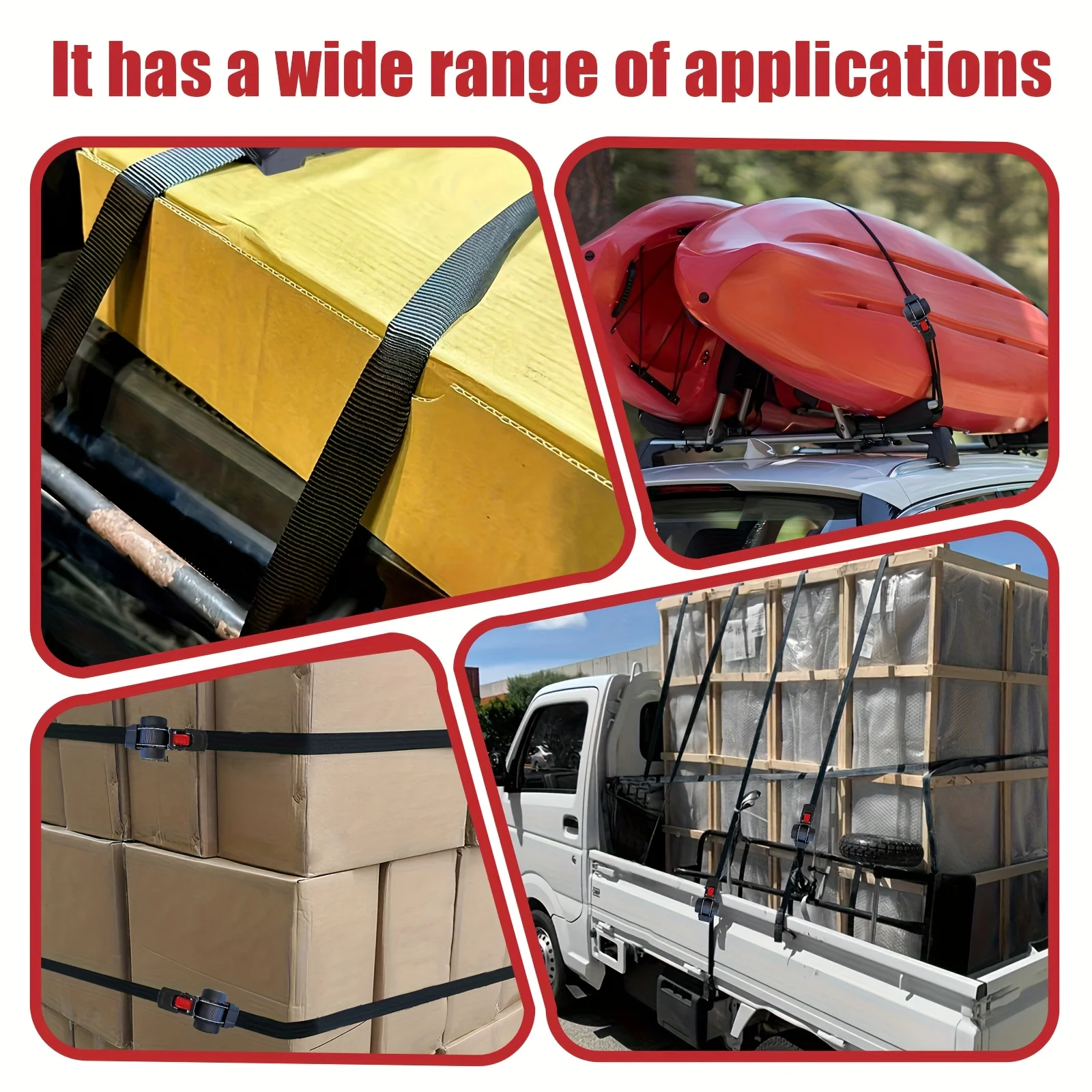
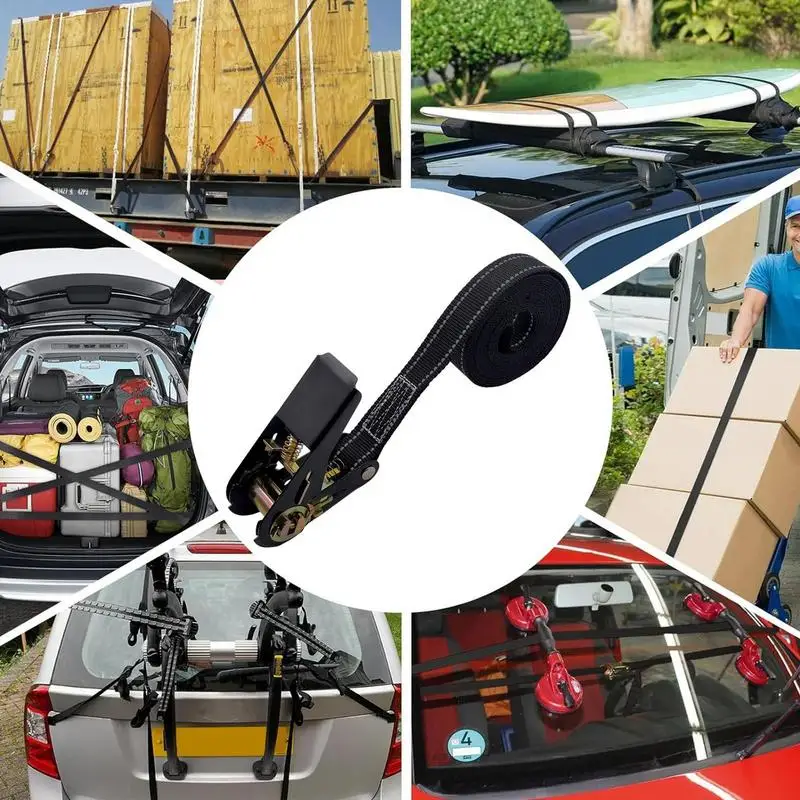
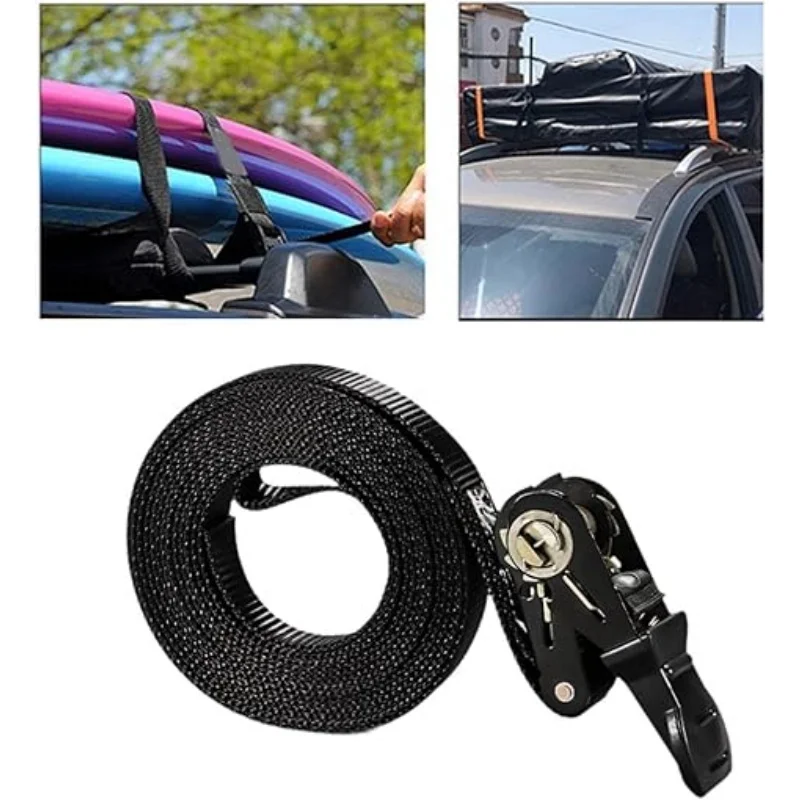
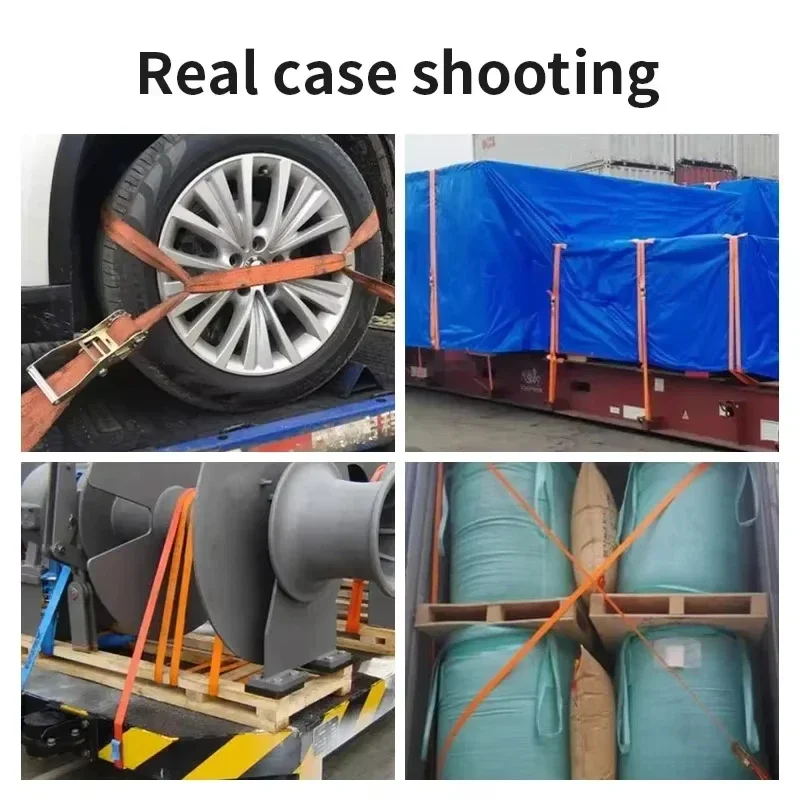
A load that moves is a danger to the people in the vehicle, to other road users and to the load itself. The law asks for more than careful driving: regulation 100 of the Road Vehicles (Construction and Use) Regulations 1986 says a load must at all times be secured, if necessary by physical restraint other than its own weight, so that it cannot cause danger or nuisance by falling, being blown off or moving about. A ratchet strap is the usual way to do it, in a van, a car boot, on a trailer or on roof bars.
What you will find here
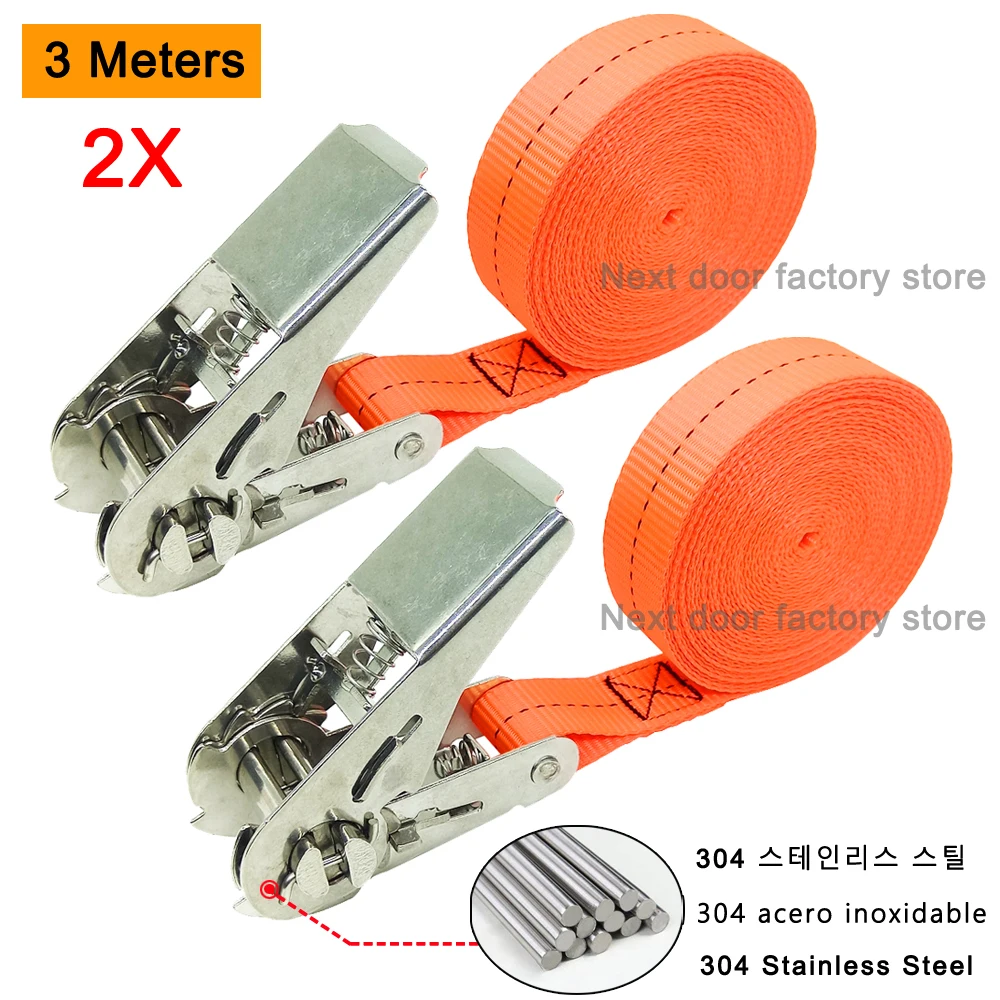
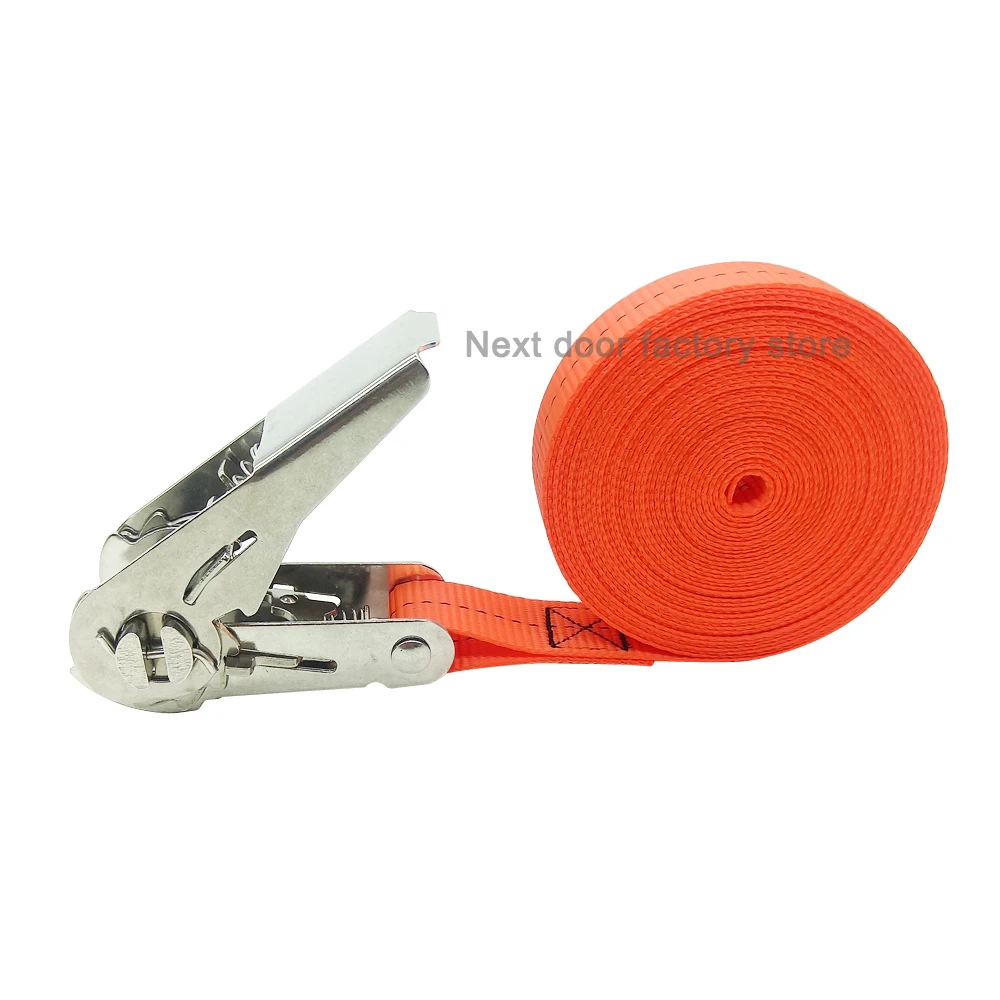
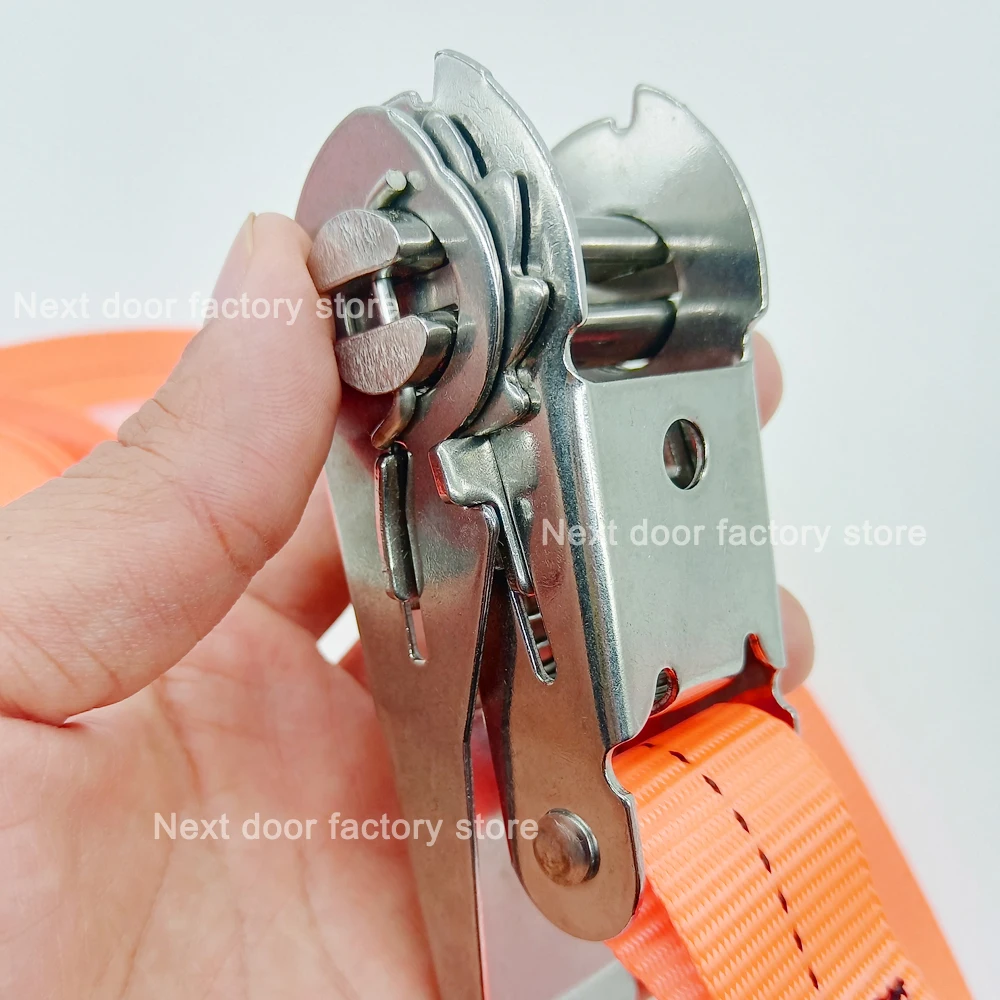
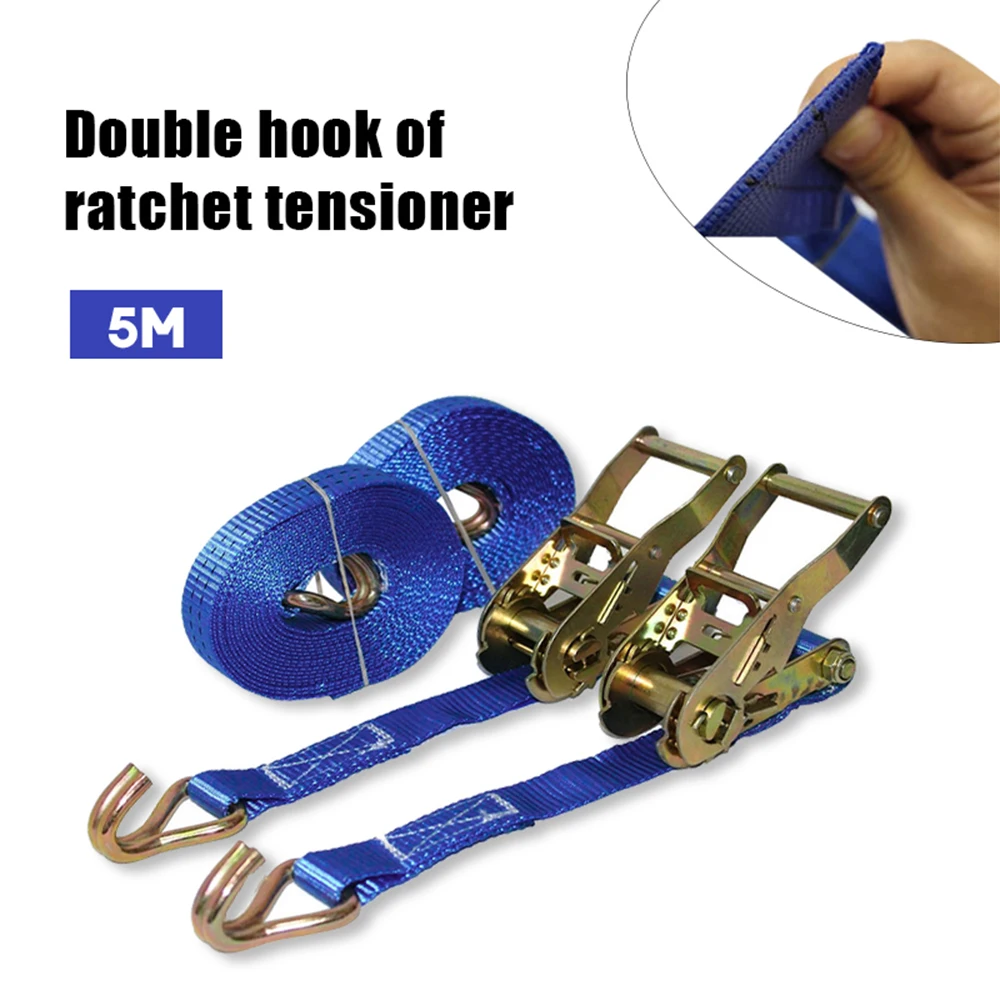
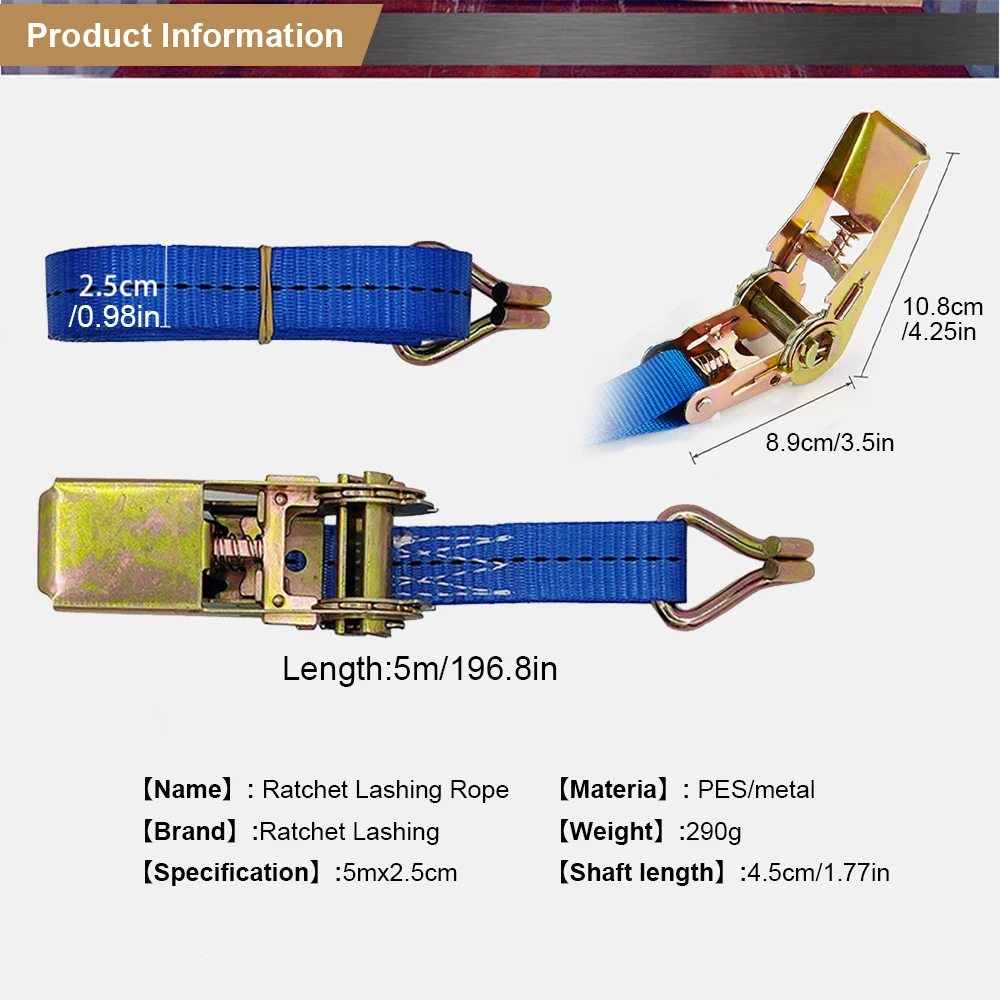
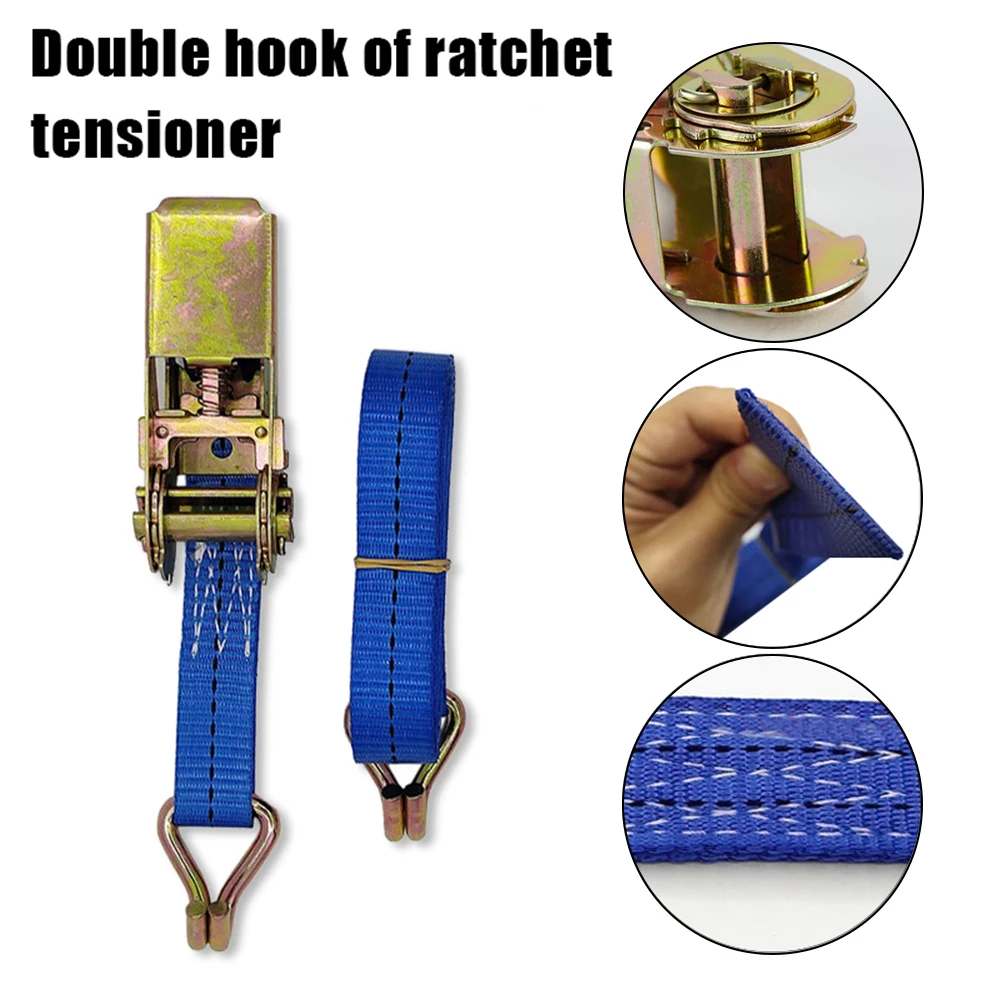
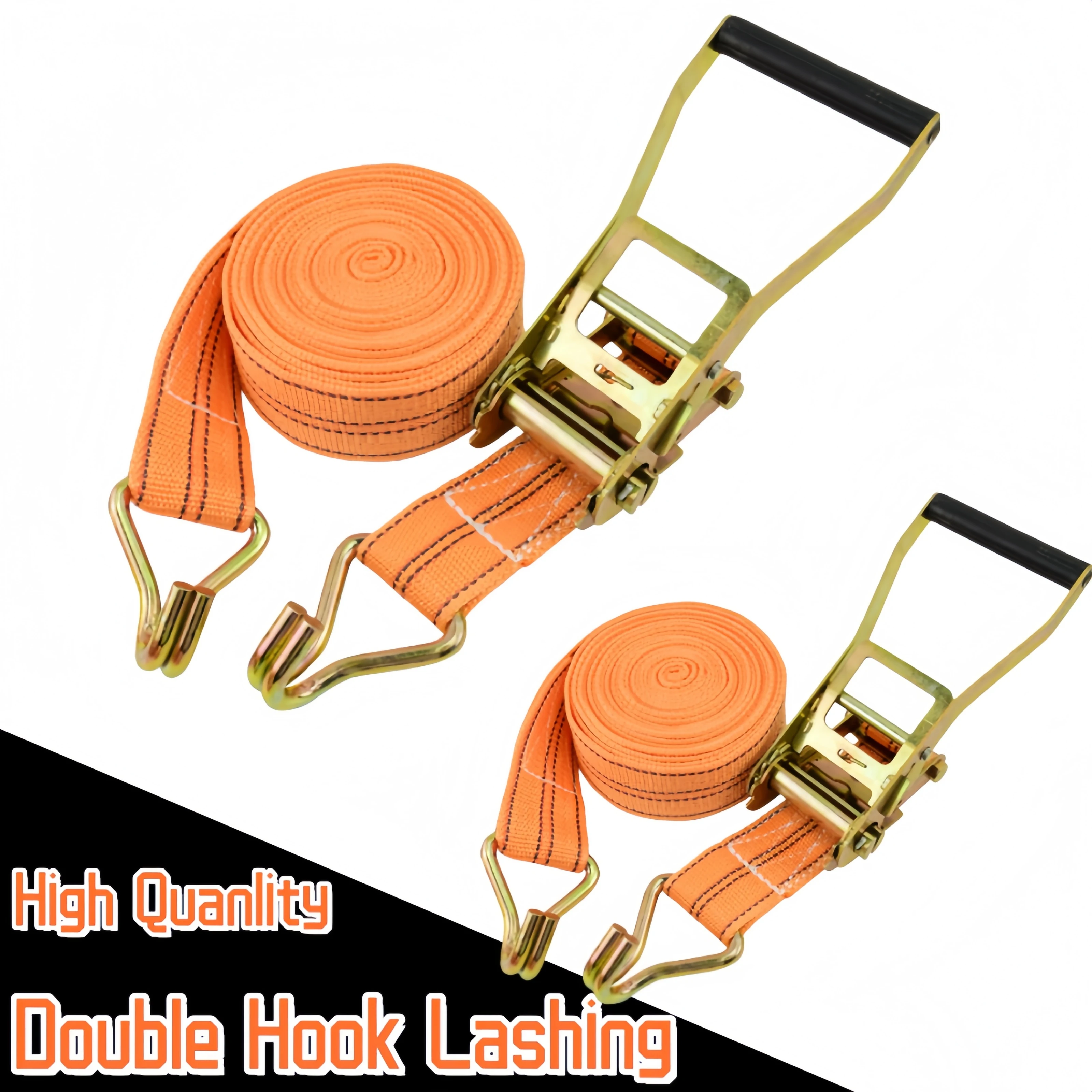
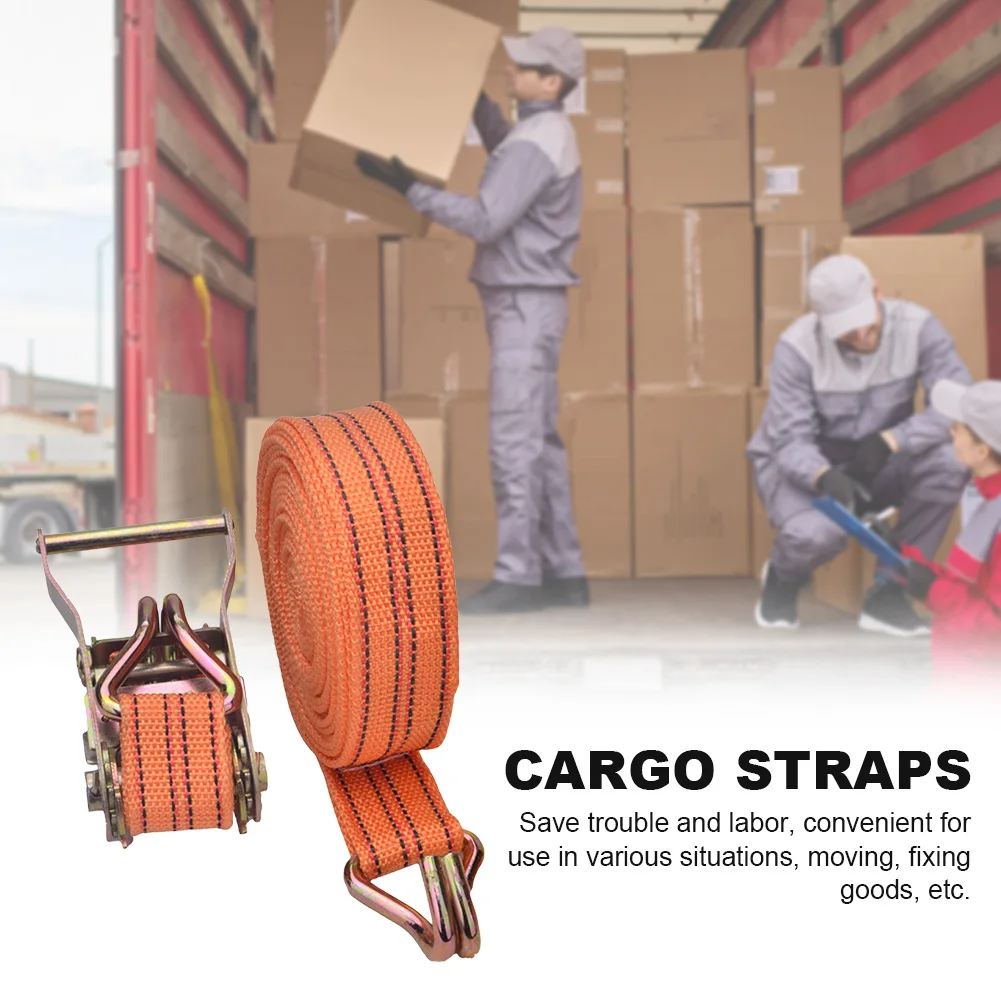
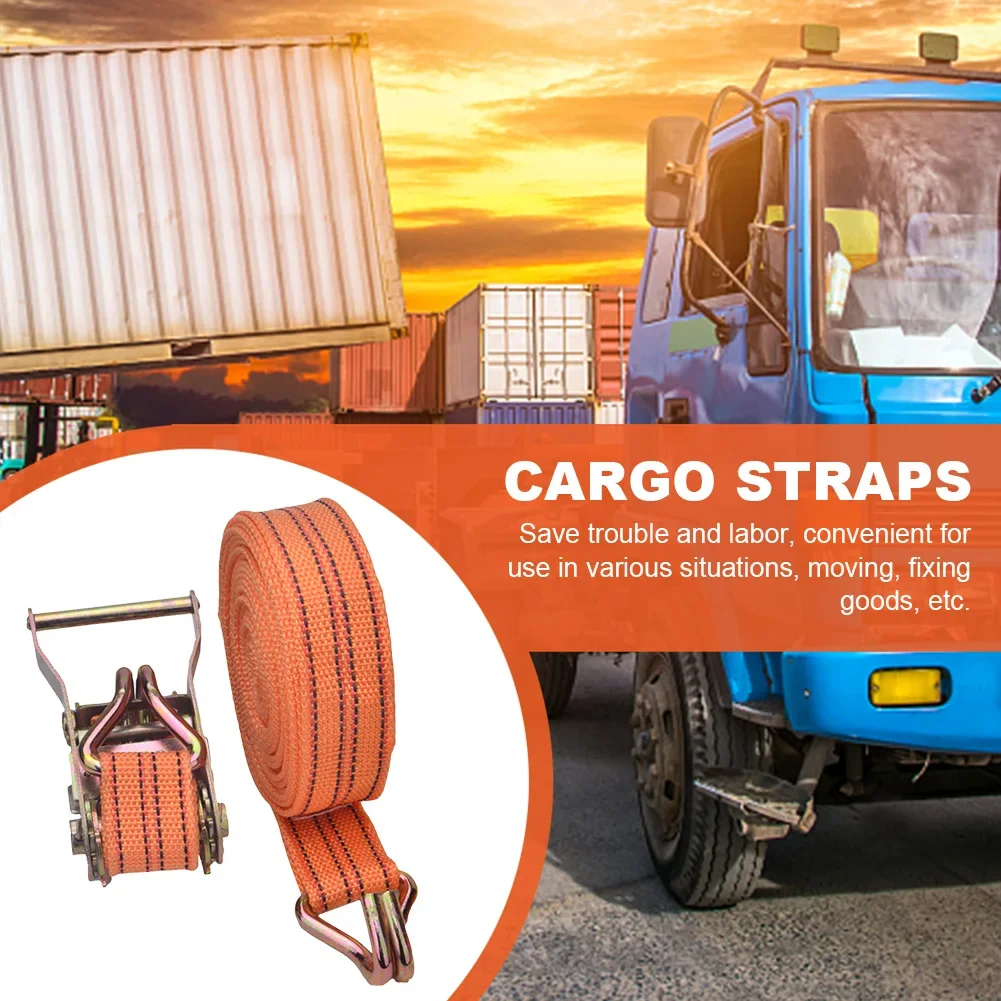
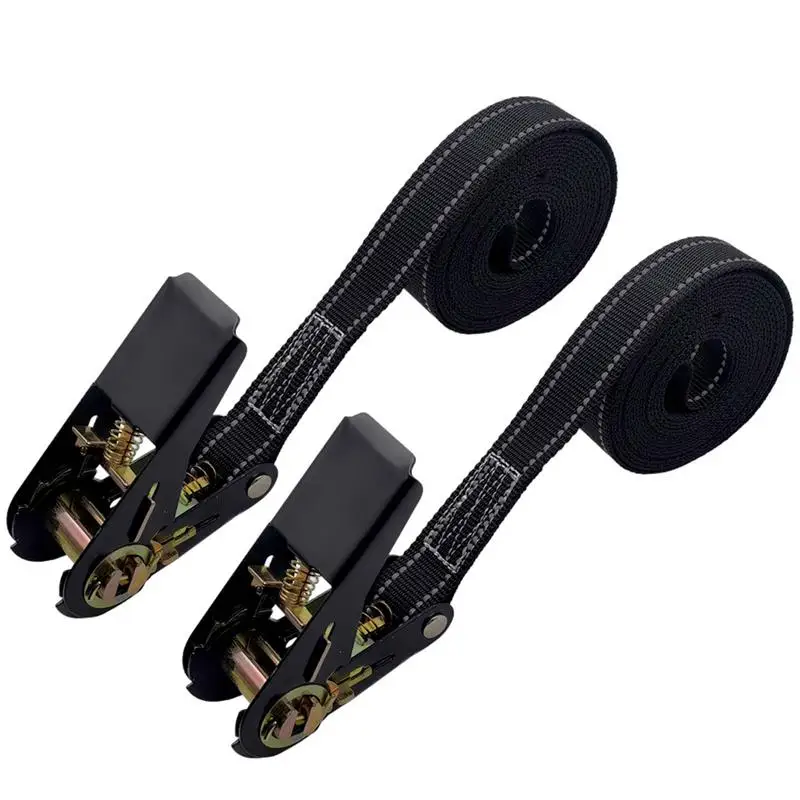
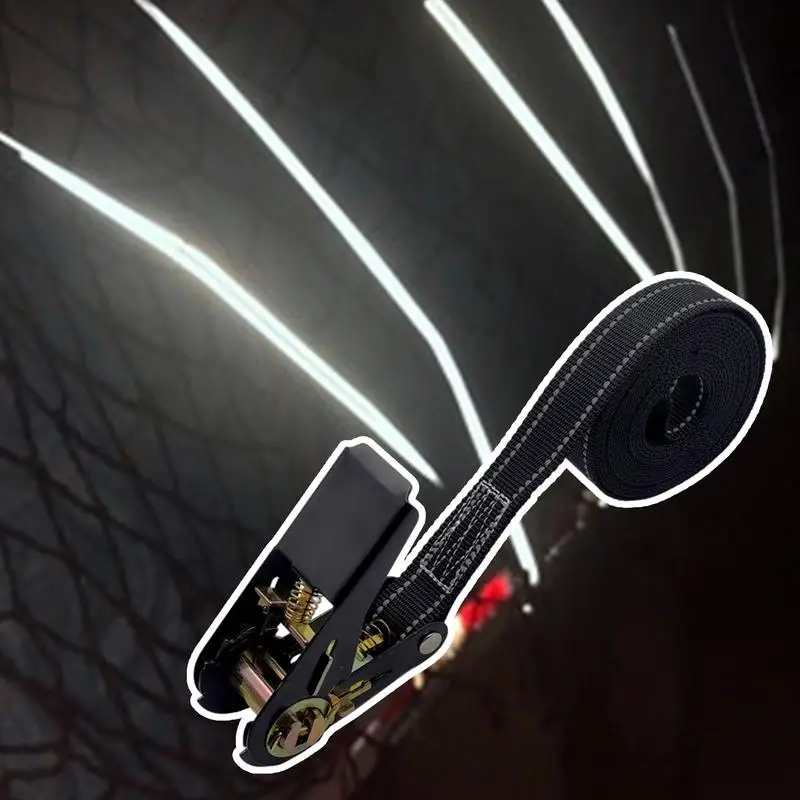
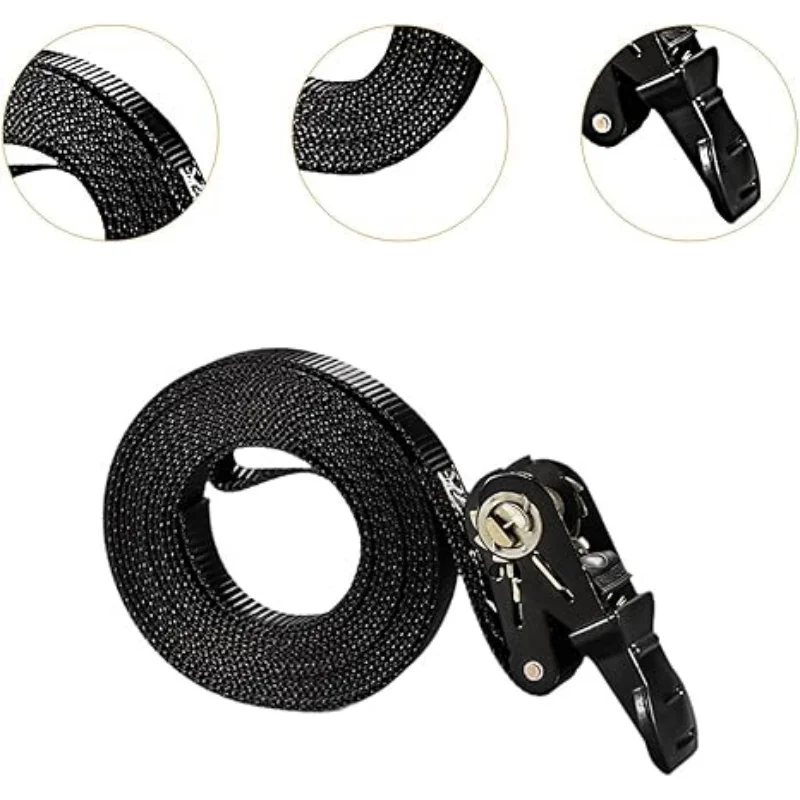
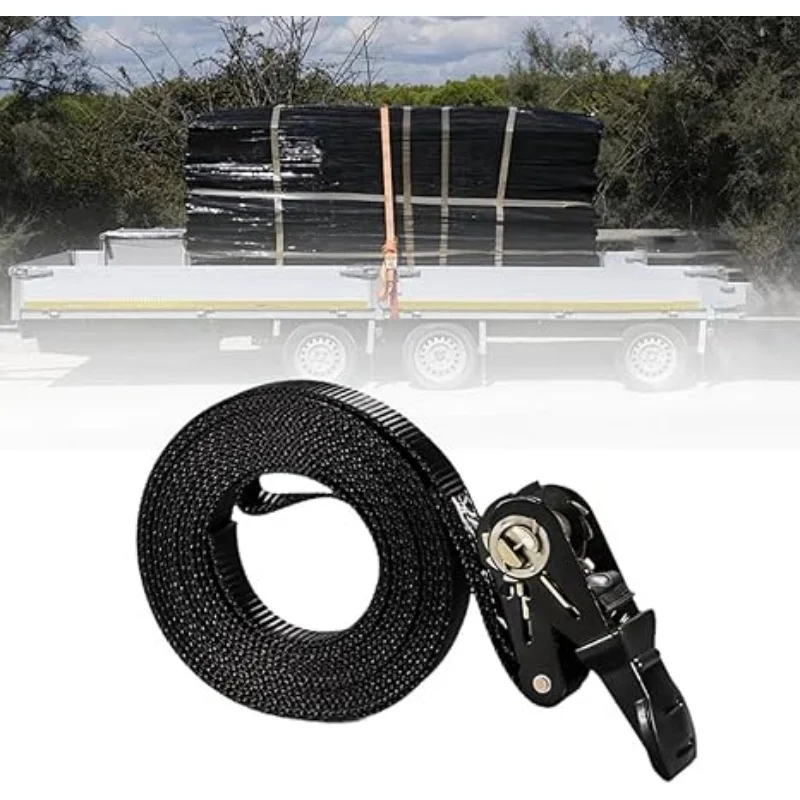
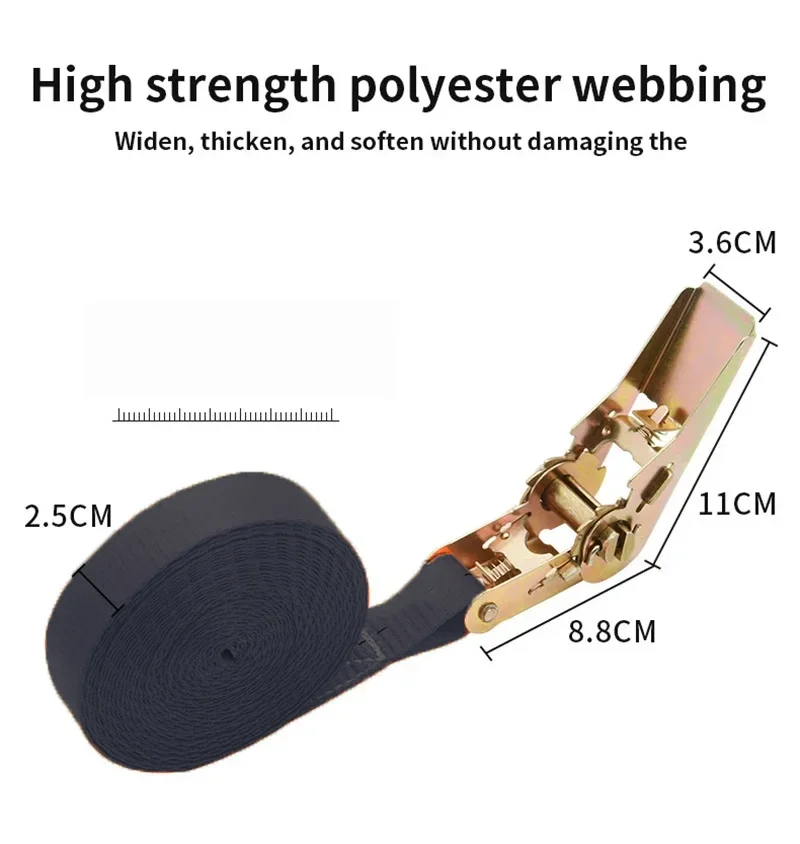
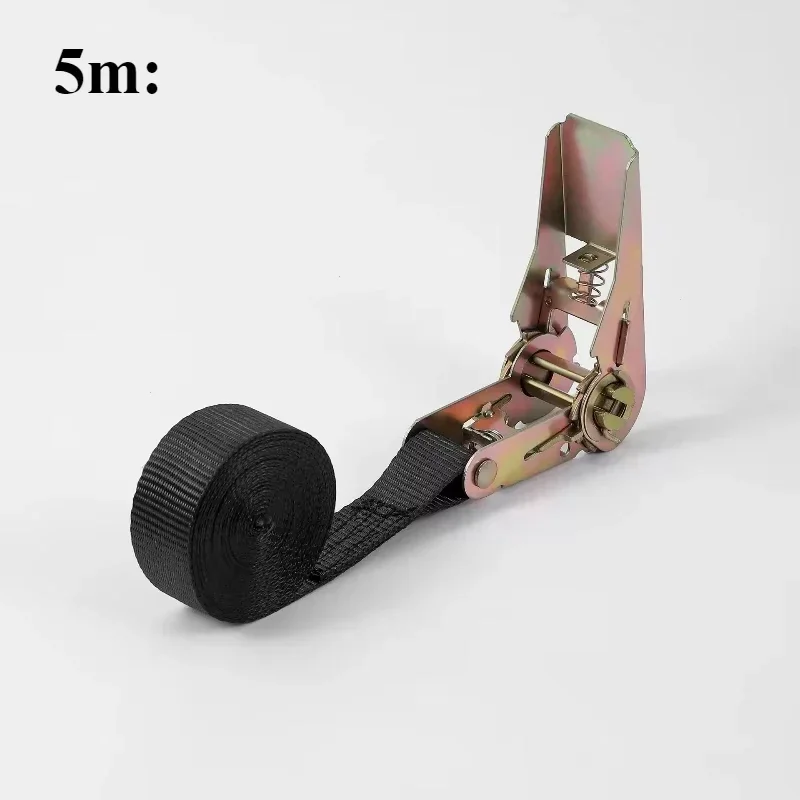
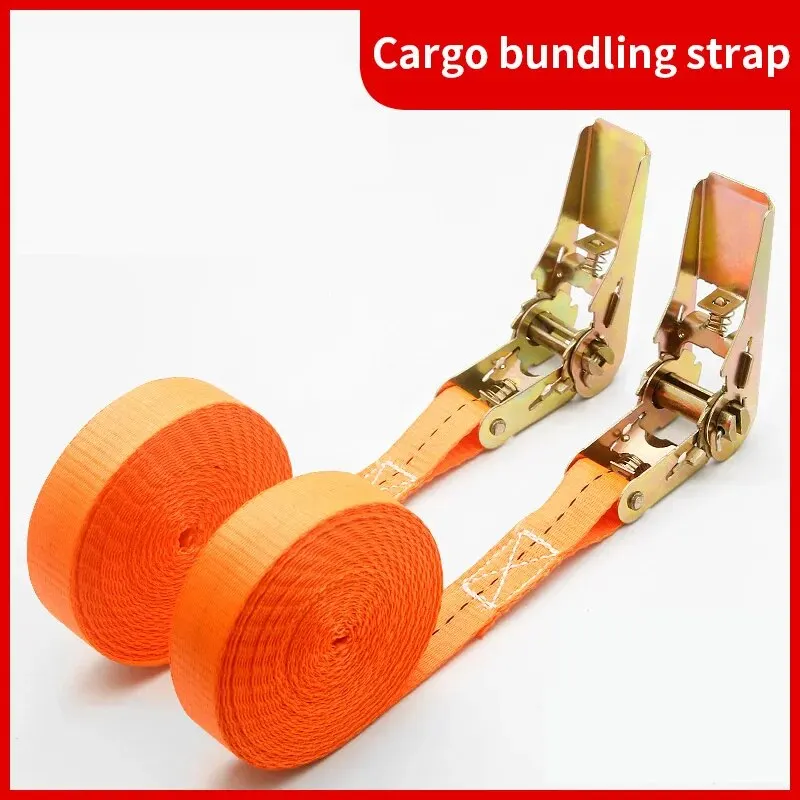
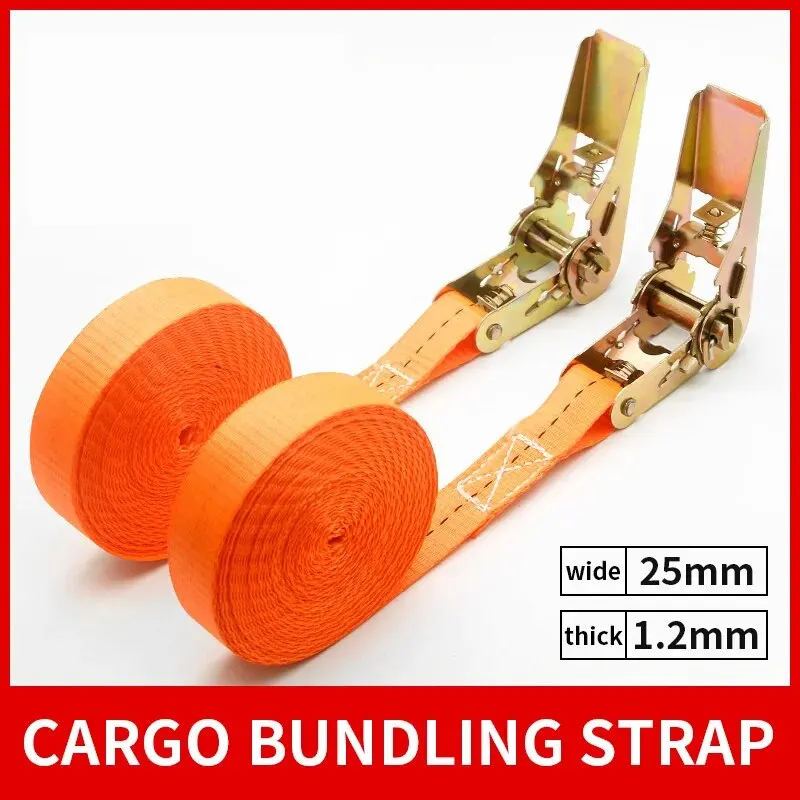
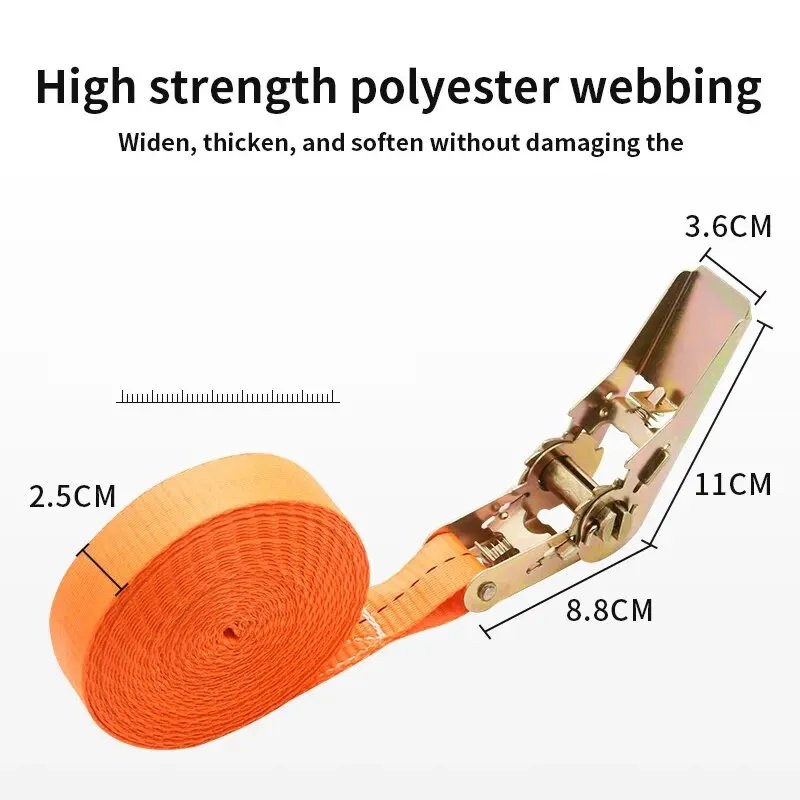
- Ratchet straps in polyester webbing with a metal ratchet, in short lengths for a boot and longer ones for a van or trailer, sold singly or in packs, with double hooks or S hooks.
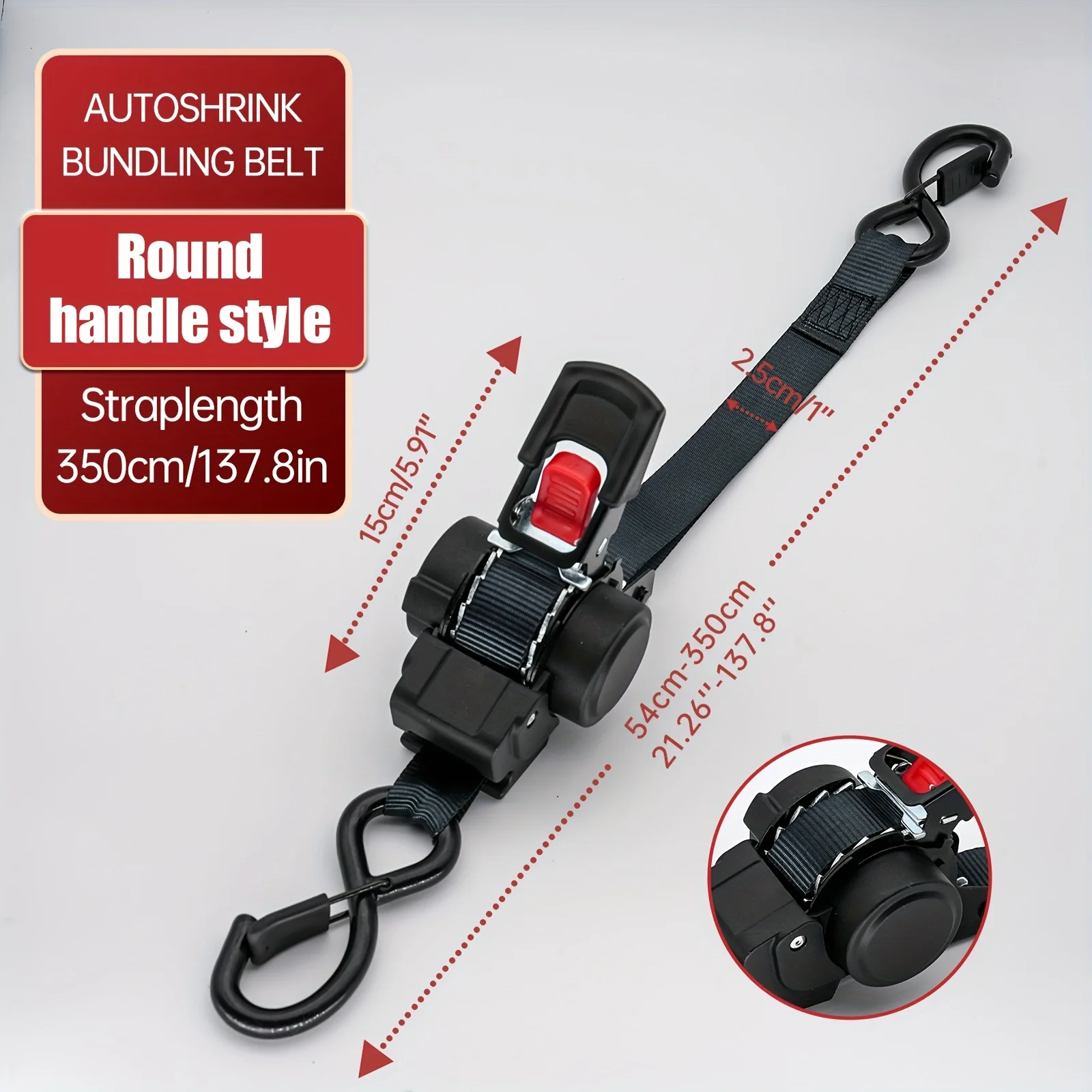
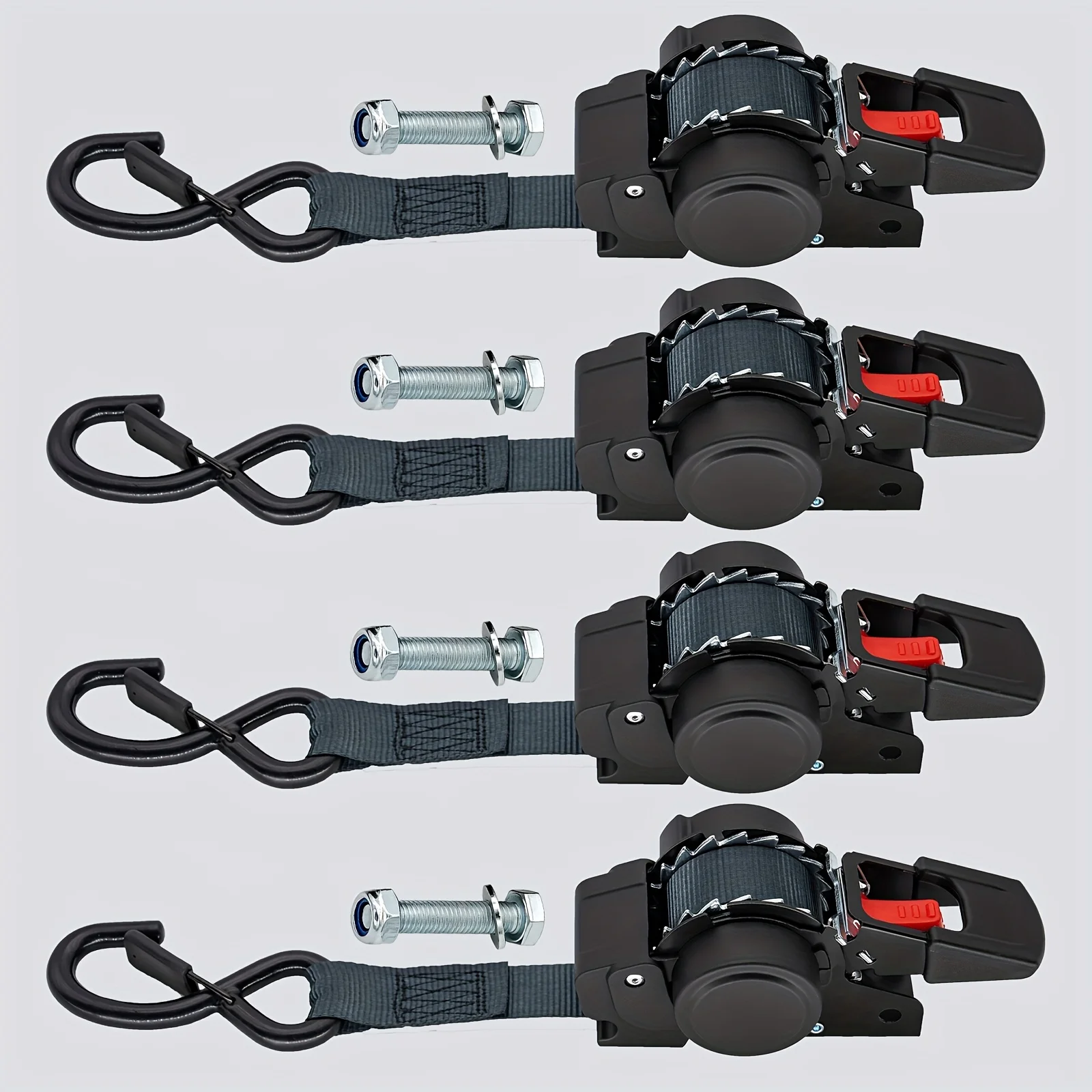
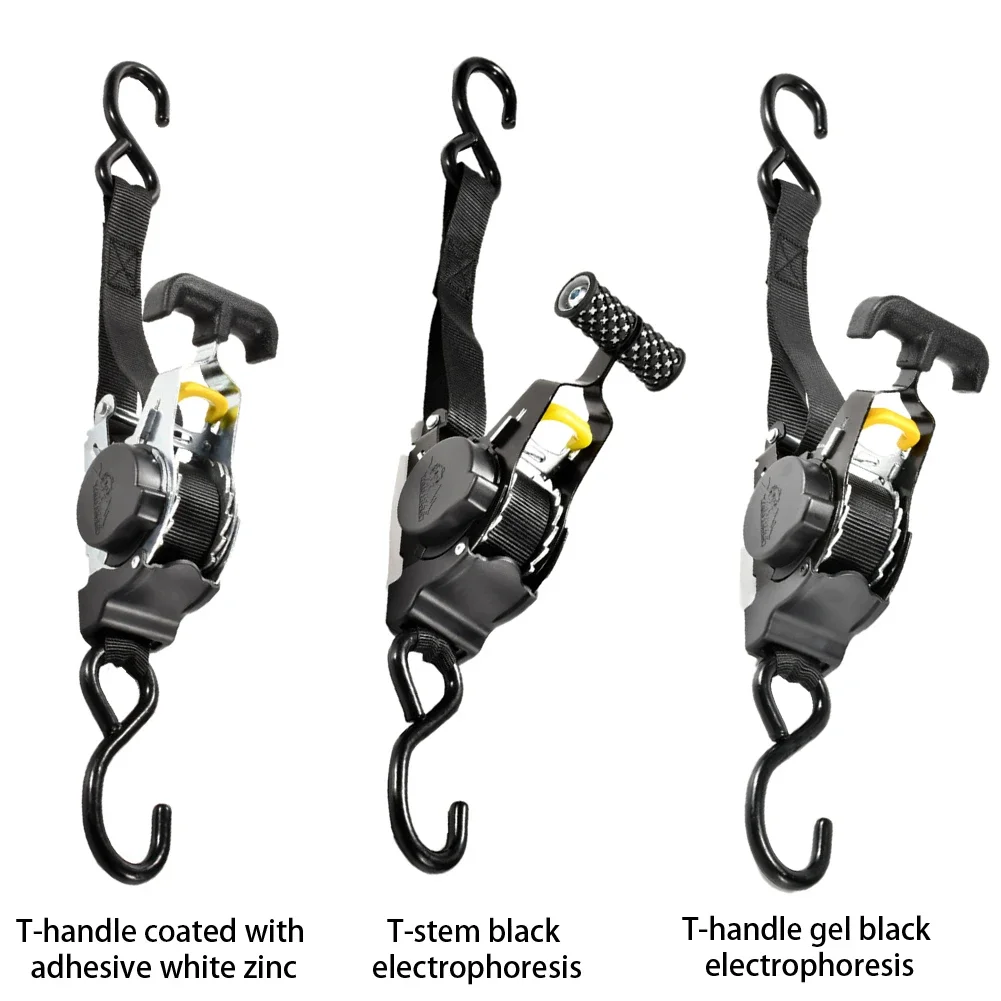
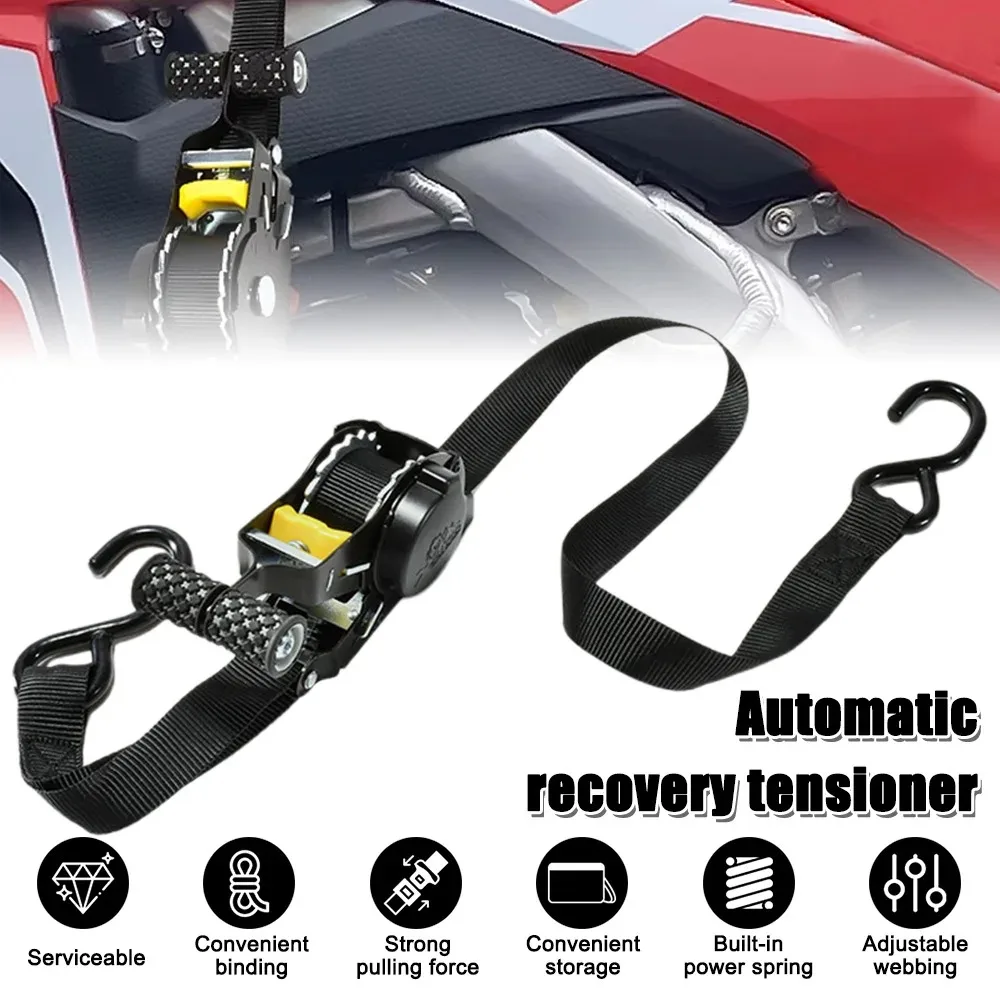
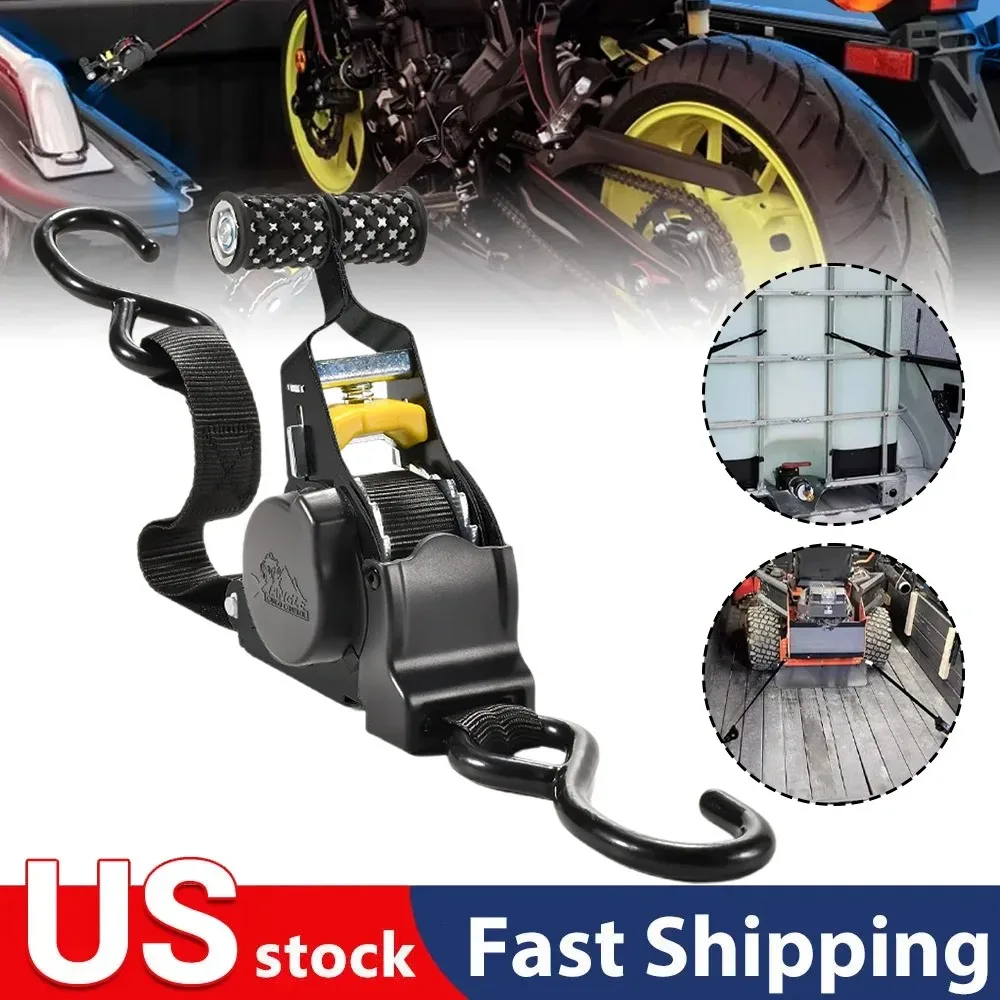
- Self-retracting straps that wind the spare webbing back into the case, so there is no loose tail to tidy.
- Axle straps for tying down a motorcycle, machinery or trailer cargo by its frame, in two sizes.
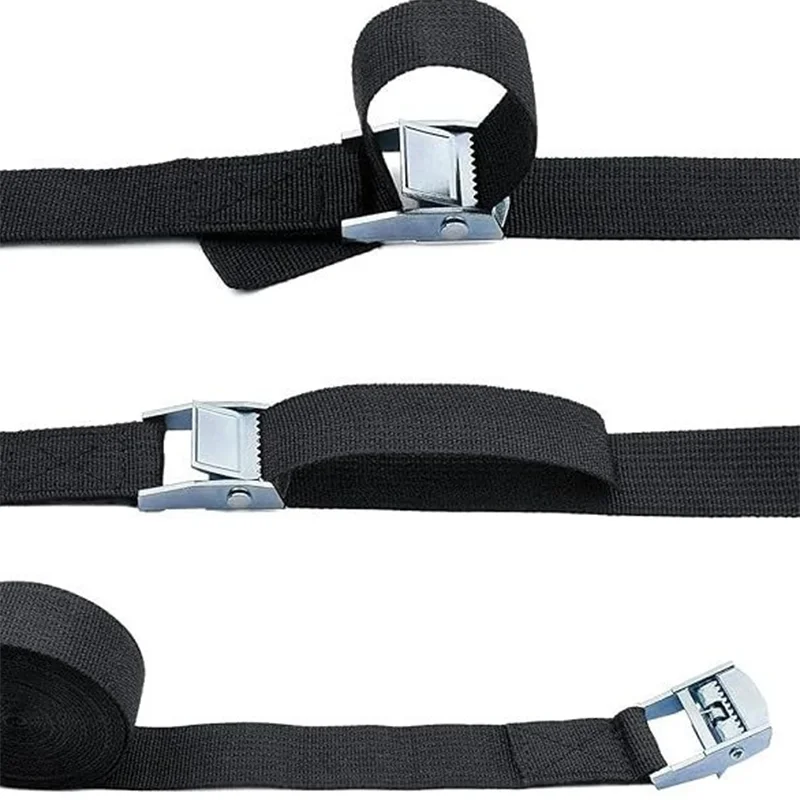
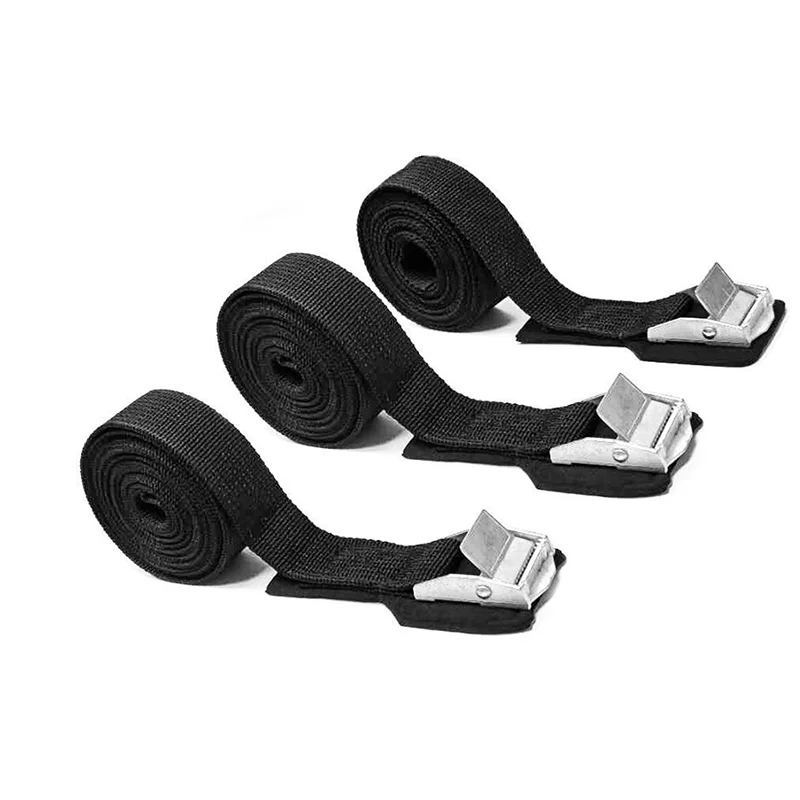
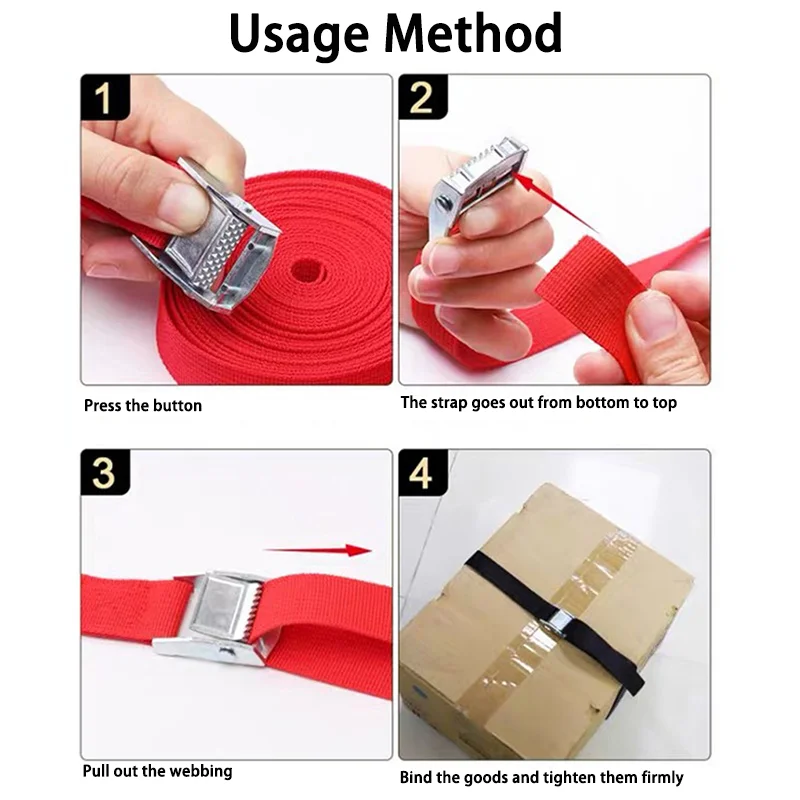
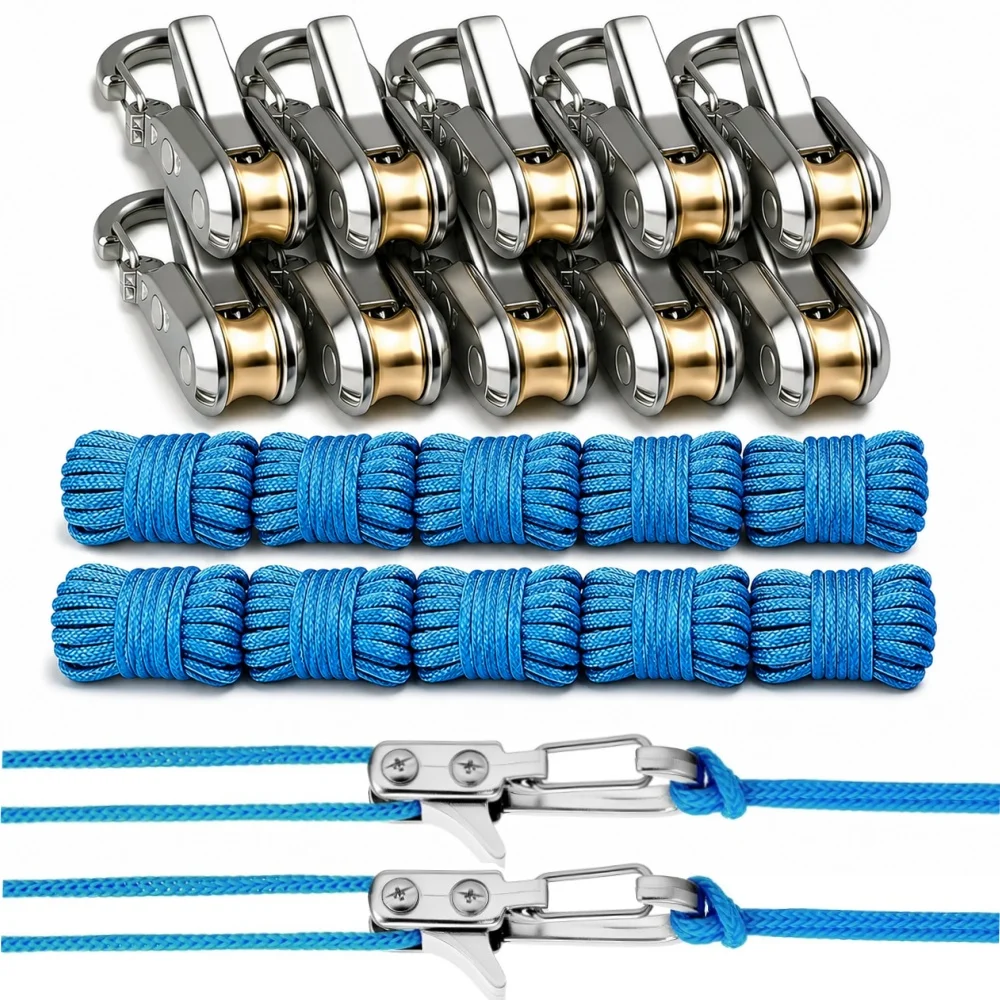
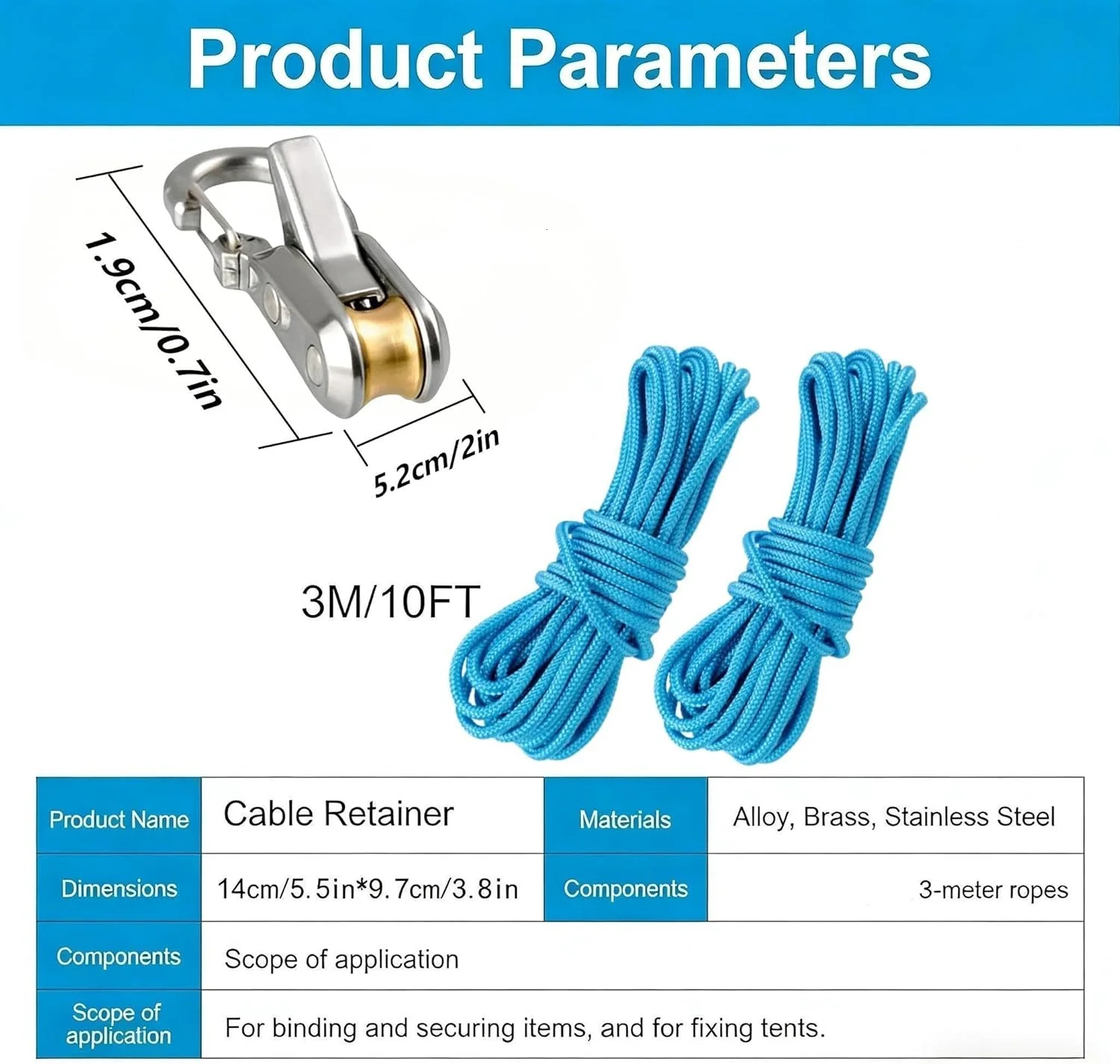
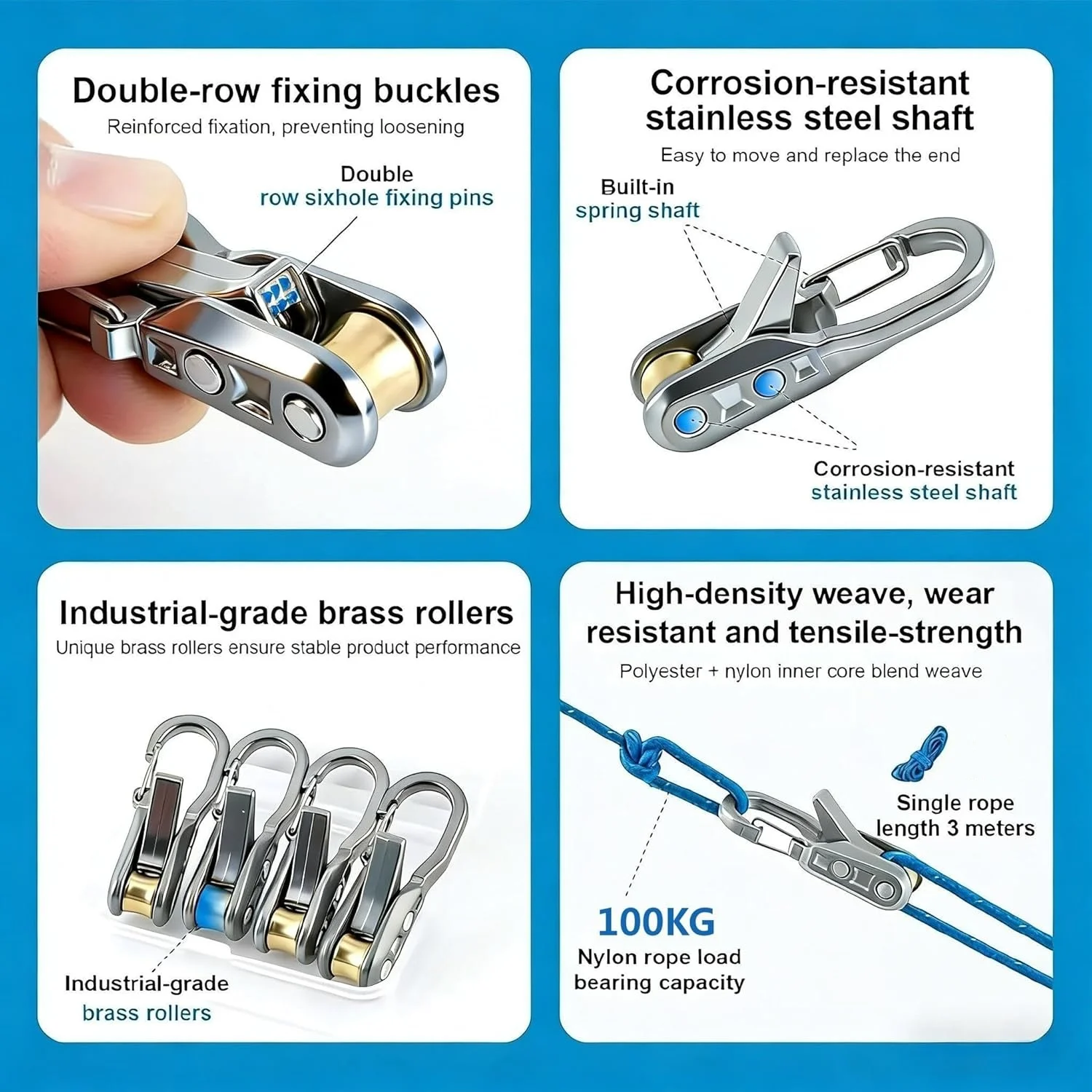
- A cam buckle tie-down that retracts and locks without knots, for tents, light gear and storage.
How to choose
The length. Measure over the load from one anchor point to the other, with a little to spare for the ratchet. The label. The Driver and Vehicle Standards Agency's guidance says a strap's label gives its lashing capacity, marked LC, and its standard tension force, marked STF, both in daN. A strap with no label is a strap you know nothing about, so match the strap to the load before you rely on it. The ends. The hooks must suit the anchor points in your vehicle, and the guidance says sheeting and rope hooks must not be used as anchors for straps. Ratchet or cam buckle. For light boxes, a cam buckle is quicker and less likely to crush them; for heavy loads, a ratchet.
Questions people ask about ratchet straps
How do I use one?
Put the load against the bulkhead in a van, or against the back seats in a car, with heavy things low. Hook each end to a proper anchor point, one strap to each point. Lay the webbing flat with no twists, protect any sharp edge, pull the slack through, work the ratchet until the load does not move, then close the handle so it locks. Never tie a knot in a strap under tension.
Can I use rope or bungee cords?
The DVSA's guidance says rope is not suitable for securing a load for the journey, and that rope and bungee cords are not effective on a roof rack. Check the load on the way too: if it shifts, stop somewhere safe and secure it again before you go on. Causing danger by reason of a load is endorsement CU50, three penalty points. The guide securing a load in a car or van has more.
Delivery is included in every price and tracked to your door.
More to look at