Being seen when you have stopped
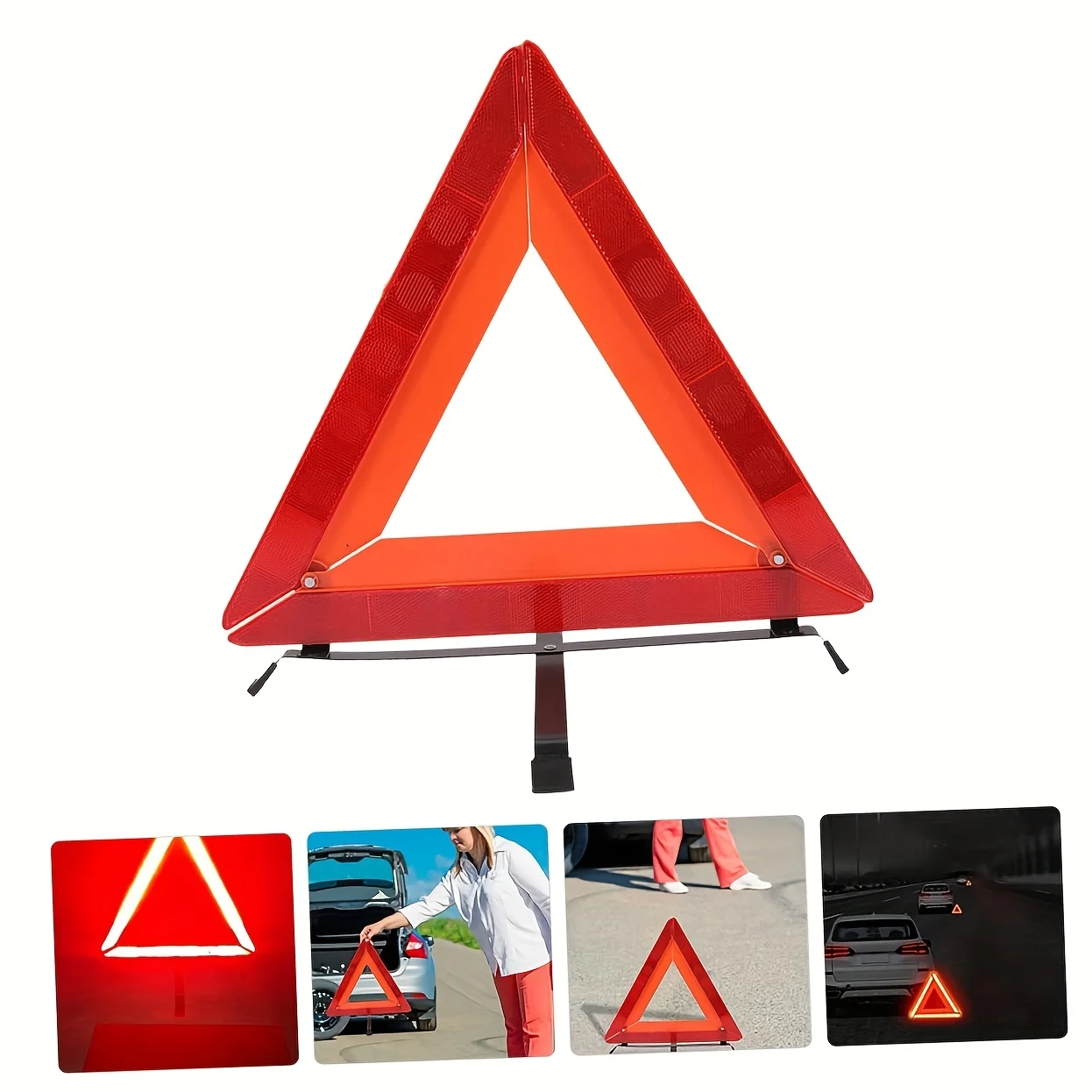
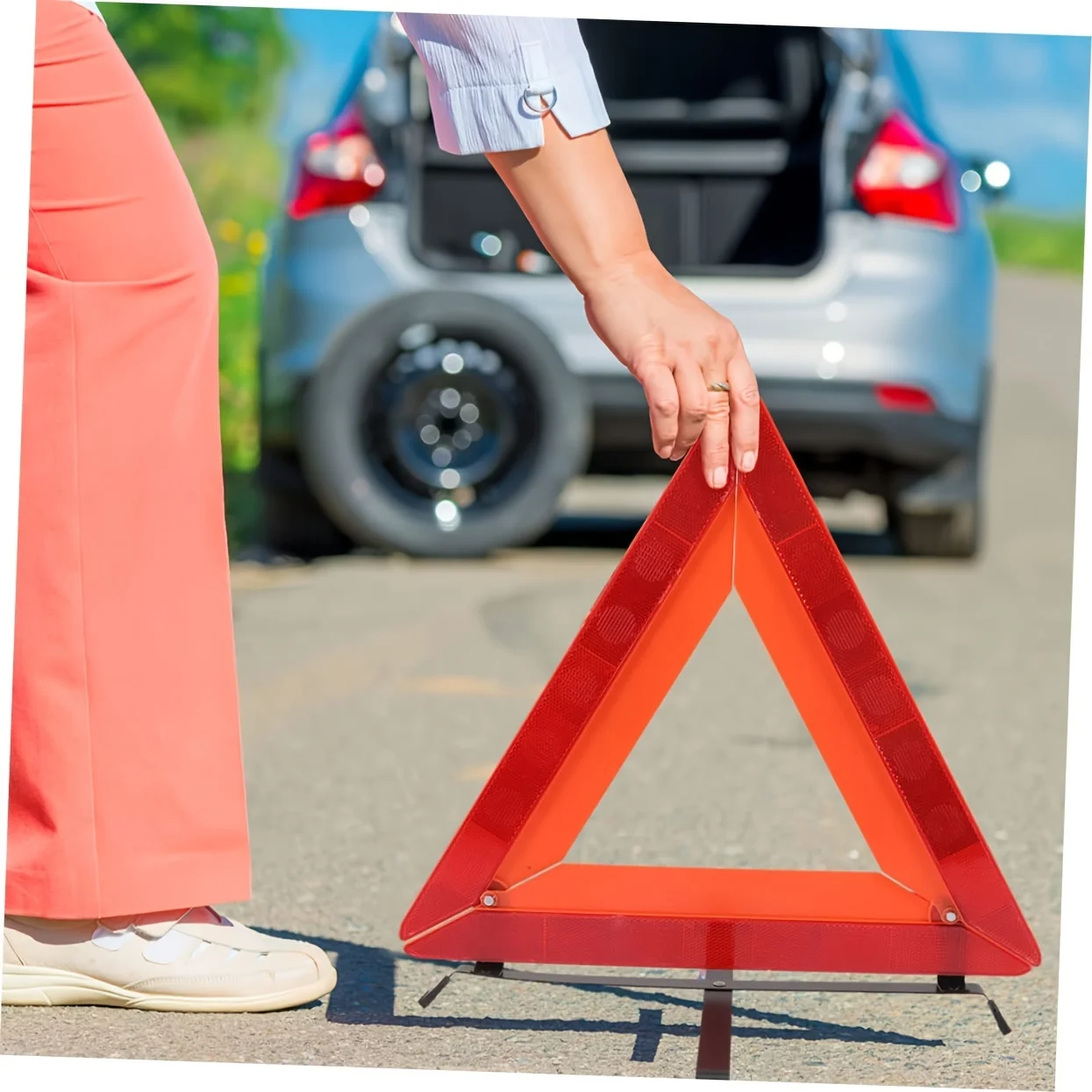
A warning triangle and a hi-vis vest do the same job in two ways: they make a stopped car, and the people beside it, easier for other drivers to see in time. The Highway Code recommends carrying high-visibility clothing for emergency use, and its breakdown rules name both the clothing and the triangle. Both fold small and last for years, so they suit every car and van, and they are among the first things to put in a car that has none.
What you will find here
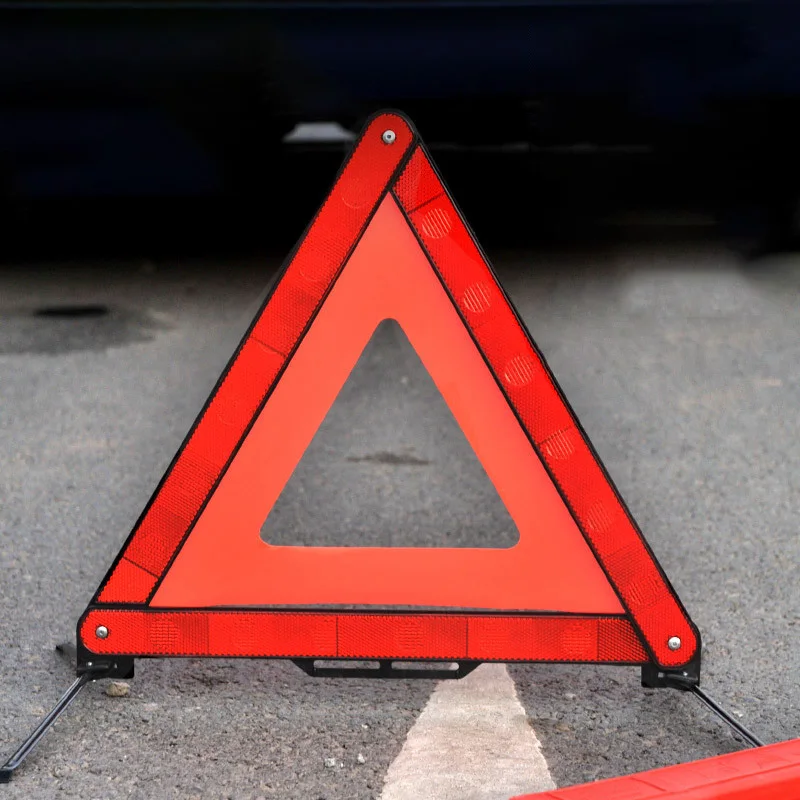
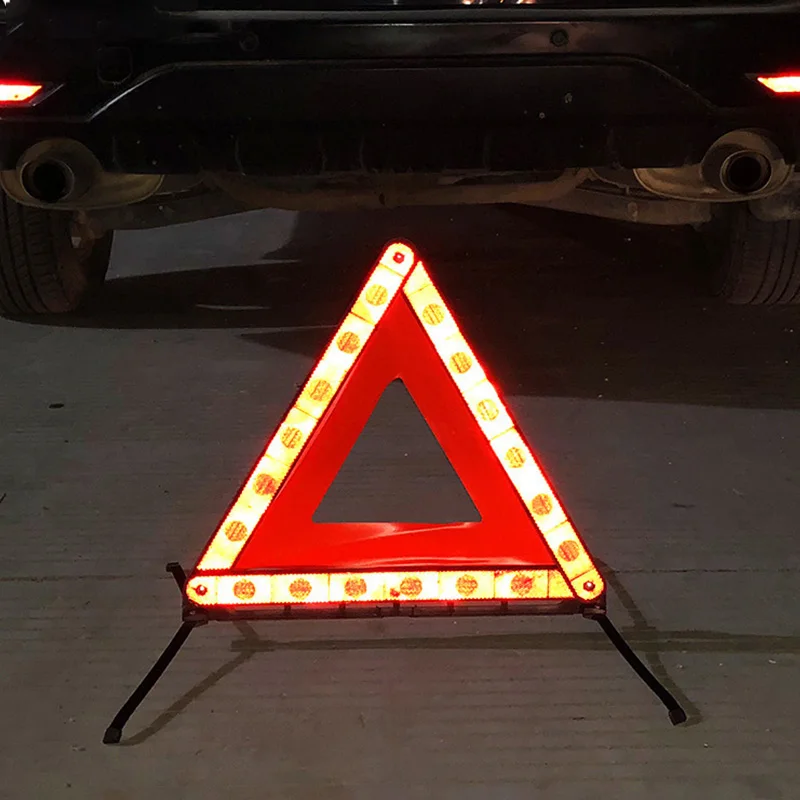
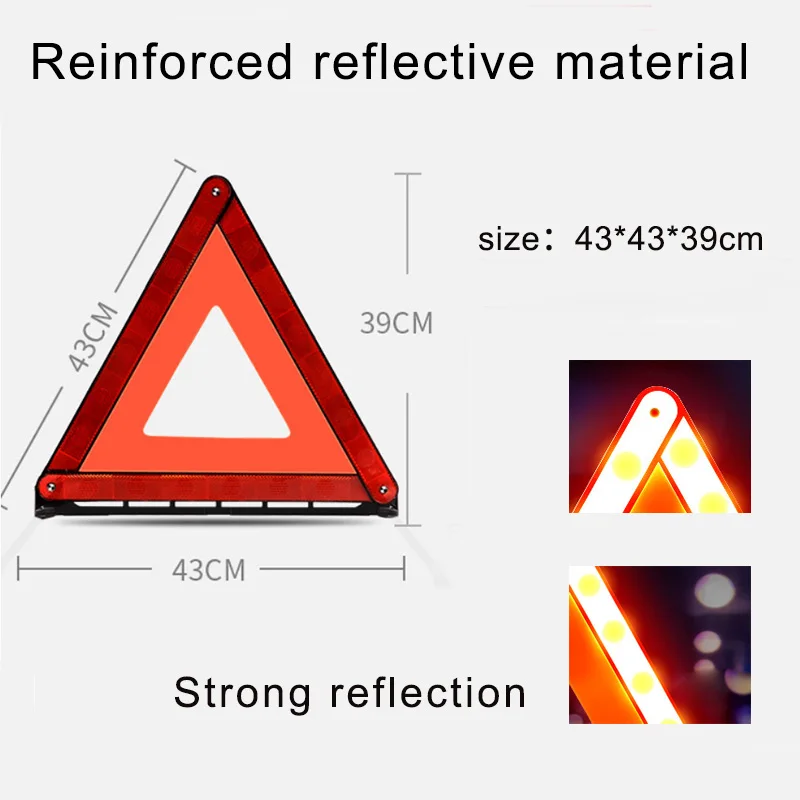
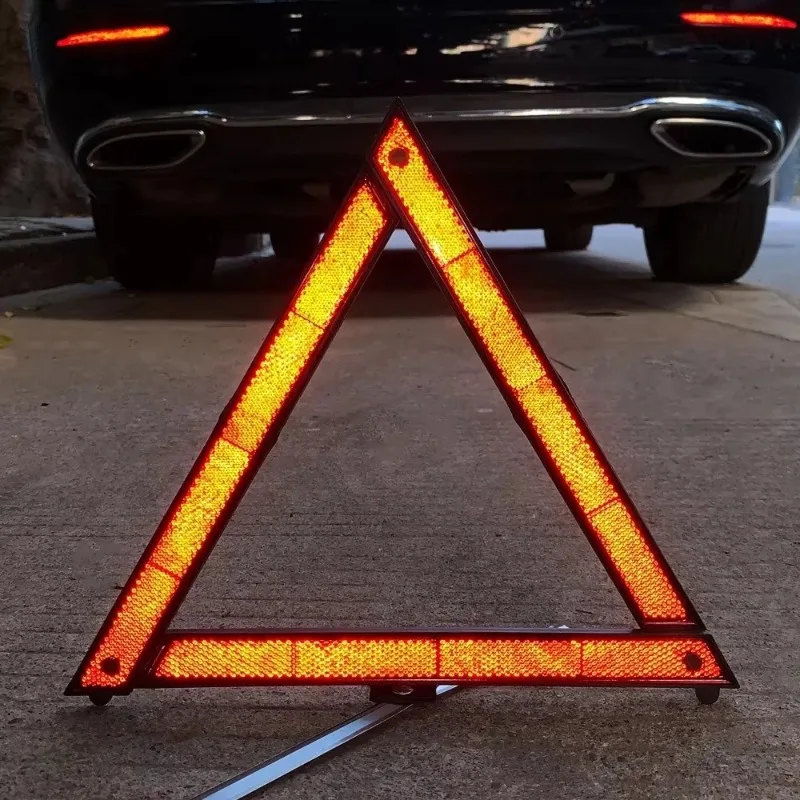
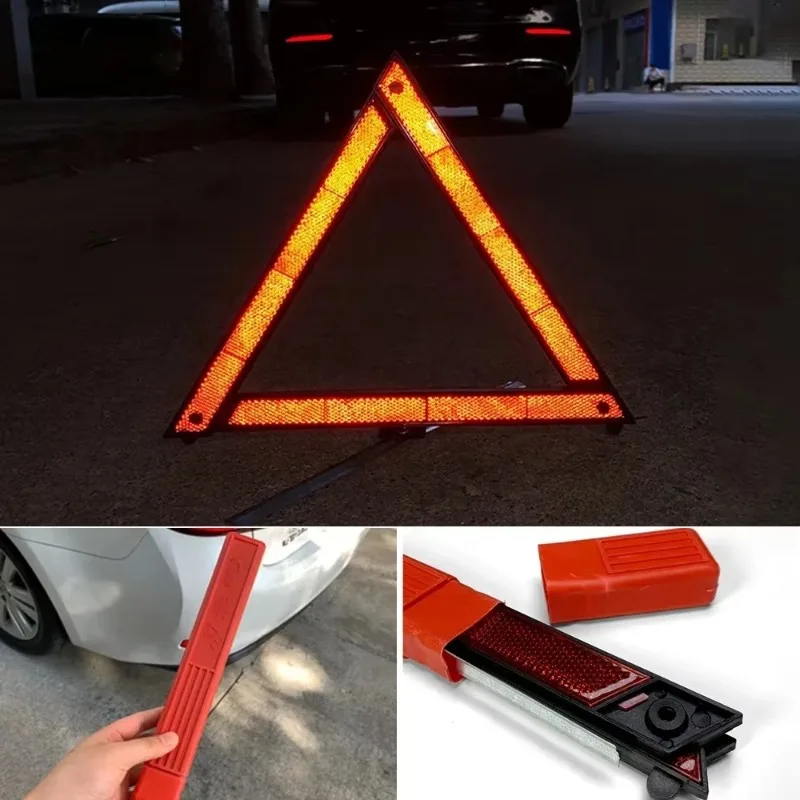
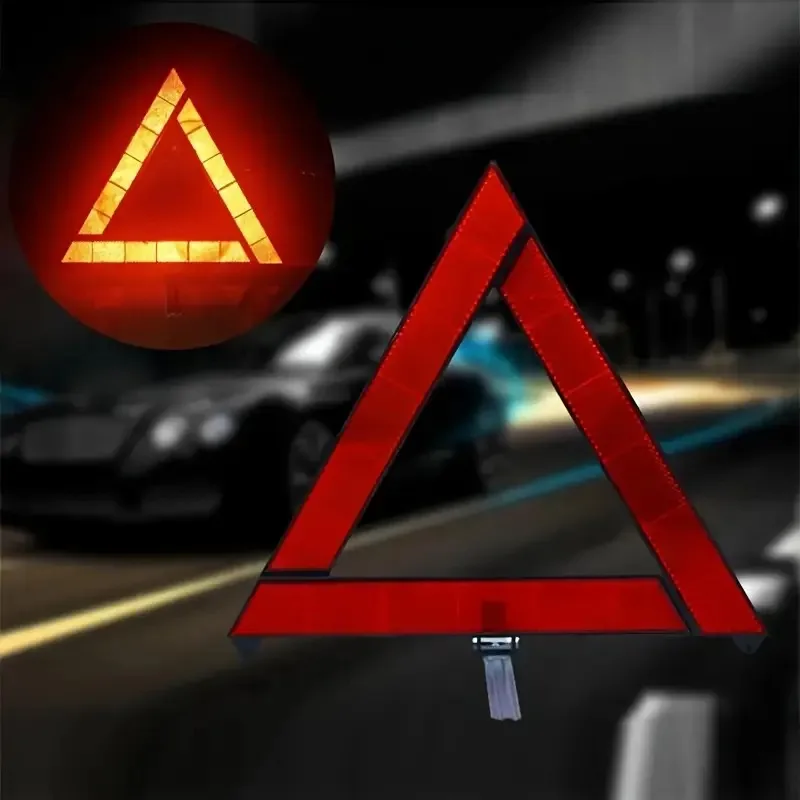
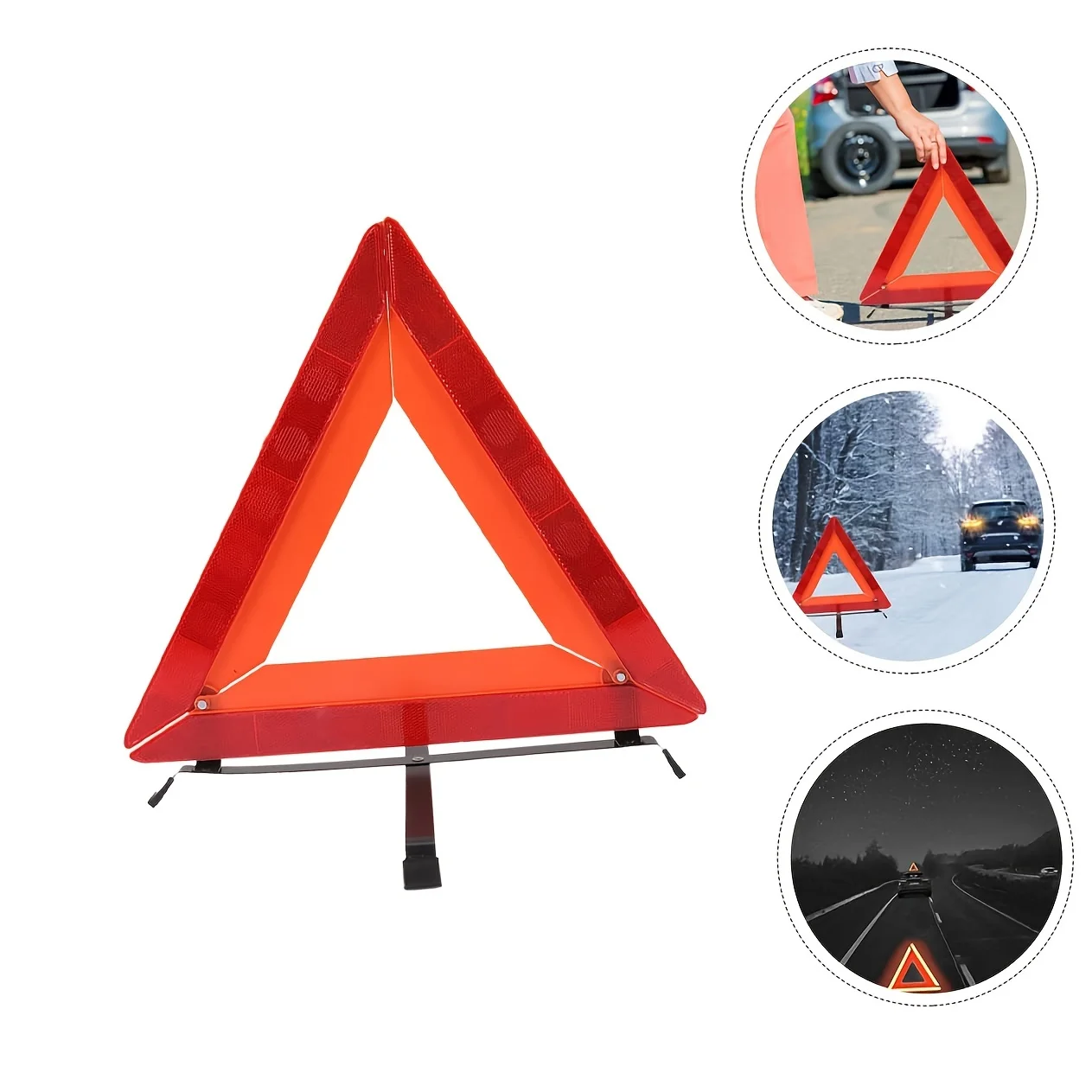
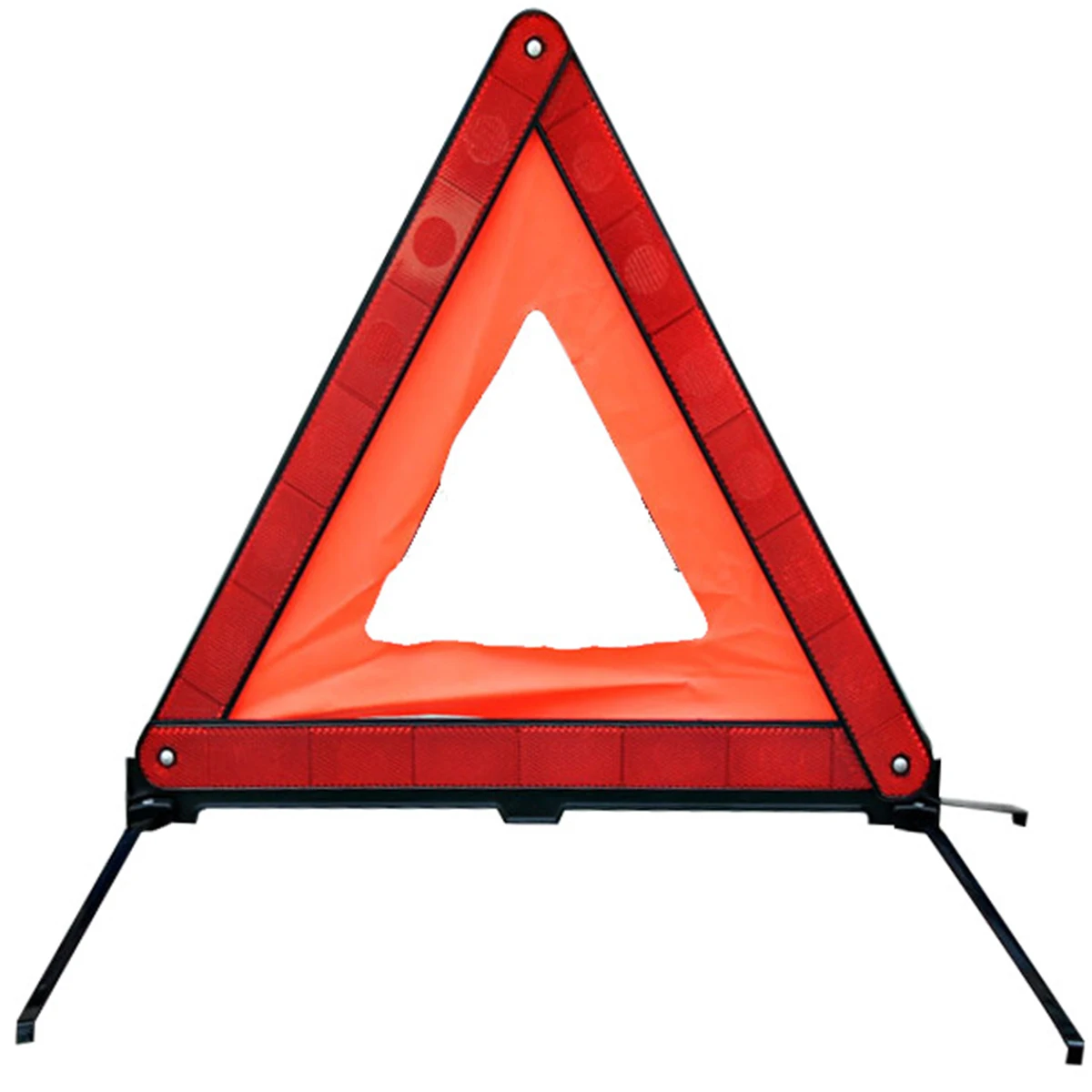
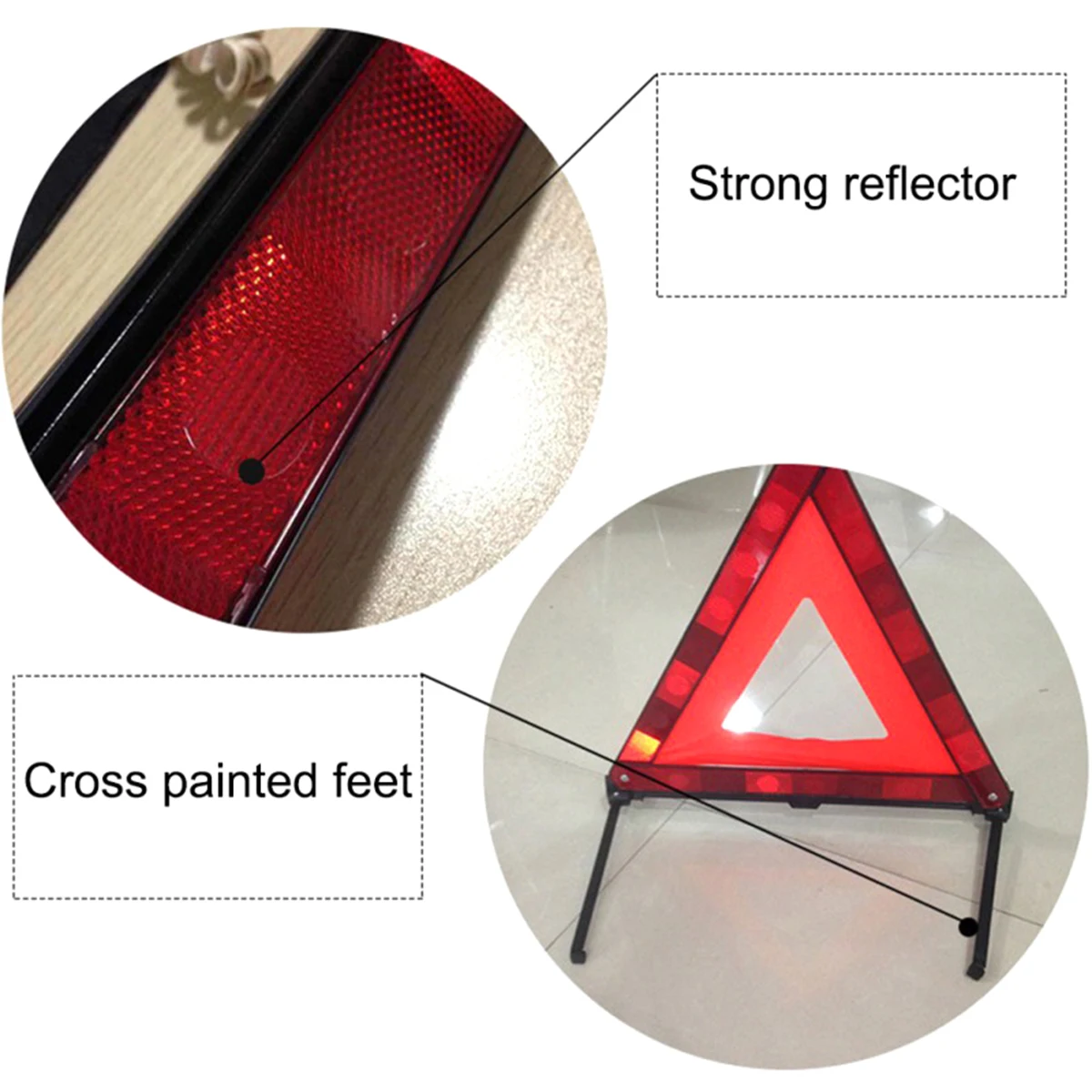
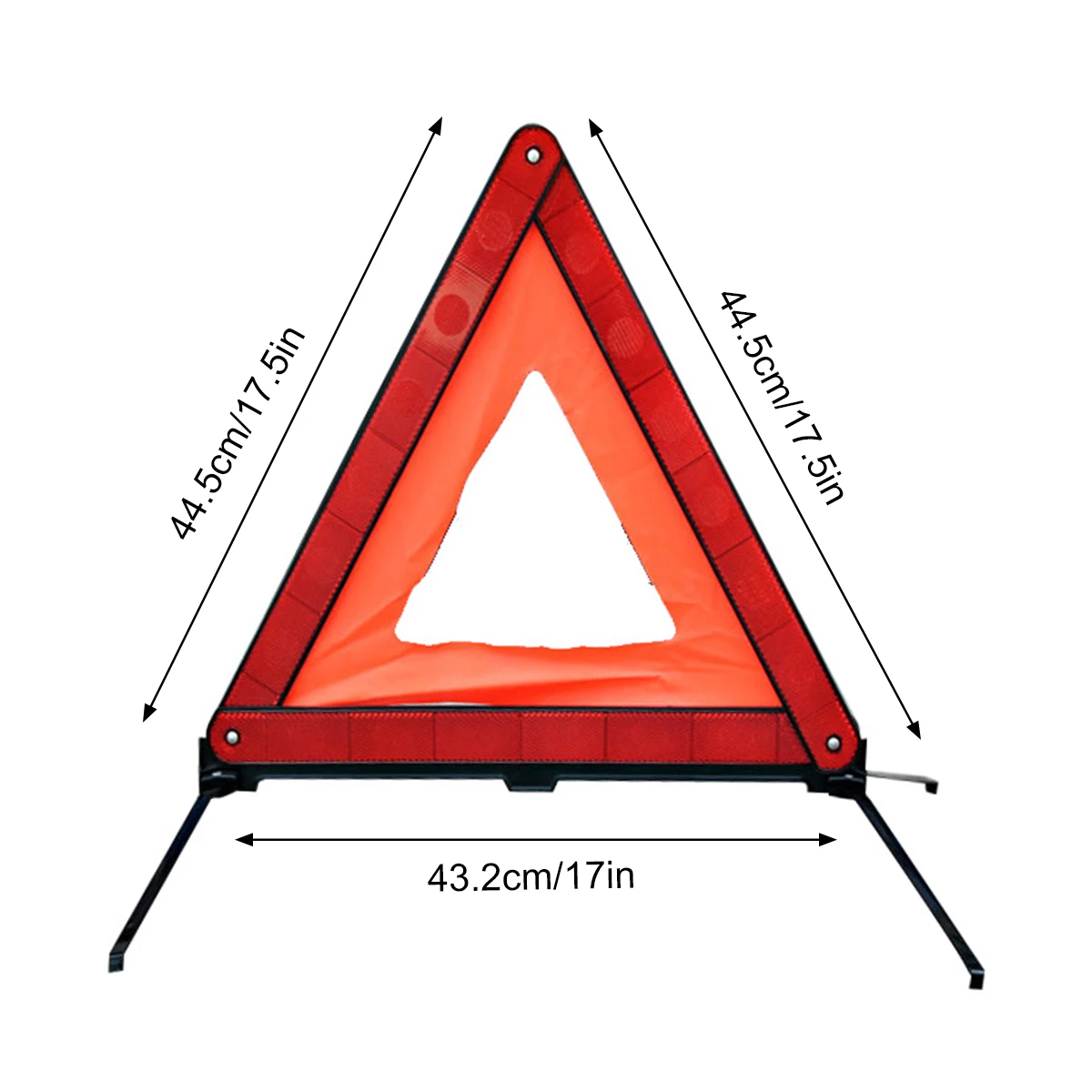
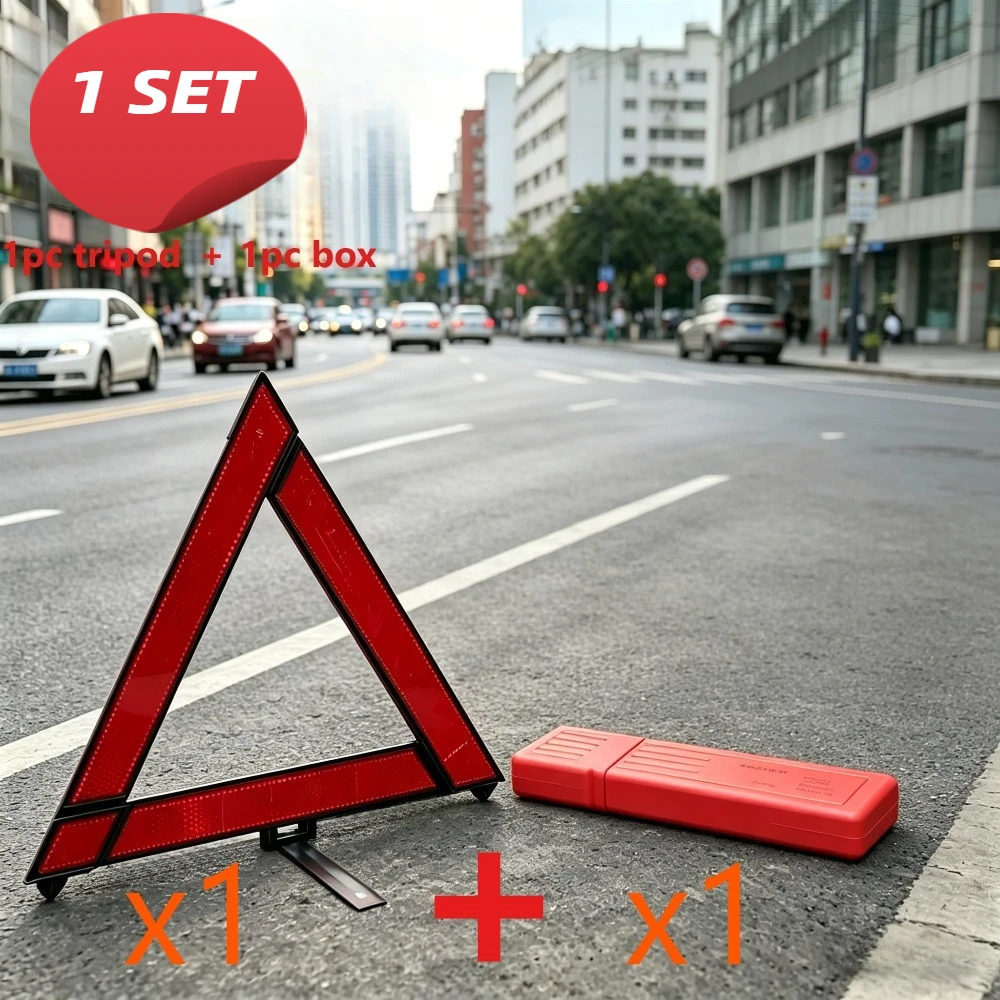
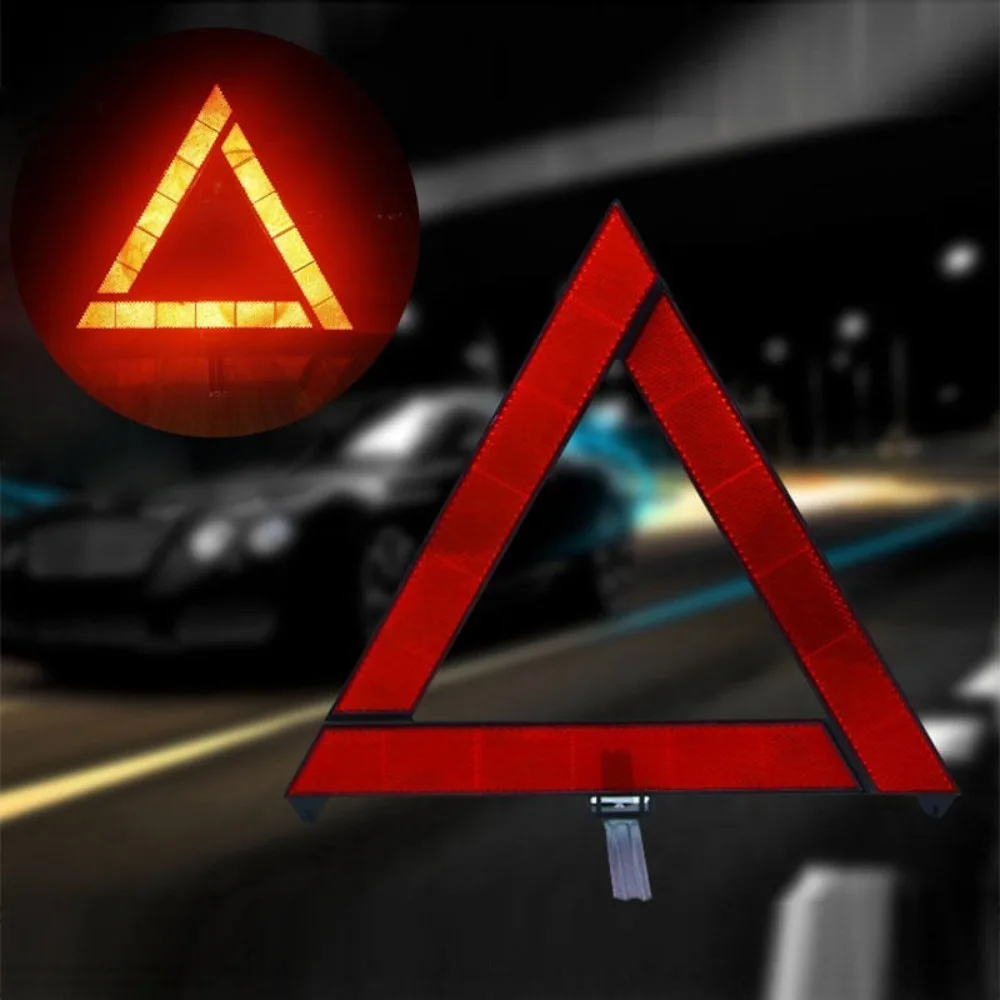
- Folding reflective triangles that open out on tripod legs or metal brackets with rubber feet, some with their own storage box or case, one in three sizes.
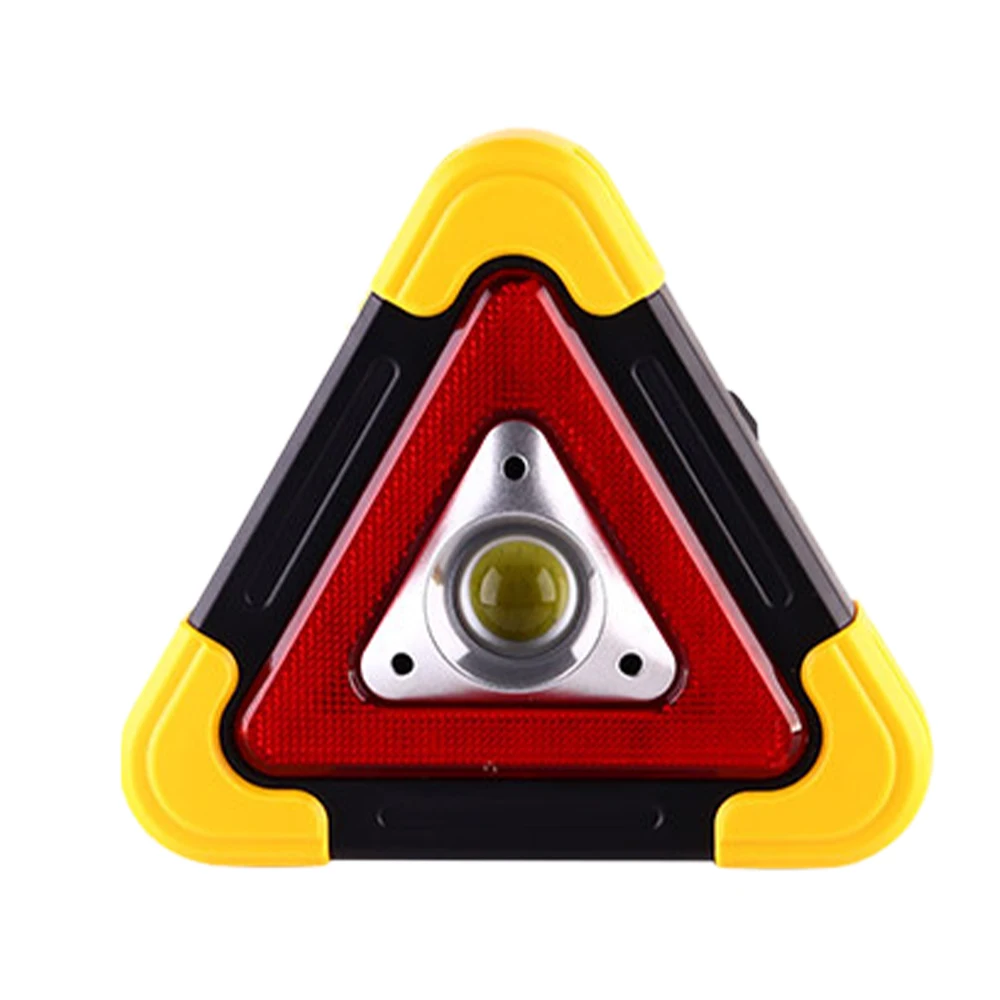
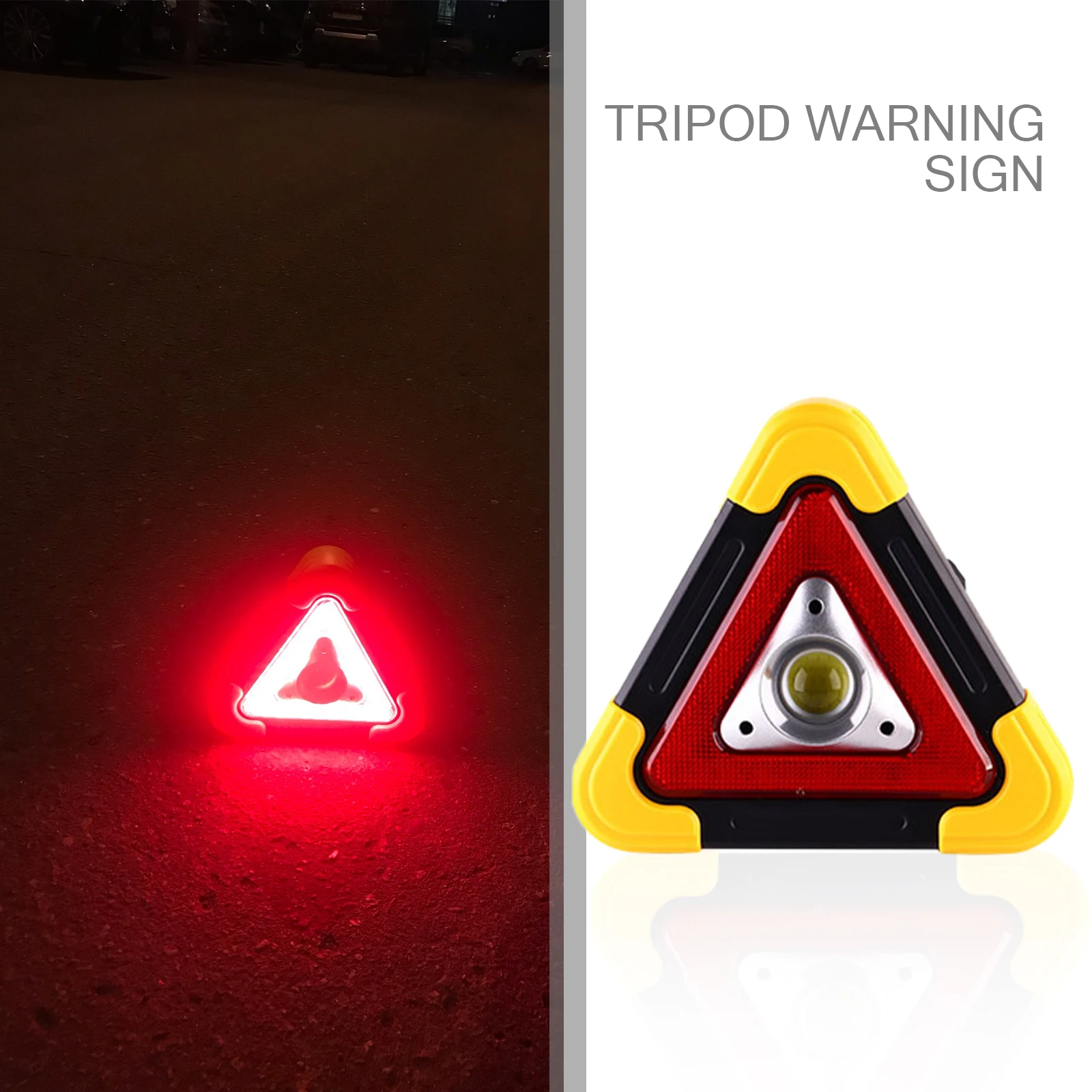
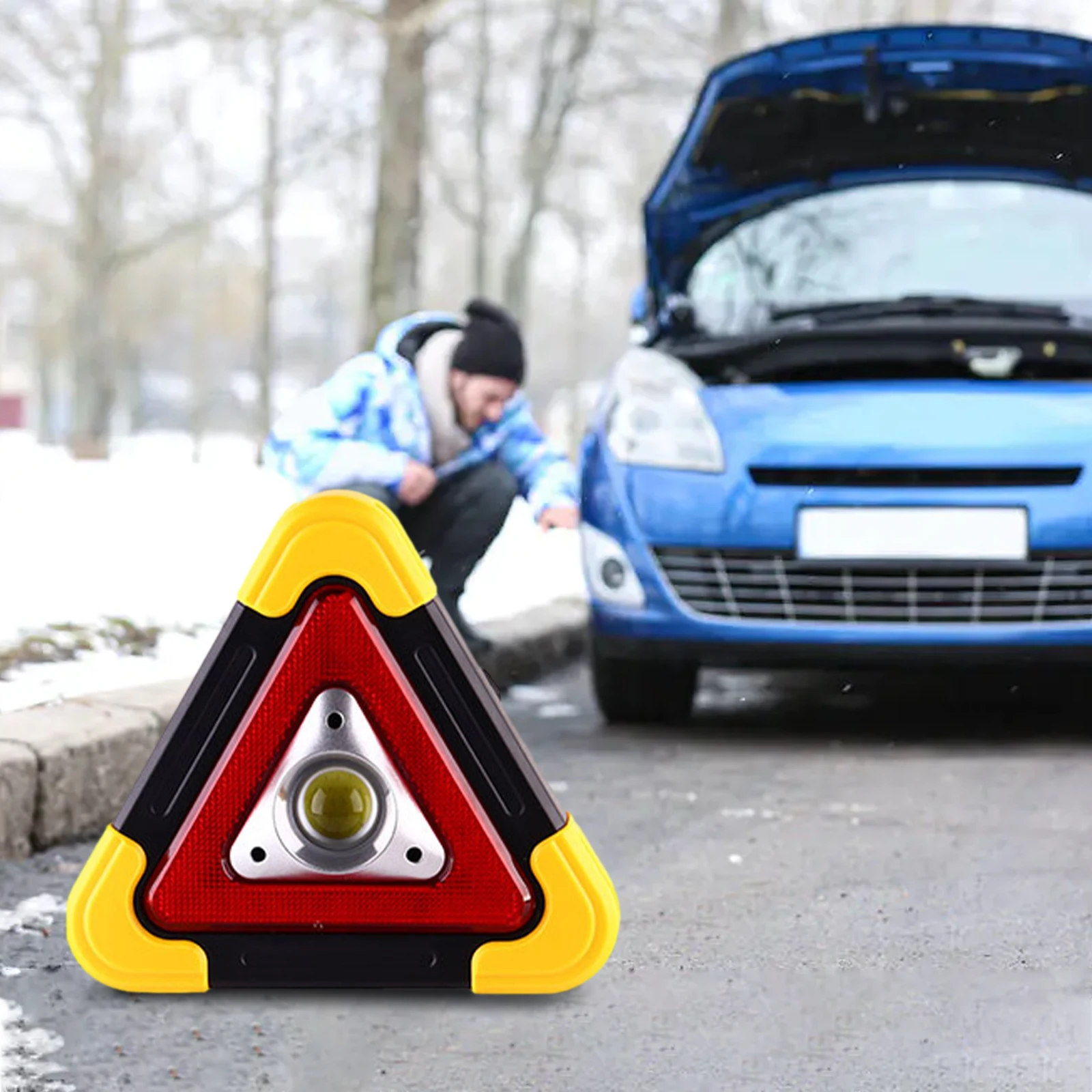
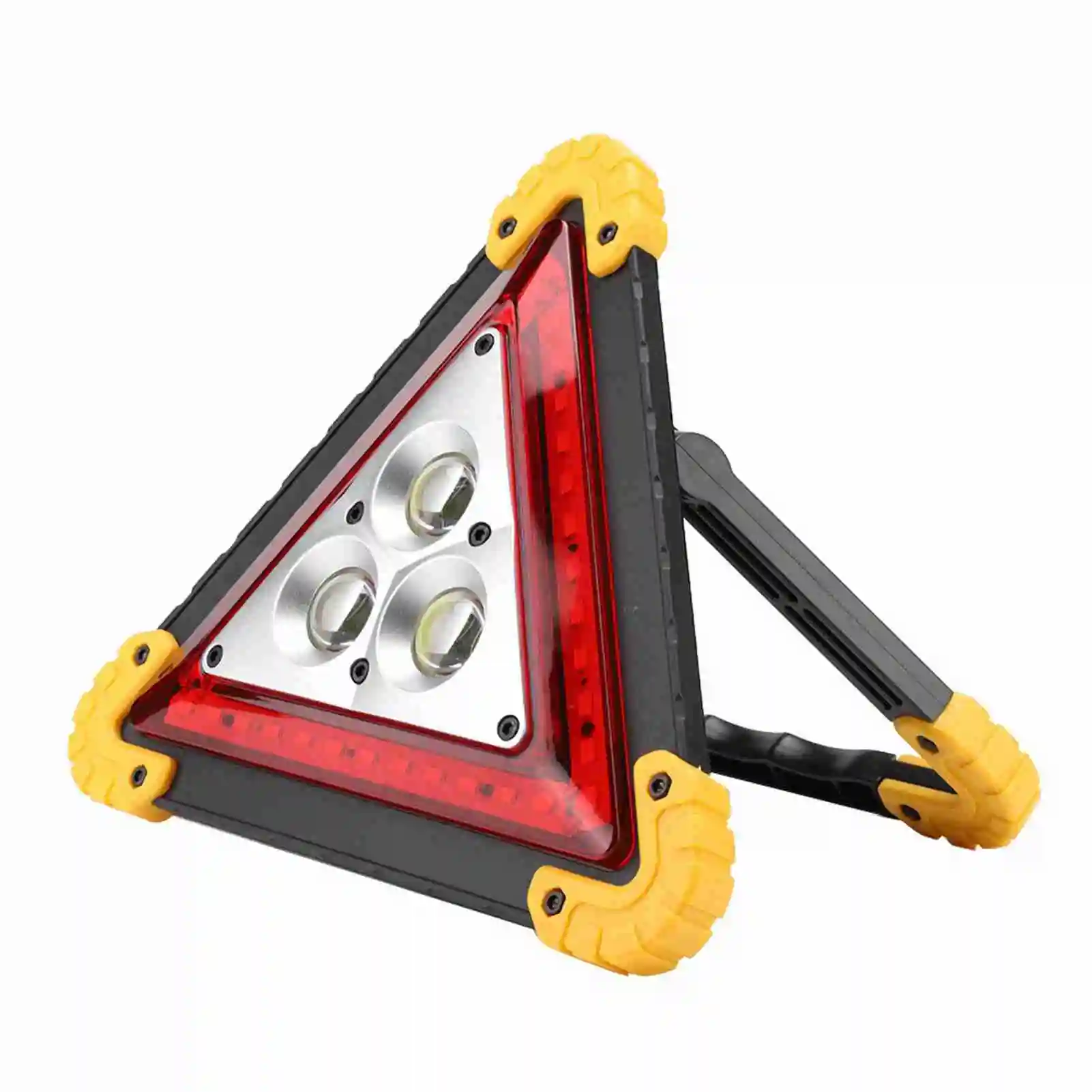
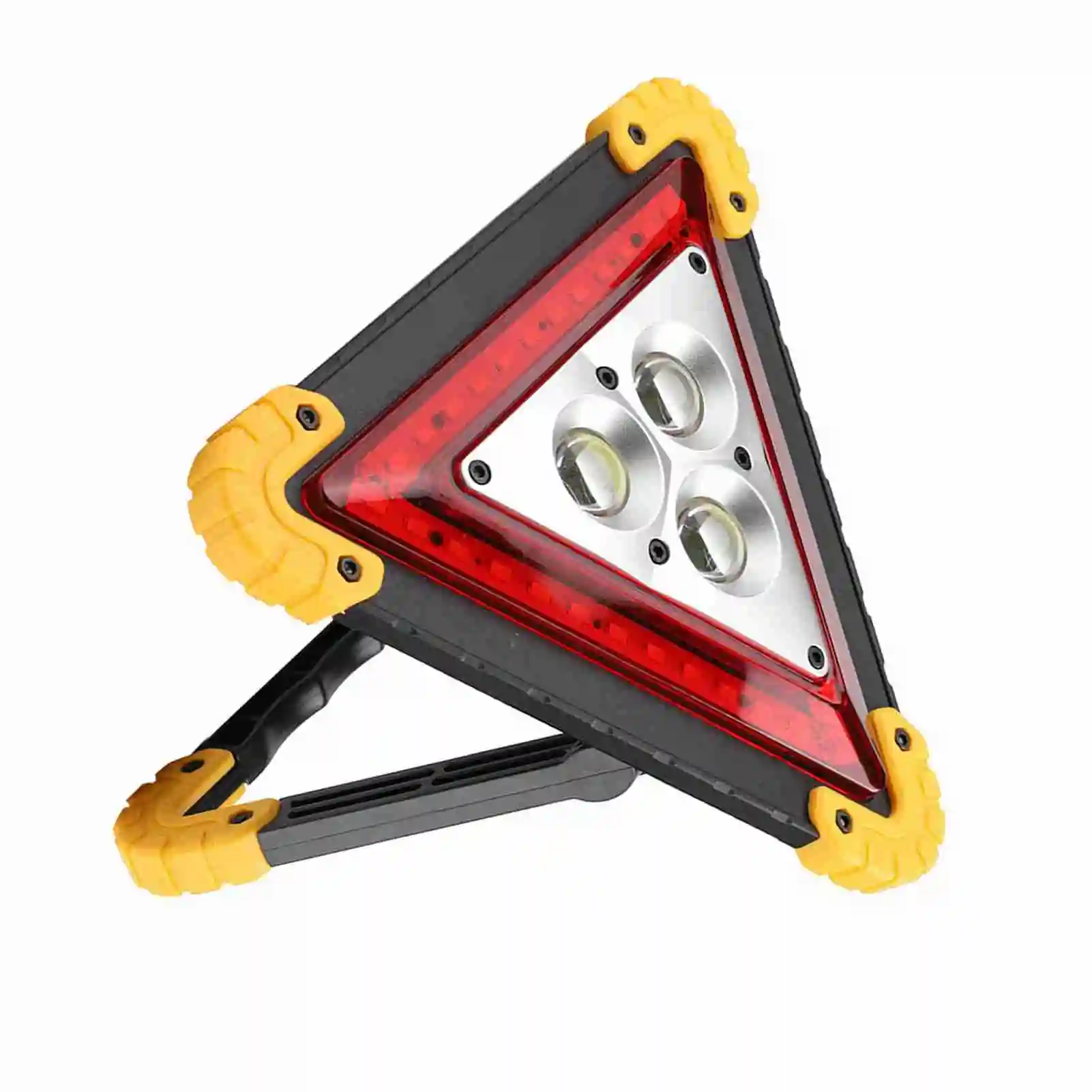
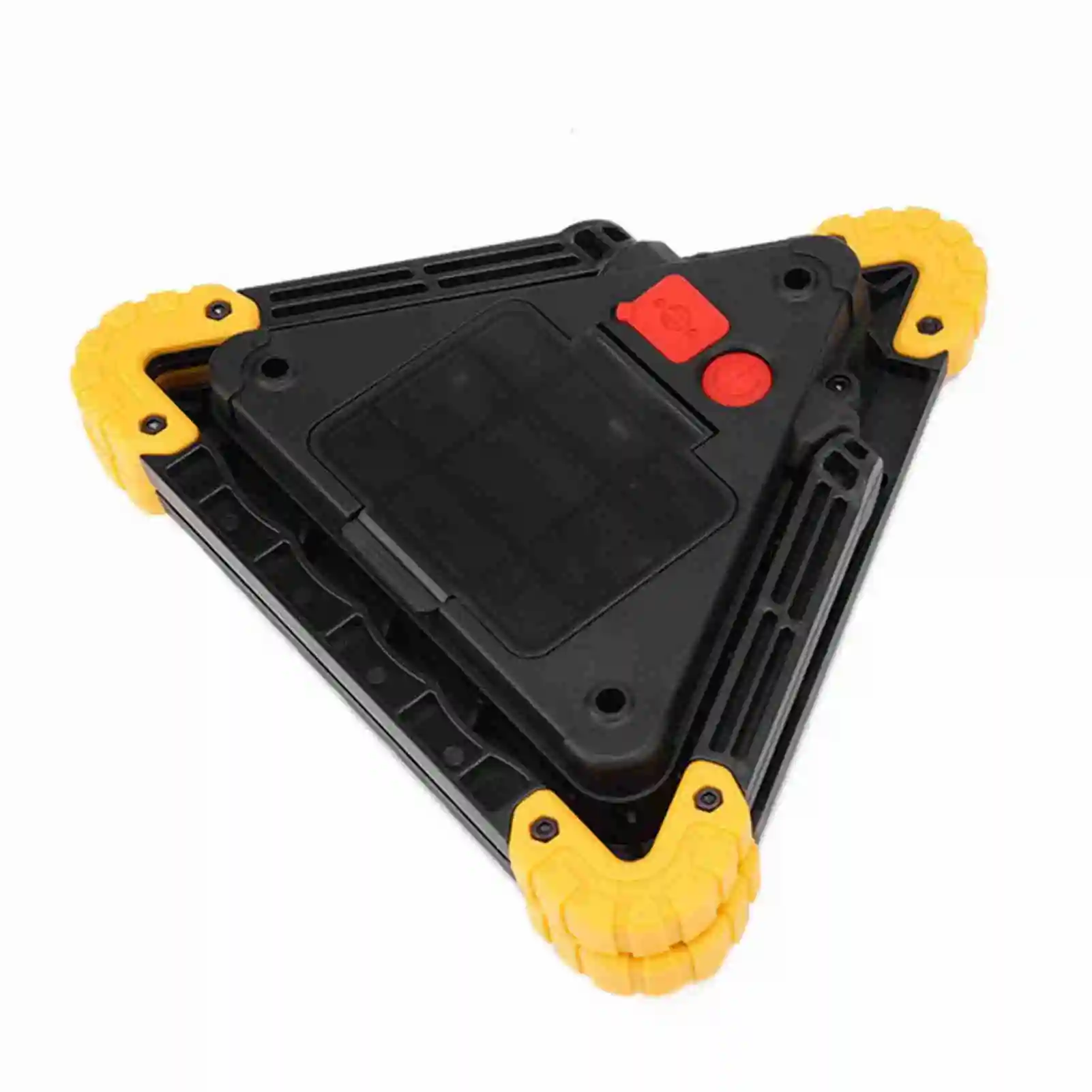
- LED warning lights in a triangle shape, with red light and flashing modes, that also serve as a work light. Some recharge and some take ordinary batteries.
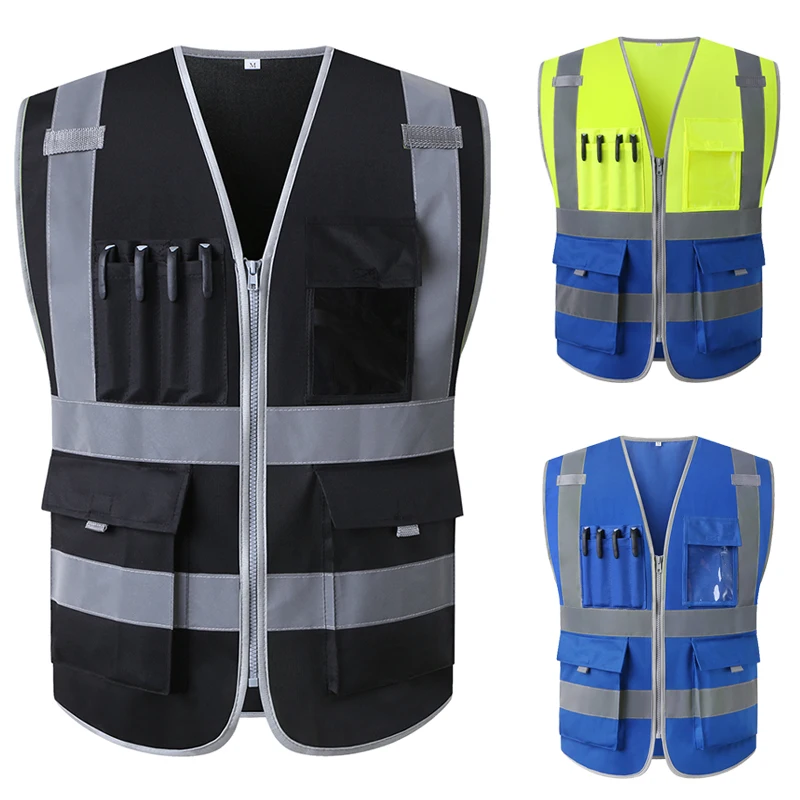
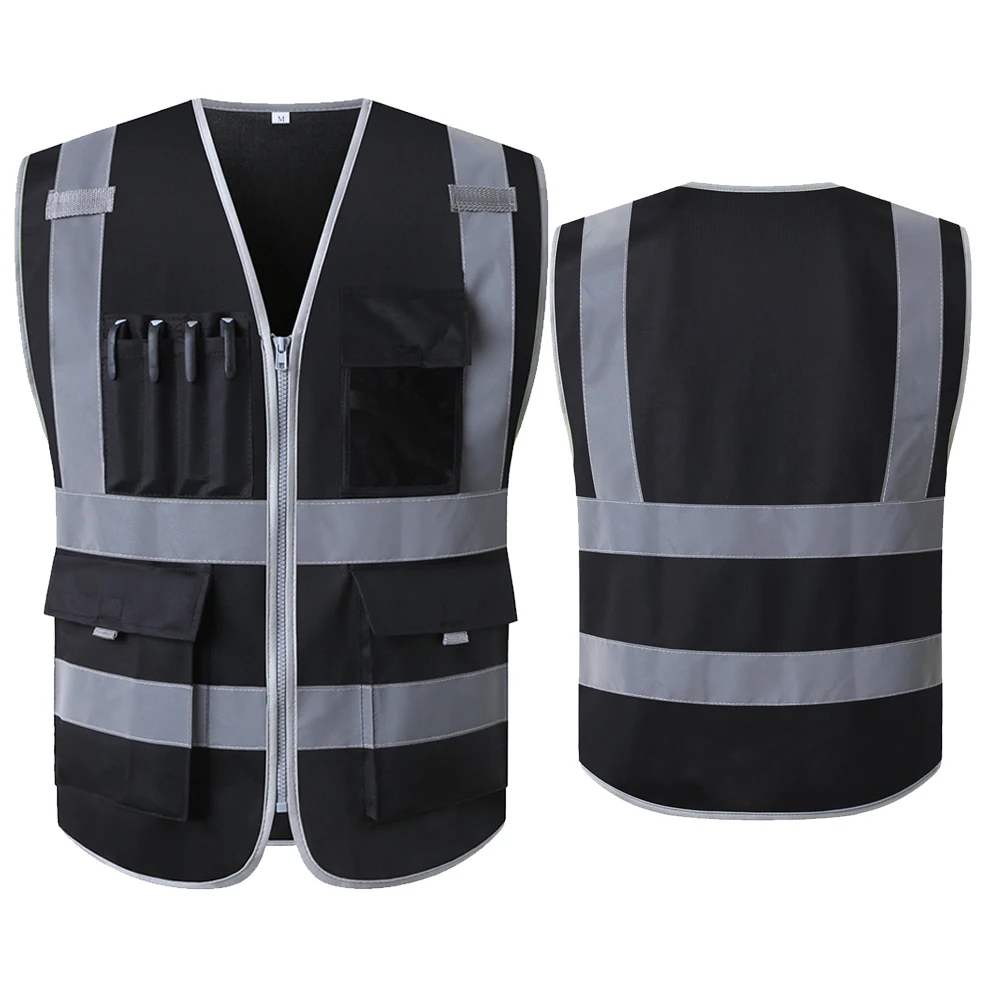
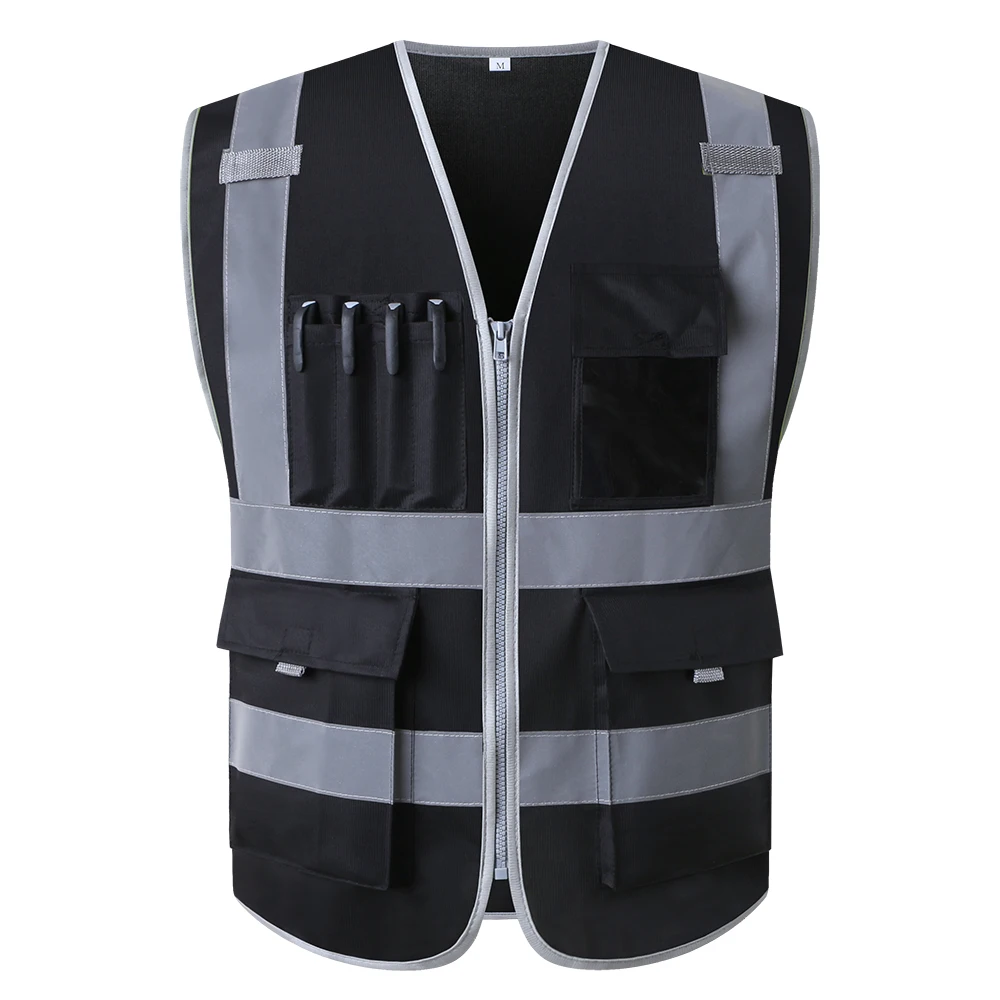
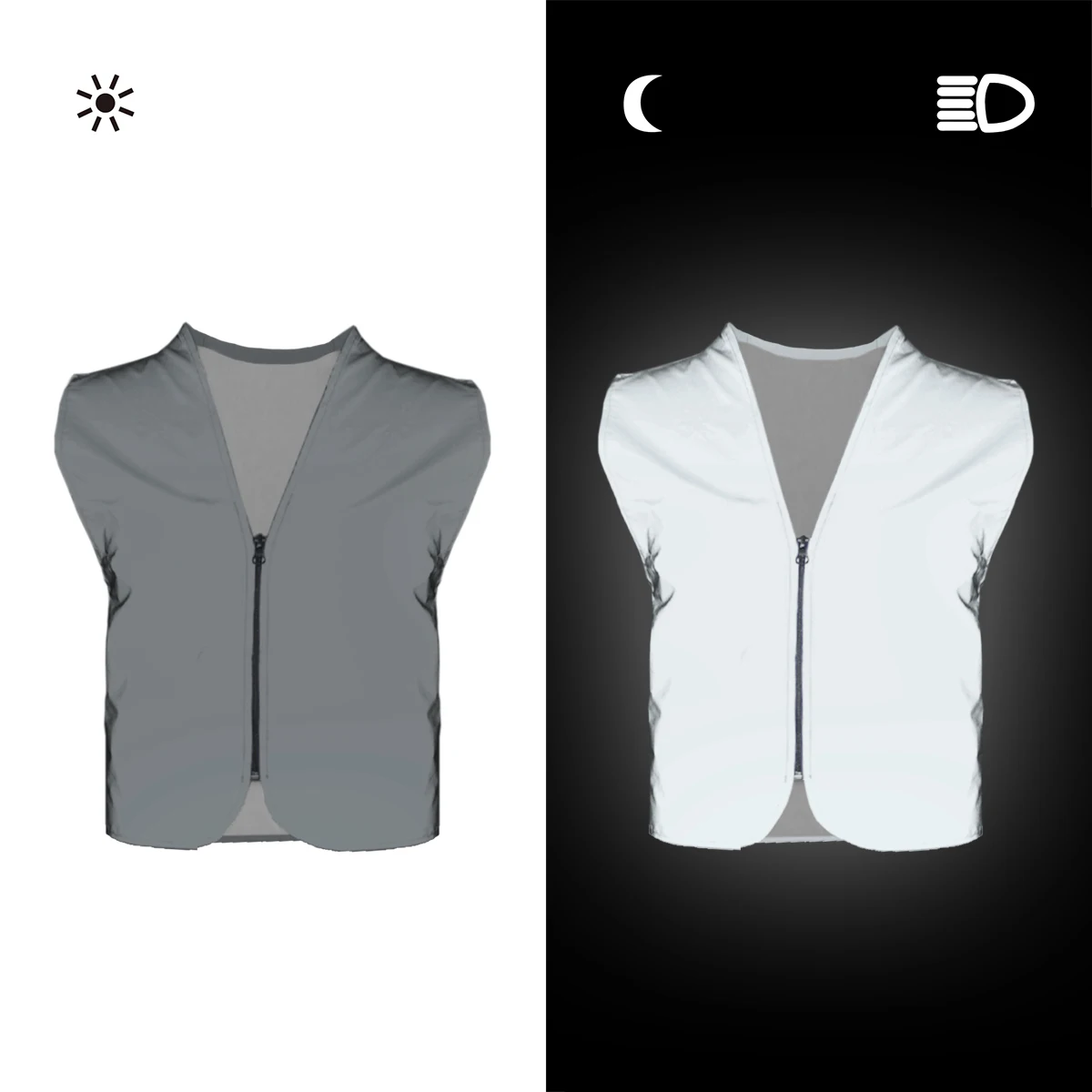
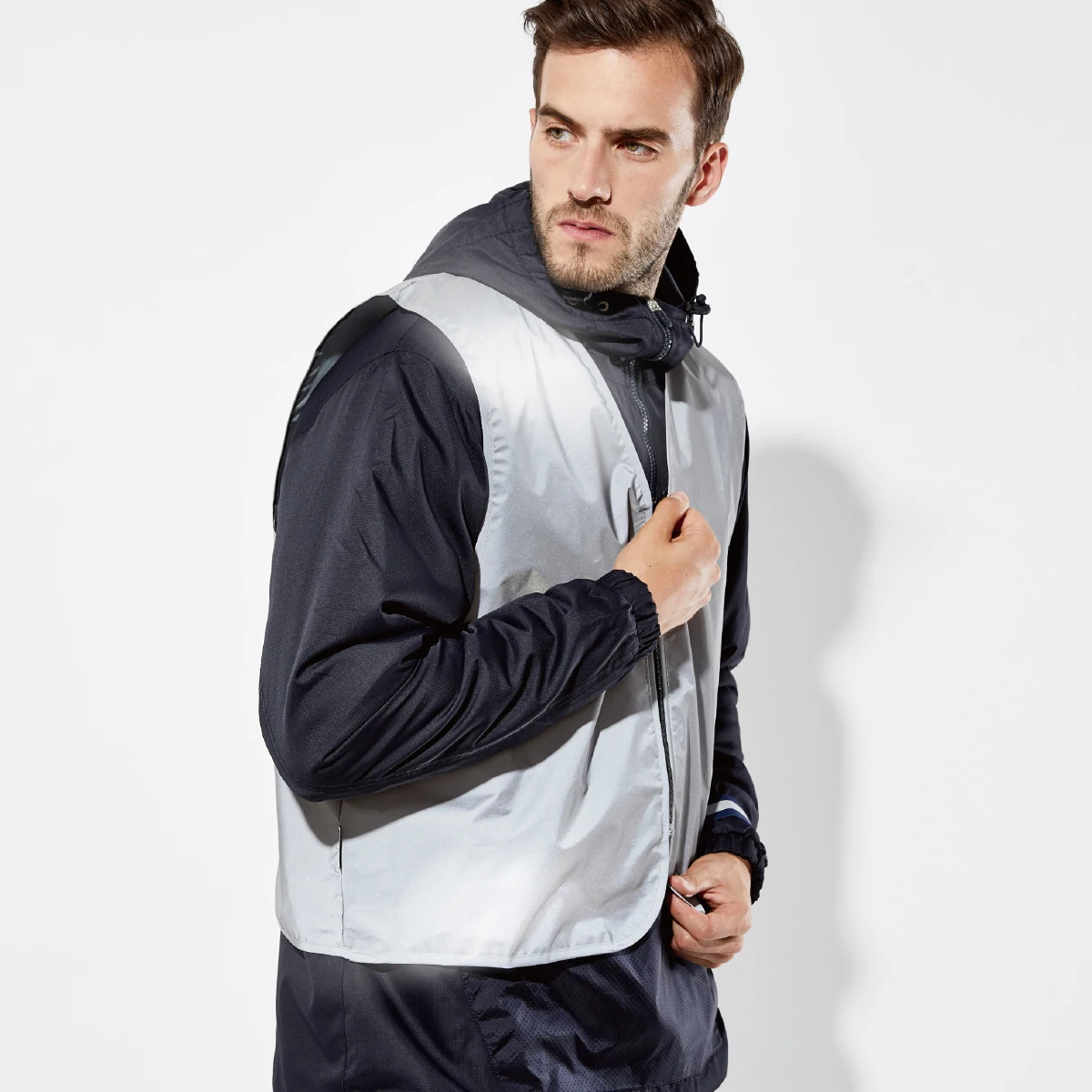
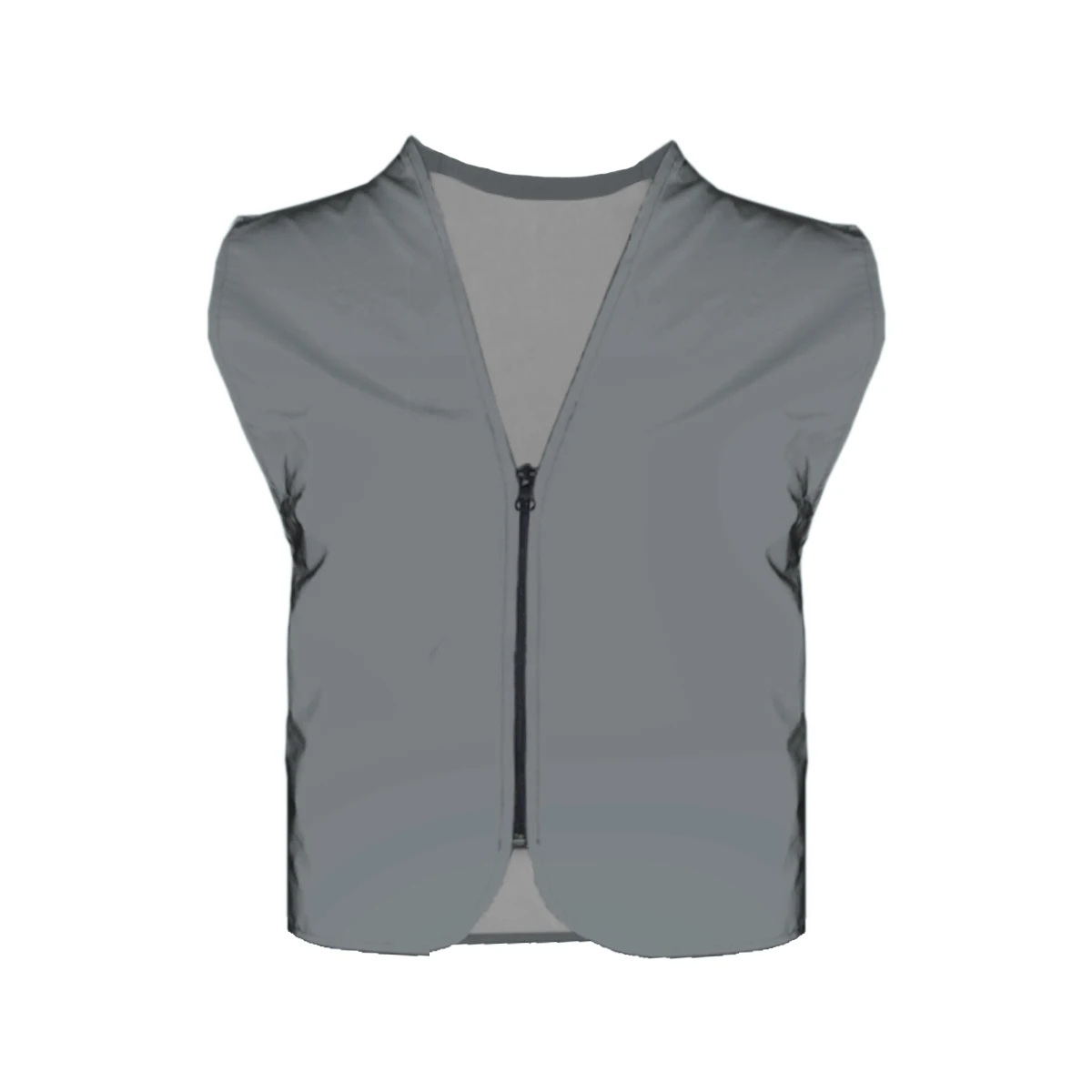
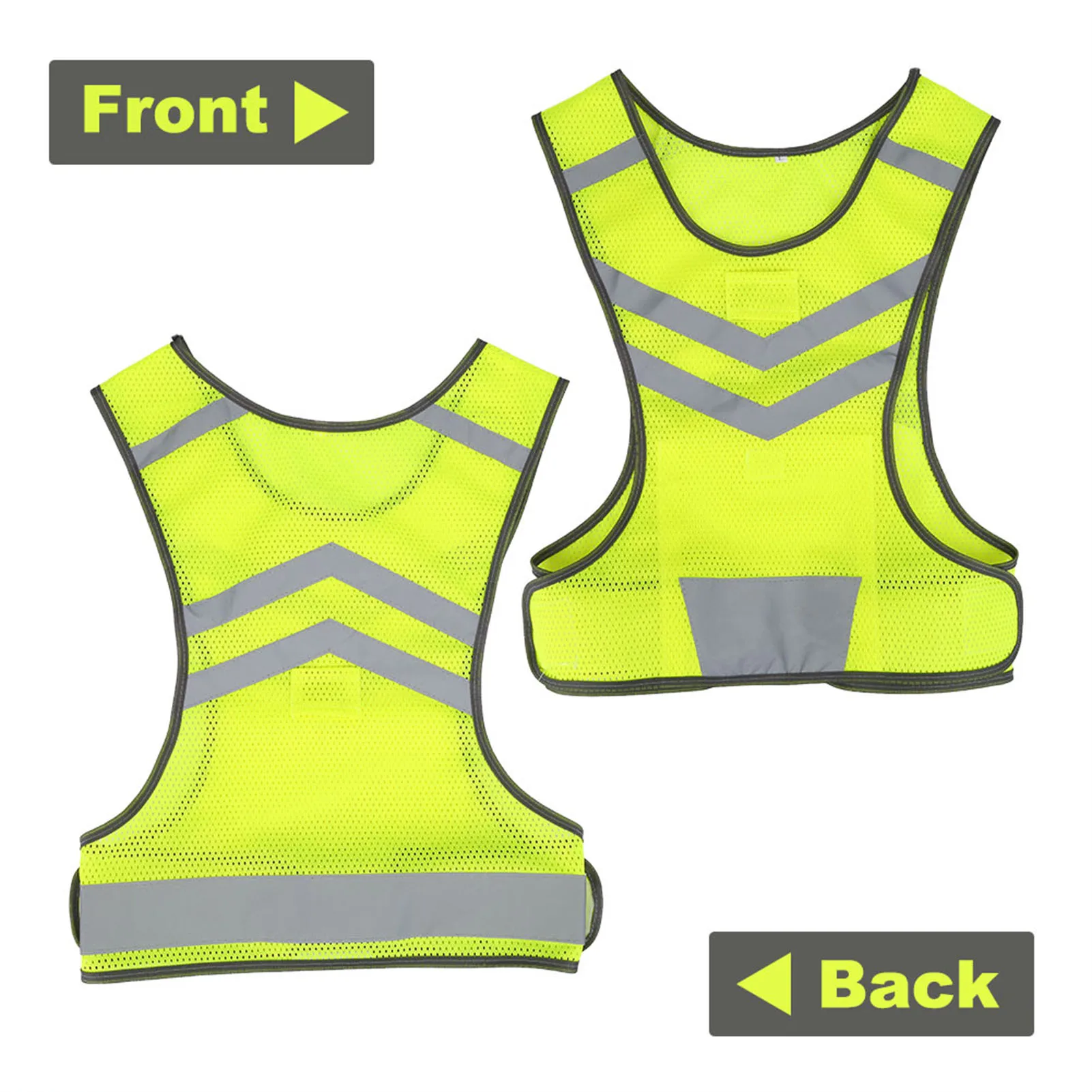
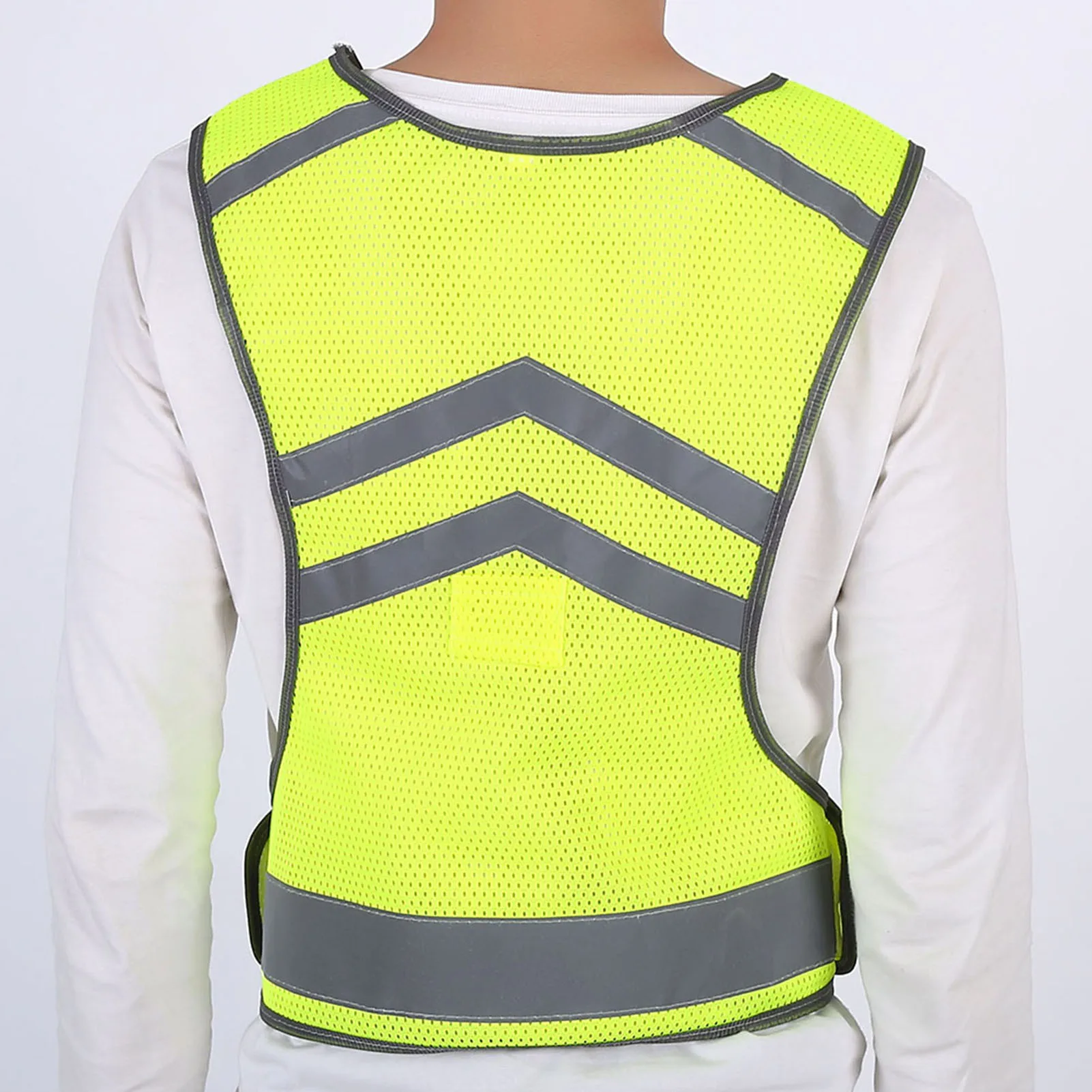
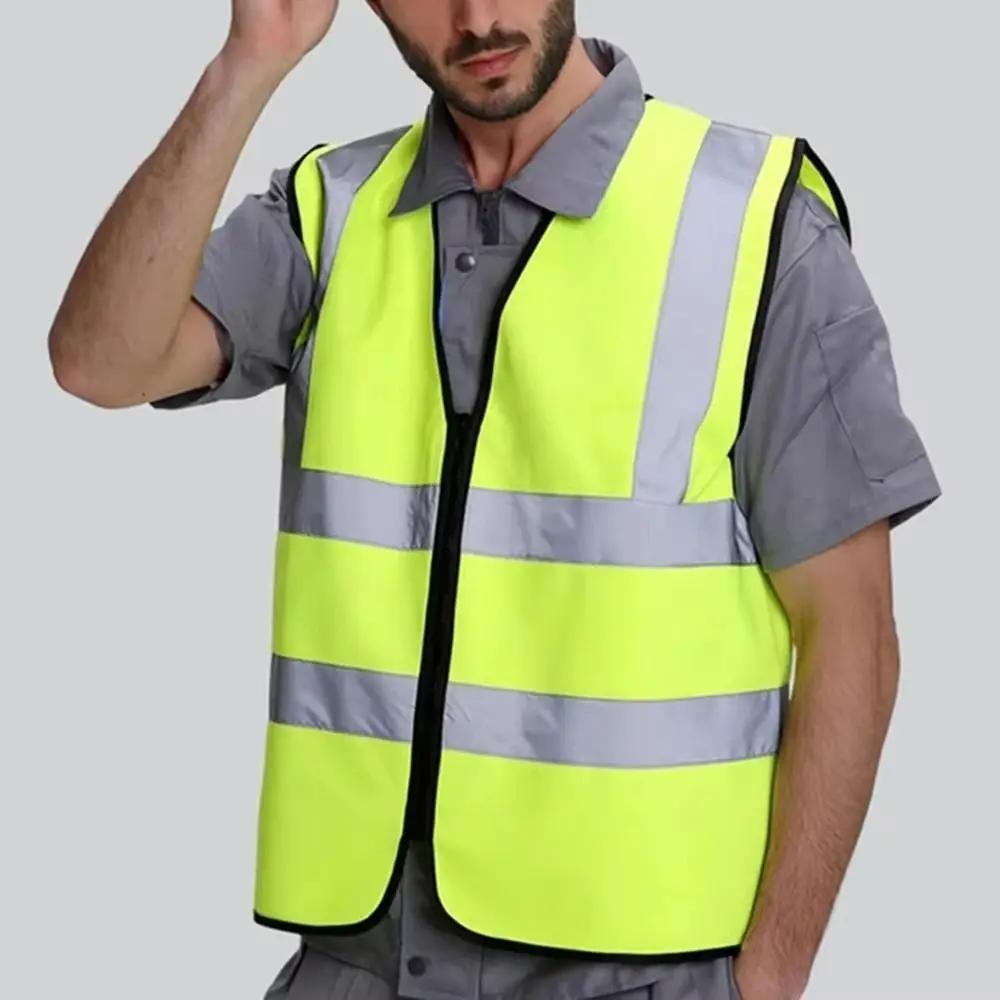
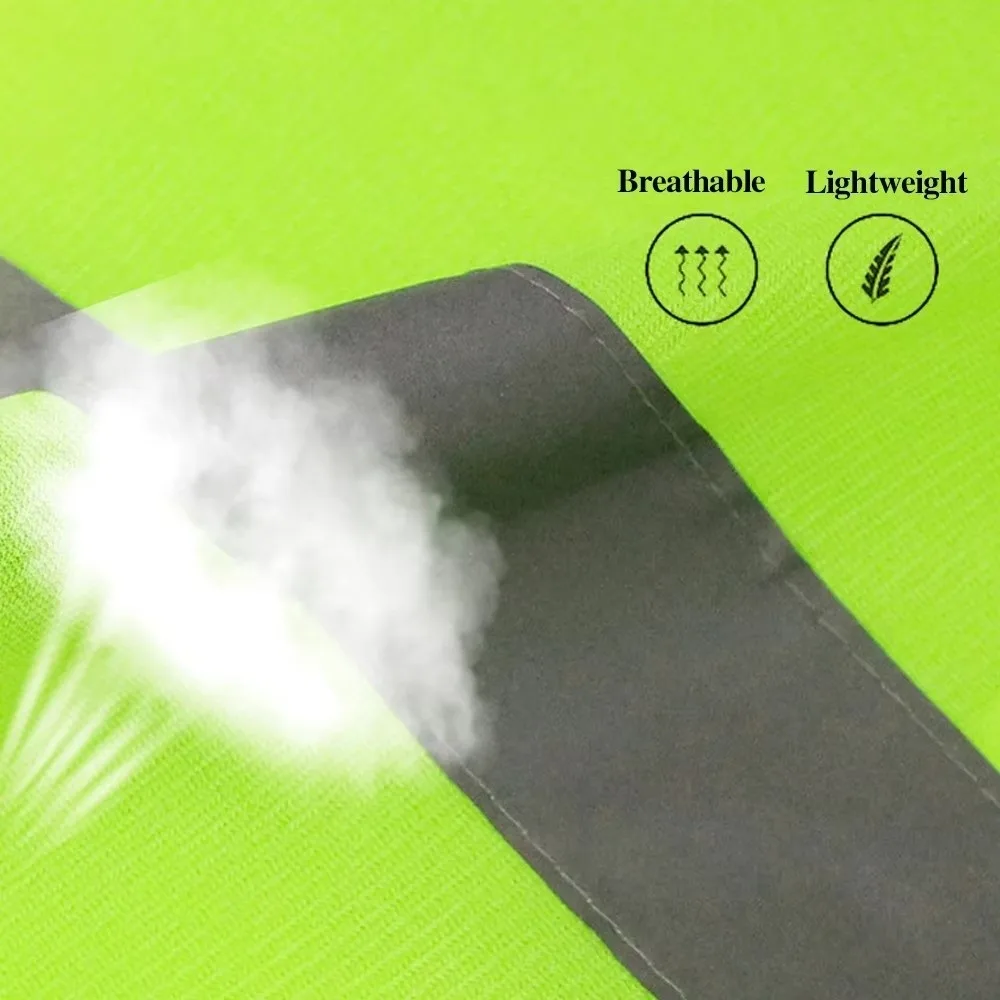
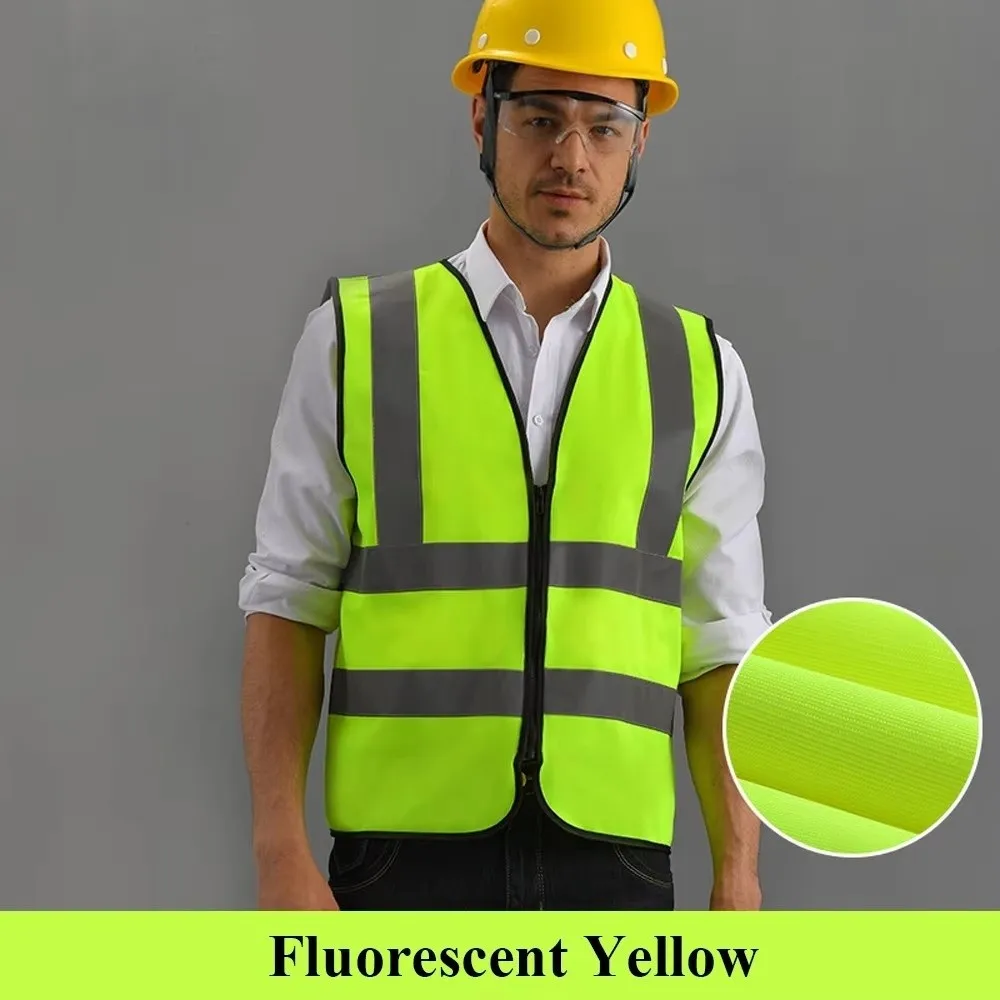
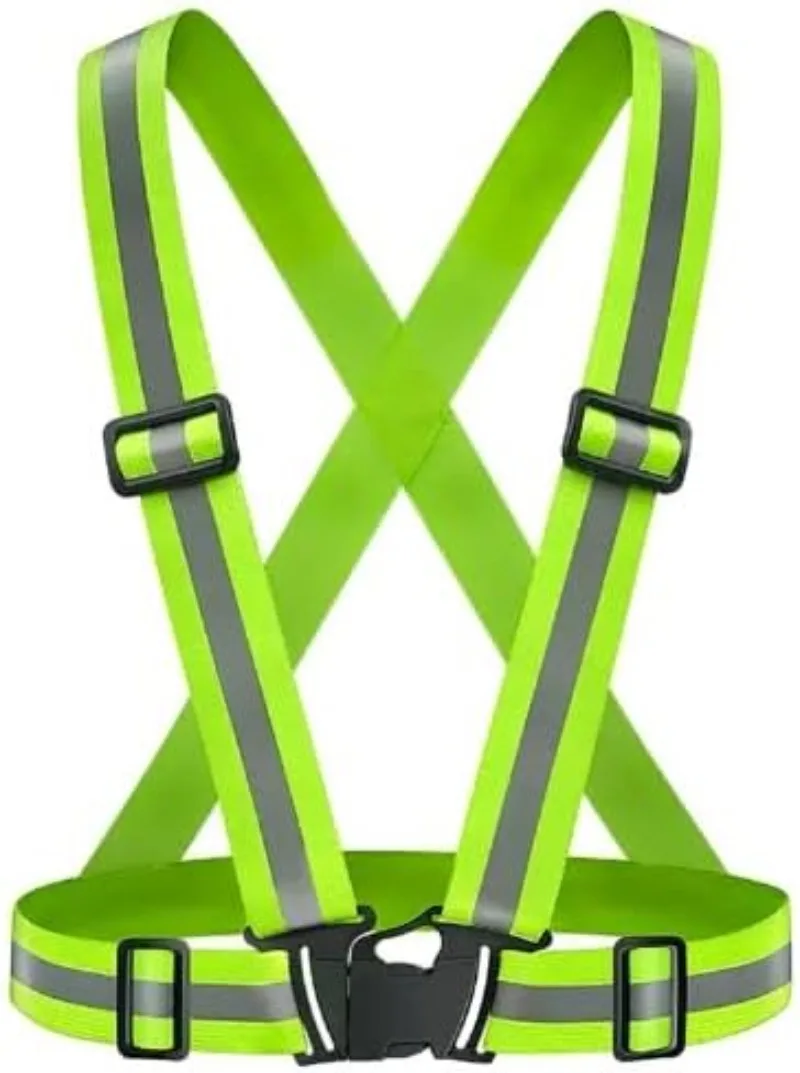
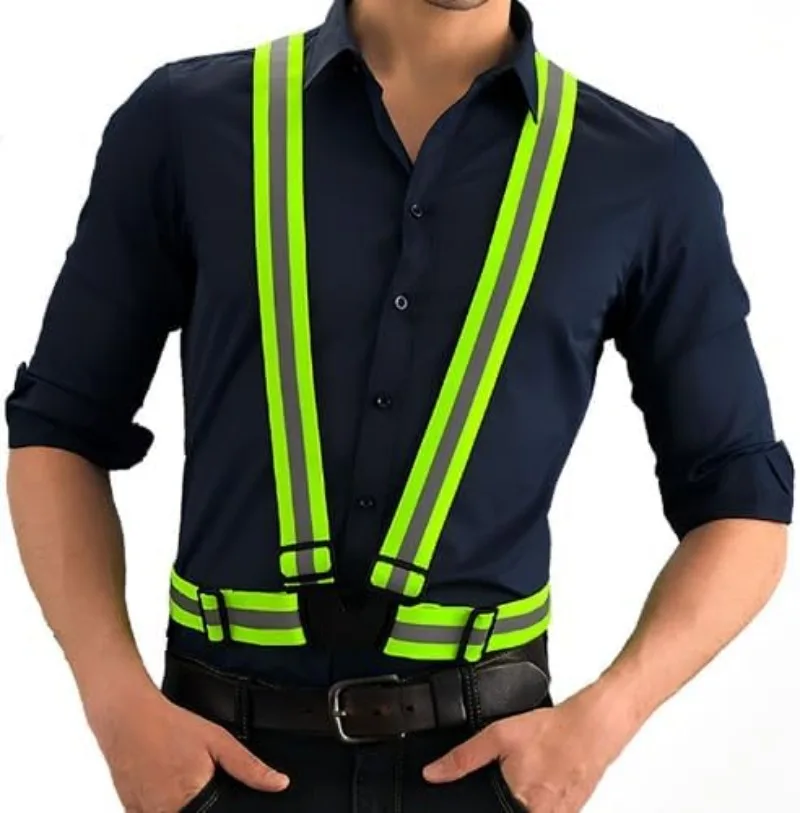
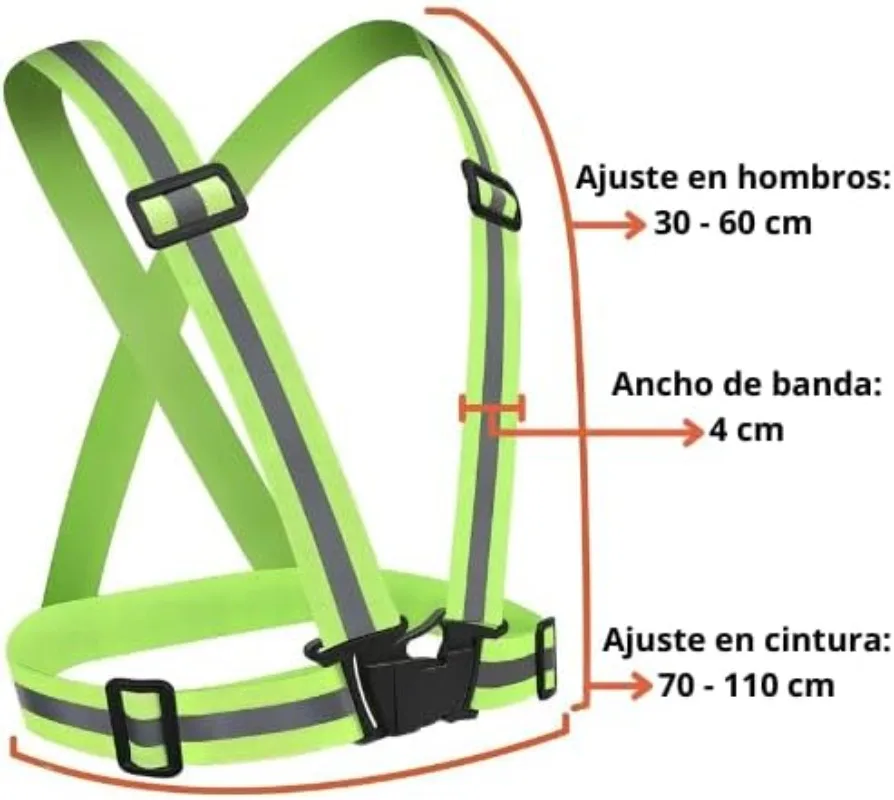
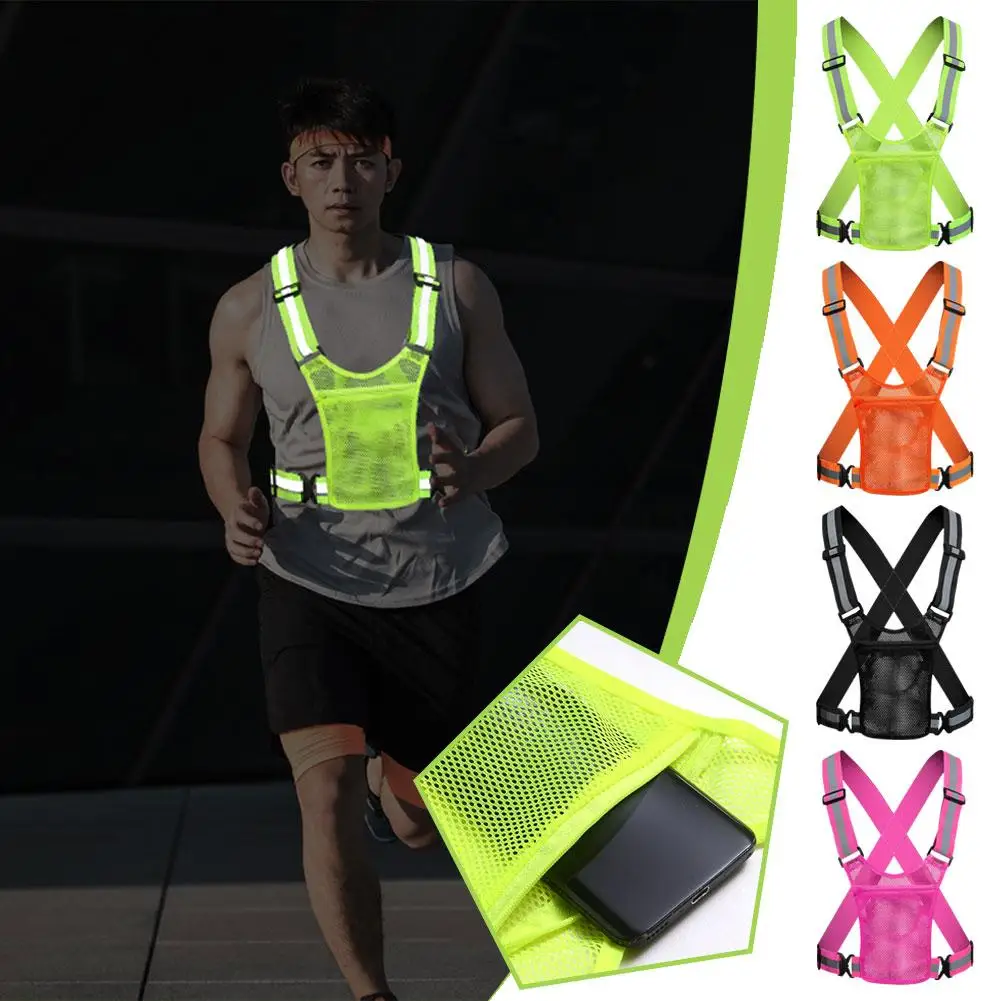
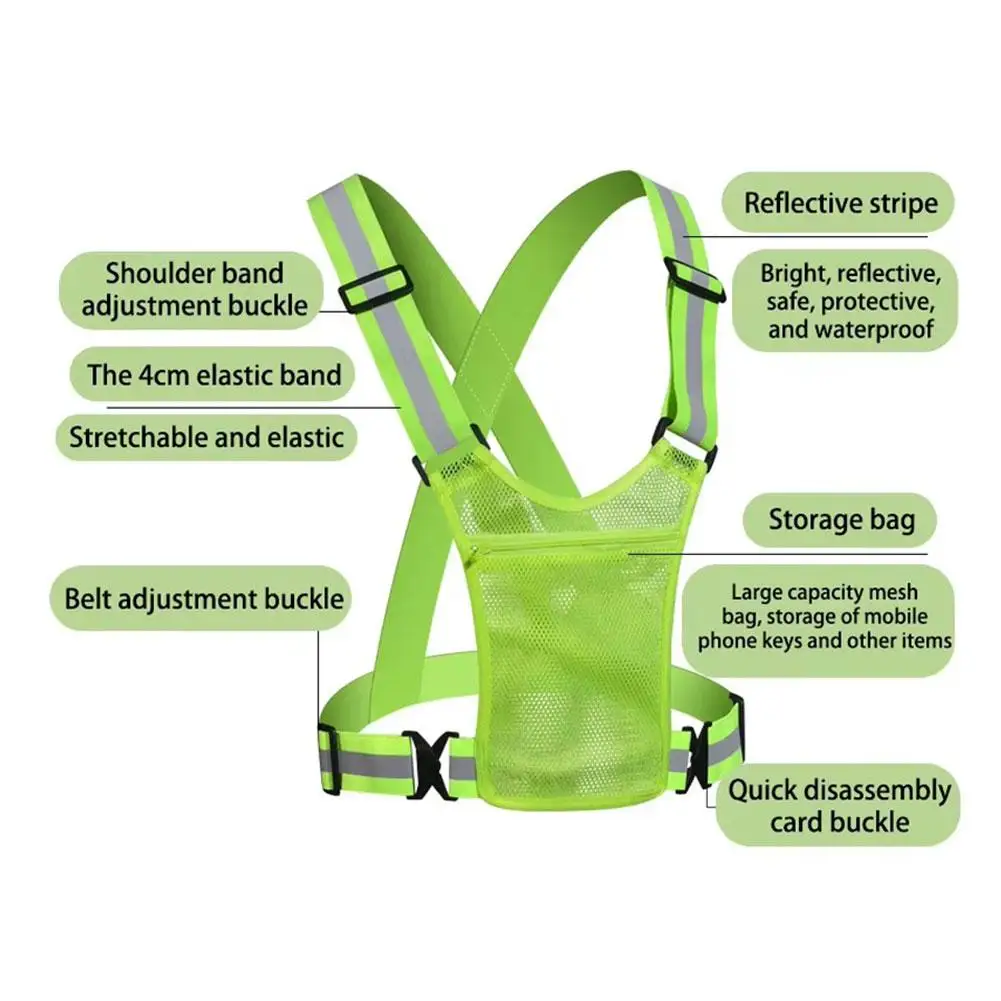
- Hi-vis vests in fluorescent colours with reflective strips, fastened by a zip, a hook-and-loop strap or elastic straps, in breathable mesh or polyester, and one made wholly of reflective material.
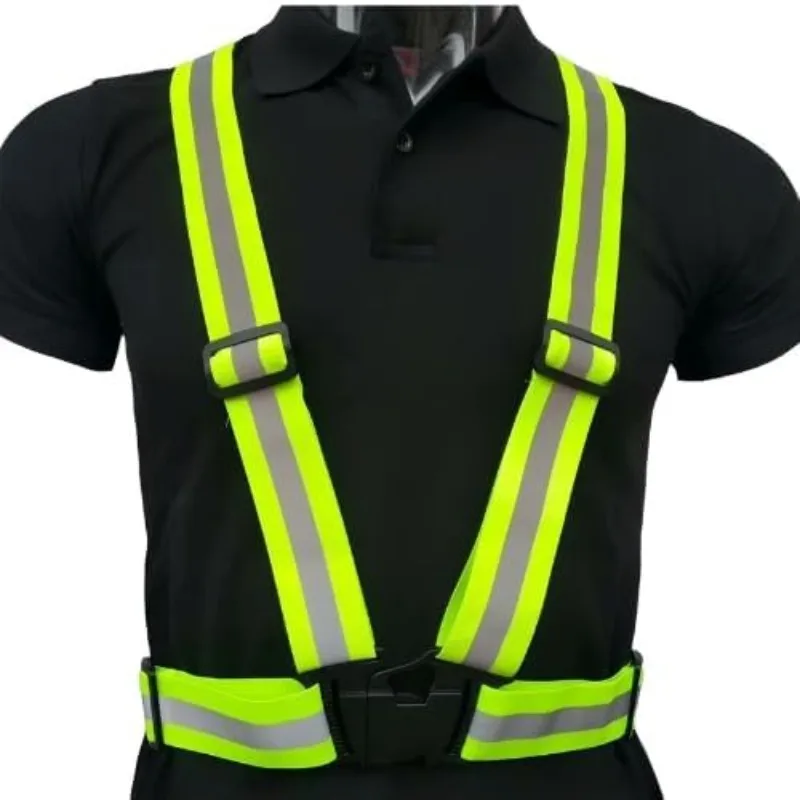
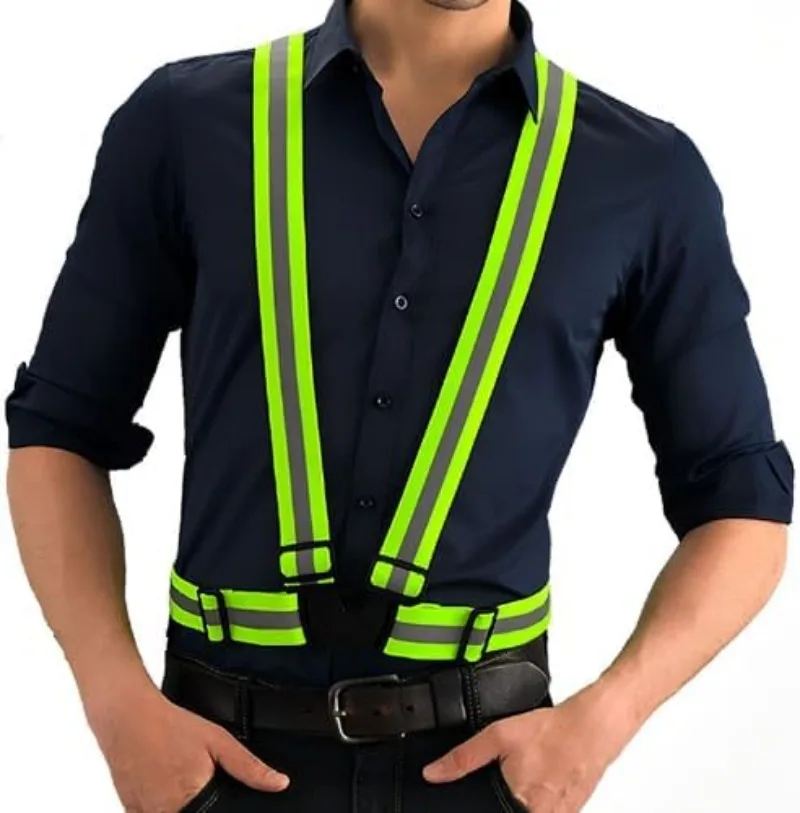
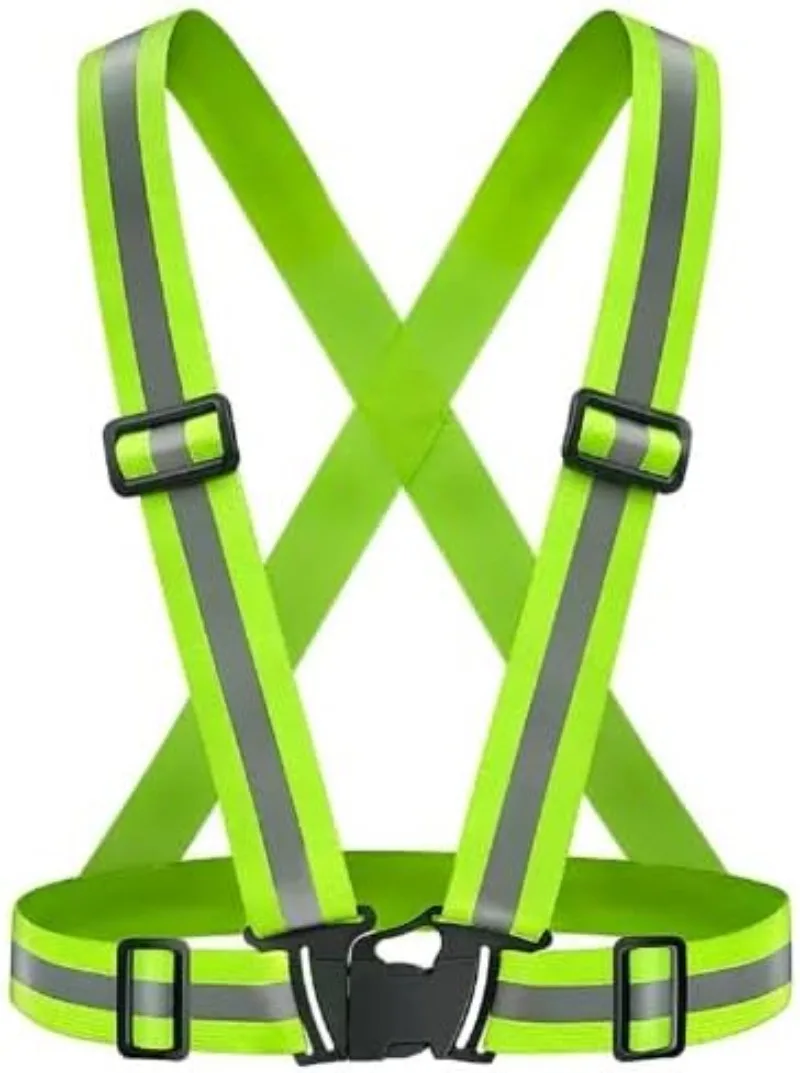
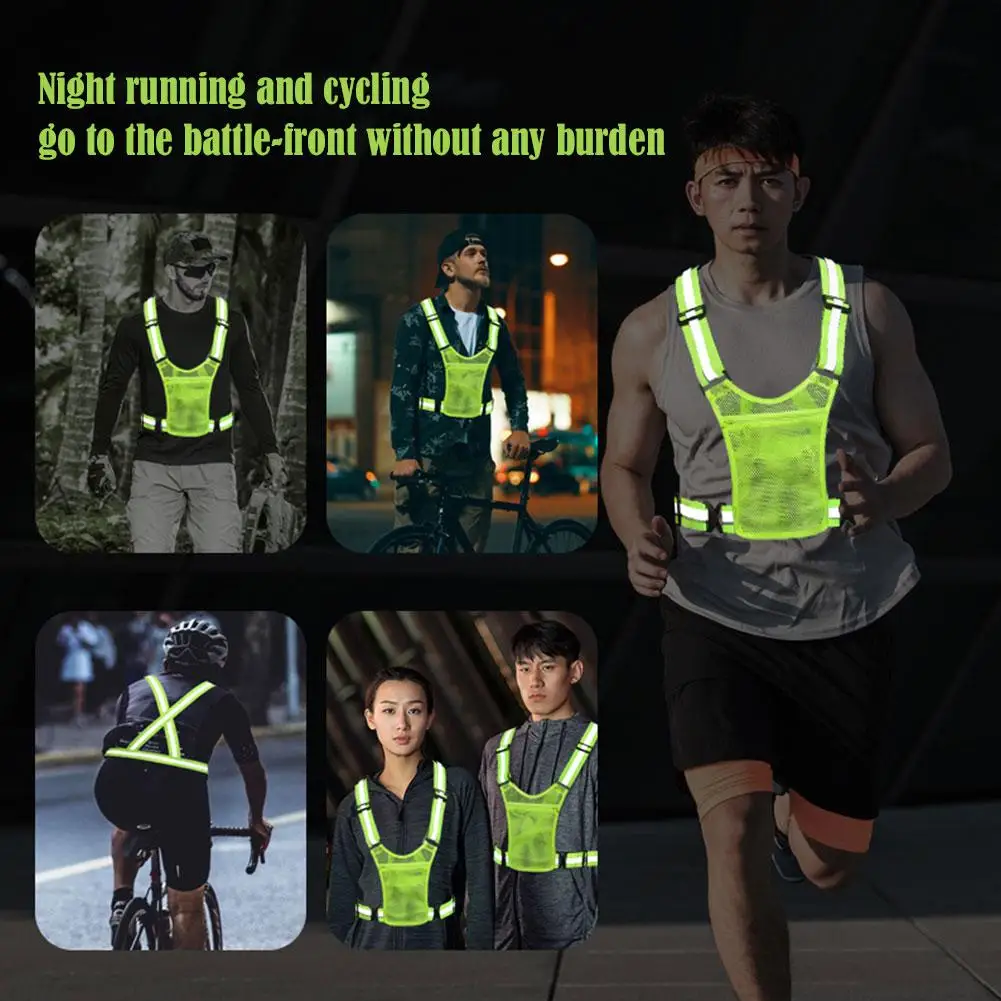
- Harness-style vests with reflective straps, light enough for running and cycling as well as the car, and a multi-pocket work vest sold in chest sizes.
How to choose
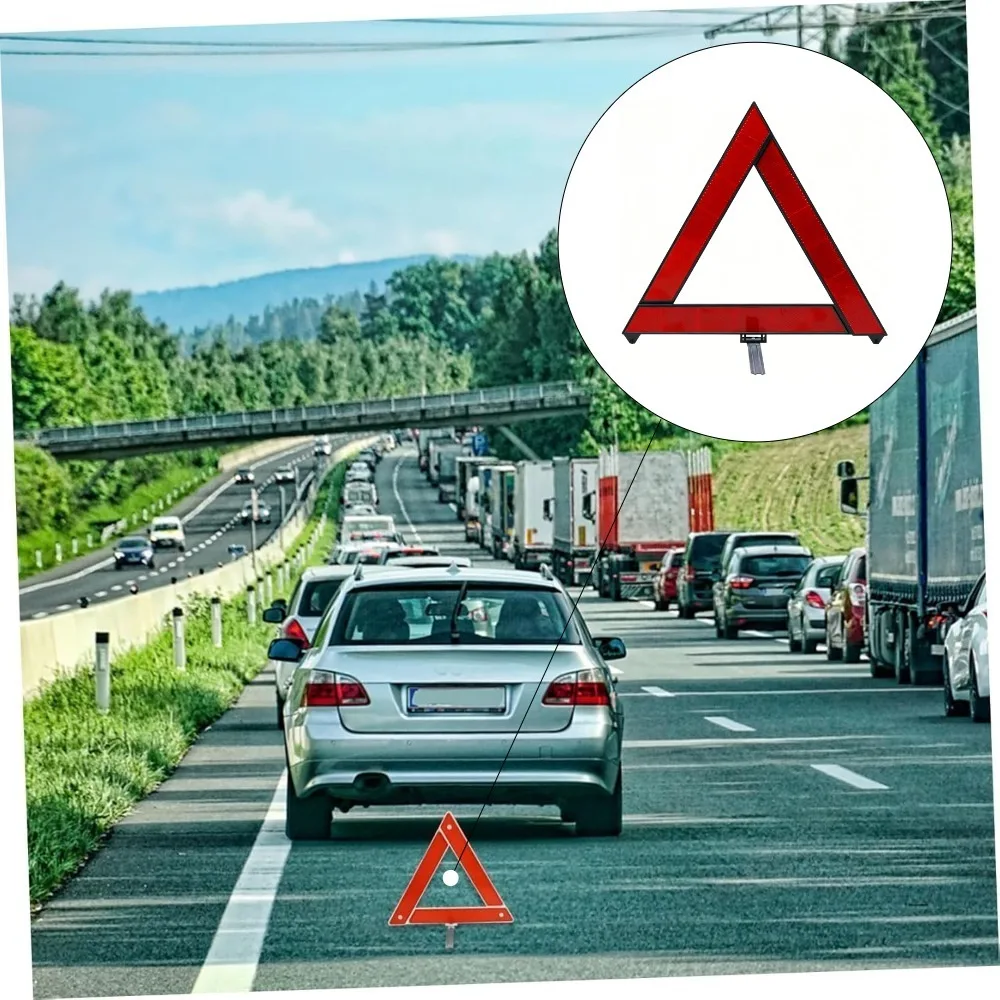
A triangle. Look for a steady base, so it does not blow over in the draught from passing lorries, a case that stays shut in the boot, and reflective faces that show up in headlights. Open it once at home so you know how the legs fold out. The LED lights are described by their pages as breakdown warning lights; the Highway Code's rule on placing a warning is written about a triangle.
A vest. The Code says to wear light-coloured or fluorescent clothing in daylight and reflective clothing at night or in poor visibility, so for the car choose a fluorescent yellow or orange vest with reflective bands, which does both. Reflective strips help most in the dark, so a fluorescent vest with strips covers both. Keep one for each person who often travels with you.
Questions people ask about triangles and vests
Where do I put the triangle?
On an ordinary road, at least 45 metres behind the car on the same side of the road, taking great care as you place it and as you collect it. Never on a motorway: the Code says not to place a triangle on the carriageway there.
Where should the vest live?
Within reach of the seat, not in the boot. On a motorway the Code says to put on high-visibility clothing if it is within easy reach, and to leave by the side away from the traffic, so a vest in the boot may stay there. The driver's door pocket or the glovebox is the place, with a torch.
What about driving abroad?
Some countries have their own rules on what a driver must carry. Read GOV.UK's travel advice and its guidance on driving abroad before you go. The guide what to keep in your car for emergencies covers the rest.
Delivery is included in every price and tracked to your door.
More to look at