One camera, watching the road ahead
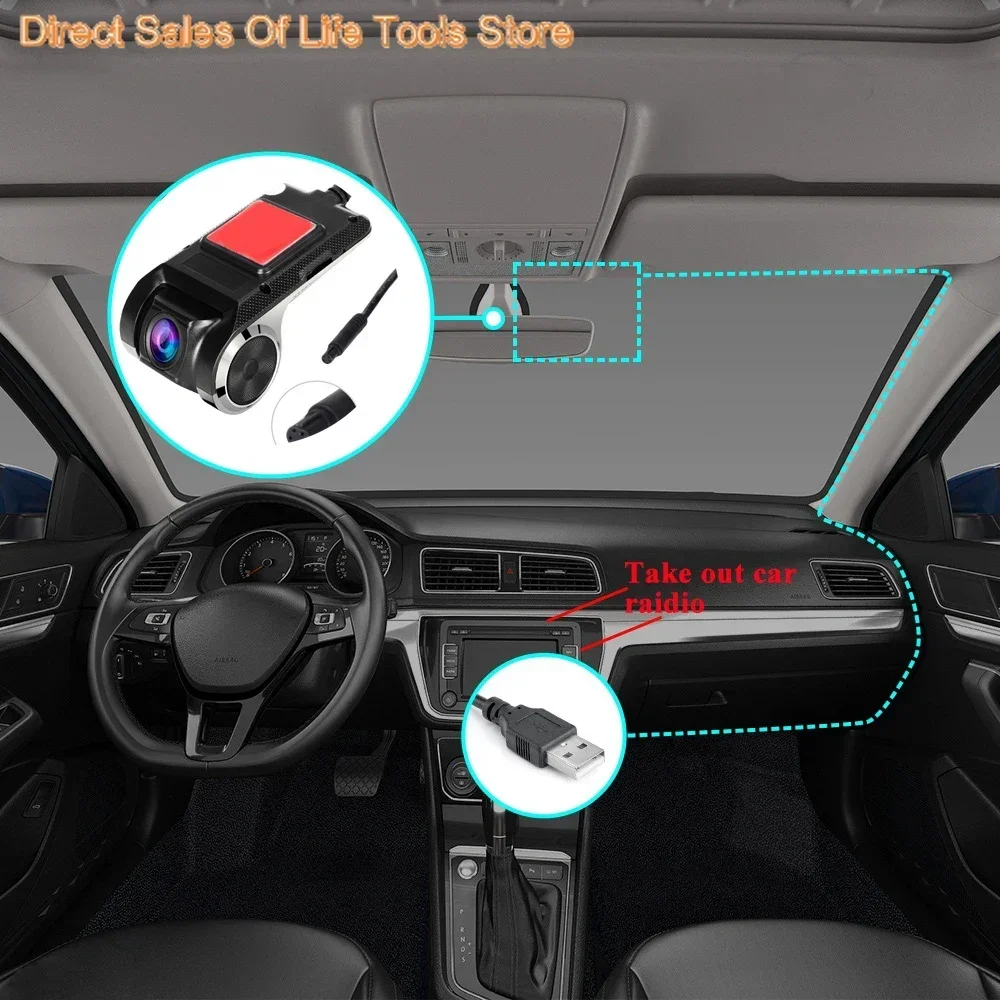
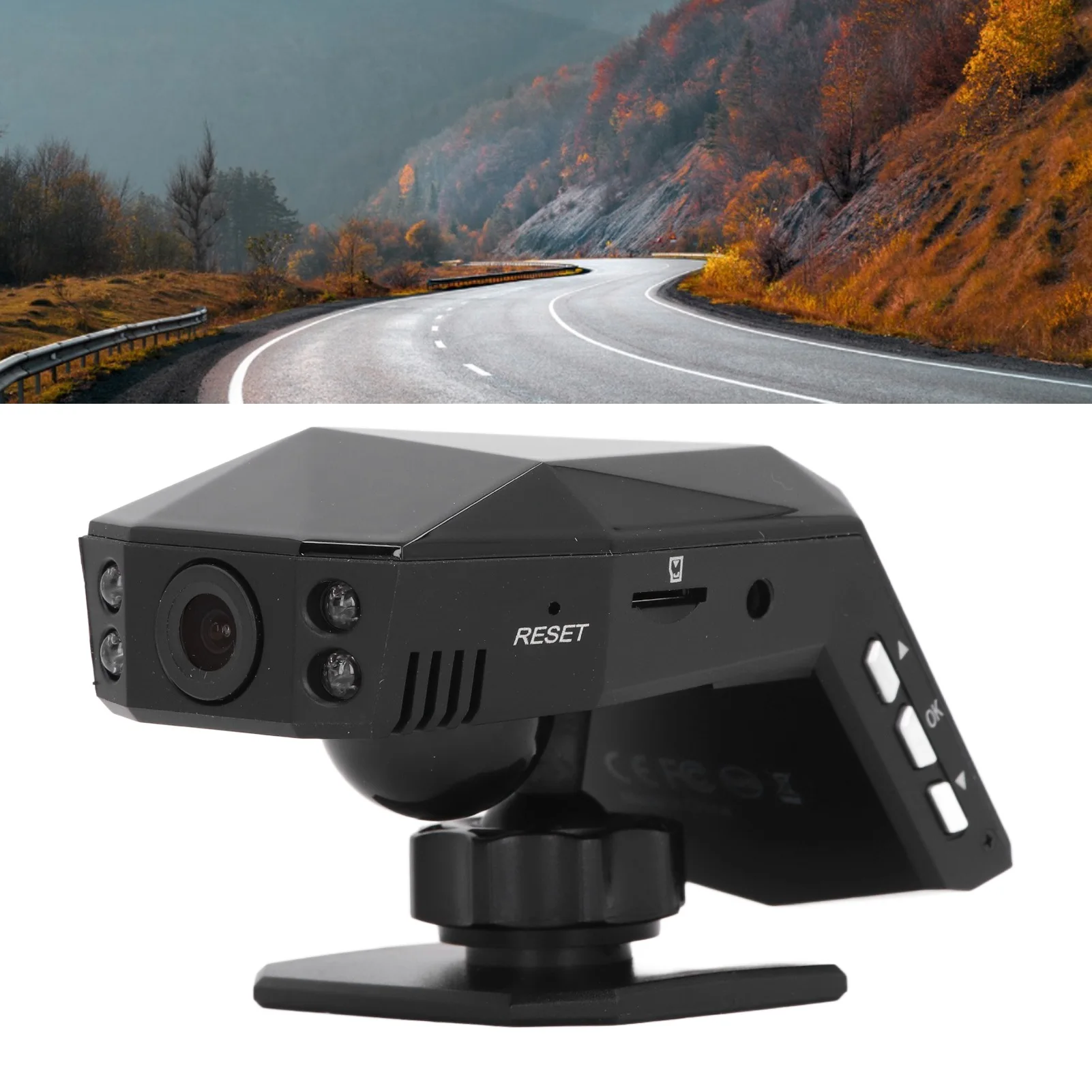
A front dash cam is the simplest kind there is: one camera behind the rear-view mirror, facing forward, recording the road you are looking at. There is one unit to fit and one cable to tuck away, so it is the easiest to put in. It suits most drivers who mainly want a record of what happens in front of them, and van drivers with no back windows, where a rear camera would have nothing to look through.
What you will find here
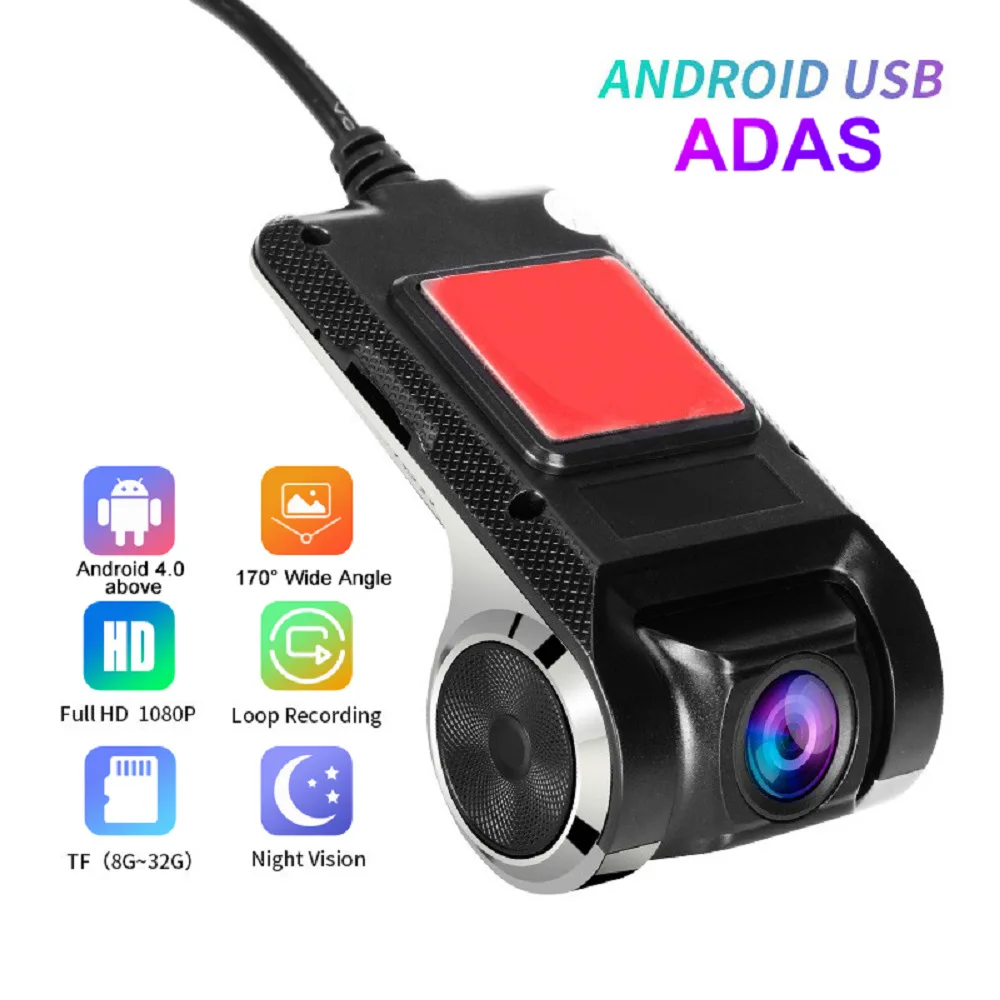
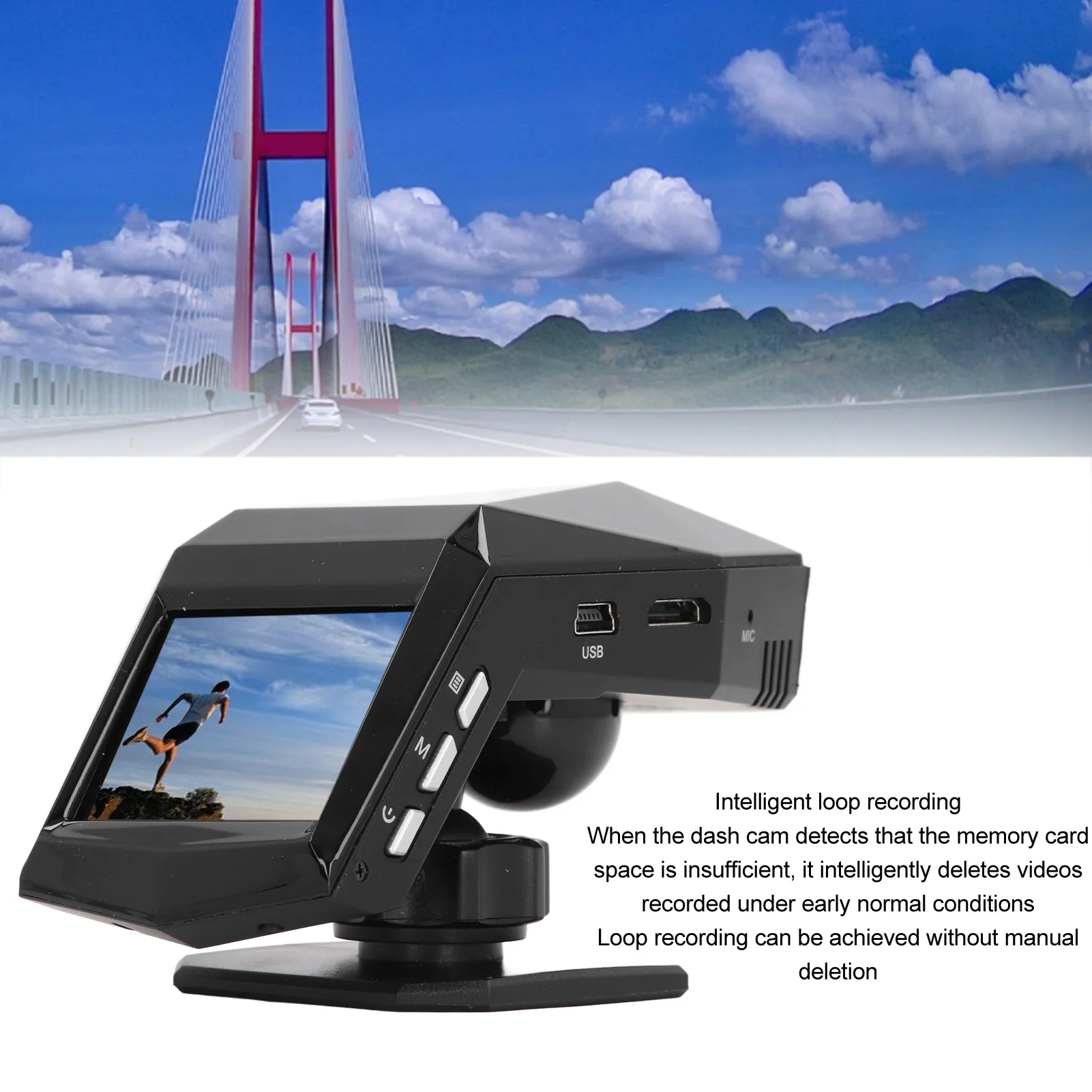
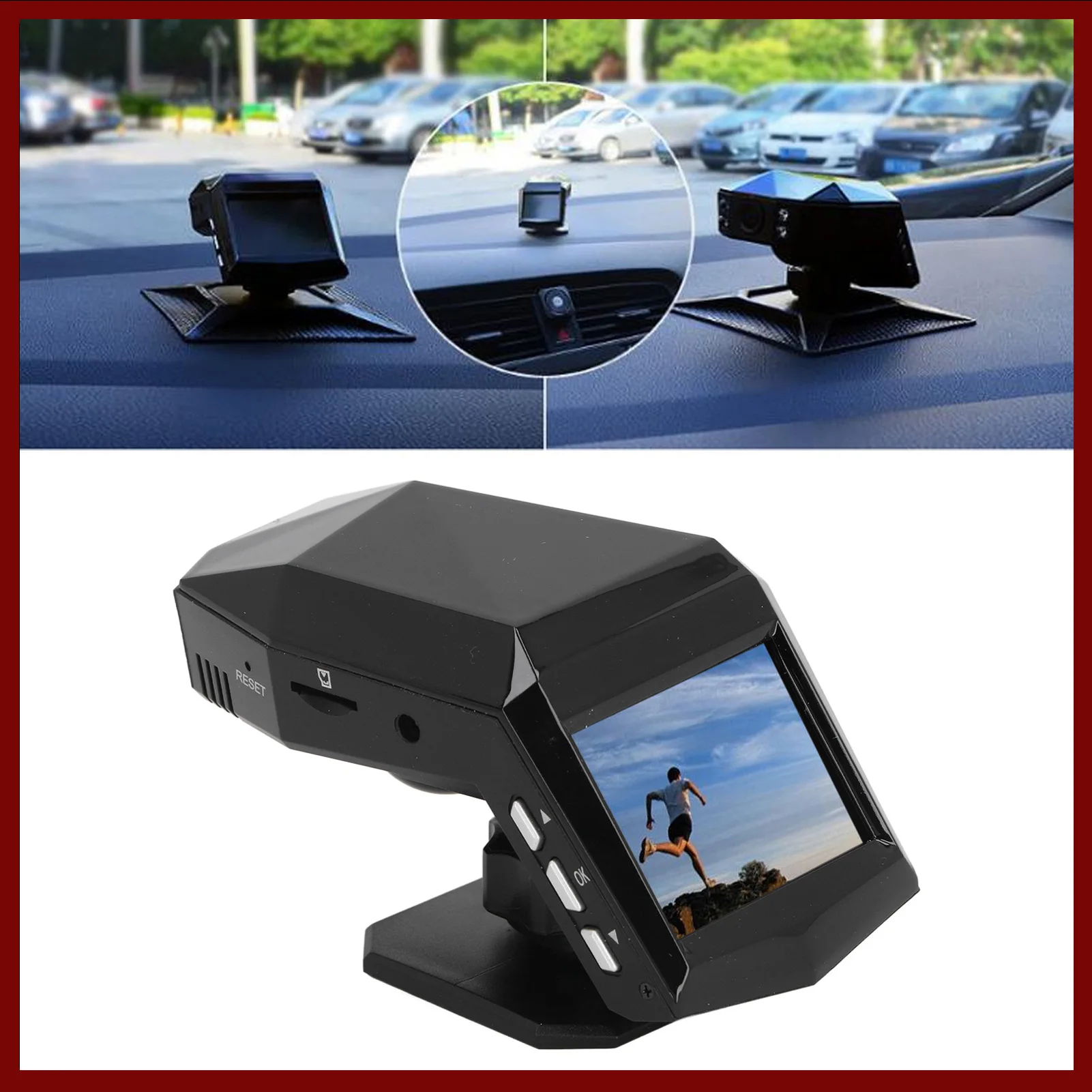
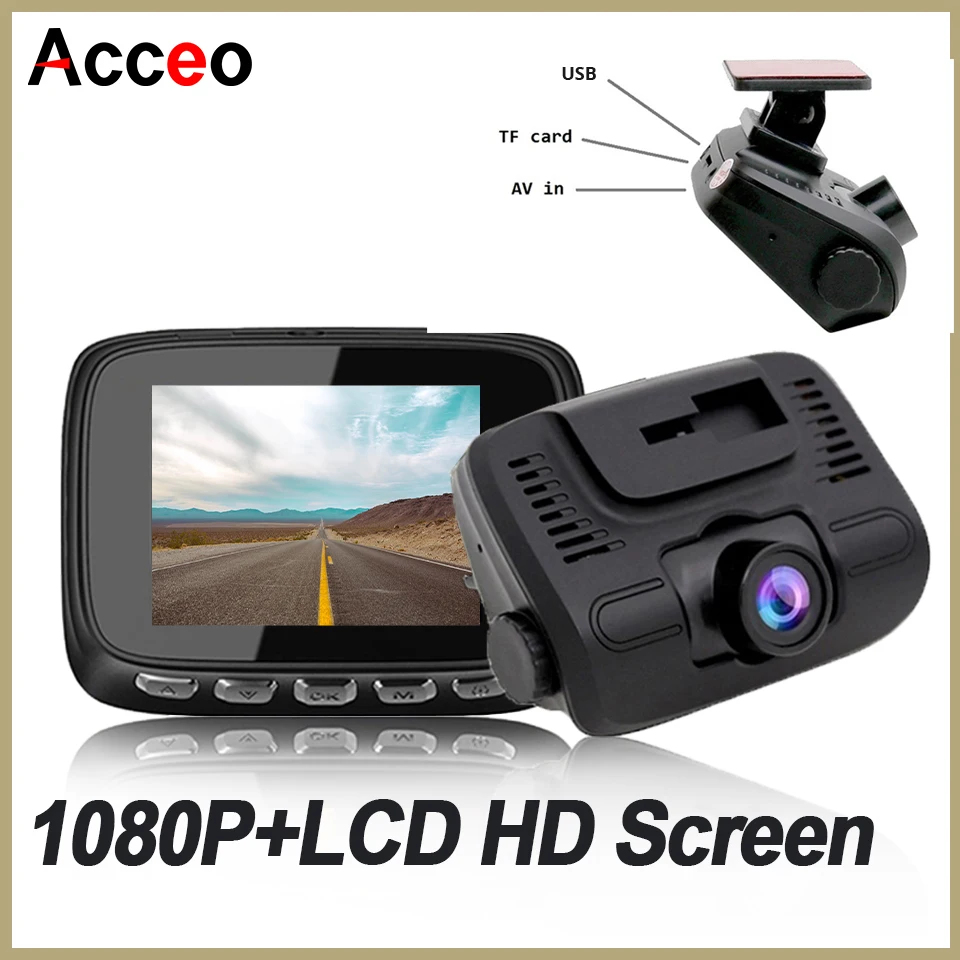
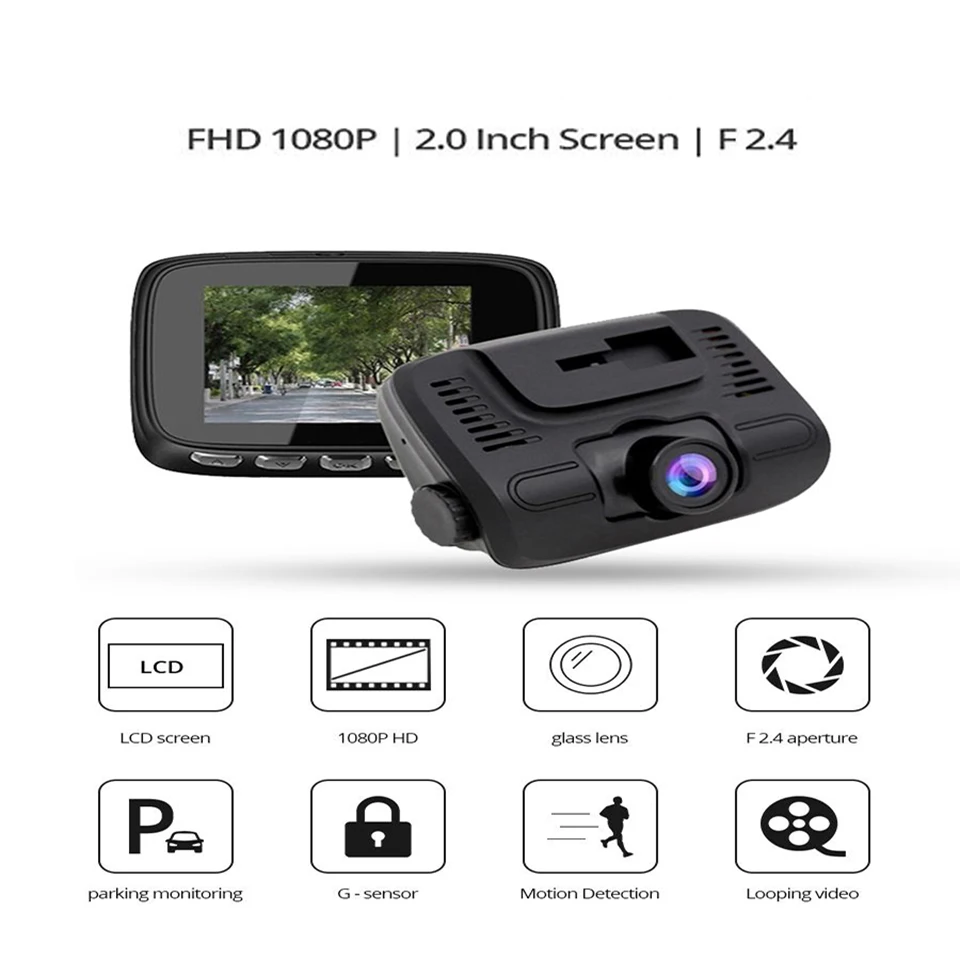
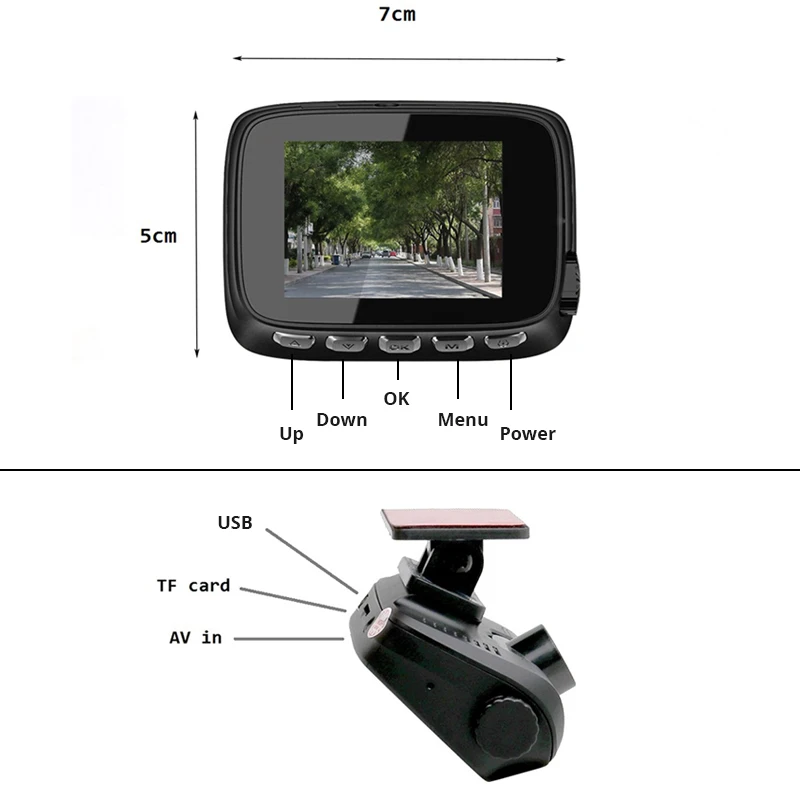
- 1080p cameras with a small screen and wide-angle lenses that take in the lanes either side.
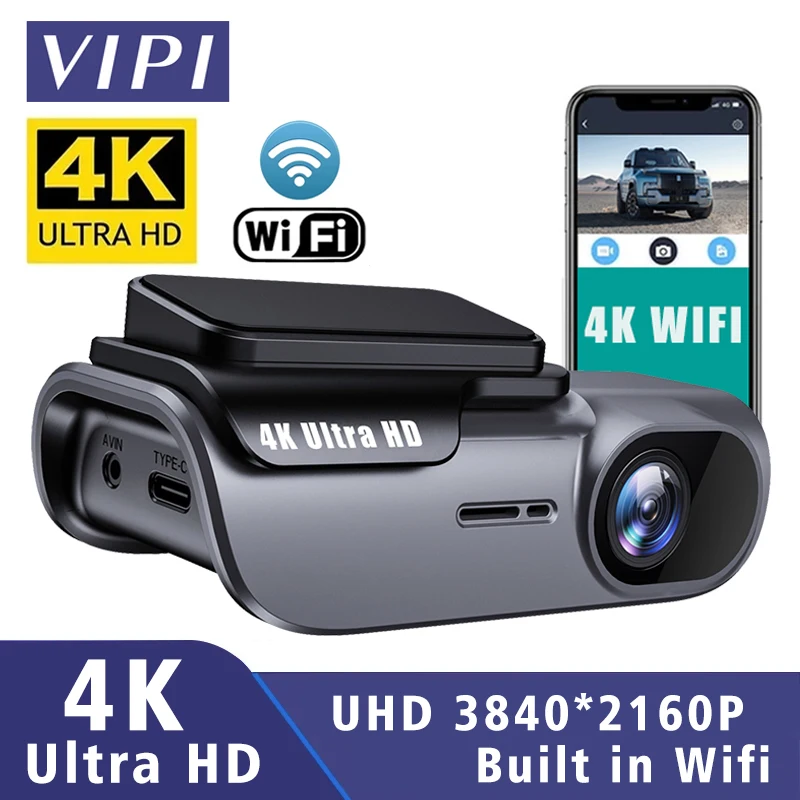
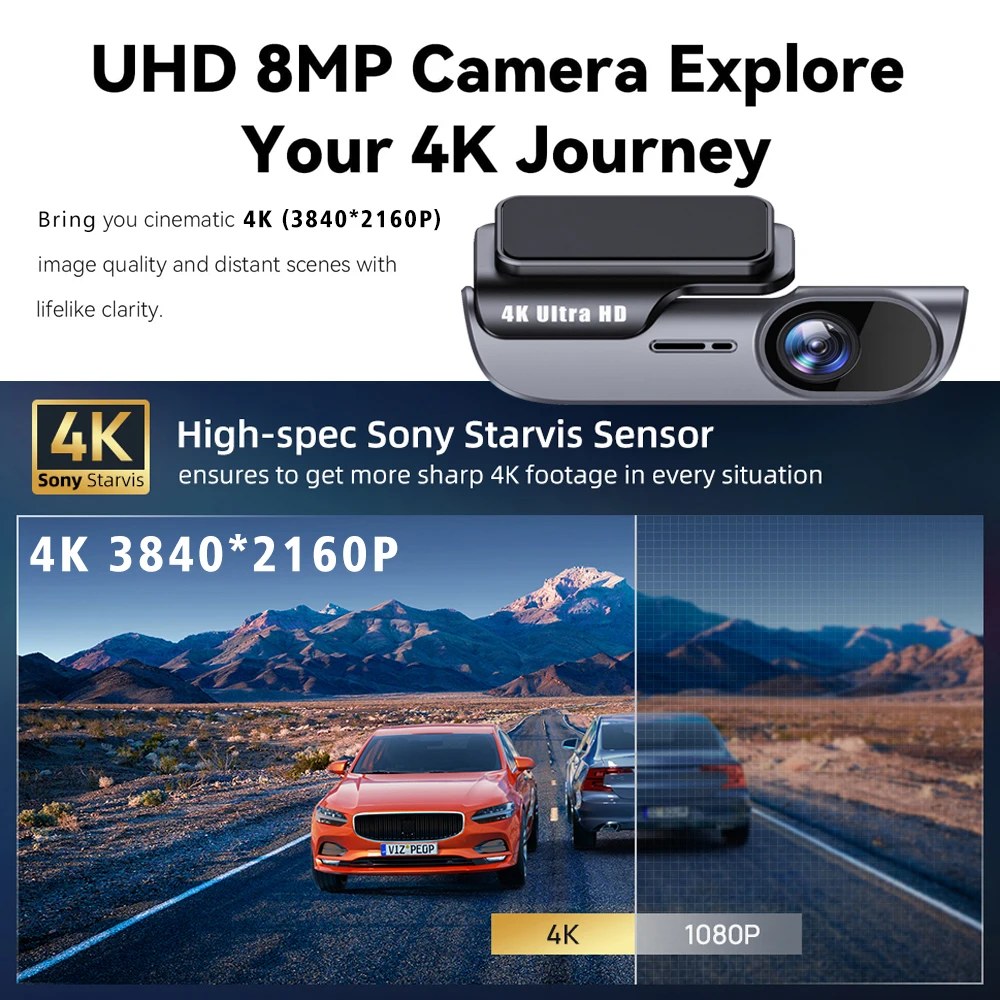
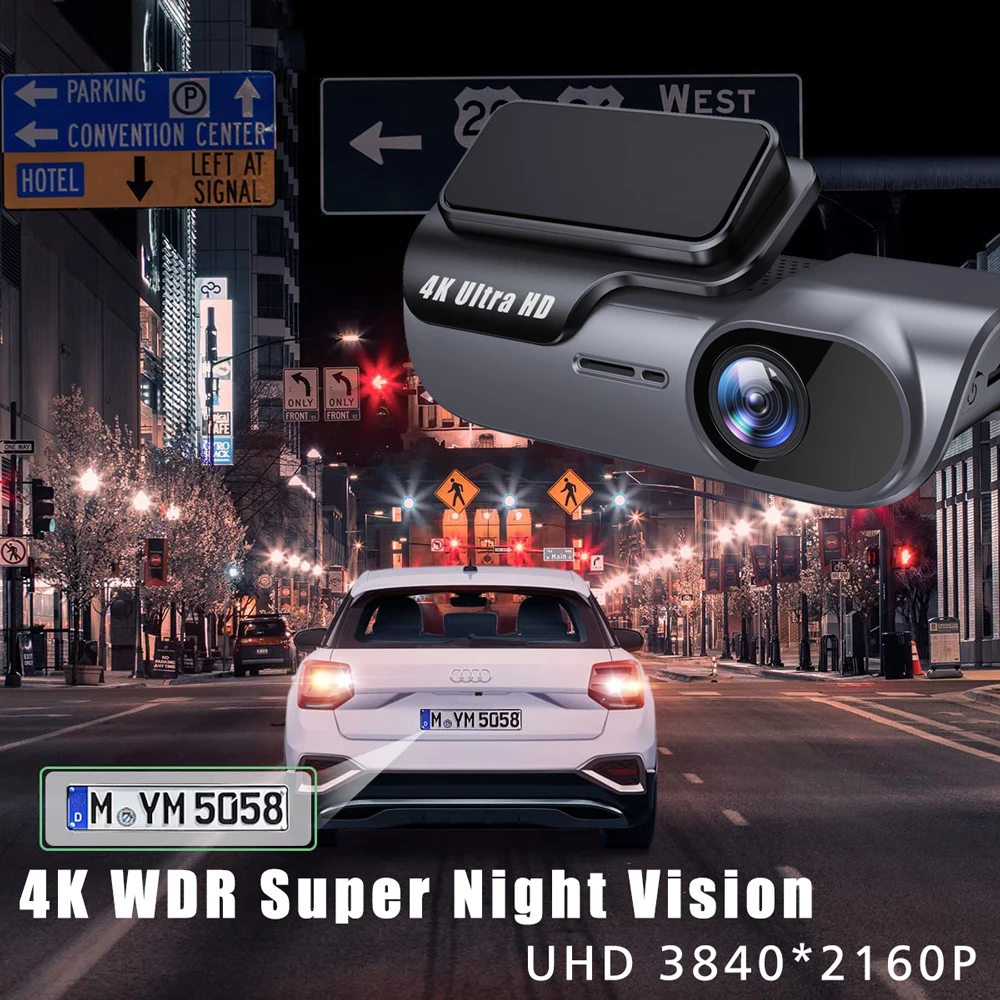
- A 4K camera for more detail on number plates and signs, set up and played back through a phone app.
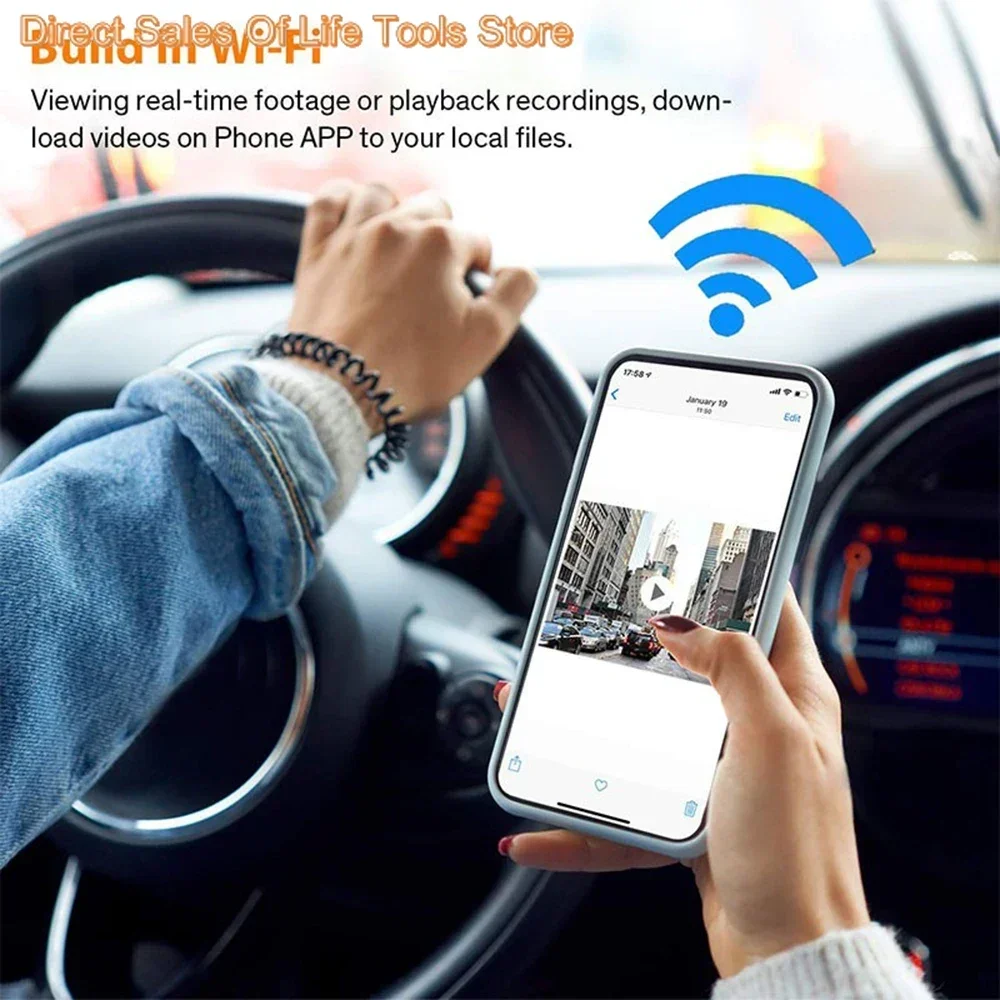
- Wi-Fi cameras that connect straight to your phone, with no router needed. One also has Bluetooth and fixes to the glass with double-sided tape.
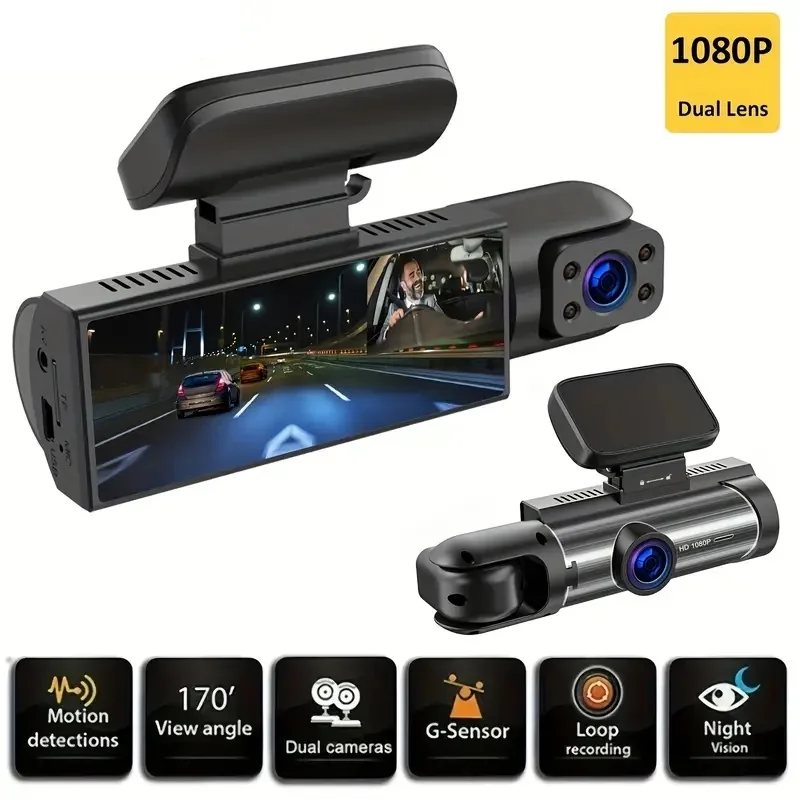
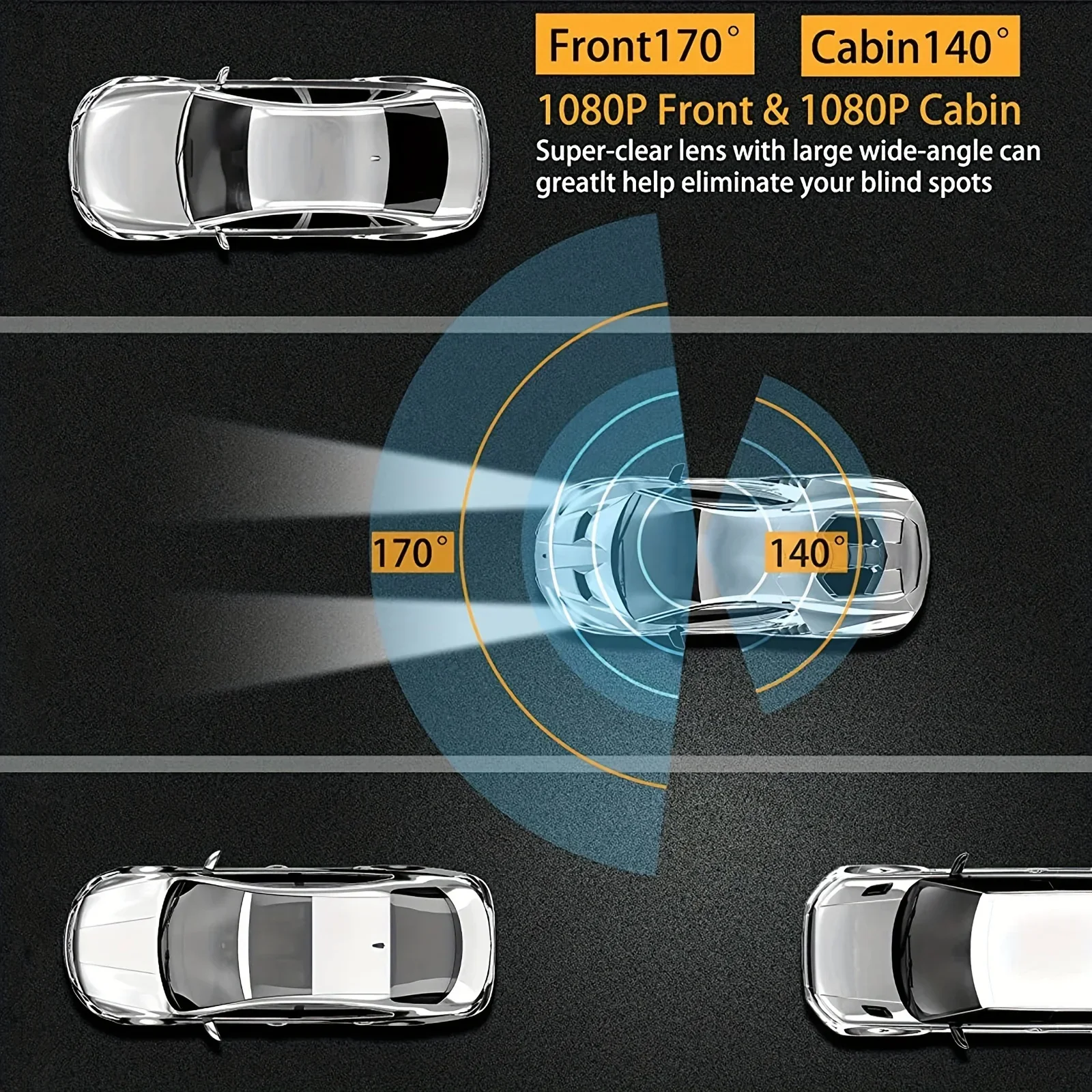
- A front and cabin camera with a second lens that records inside the car at the same time, described for private drivers and for taxi and minicab work.
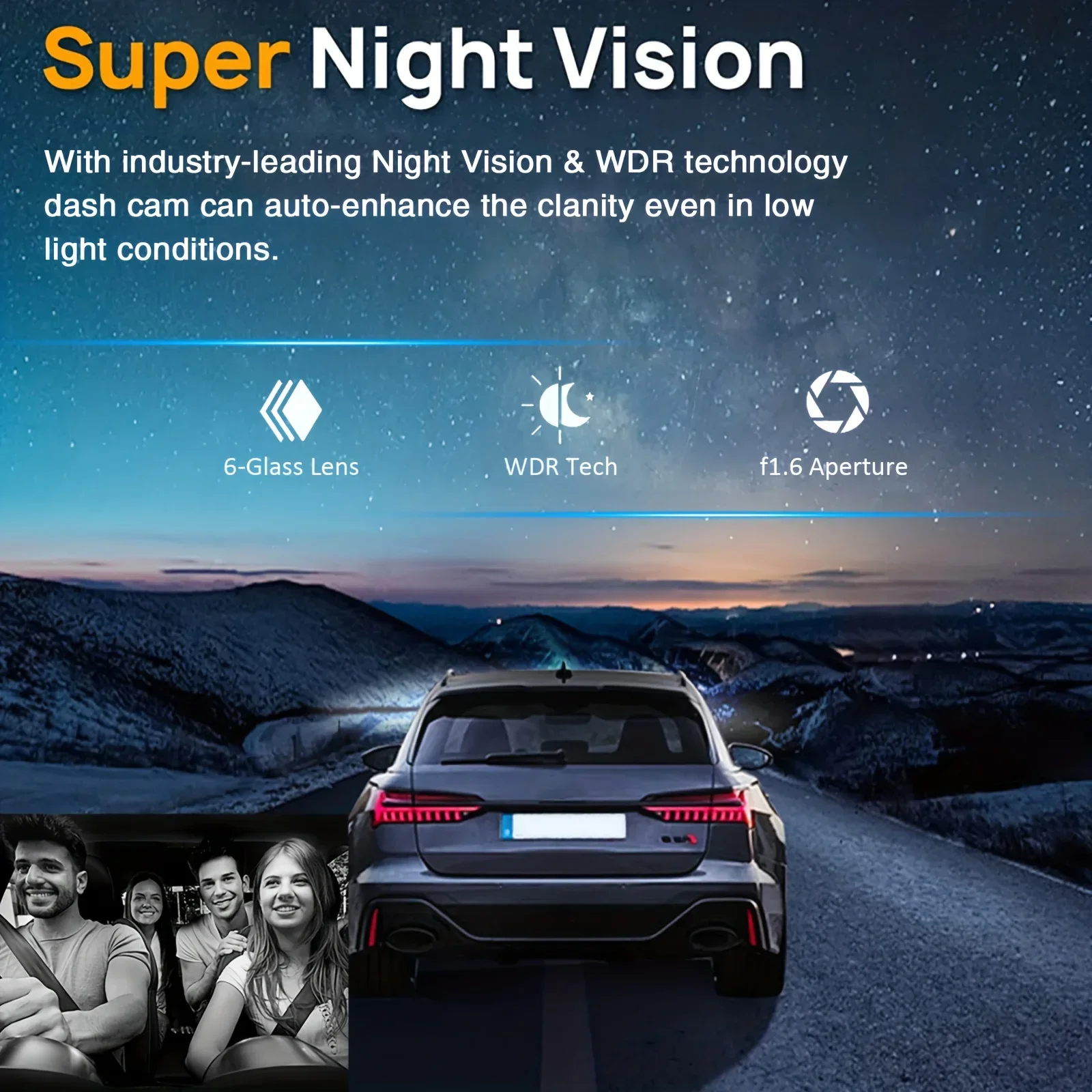
All of them have night vision. Most record in a loop, writing over the oldest clip when the card is full, and some have a G-sensor that locks the clip when it feels a jolt.
How to choose
The picture. 1080p is the usual standard; 4K gives more detail to read a plate from further away, and fills a memory card faster. The screen. A screen makes setting up the angle easy; a camera without one is set up from the app. The card. Some let you choose a memory card when you order. The others say the card is not included and name the class they need: the SD Association's Class 10 and U3 marks mean a minimum writing speed of 10MB/s and 30MB/s. The power. They run from the 12V socket or a USB lead. One says it is for 12V only, needs a converter on a 24V supply and must use its own car charger, not a USB data cable, so read the power notes on each page.
Fit the camera high on the windscreen behind the mirror. GOV.UK guidance treats a strip 290mm wide centred on the steering wheel, called Zone A, as the part to keep clear.
Questions people ask about front dash cams
Does it record when the car is parked?
Only with power while the engine is off. On these that means a hardwire kit or a voltage-reducing cable connected to the fuse box, normally fitted by an auto electrician. The shop does not sell the kit or the cable. Plugged into a socket that switches off with the ignition, the camera stops when you do.
Can I use one for work?
Yes, but the Information Commissioner's Office says a camera used for work is not purely personal, so data protection law applies, and it advises turning sound recording off by default. That matters most on the camera that films the cabin.
Should I add a rear camera?
If you are often in queues and stop-start traffic, a camera behind records anything that hits you from the back. Front and rear dash cams and mirror dash cams do both.
Delivery is included in every price and tracked to your door.
More to look at