Air for the tyres, on your own drive
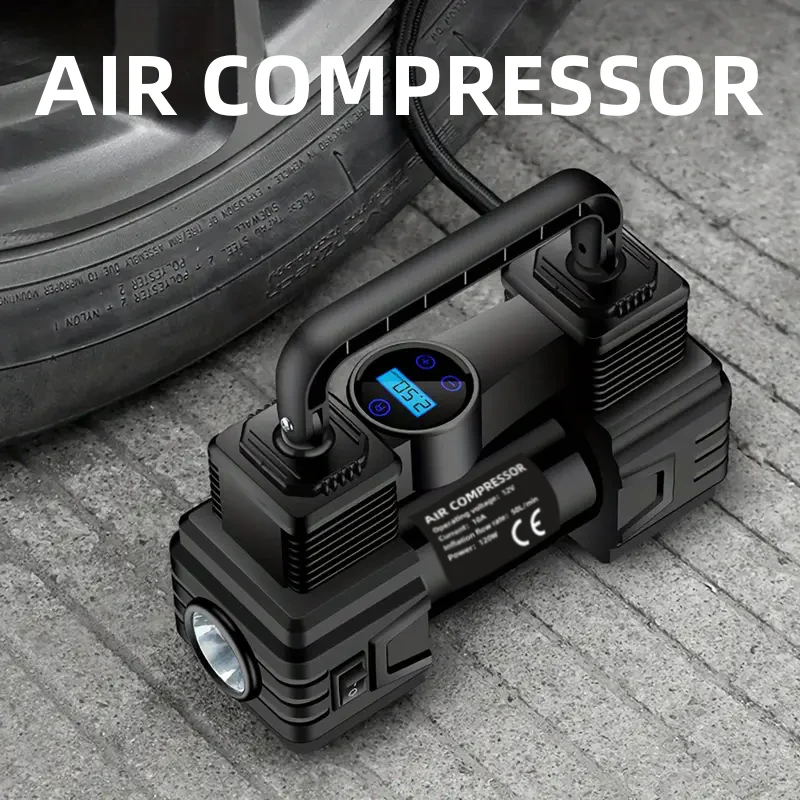
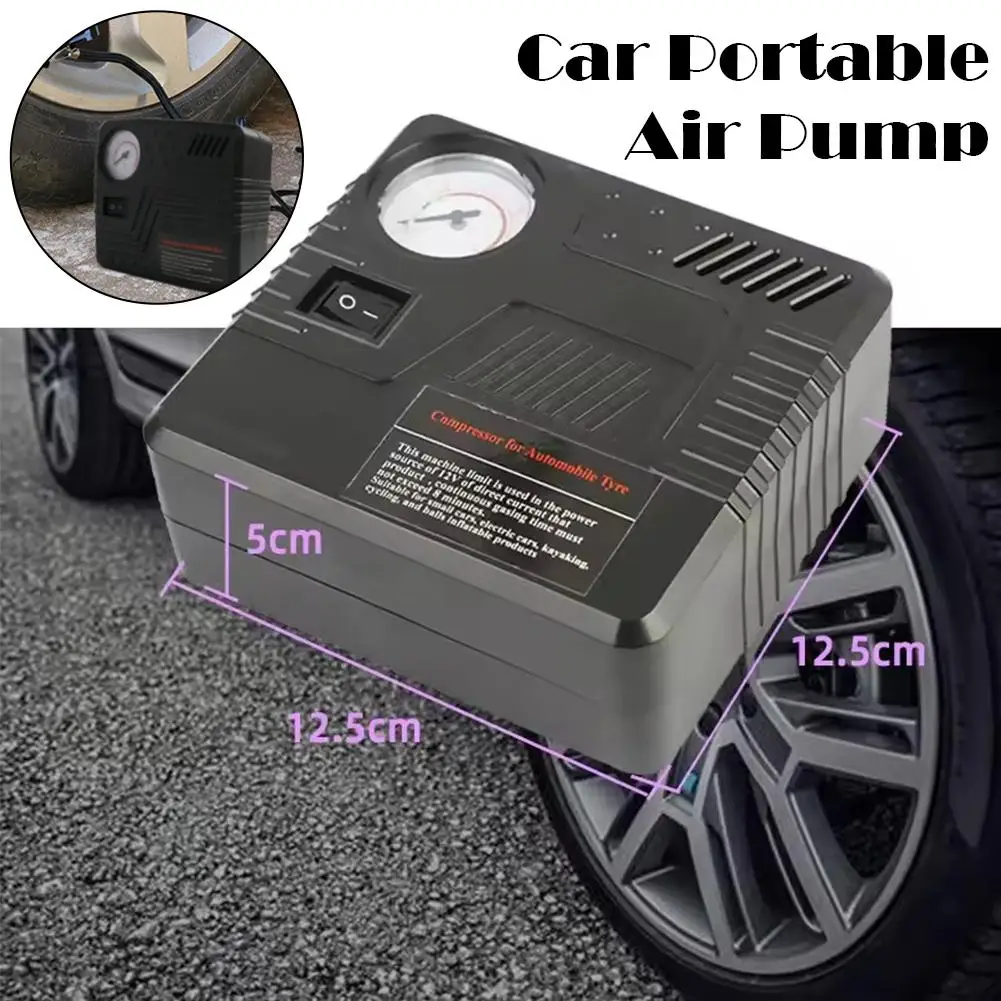
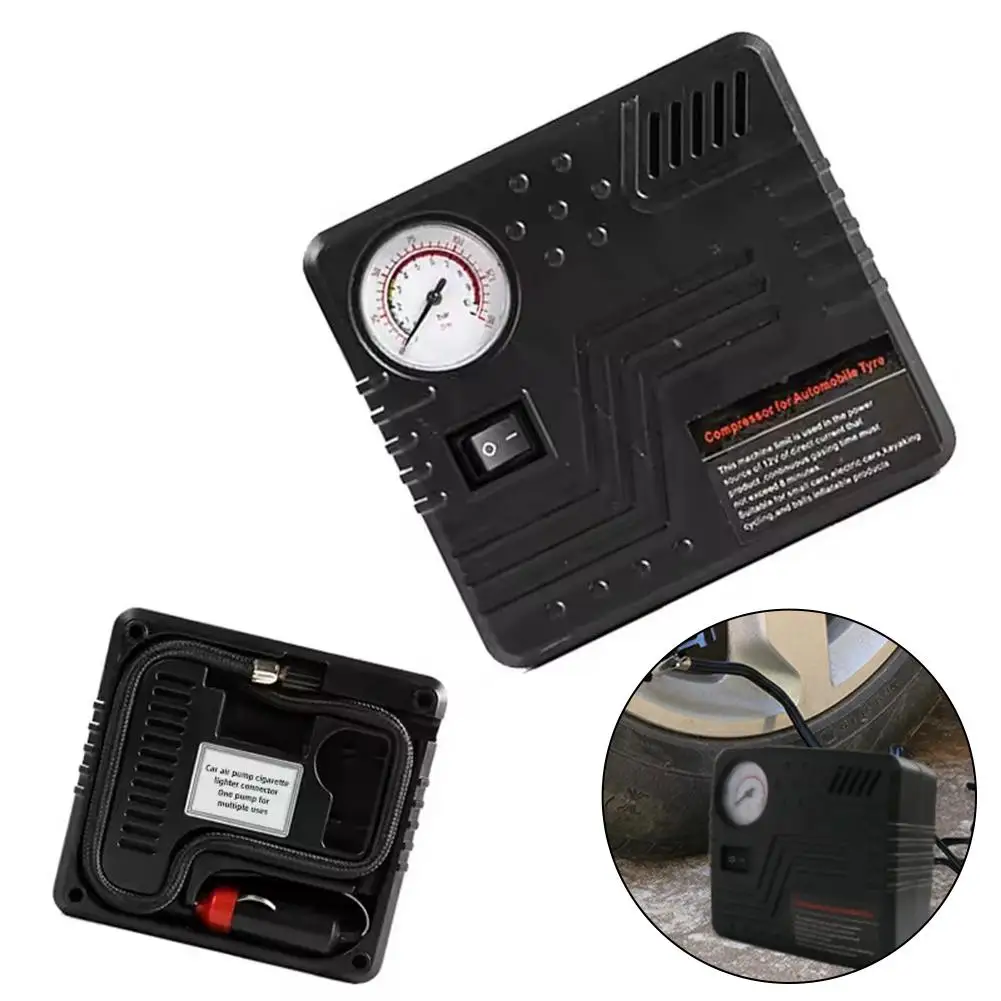
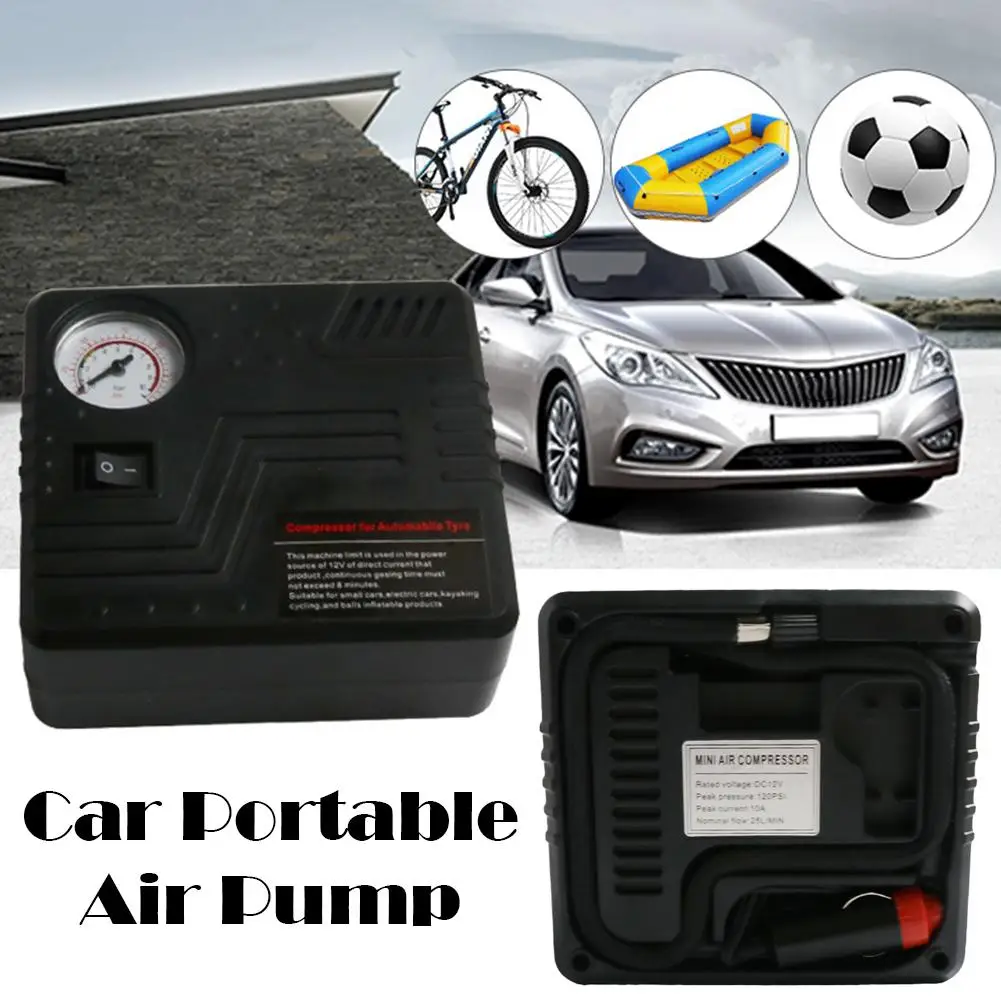
A portable tyre inflator is a small air compressor you keep in the car. It runs from the 12V socket or its own battery, fits onto the tyre valve, and pumps the tyre back up to the right pressure. With one in the boot you can check and top up the tyres at home instead of queuing at a garage air machine, and bring a tyre that is low but holding back up at the roadside. The Highway Code says tyres must be inflated to the vehicle maker's figure for the load being carried, and asks you to check them weekly.
What you will find here
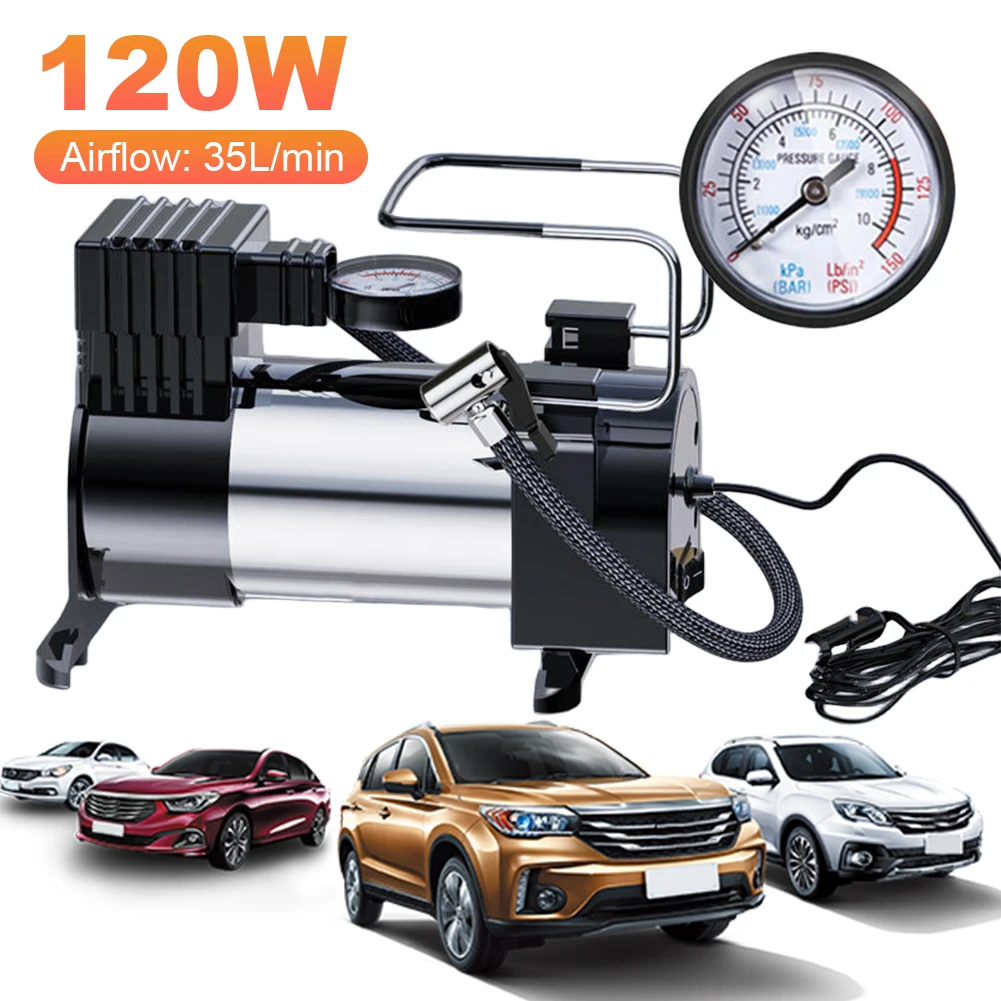
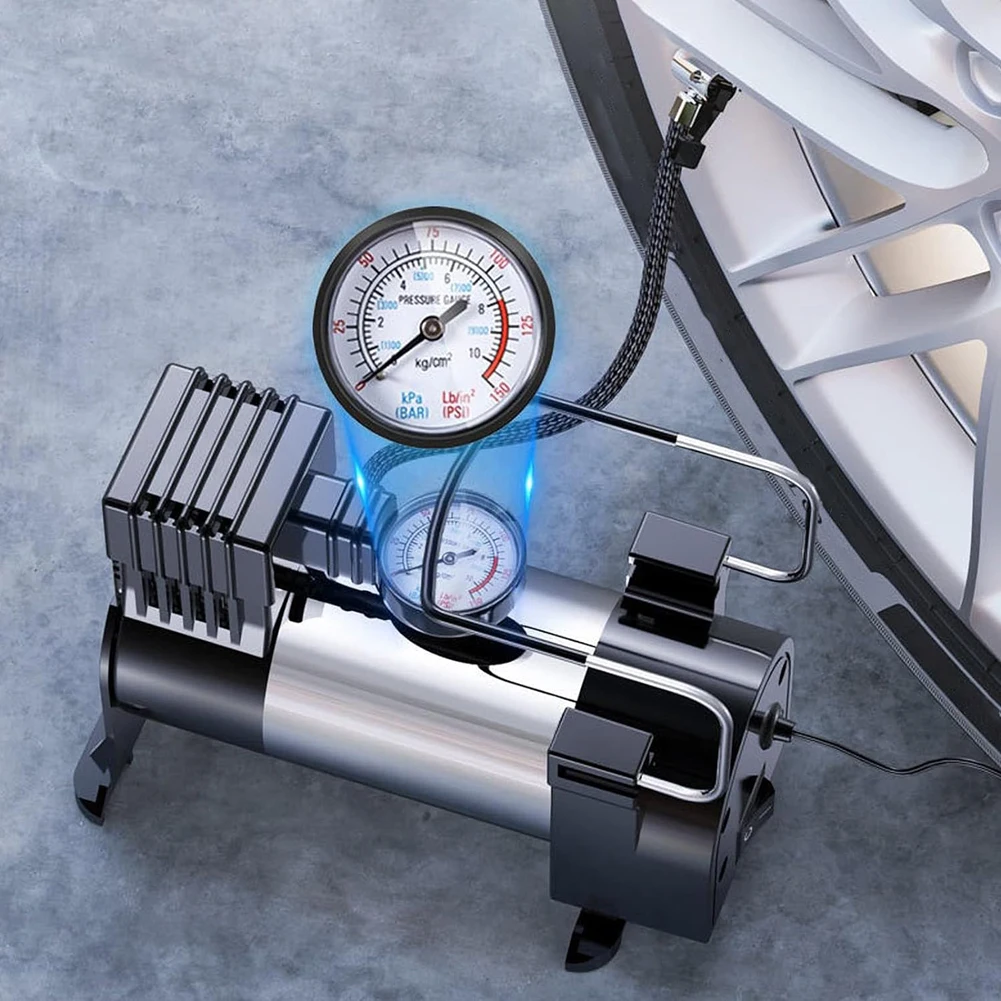
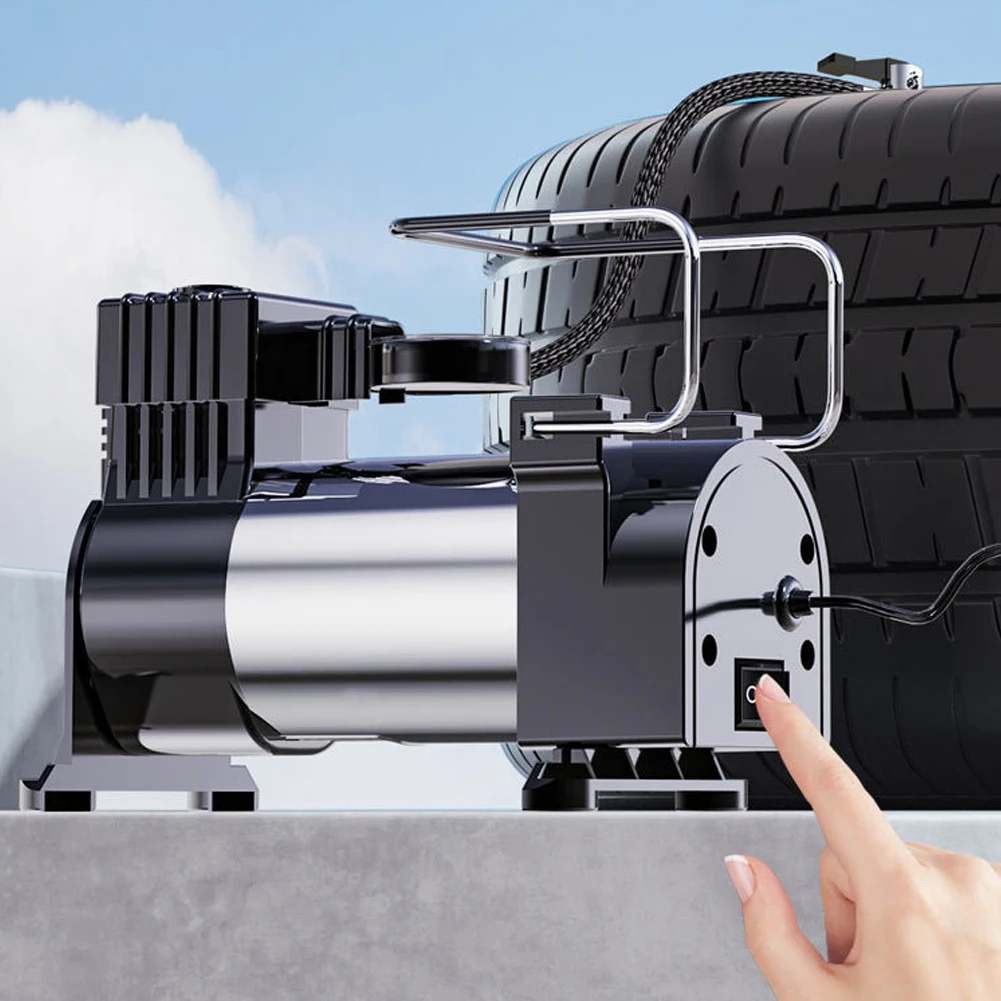
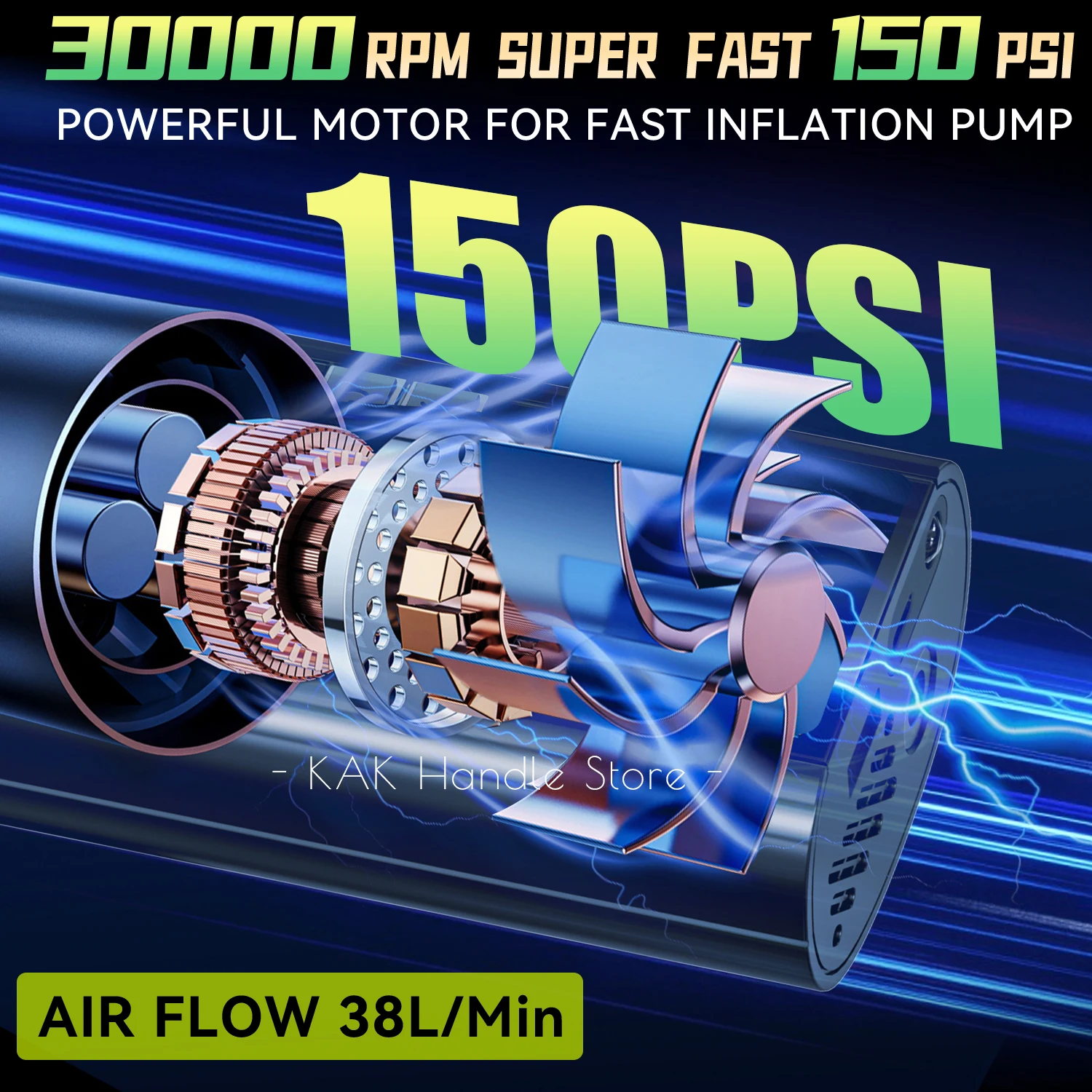
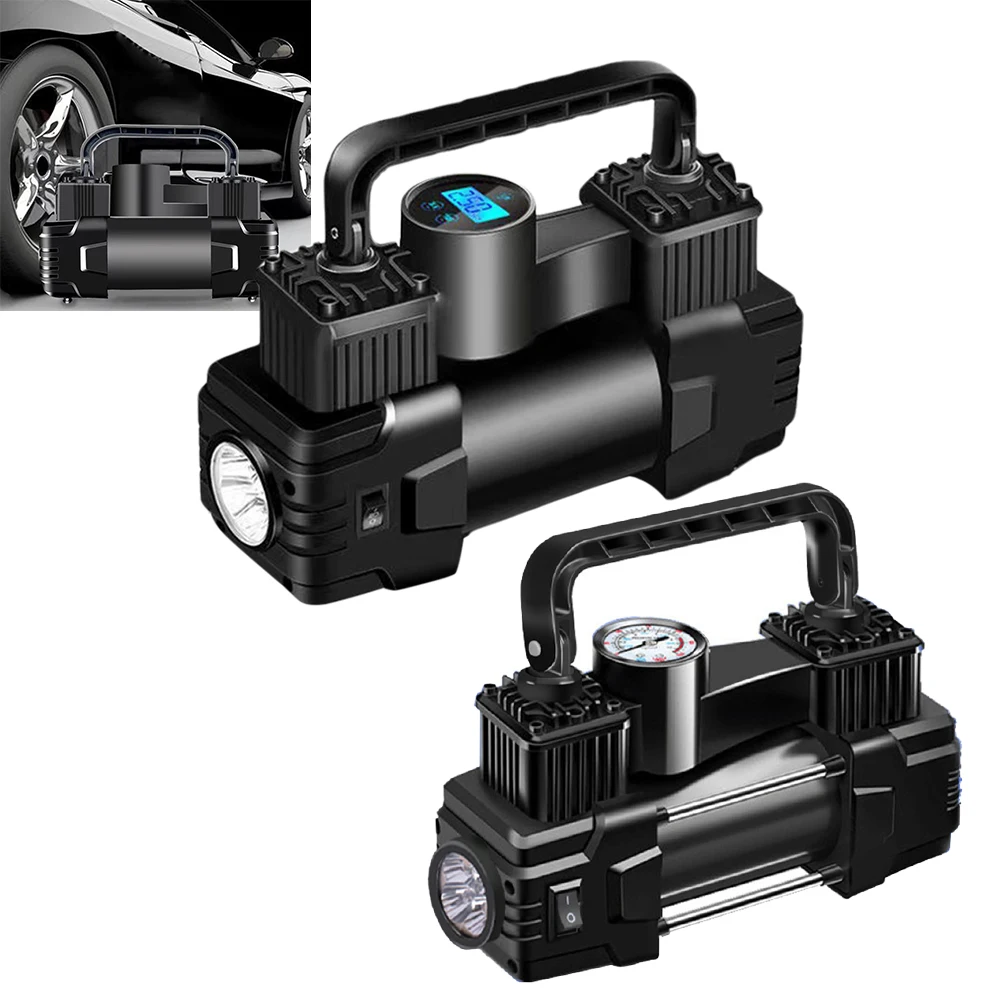
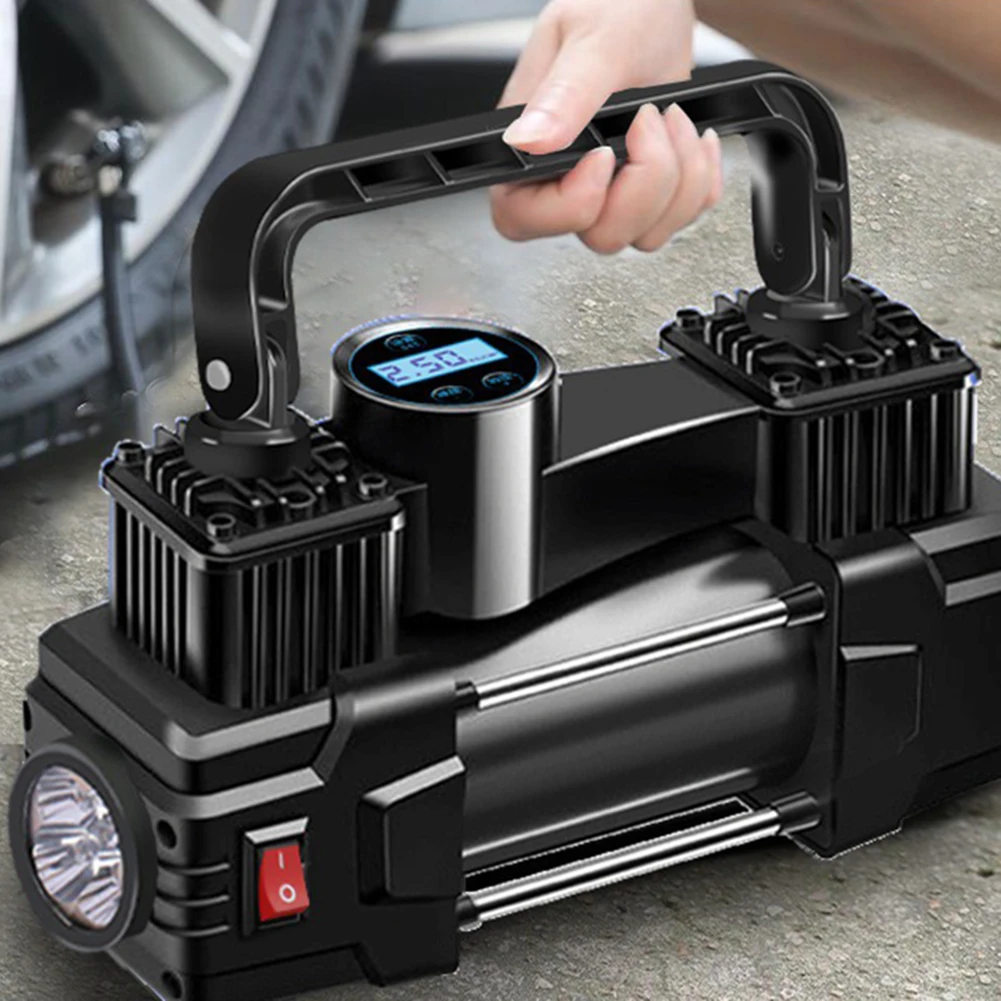
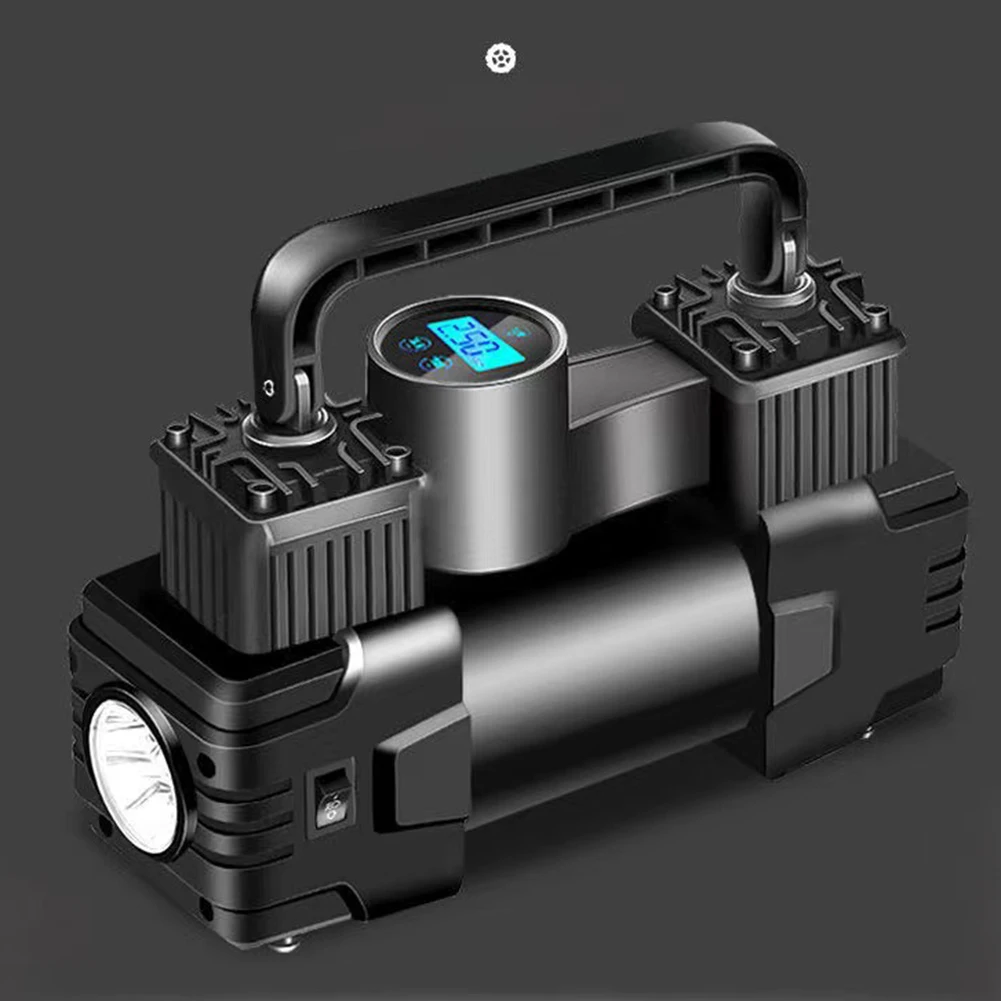
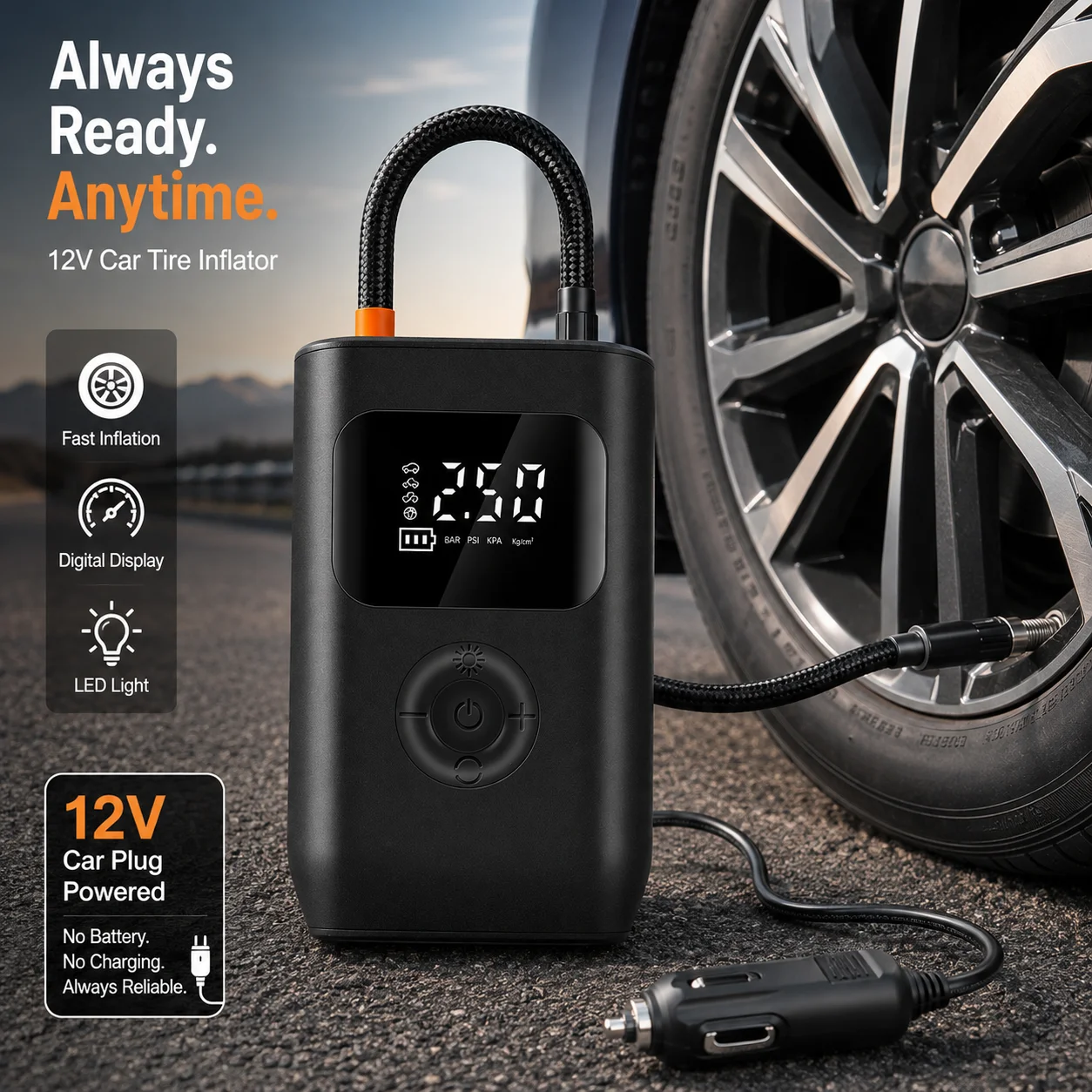
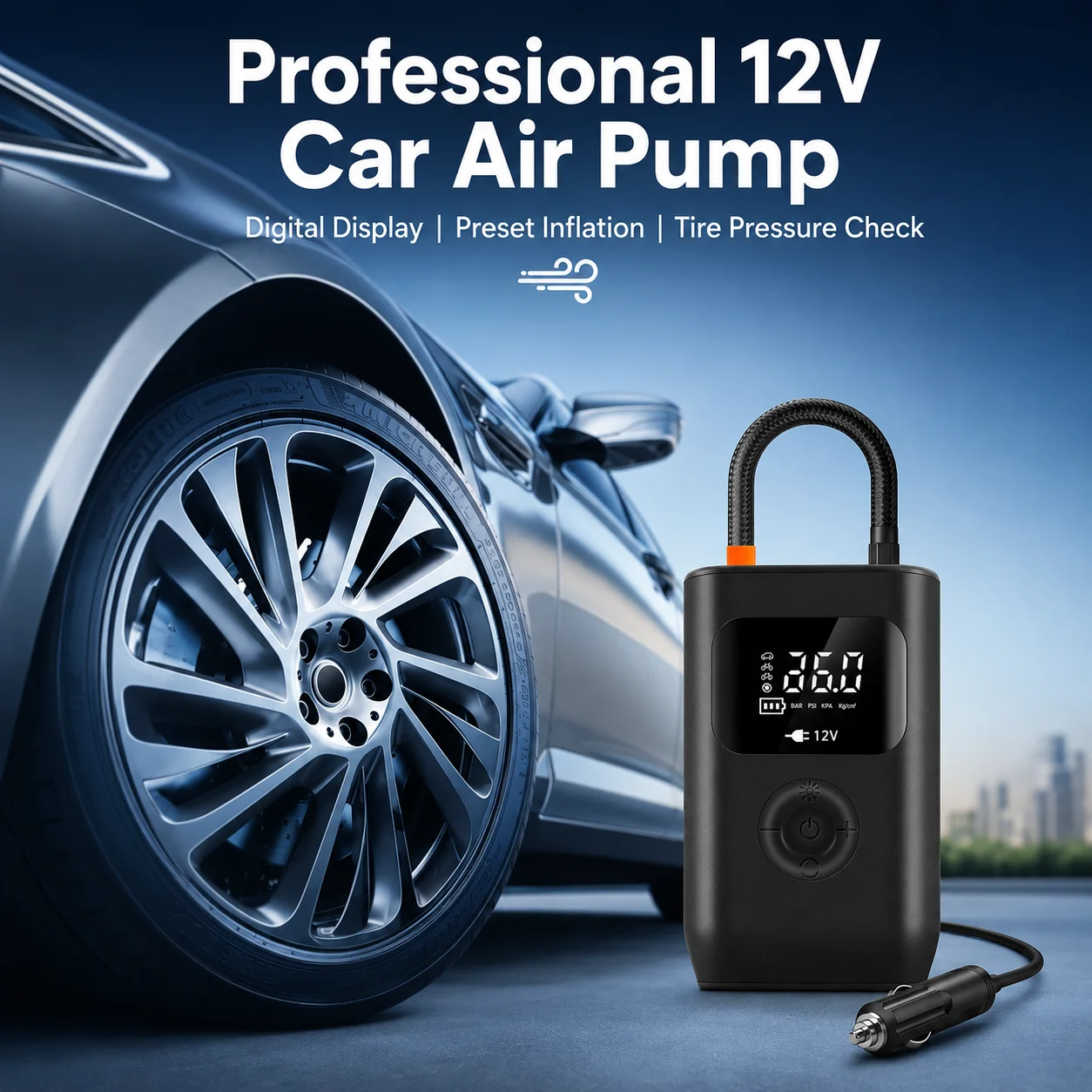
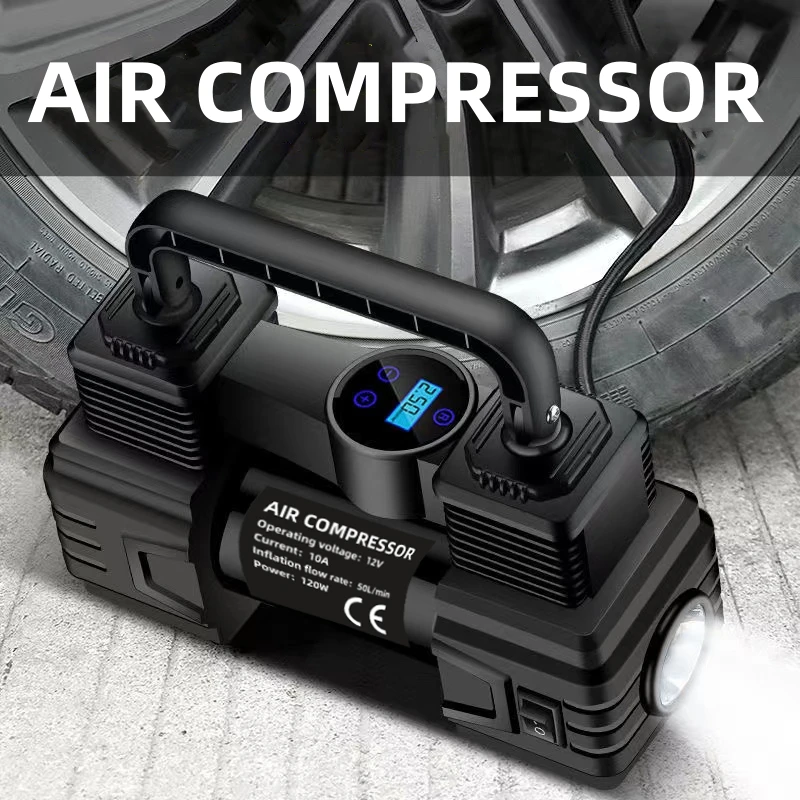
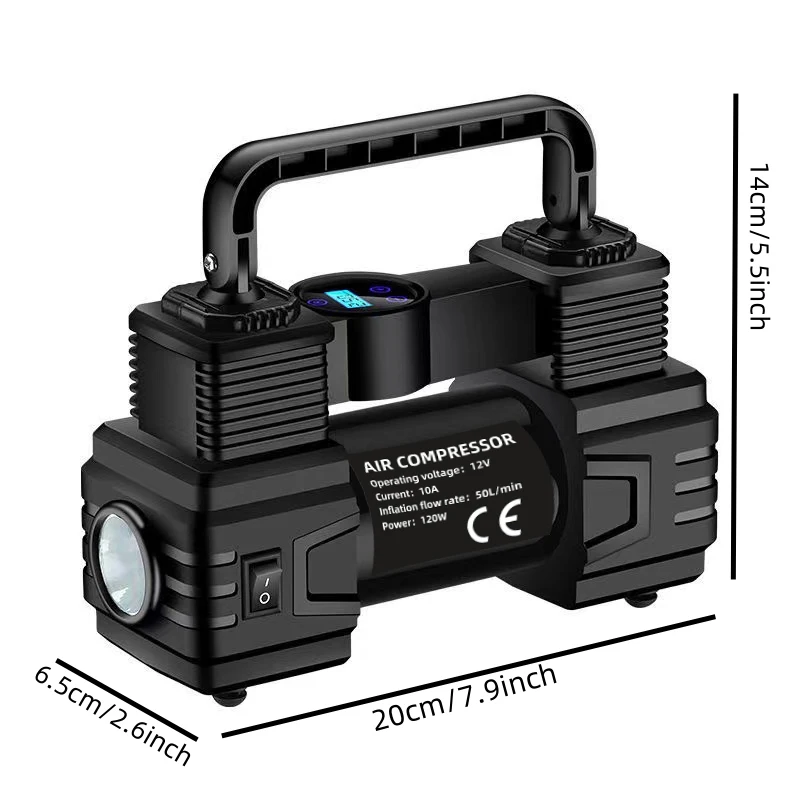
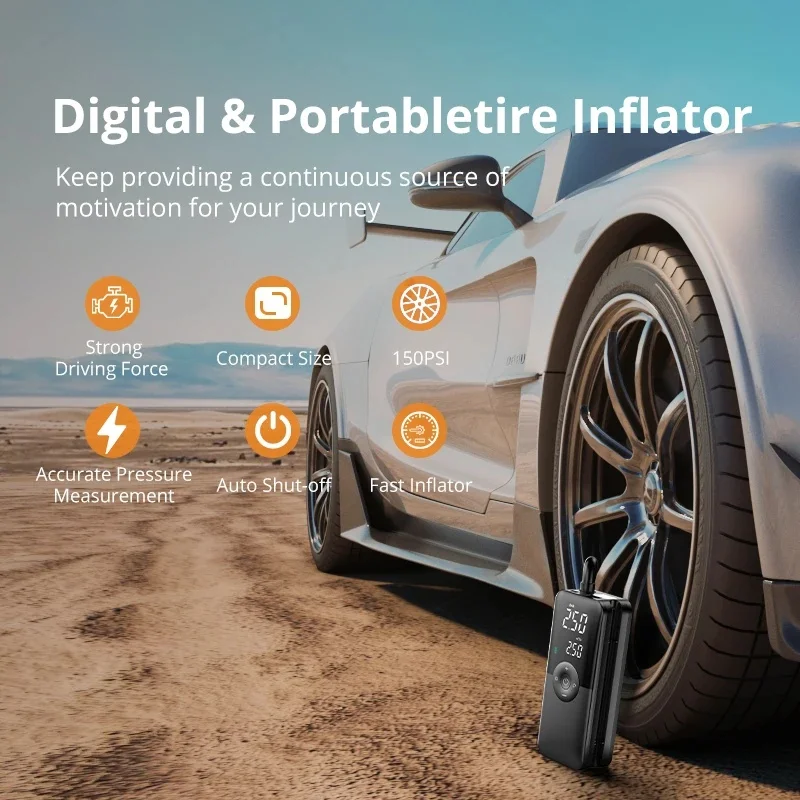
- 12V inflators that plug into the socket, with a digital display or a dial gauge, a light for the dark, and on some a setting that stops the pump at the pressure you choose. Several come with nozzles for bicycles and balls.
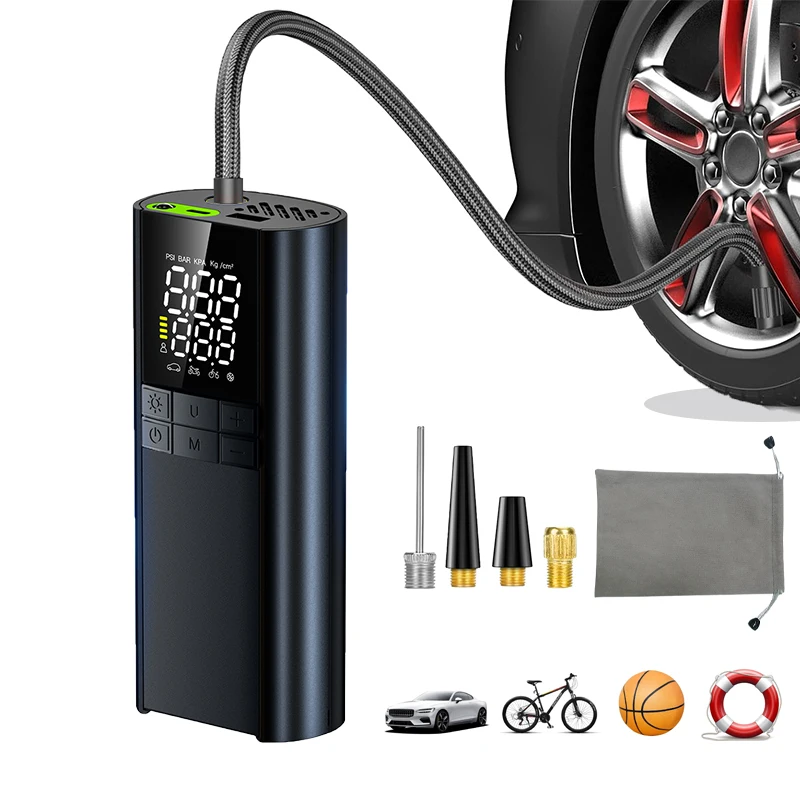
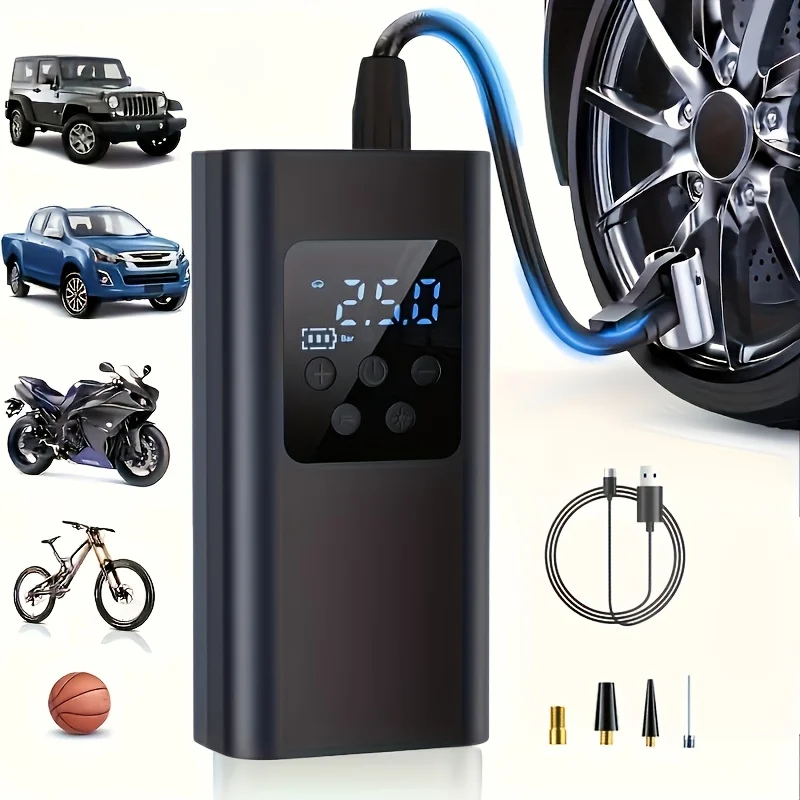
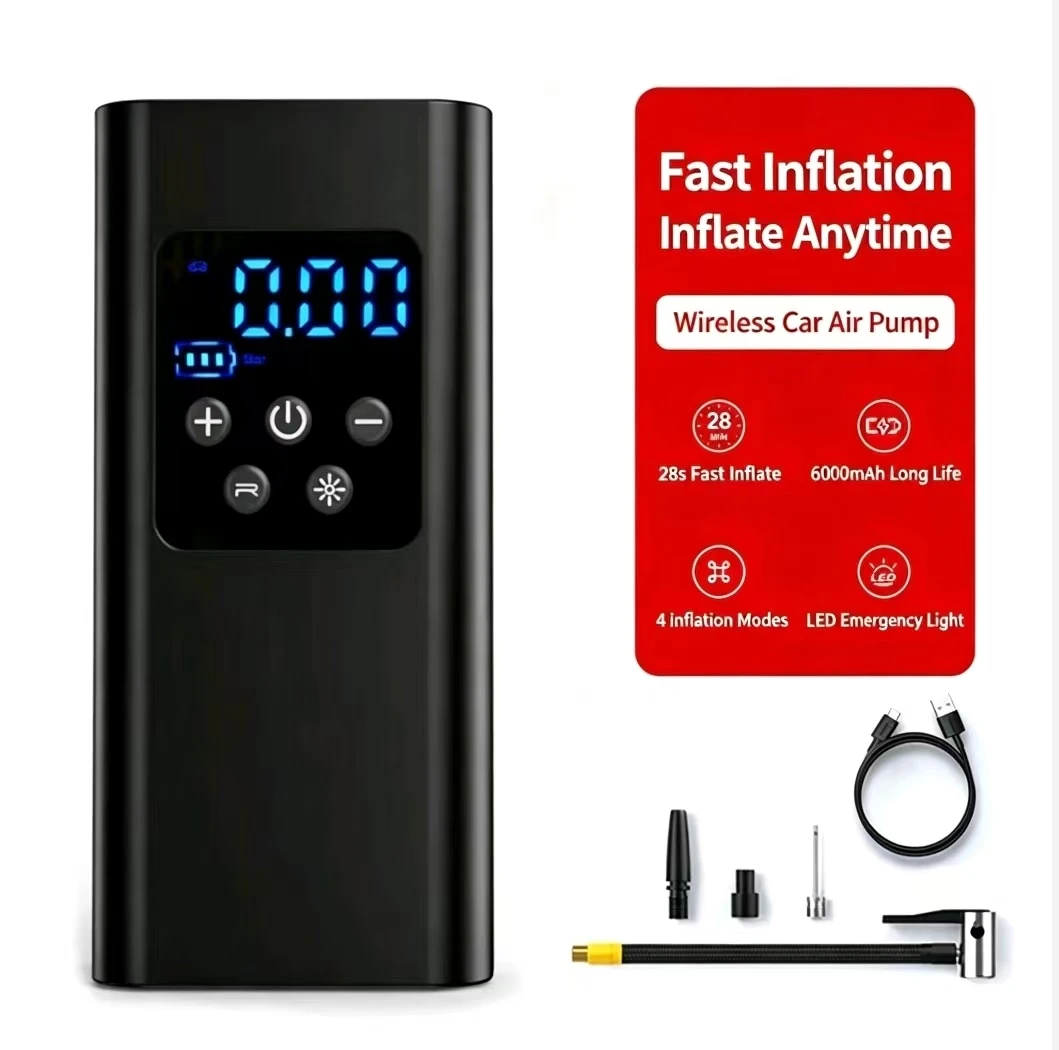
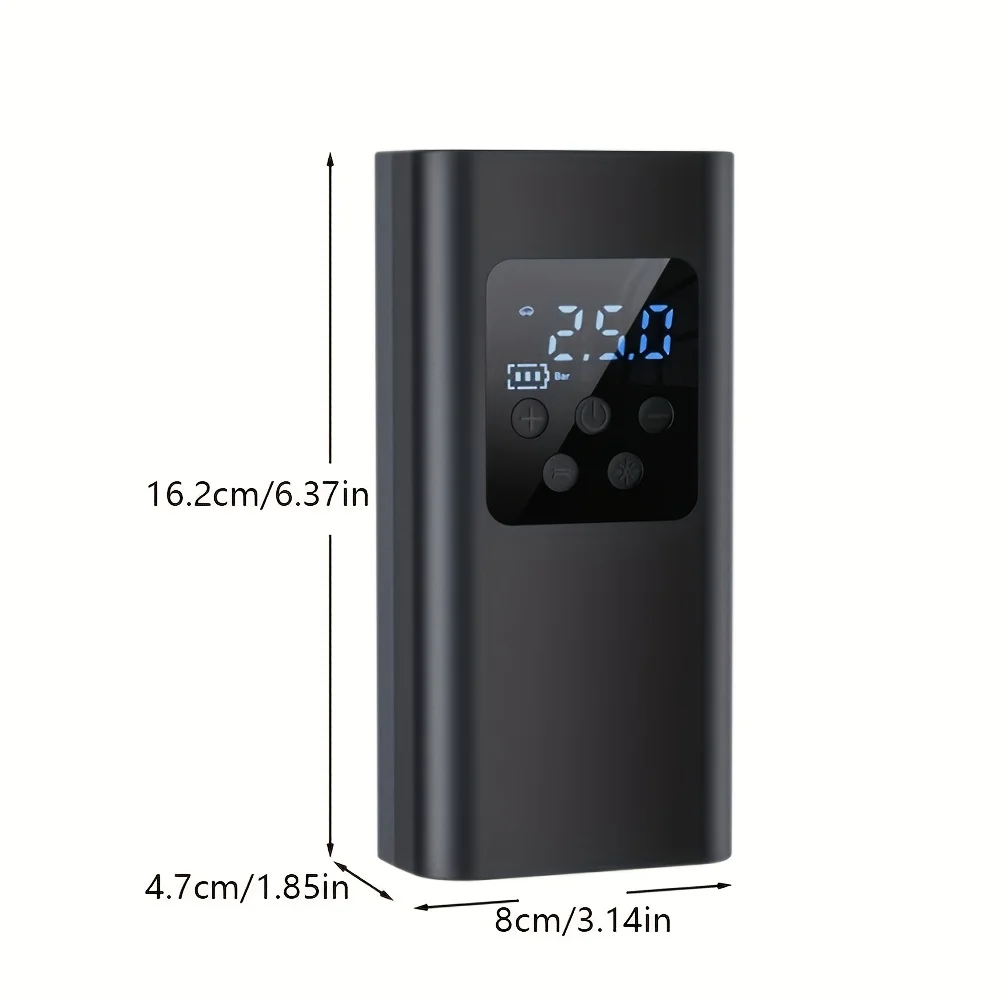
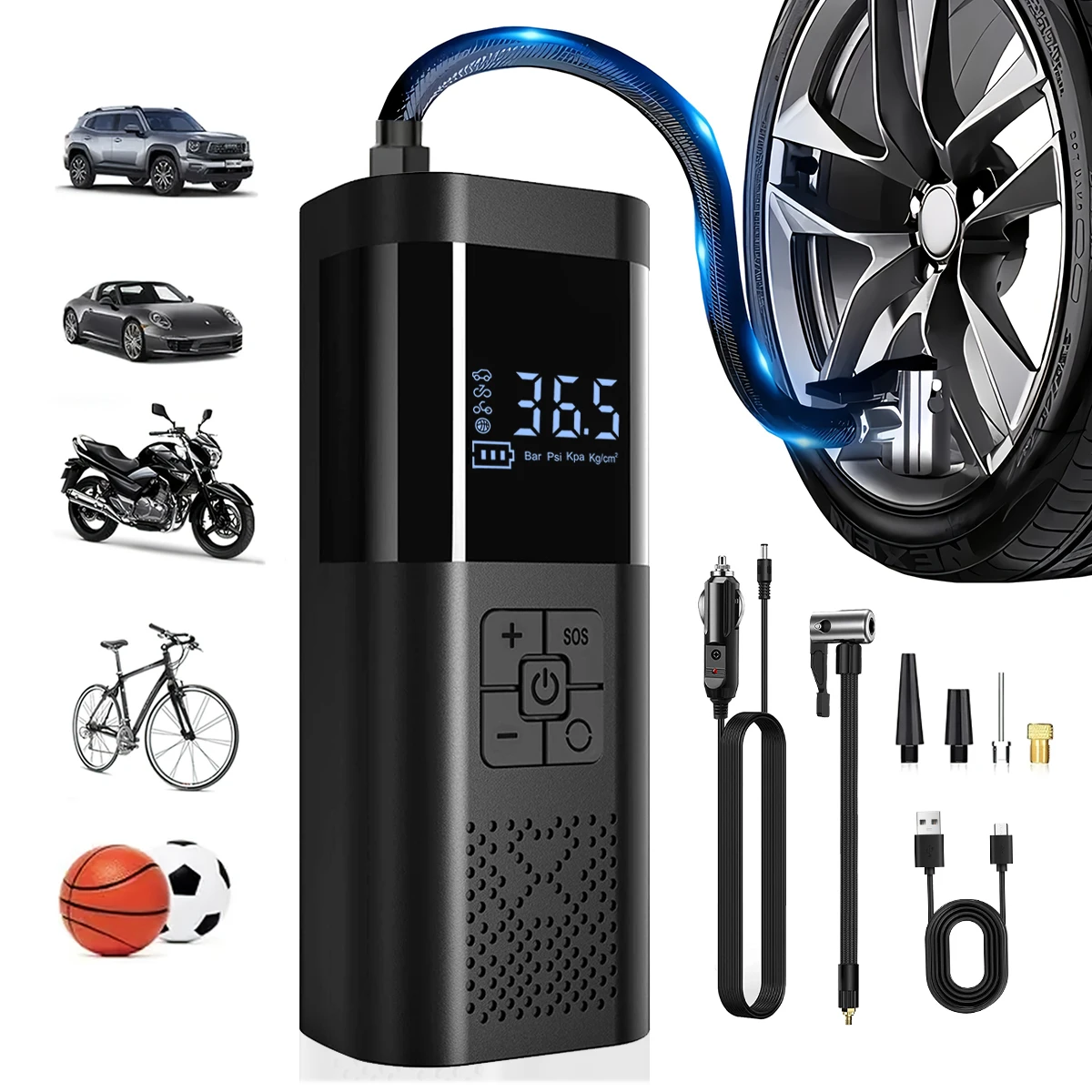
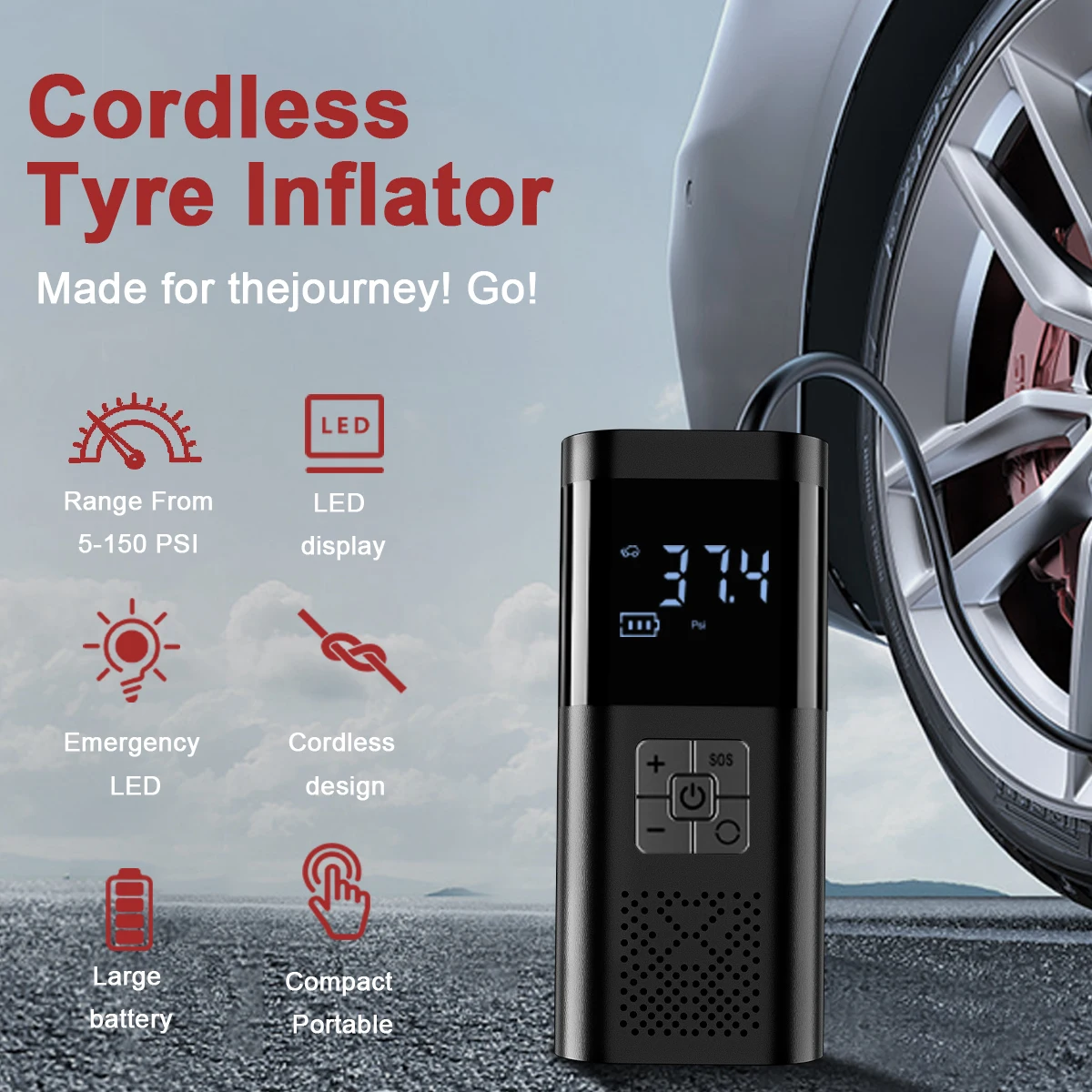
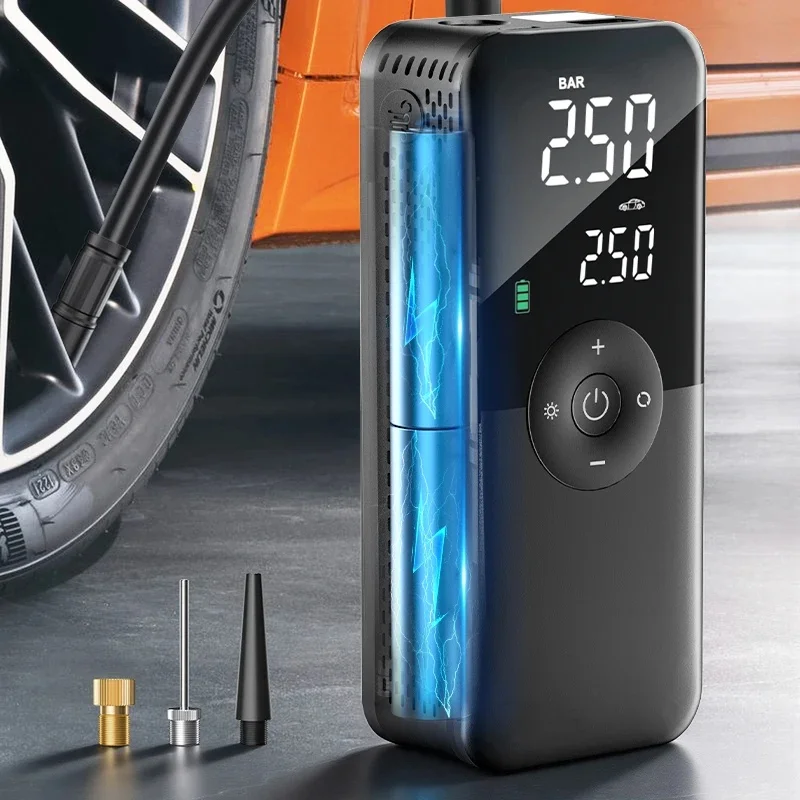
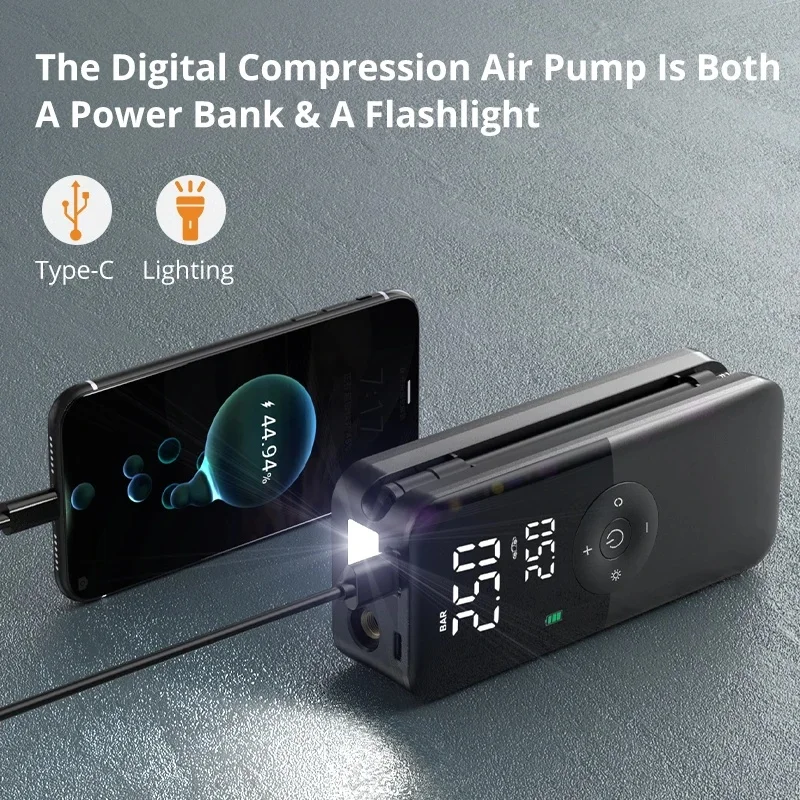
- Cordless inflators with a rechargeable battery, a digital display and automatic shut-off, some with preset modes for a car, a motorcycle, a bicycle and a ball. Some double as a power bank for a phone, and one has a 12V cord as well.
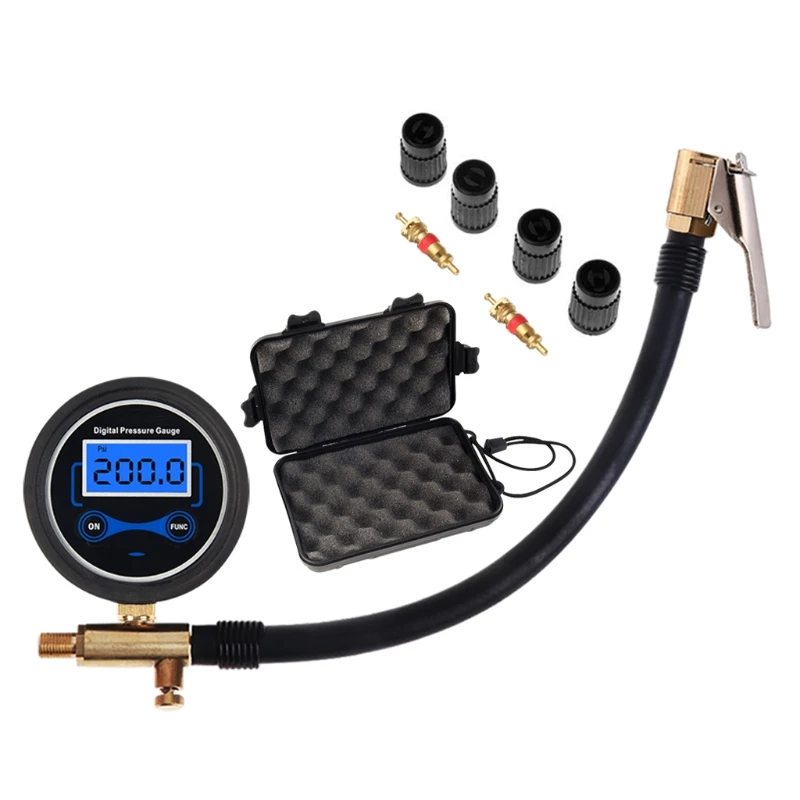
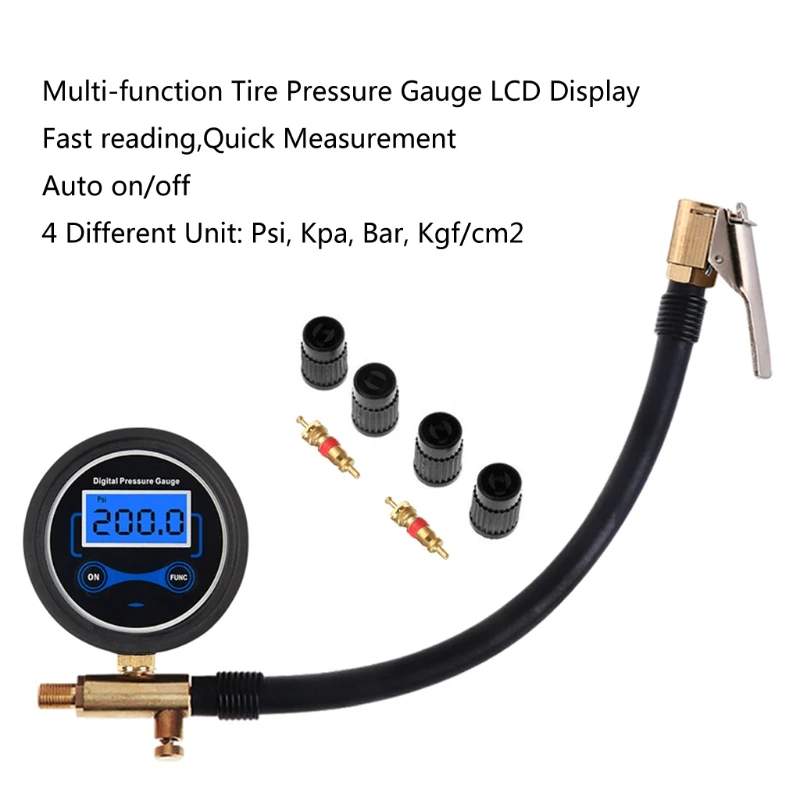
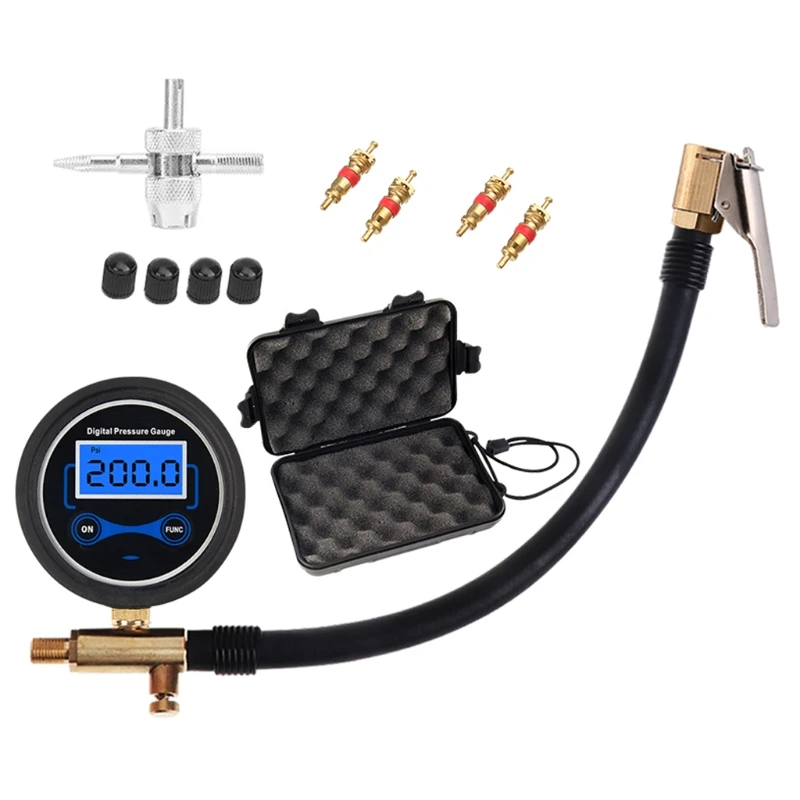
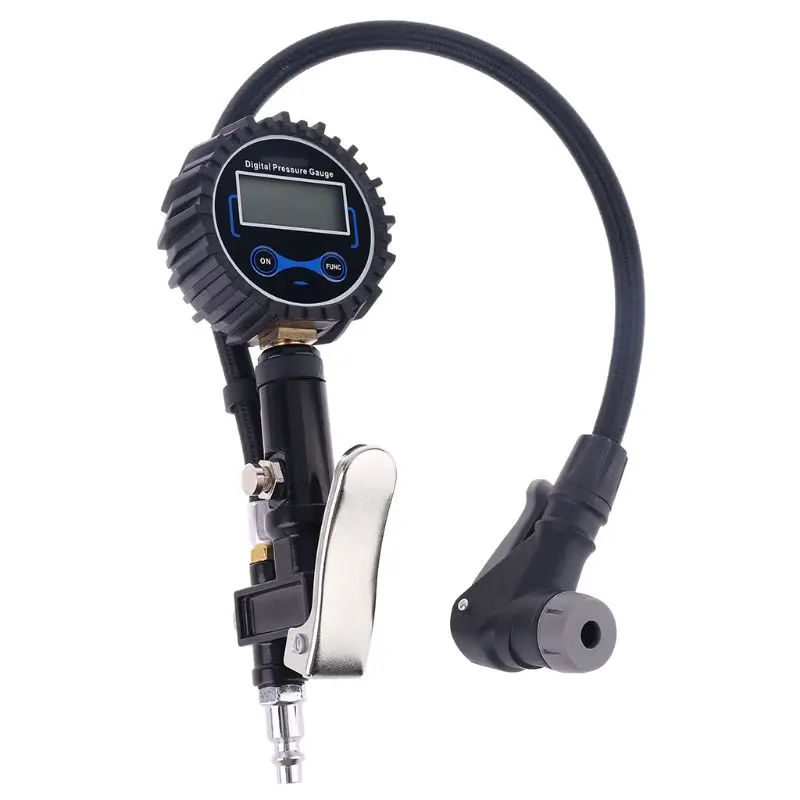
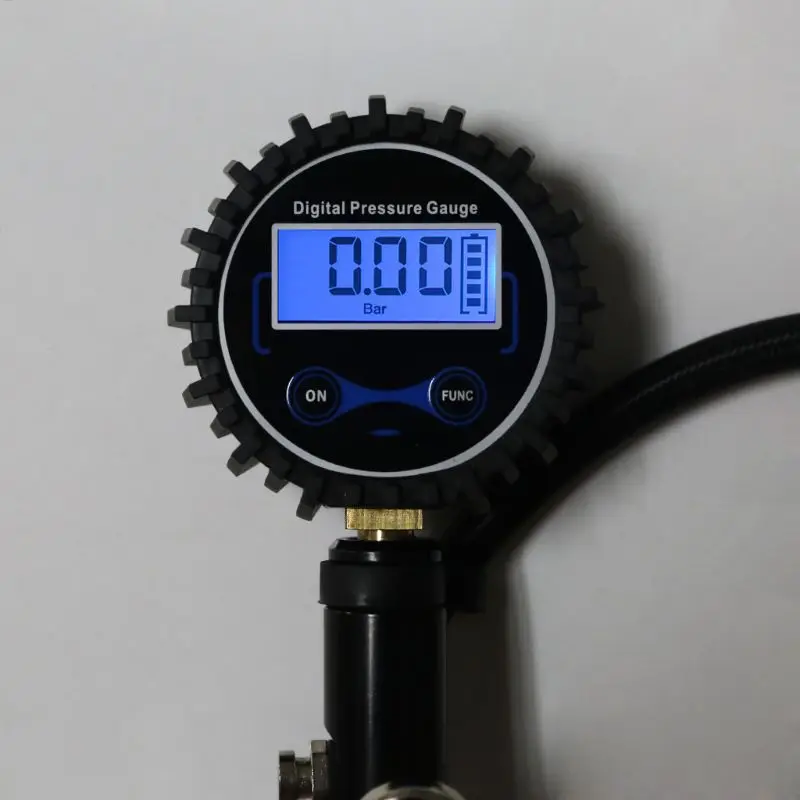
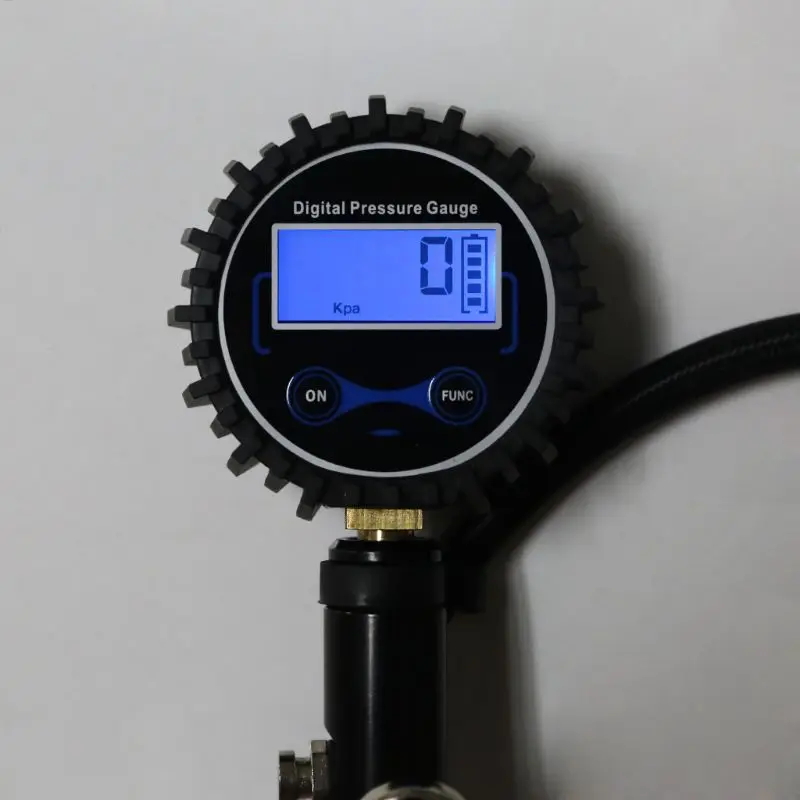
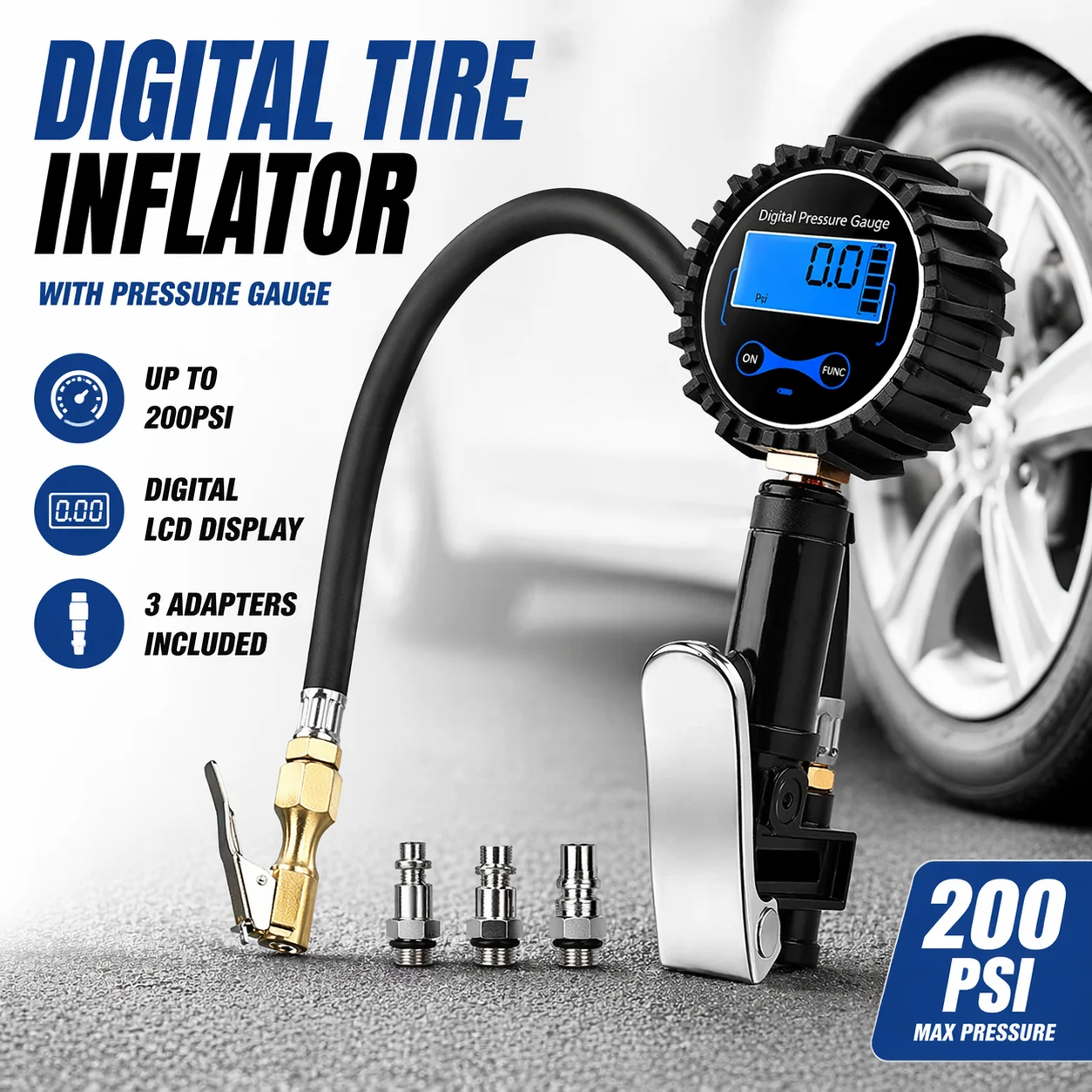
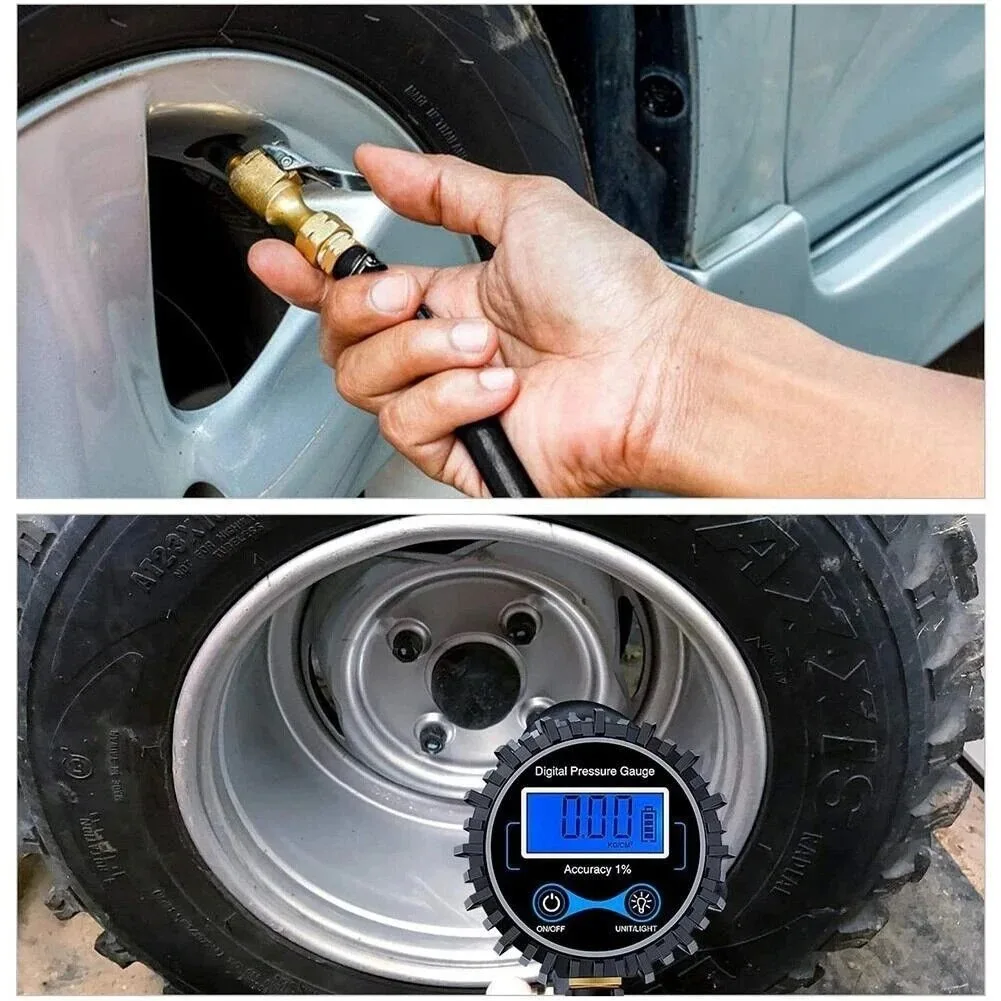
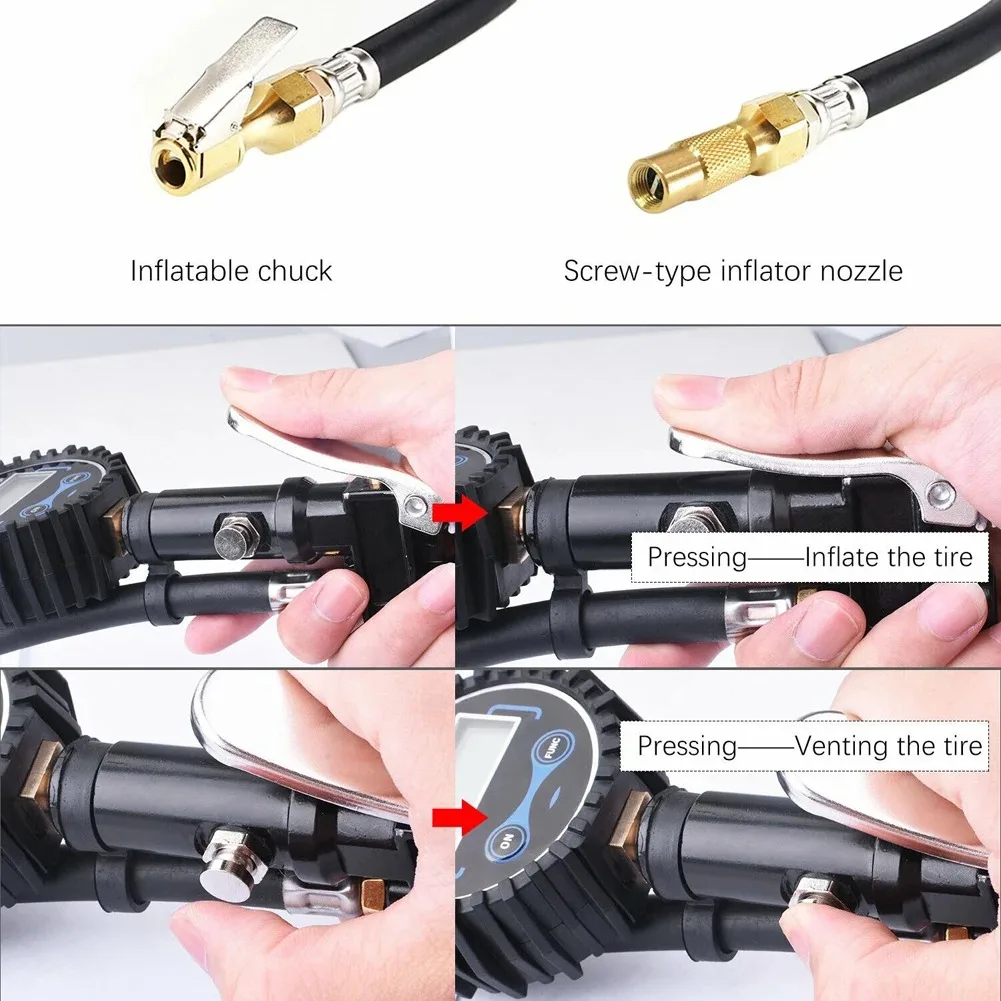
- Digital tyre pressure gauges on an air chuck and hose, run on small batteries, with a button to let air out. These have no pump of their own: they read the pressure and let air out of a tyre that is too hard, and one is made to connect to an air supply.
How to choose
12V or cordless. A 12V inflator never needs charging and works as long as the car's battery does, but it needs the car. A cordless one is quick to take round each tyre and works away from the car, but only if it is charged, so top it up every so often. The gauge. A digital display is easier to read, and with automatic shut-off you cannot over-inflate by looking away. When the pump stops, read the pressure again with it off. The instructions. Follow them about the engine and about rest time between tyres. If they say to keep the engine running, do it outdoors, never in a closed garage. The cordless and rechargeable and 12V accessories pages gather each kind.
Questions people ask about tyre inflators
What pressure should I use?
The figure in the car's handbook, which many cars also show on a label in the driver's door frame or the fuel filler flap, using the higher figures when the car is loaded. Check when the tyres are cold, because a warm tyre reads high.
Why is the warning light still on?
Many cars have tyre pressure monitoring, tested at the MOT on cars first used from 1 January 2012. The MOT manual notes the lamp can stay lit after a pressure loss without the system being faulty; the handbook explains how to reset it.
Can it fix a flat?
No. It puts air back into a tyre that is holding. With a flat, the Code says stop as soon as it is safe, and change the wheel only if you can do so safely. Check the tread too: at least 1.6 mm across the central three-quarters. The guide portable tyre inflators explained goes step by step.
Delivery is included in every price and tracked to your door.
More to look at