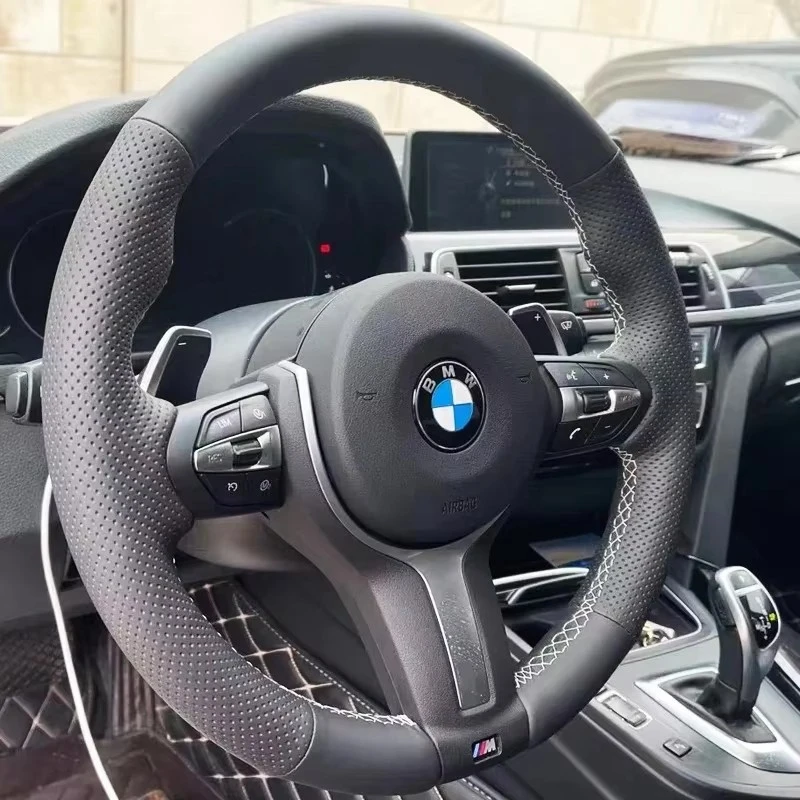
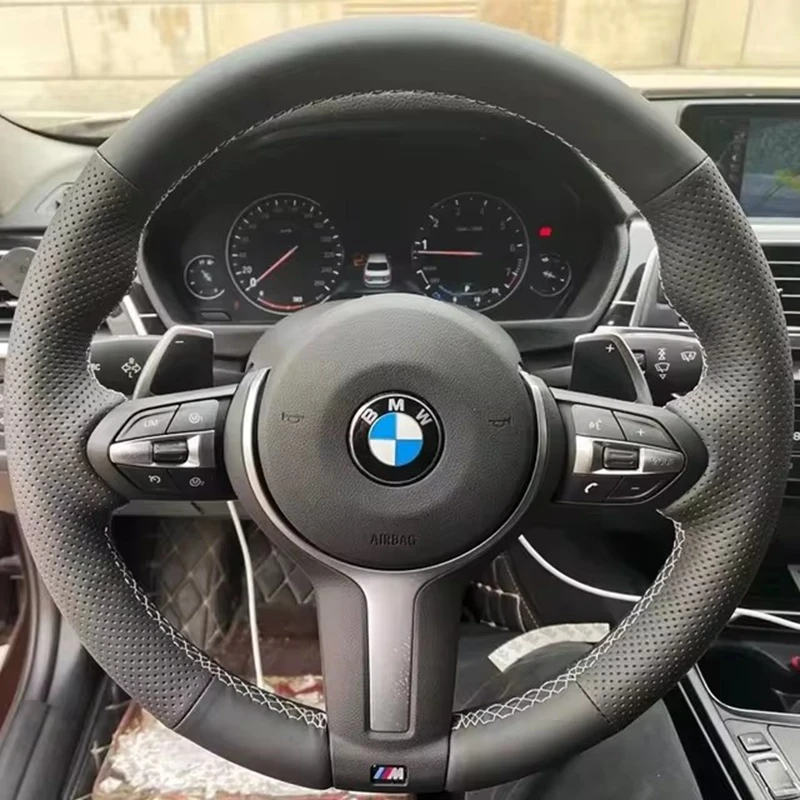
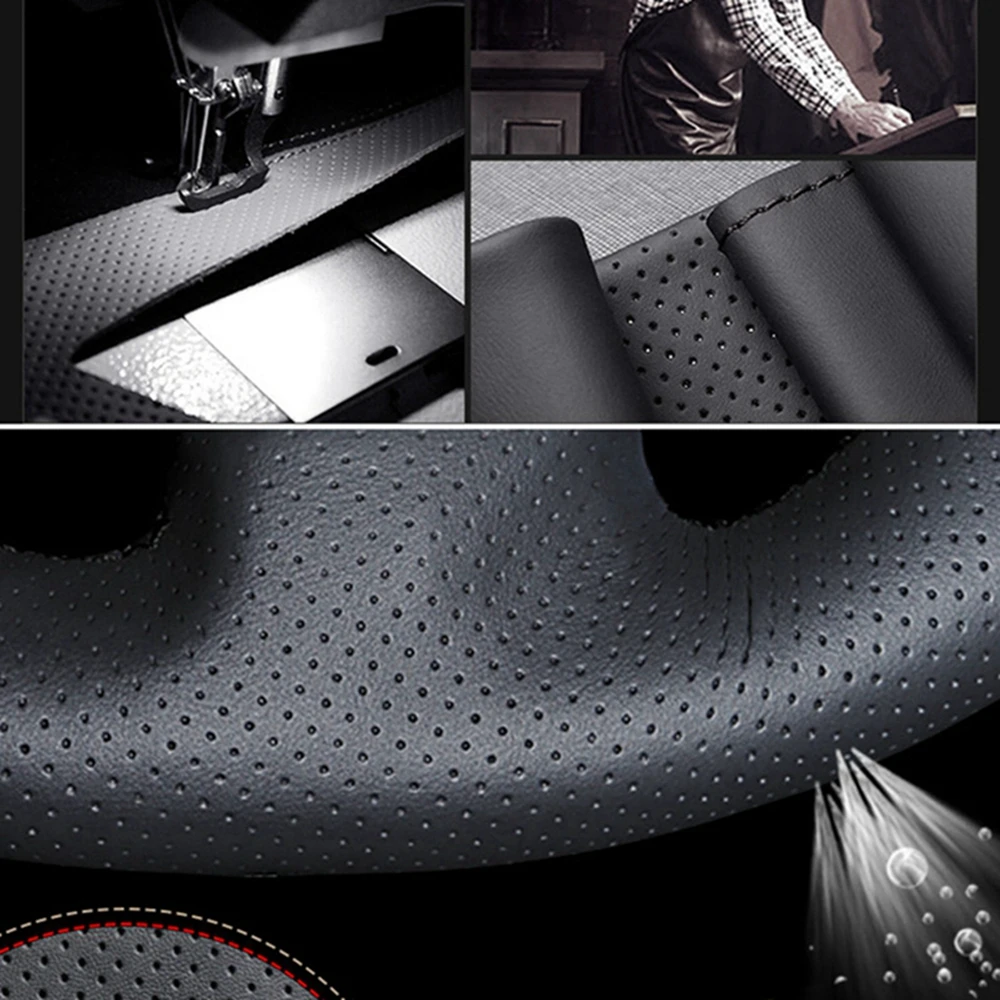
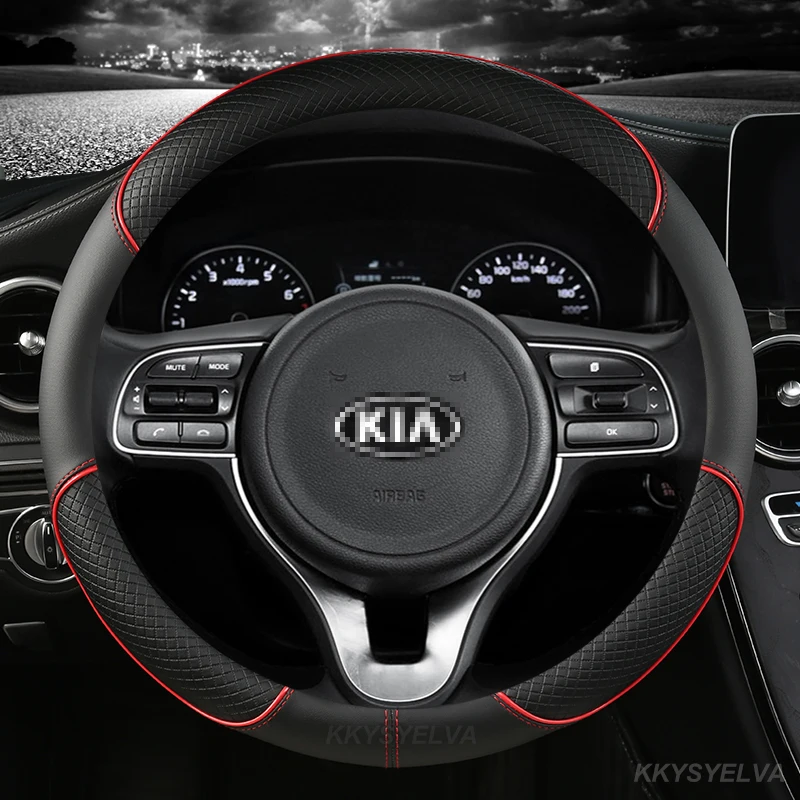
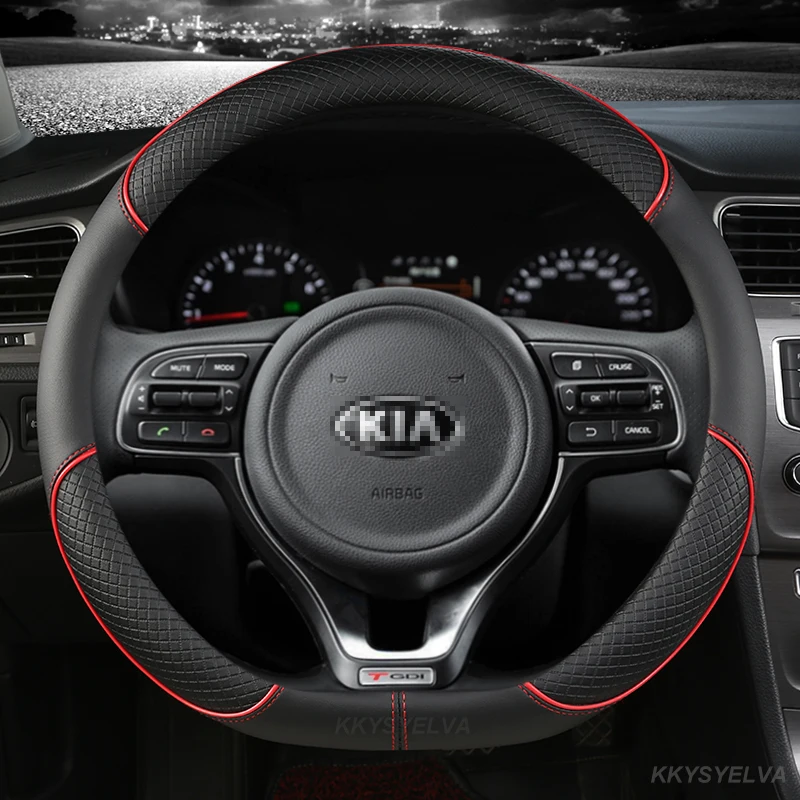
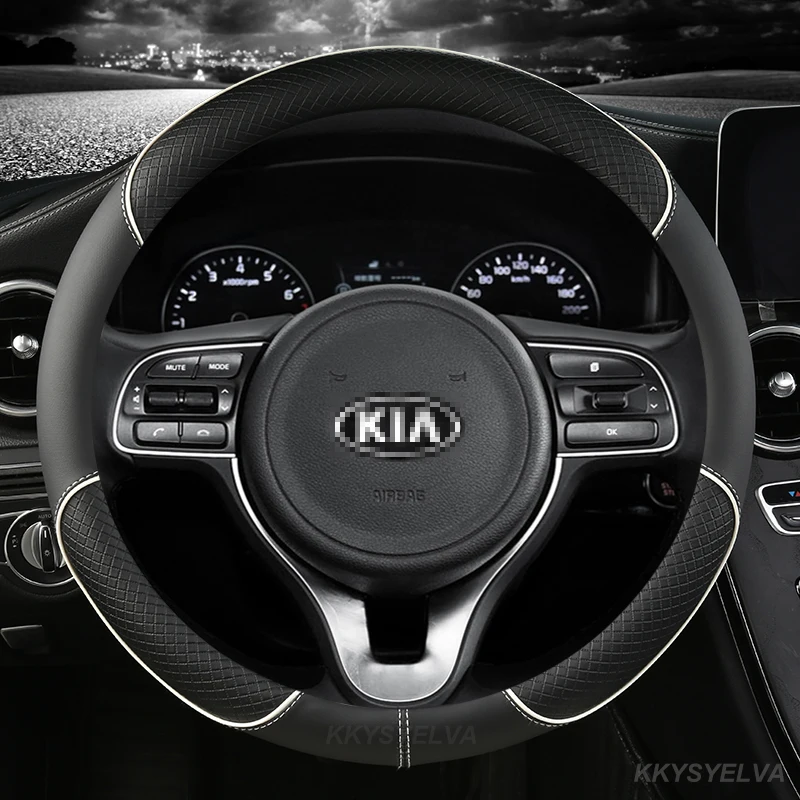
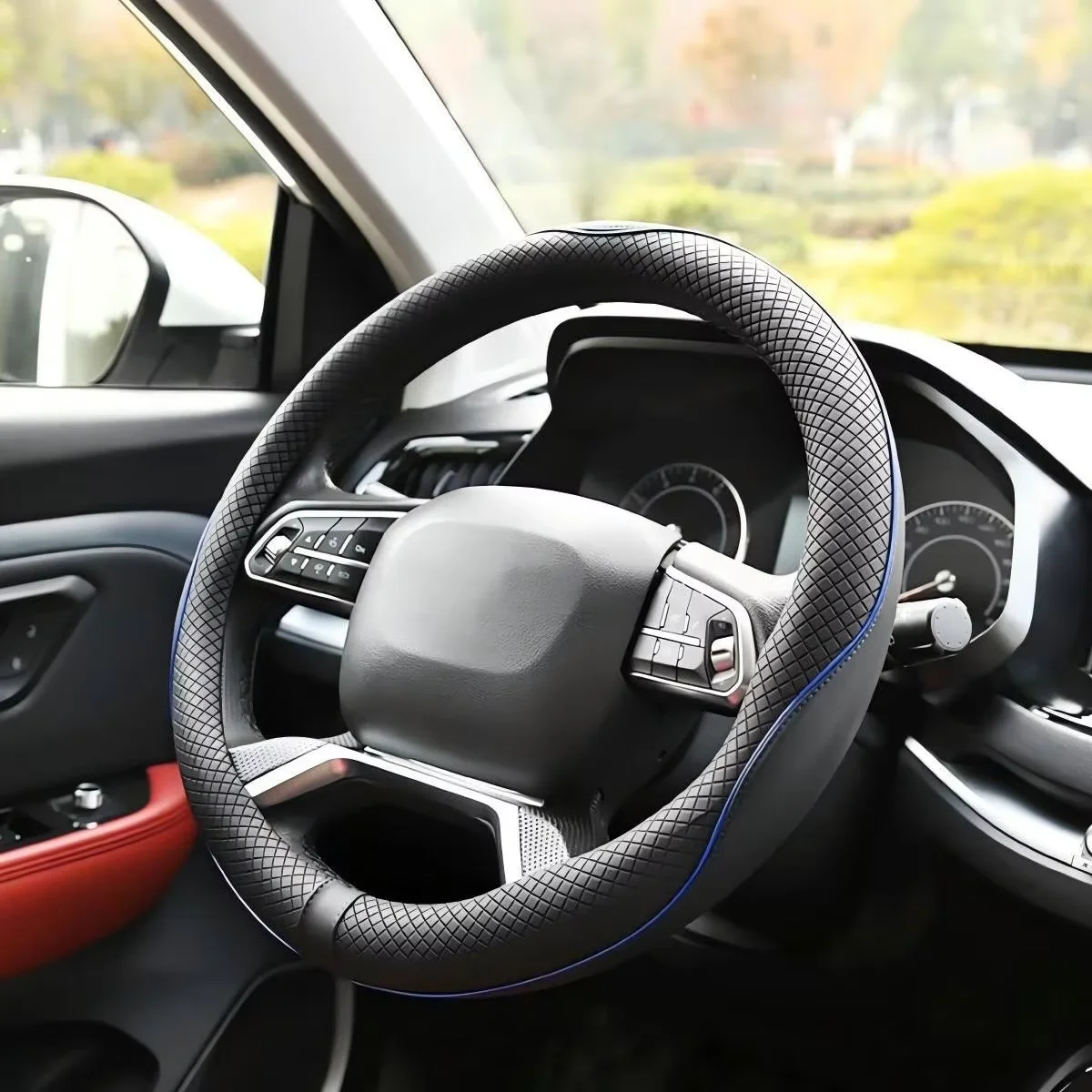
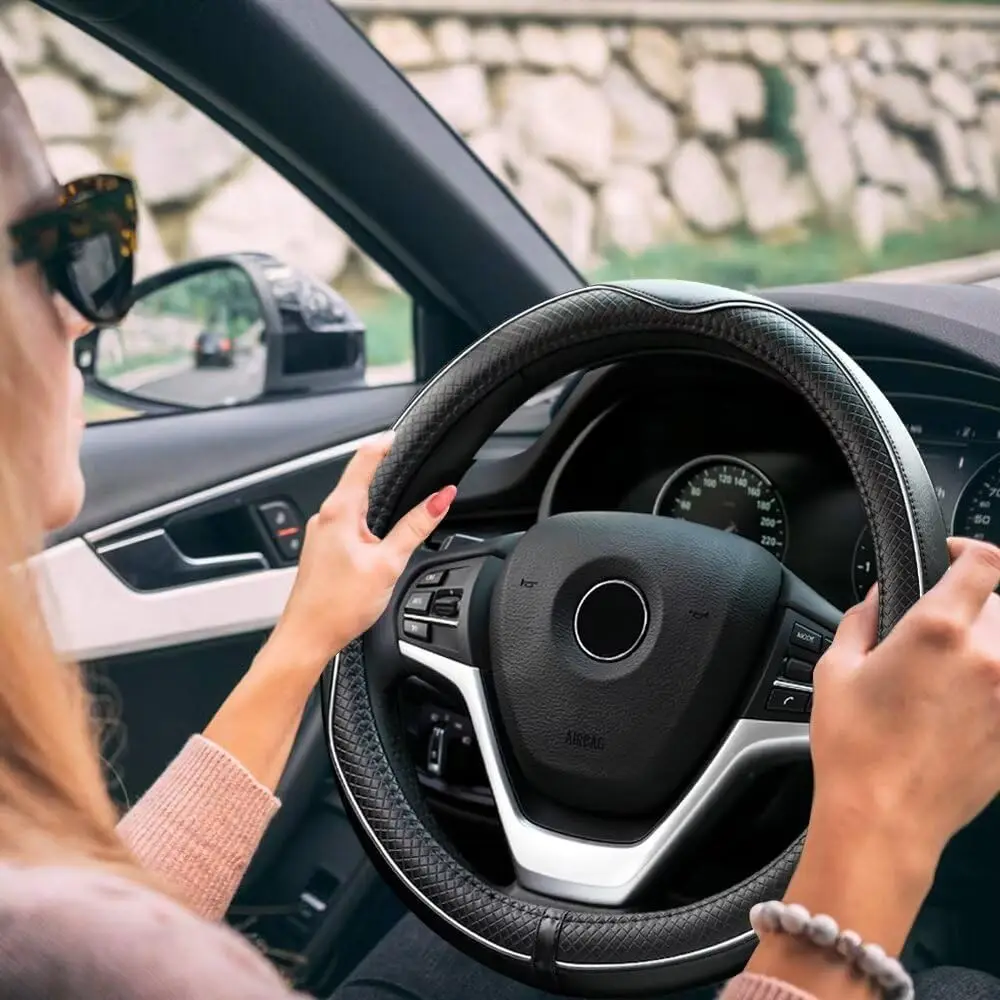
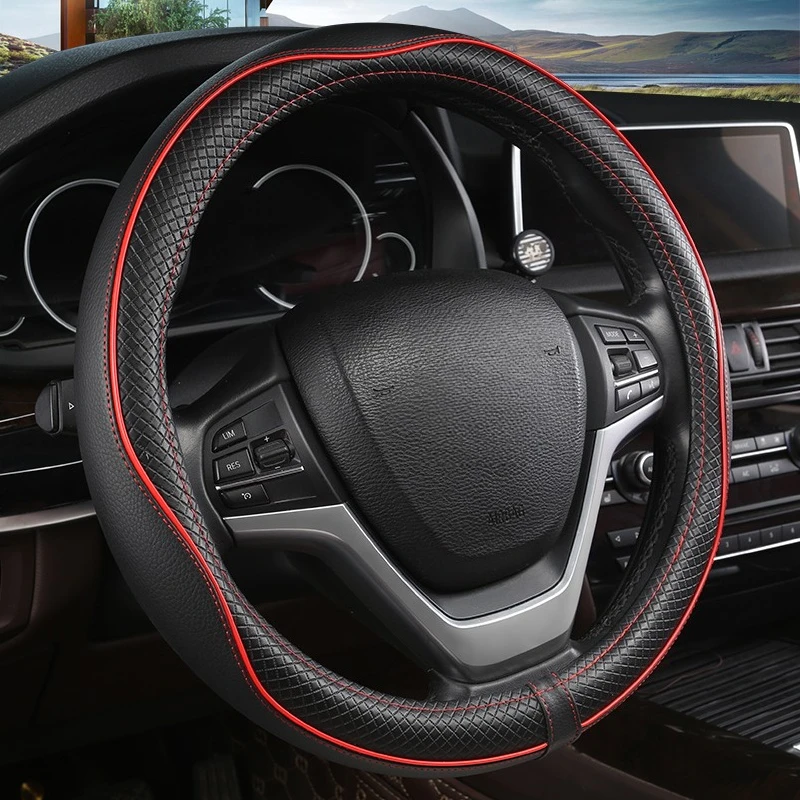
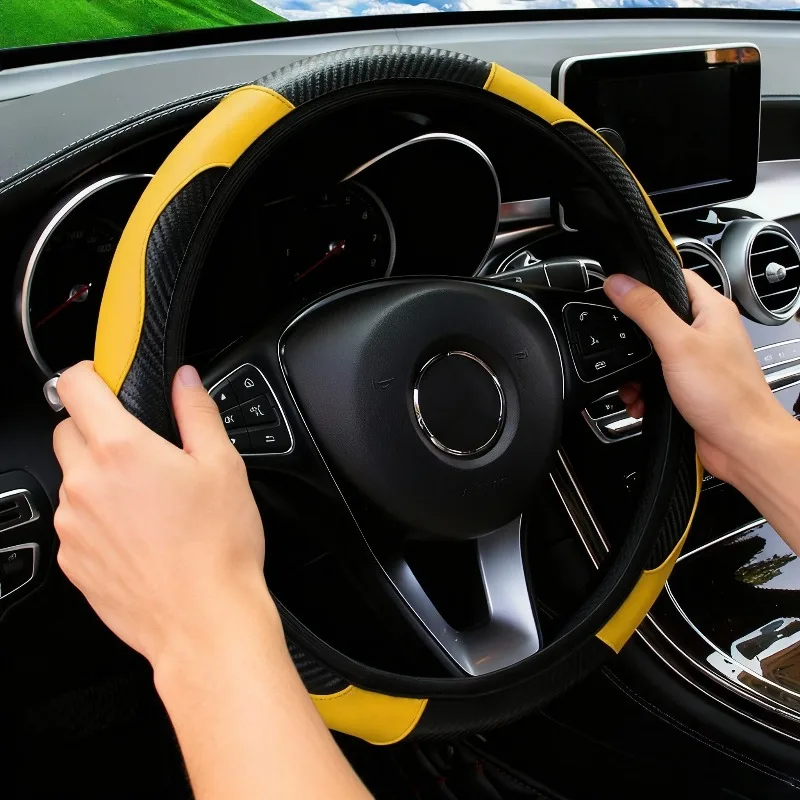
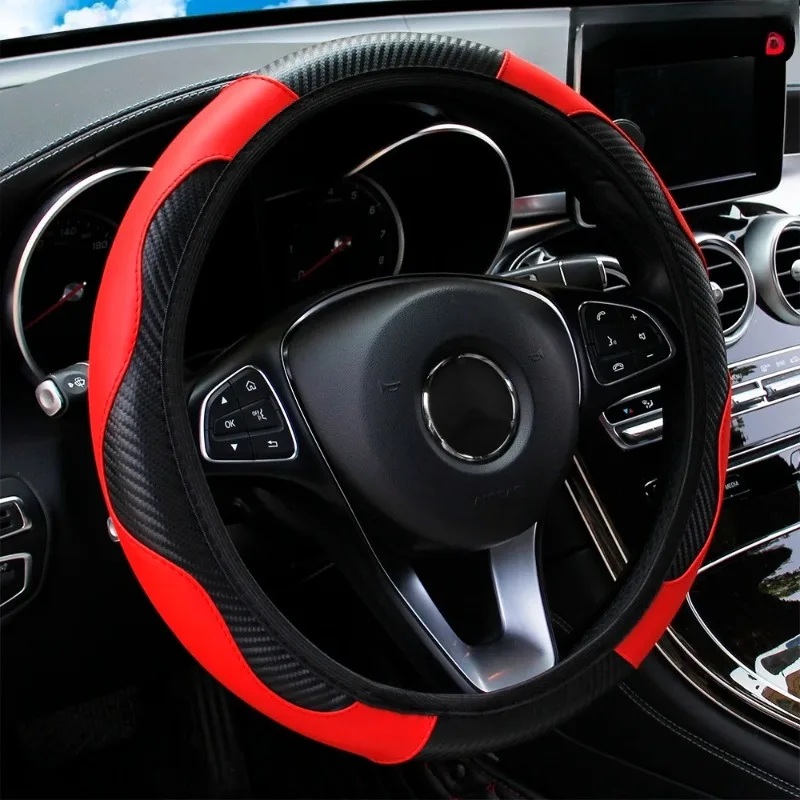
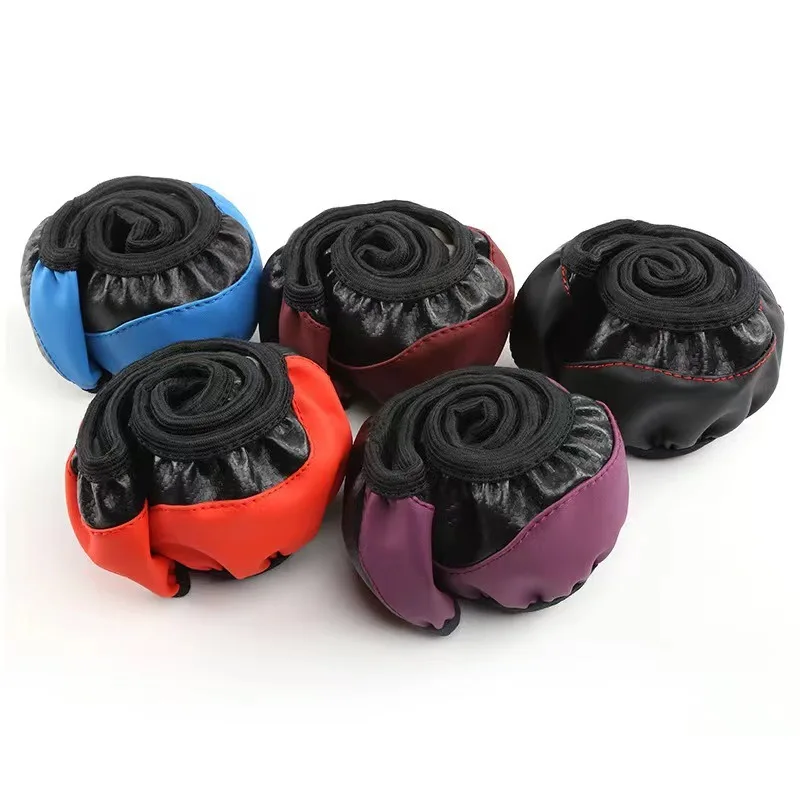
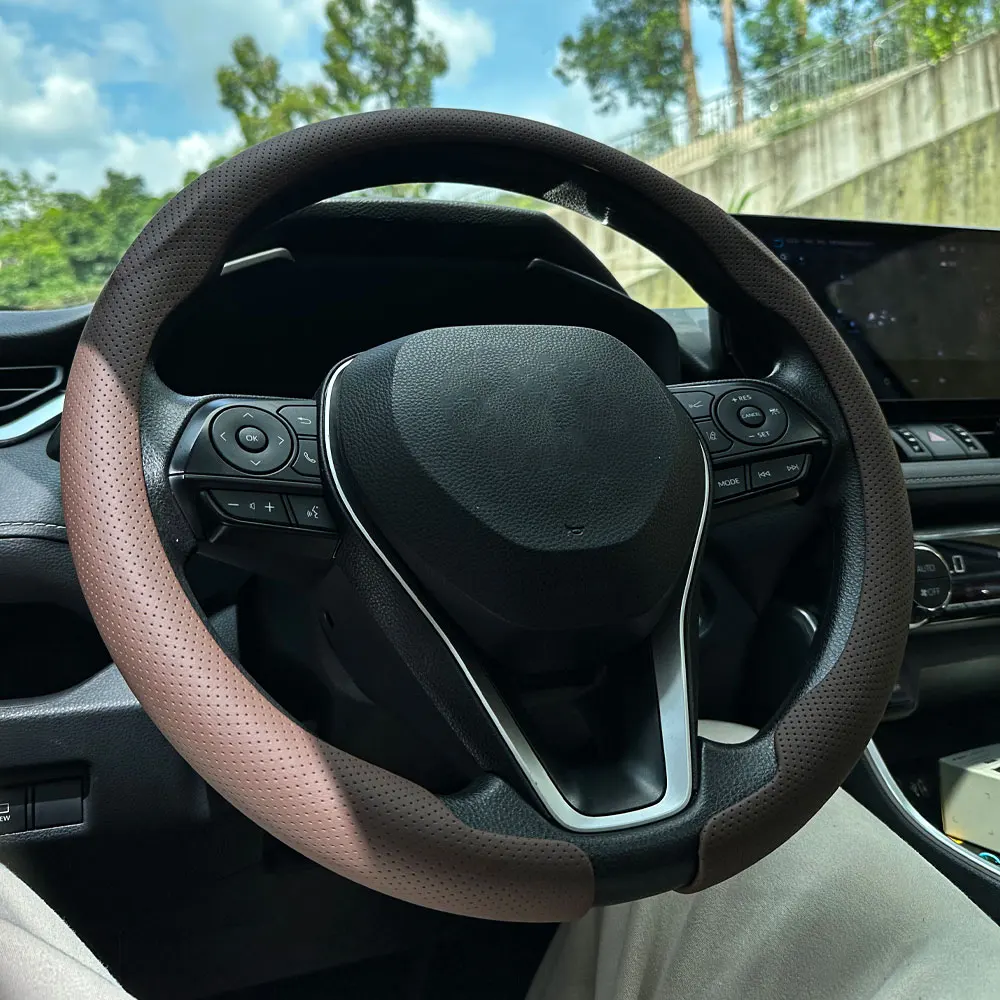
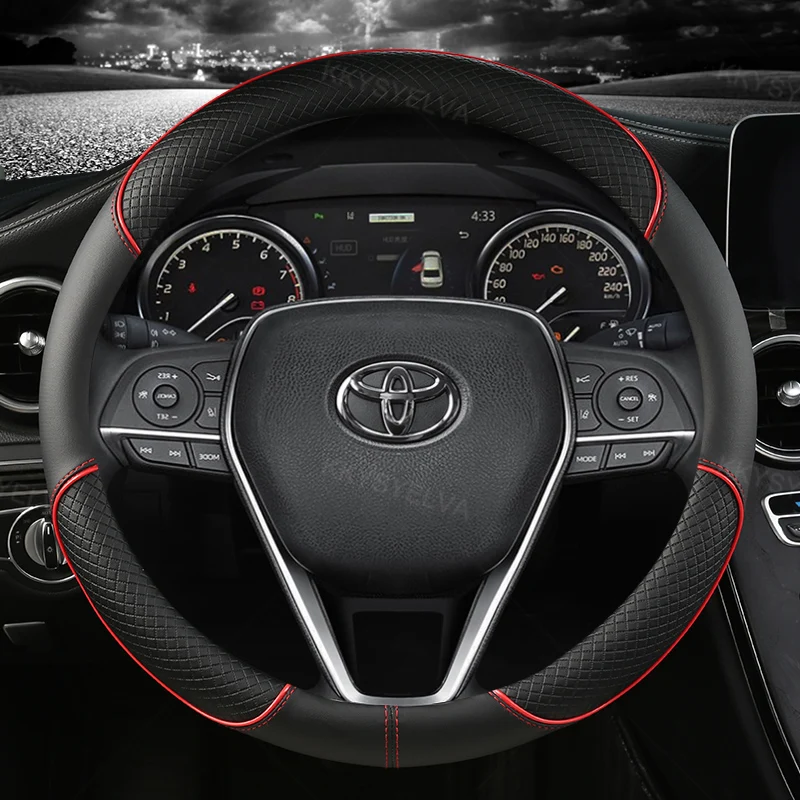
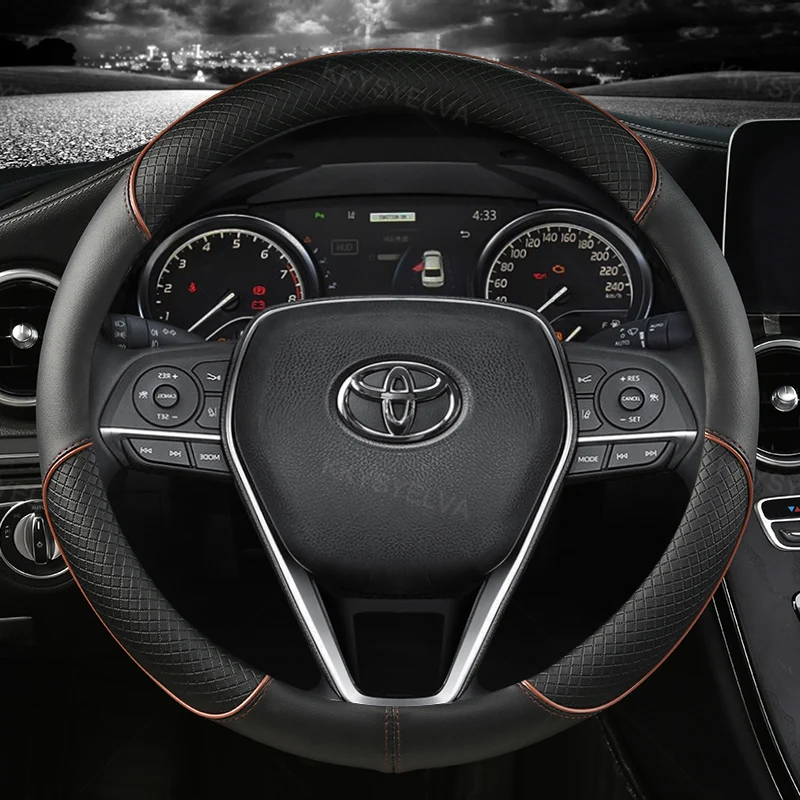
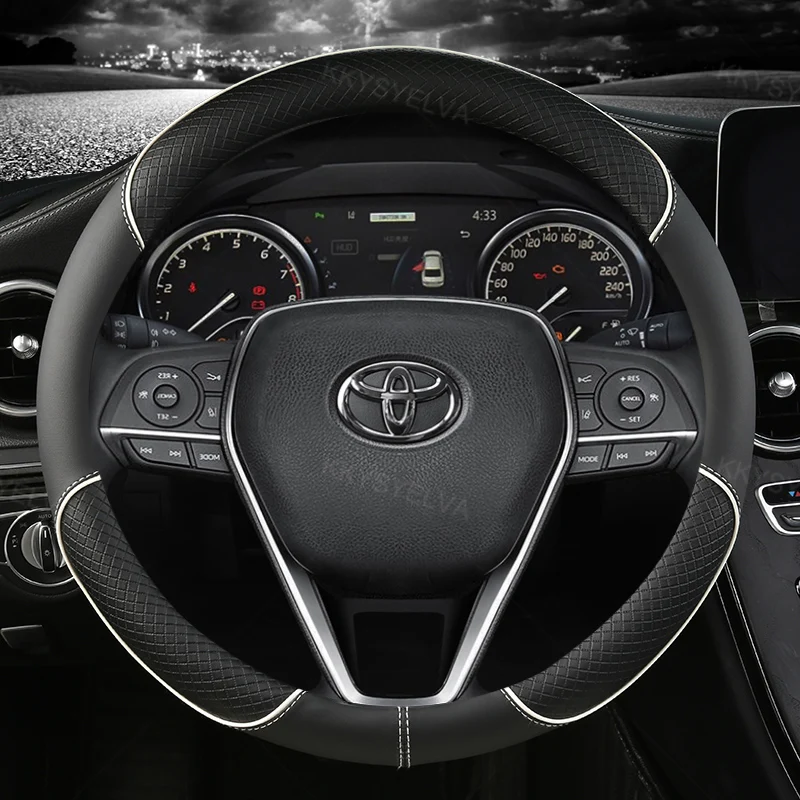
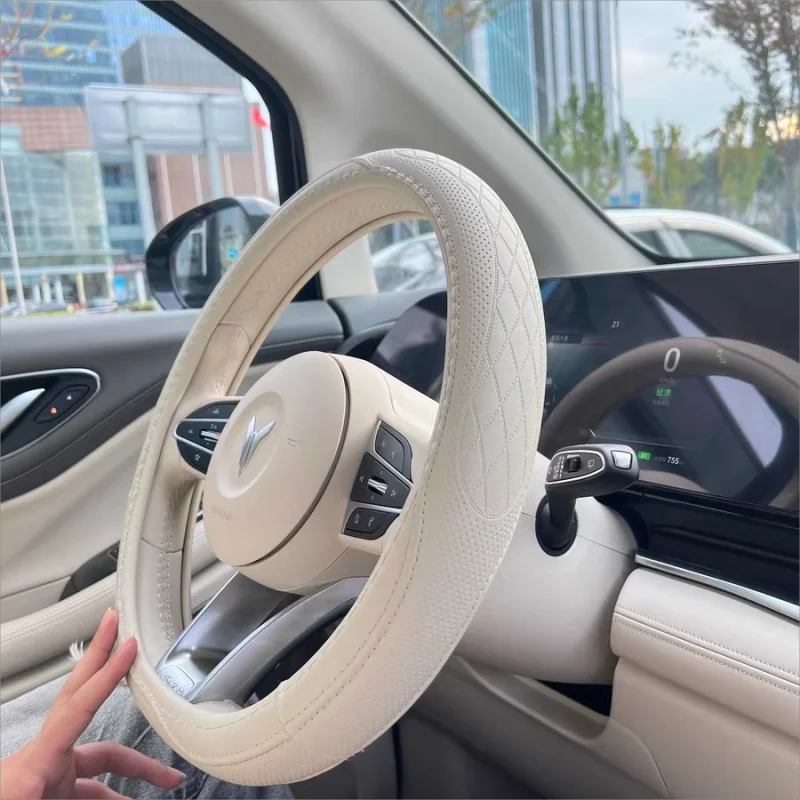
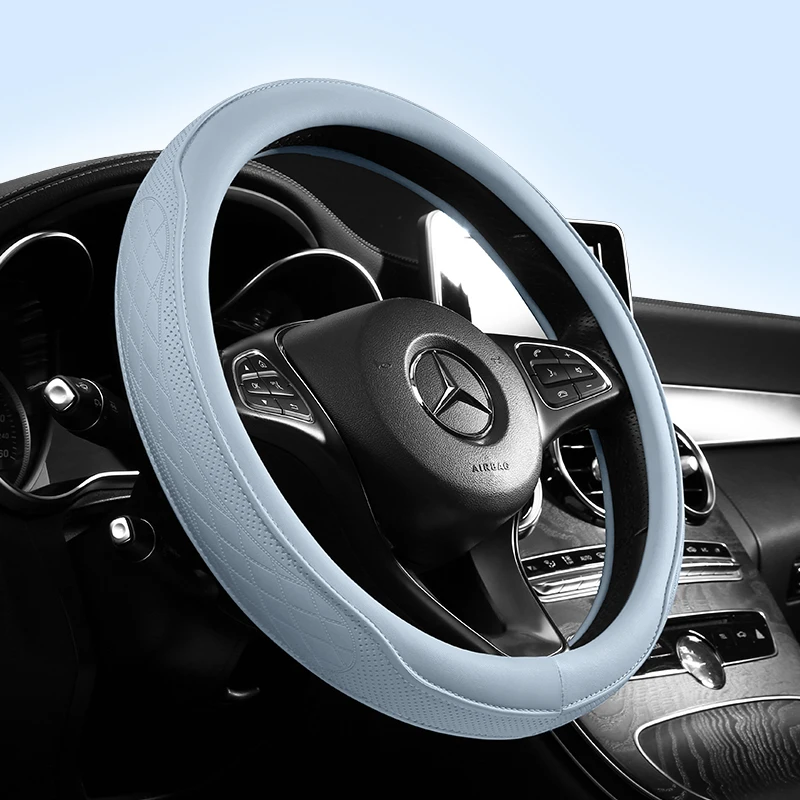
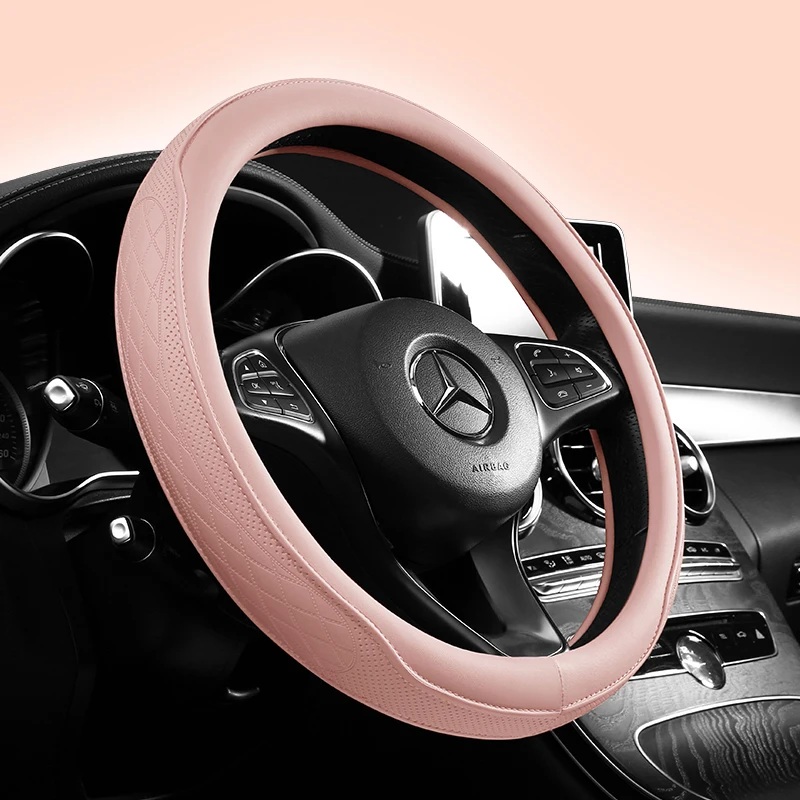
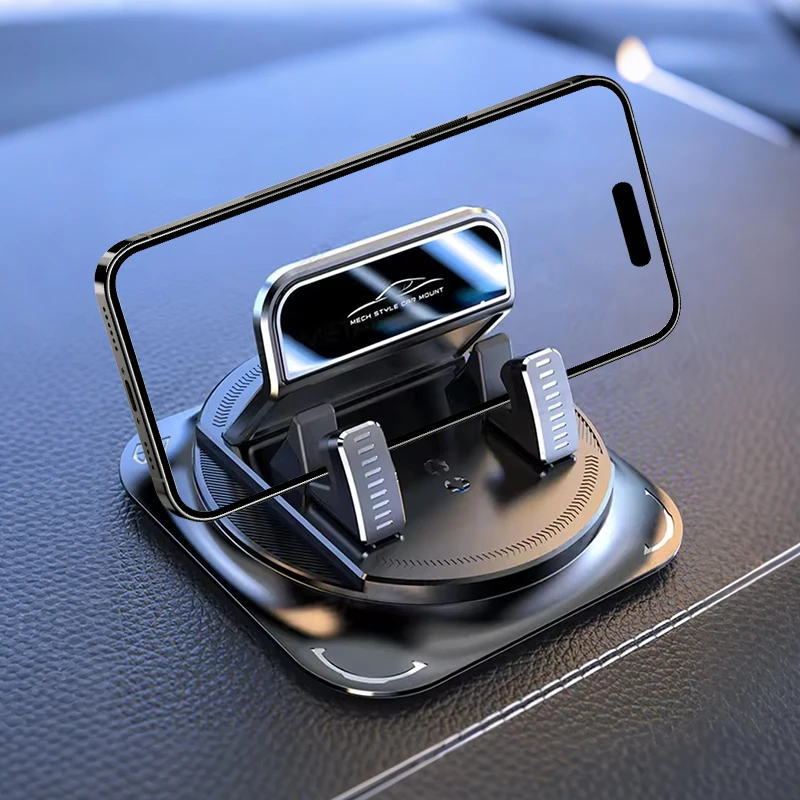
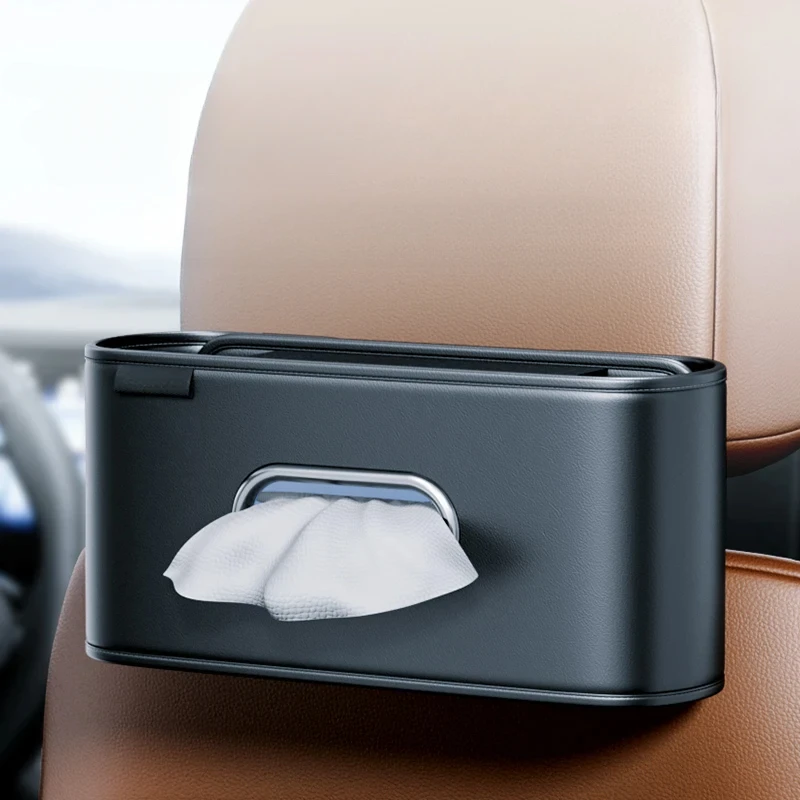
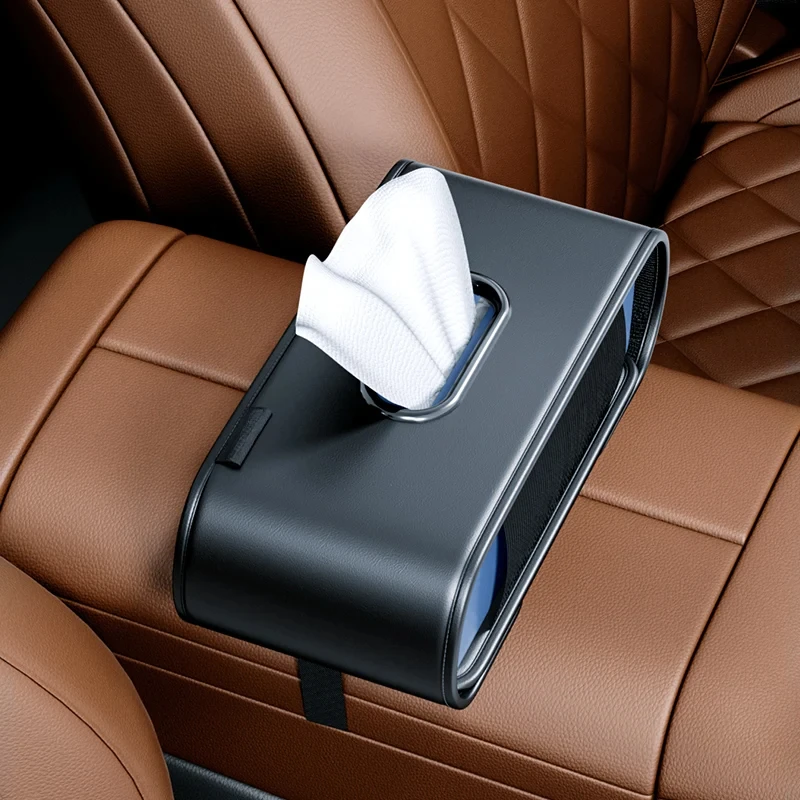
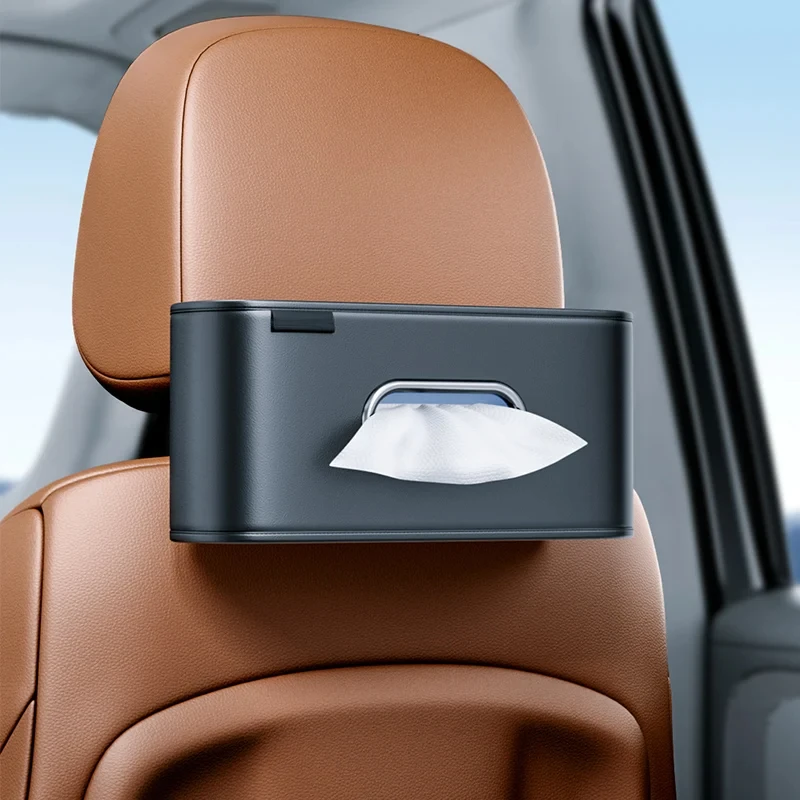
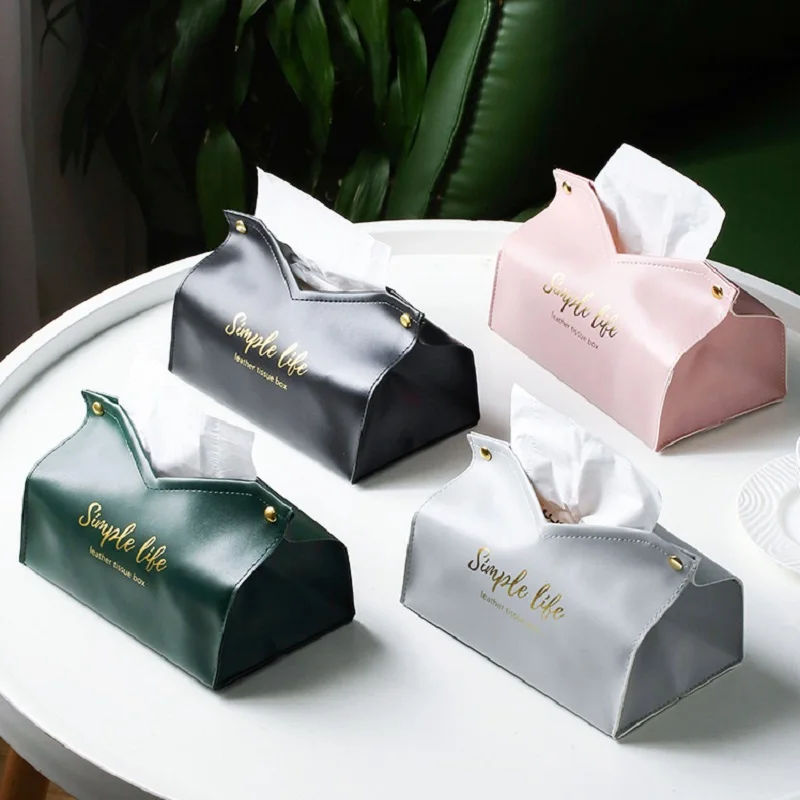
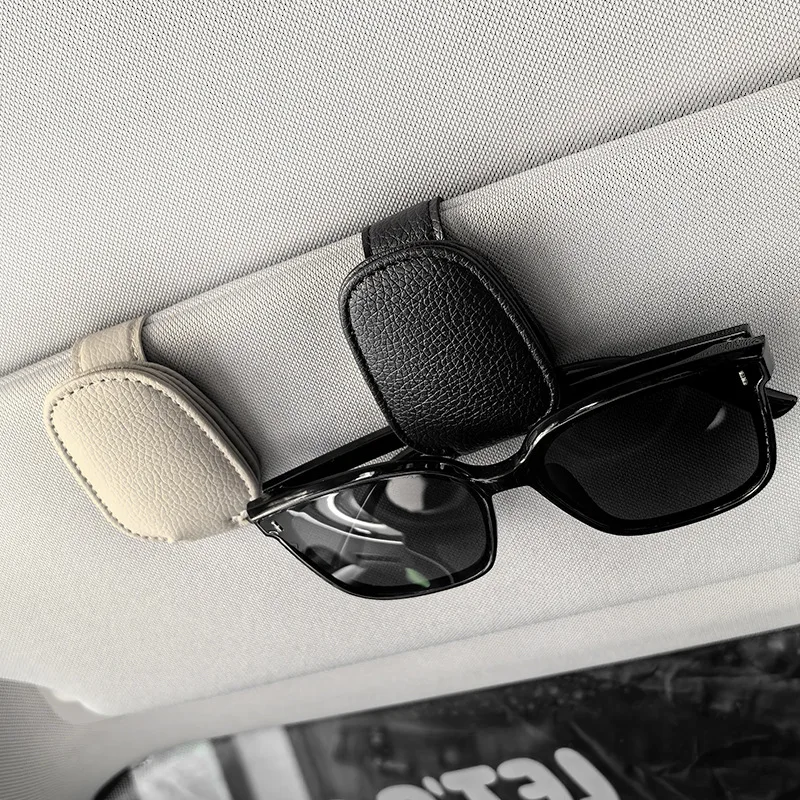
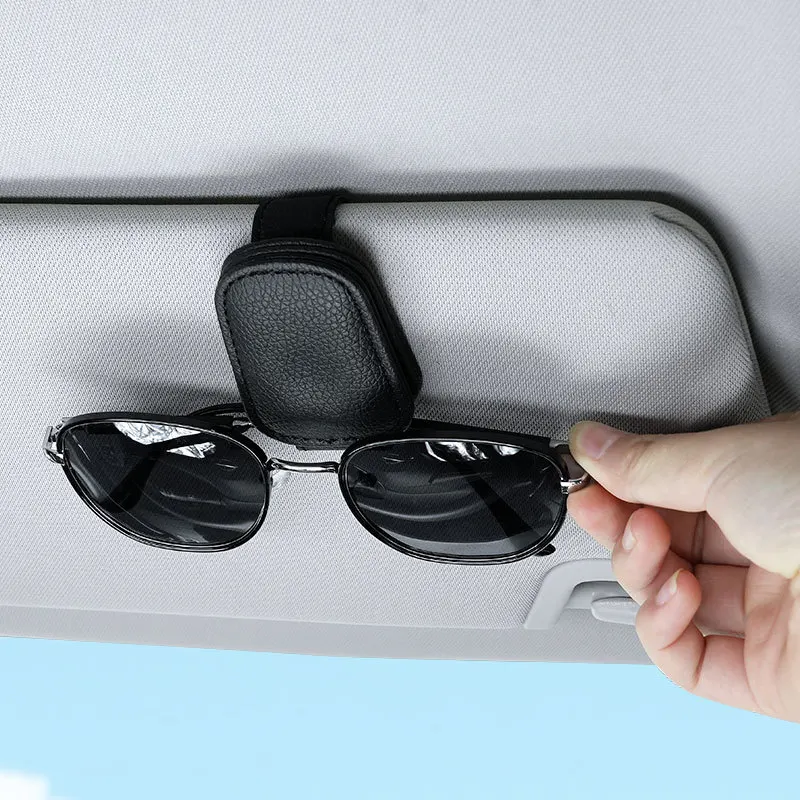
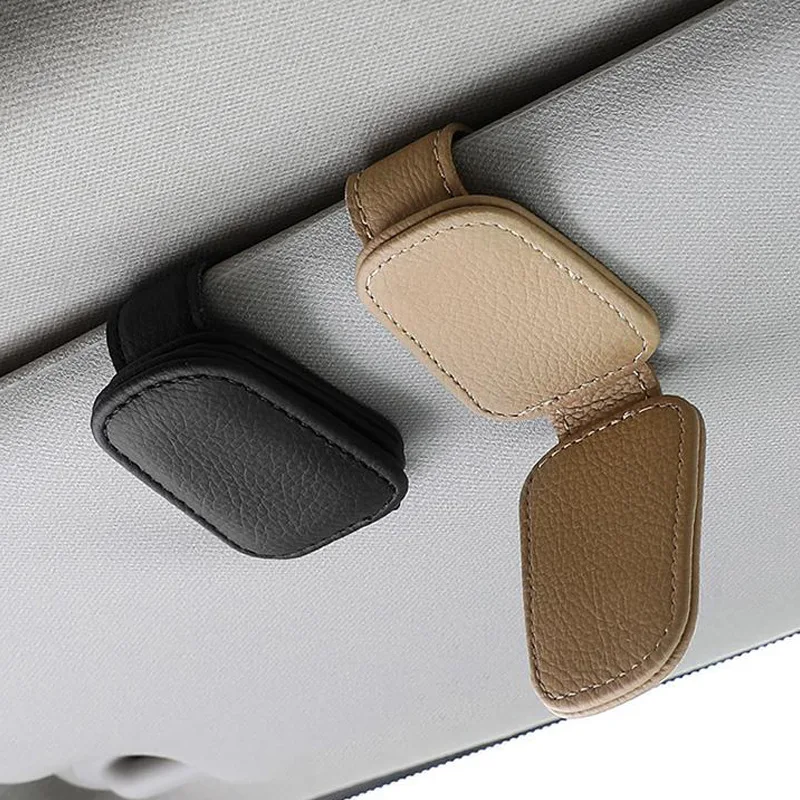
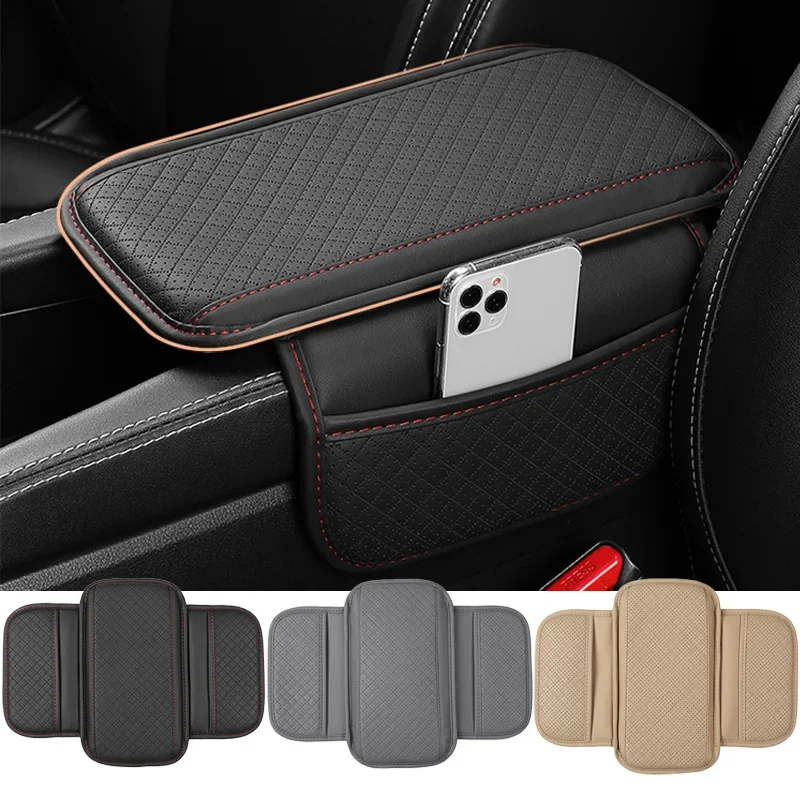
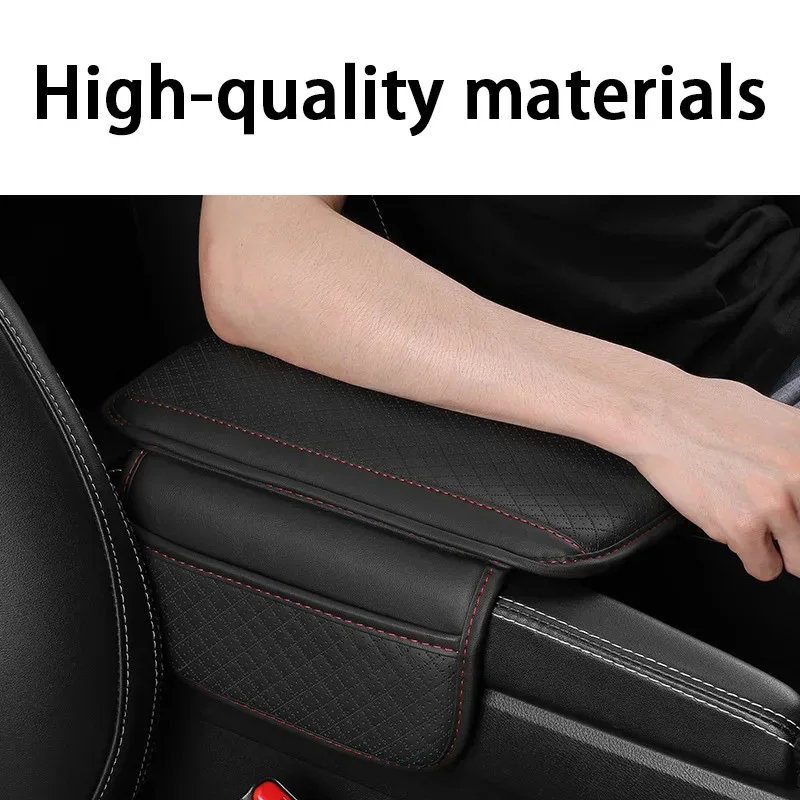
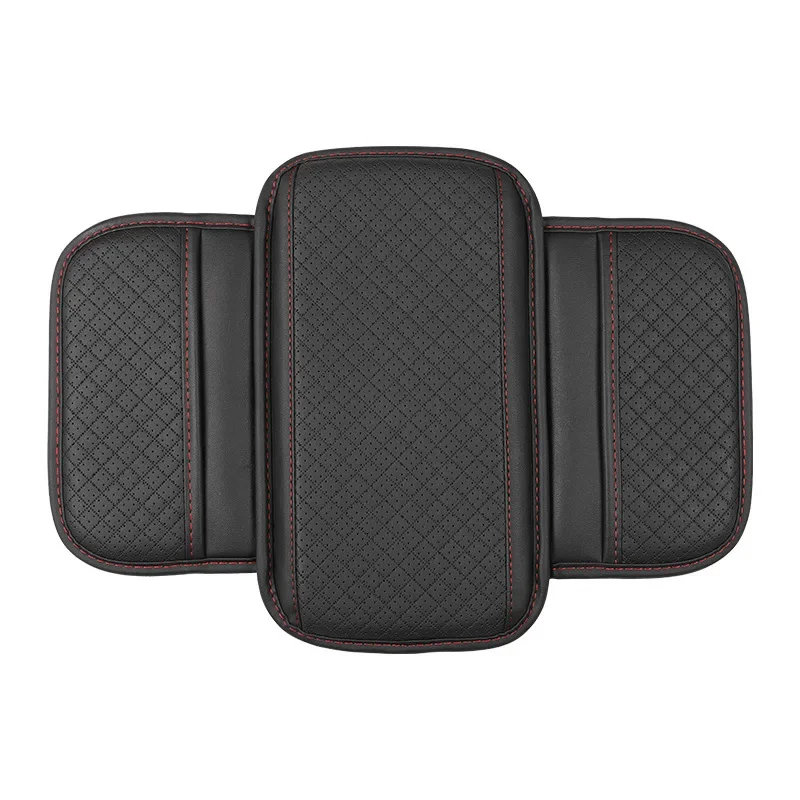
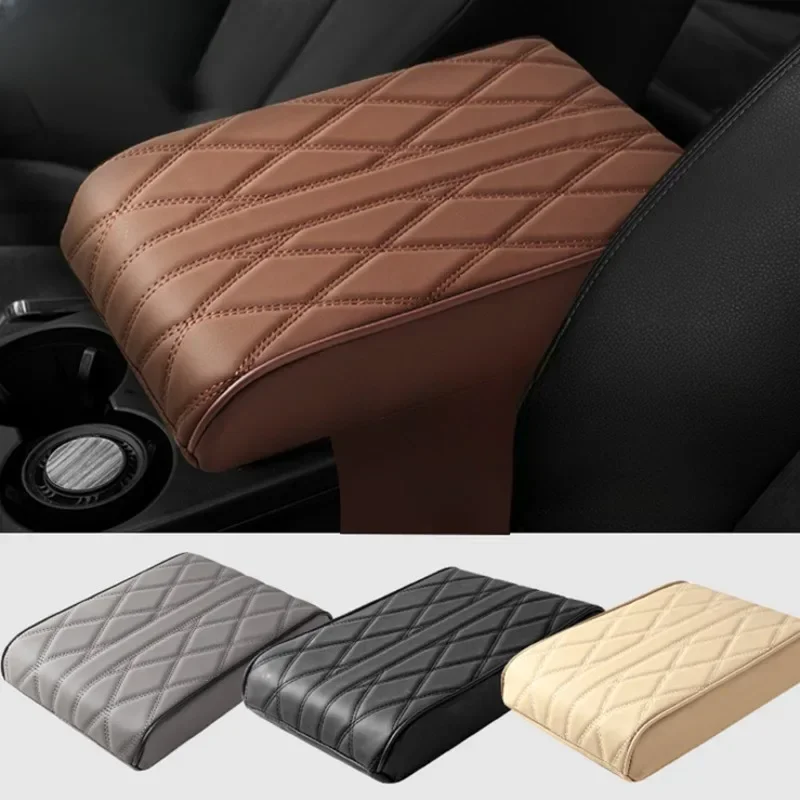
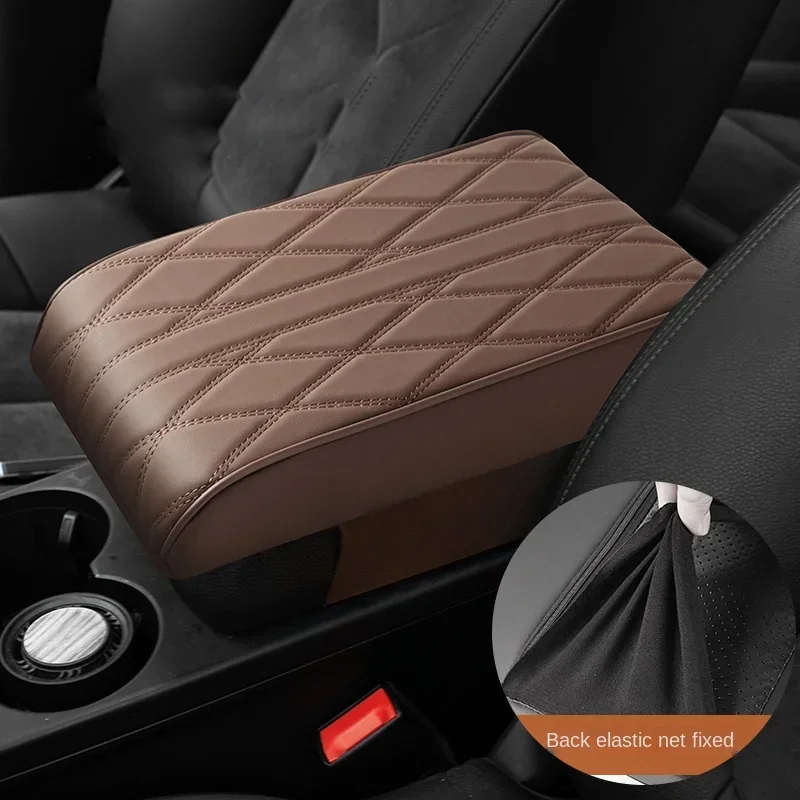
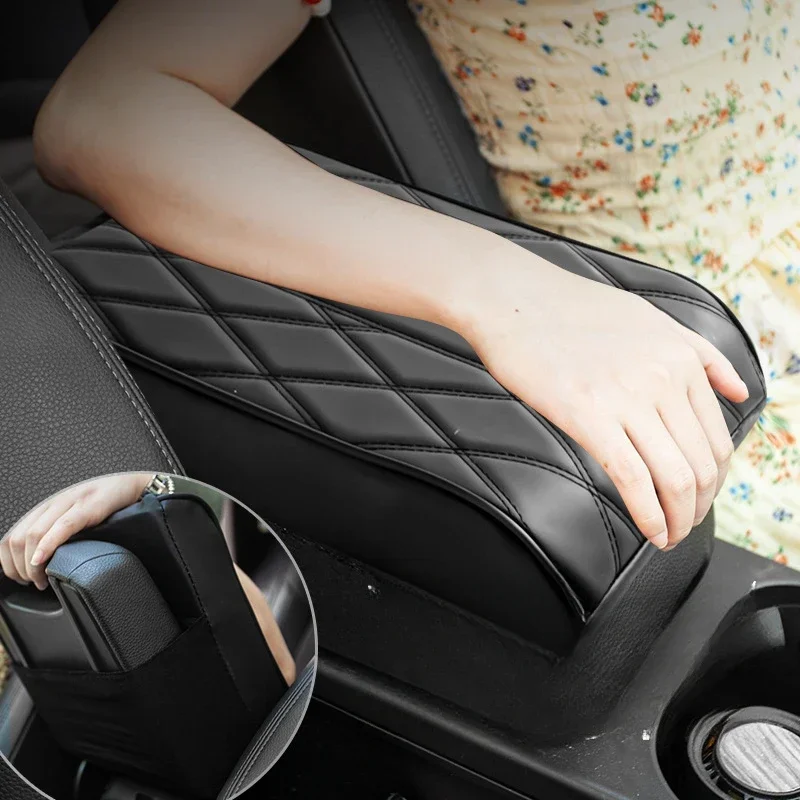
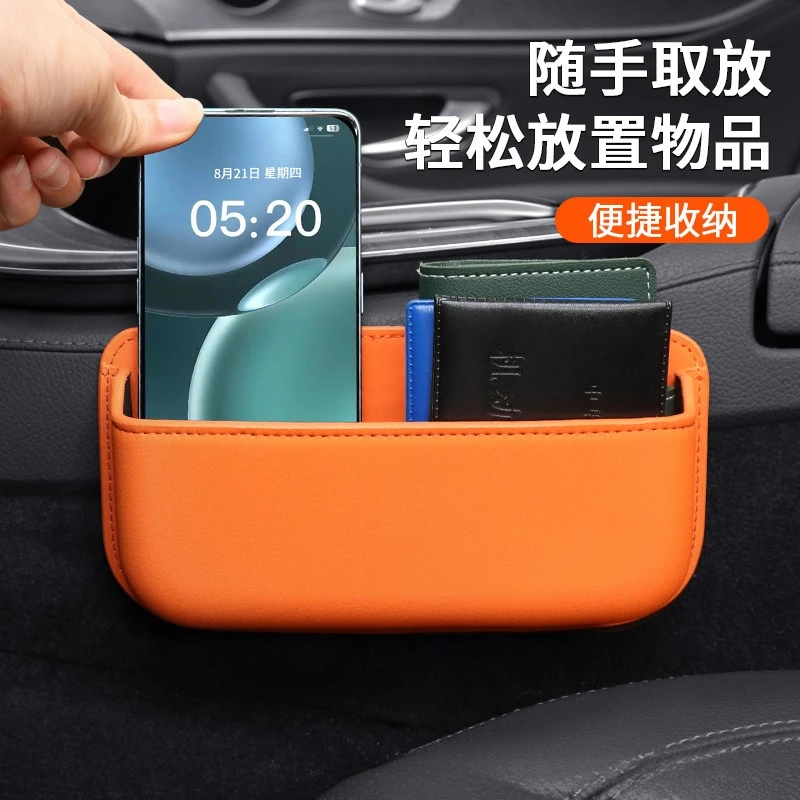
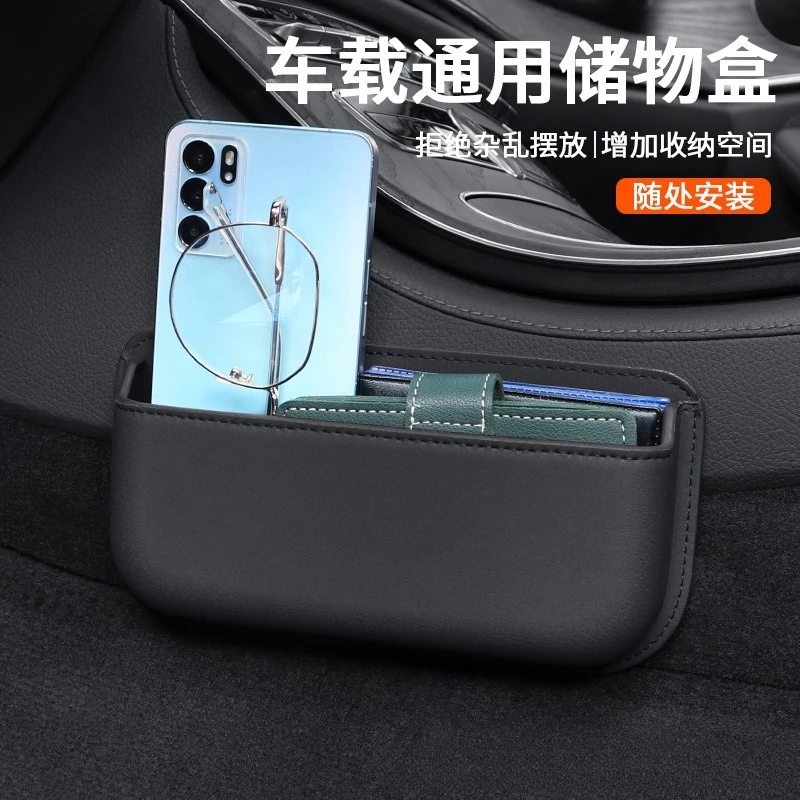
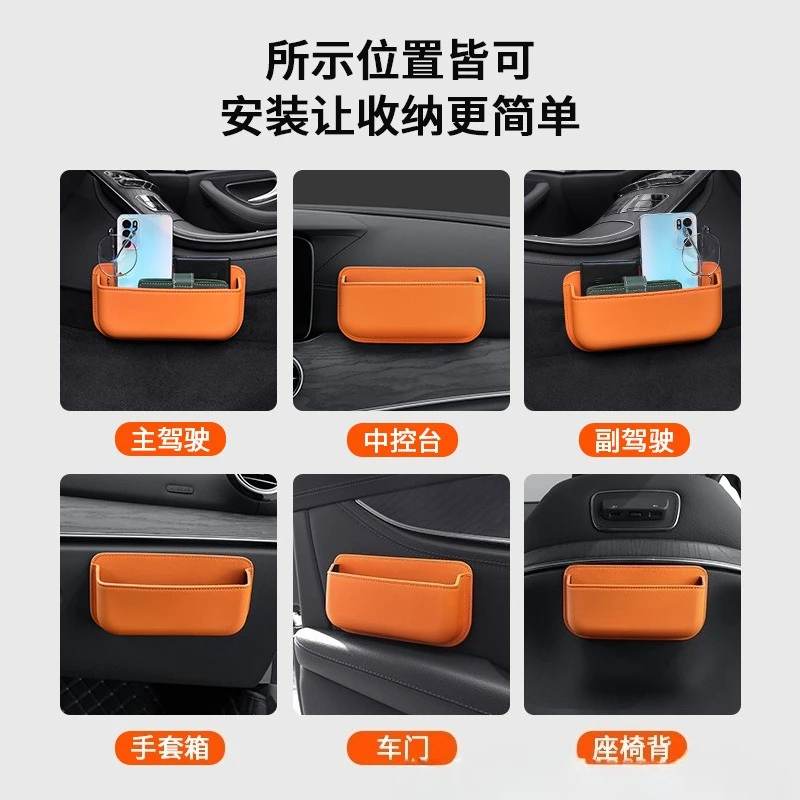
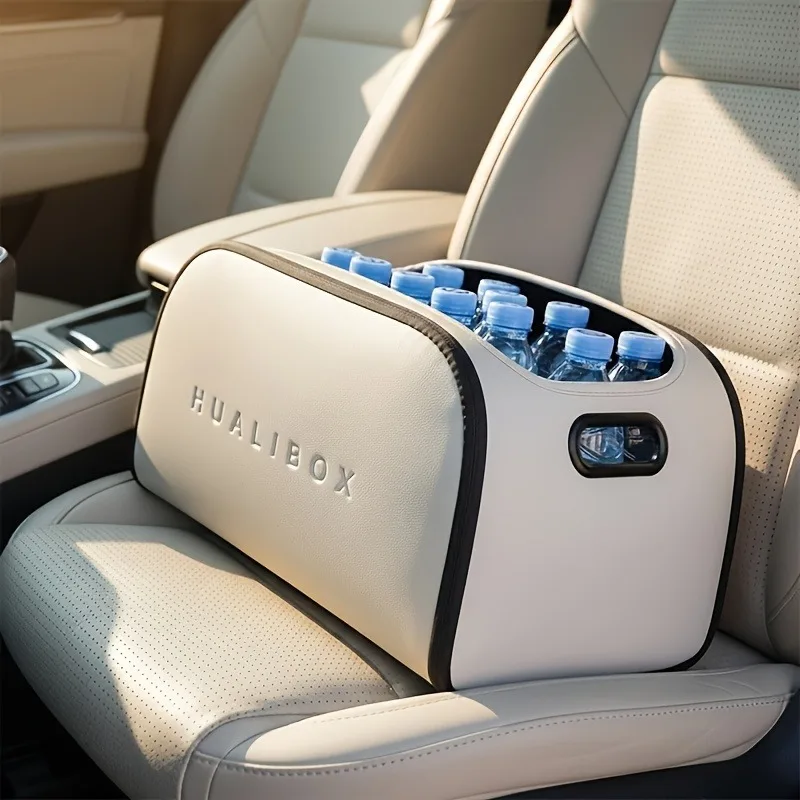
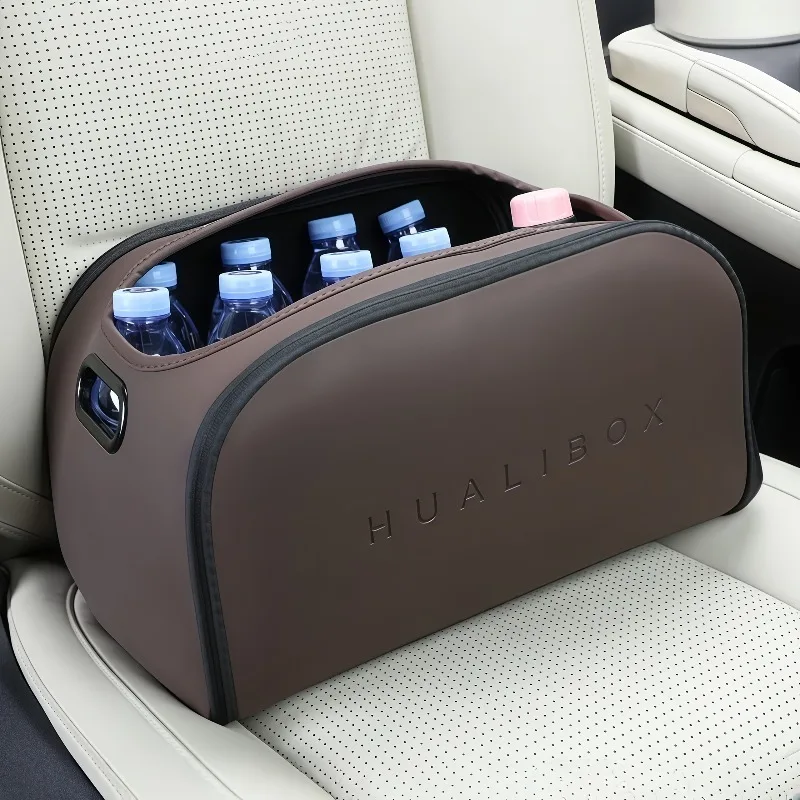
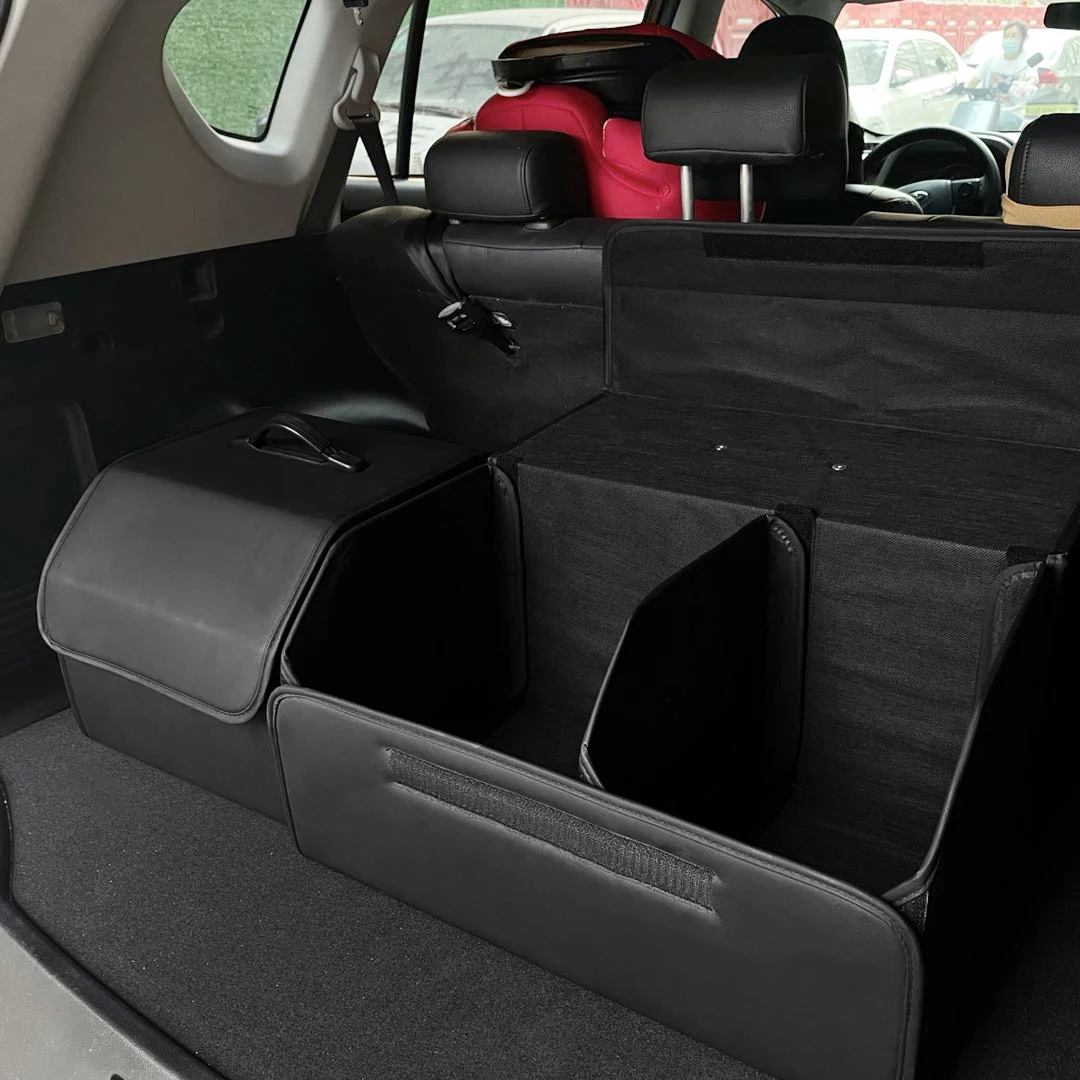
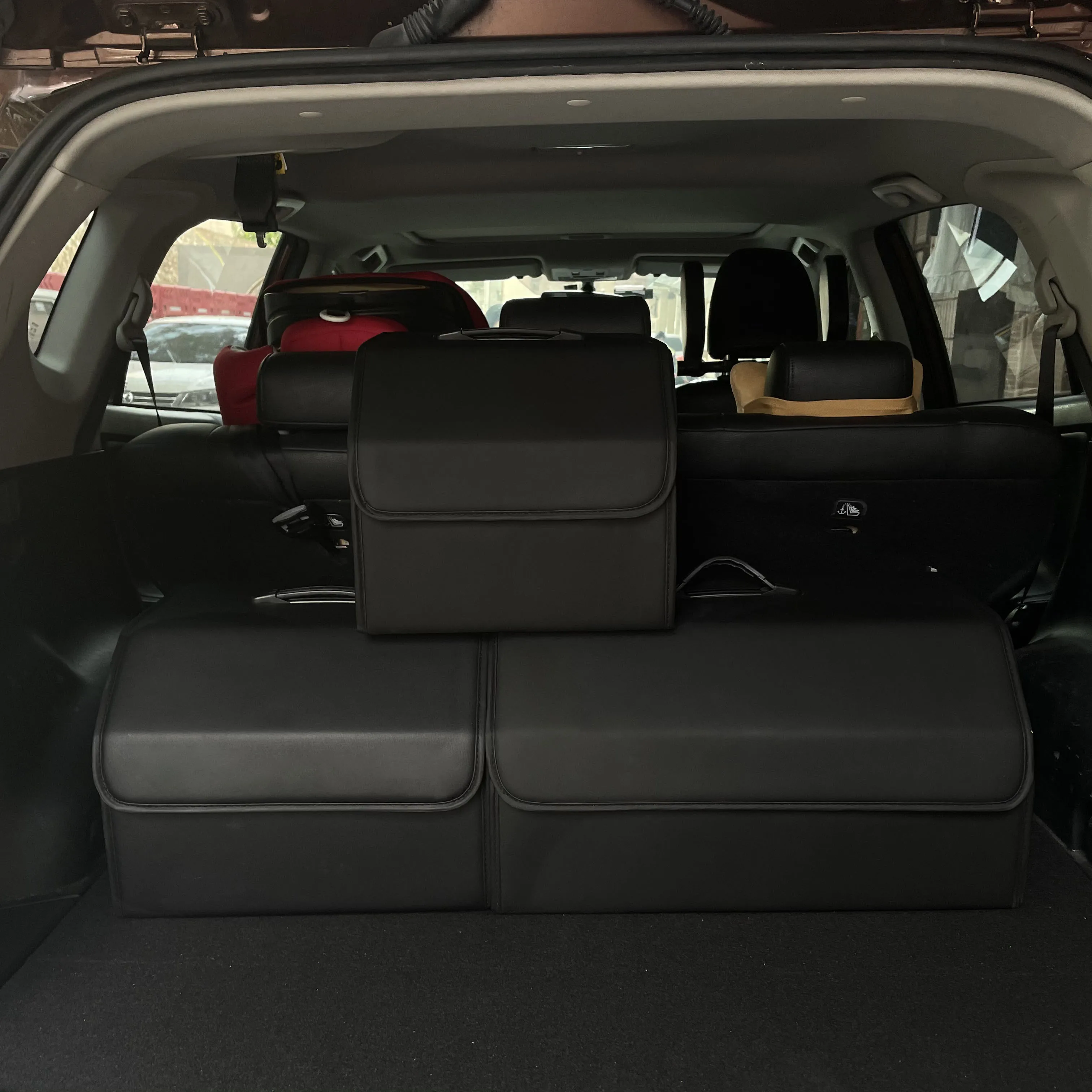
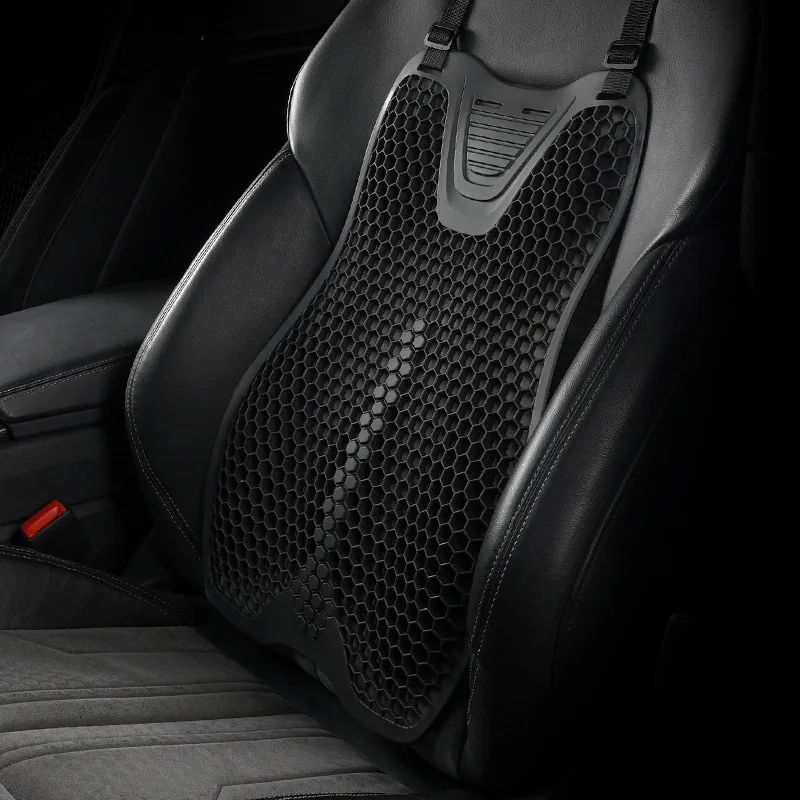
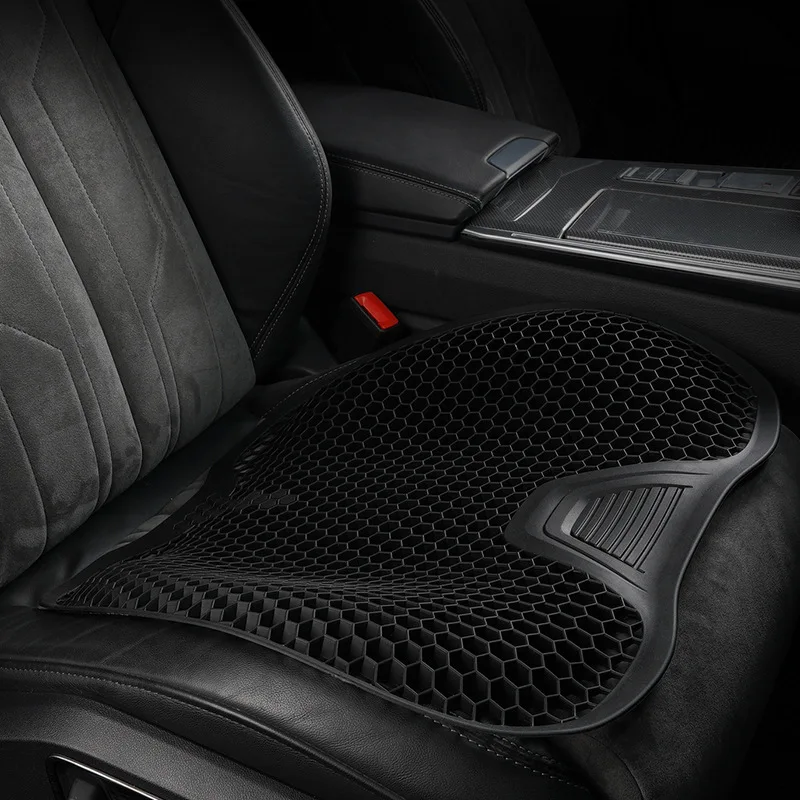
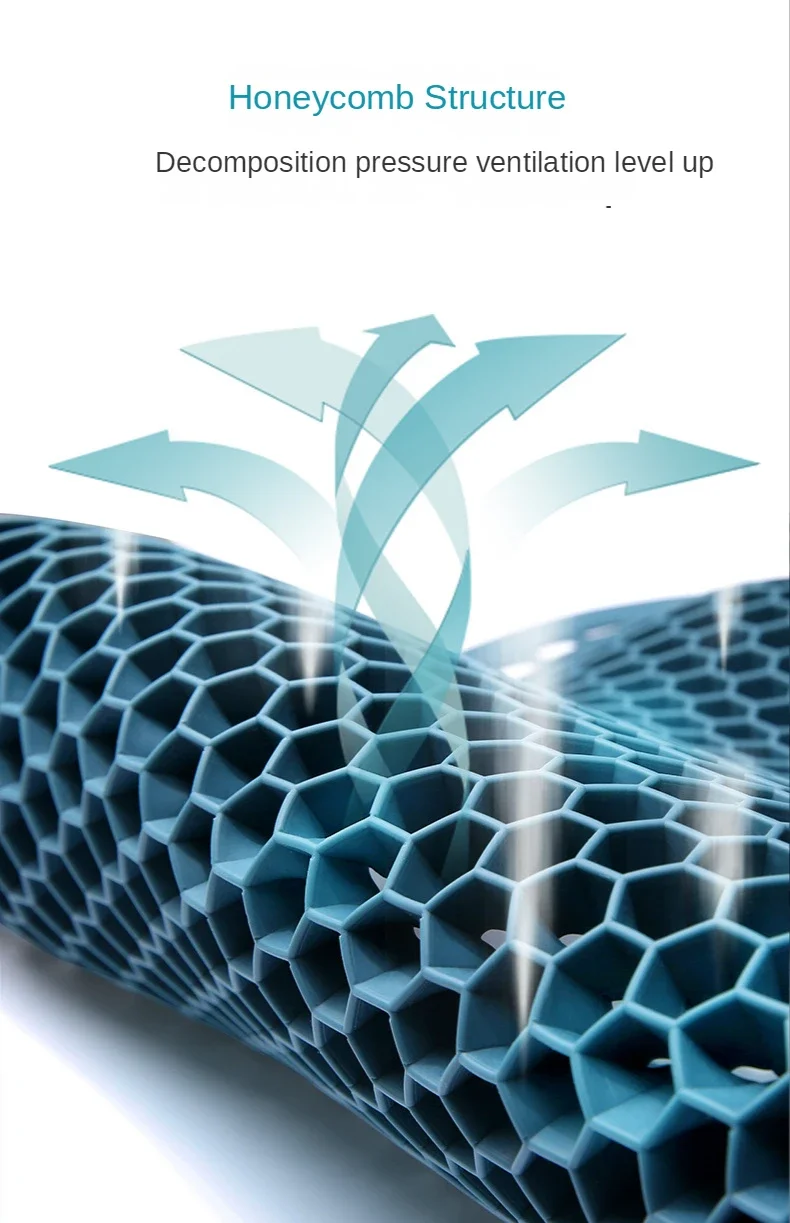
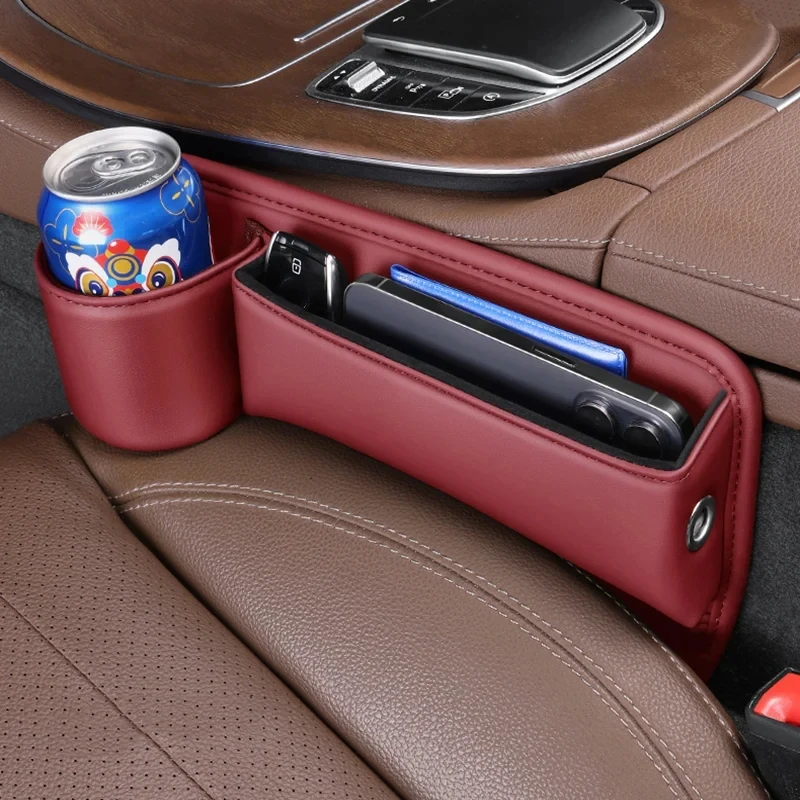
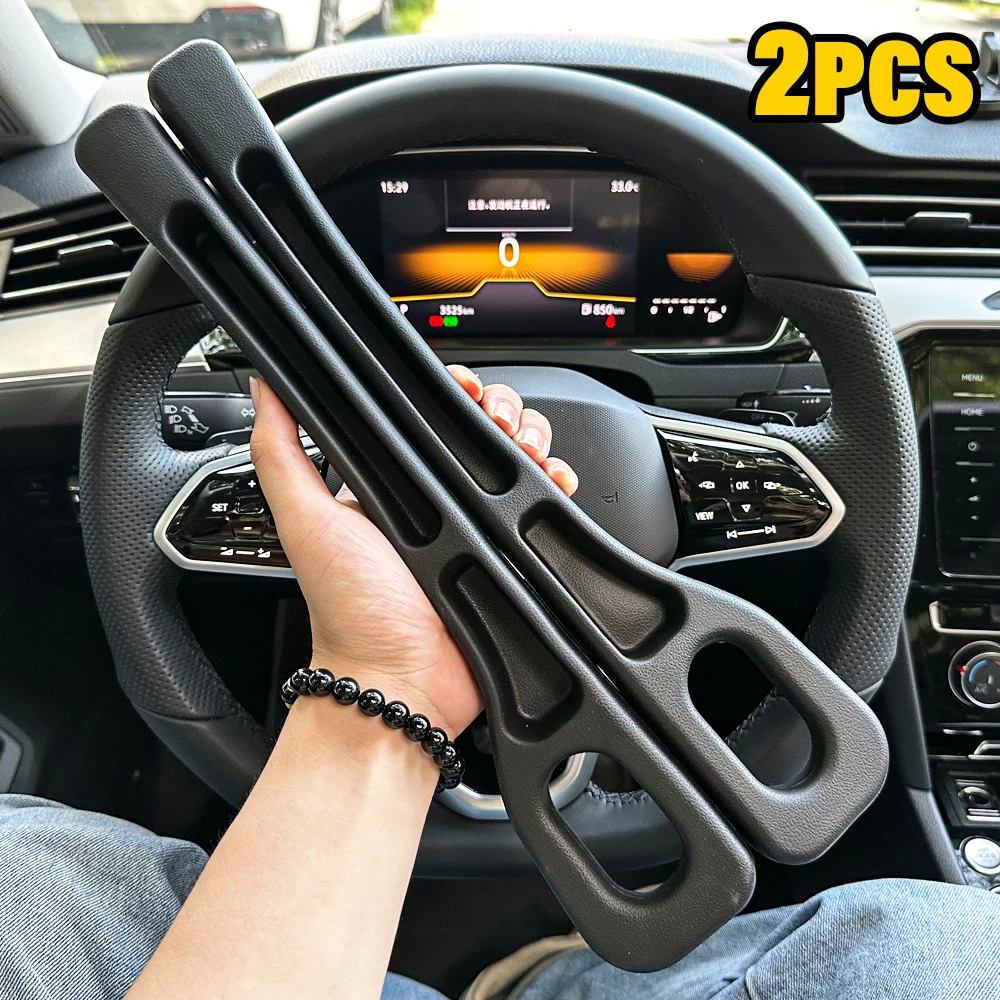
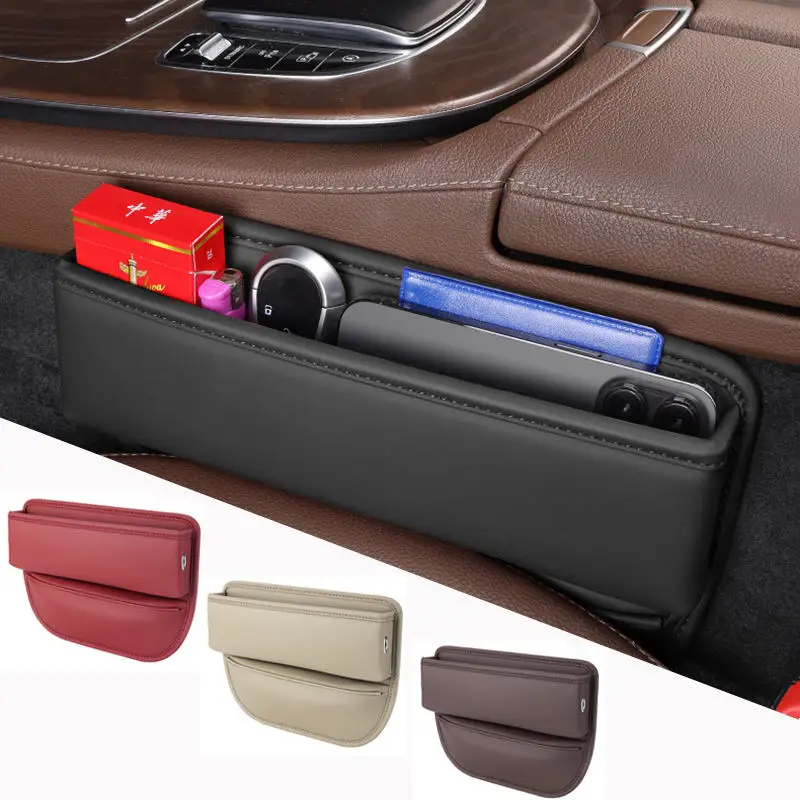
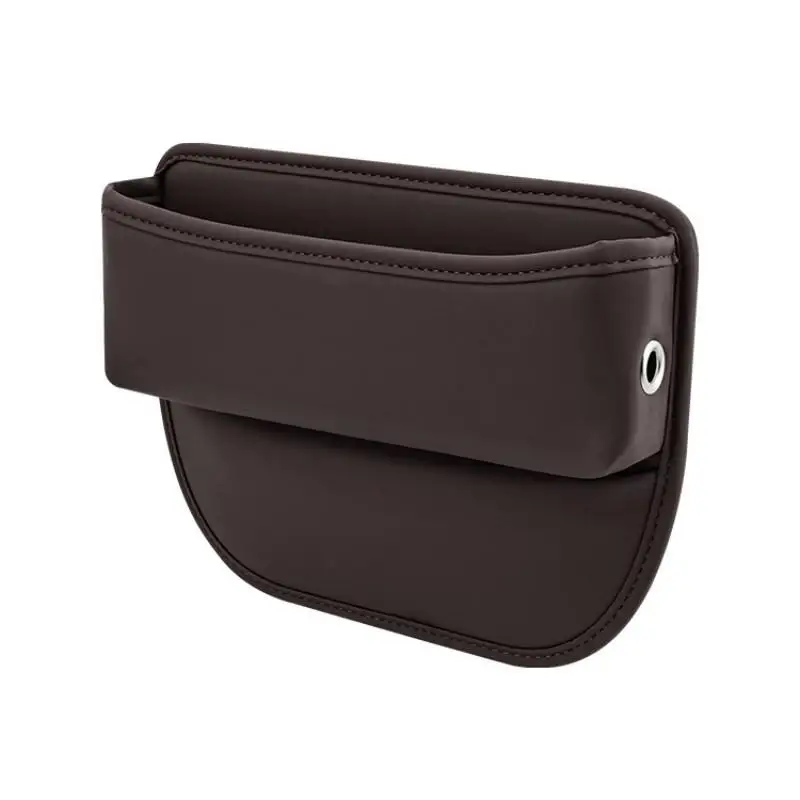
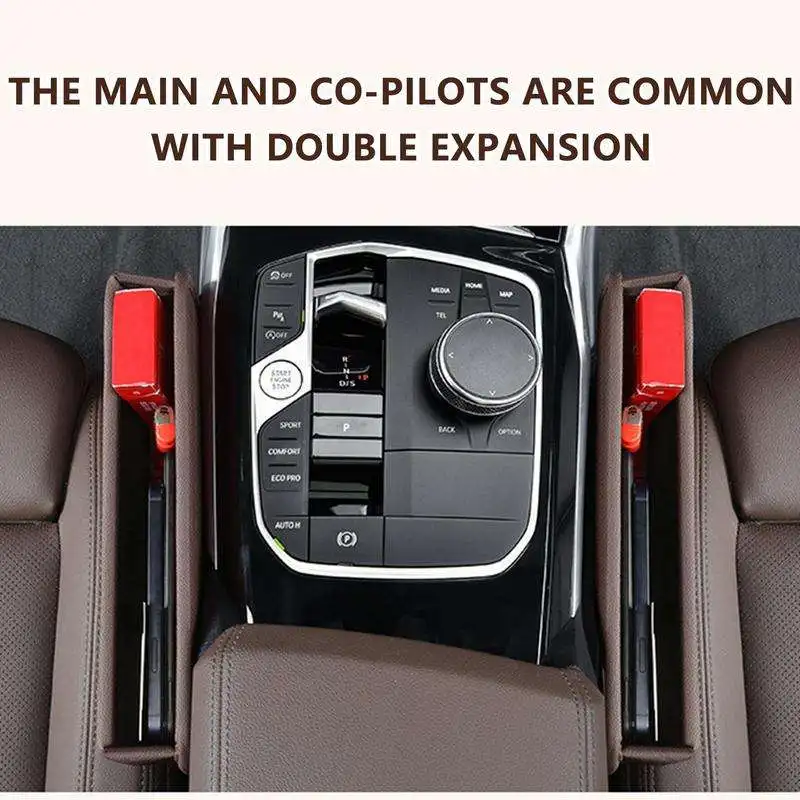
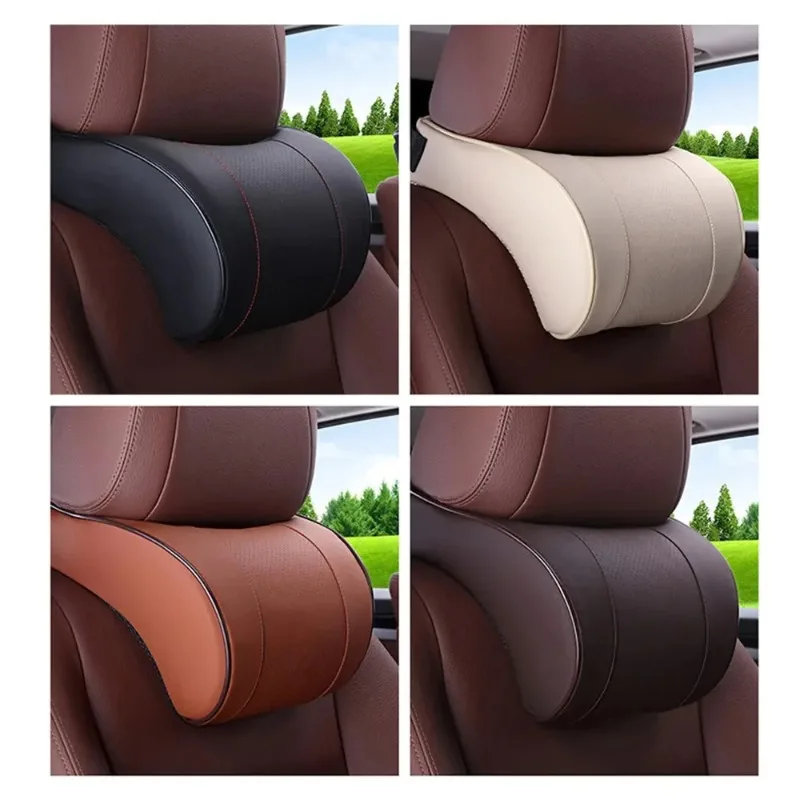
Two seat covers can look alike in a photo and behave completely differently in a car. One wipes clean, the other soaks a spill in; one is cold on a frosty morning, the other is not. These four pages gather products by what they are made of, so you can choose the material first and then the product: leather-look for a smart finish, memory foam for comfort, rubber and silicone for grip and mess, microfibre for cleaning and for grip on the wheel.
How a product gets onto these pages
Products are filed by their own name: a product whose name says the material is on that page, and a cleaner or wipe for leather never is. A few are here because one part of them is made of it, such as a leather-look seat cushion with a memory foam pad, and the product description says which part. Each product stays in its own department too.
The four pages
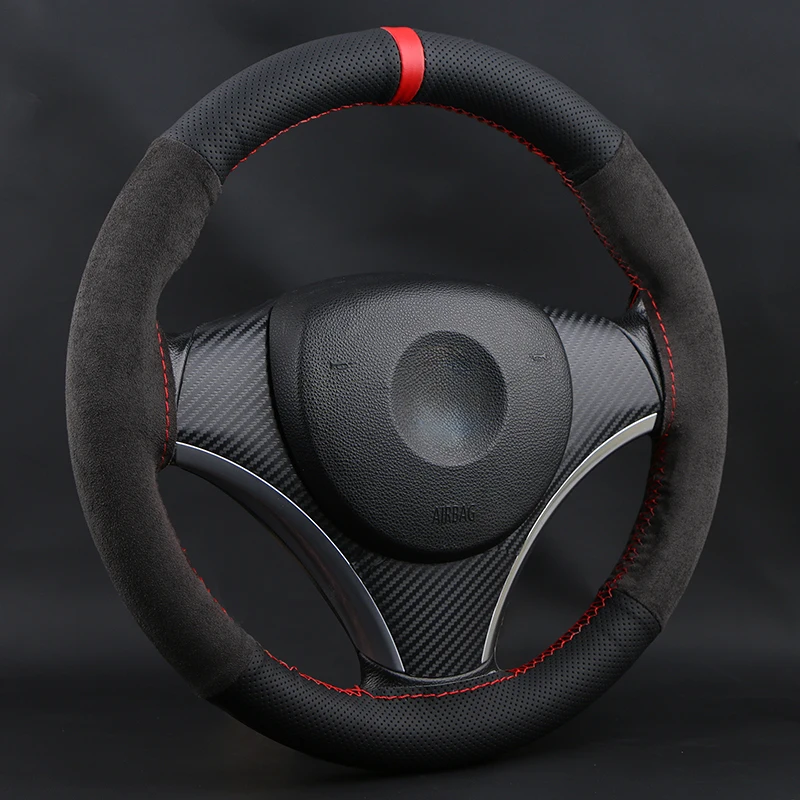
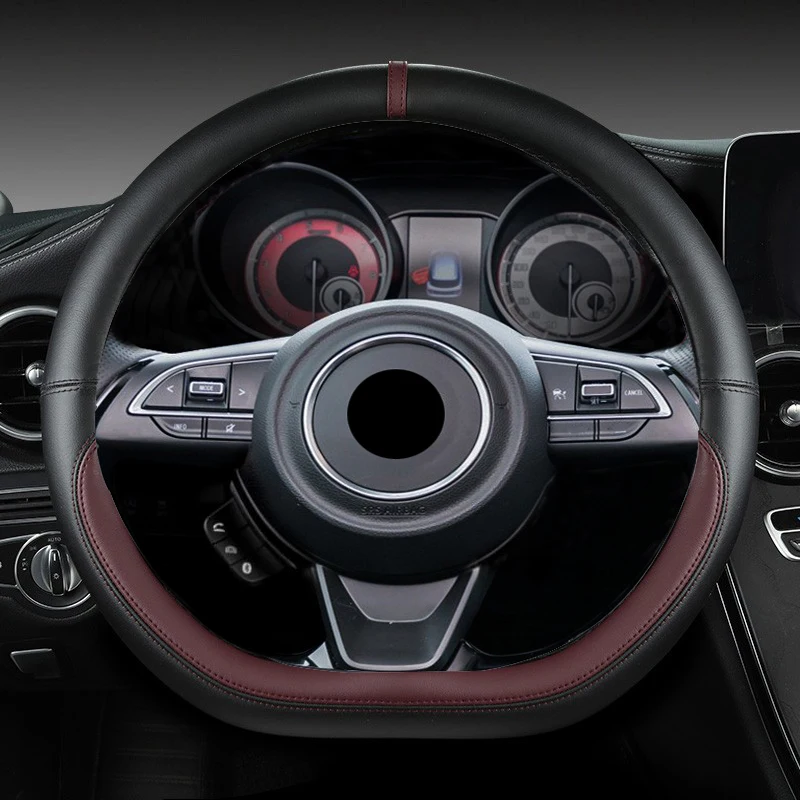
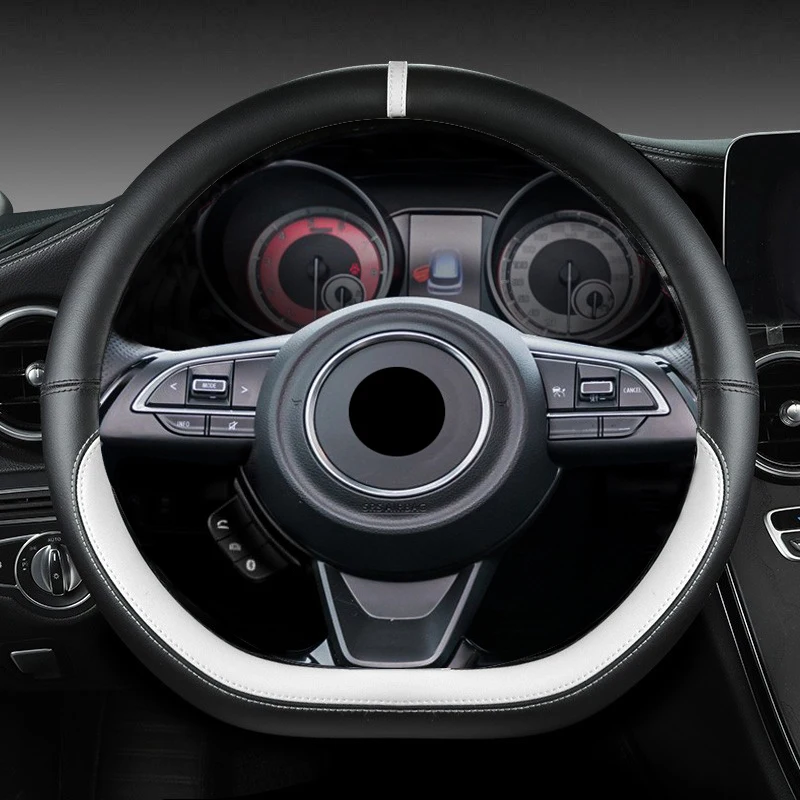
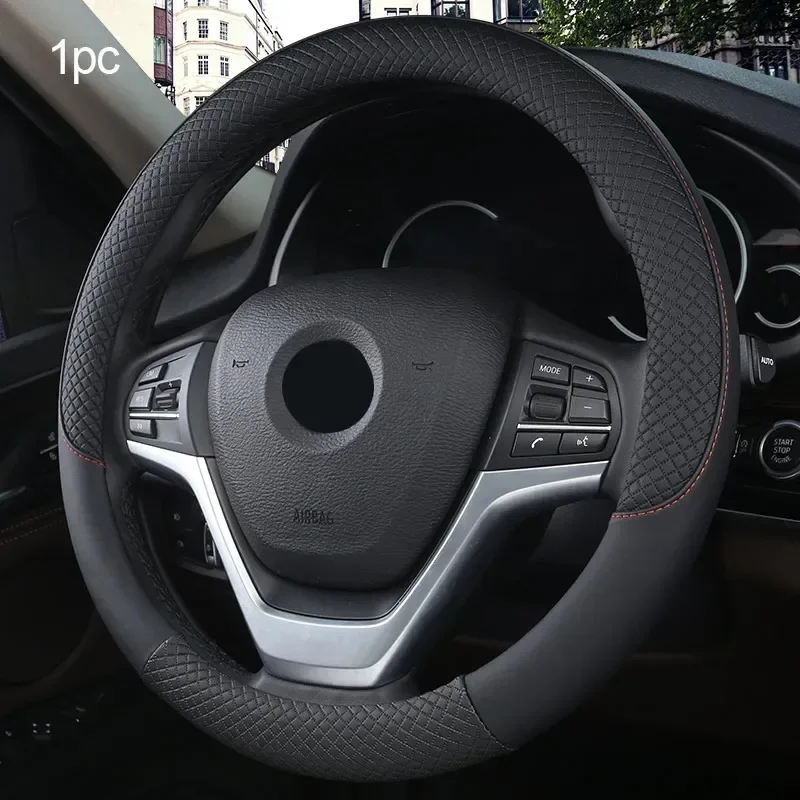
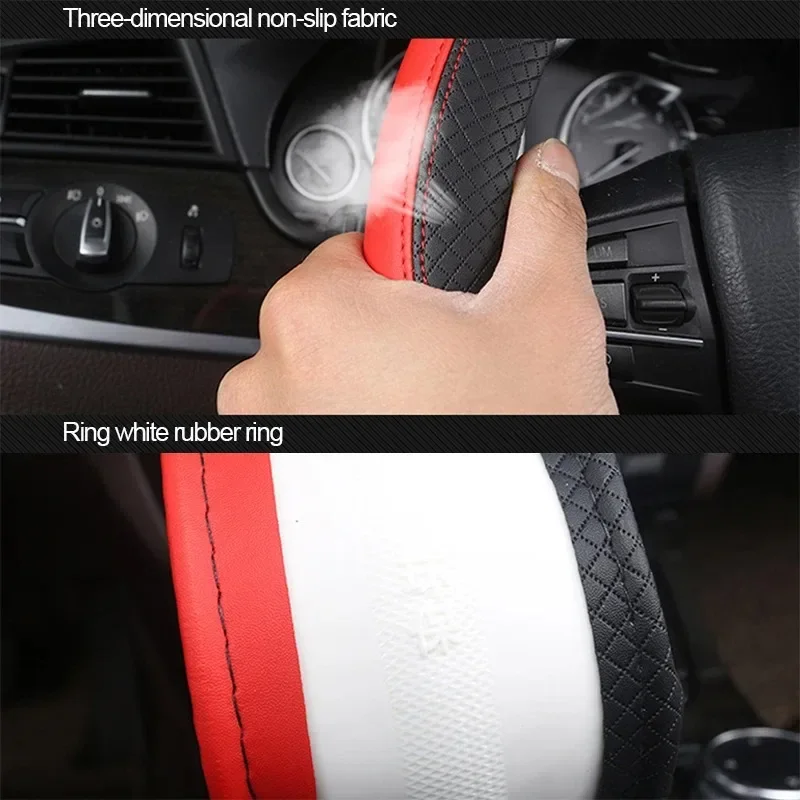
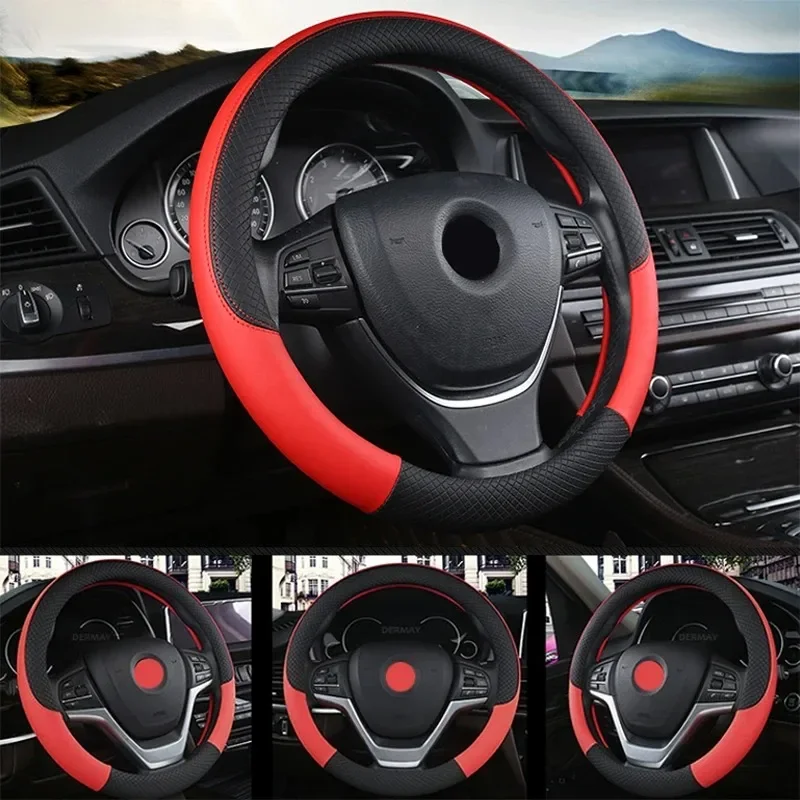
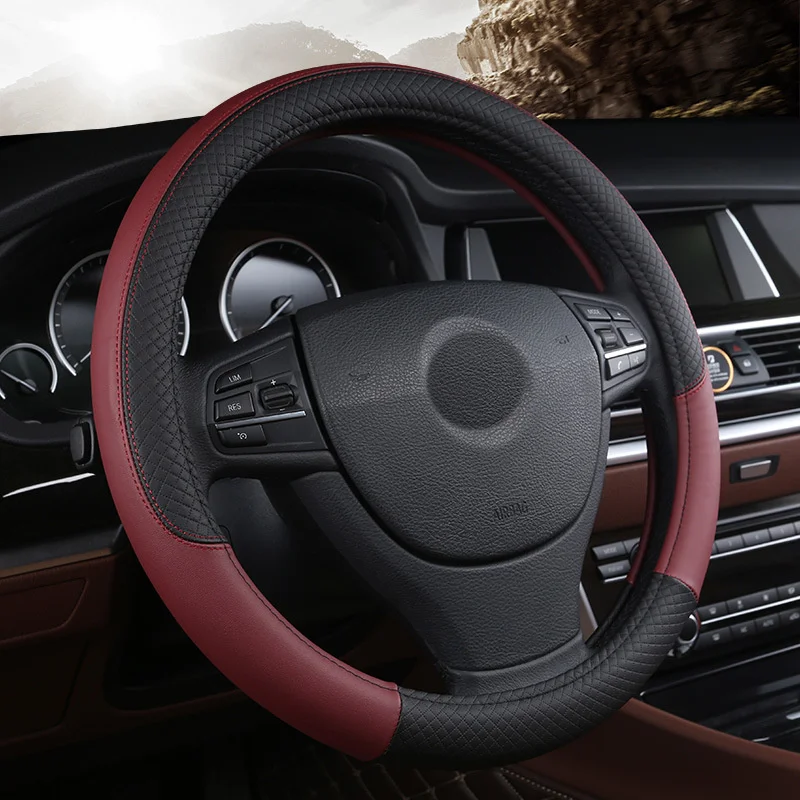
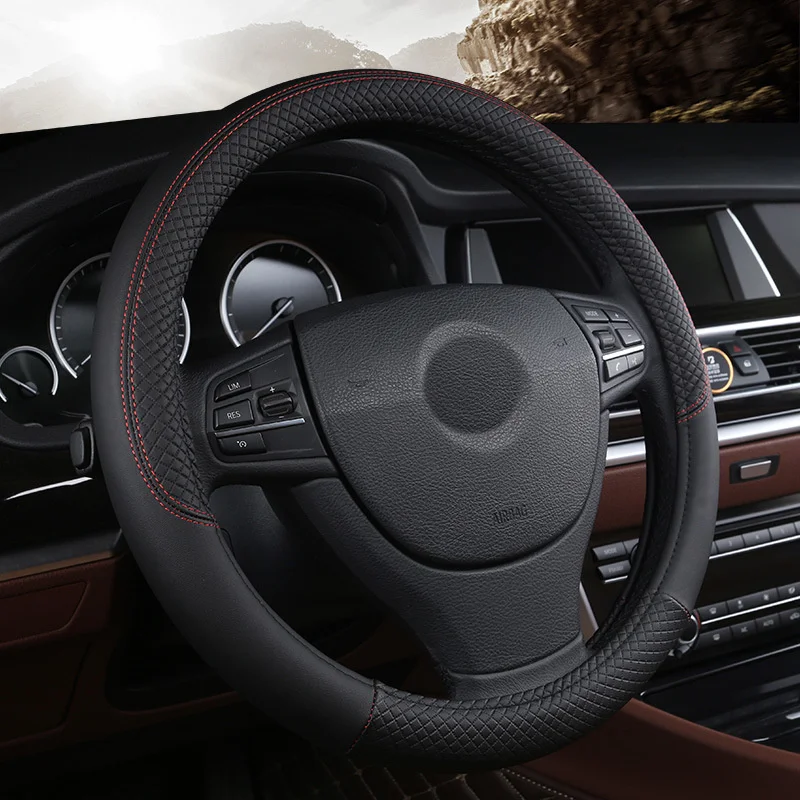
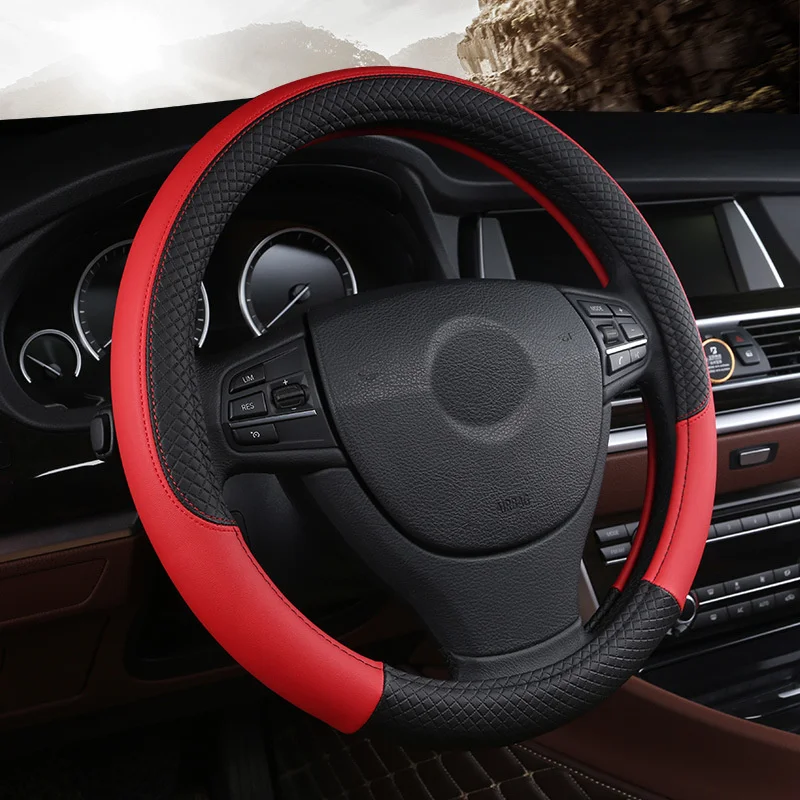
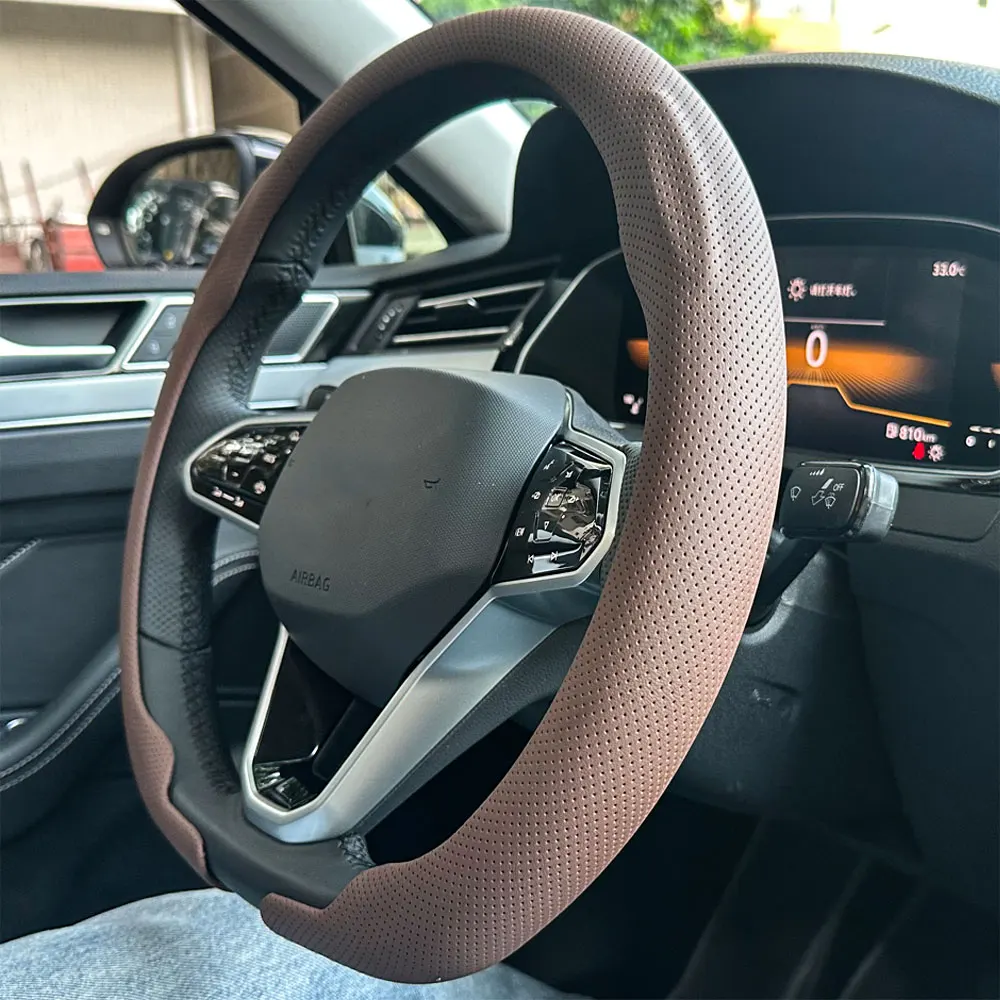
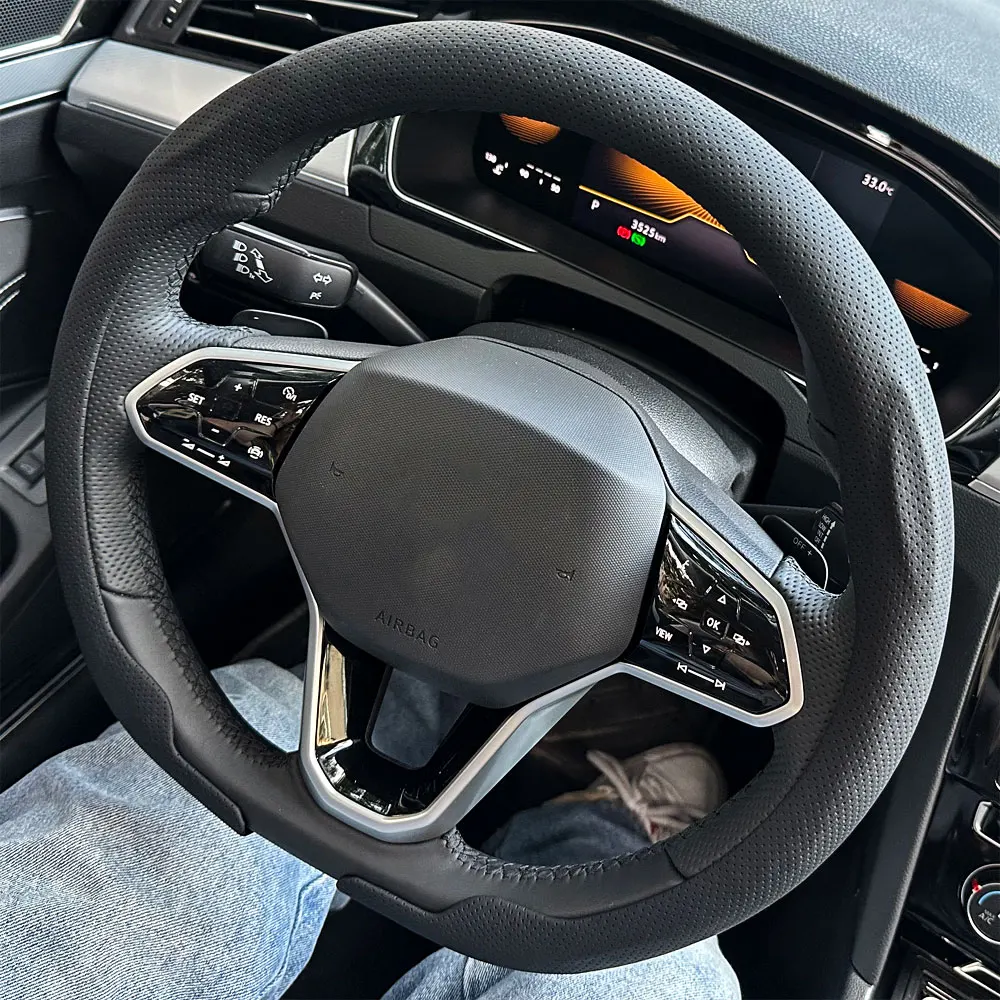
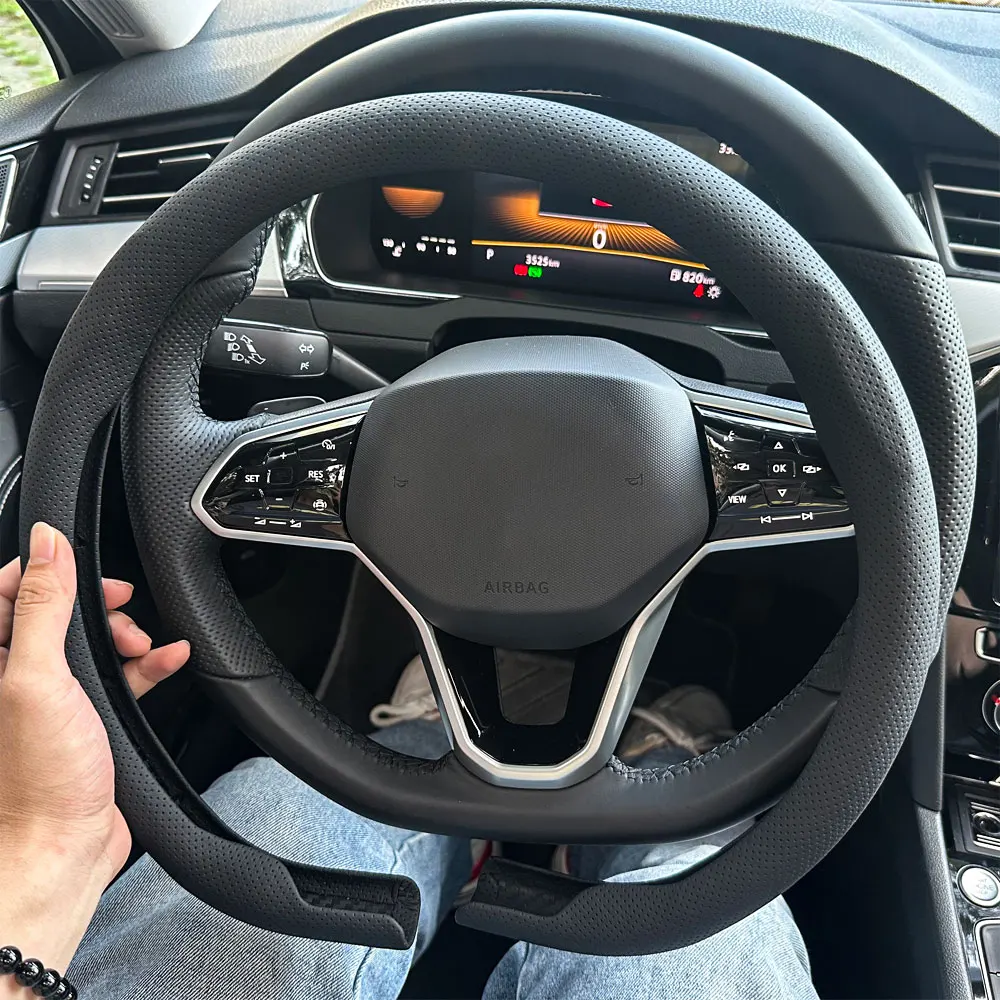
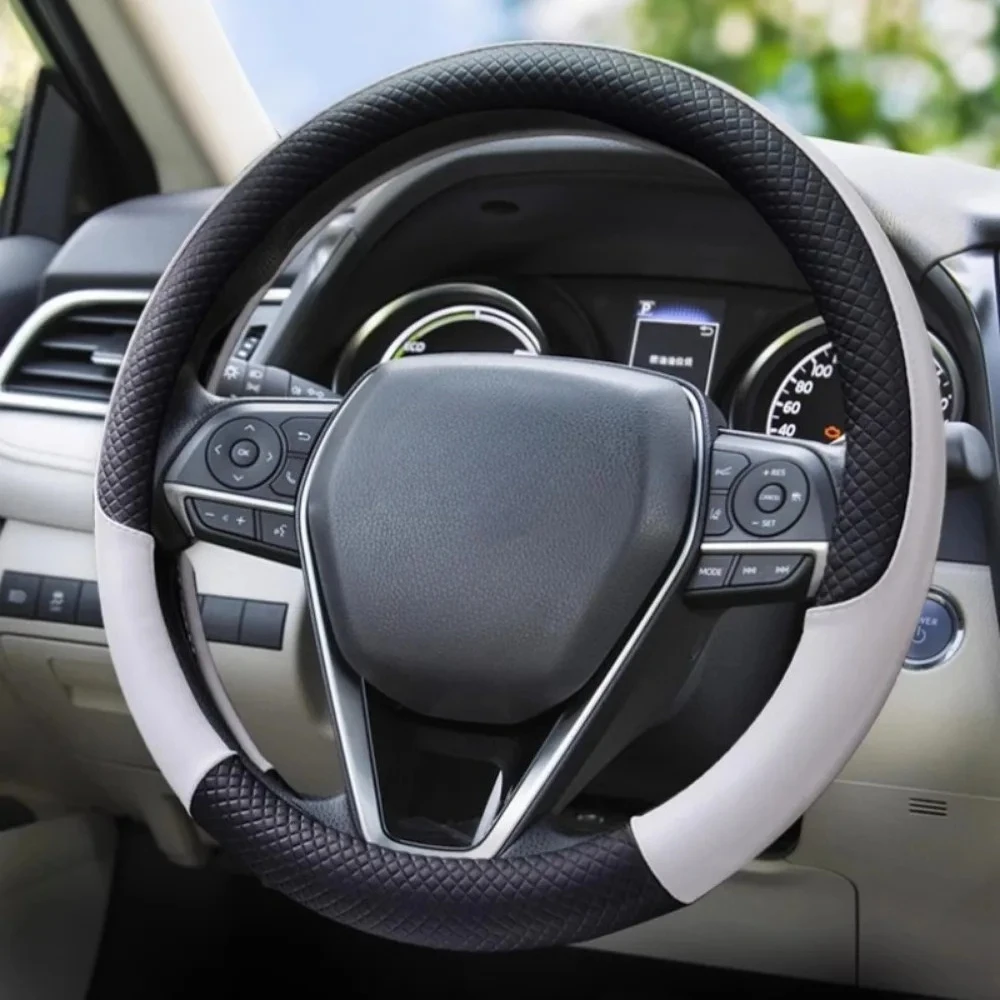
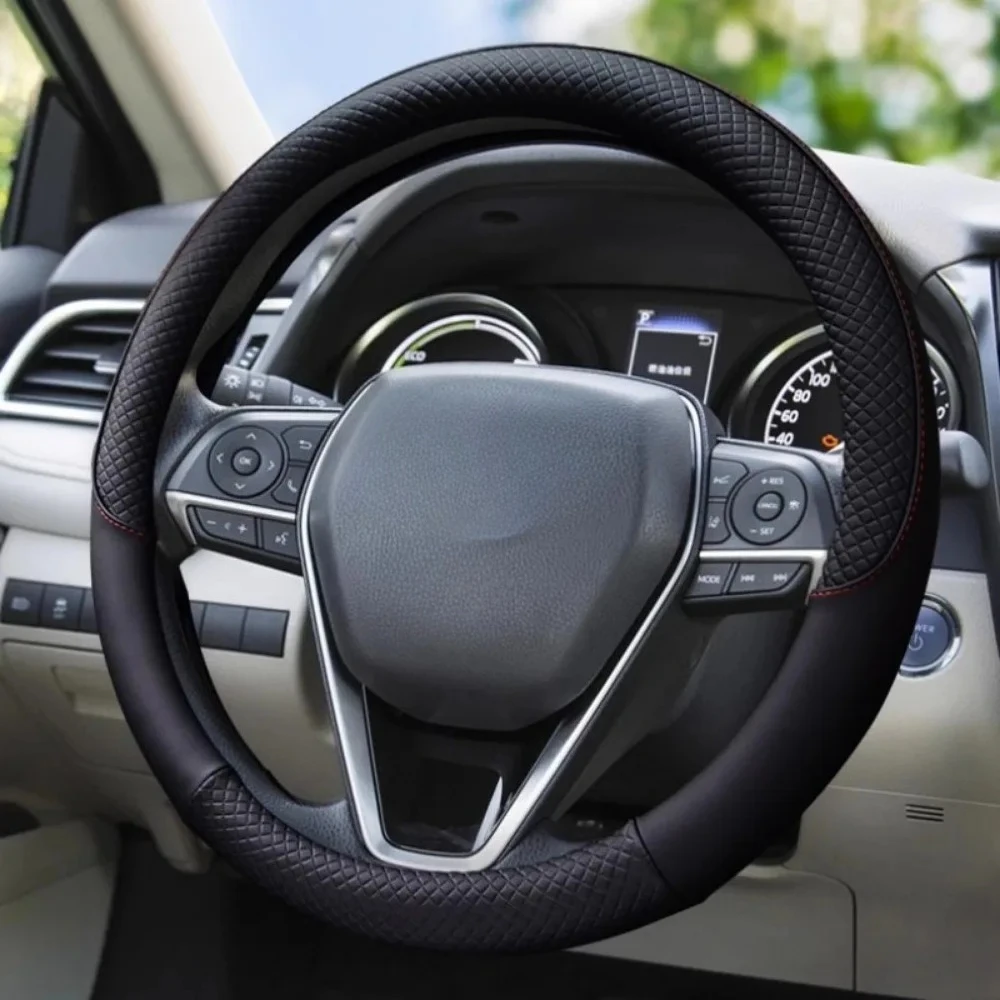
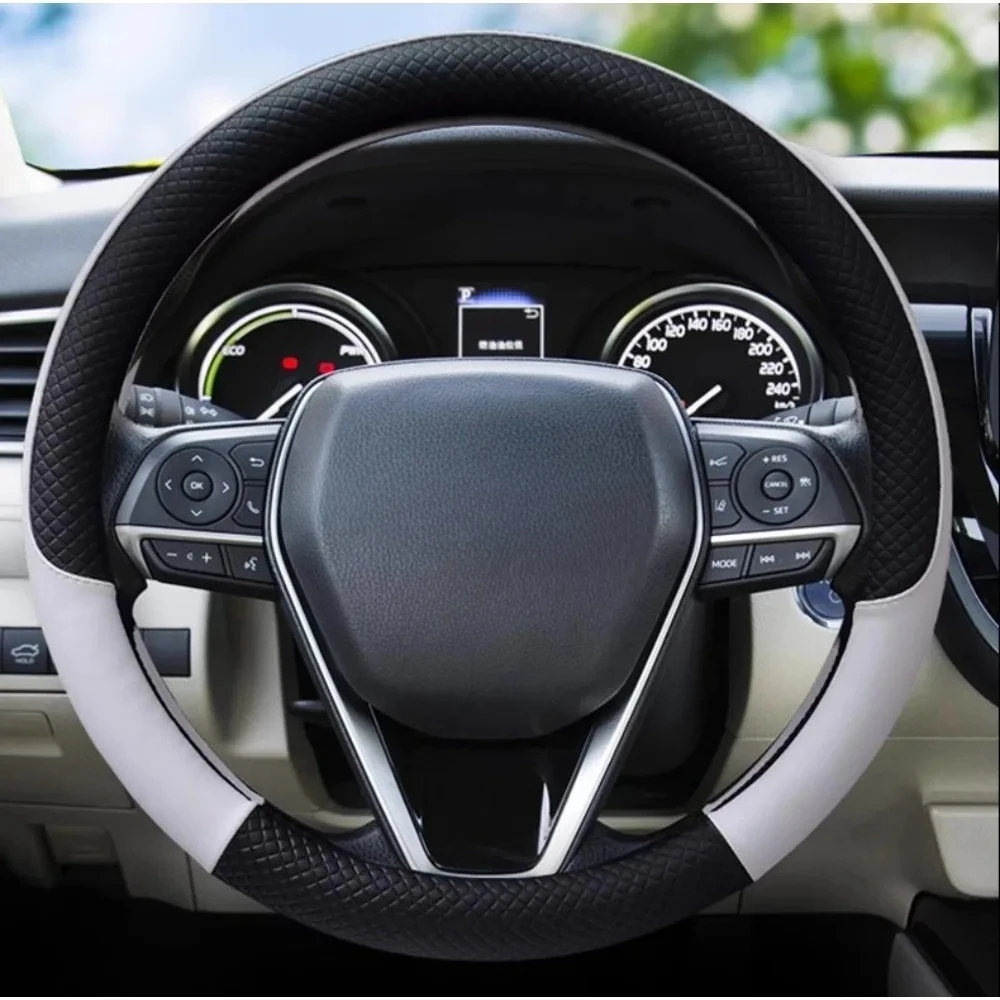
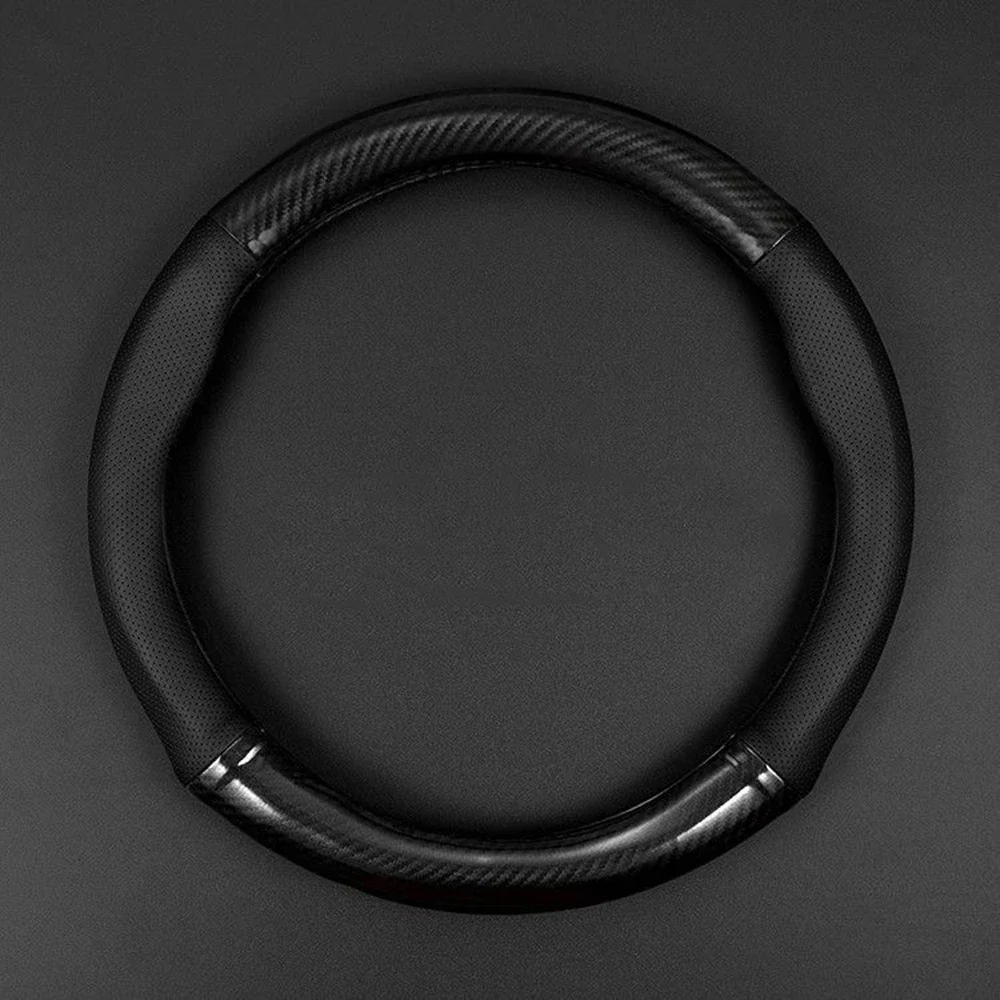
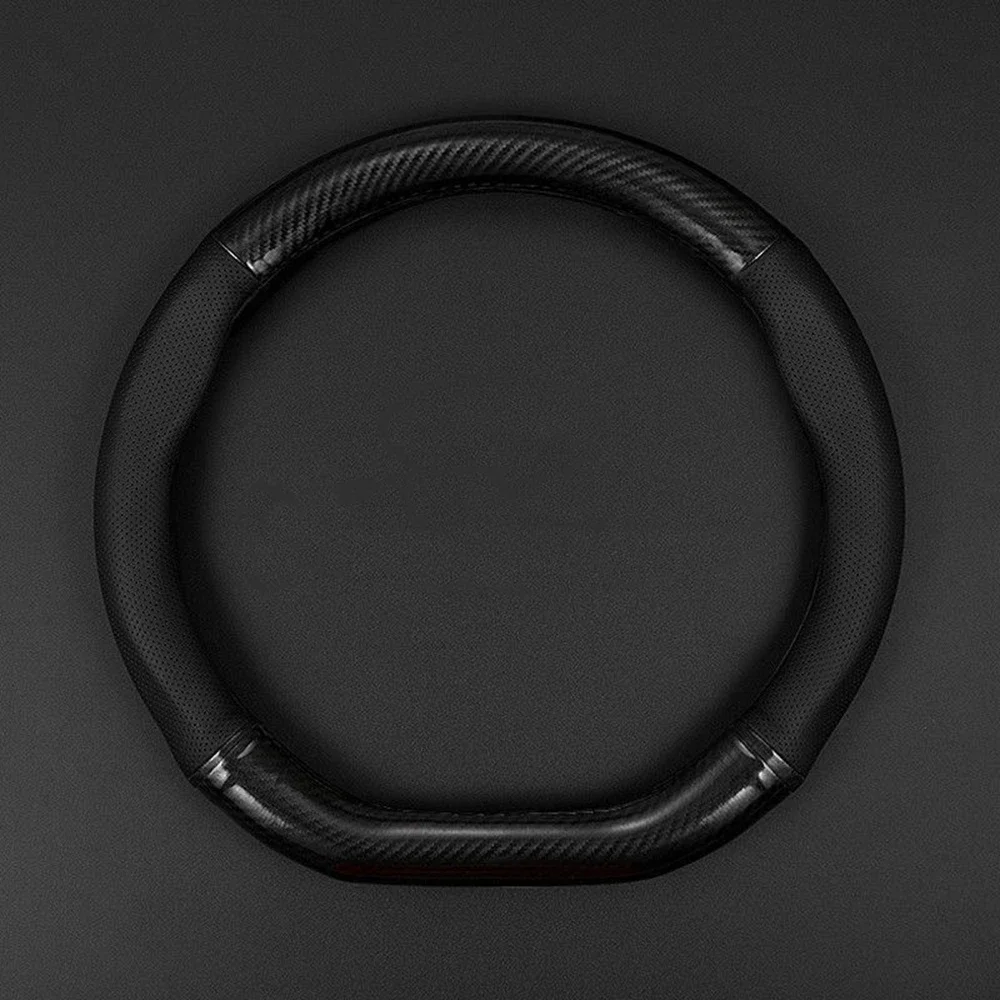
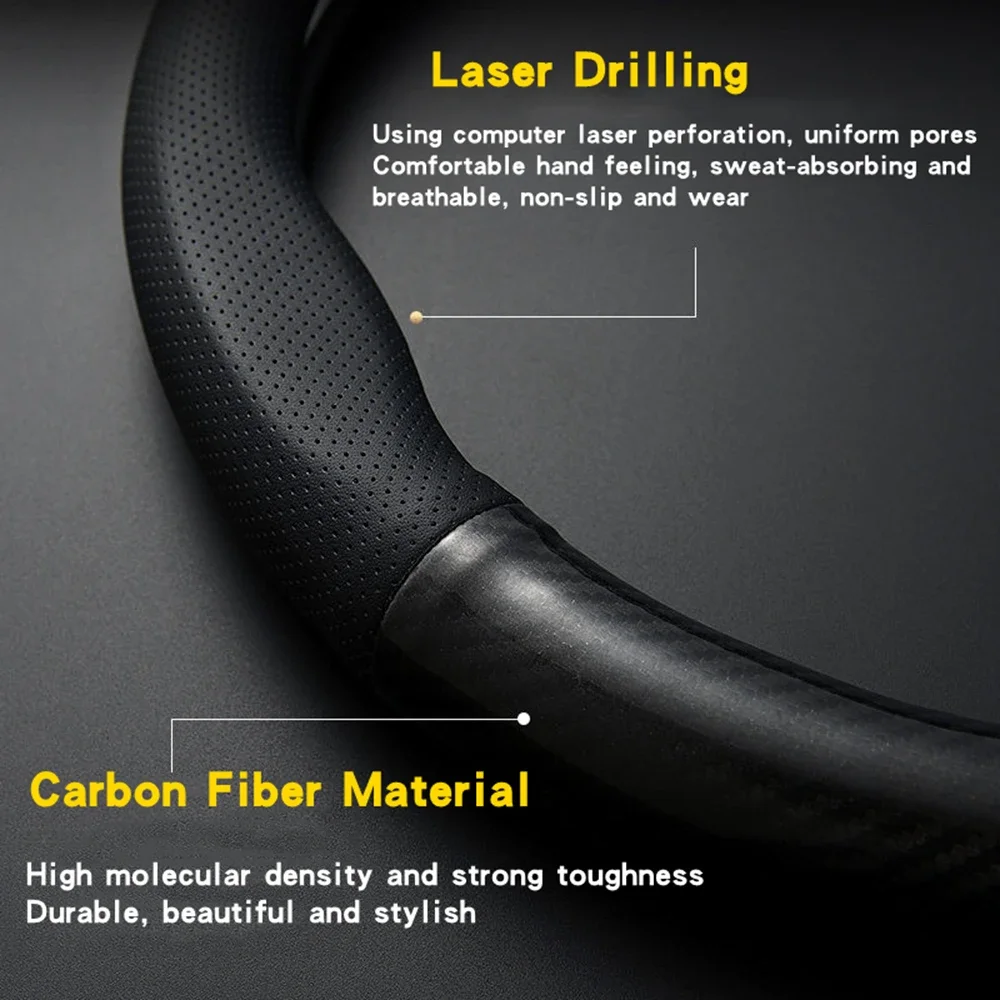
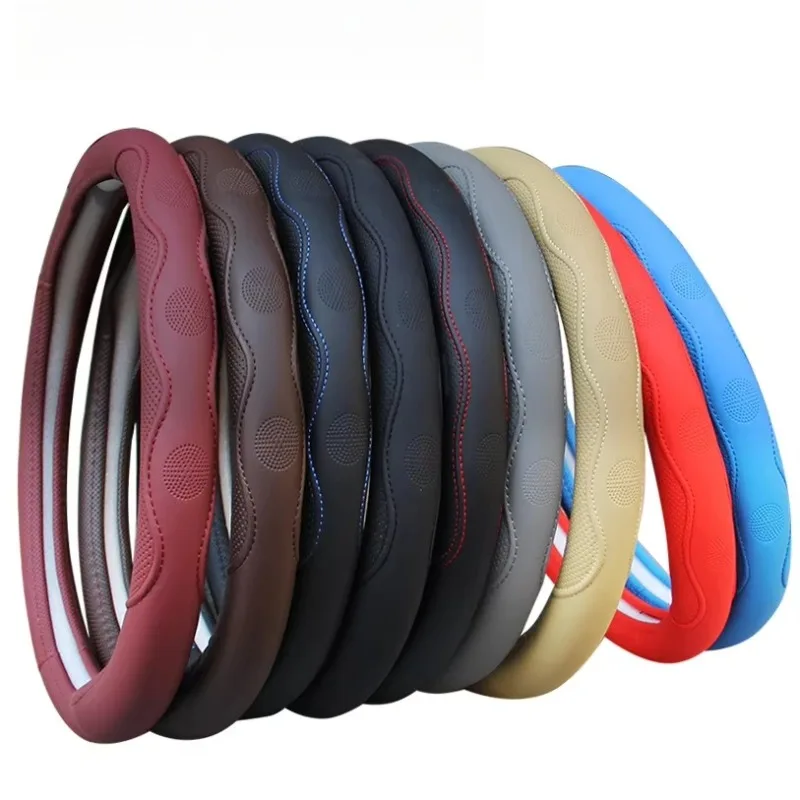
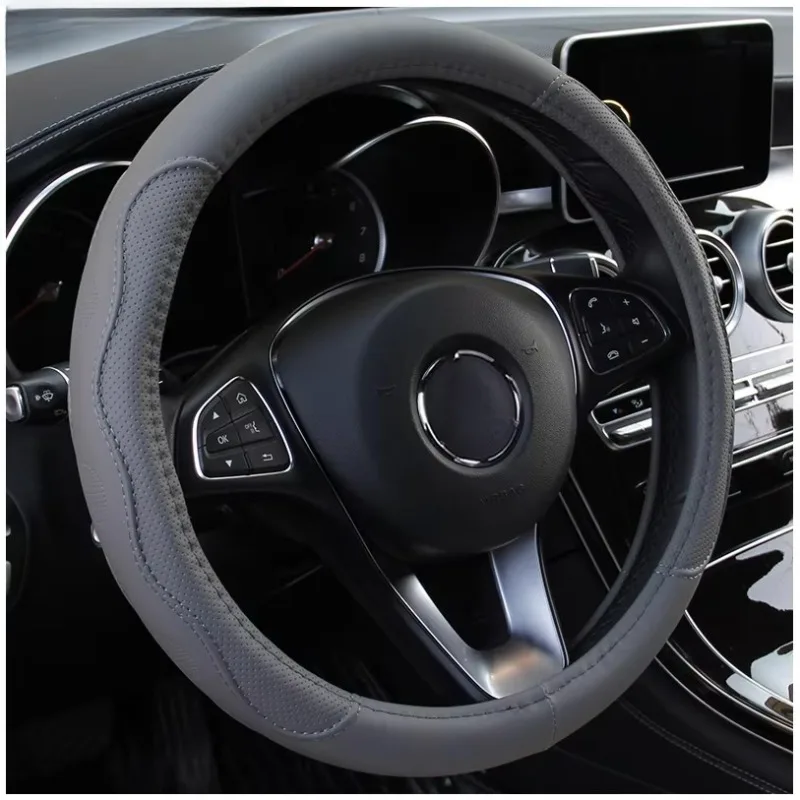
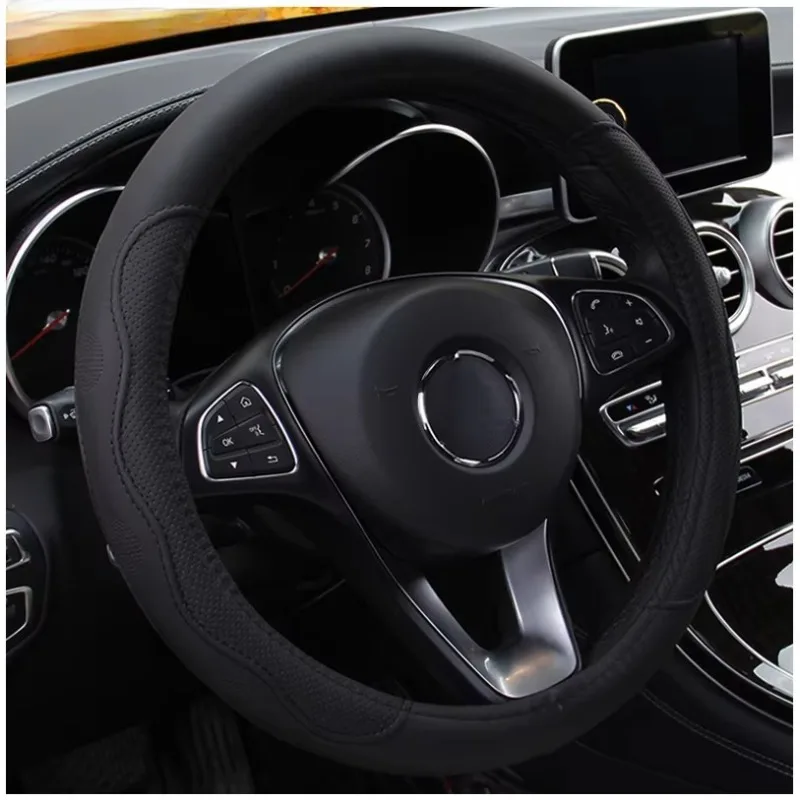
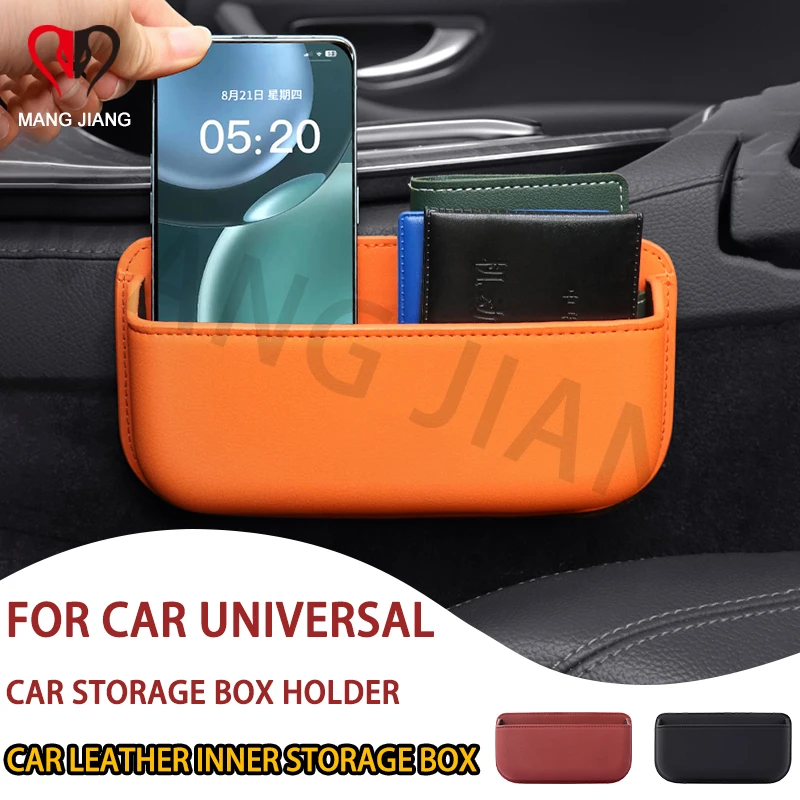
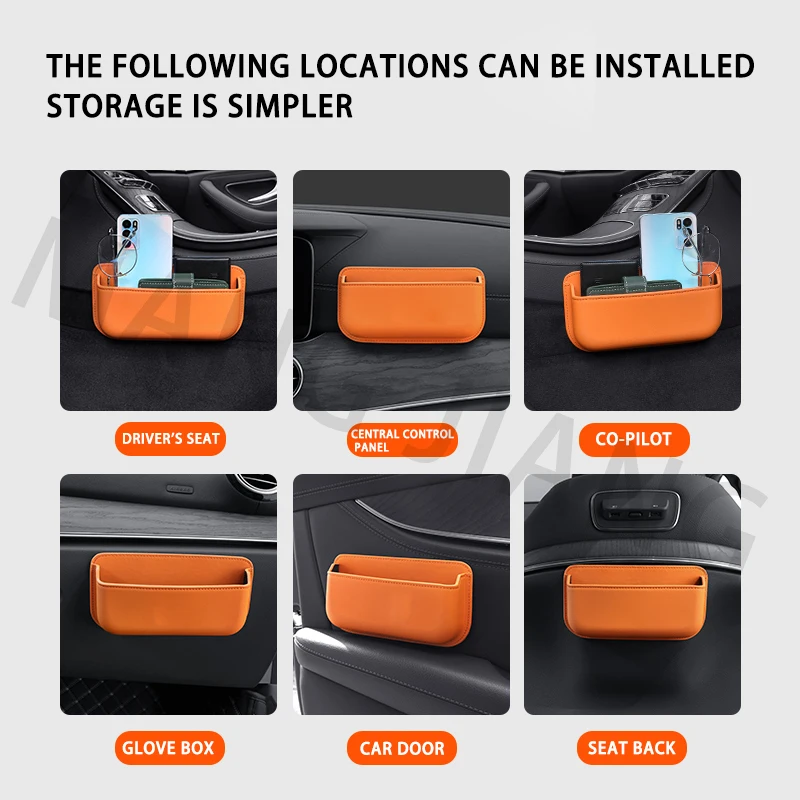
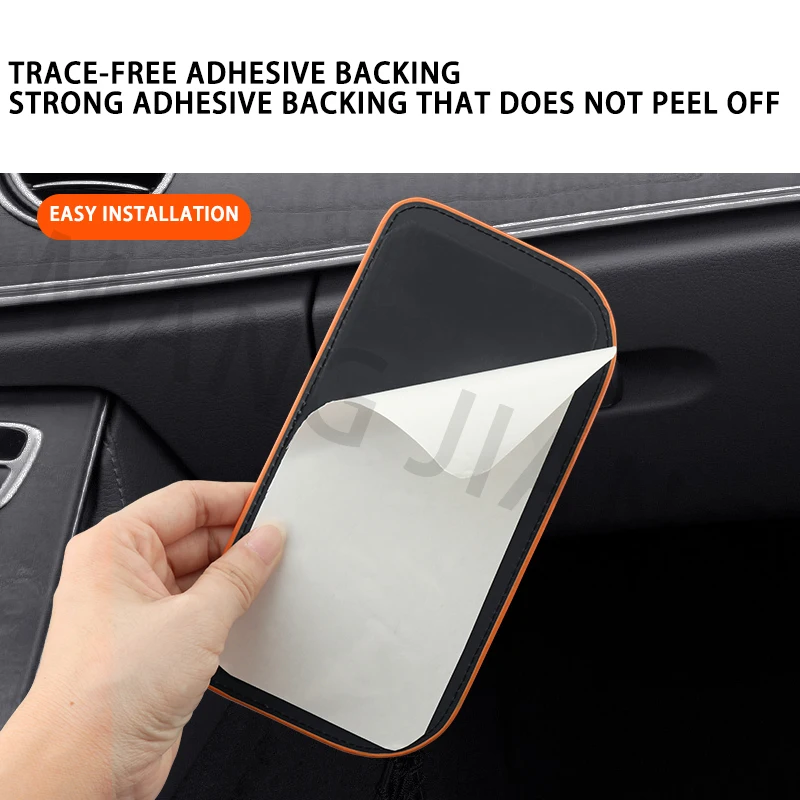
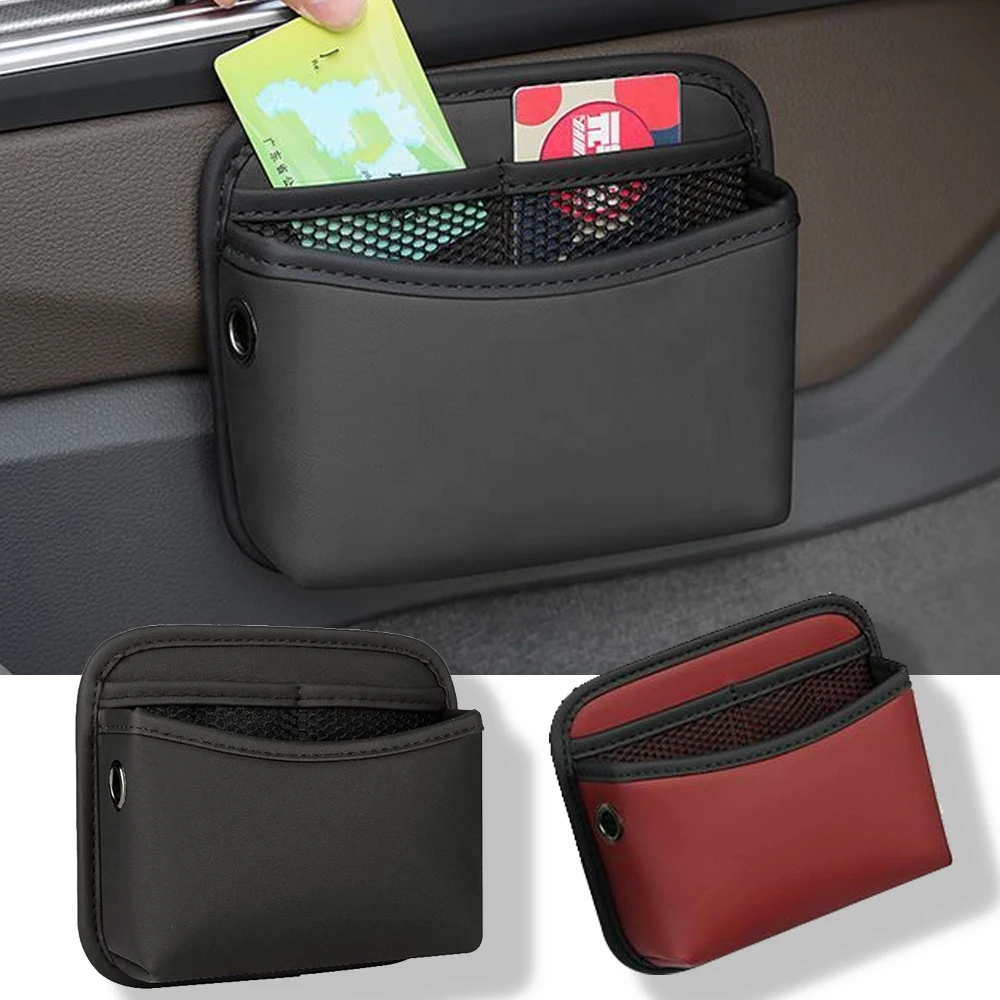
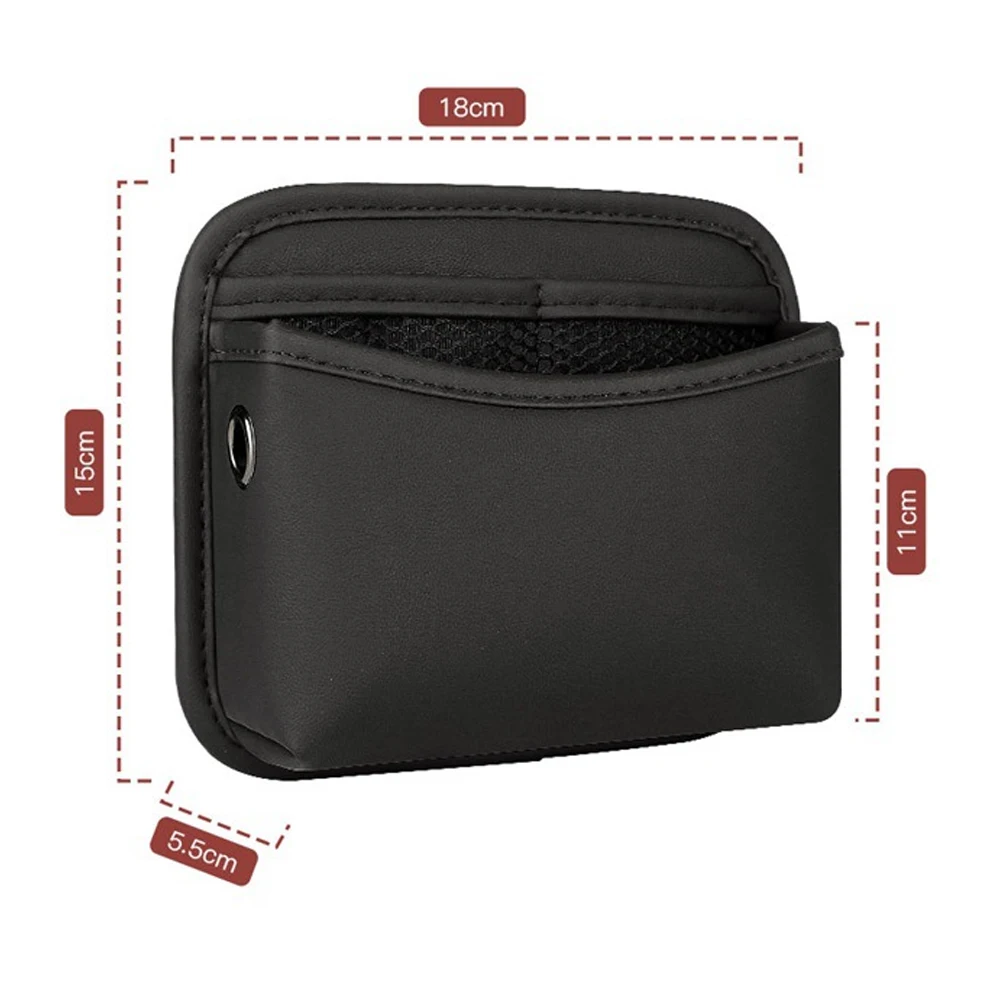
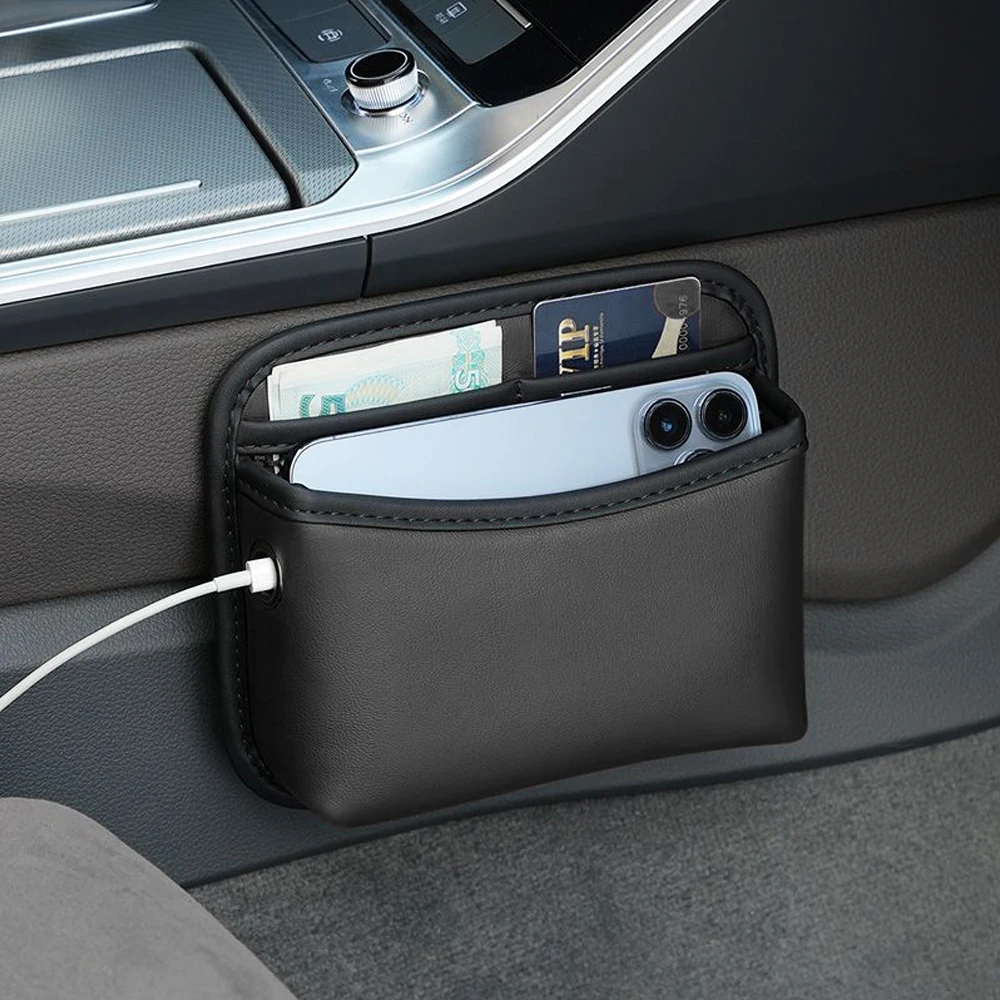
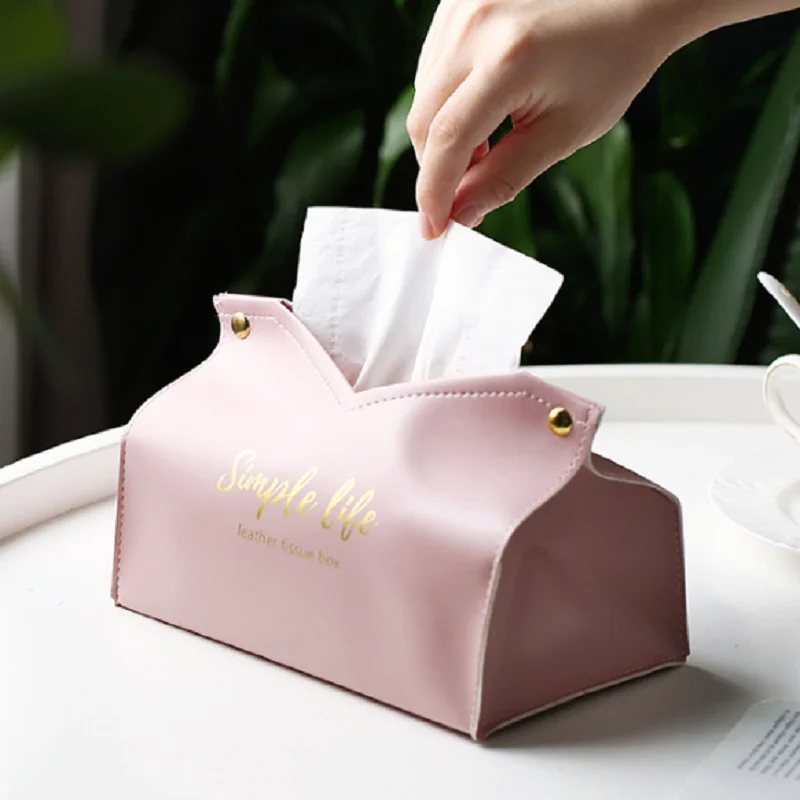
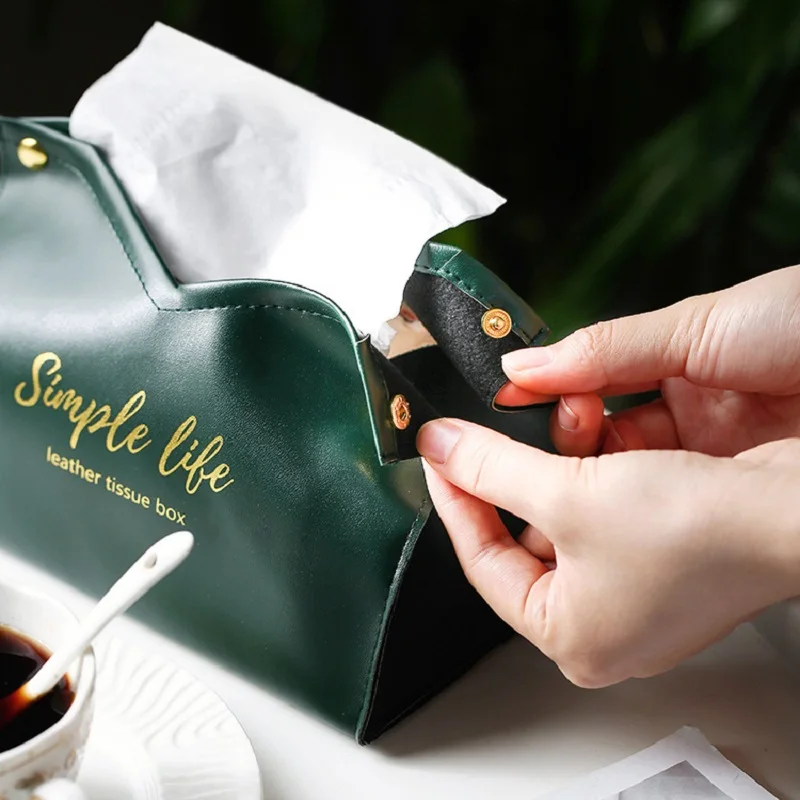
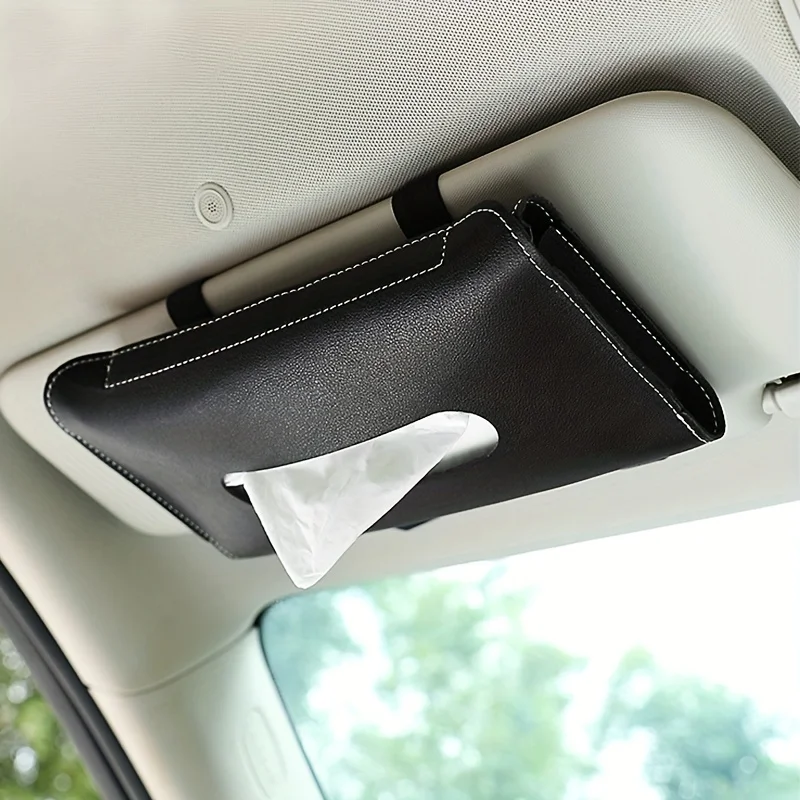
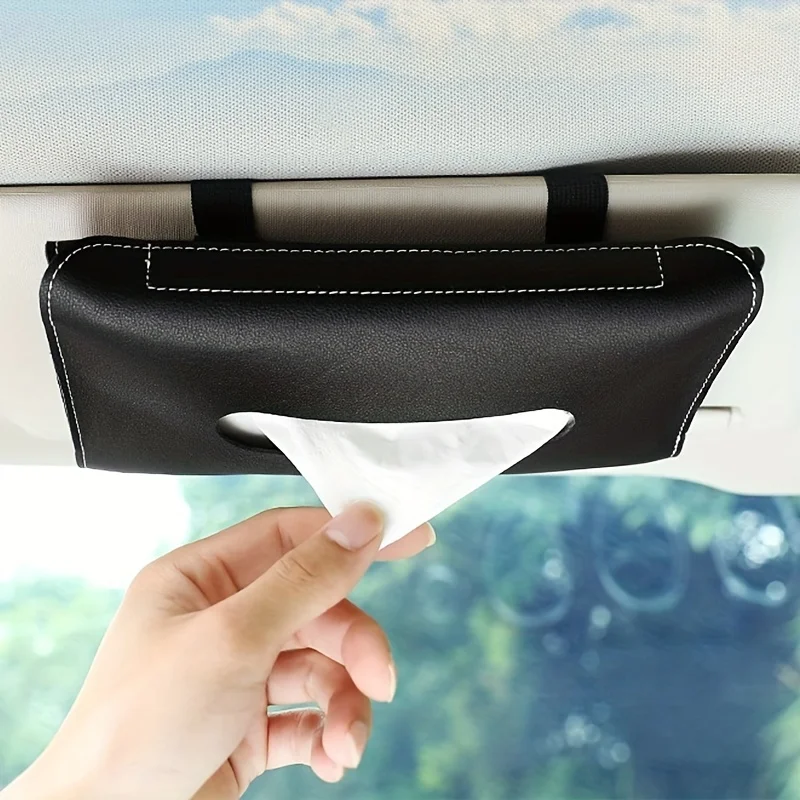
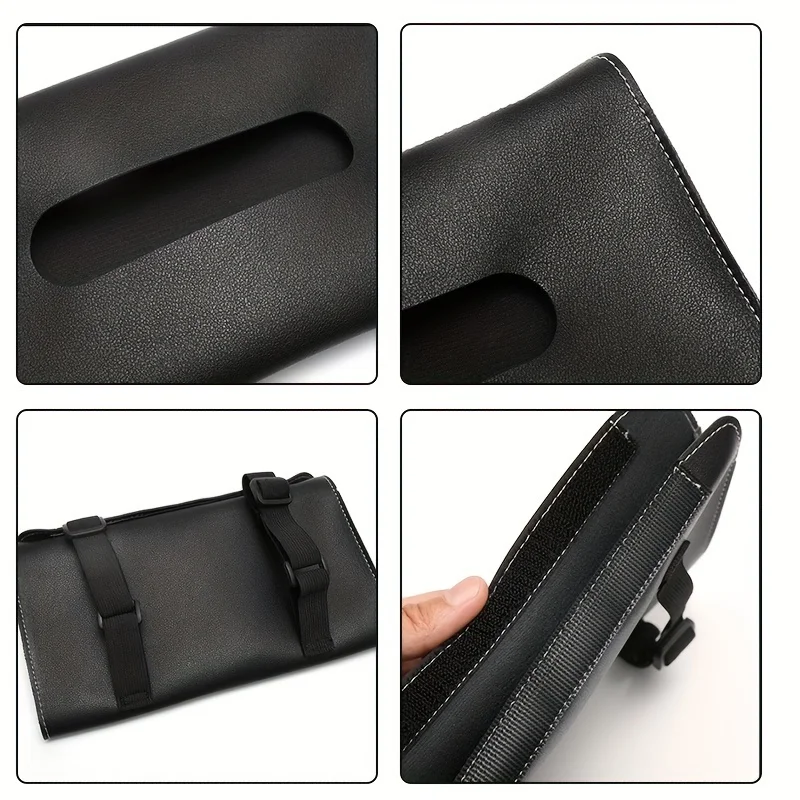
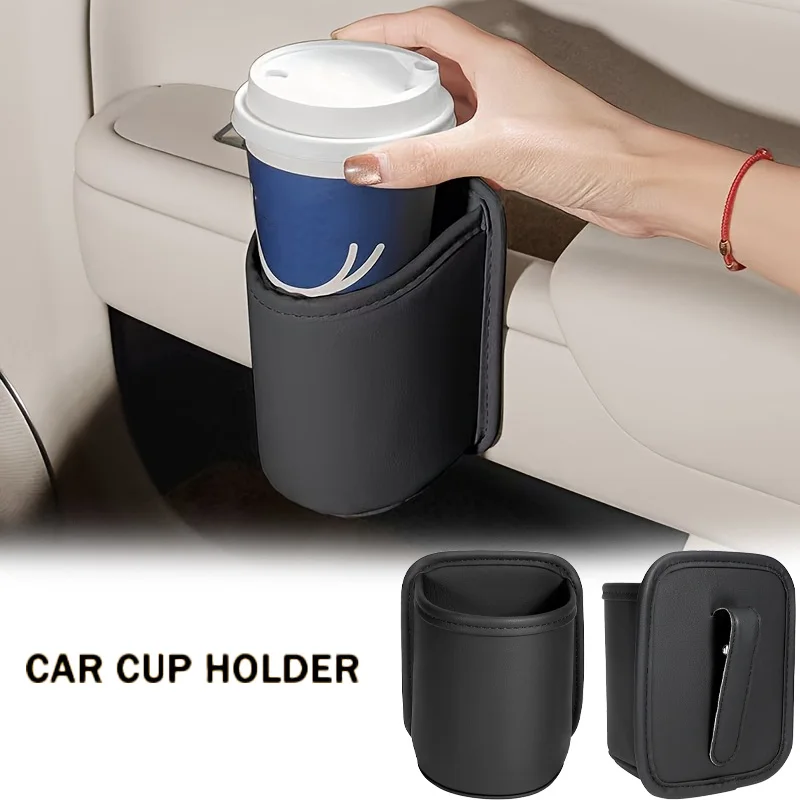
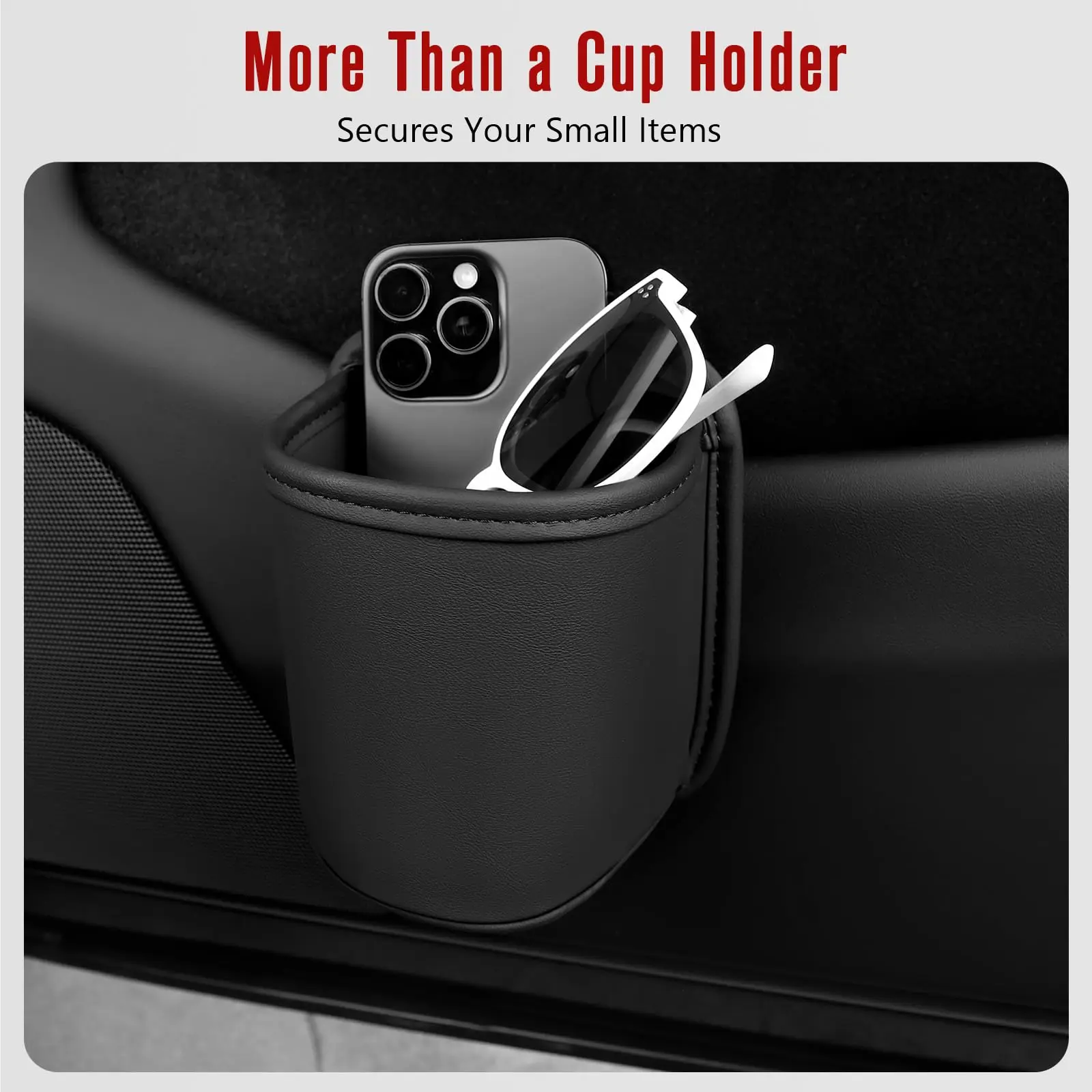
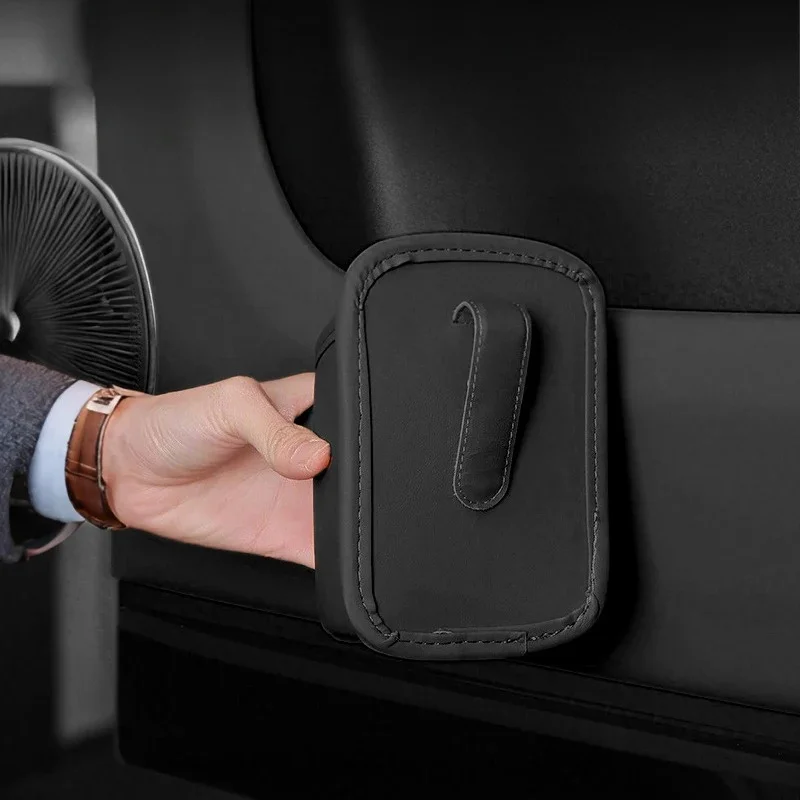
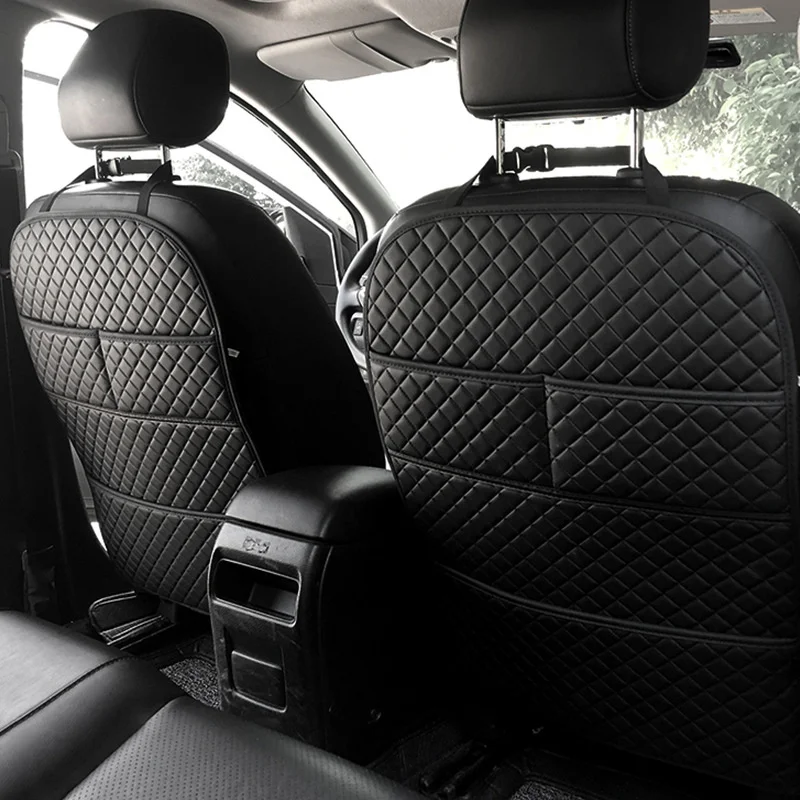
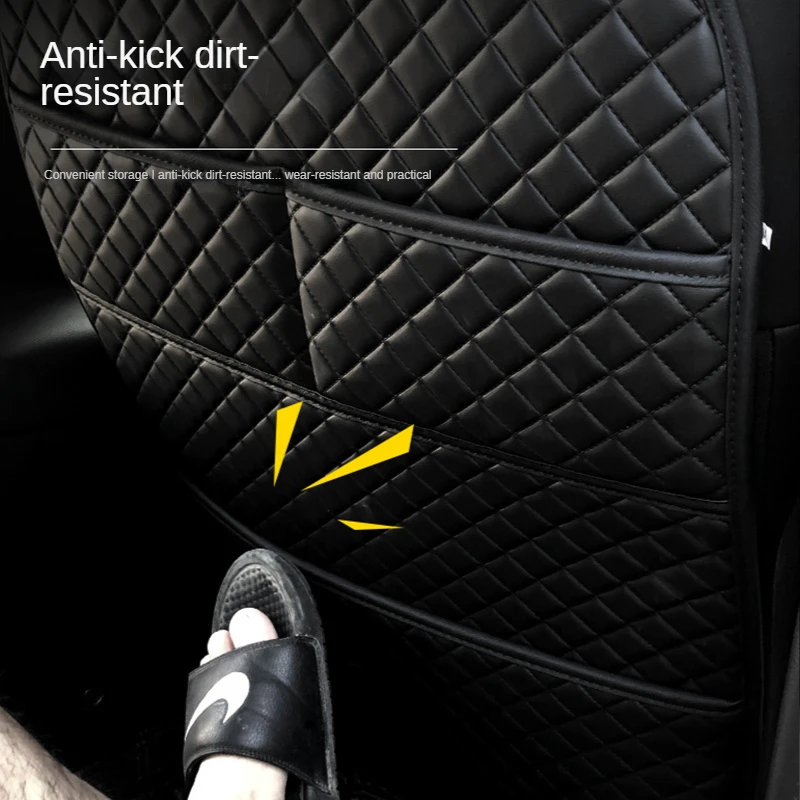
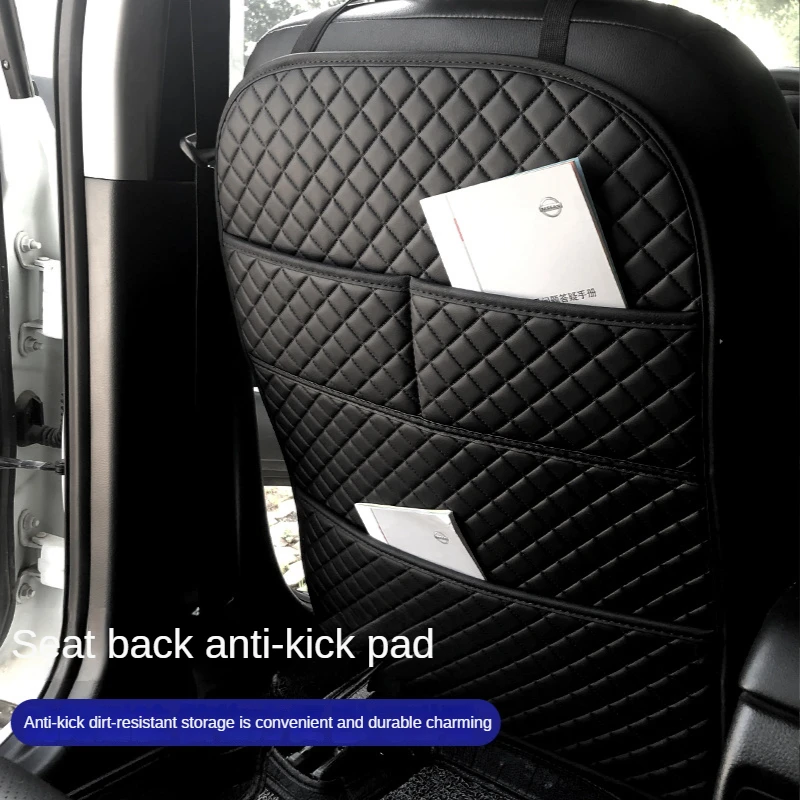
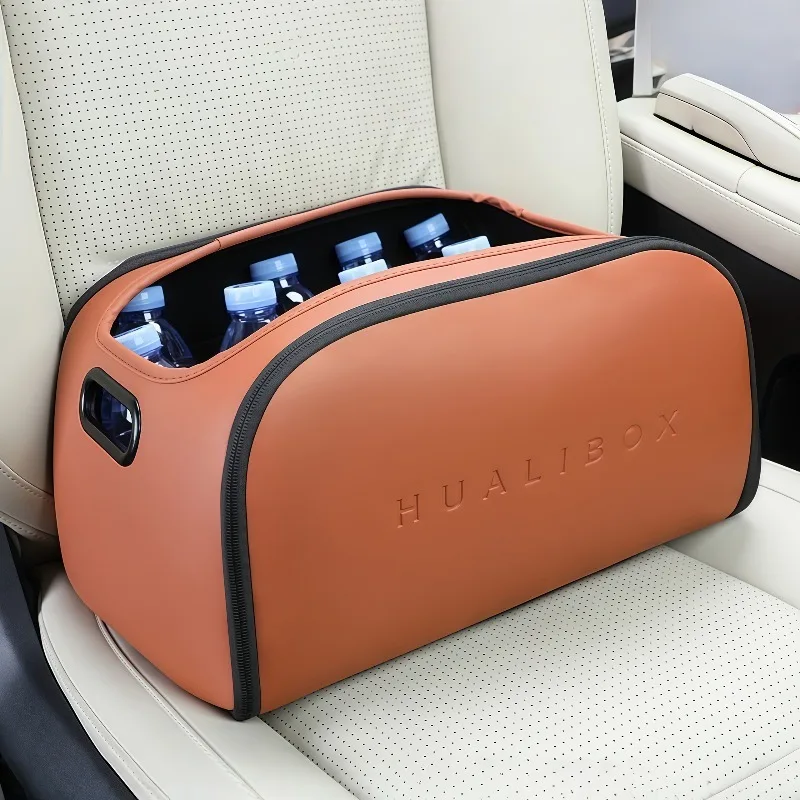
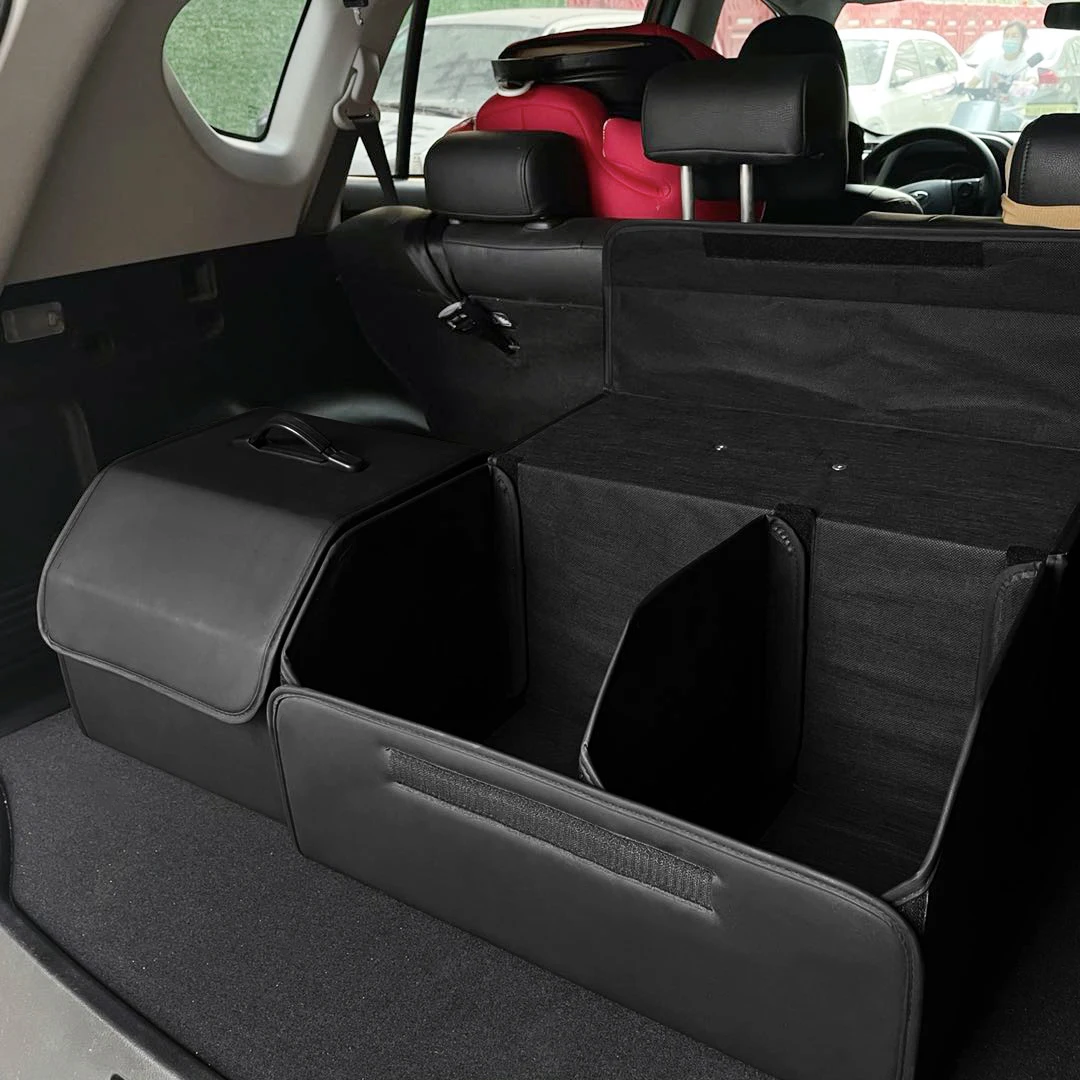
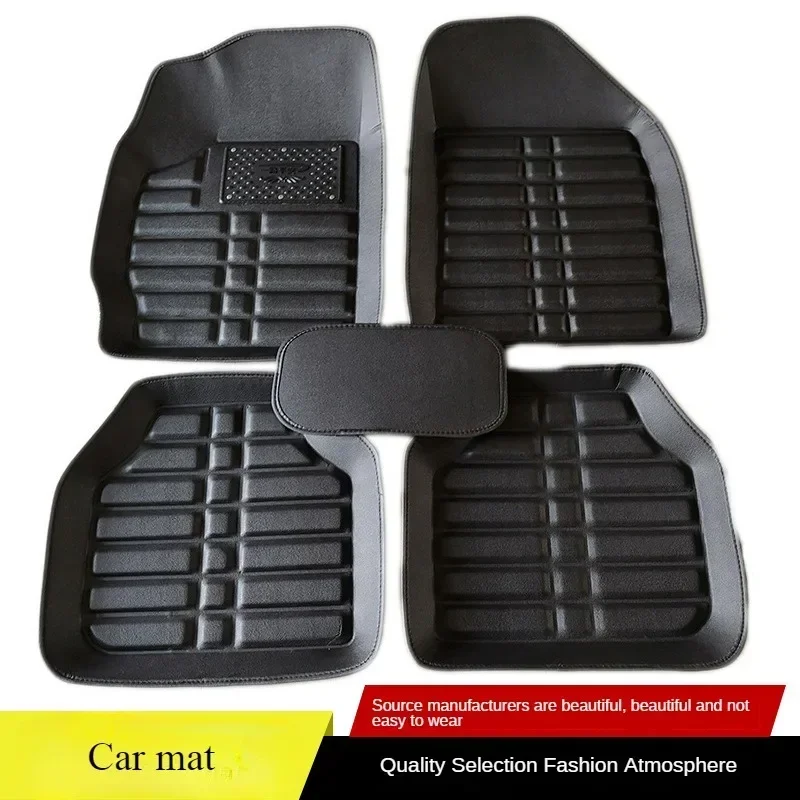
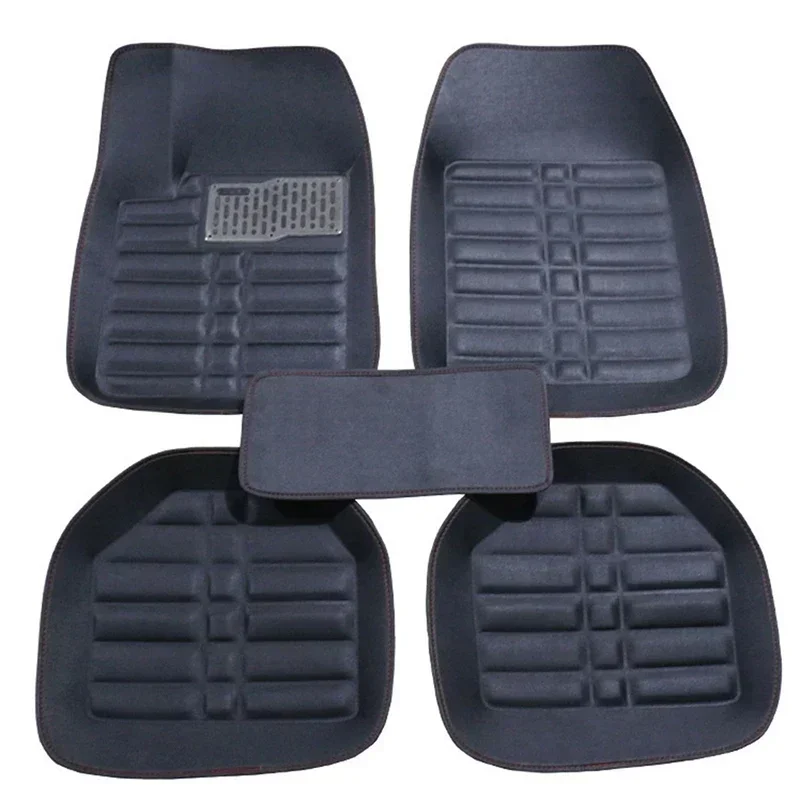
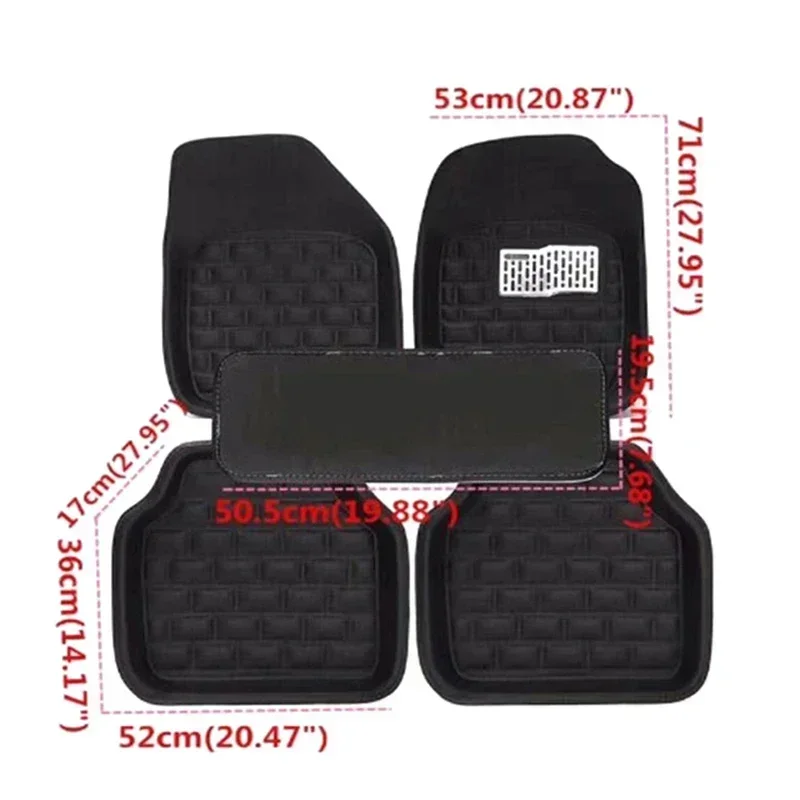
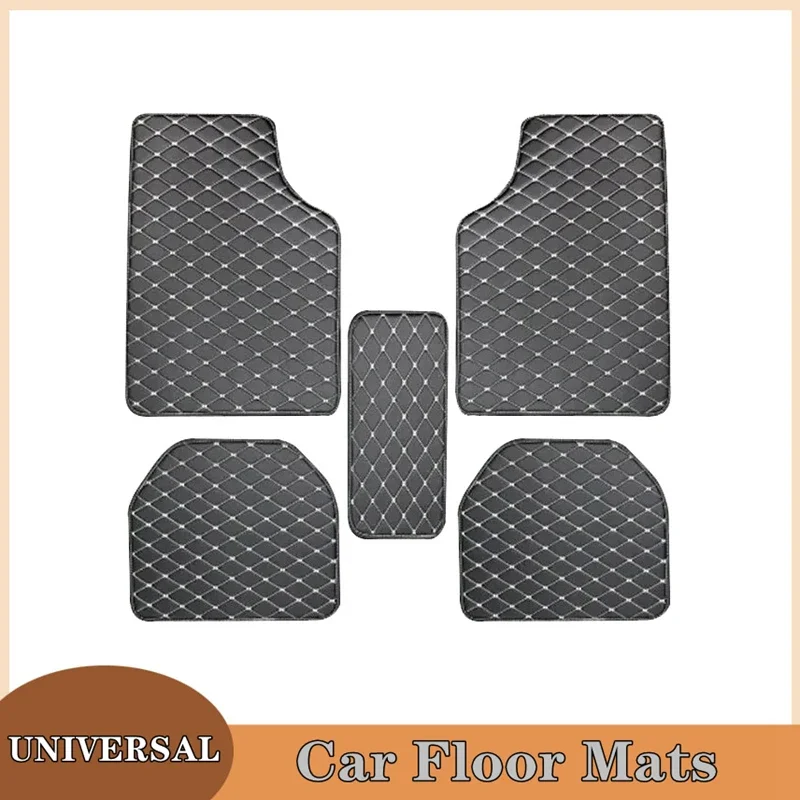
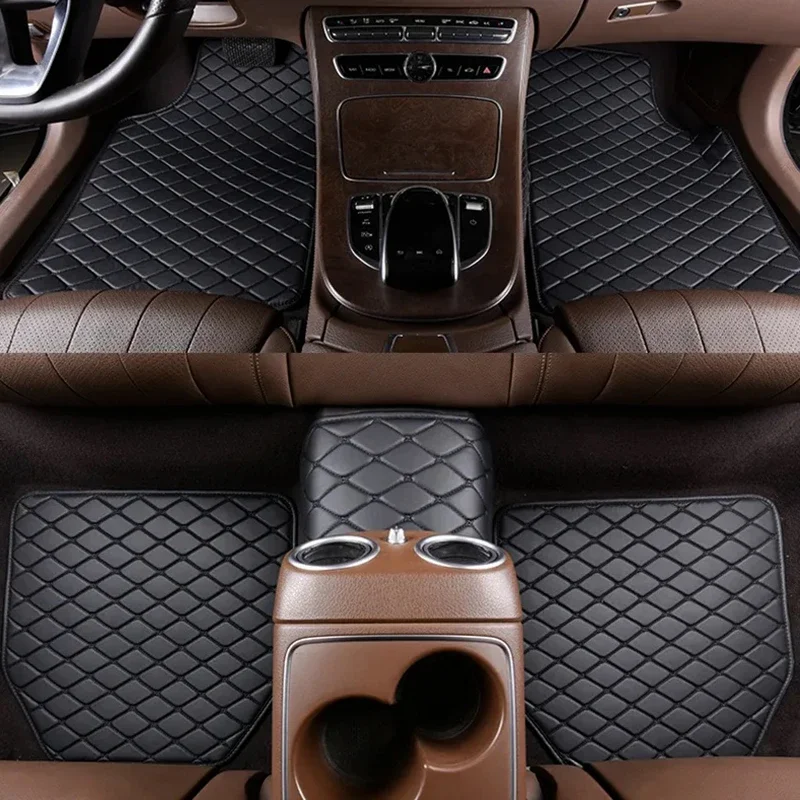
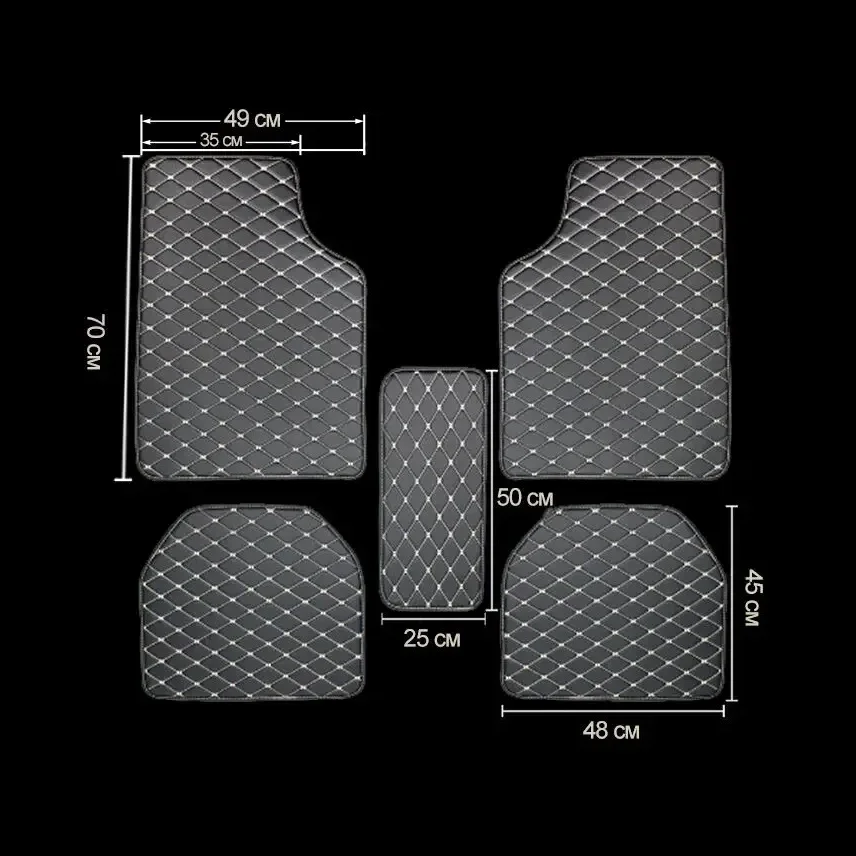
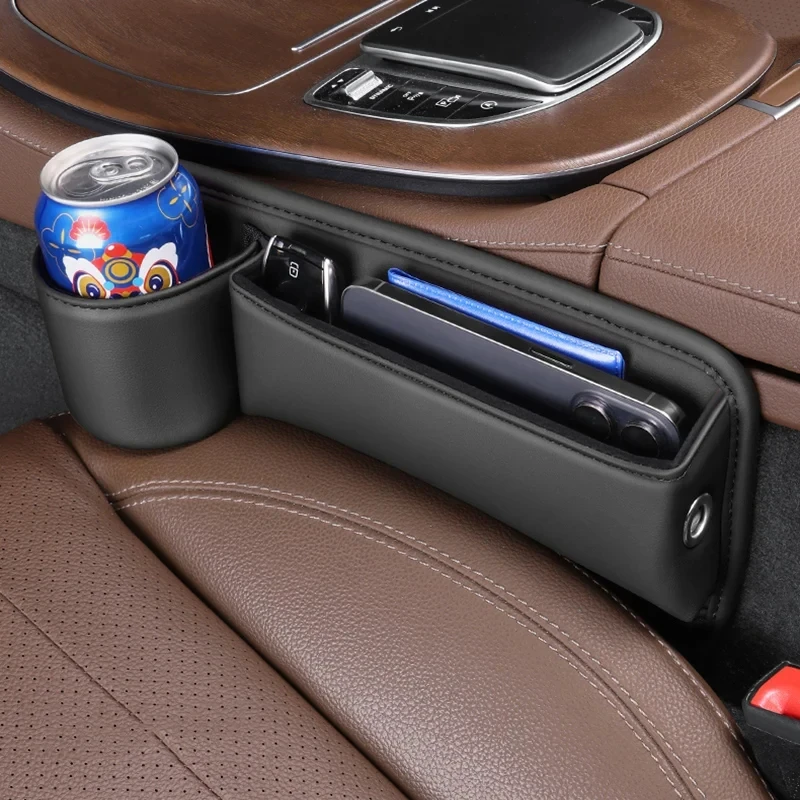
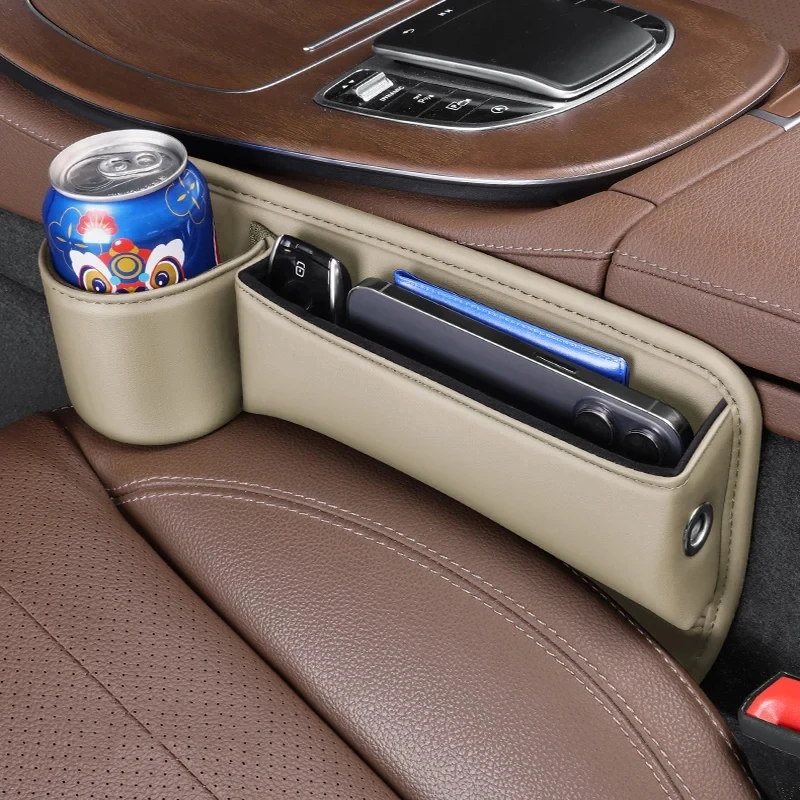
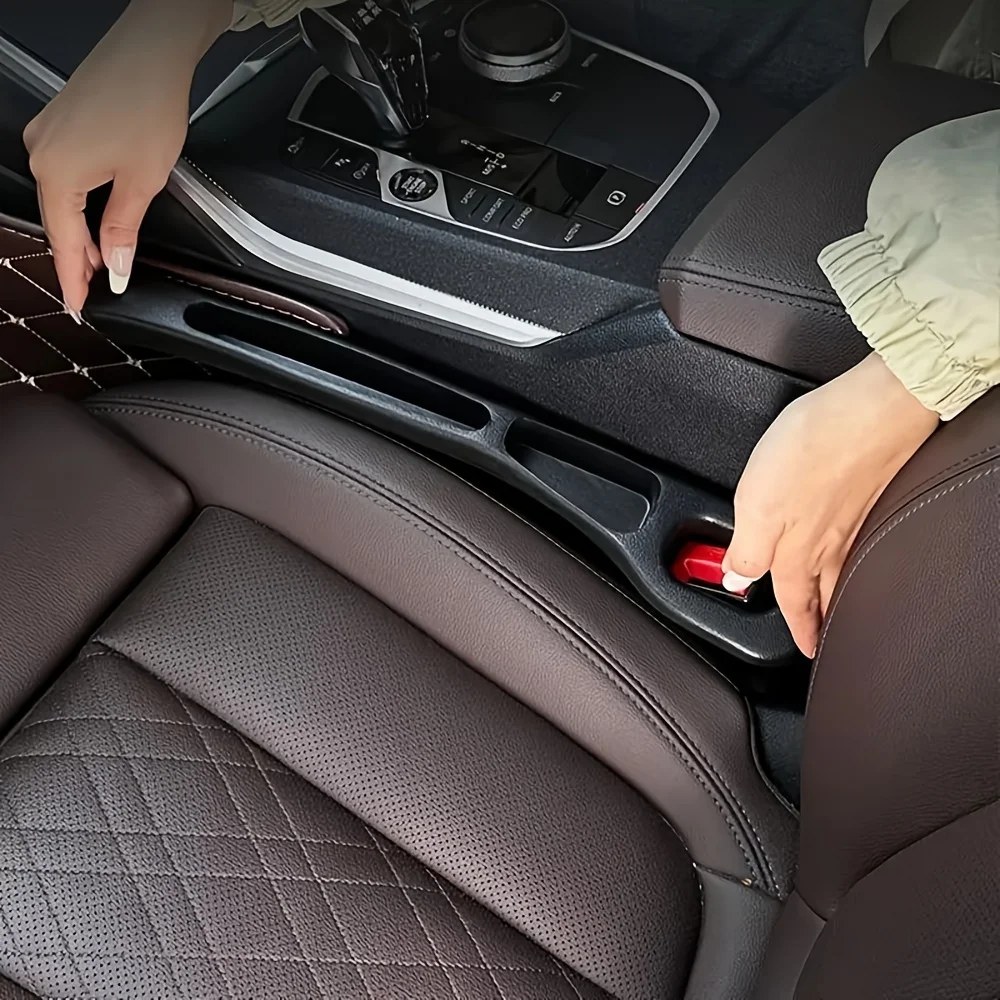
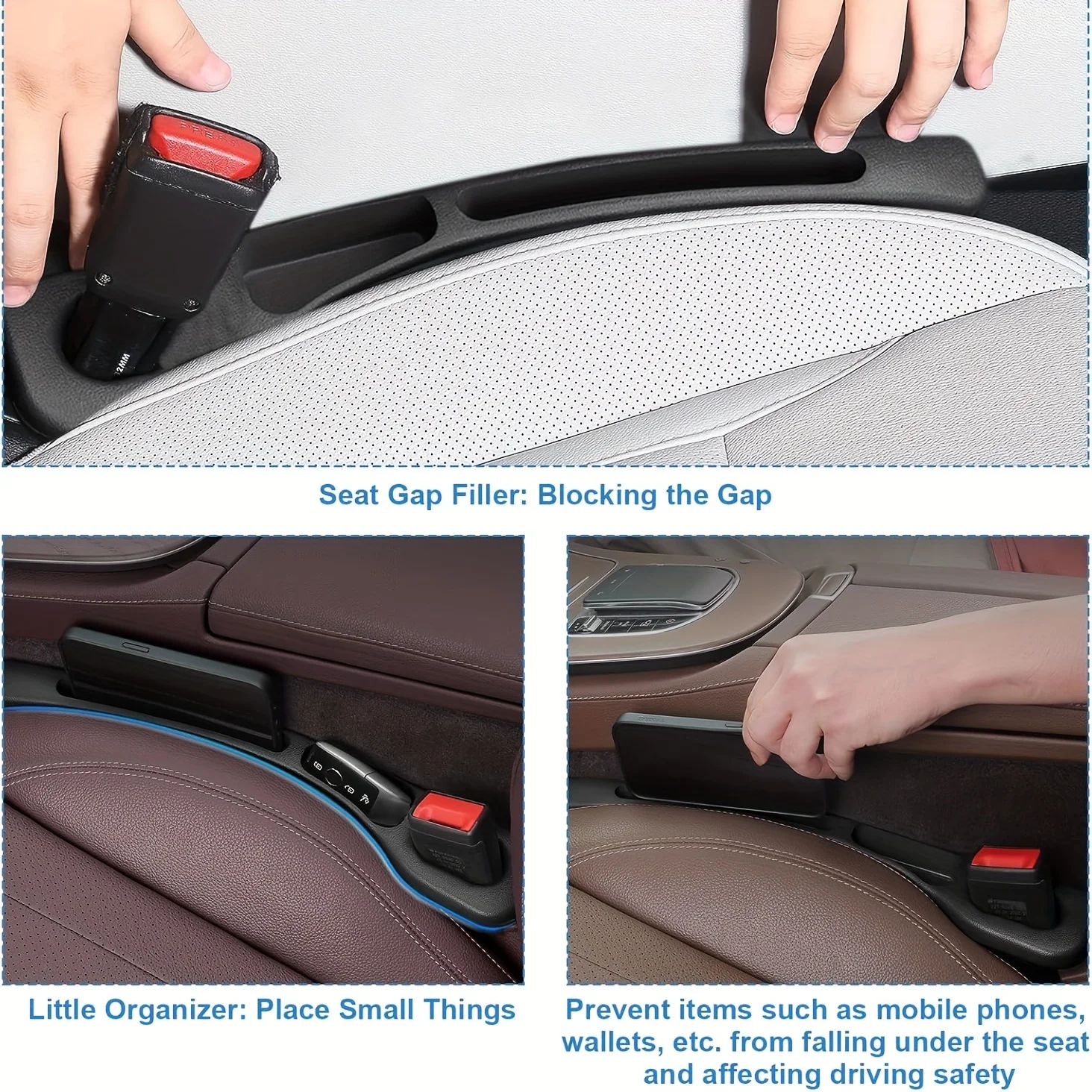
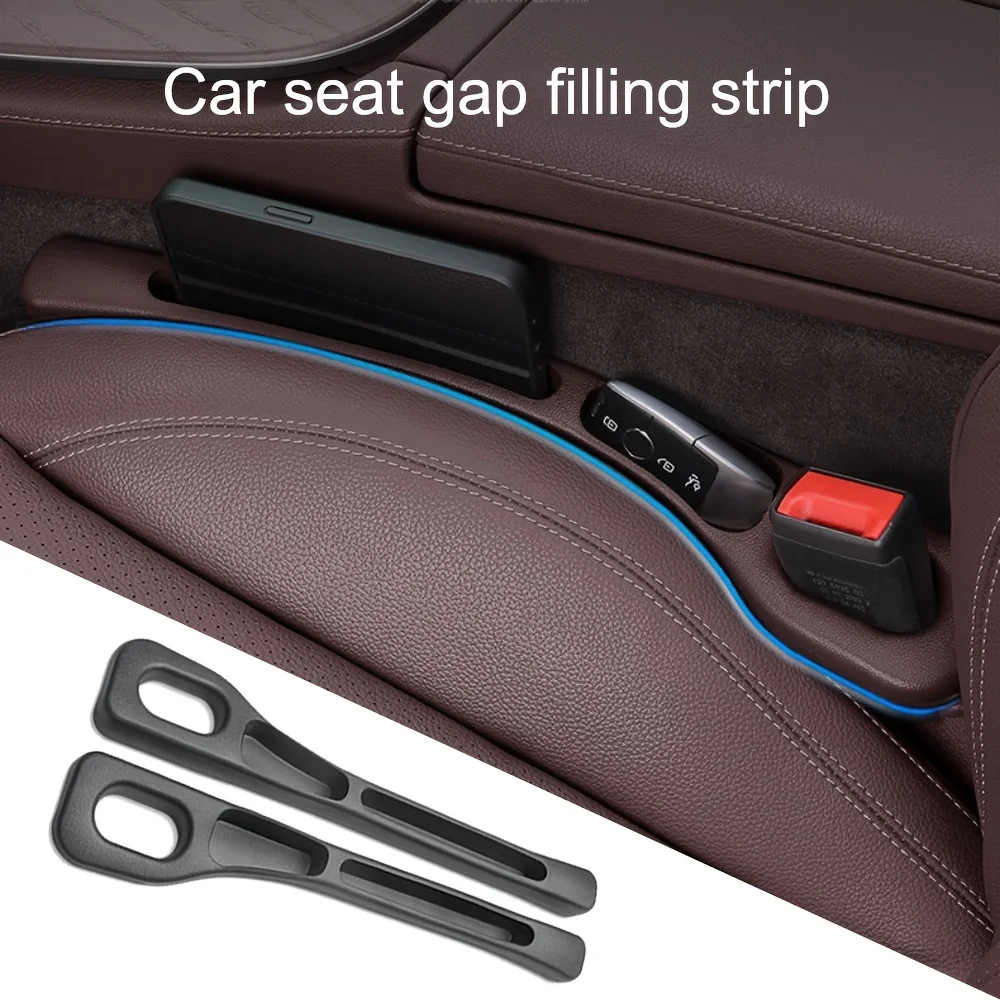
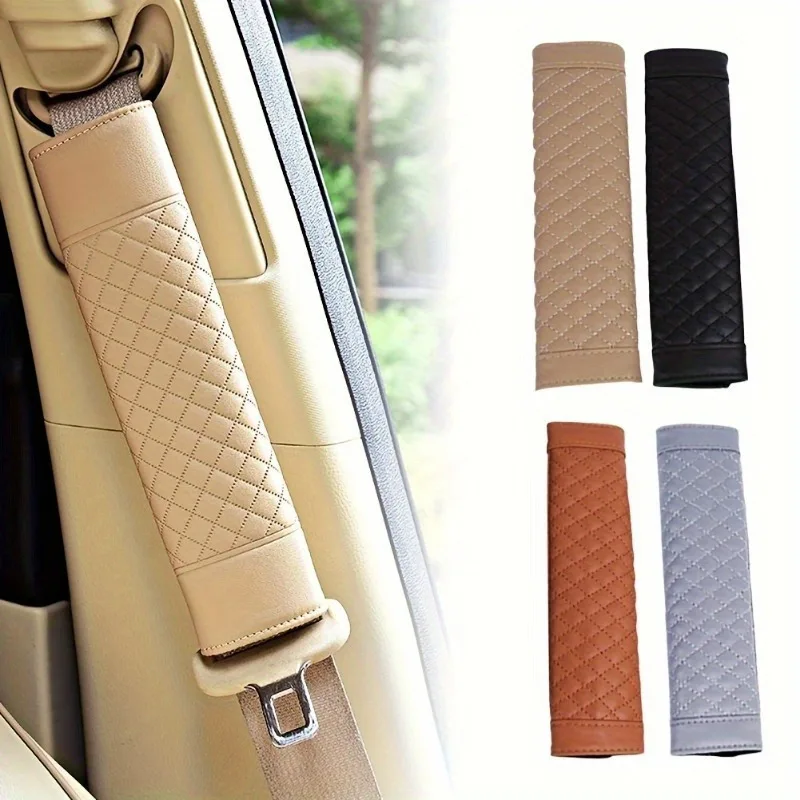
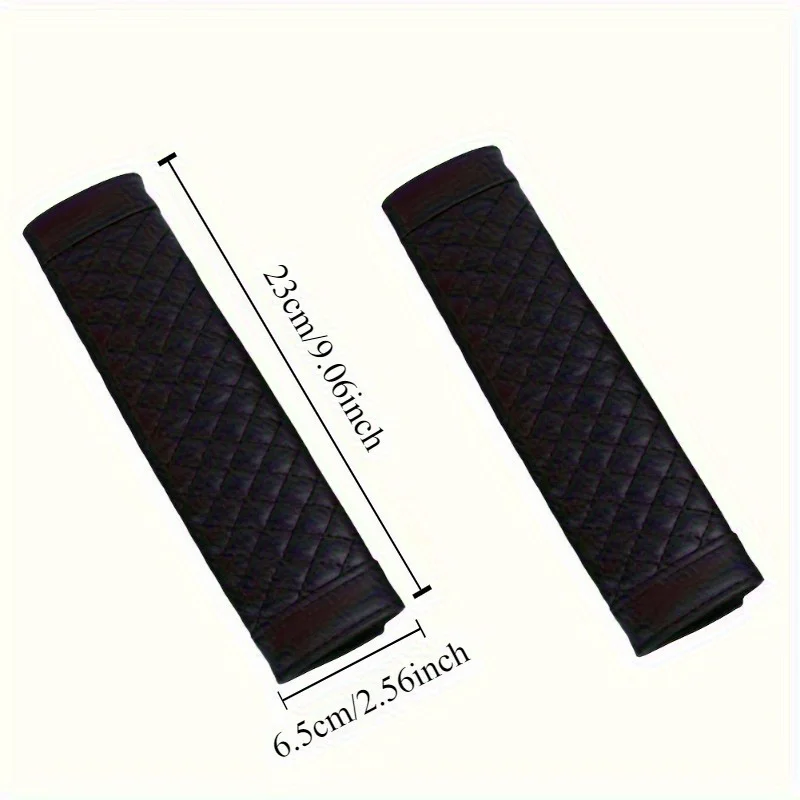
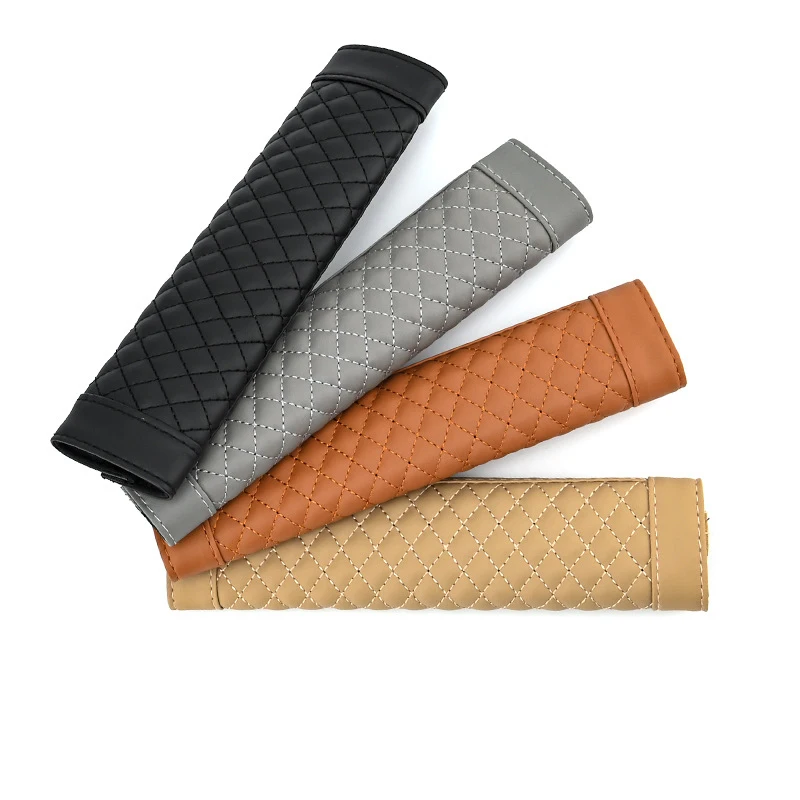
Leather: leather and leather-look seat covers, steering wheel, handbrake and gear knob covers, organisers and floor mats, most in PU leather.
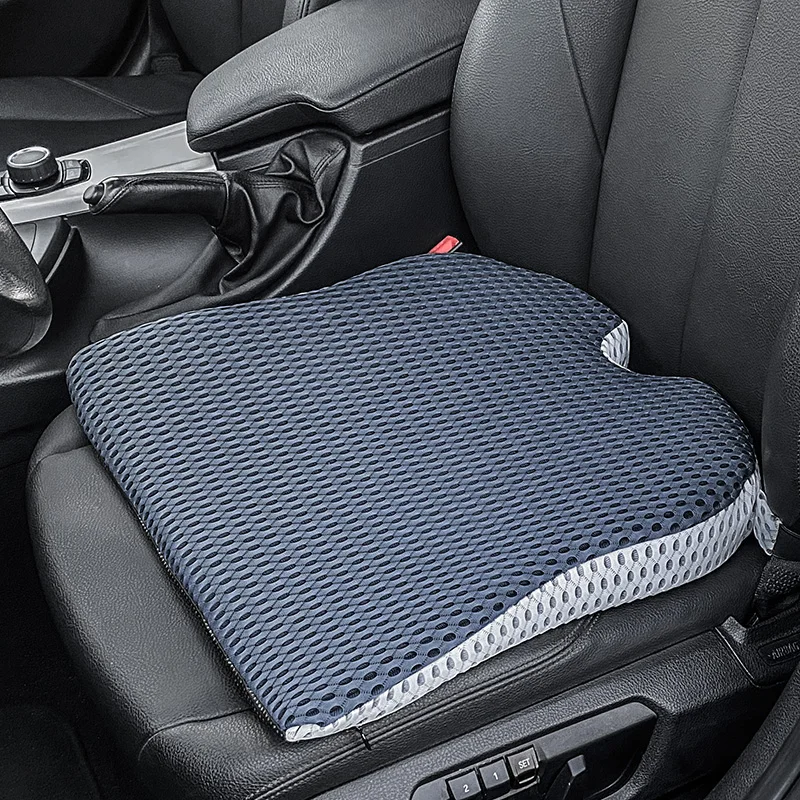
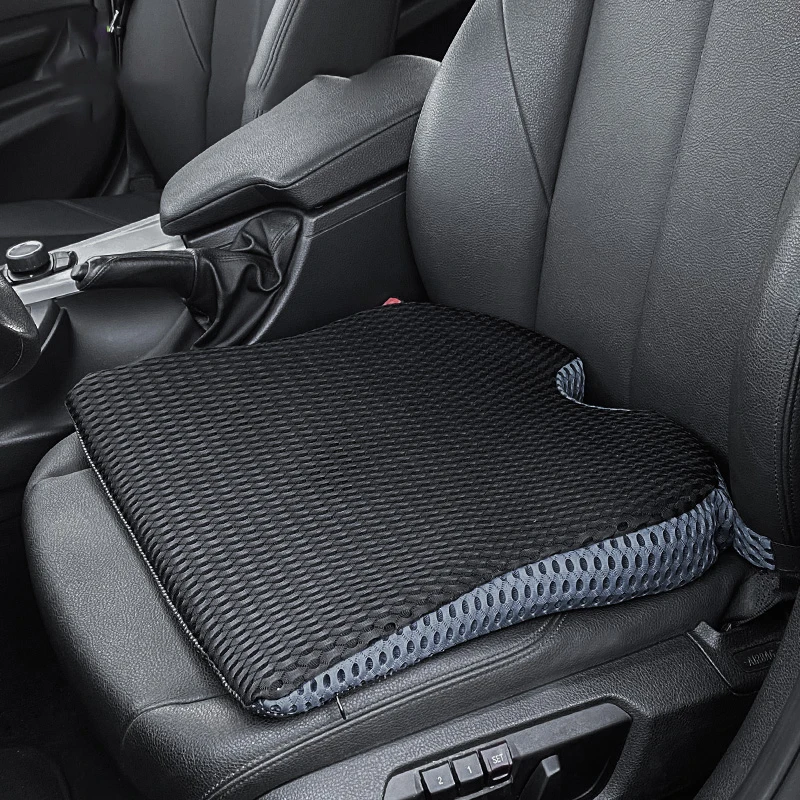
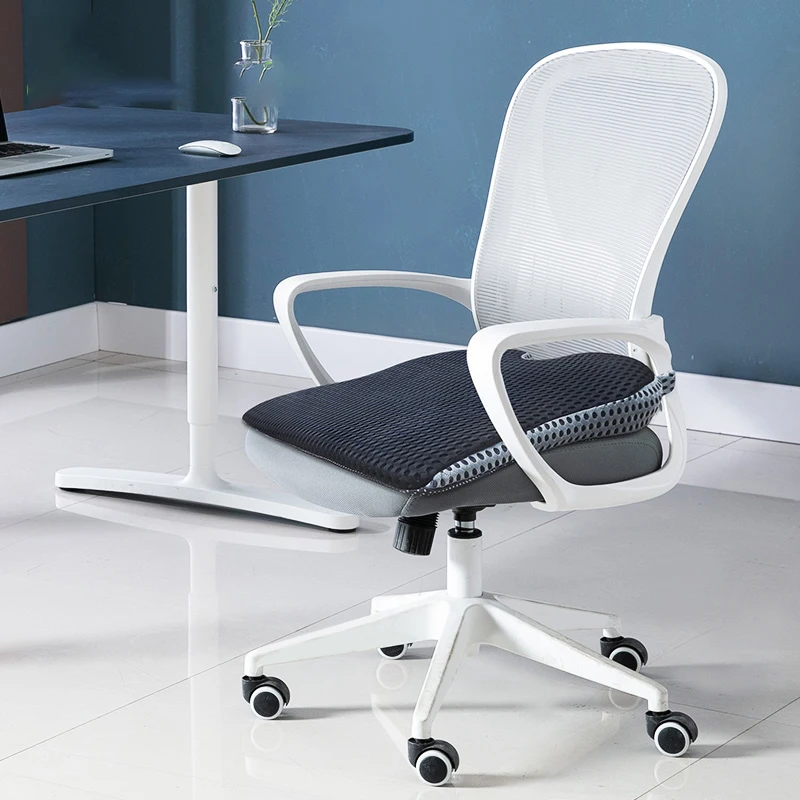
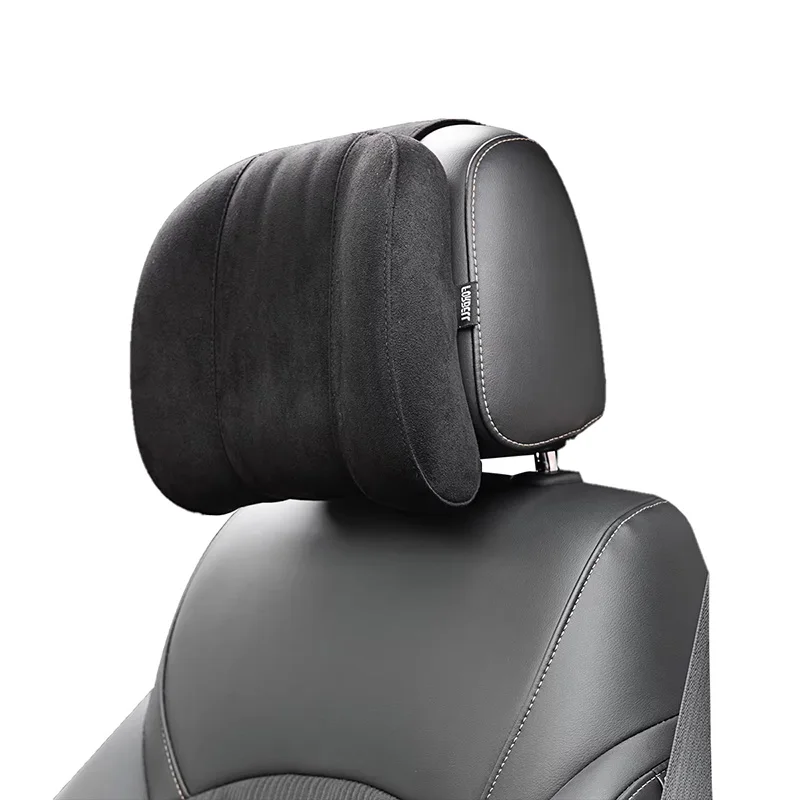
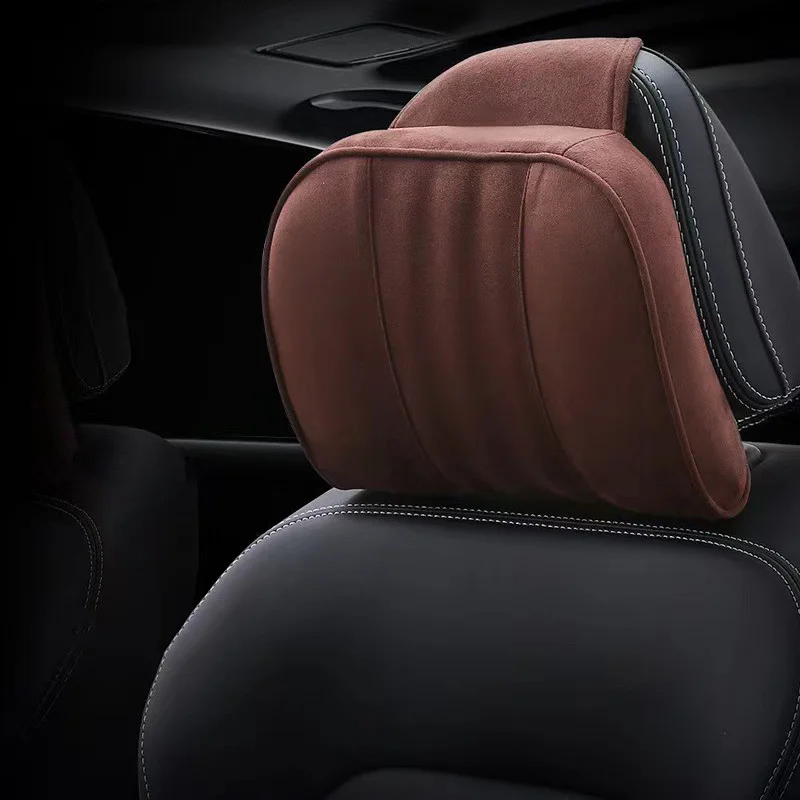
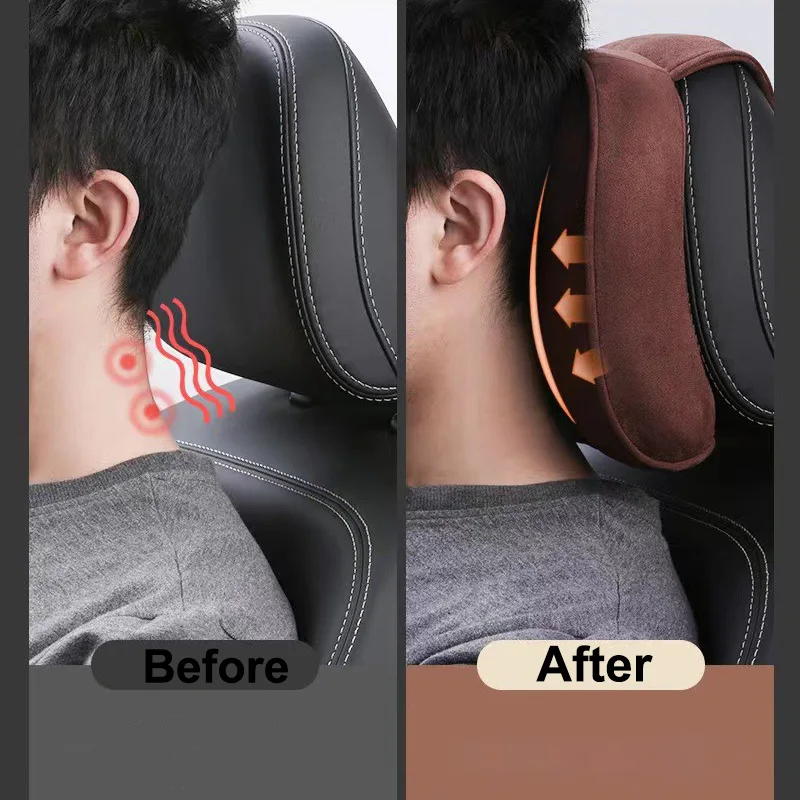
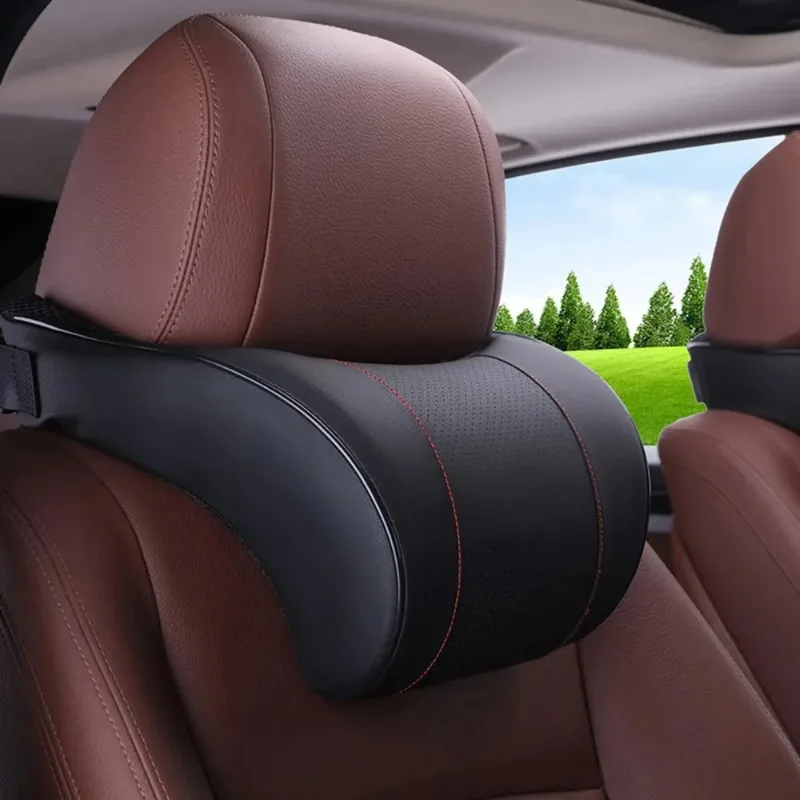
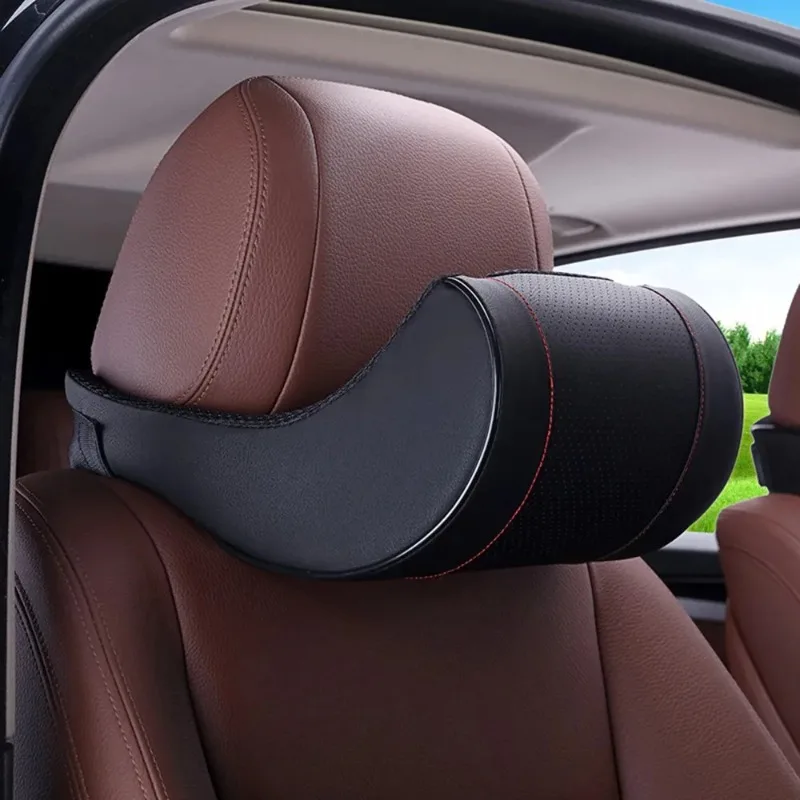
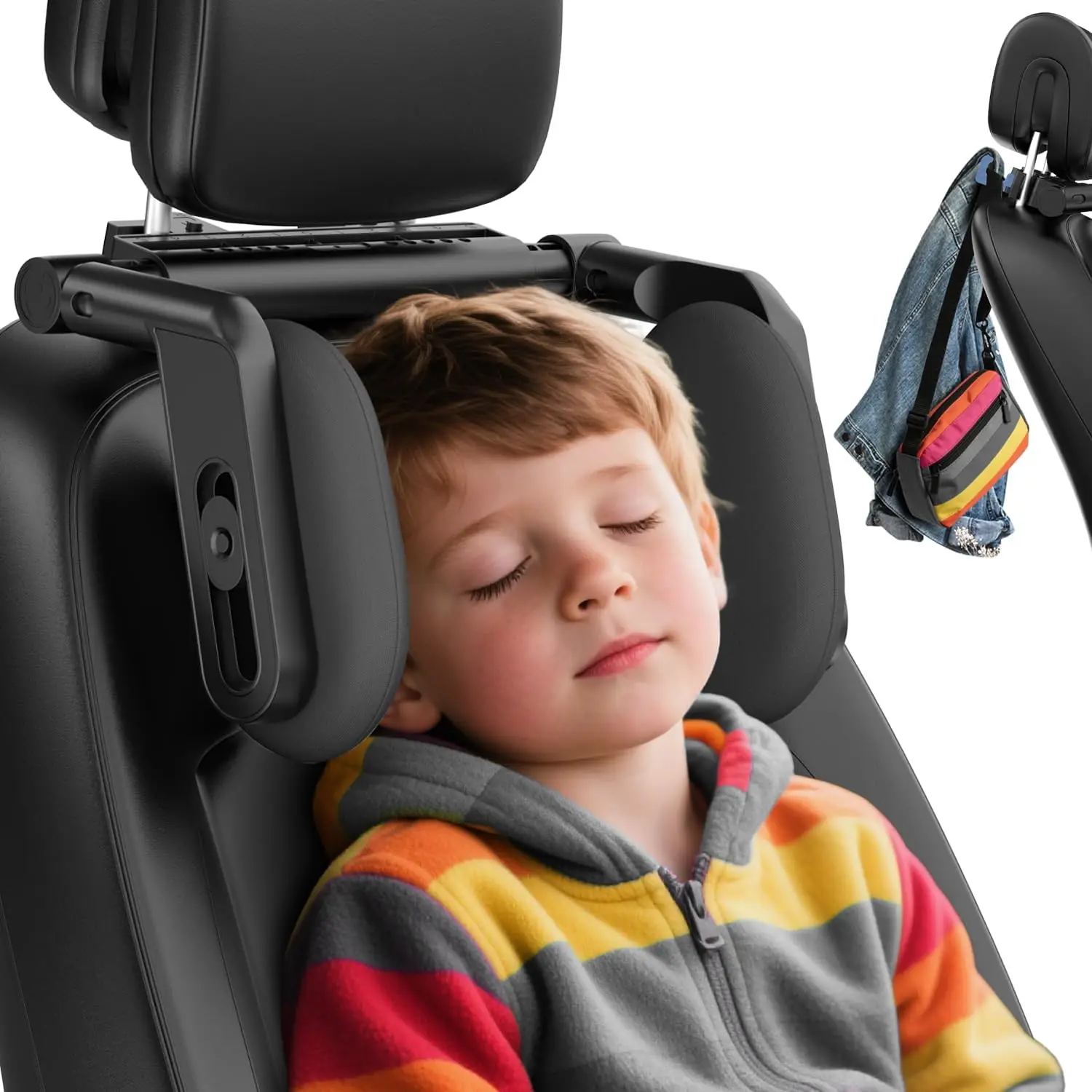
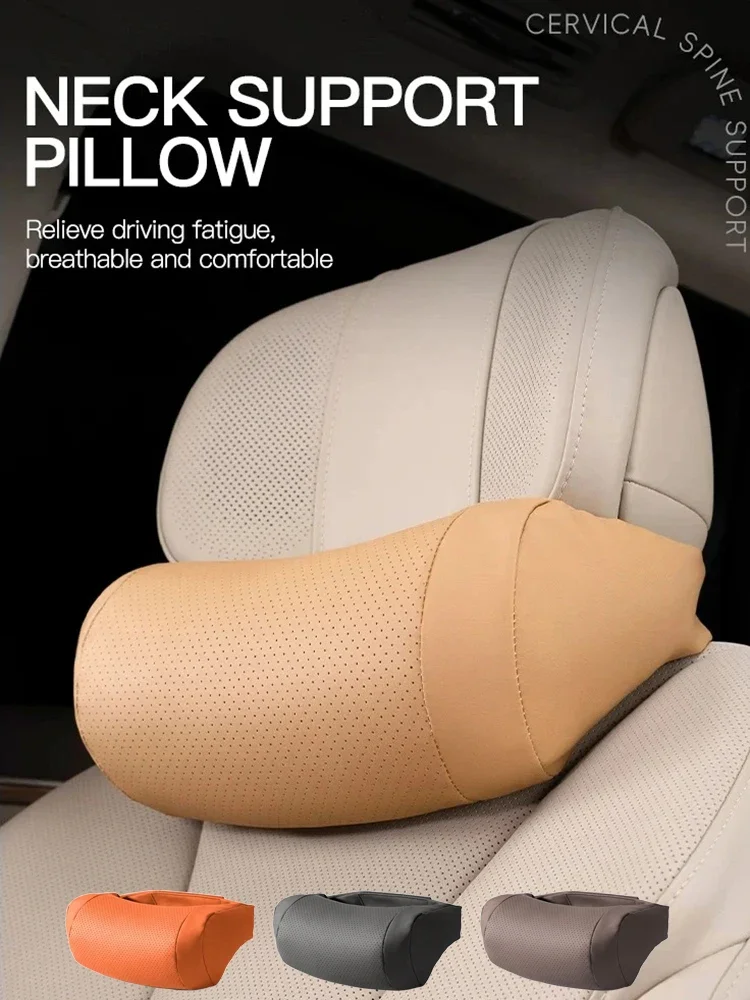
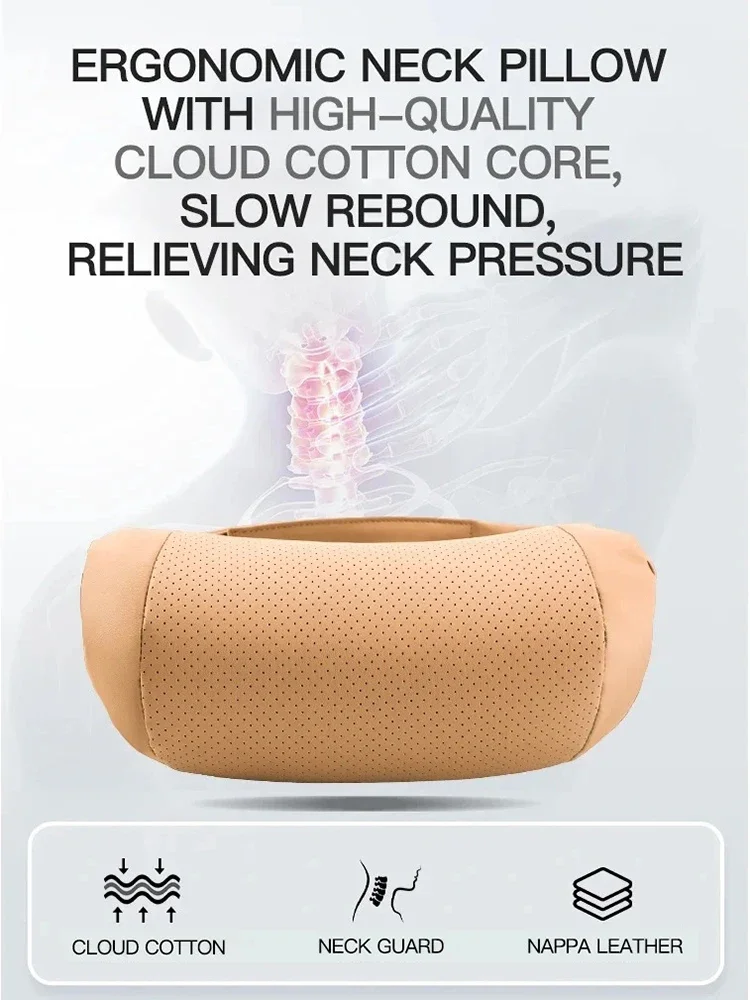
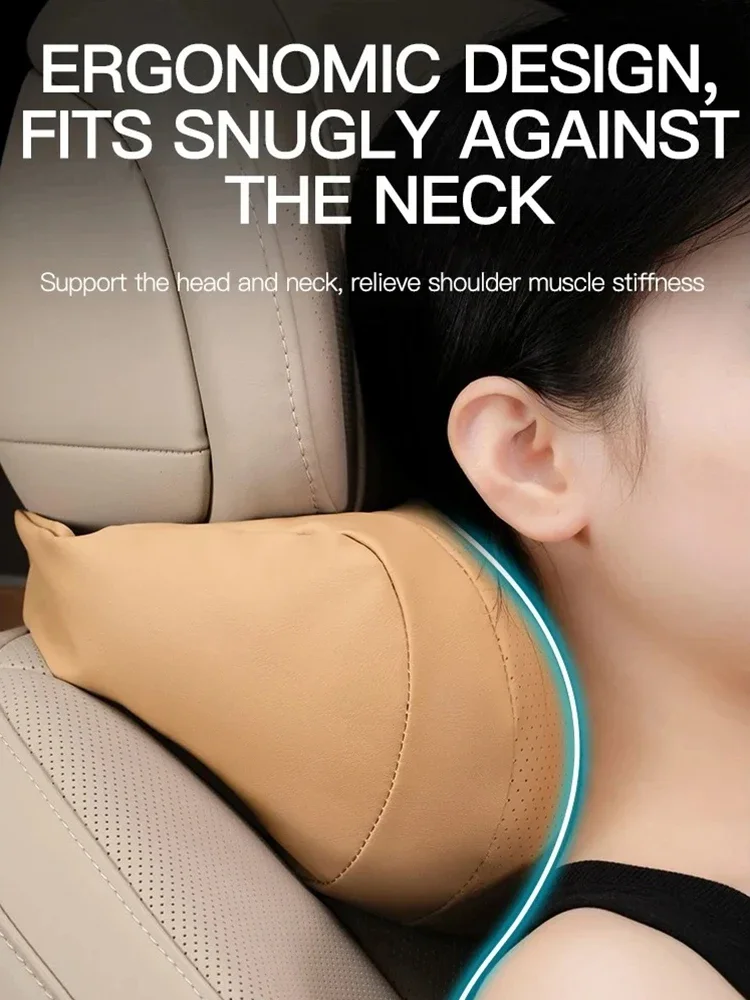
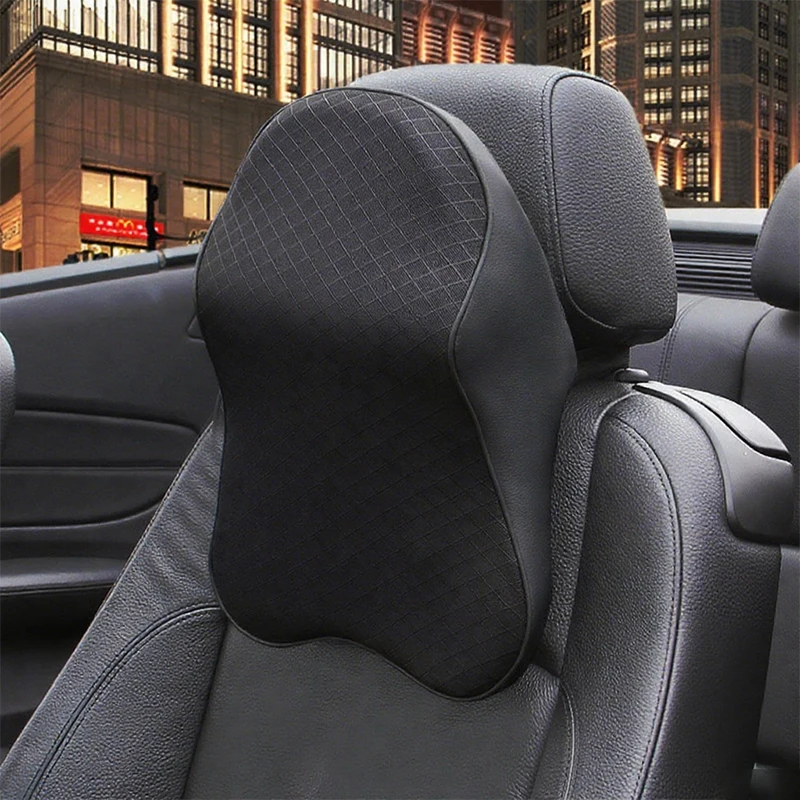
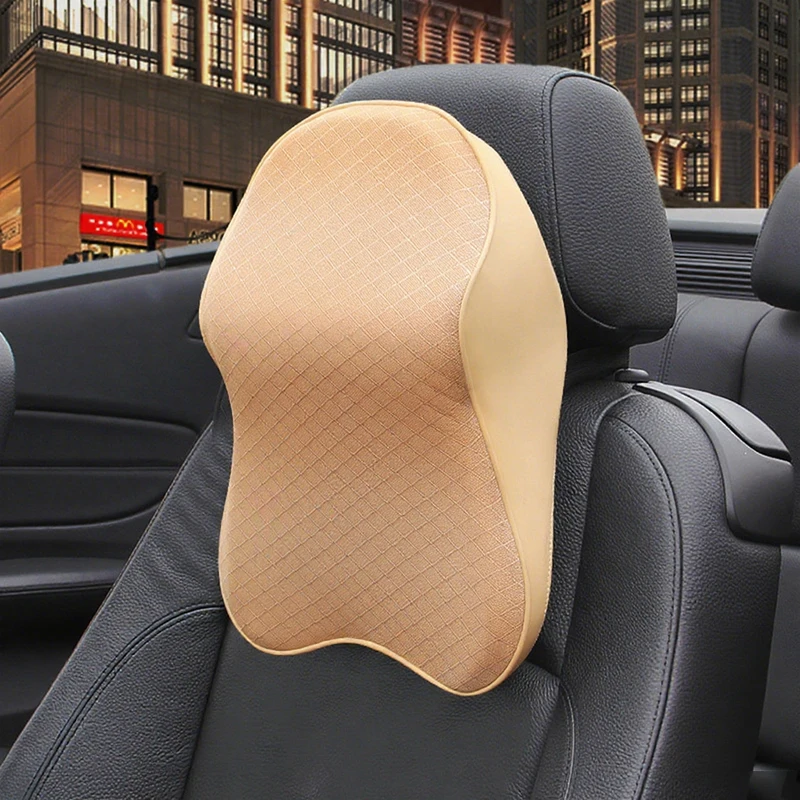
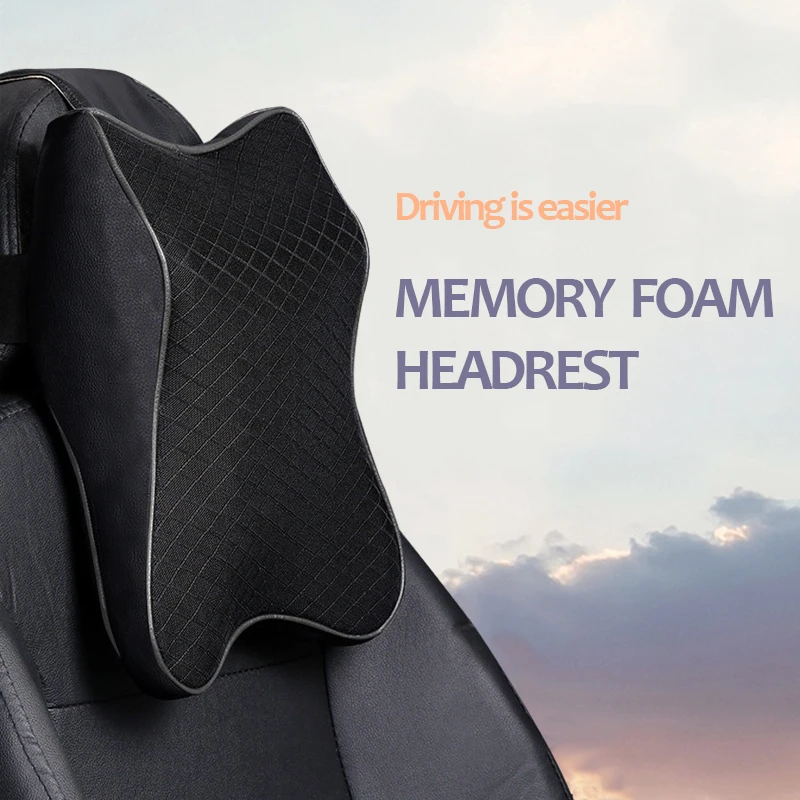
Memory foam: neck pillows, lumbar supports, seat cushions and wedges.
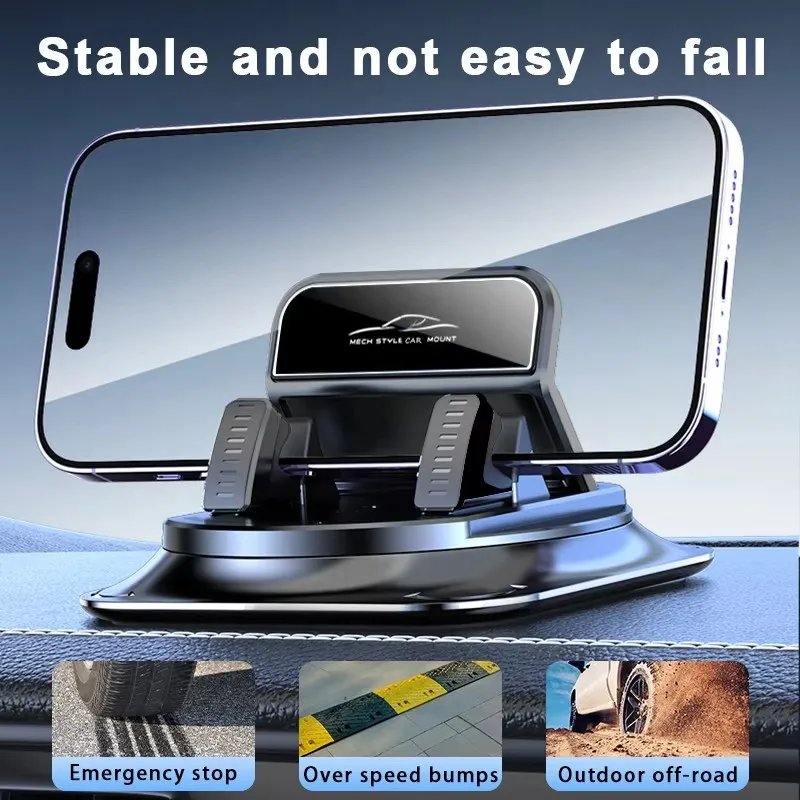
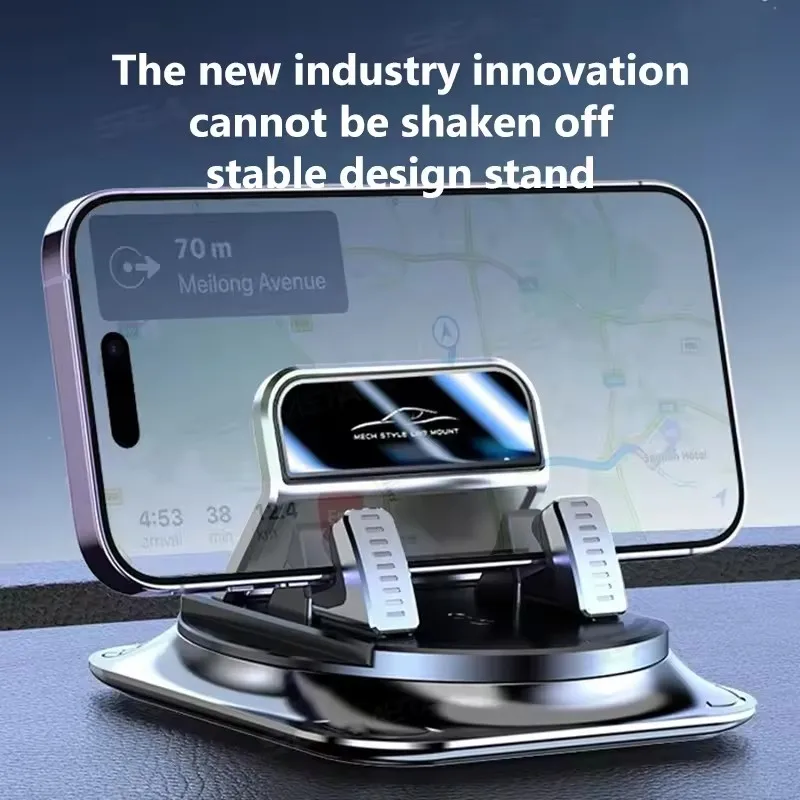
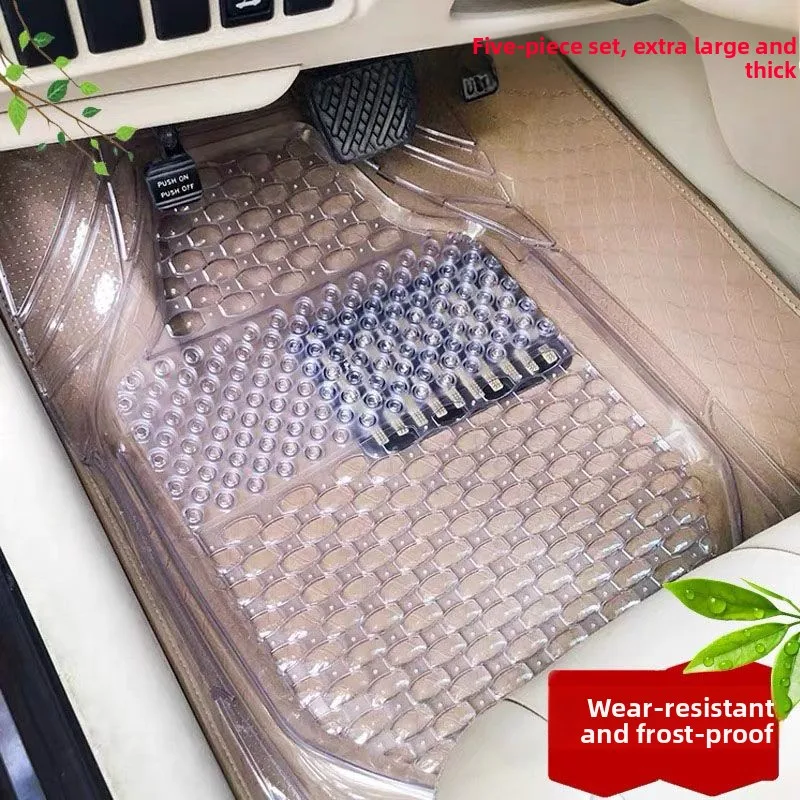
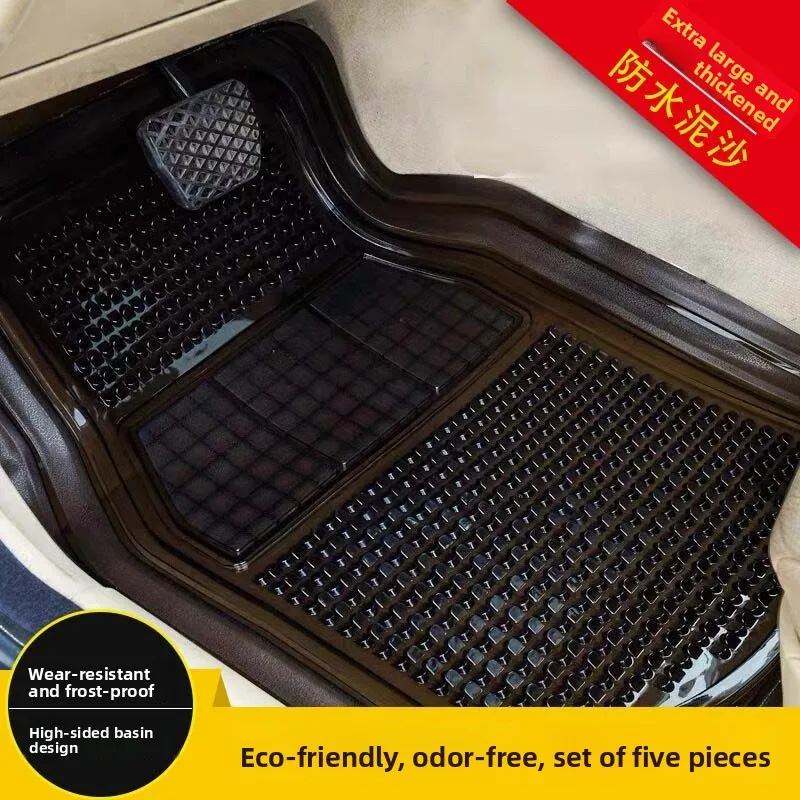
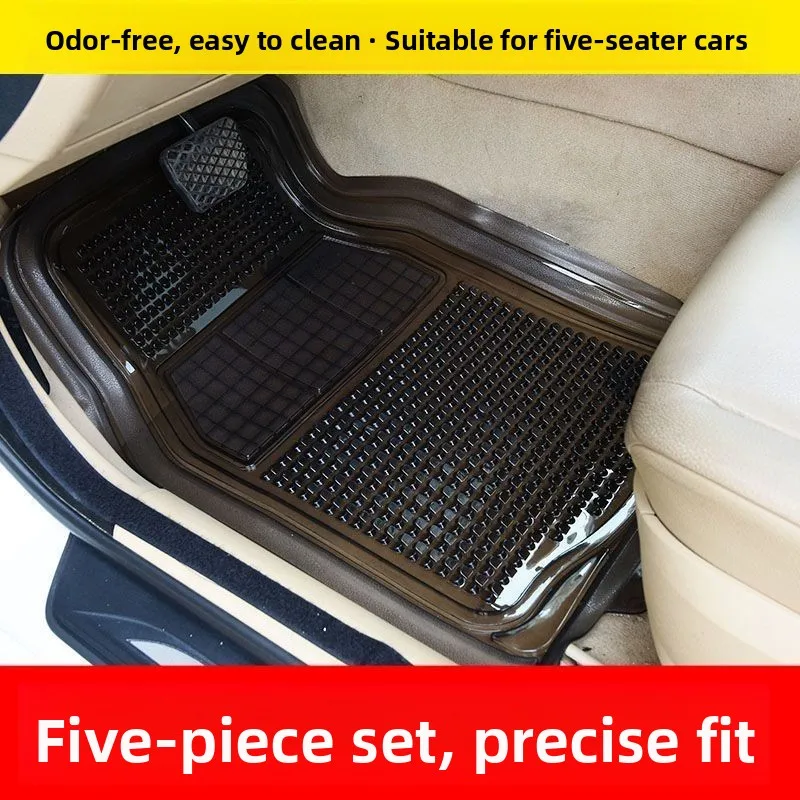
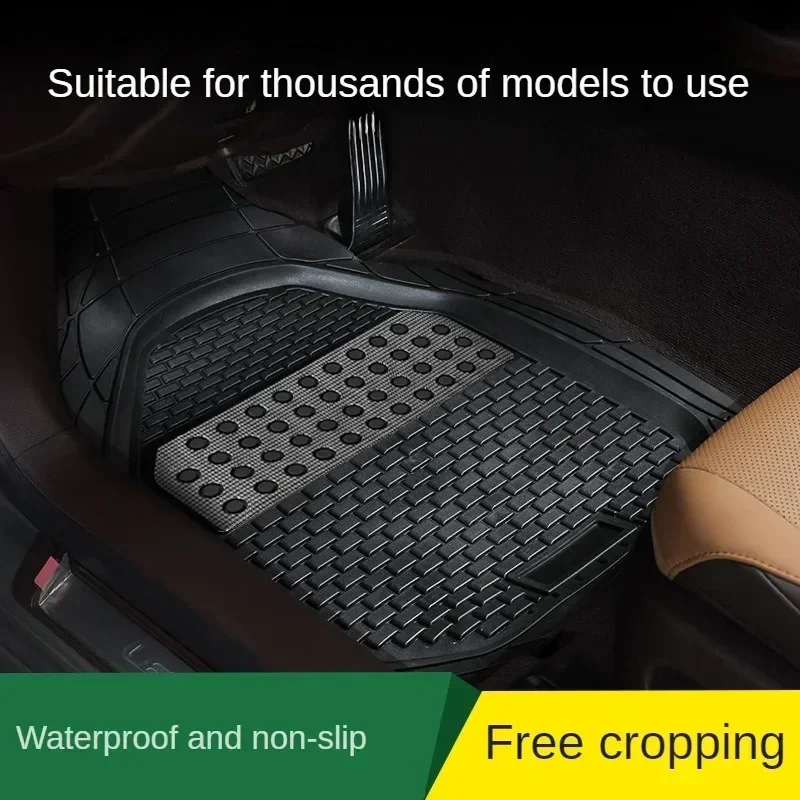
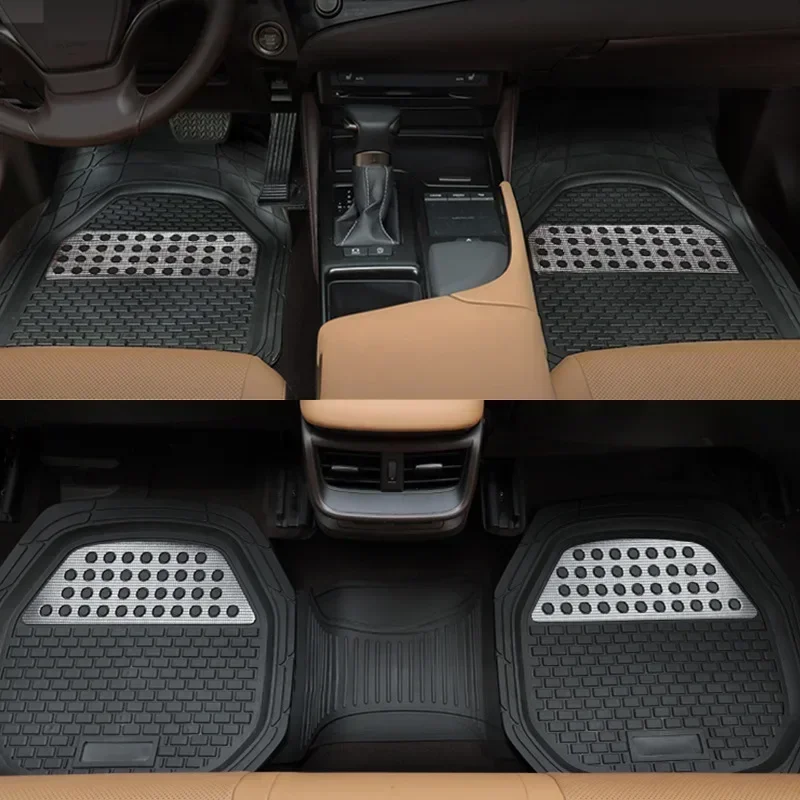
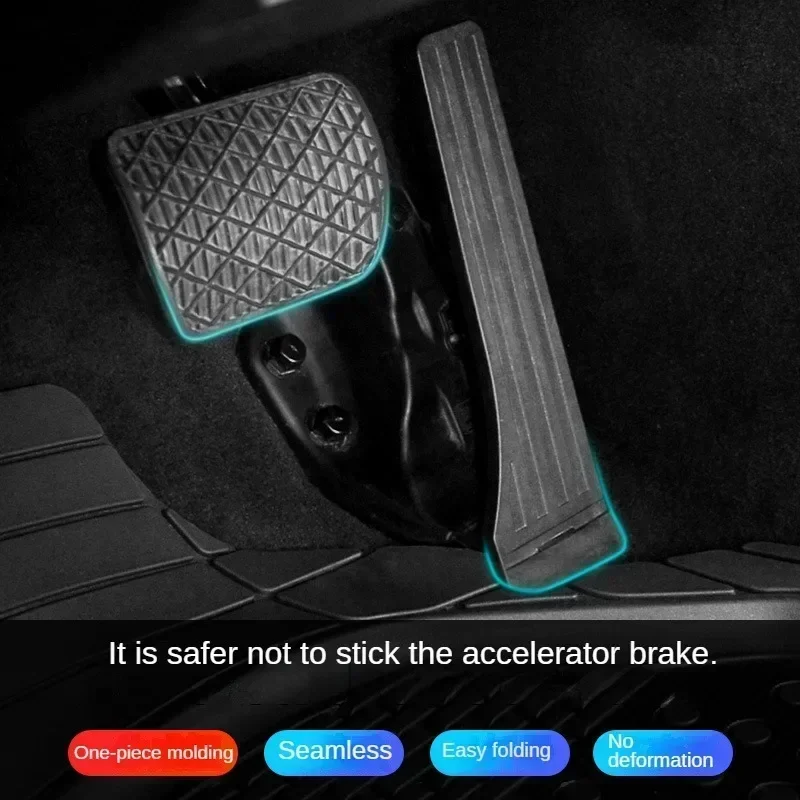
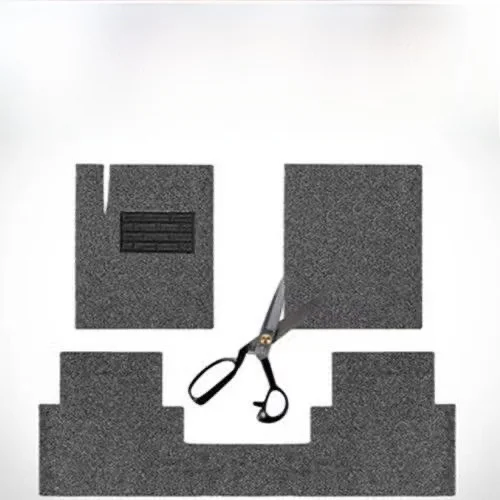
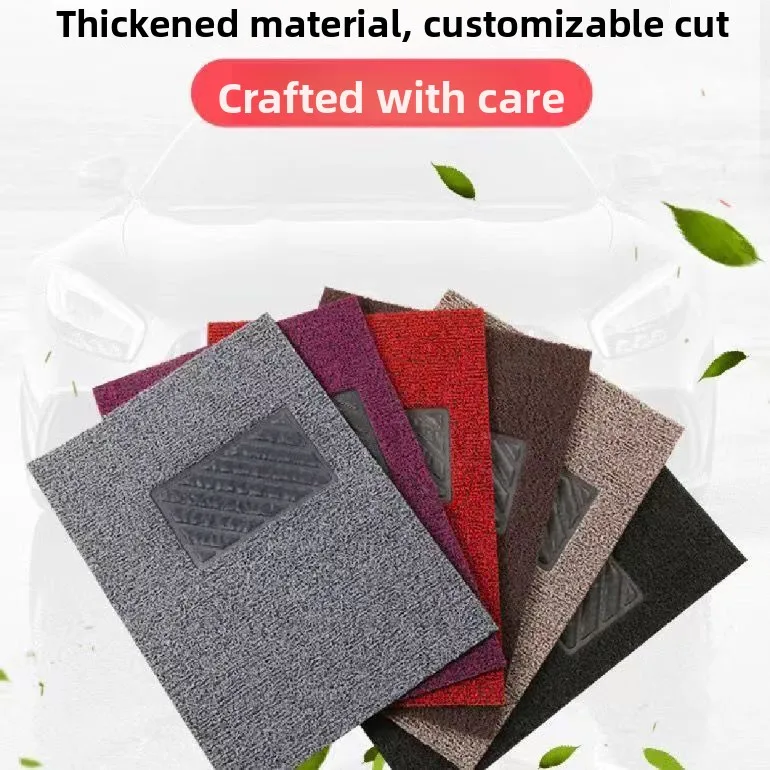
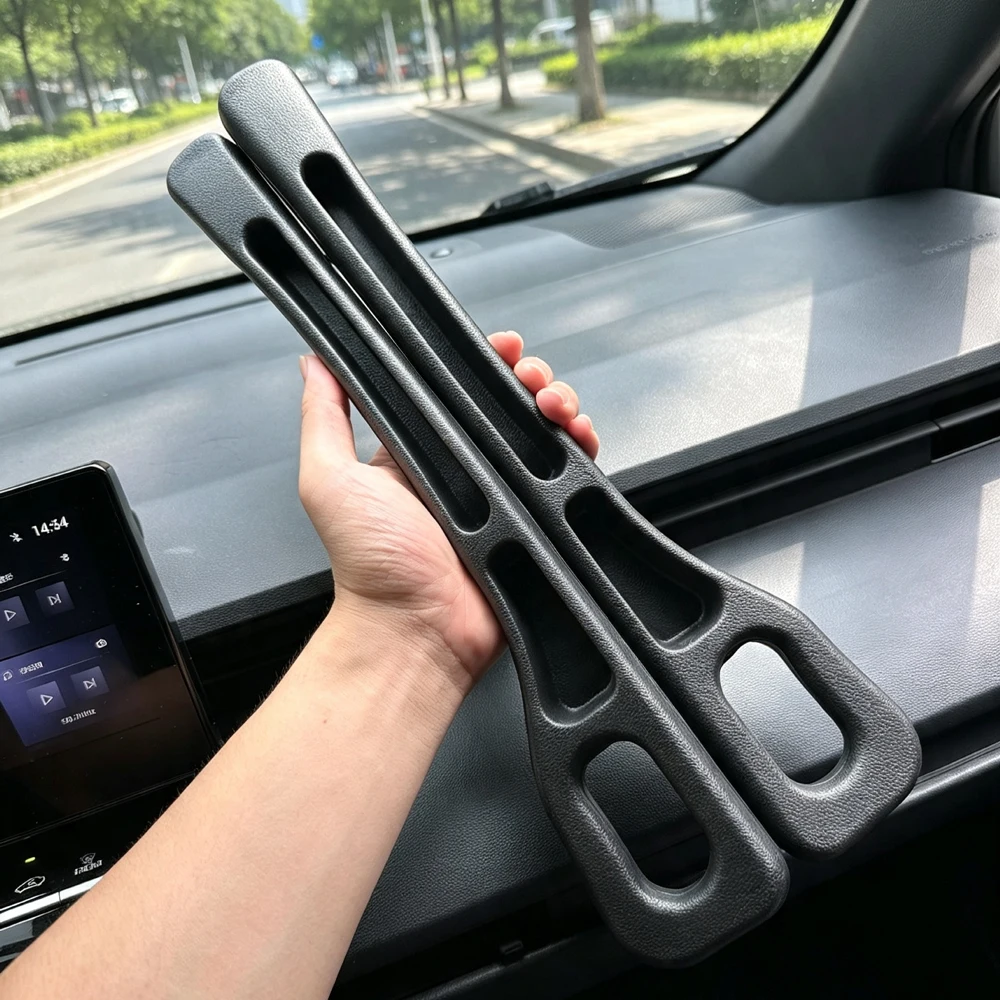
Rubber: rubber floor mats, silicone gear knob covers, a grippy phone mount and a silicone ice scraper.
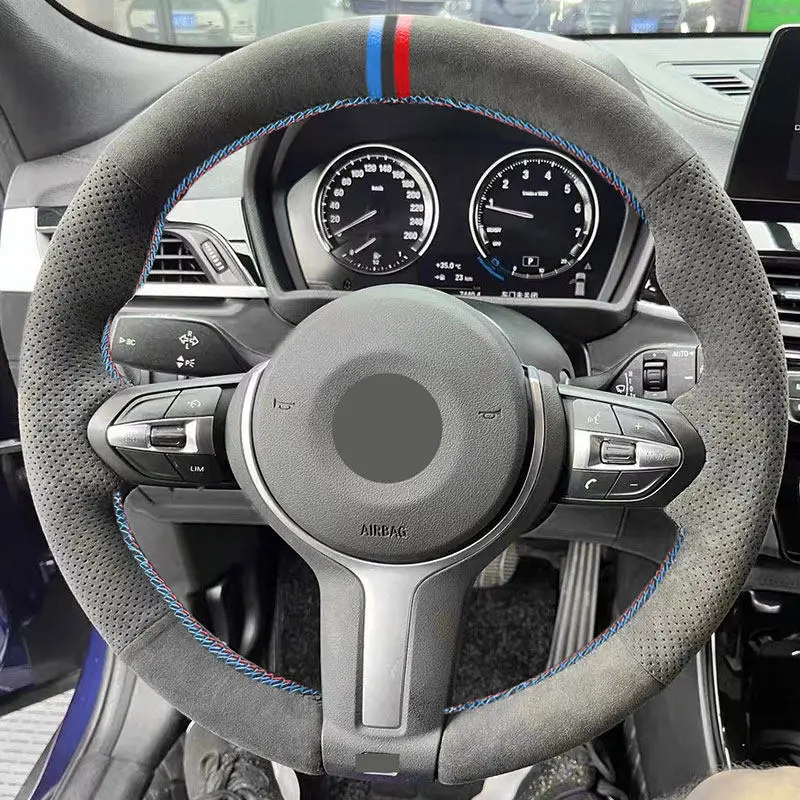
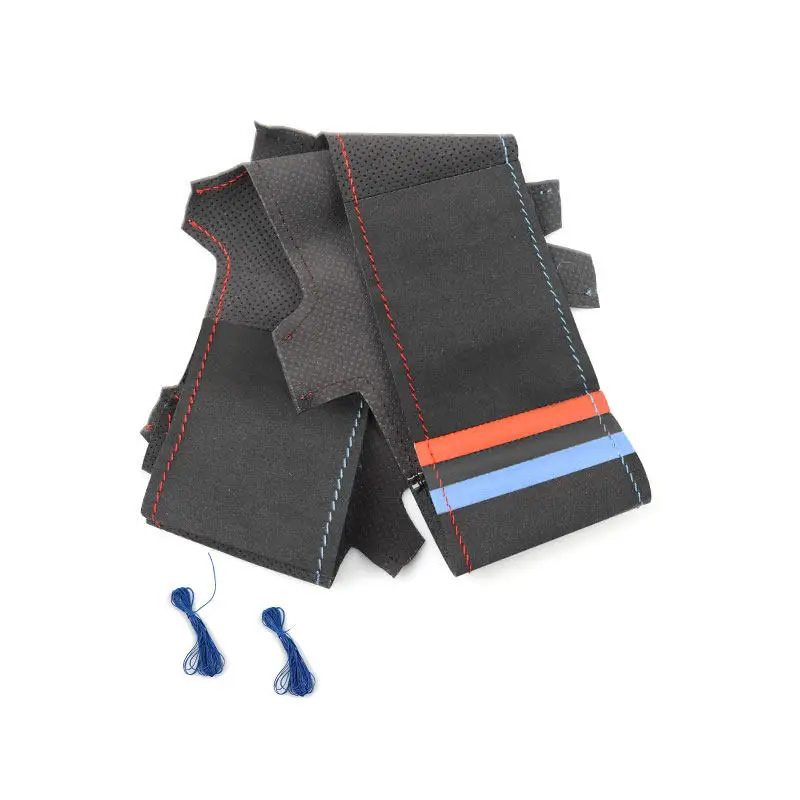
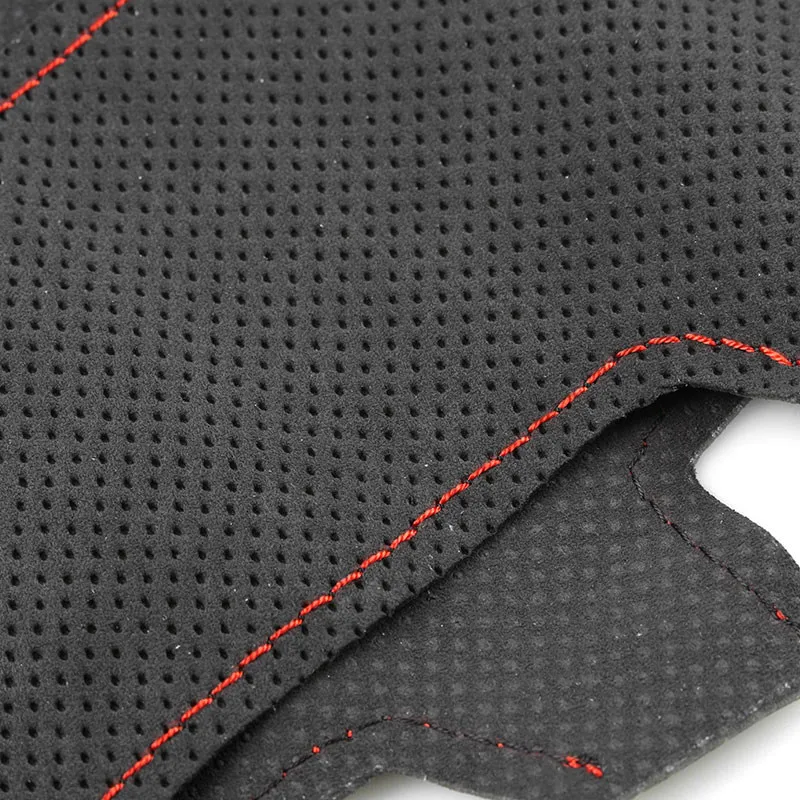
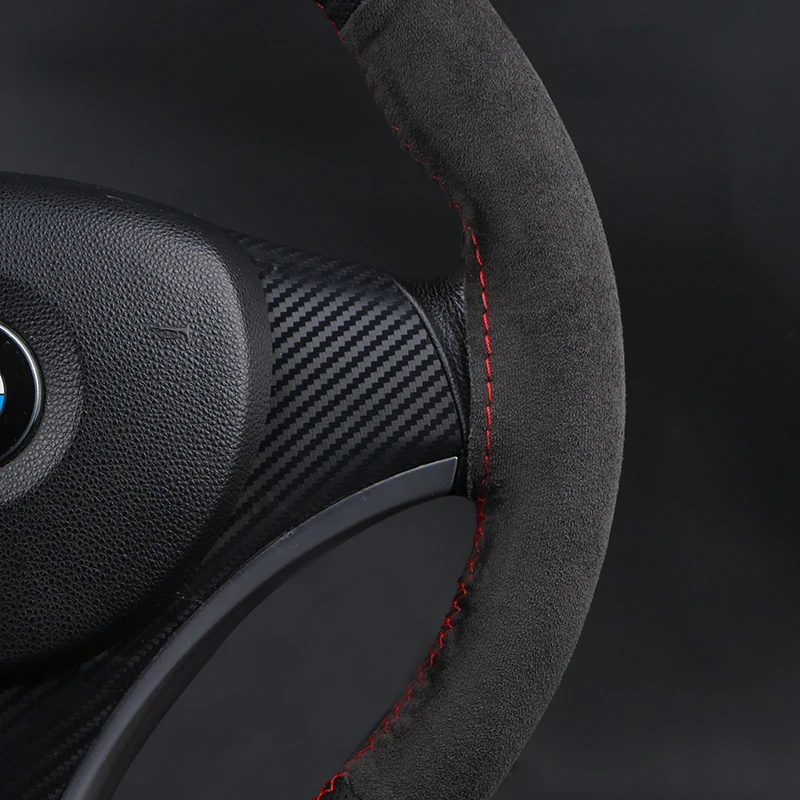
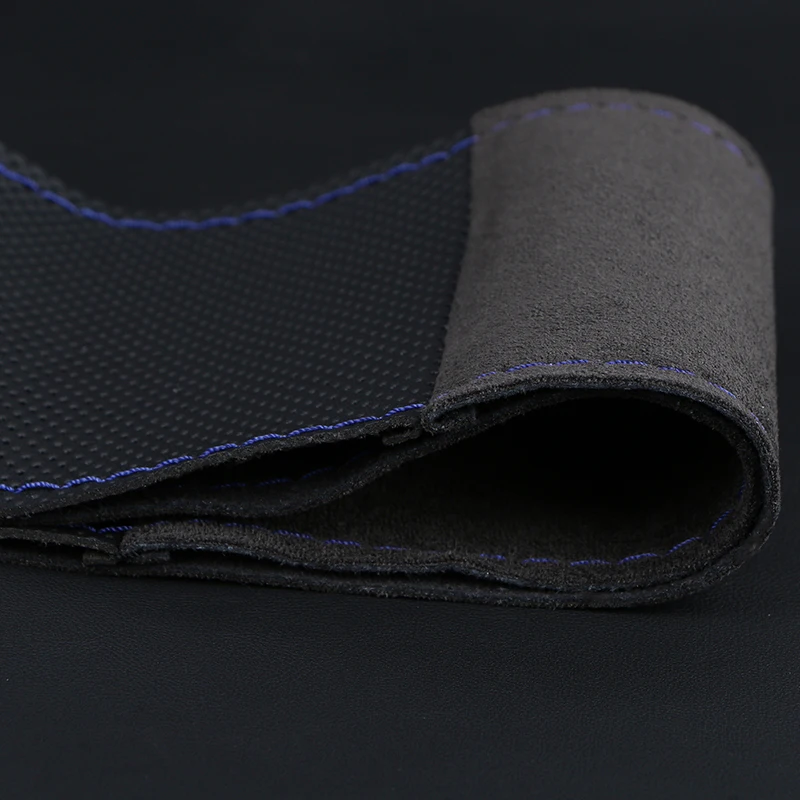
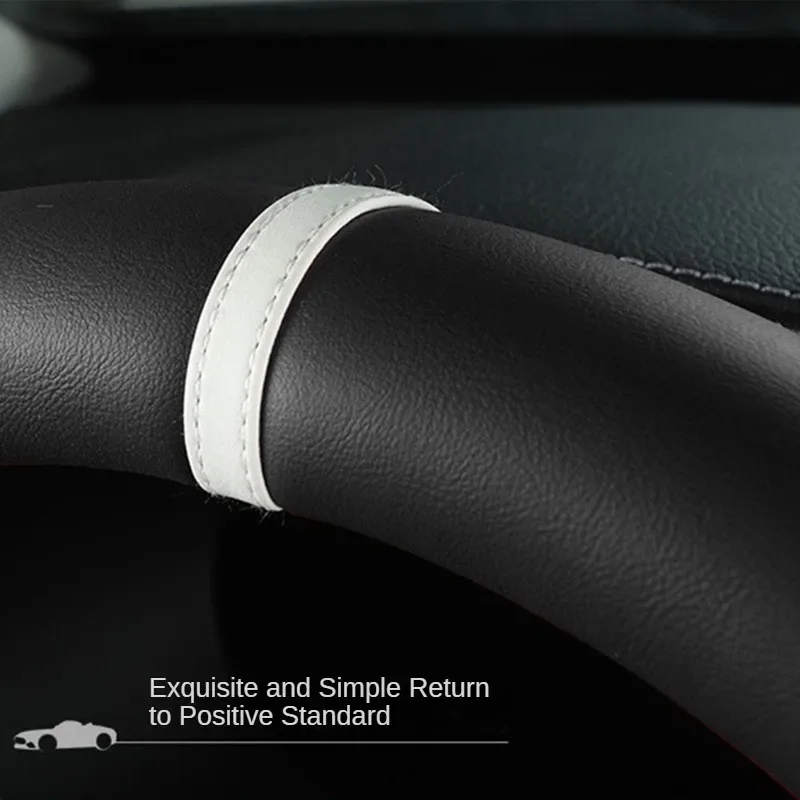
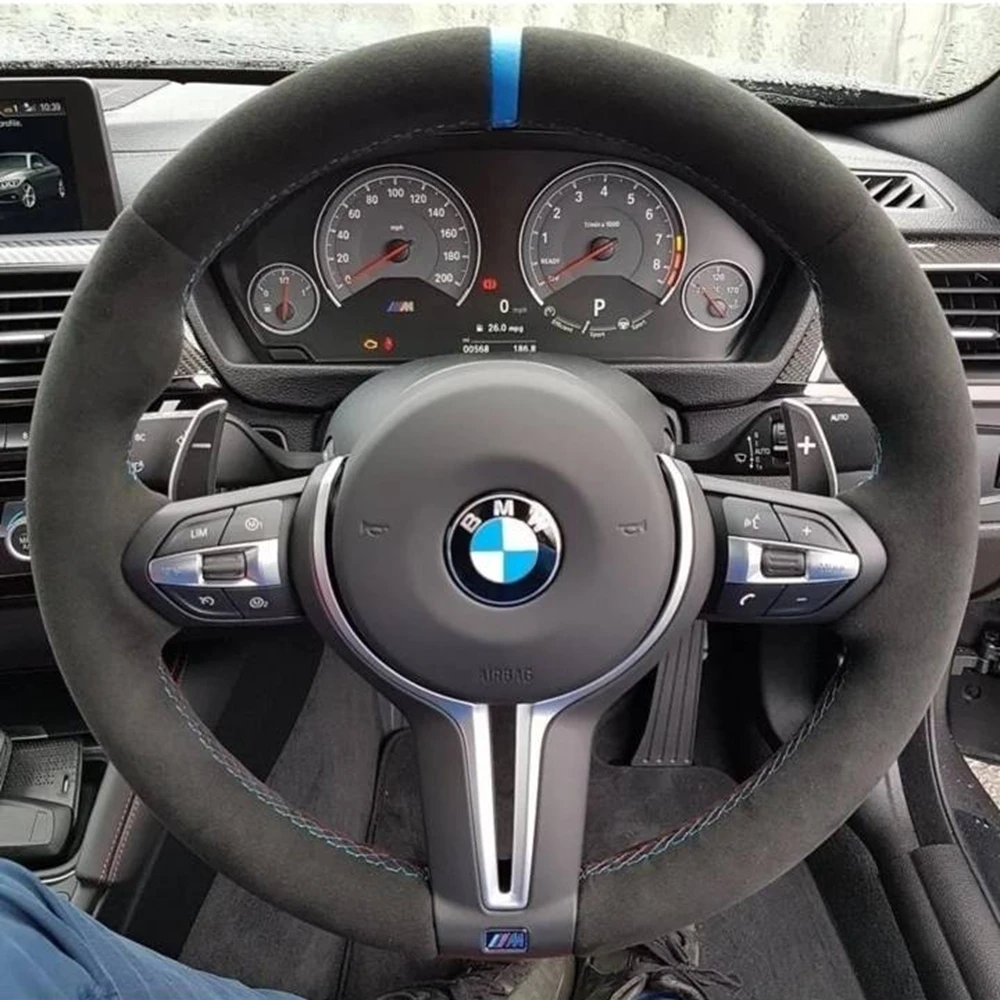
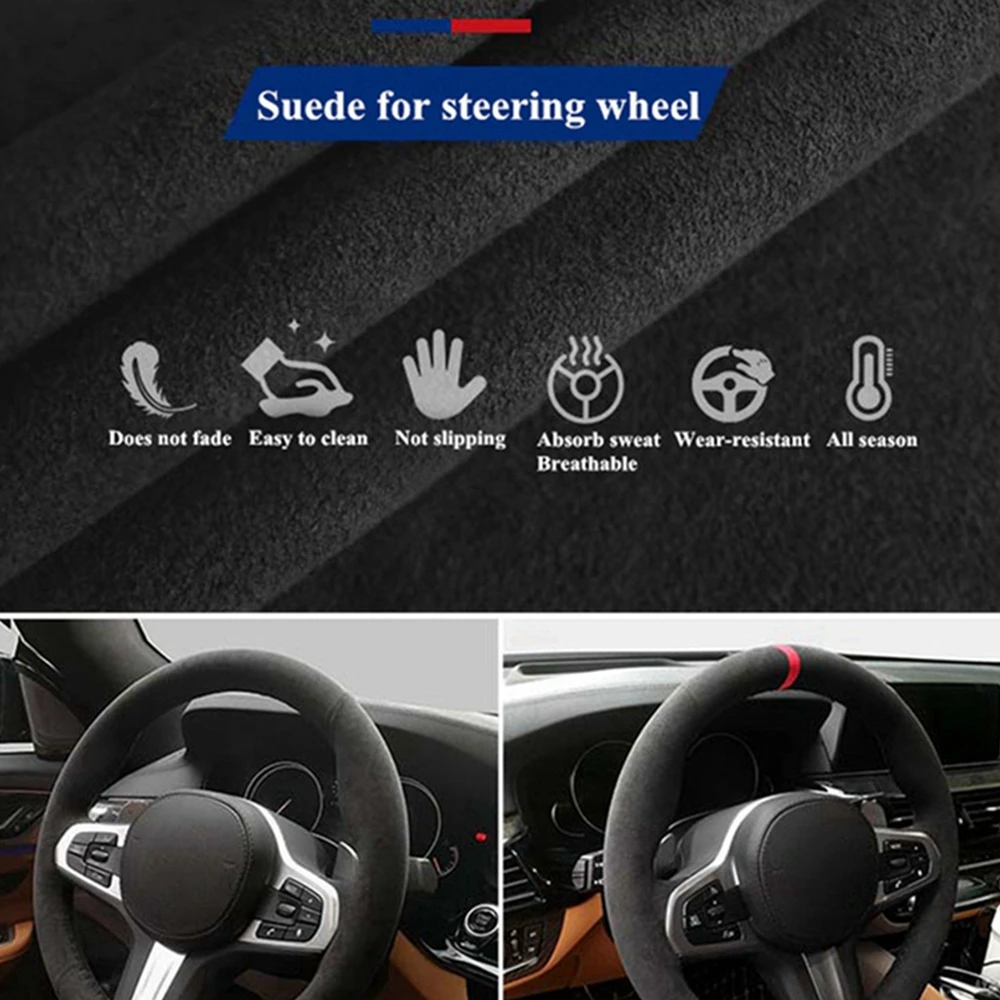
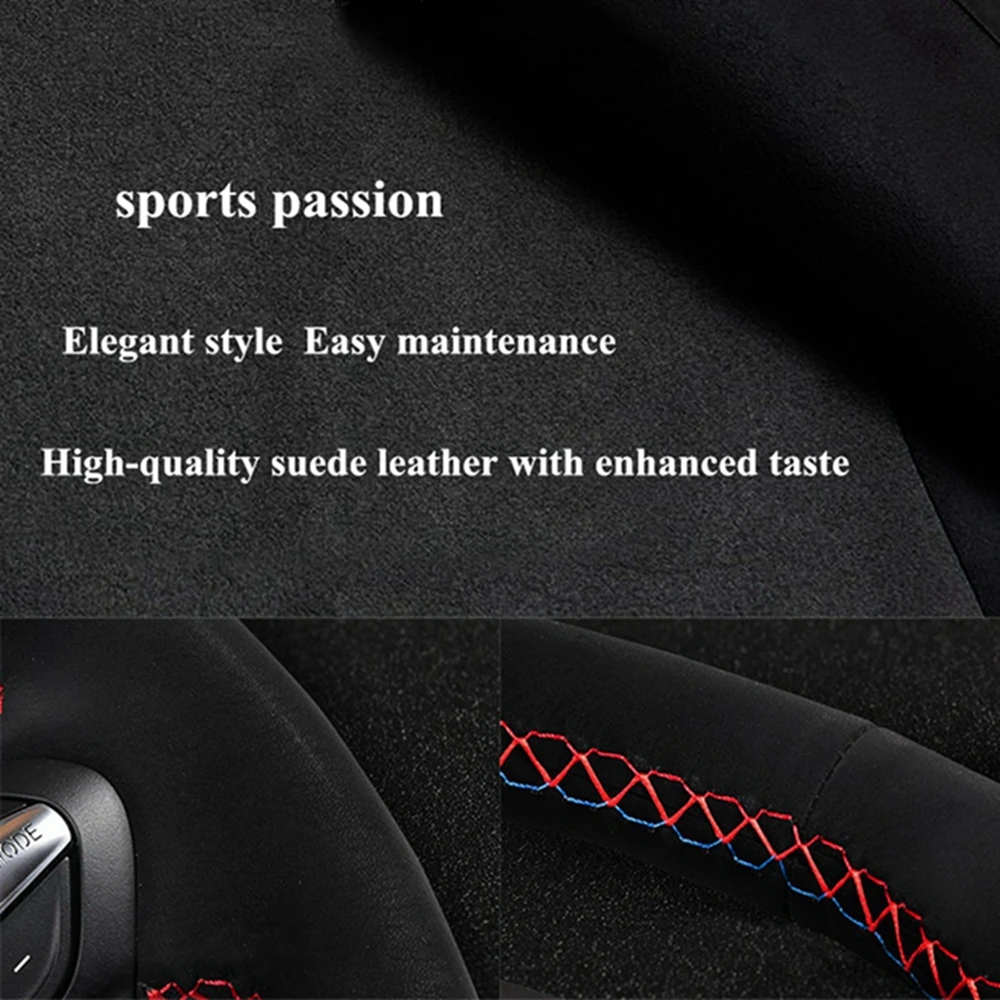
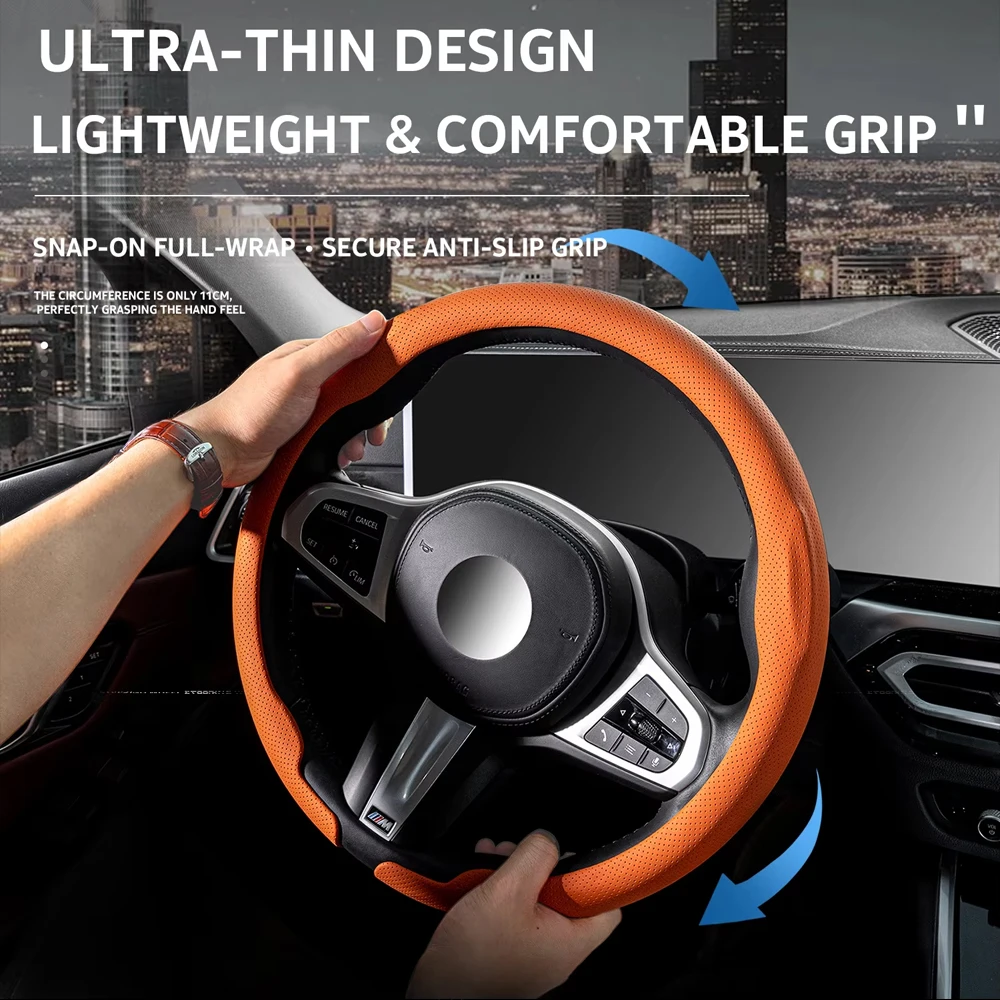
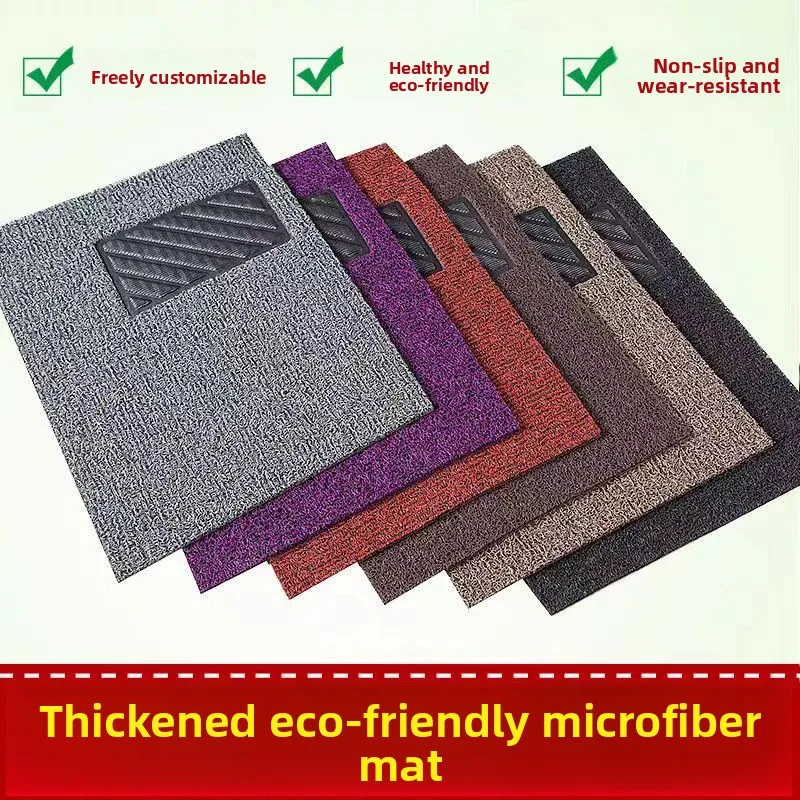
Microfibre: cleaning and drying cloths, a cleaning kit, and microfibre steering wheel covers.
Heat, cold and cleaning at a glance
Leather and leather-look wipe clean and look smart, but get warm in strong sun and cold in winter. Memory foam moulds to you as it warms, so it starts firmer on a cold morning. Rubber does not soak anything up and washes with a hose, and silicone grips a smooth surface without glue. Microfibre picks up dust rather than pushing it around, and on a steering wheel a suede-feel microfibre grips well and does not get as hot or as cold to the touch as leather. So pick by the job: what gets wet and muddy wants rubber, what you sit on for hours wants foam, and what you hold wants grip.
Questions people ask about car accessory materials